-
-
MindSight Dashboard showing real-time insights, risk levels, and decision support tools for mental health management.
-
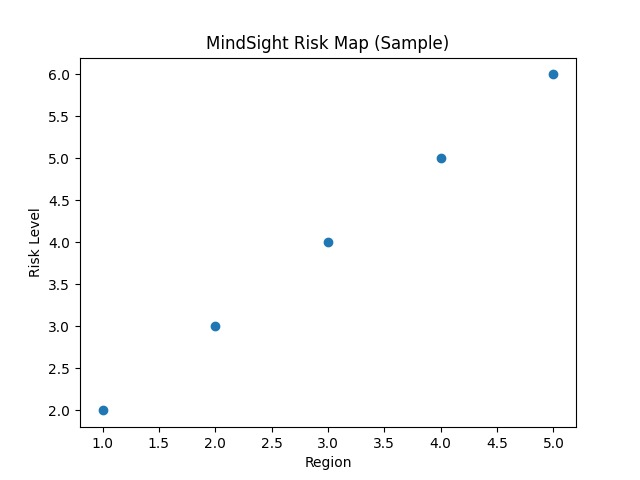
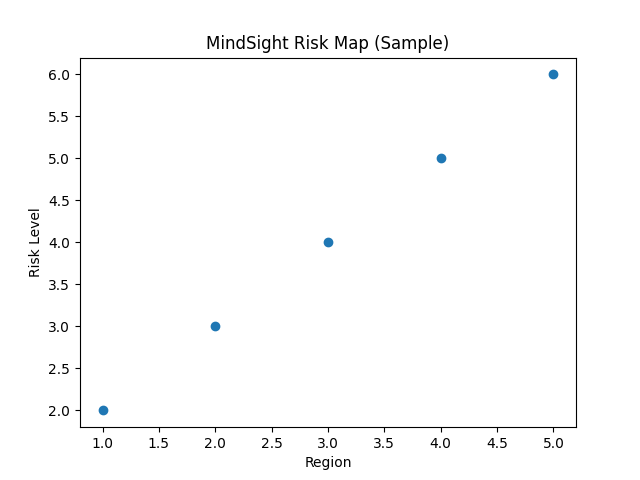
Sample risk map highlighting regions with higher mental health vulnerability based on data analysis.
-
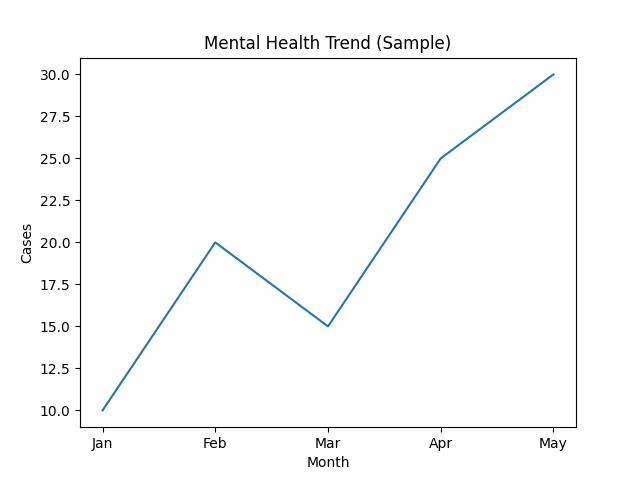
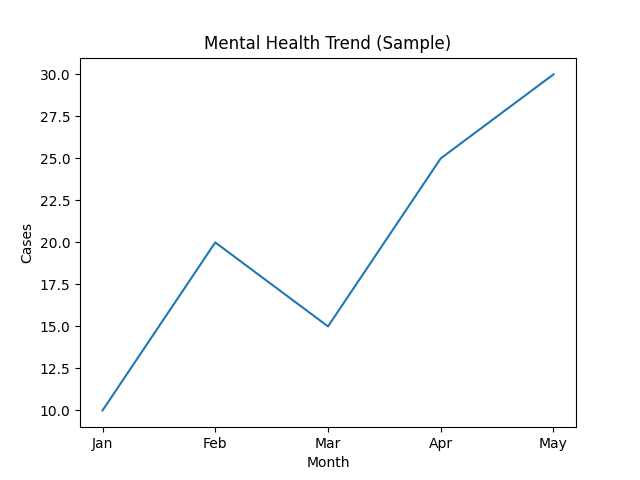
Trend analysis of mental health cases over time to identify patterns and predict future risks.
About MindSight
Inspiration
Mental health is a growing global issue. According to reports, 1 in 8 people suffer from mental health problems, but most do not receive proper treatment. Governments and NGOs often struggle because they do not have clear and connected data. This inspired me to create a solution that can help in early detection and better decision-making.
What I Built
I developed MindSight, an AI-based mental health analytics platform. It helps governments and NGOs:
Identify high-risk areas Predict mental health problems Take early action Use resources more effectively
The goal is to make mental health systems more proactive instead of reactive.
How It Works
MindSight works in three simple steps:
Data Collection It collects data from hospitals, helplines, and surveys (anonymized data). AI Processing Machine learning models analyze the data to find patterns and predict risks. Insights & Action Results are shown on a dashboard to help decision-makers take the right actions.
Technologies Used
Python (for AI/ML models) Basic data analysis techniques Conceptual dashboard design
(Note: This is a prototype/idea-based project focused on solution design.)
What I Learned
How data can be used to solve real-world problems Basics of applying AI in healthcare Importance of early detection in mental health How to design solutions aligned with SDG goals
Challenges Faced
Lack of real-time public mental health data Designing a solution without full datasets Simplifying a complex idea into a clear model Managing everything as an individual participant
Future Scope
Build a working prototype with real datasets Create a live dashboard for visualization Collaborate with NGOs and health organizations Expand to multiple countries
Conclusion
MindSight aims to improve mental health systems by using data and AI. It helps decision-makers act early and save lives.
Built With
- canva
- data
- excel
- machine
- powerpoint
- python

Log in or sign up for Devpost to join the conversation.