-
-
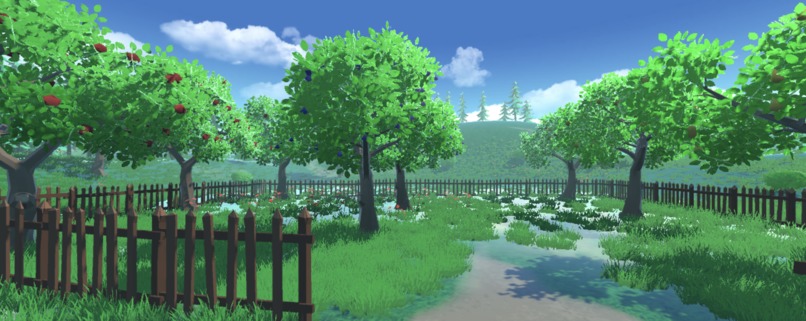
VRMeditation_MeadowScene
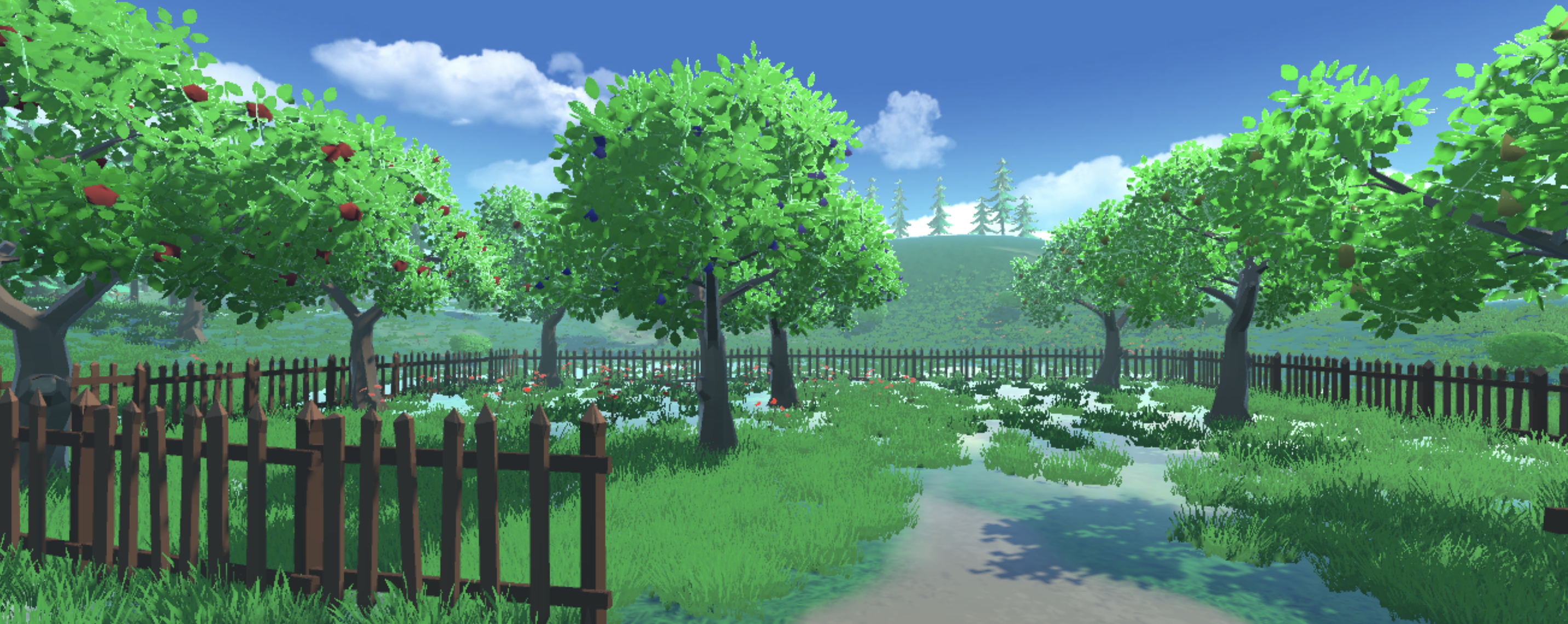
MindMedVR placed 3rd on the junior track🥉.
What inspired us
With chronic stress increasingly prevalent among doctors, our healthcare sector faces growing risks. Dr. Daniel Tawfik of Stanford highlights this concern, noting that “physicians with burnout had more than twice the odds of self-reported medical error” (Mayo Clinic Proceedings, Nov 2024).
What it does
MindMedVR offers an innovative solution, combining EEG technology and VR to support healthcare professionals with immersive meditative experiences. Our mission is to alleviate chronic stress and burnout among frontline doctors through personalized meditation and to also benefit patients.
Doctors can use MindMedVR before or after operations. The device integrates a VR headset with an OpenBCI Ganglion EEG. While the VR headset immerses users in customizable environments, the EEG monitors alpha and beta brainwaves, detecting stress levels. If the threshold for stress is exceeded, the walking pace slows down to stillness and the user is guided a soothing meditative voice. When the user is not stressed, the pacing speeds up and travels in a pre-determined path created by unity.
How we built our project
At its core, MindMedVR seamlessly merges VR and EEG. Its back-end, coded in Python and C# with Visual Studios, processes brainwave data that is collect real-time the OpenBCI GUI. The front-end, developed in Unity, delivers a responsive and dynamic interface of a natural meditative scene. By tailoring relaxation techniques to level individual stress, MindMedVR redefines stress management for healthcare professionals.
What we learned
We realized that there were many limitations to the BioAMP EXG Pill (the microprocessor) in relation to compatibility. However, the whole hackathon was extremely valuable in teaching us both BCI and coding specifics. With limited previous experience, we learned how to obtain, read, and analyze brainwaves.
Challenges we faced
We faced multiple challenges related to the code and technology. In addition, only four out of the six team members were not able to make it to Edmonton. Initially, we experienced difficulty transferring data from the BioAMP EXG Pill to Unity, which is why we switched to the OpenBCI Ganglion board. We experienced difficulty interpreting the raw data and how it relates to stress, as well as which wave is being and should be detected. As high school students, everything was a new experience, from learning how to use Github to determining how to debug errors.
Built With
- c#
- openbci
- python
- unity
- visual-studio

Log in or sign up for Devpost to join the conversation.