-
-
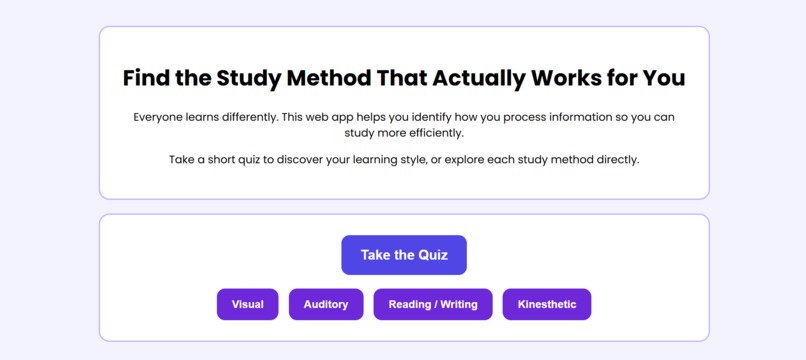
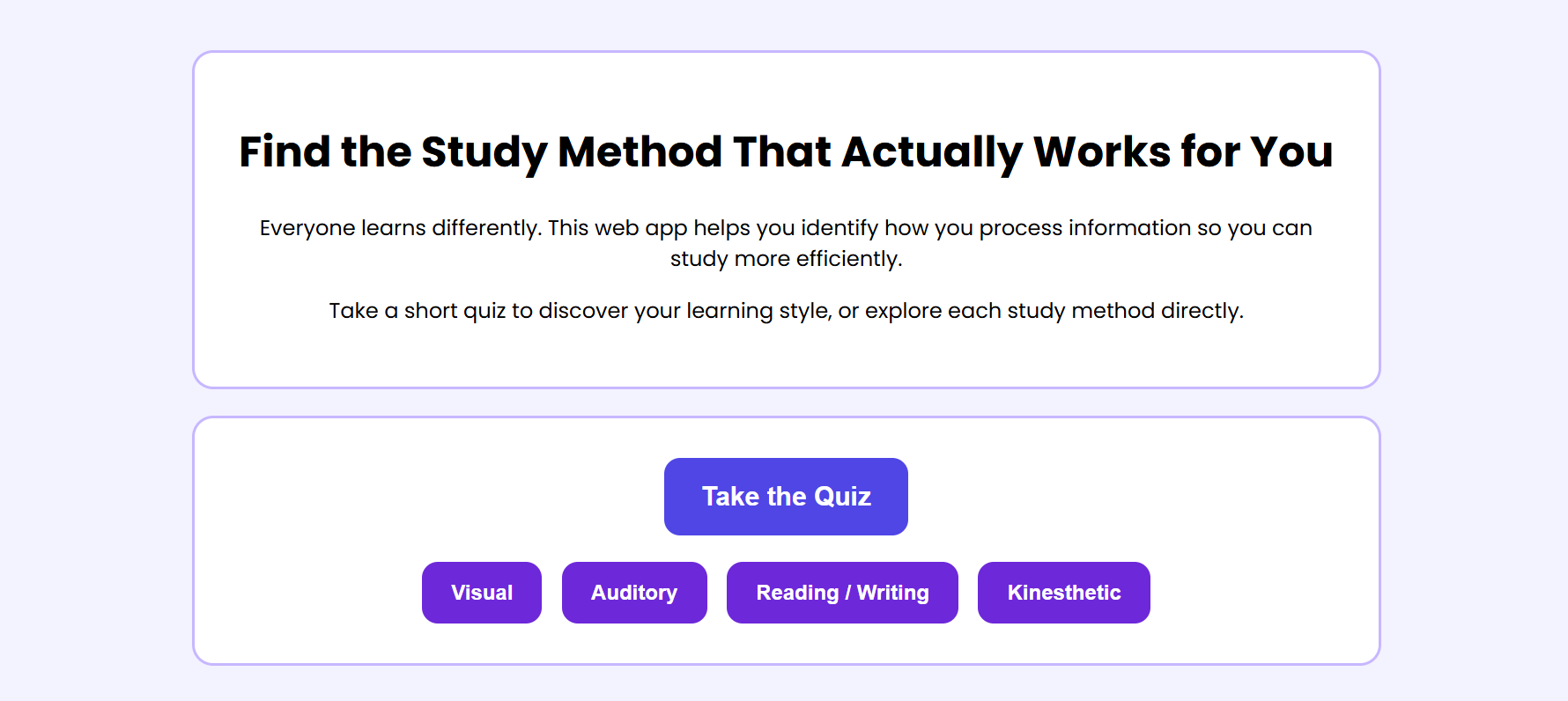
Landing Page
-
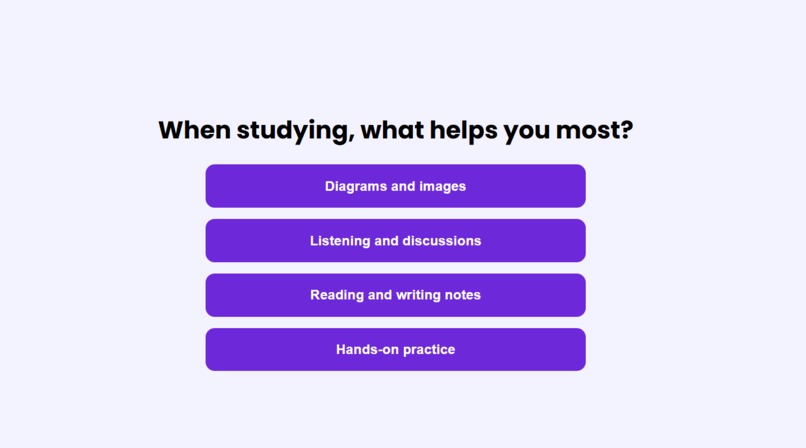
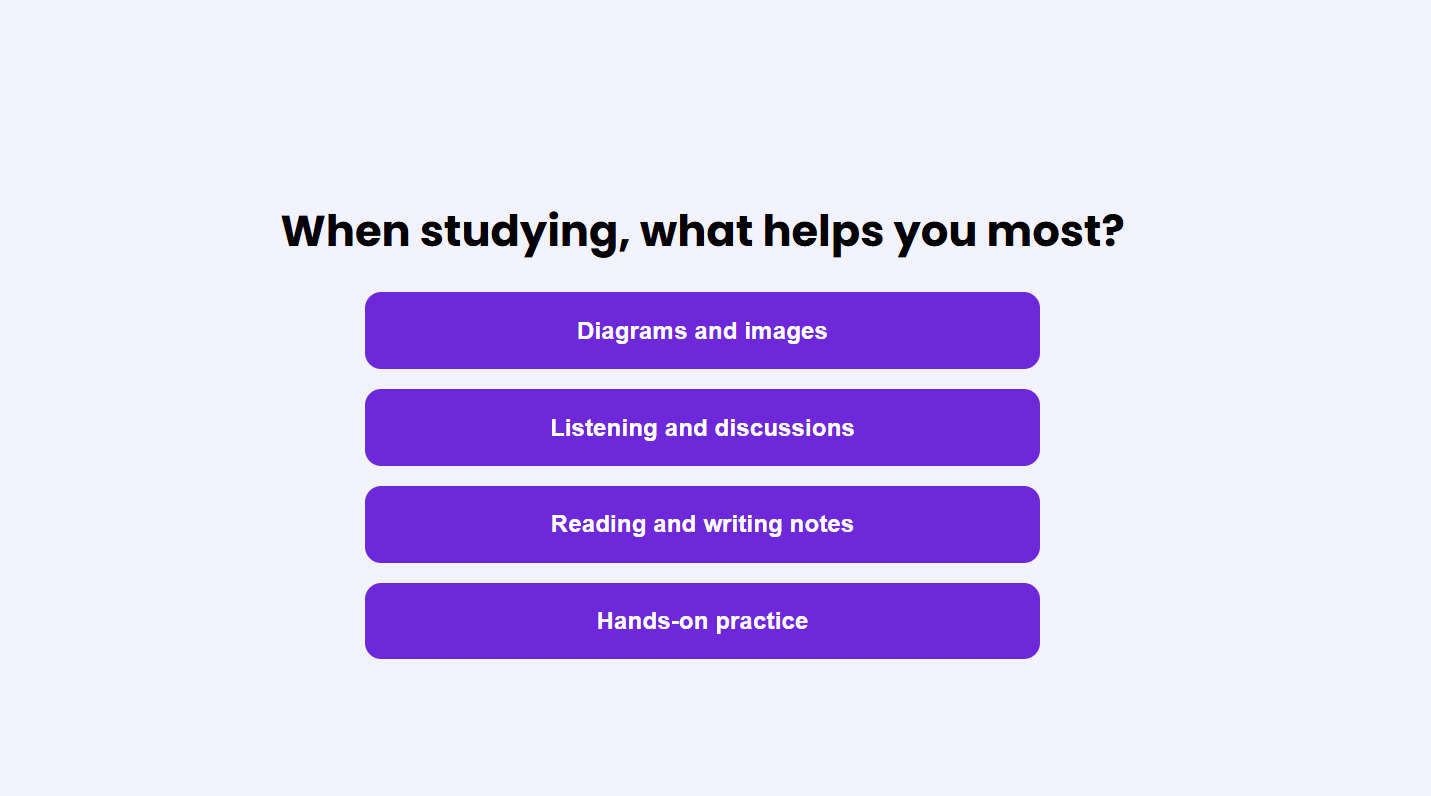
Quiz Question
-
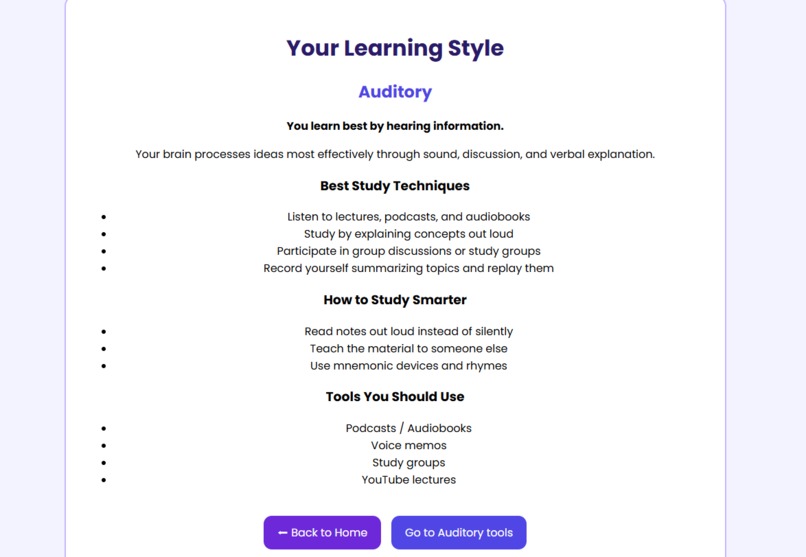
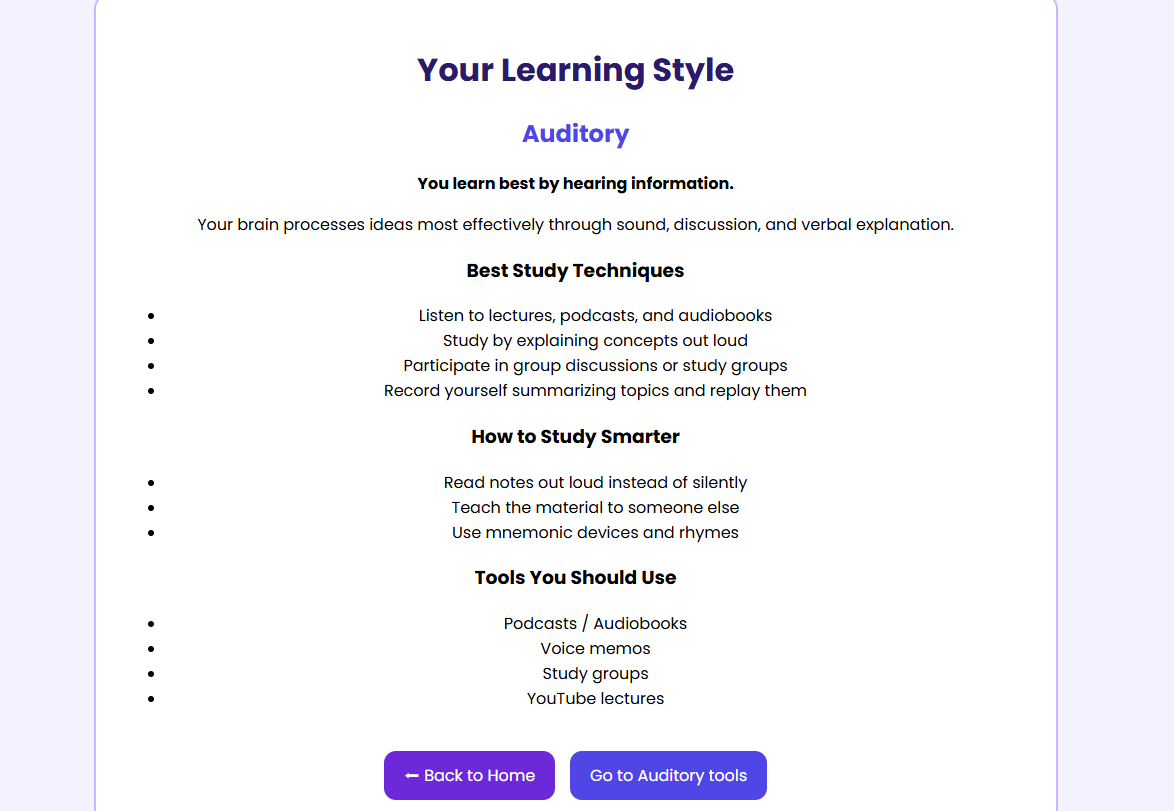
Sample Results Page (zoomed out)
-
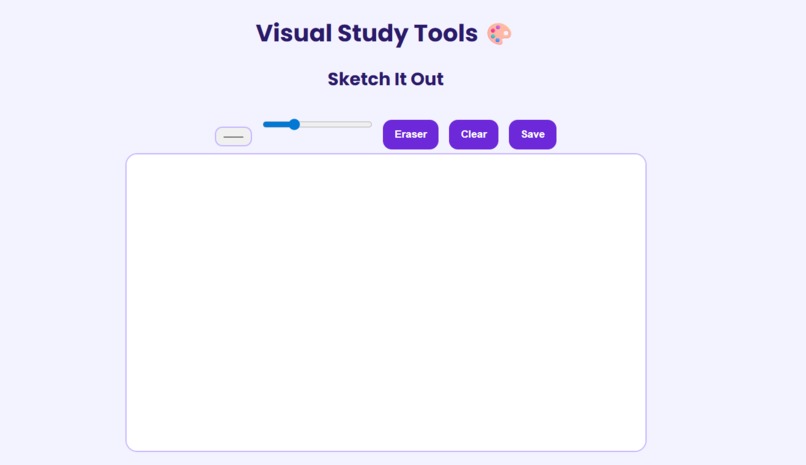
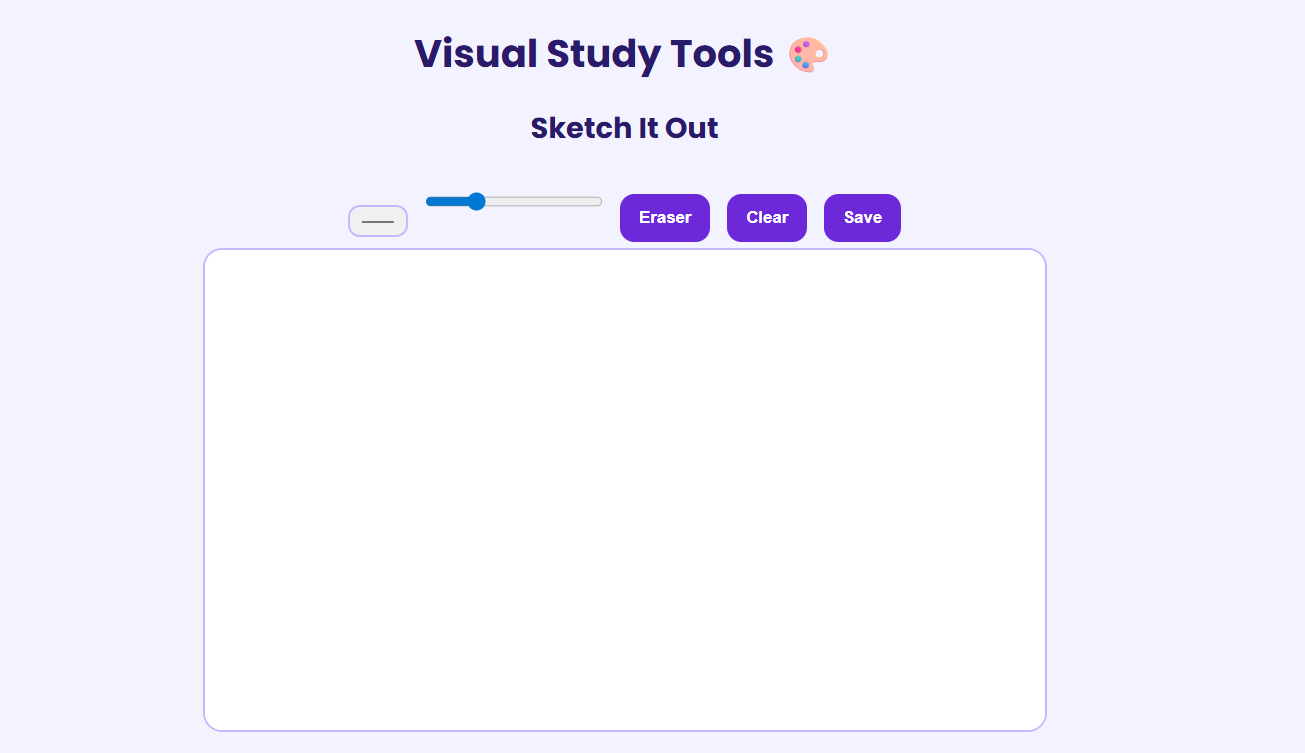
Sample Tools Page (Visual part 1)
-
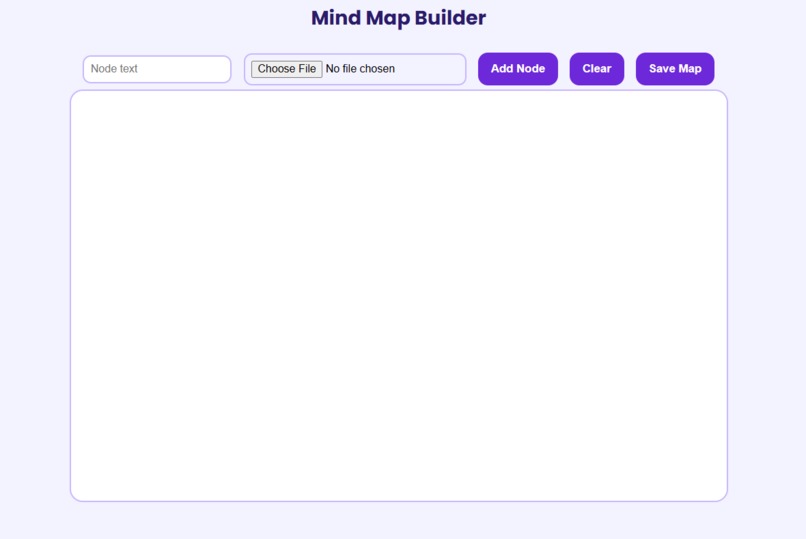
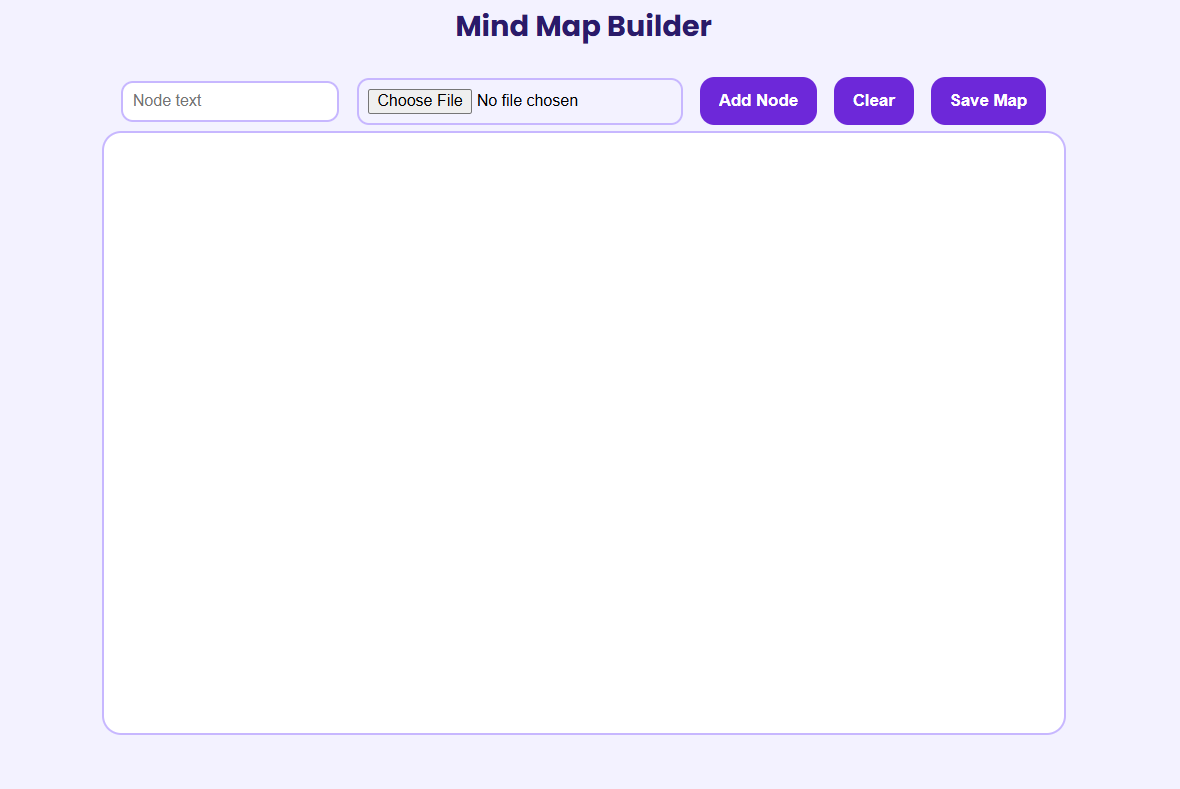
Sample Tools Page (Visual part 2)
-
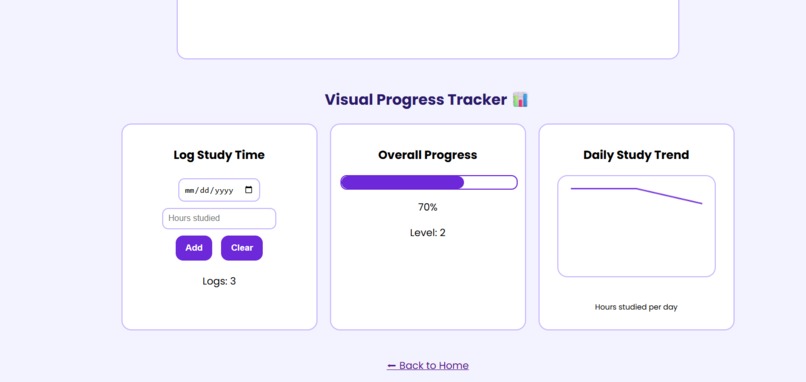
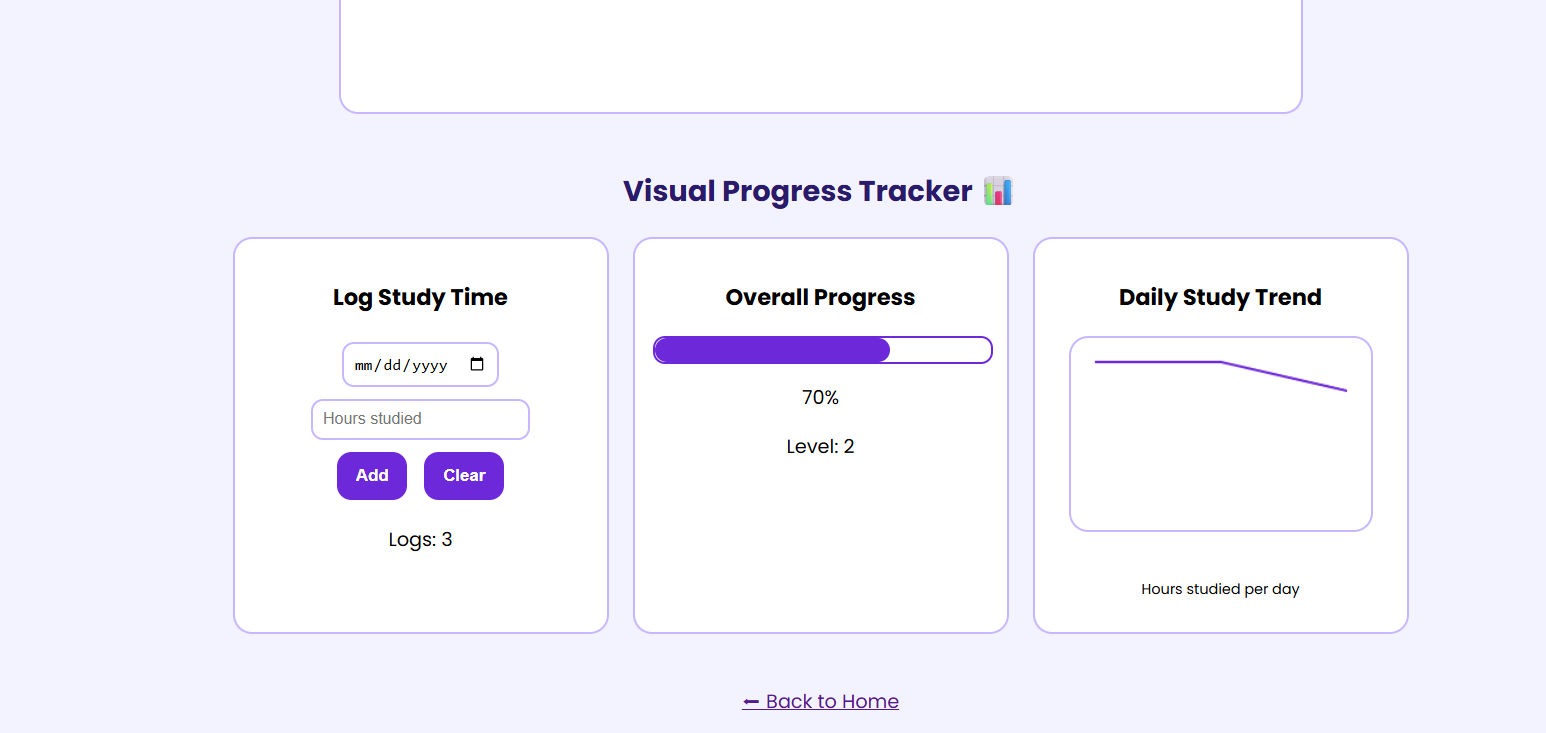
Sample Tools Page (Visual part 3)
Breaking the Box: Building a Personalized Learning Platform
Inspiration: Students Deserve Better Than a Box
For too long, students have been placed into a rigid educational structure that assumes everyone learns the same way. The system rewards those who naturally fit the lecture–memorize–test cycle and often overlooks those who process information differently. When students struggle, the blame is frequently placed on them rather than on the system itself.
But learning is not linear. It is not standardized. It is deeply personal.
Some students think in visuals. Others learn by doing. Some need discussion and collaboration. Others need structure and repetition. These differences are not flaws — they are cognitive strengths.
This realization inspired me to build a platform that shifts the focus from “How do we fix the student?” to “How do we support the student?”
Students should not have to squeeze themselves into an educational box. Education should adapt to them.
The Solution: A Web App That Adapts to You
I built a full-stack web application that identifies a student’s learning style through an interactive quiz and connects them with tools specifically suited to how they learn best.
The system transforms self-awareness into action through a structured mapping process:
$$ \text{Learning Profile} = f(\text{Student Responses}) $$
$$ \text{Recommended Tools} = g(\text{Learning Profile}) $$
Instead of generic advice like “study more,” students receive targeted tools aligned with their cognitive strengths. The result is not just insight, but empowerment.
How I Built It: Full-Stack Development with Python and Flask
This project was built as a full-stack application, combining frontend interactivity with a structured backend system.
Frontend
The frontend was developed using:
- HTML for structure
- CSS for styling and user interface design
- JavaScript for dynamic quiz logic and interactivity
I designed the interface to feel intuitive and student-friendly. The quiz dynamically updates as users progress, and results are displayed clearly and encouragingly.
Backend (Python + Flask)
The backend was built using Python and the Flask framework.
Flask allowed me to:
- Handle routing between pages
- Process quiz form submissions
- Manage server-side logic
- Dynamically render results using templates
- Structure the application in a scalable way
The backend processes quiz responses by calculating weighted scores for each learning style:
$$ \text{Score}{style} = \sum{i=1}^{n} w_i \cdot response_i $$
Where:
- $response_i$ represents a student’s answer
- $w_i$ represents the weight associated with a specific learning style
The dominant learning style is determined by:
$$ \text{Learning Style} = \arg\max(\text{Score}_1, \text{Score}_2, \dots, \text{Score}_k) $$
Flask then passes the computed learning style to the frontend using template rendering, where personalized tools are displayed.
This separation of frontend presentation and backend logic made the system cleaner, more secure, and more maintainable.
Challenges I Faced
1. Translating Human Learning Into Code
Human learning is complex and nuanced. Converting something so abstract into mathematical logic required multiple iterations. I had to refine scoring weights and ensure the system did not oversimplify learning differences.
2. Backend Logic and Data Flow
Connecting the frontend quiz to the Flask backend required careful handling of form data and routing. Debugging issues with POST requests, template rendering, and variable passing helped me better understand how client-server architecture works.
Understanding how data flows:
$$ \text{Client} \rightarrow \text{Flask Server} \rightarrow \text{Processing} \rightarrow \text{Response} $$
was a major learning milestone.
3. Debugging and Iteration
There were moments when calculations didn’t align with expected results or when templates failed to render properly. Debugging forced me to think systematically, test edge cases, and improve the structure of my code.
I learned that building meaningful software requires persistence and refinement.
What I Learned
This project strengthened my skills in:
- Full-stack development
- Python and Flask architecture
- Logical system design
- Mathematical modeling
- User-centered design
More importantly, I learned that technology becomes powerful when it solves real problems.
Education is one of the most important systems in society, yet it often lacks personalization. Through this project, I saw how code can be used not just to build applications, but to challenge outdated systems.
Impact: Rewriting the Narrative
When students struggle, they often internalize failure. They begin to believe they are not smart enough.
But intelligence is not one-dimensional.
This platform exists to remind students that their way of learning is valid. It shifts the narrative from limitation to possibility.
Students are not broken. They are not behind. They simply learn differently.
And when education adapts to the learner instead of forcing the learner to adapt to education, potential is no longer confined.
Students do not belong in boxes.
And this project is one step toward breaking them open.
Built With
- css
- flask
- html
- javascript
- localstorage
- python

Log in or sign up for Devpost to join the conversation.