Inspiration
Many people make important decisions while overwhelmed by strong emotions or negative thinking. Those moments can affect relationships, mental state and everyday life. Most applications focus mainly on tracking mood without helping users understand deeper their emotional & thinking patterns. I wanted to build an app than provides reflection instead of only tracking emotions. The idea behind this was to combine journaling with AI to help users recognize their thinking patterns, show them another look on their thoughts and become more aware of their emotional habits. The goal is not to diagnose users, but to encourage self-reflection and emotional awareness.
What it does
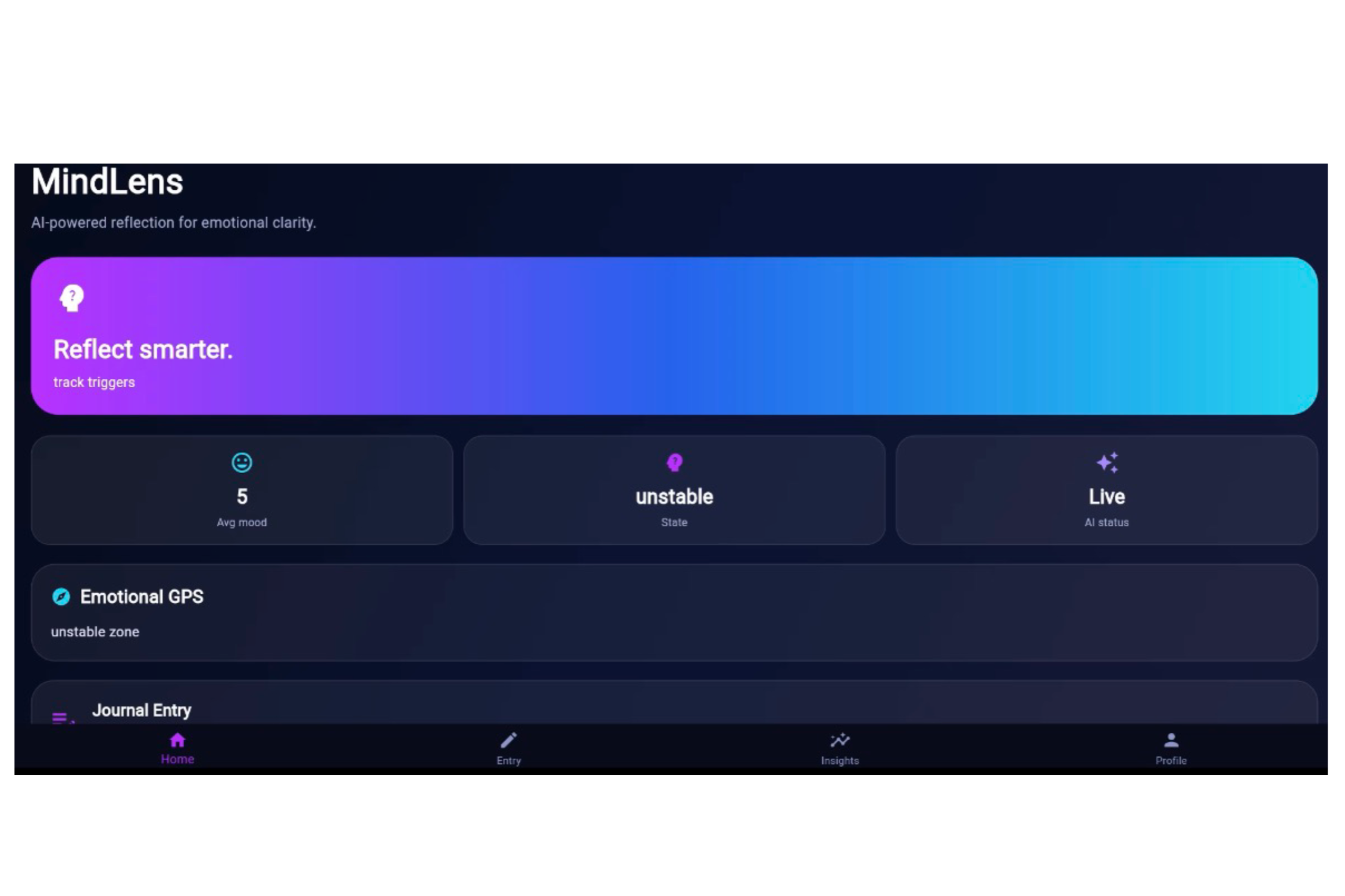
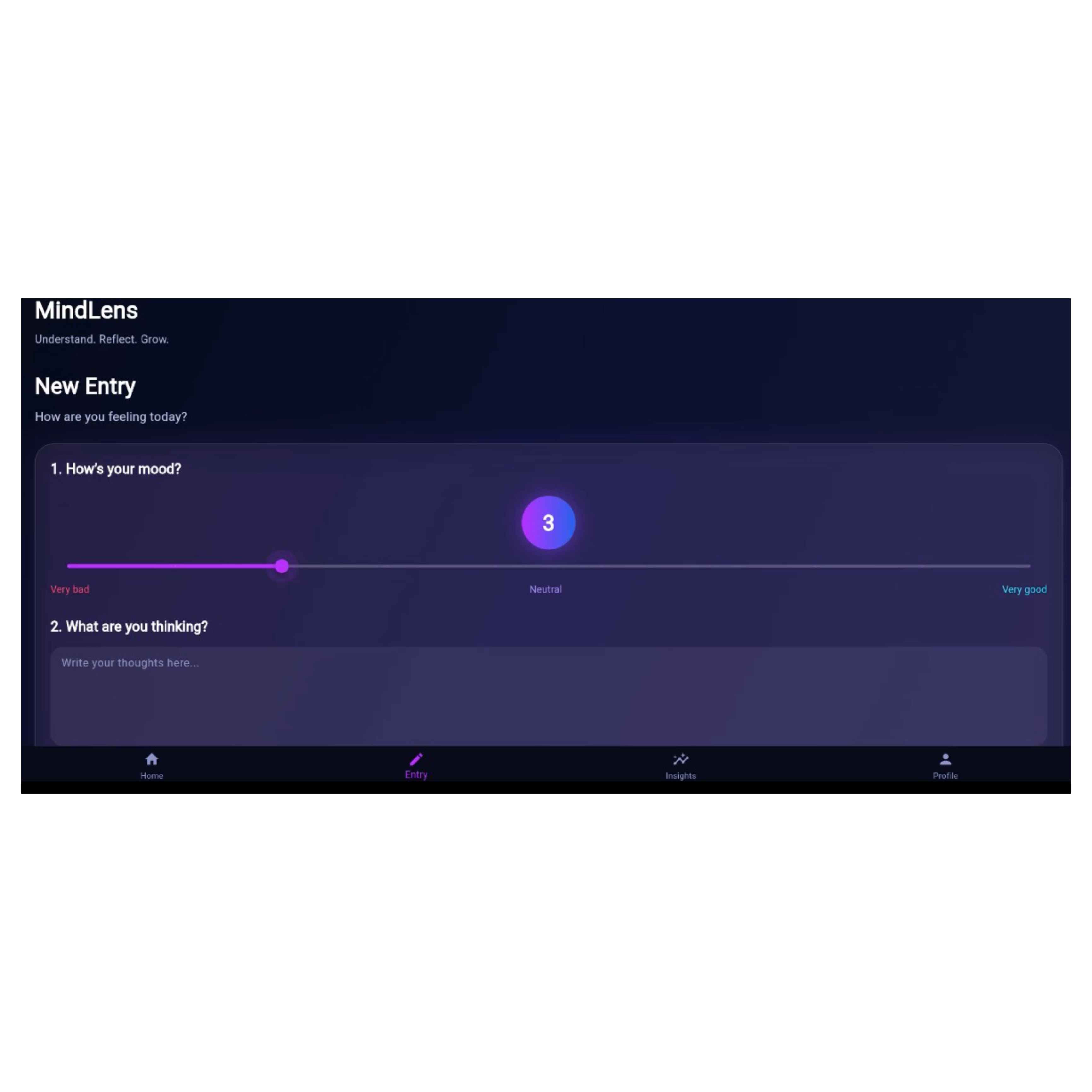
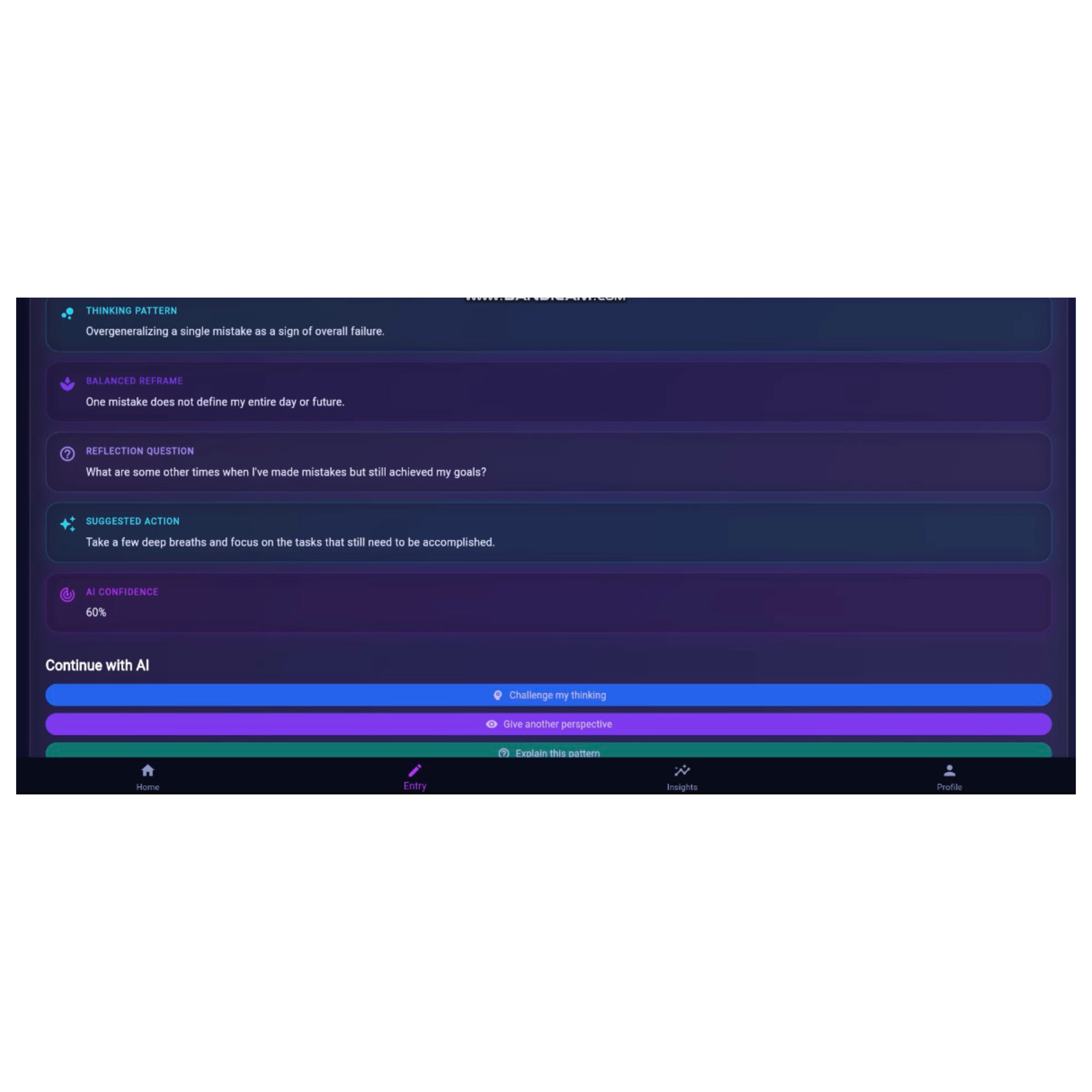
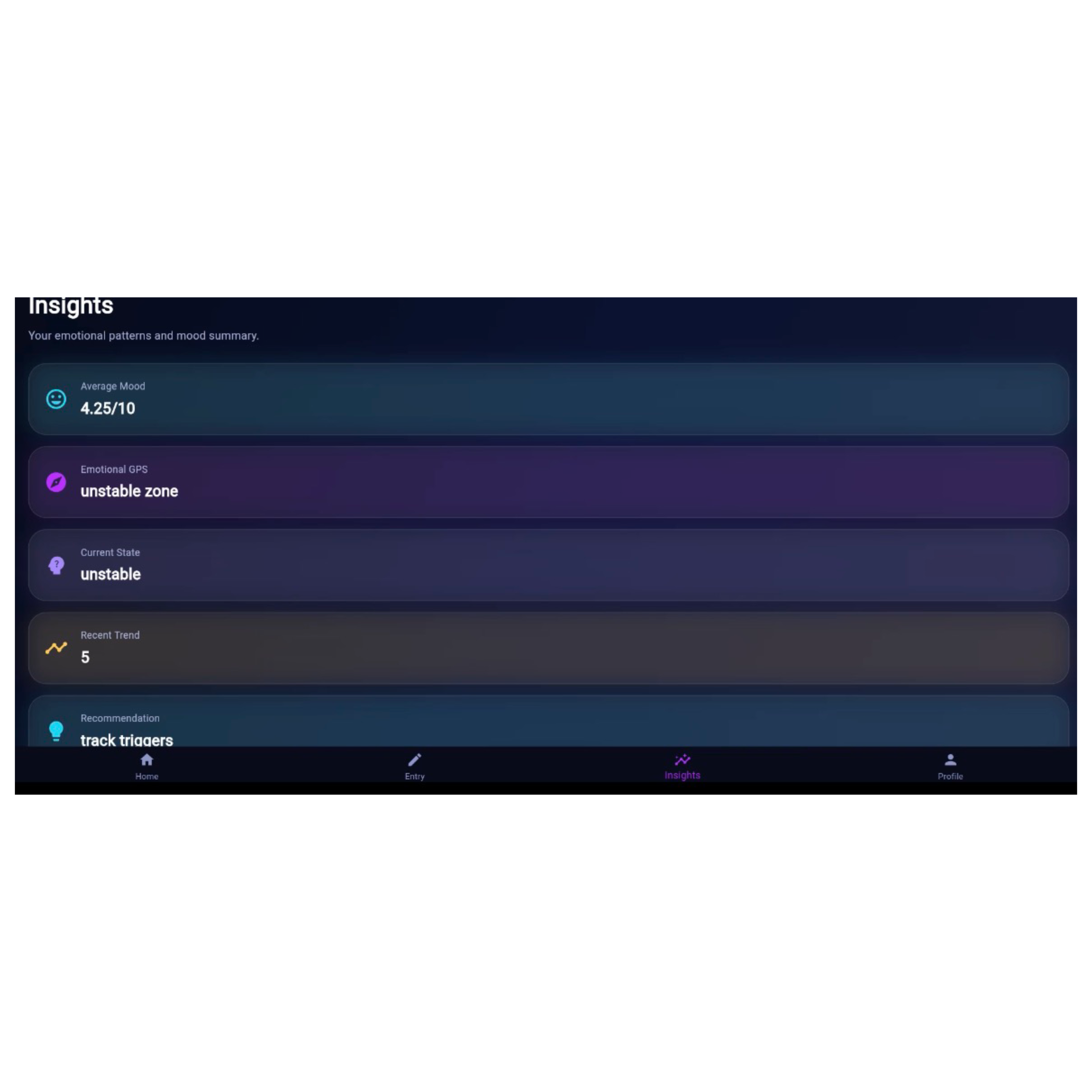
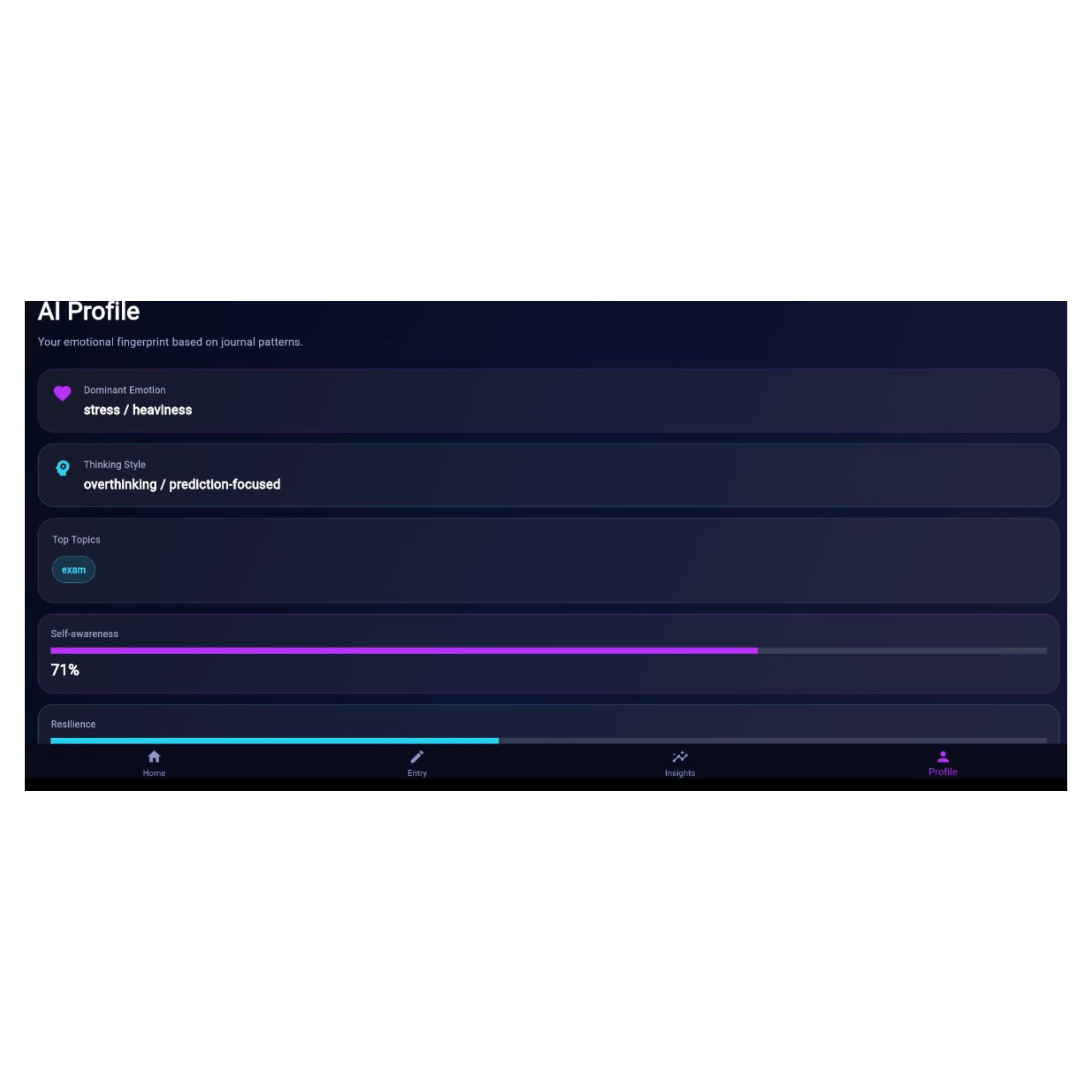
MindLens is an AI-powered journaling and emotional reflection tool. Users can:
- track their mood and journal entries,
- receive AI-generated analysis,
- identify cognitive distortions,
- get a reframe of their thoughts,
- receive personalized reflection questions and suggestions,
- continue the examining of their patterns by AI conversation,
- explore emotional insights over time,
- view the summary of the long-term patterns.
How we built it
The frontend was built using Flutter, the backend uses FastAPI and SQLite for data storage. AI-powered analysis is created using Groq API and Llama 3.1, with REST API endpoints.
Challenges we ran into
One of the biggest challenges was integrating the Flutter frontend with the FastAPi backend and making sure everything else always works correctly. Since I built the project on my own and I am still a beginner, this was also a valuable learning experience. I spent a significant amount of time debugging and improving the application.
Accomplishments that we're proud of
I'm proud of that I built an AI-powered full-stack app from scratch, integrated Flutter, SQLite, FastAPI and Groq AI into one project, implemented AI-powered analysis and designed features like long-term insights or a clean interface.
What we learned
This project taught me a lot, for example how to connect Flutter frontend with Python backend, work with databases or improve AI responses. Building MindLens showed me how much can be achieved even with limited time through learning and experimentation.
What's next for MindLens
I would like to develop MindLens into a more complete AI reflection application. My plans include things like secure user accounts, richer visualisations, AI-generated weekly reports, more personalized reflection features and much more.

Log in or sign up for Devpost to join the conversation.