-
-
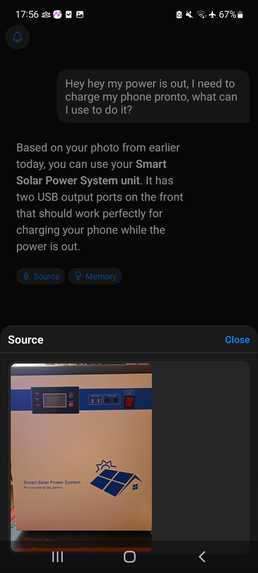
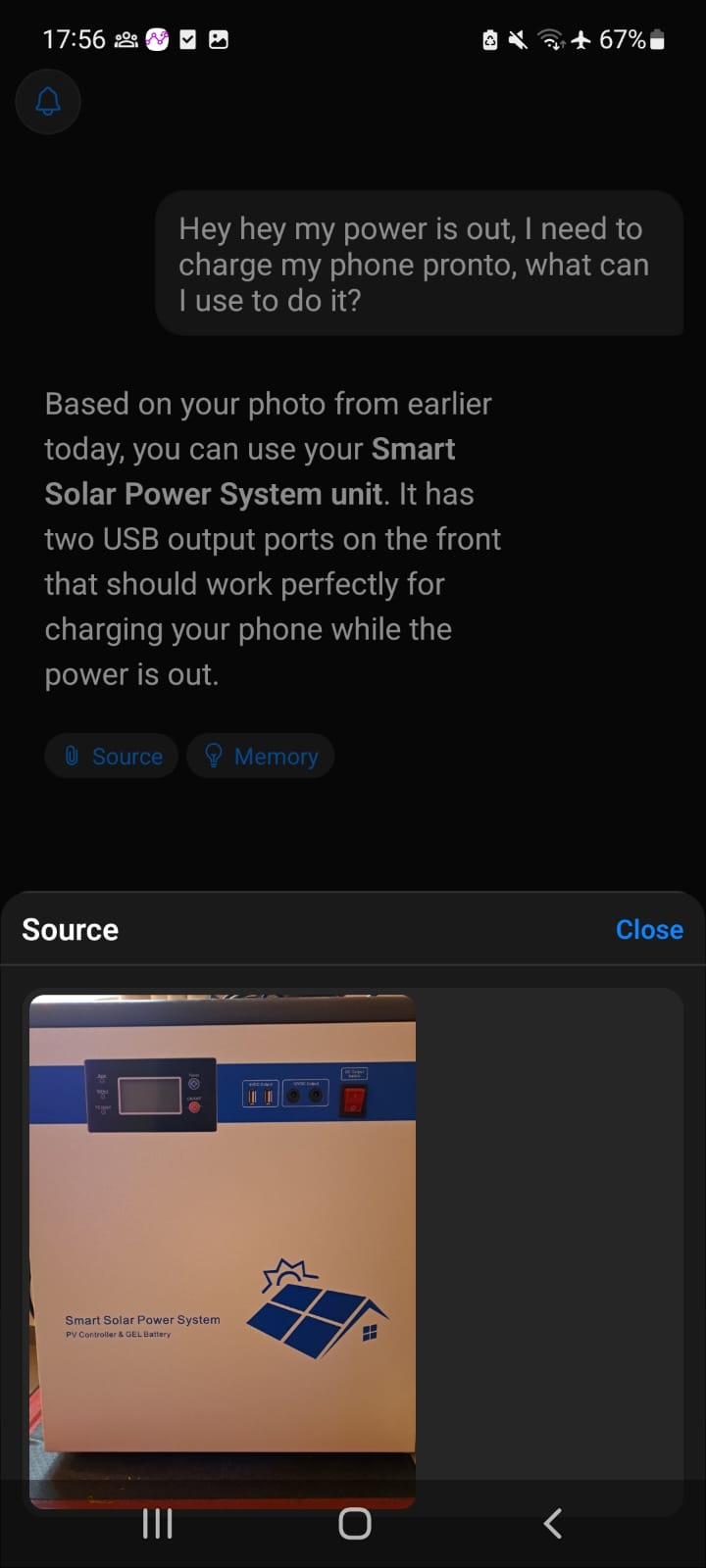
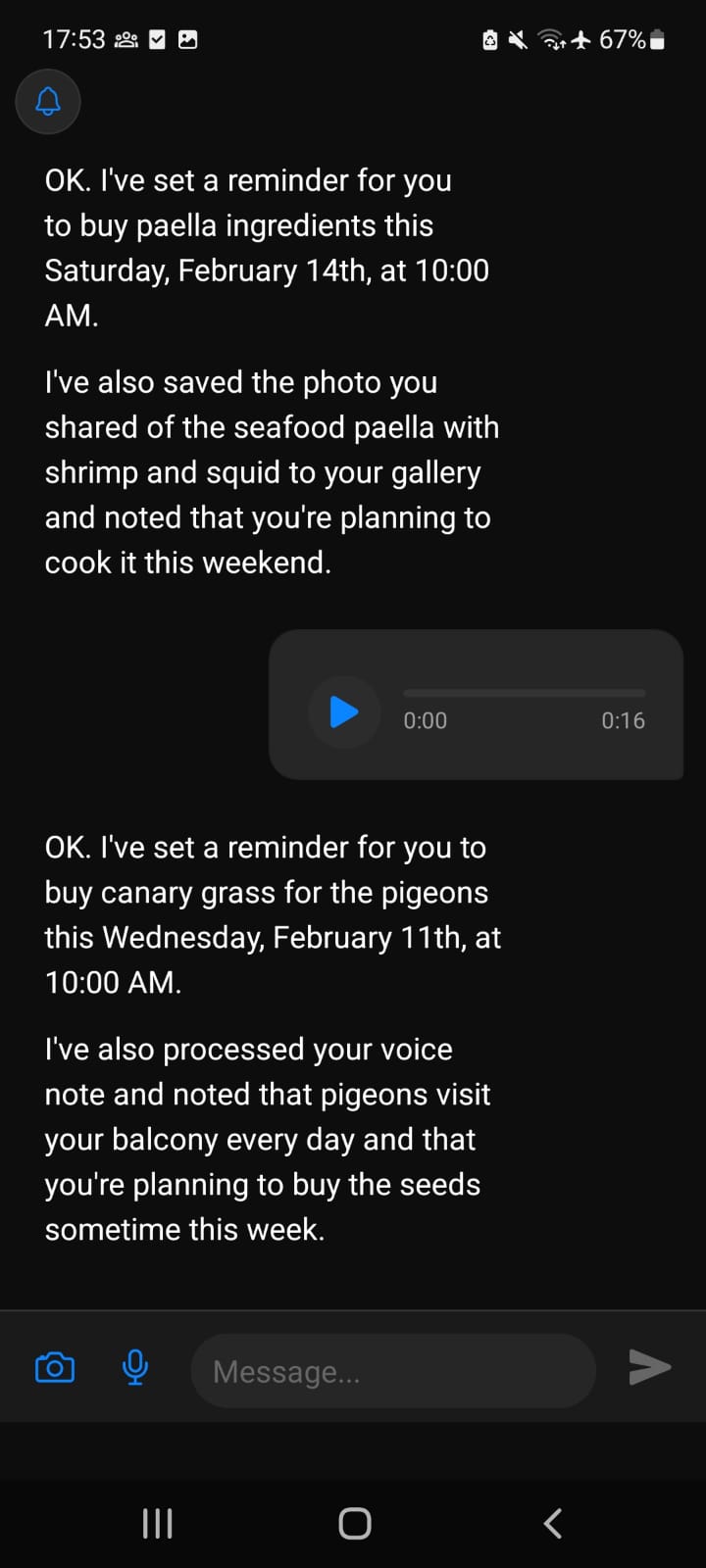
Gemini 3 showing reasoning capabilities based on memory
-

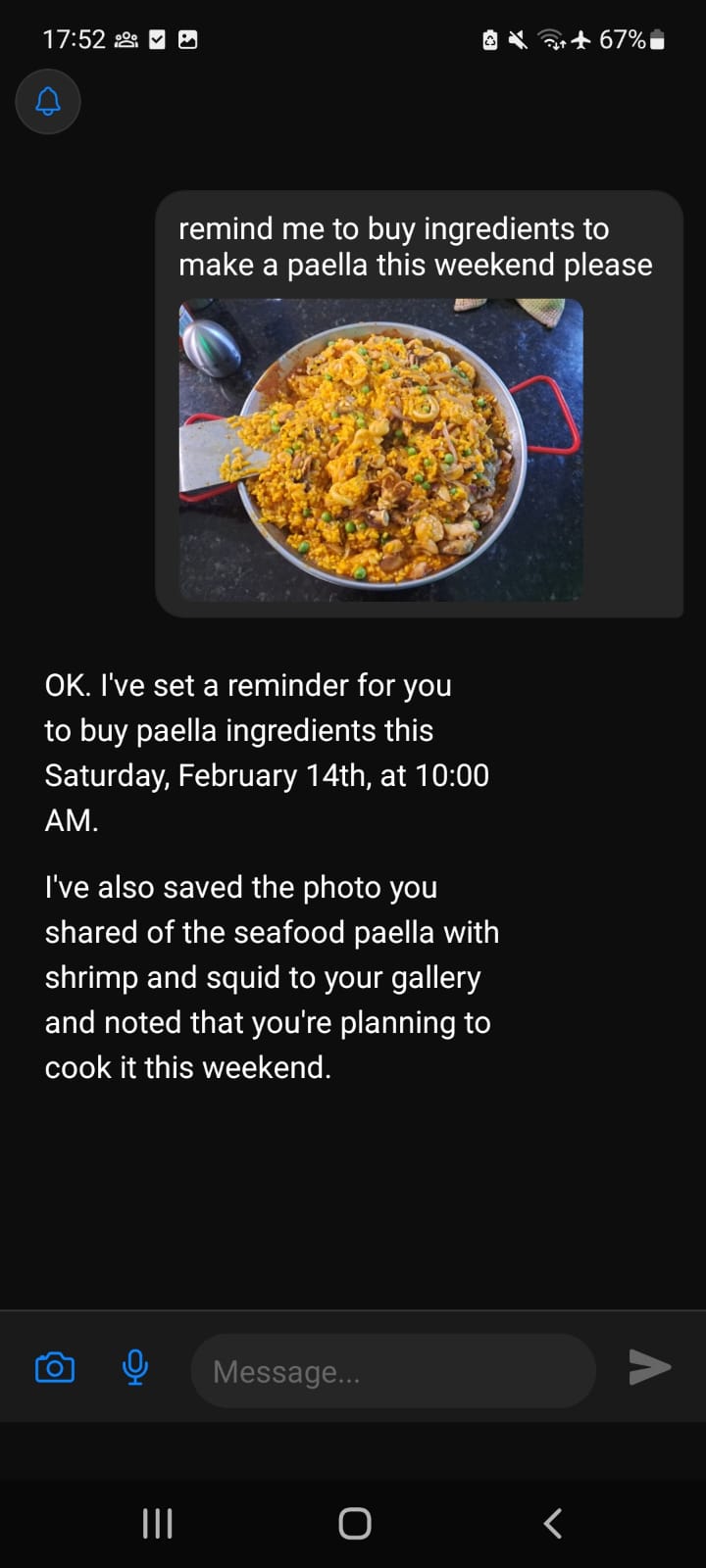
processing images
-

processing voice input
-
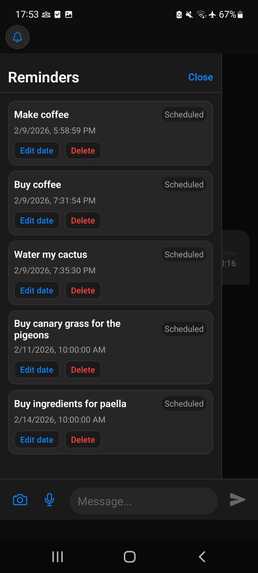
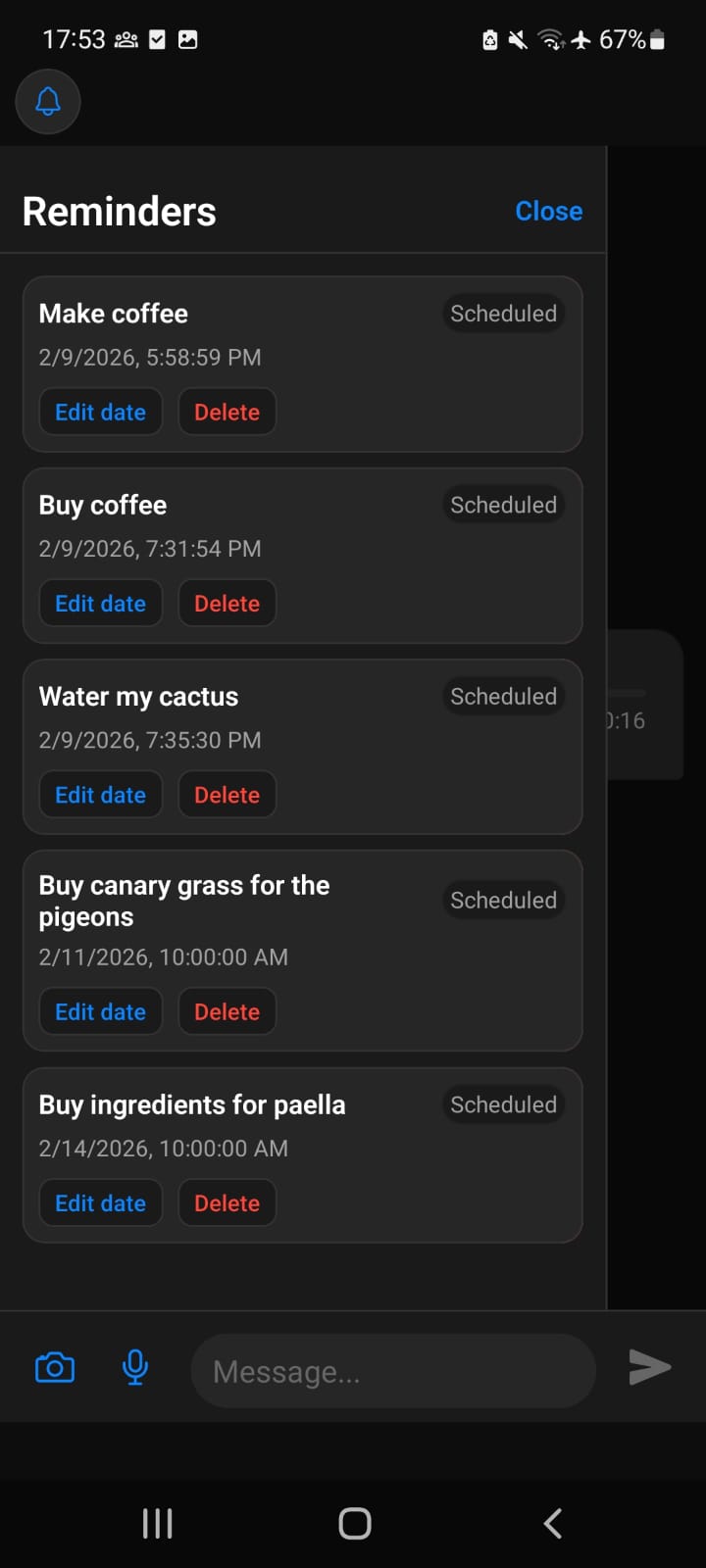
reminders log
-

Gemini remembering what I forgot lol

🤖 How We Use Gemini 3 in MindHook
MindHook uses Gemini 3 as a reasoning engine rather than a traditional chat interface. Gemini interprets user input, decides how information should be stored, and determines when it becomes relevant again.
We leverage Gemini’s multimodal capabilities to analyze images, transcribe and interpret audio, and extract structured context from unstructured inputs. When users submit text, voice, or photos, Gemini reasons across modalities to identify key entities, attributes, and relationships, generating memory representations automatically without manual tagging or organization.
Gemini’s intent and temporal reasoning allow MindHook to distinguish between passive memory capture, information requests, and future-oriented actions. This enables seamless transitions between storing memories, answering questions, and creating on-device reminders based on relative time expressions.
We use the Gemini Conversation API to maintain contextual continuity across interactions, while response streaming ensures fast, responsive interactions. Tool calling allows Gemini to control how data flows between memory storage, retrieval, metadata generation, and reminder creation.
Together, these capabilities enable MindHook to provide a private, dedicated assistant experience that reasons over memory, time, and context — not just a retrieval system.
💡 What Inspired Us
We were struggling with our own internal disorganization — information scattered across documents, notes, voice memos, photos, and multiple apps. Over time, we realized we were spending more energy organizing our organization tools than actually focusing on the work we wanted to do.
We wanted a system where capturing information felt natural and effortless, and where recalling it later didn’t depend on perfect structure, tagging, or memory. That frustration became the foundation for MindHook.
🧠 What It Does
MindHook acts as a private, on-device surrogate memory. Users can feed it text, voice, or photos, and Gemini 3 decides how that information should be stored, linked, and recalled later.
Instead of forcing users to manually organize their inputs, MindHook uses multimodal reasoning, intent analysis, and time-based understanding to surface relevant information when it matters — whether that’s answering a question, connecting past context, or creating reminders.
🛠️ How We Built It
MindHook is a React Native application designed to work both online and offline, with a minimal, distraction-free interface. We intentionally kept the technical stack straightforward and focused on reliability and performance.
Our primary focus was delivering value to the core pain point rather than building unnecessary features. Gemini 3 handles the reasoning layer, while the app remains lightweight and unobtrusive, allowing users to carry it with them as a natural extension of their daily workflow.
⚠️ Challenges We Ran Into
One of the main challenges was orchestrating Gemini tool calling across the server side and the frontend React Native app. Coordinating how Gemini’s decisions translated into concrete actions on the device required careful design and iteration, especially since this interaction pattern was new to us.
🏆 Accomplishments We’re Proud Of
MindHook quickly became something we started using daily, even in its early alpha and proof-of-concept stages. Reaching a point where the app was genuinely useful to us was a strong validation of the idea and the approach.
📚 What We Learned
We learned that less is truly more when it comes to delivering value. The best experience is one that feels natural, fades into the background, and lets users focus on their tasks rather than on the tool itself.
🚀 What’s Next for MindHook
We’re moving beyond the proof-of-concept stage and turning MindHook into a production-ready application. Our next steps focus on refining an unobtrusive UI, improving reliability, and giving Gemini deeper, more seamless integration with device-level capabilities.
Built With
- android
- expo.io
- fastify
- google/gen-ai
- react
- react-native
- sqlite
- typescript
- websocket


Log in or sign up for Devpost to join the conversation.