-
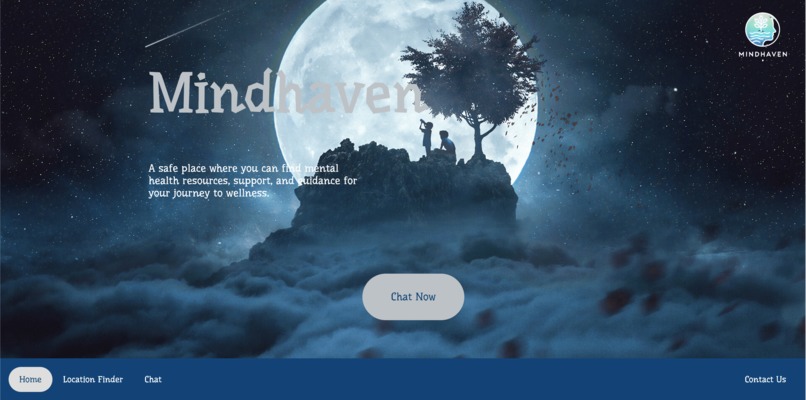
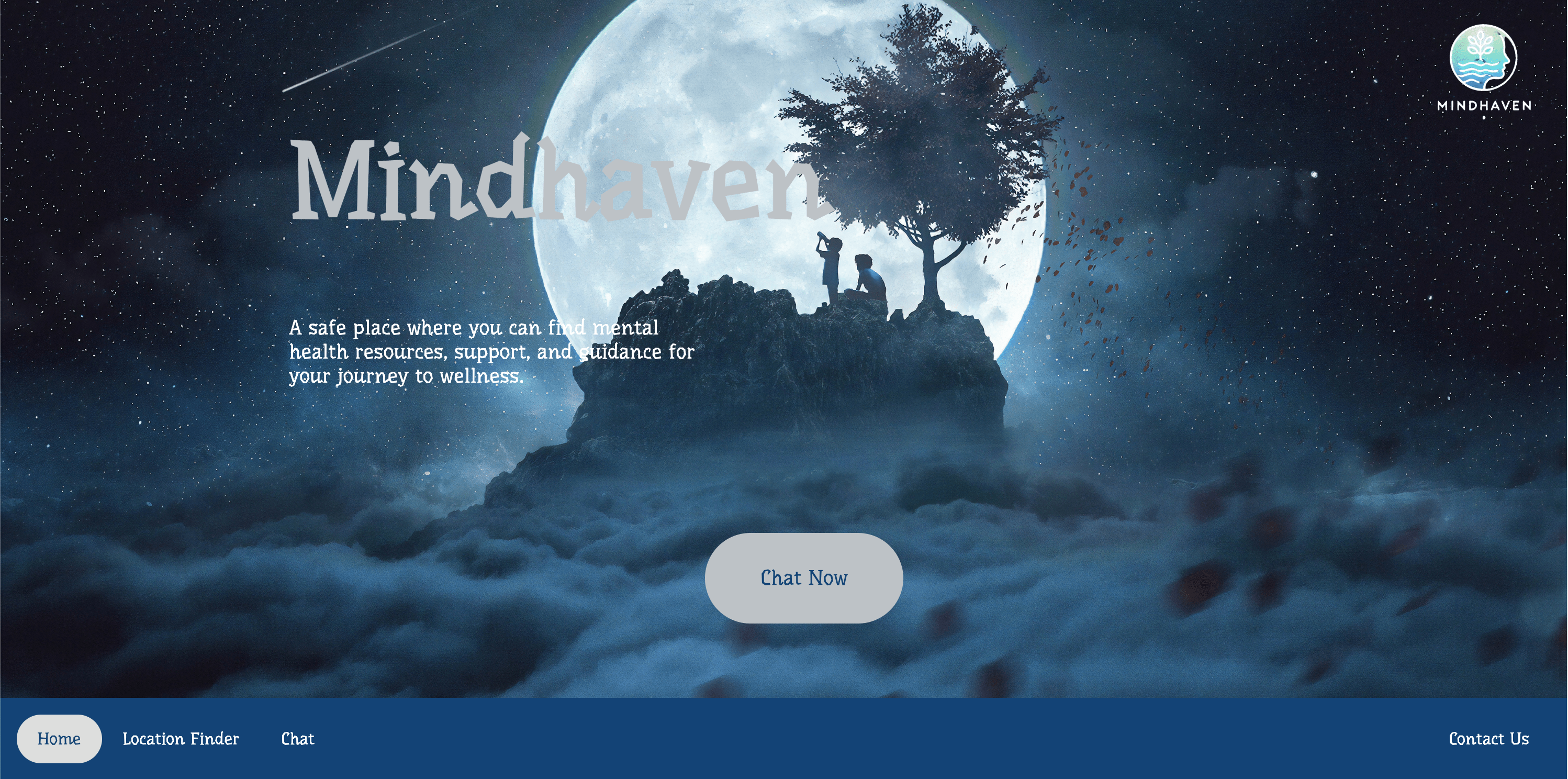
Homepage
-
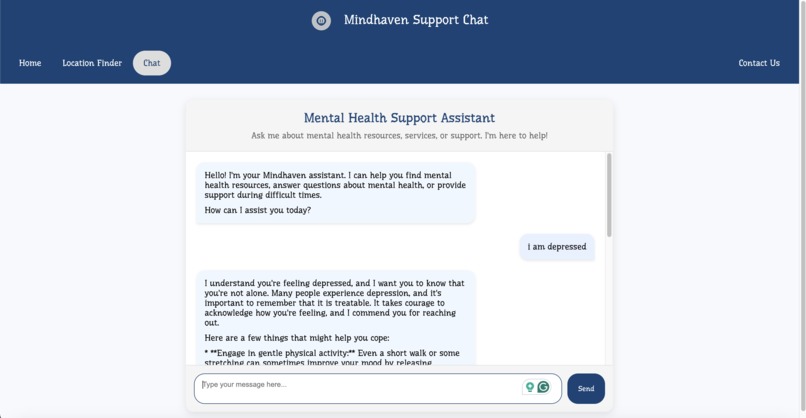
Chatbot
-
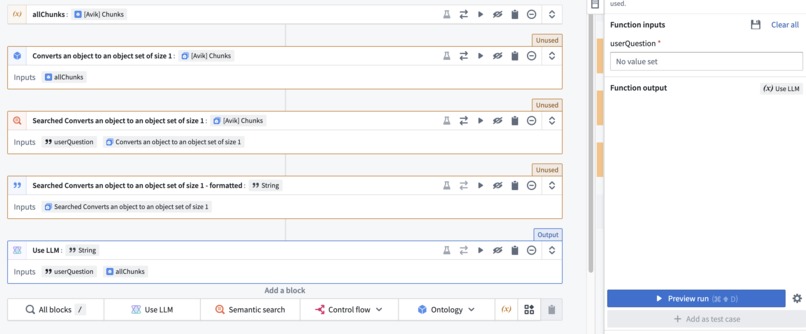
Workflow
-

Data Processing
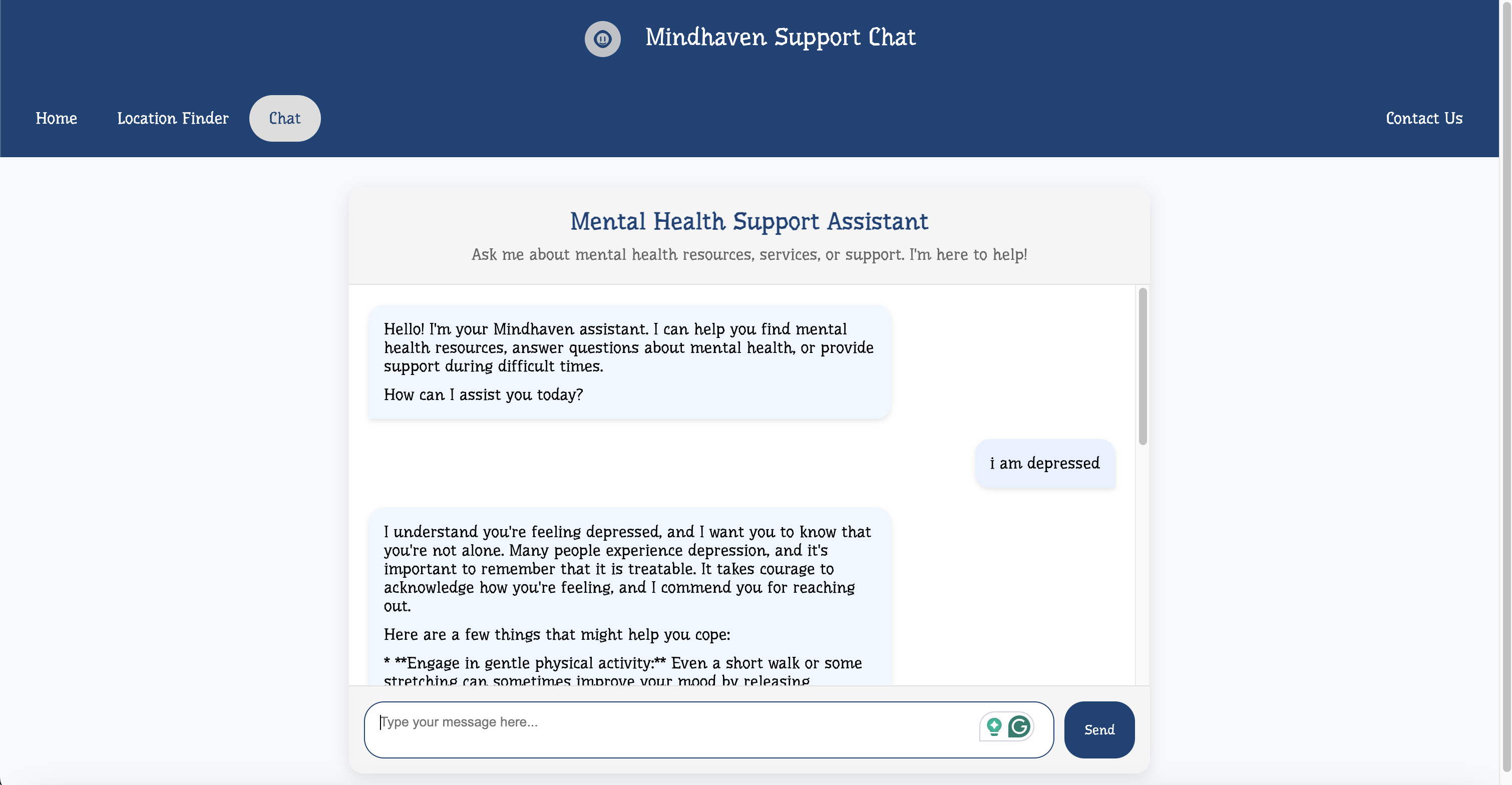

About the Project This project is a question-answering assistant that helps people find mental health centers based on real information stored in PDF documents. It uses Google’s Gemini 2.0 Flash model to generate accurate and helpful responses, even when the documents don’t contain a direct match. The assistant is designed to focus only on actual mental health services, not general or unrelated information.
What Inspired Us The idea came from seeing how hard it is for people to find reliable mental health resources—especially when the information is buried in large, unstructured documents or scattered across different websites. I wanted to build something that made that process easier and more direct for anyone who needs it.
What We Learned This project taught me how to connect generative AI with real-world data in a meaningful way. I learned how to structure workflows in Palantir, work with embeddings, and fine-tune prompts to get accurate results from Gemini. I also gained experience in handling PDF parsing, building retrieval systems, and dealing with challenges like missing or inconsistent data.
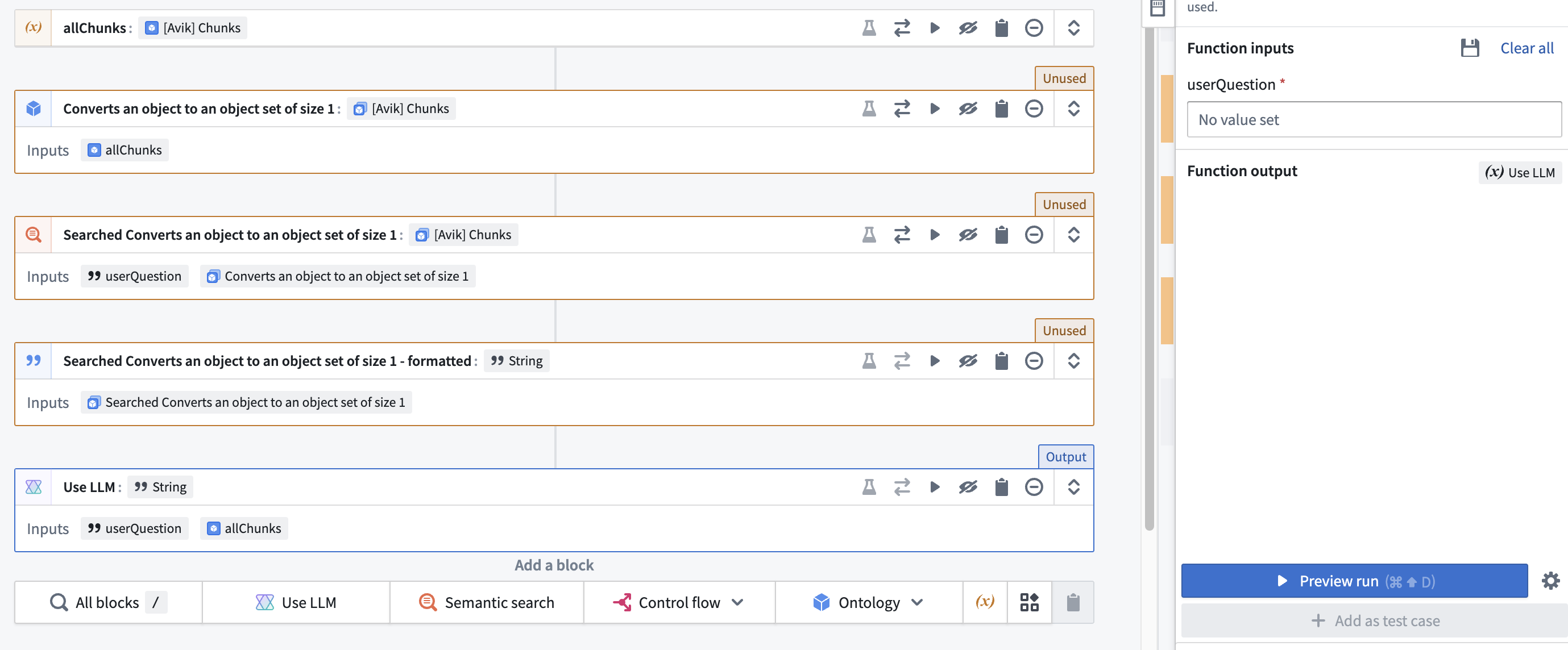
How We Built It I used Palantir Foundry to load and manage the source documents, which were PDF lists of mental health centers. I created a workflow in Palantir to preprocess and store the data in an object set. From there, I built a system that queries this data using semantic search and sends relevant context into Gemini 2.0 Flash via Google’s Generative AI API. When context isn’t available, the system falls back on Gemini’s general knowledge to provide suggestions based on location. The whole setup is connected to a simple interface that accepts user questions and displays helpful, location-based responses.


Log in or sign up for Devpost to join the conversation.