-
-
Design
-
-
-
-
UI designs
-
-
-
Inspiration
"A few years ago, my close relative who was also my best friend, lost her battle with severe depression and passed away. During her darkest moment, she was completely alone, and no one was there to understand her critical condition or save her in time. This devastating personal loss completely broke me, but it also ignited a fire within me. I realized that thousands of people suffer from panic attacks and mental crises silently and alone. I built MindGuard AI in her memory, with a single mission: to ensure that no one ever has to face a mental health emergency alone, and that help always arrives when someone is unable to ask for it."
What it does
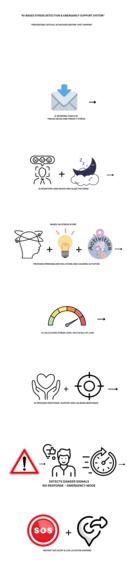
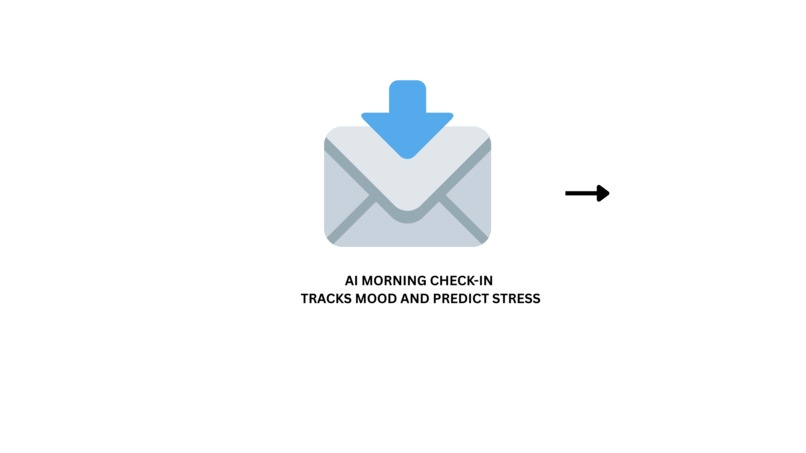
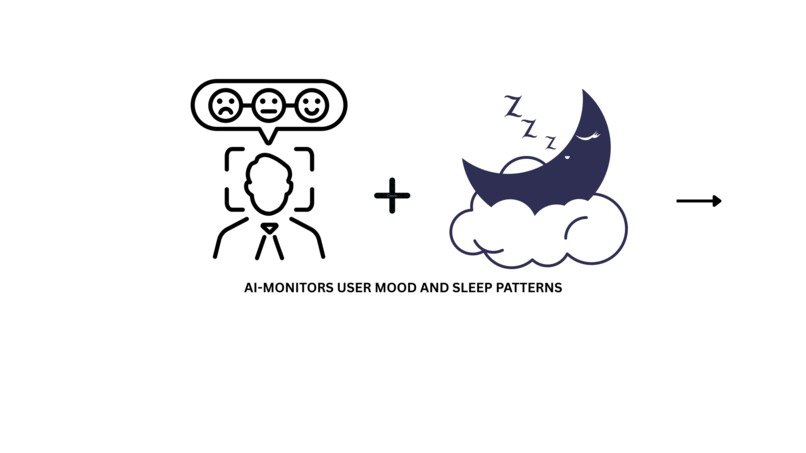
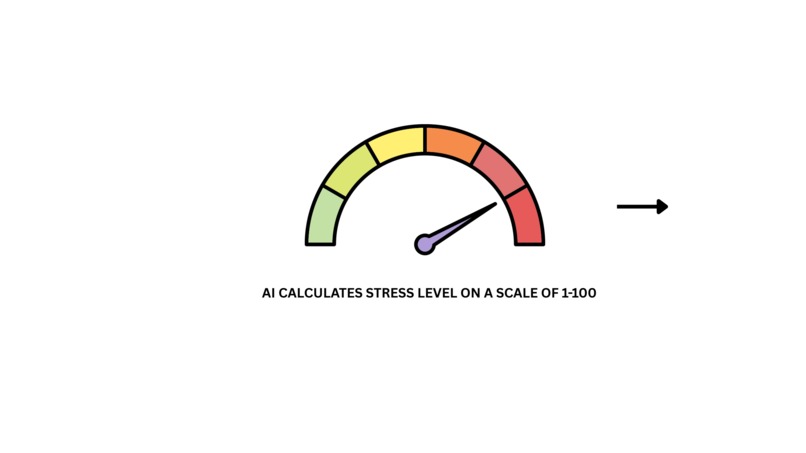
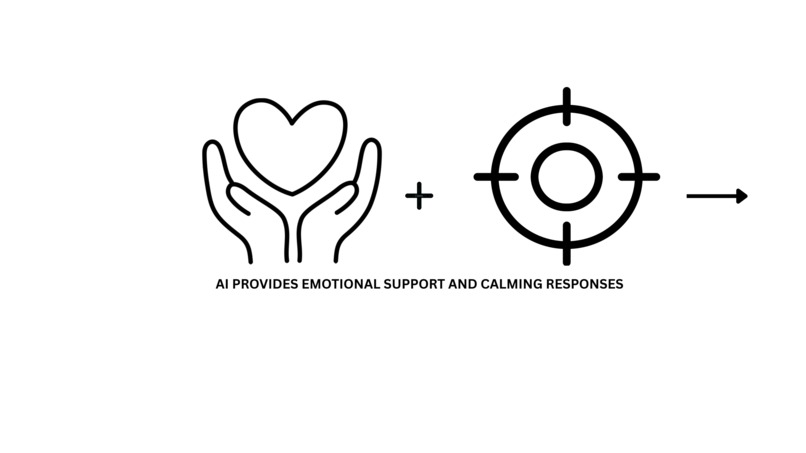
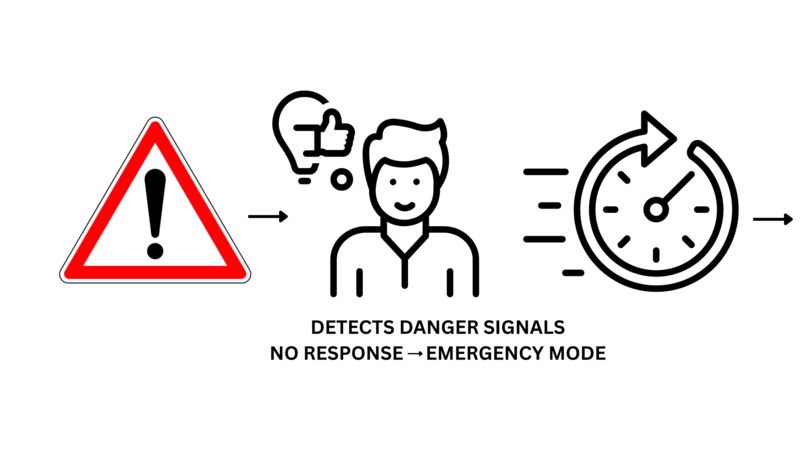
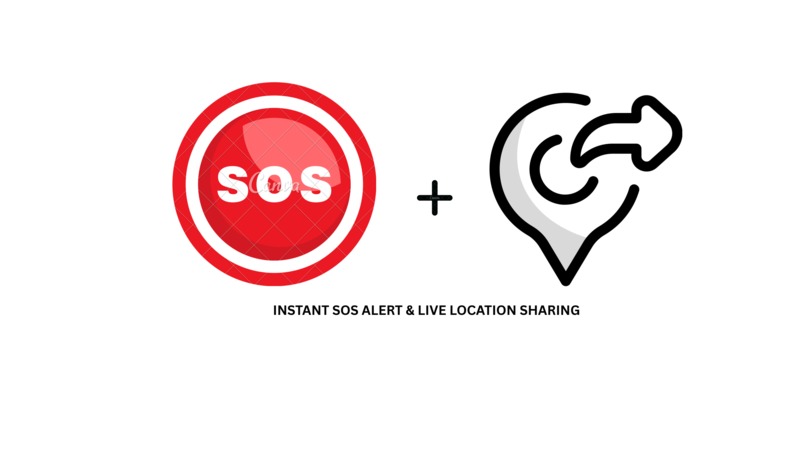
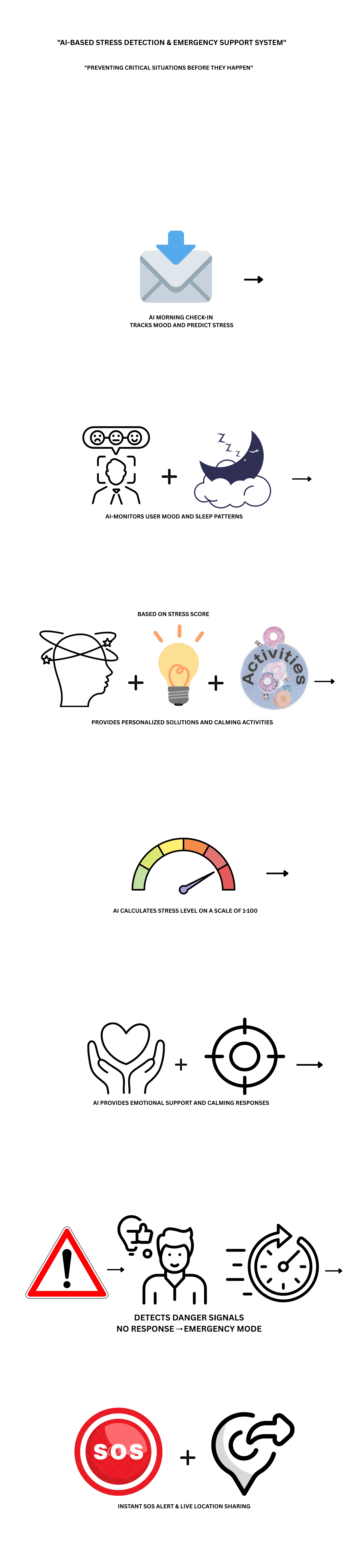
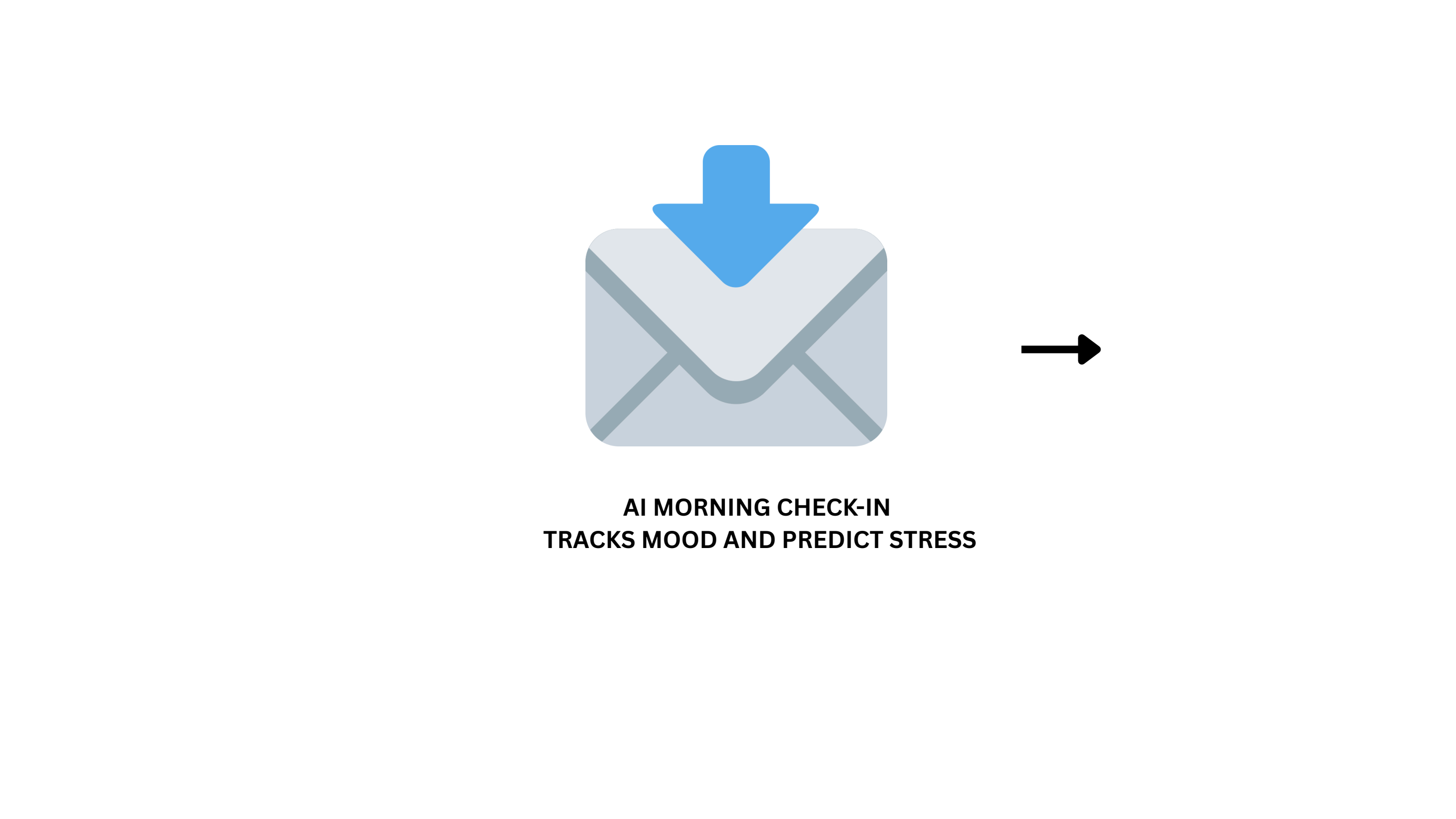
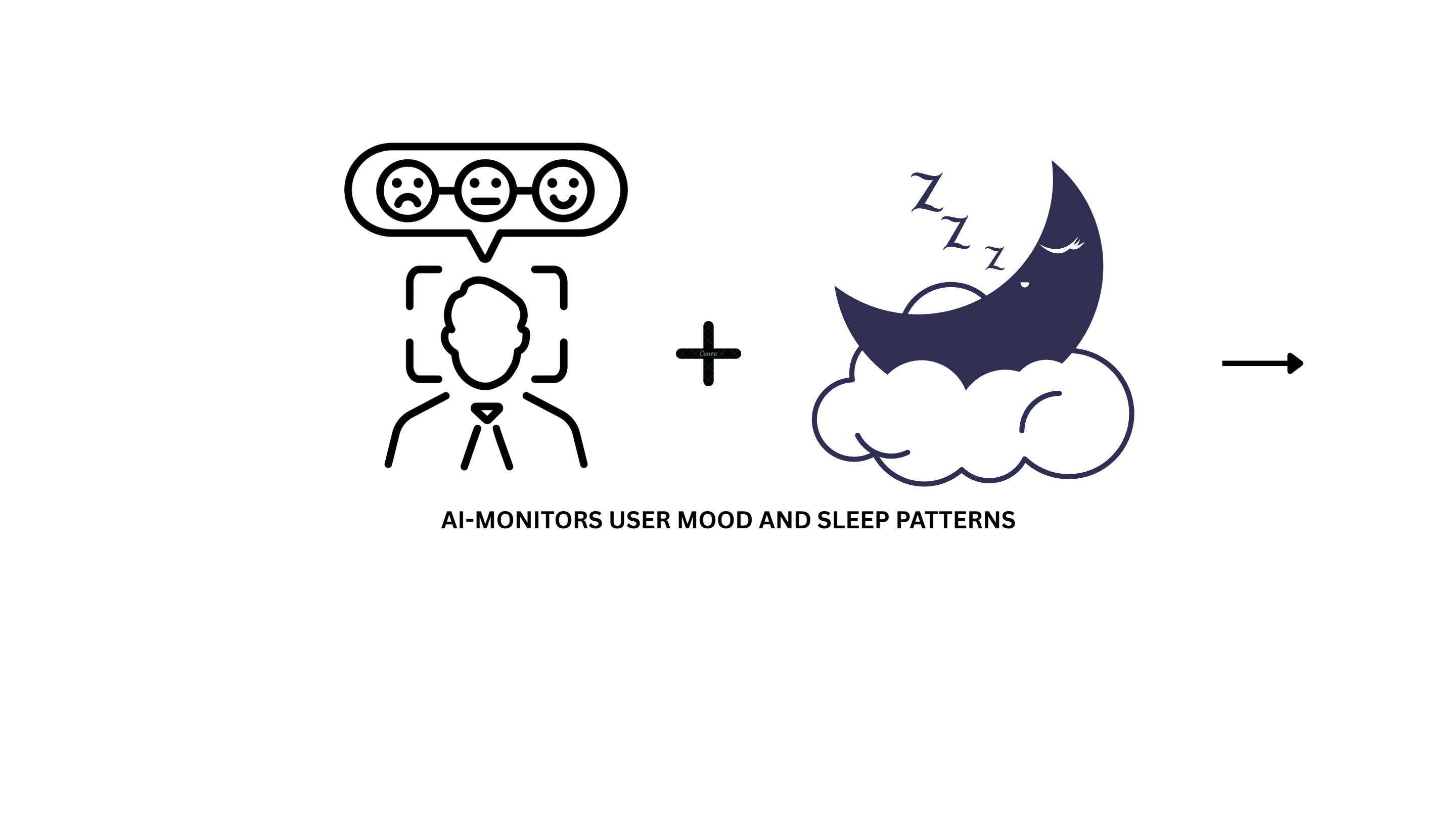
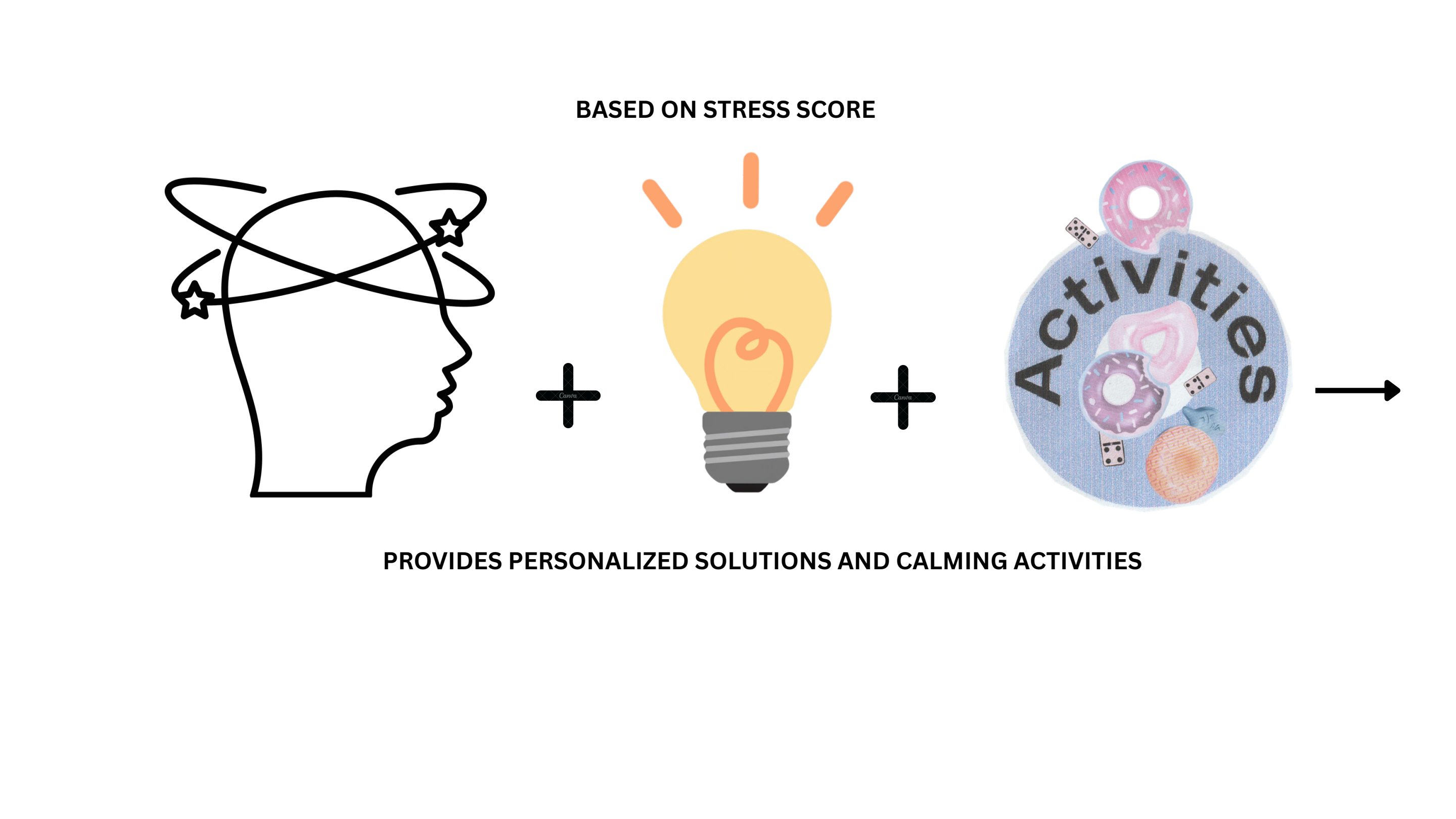
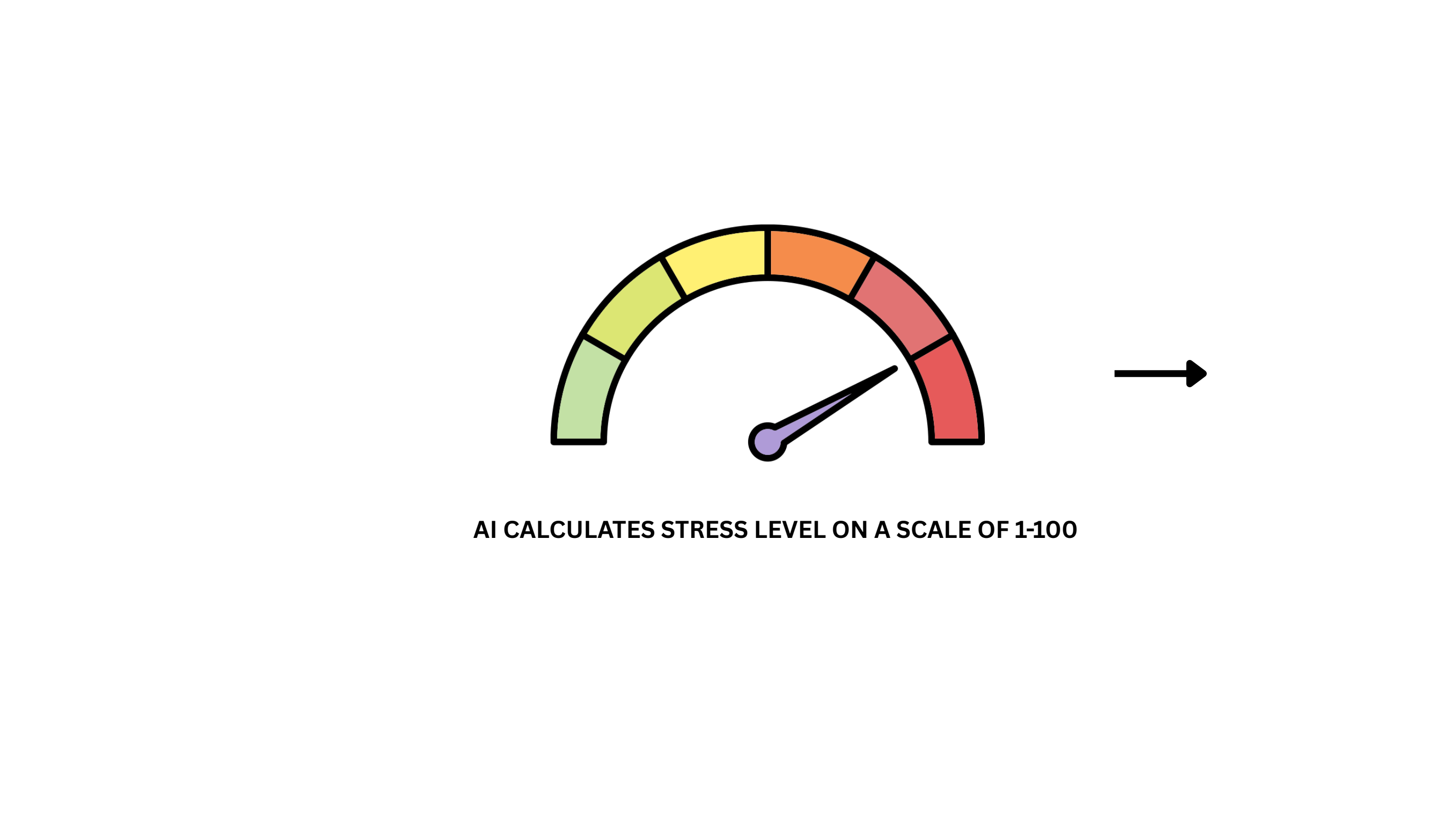
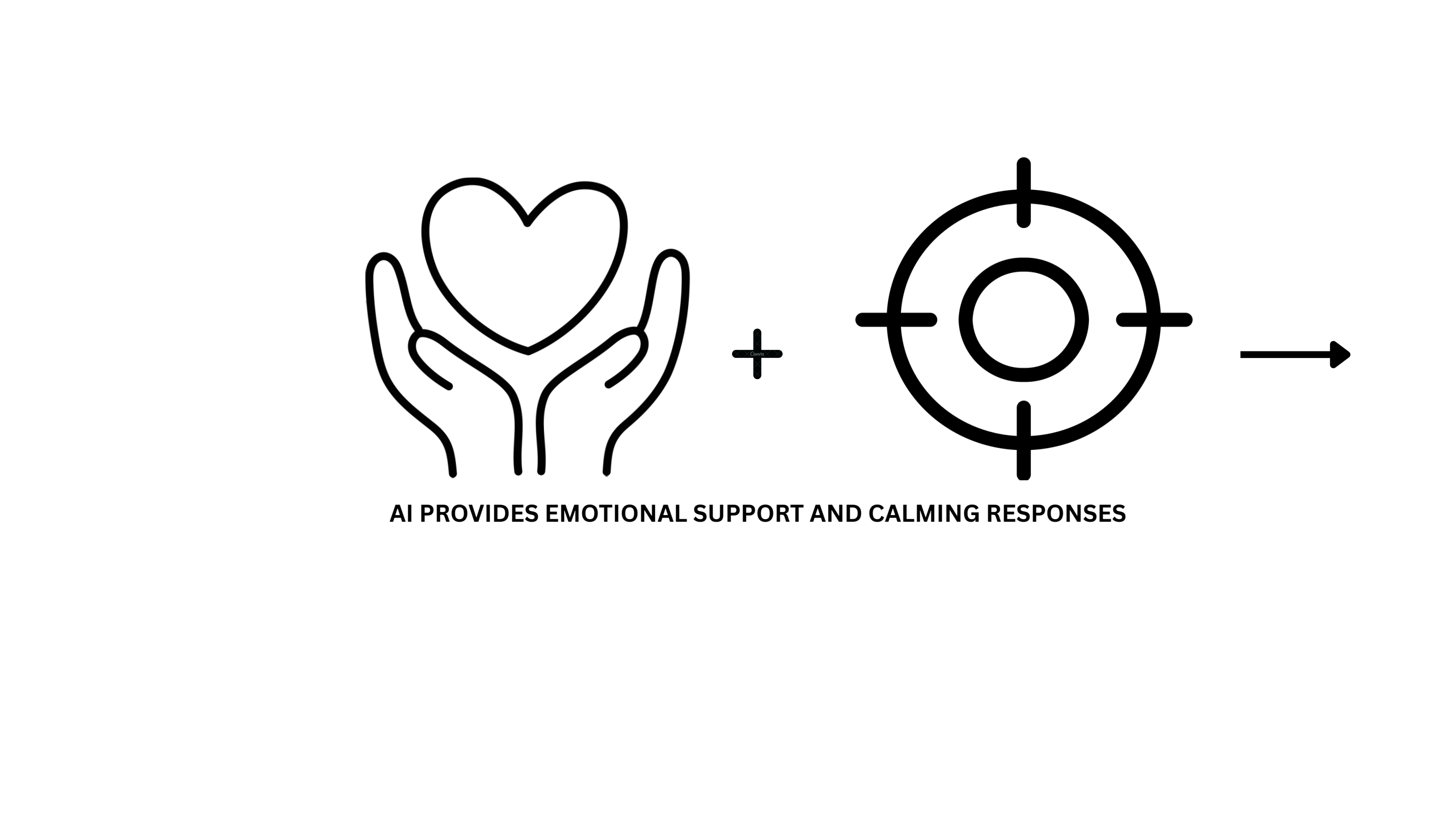
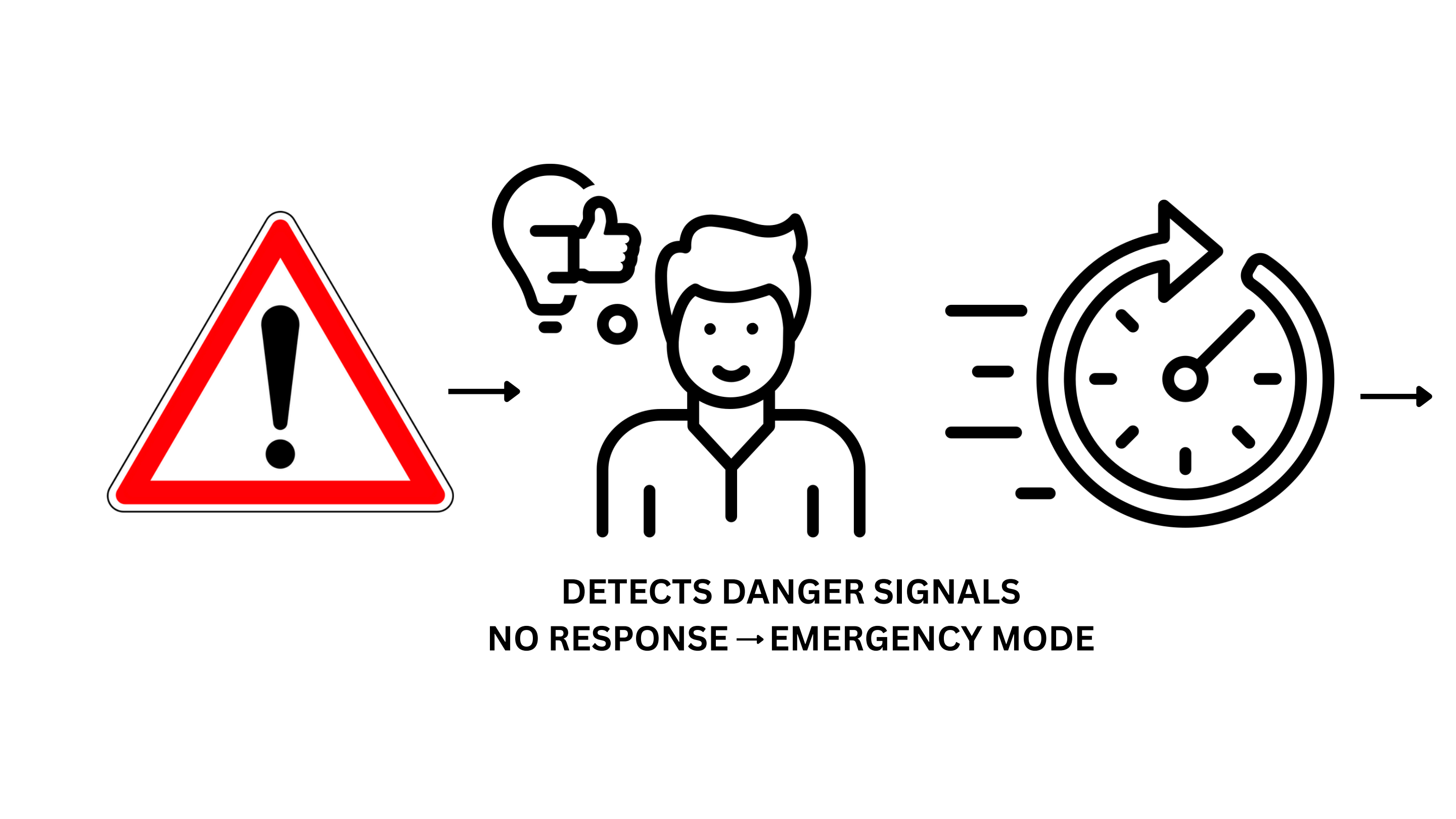
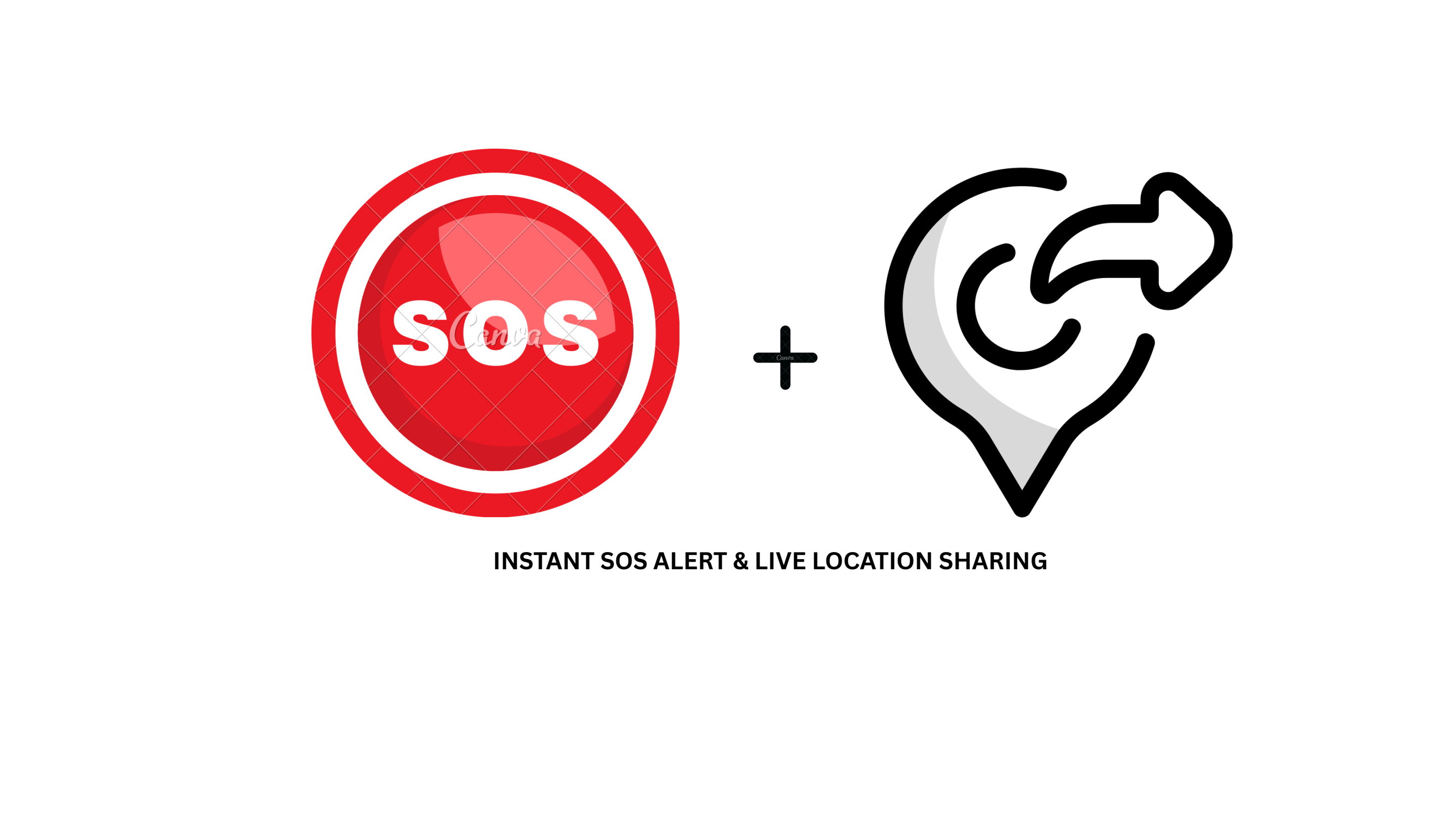
"MindGuard AI is an intelligent health-tech platform that acts as a continuous mental health shield.Predictive Monitoring: It starts with an AI morning check-in to track user mood and monitors sleep patterns to catch early signs of stress.Smart Analytics: The system processes this data to calculate a personalized stress score on a visual scale of 1 to 100.Proactive Solutions: Based on the score, it delivers tailored emotional support, curated calming activities, and soothing art therapy.Autonomous Emergency Rescue: If the AI detects critical danger signals or user non-responsiveness during a panic state, it seamlessly triggers an automated Emergency Mode, sending instant SOS alerts with live location sharing to trusted contacts."
How we built it
"We designed and engineered MindGuard AI keeping user empathy and fast response at the center:UI/UX & Prototyping: We used Figma to design clean, high-fidelity, and calming mobile screens to ensure the interface reduces anxiety rather than adding to it.Data & Logic Workflow: We developed a strict rule-based algorithmic workflow in Python that maps physical data (like sleep degradation) and emotional inputs (mood check-ins) straight to the 1-100 stress index.Simulated API Integration: We mapped out the communication gateway architecture using a conceptual Twilio API framework to handle autonomous live-location SOS dispatch."
Challenges we ran into
"One of our biggest hurdles was designing a feature that can detect critical distress without invading user privacy or relying heavily on expensive medical hardware. We solved this by creating a multi-layered input system combining subtle manual mood logs, sleep hours, and an automated 'Dead-man's switch' prompt. If the user indicates extreme panic and fails to respond to a calming prompt within a specific timeframe, only then the system safely escalates to emergency mode."
Accomplishments that we're proud of
"We are incredibly proud of successfully bridging raw data analytics with proactive, autonomous healthcare.Turning a passive tracker into an active life-saving tool is our greatest achievement. Creating the 'No Response -> Emergency SOS' loop gives us immense pride because we know this architecture has the potential to actually save human lives in real-time."
What we learned
"This hackathon taught us that modern medical technology shouldn't just be about treating illnesses; it must be about proactive prevention and immediate safety net creation.We learned how to structure complex emotional data into actionable scoring logic and gained deep insights into designing accessible health-tech solutions for users undergoing high stress."
What's next for MindGuard AI
"We plan to take MindGuard AI from a prototype to a fully functioning application:Wearable Integration: Integrating real-time IoT data from smartwatches (Heart Rate Variability, SpO2, and deep sleep cycles) for 100% automated stress calculation.Clinical Partnership: Partnering with therapists, mental health hotlines, and medical counselors to provide direct, professional live-chat support right inside the app.Advanced AI Models: Implementing Natural Language Processing (NLP) to analyze the user's journal entries for deeper emotional state prediction."
Built With
- ai-logic&wireframing
- canva
- youtube

Log in or sign up for Devpost to join the conversation.