-
-

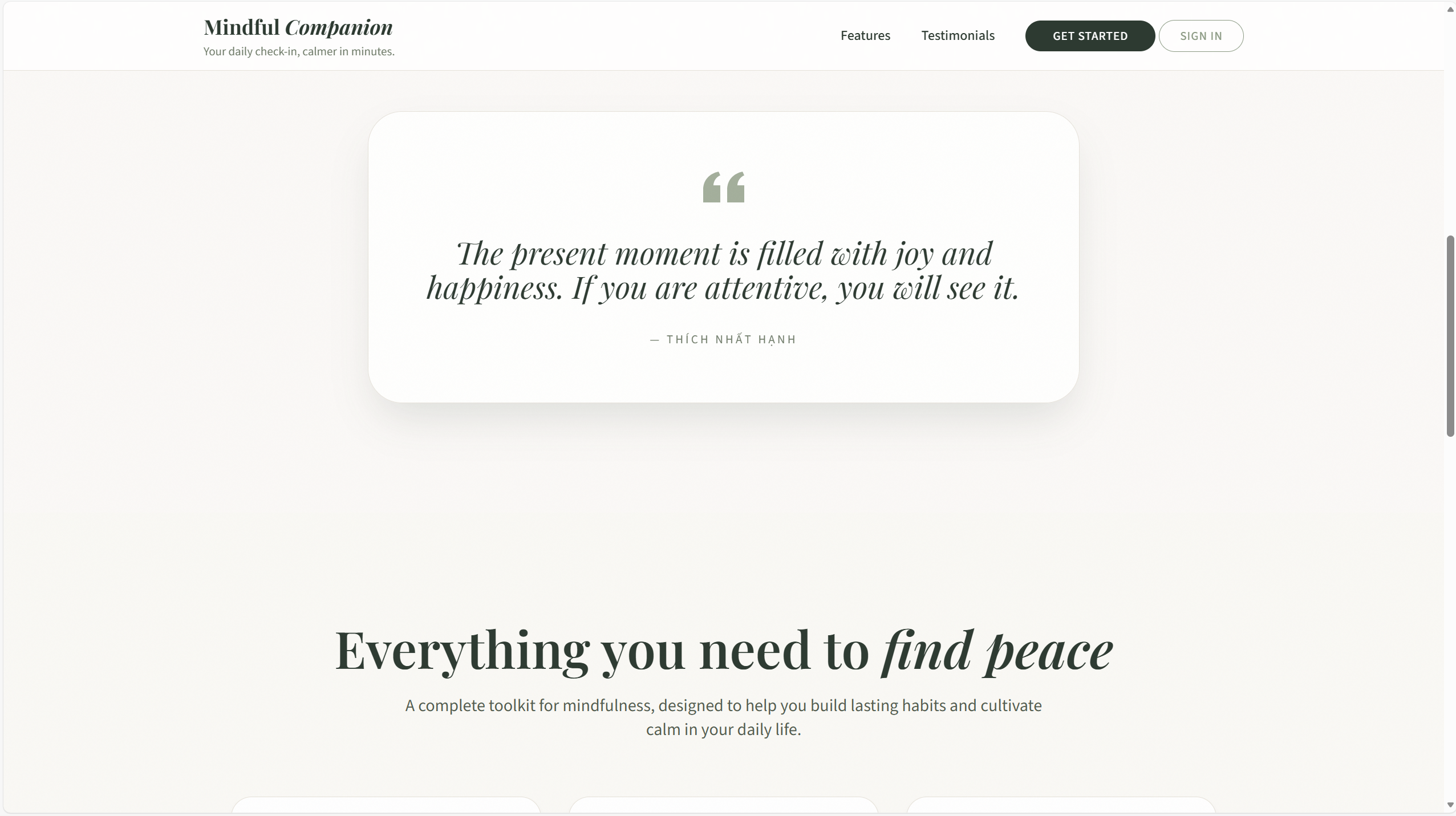
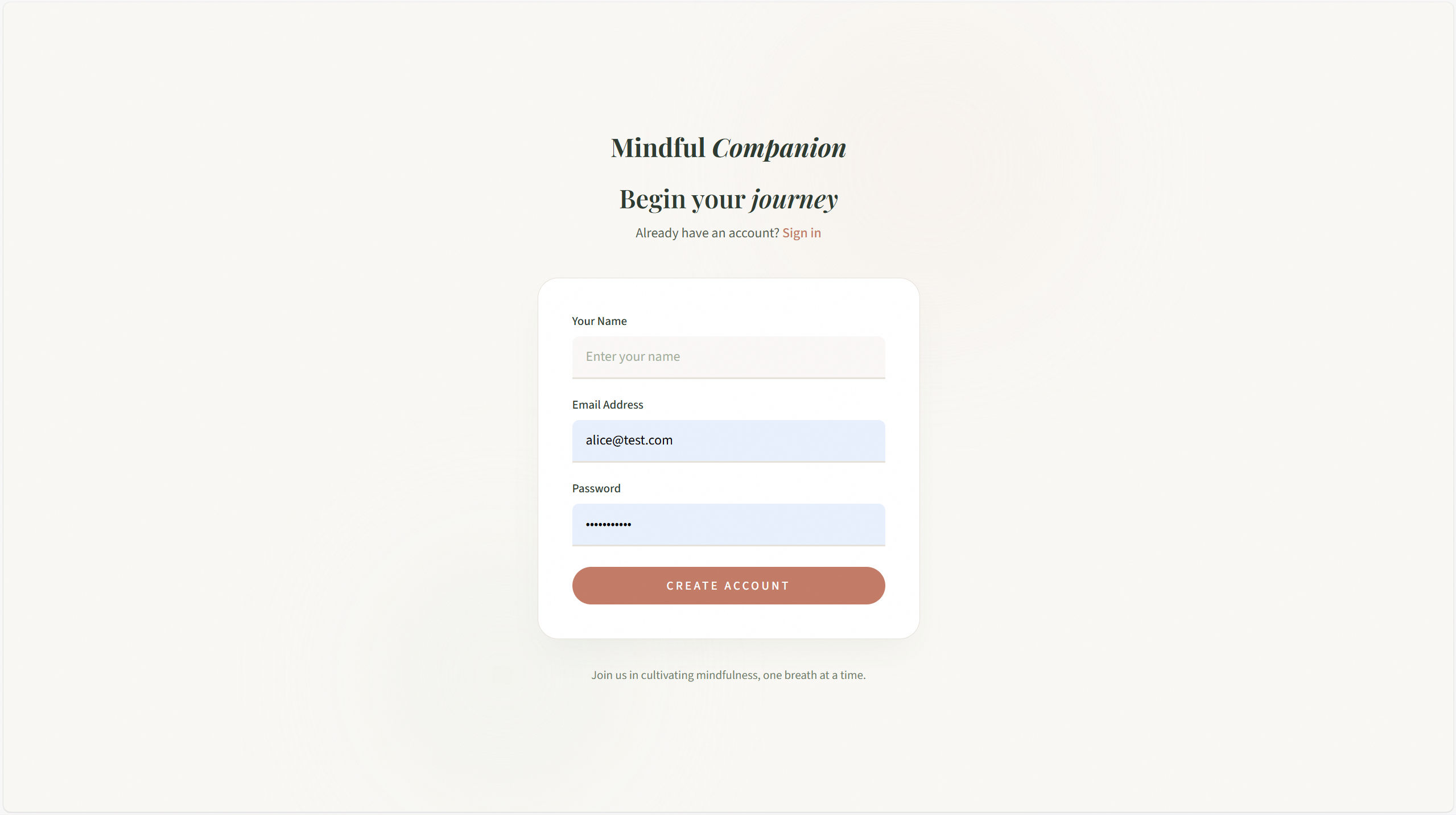
welcome page 1
-
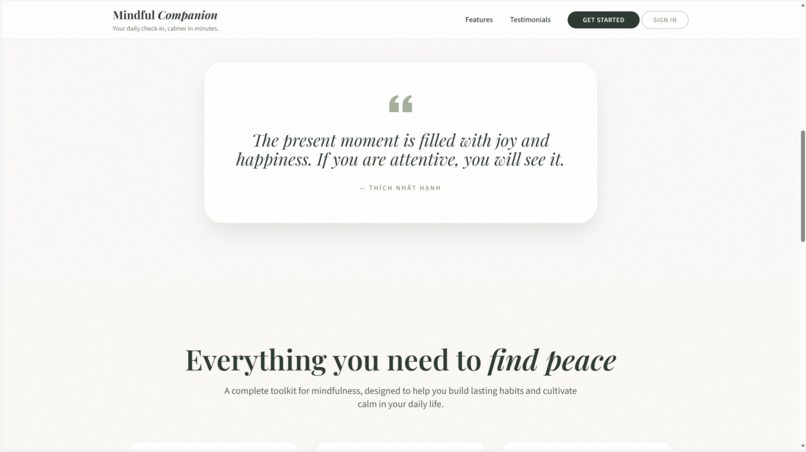
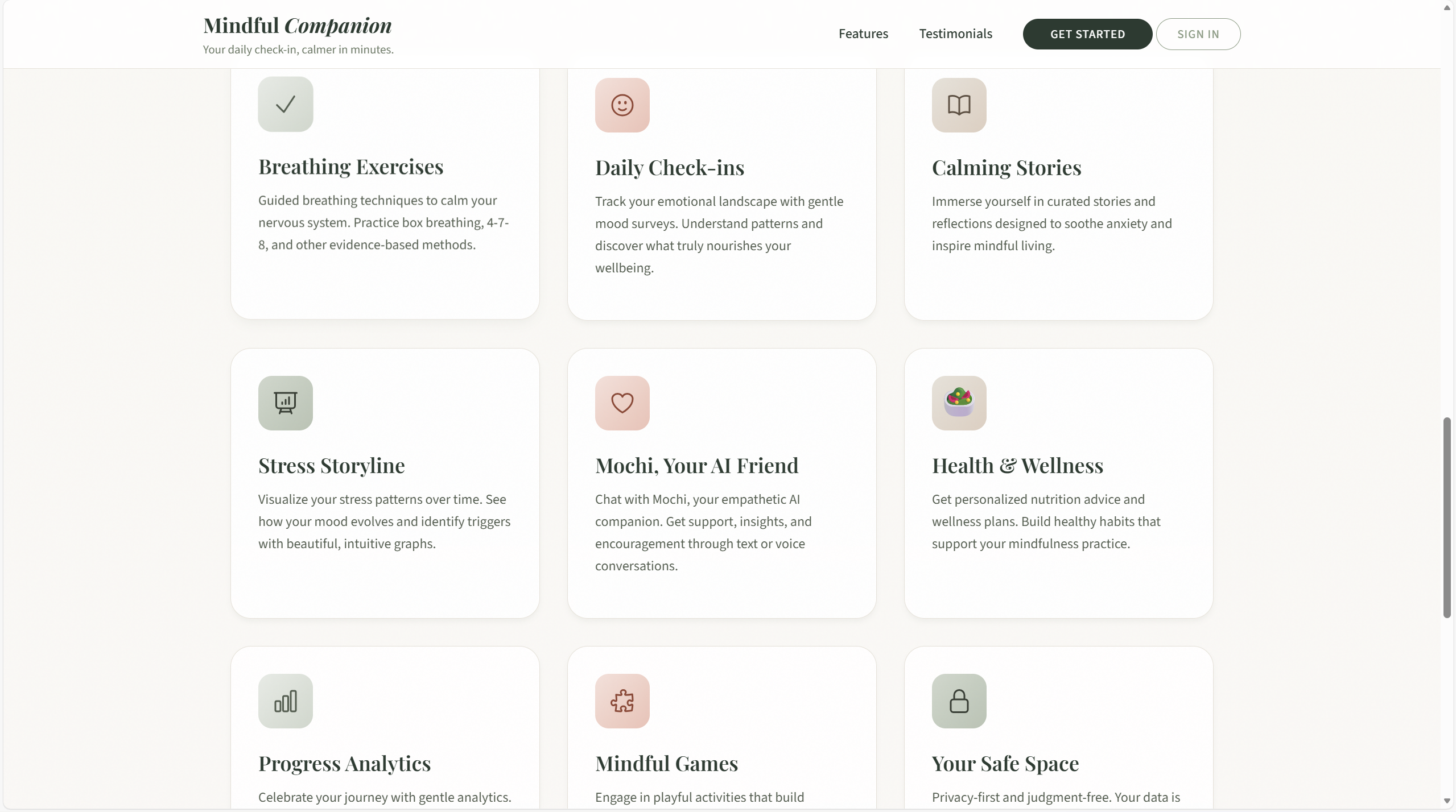
welcome page 2
-
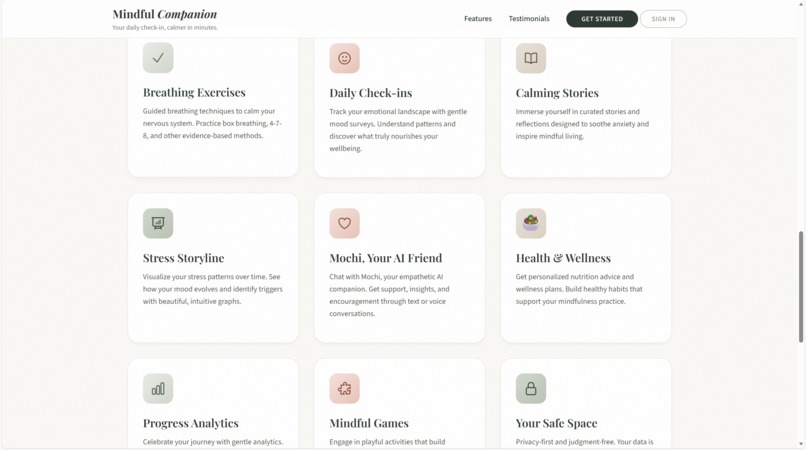
welcome page 3
-
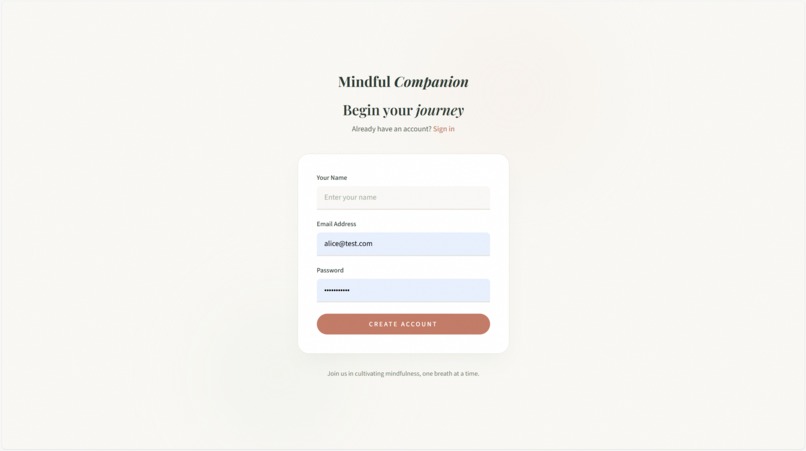
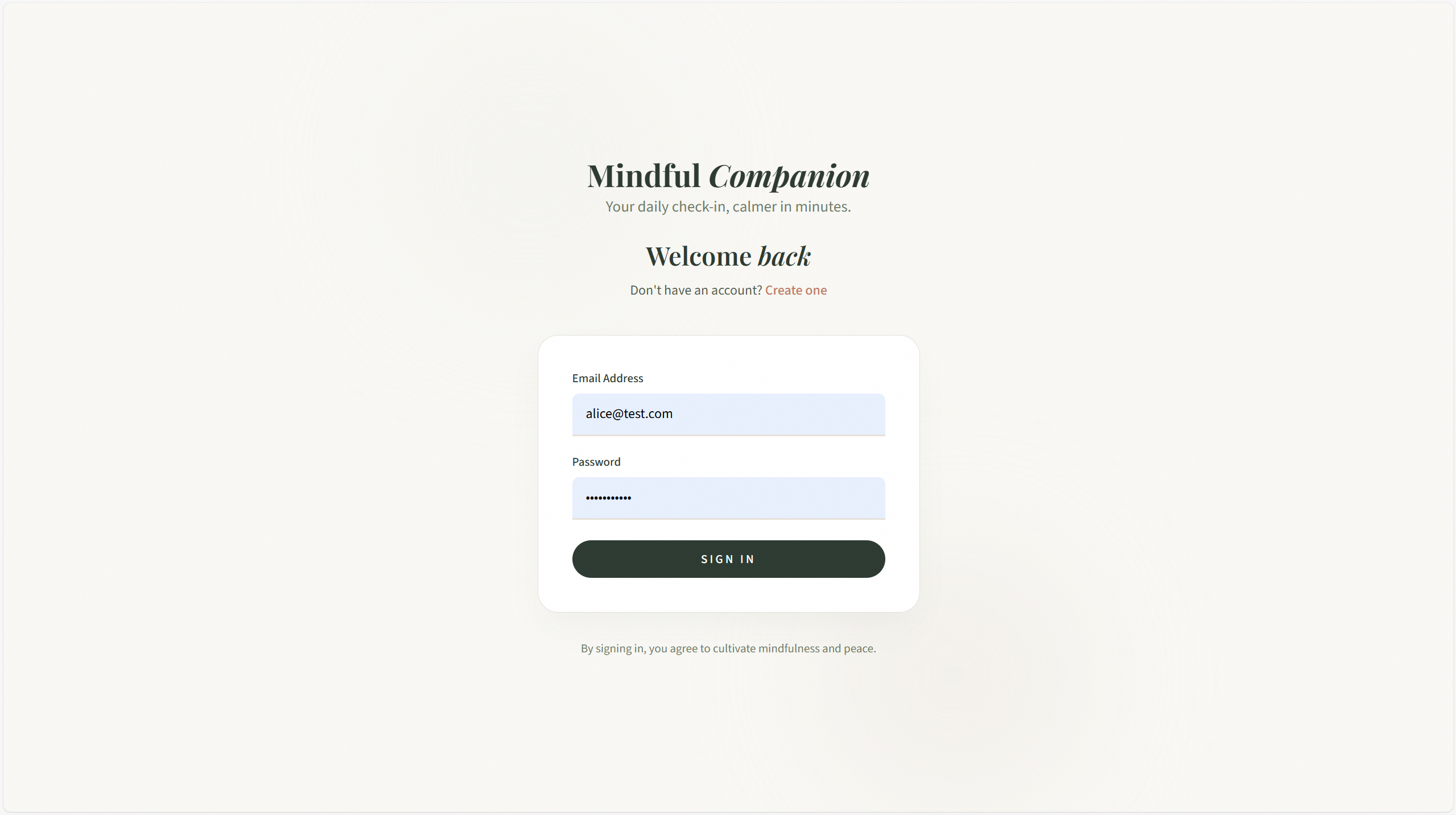
login page 1
-
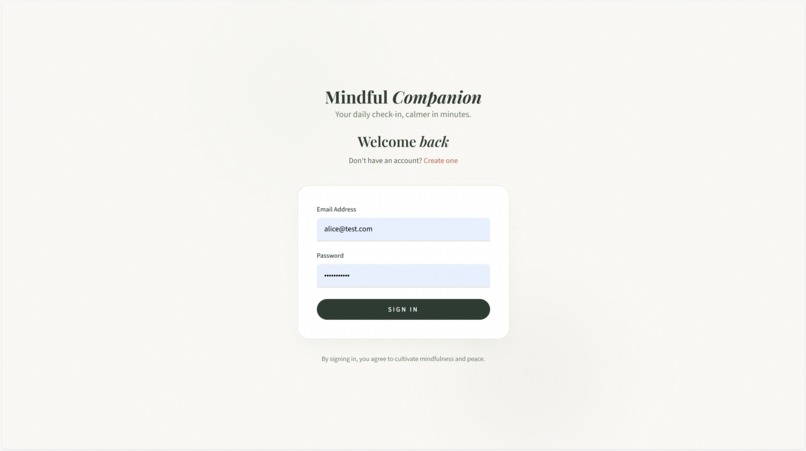
login page 2
-
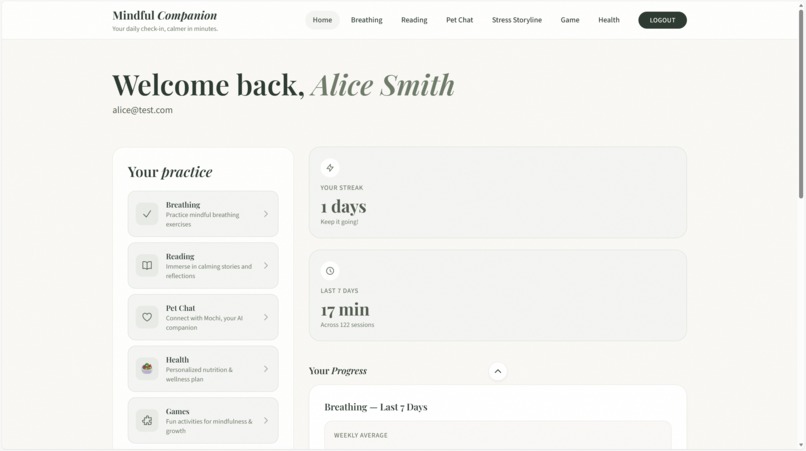
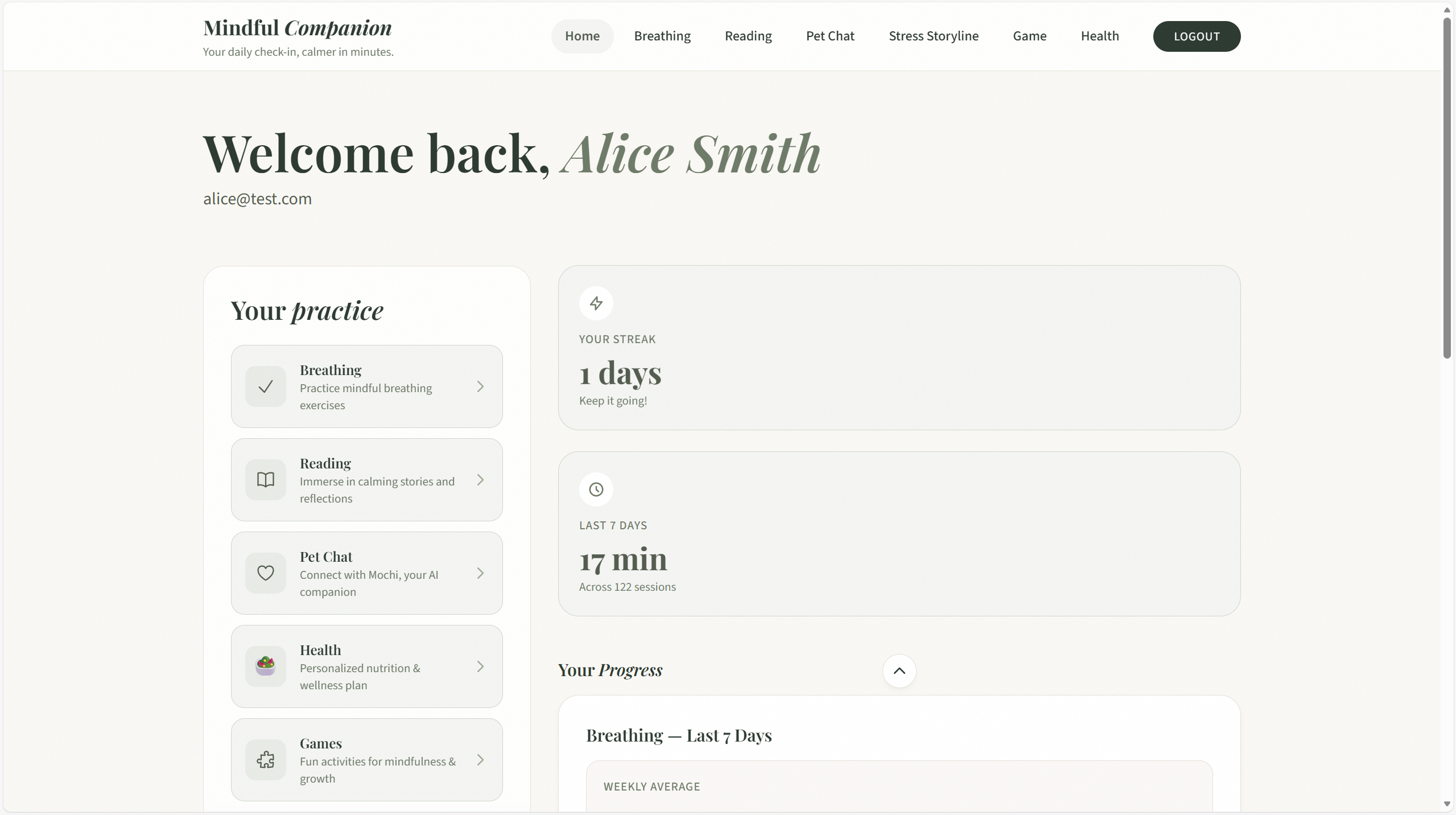
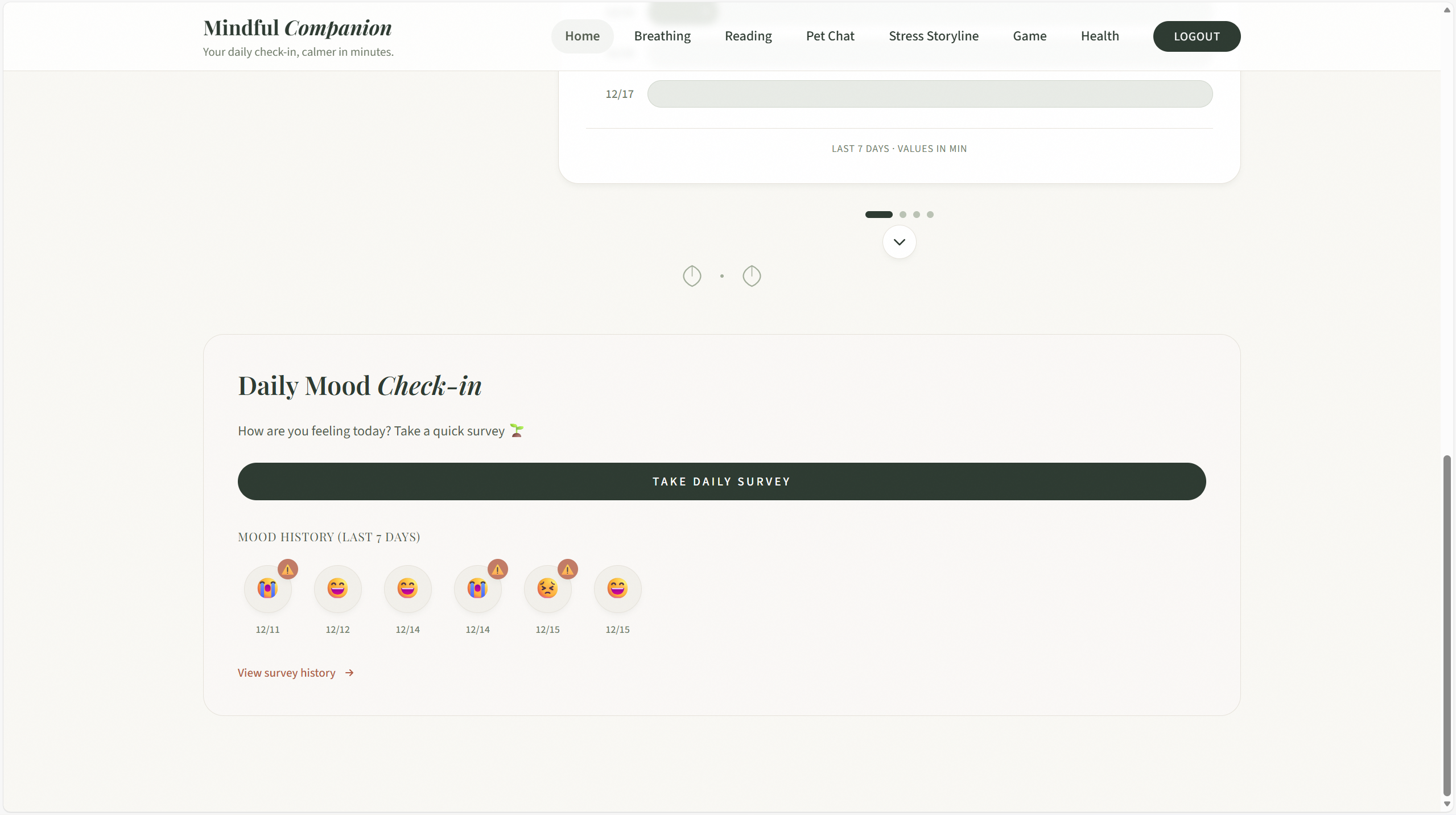
dashboard page 1
-
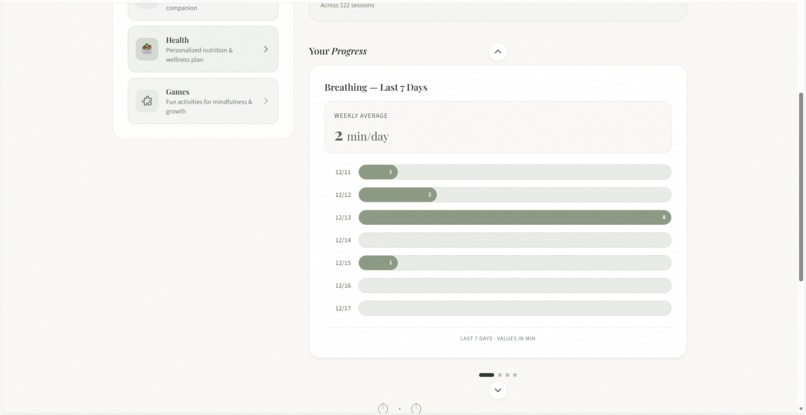
dashboard page 2
-
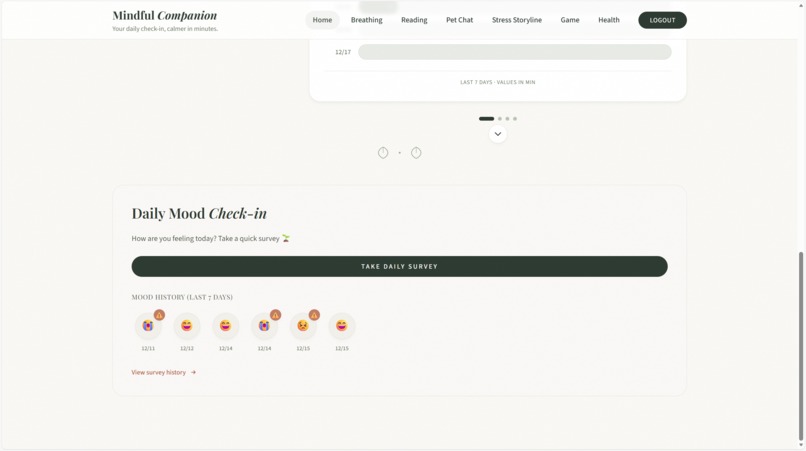
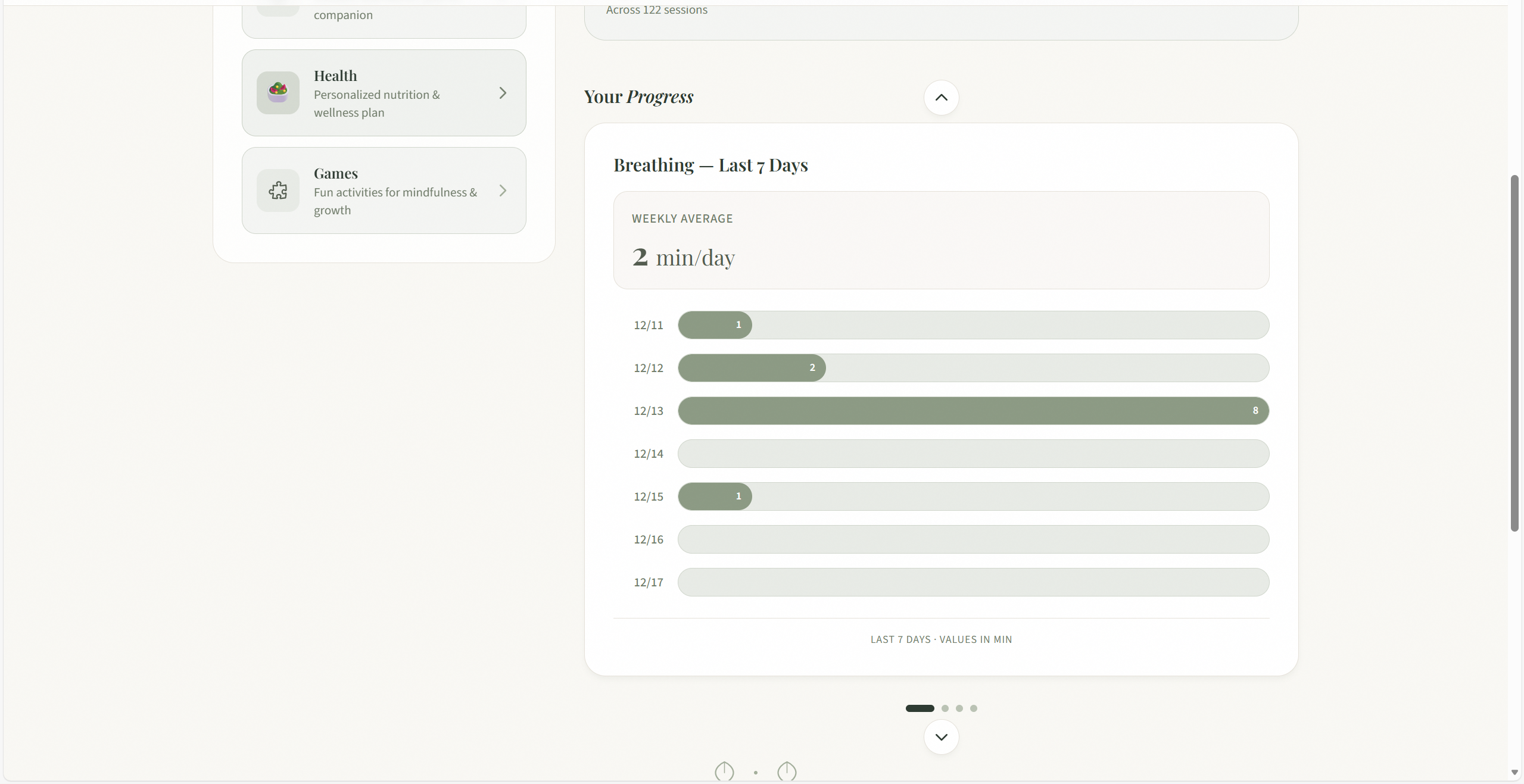
dashboard page 3
-
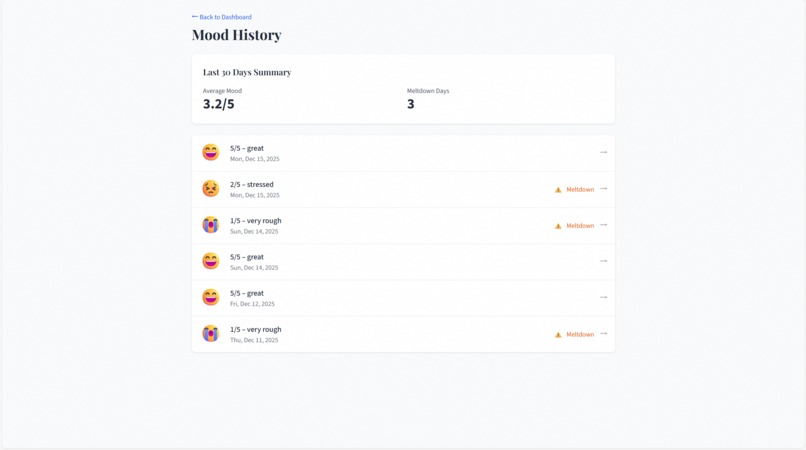
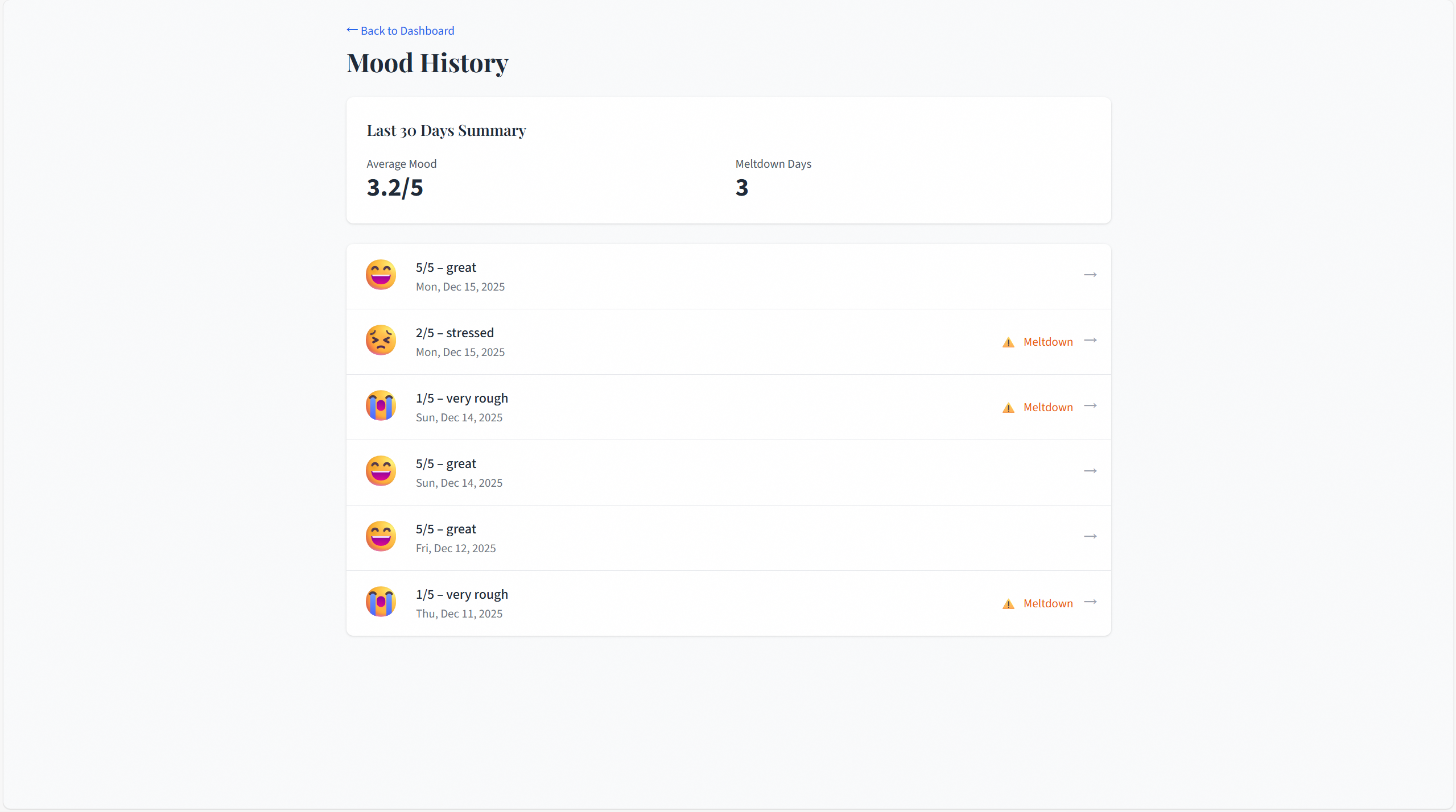
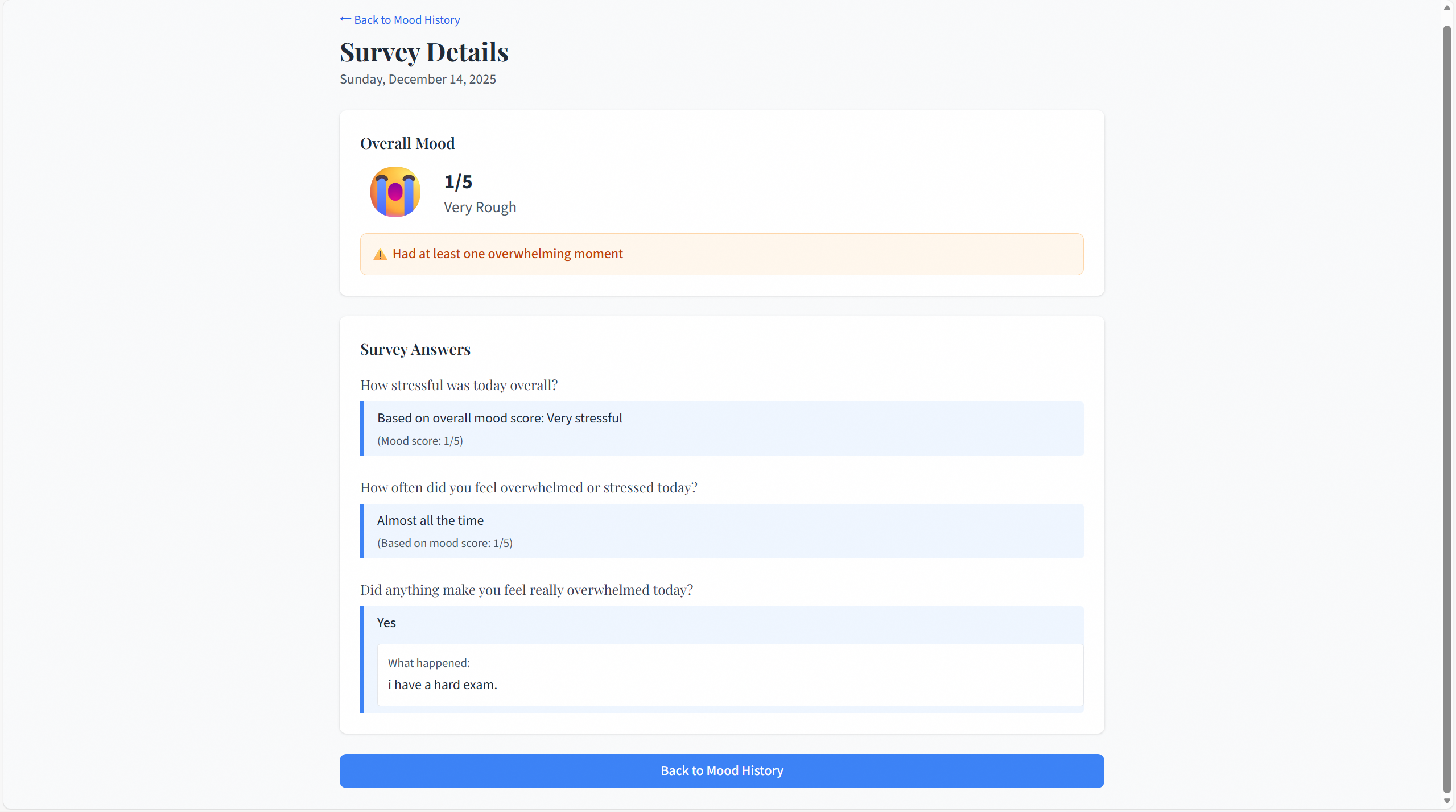
survey history 1
-
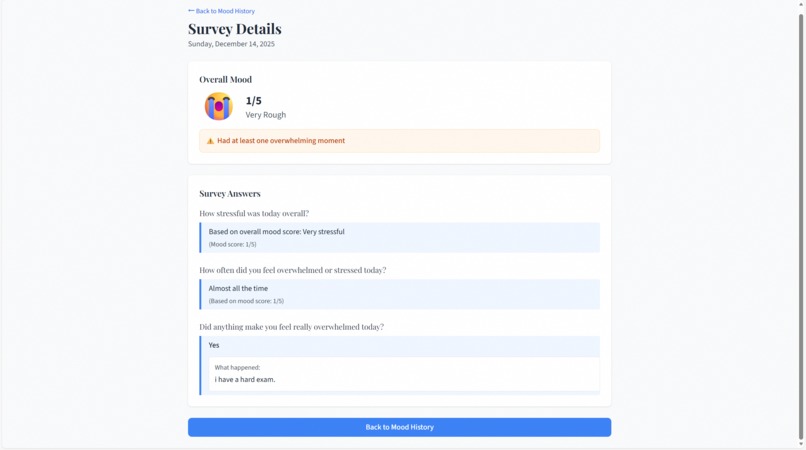
survey history 2
-
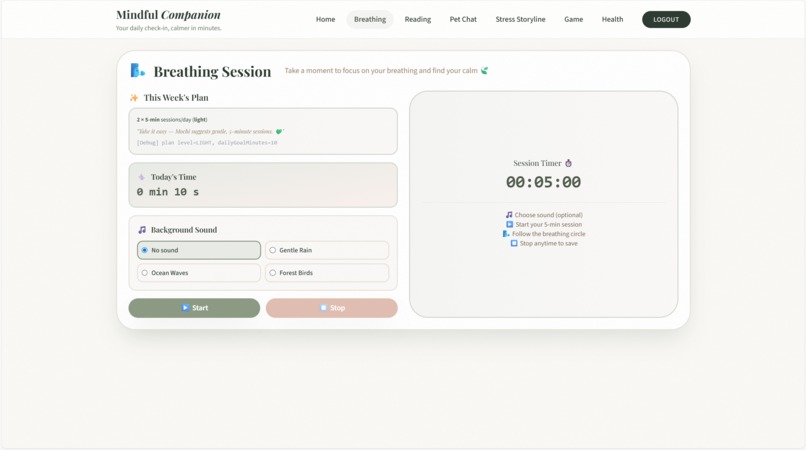
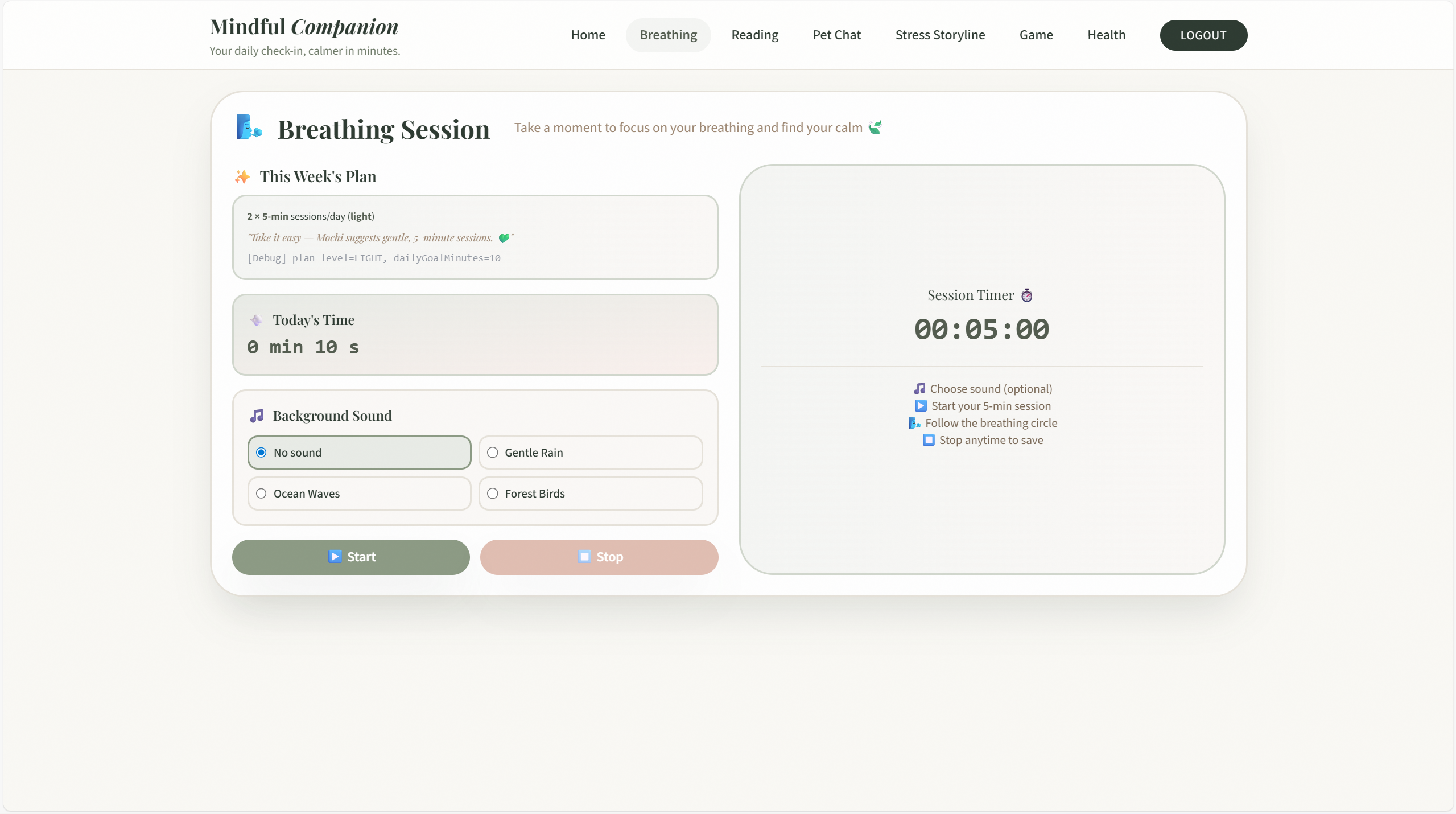
breathing session
-
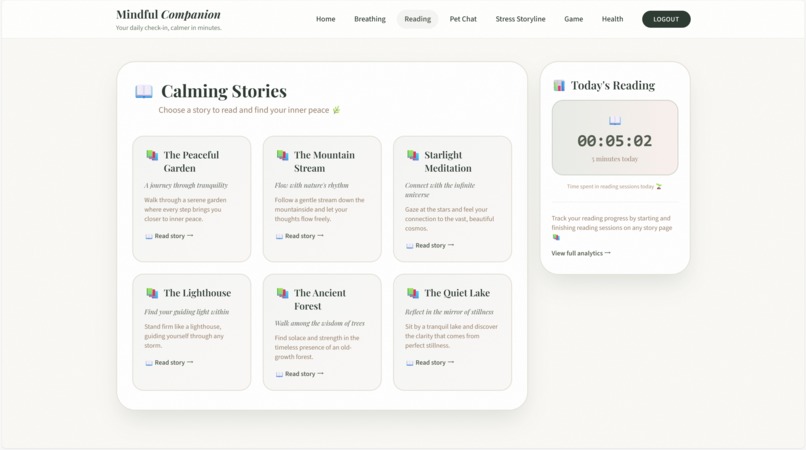
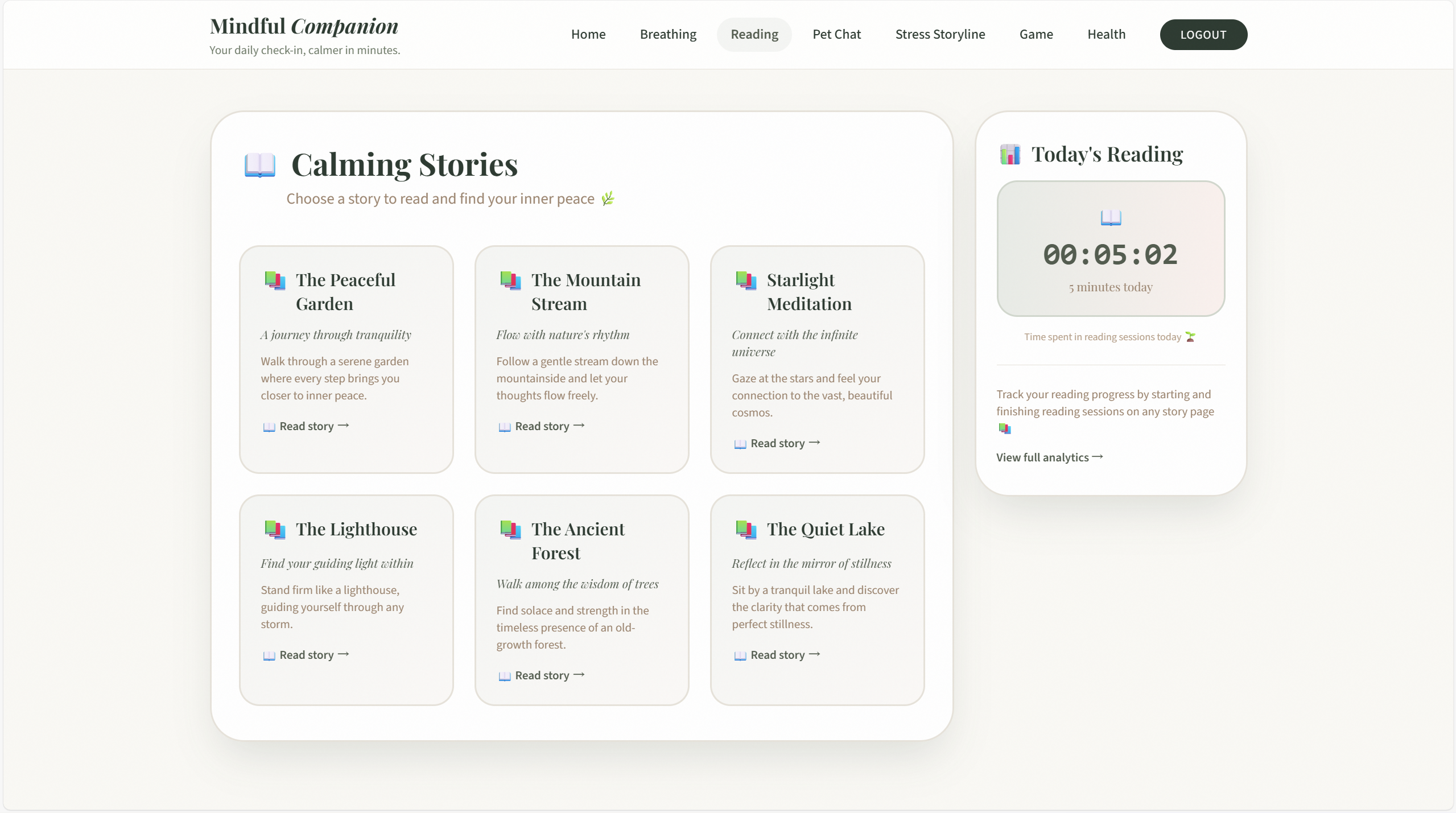
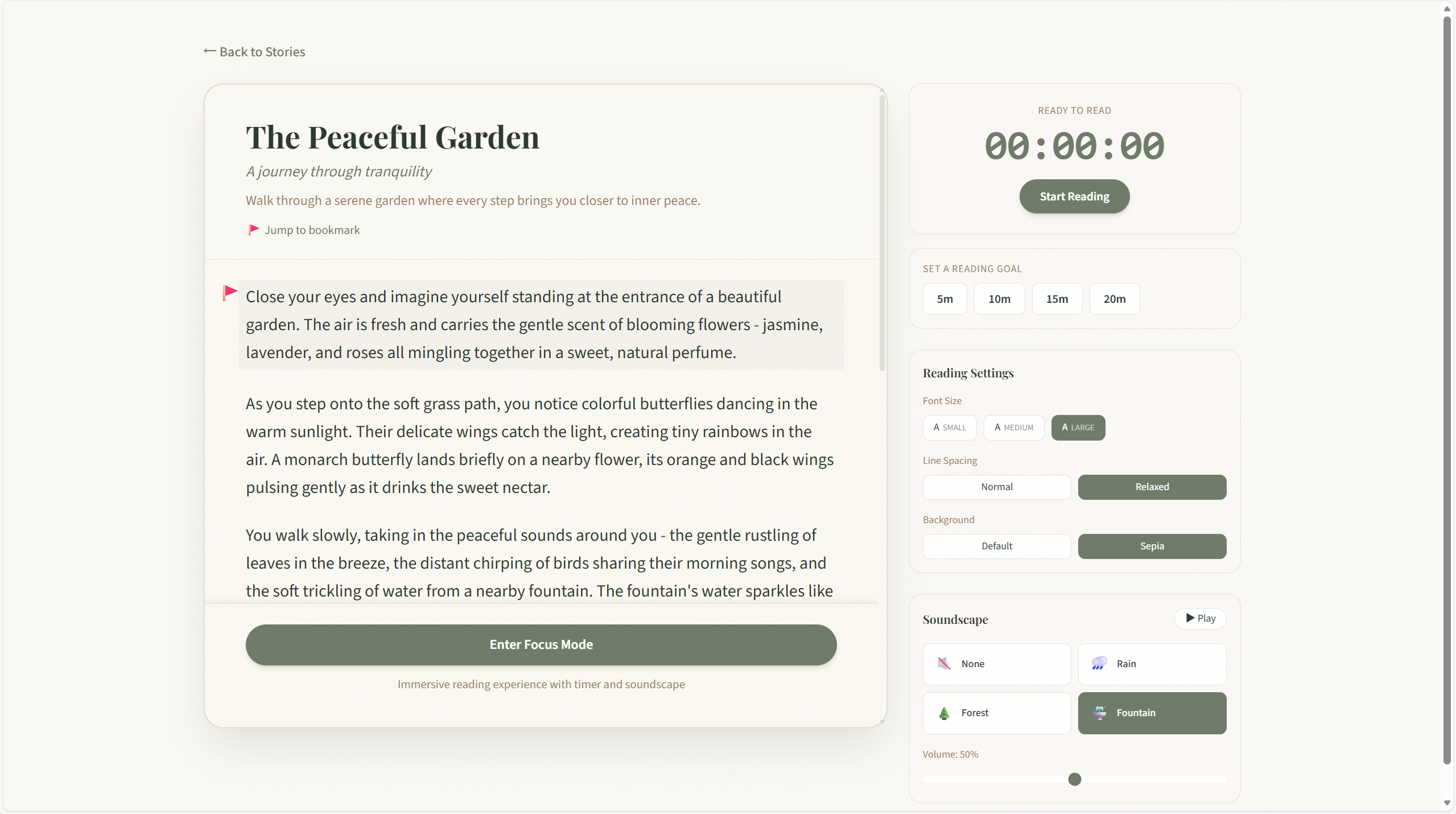
reading session 1
-
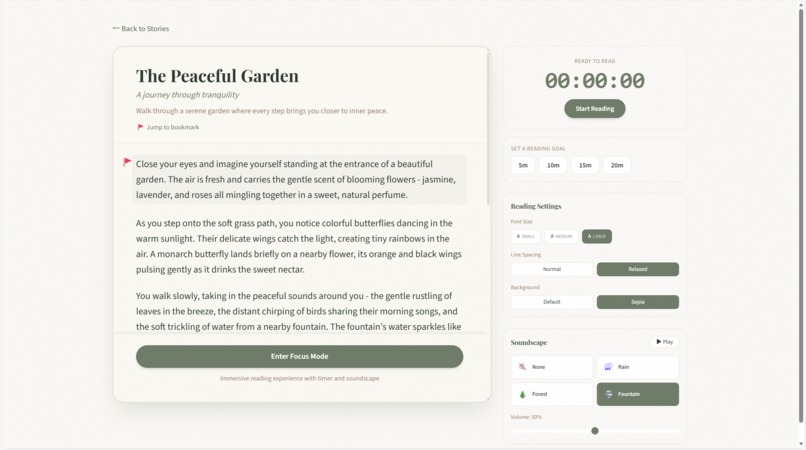
reading session 2
-
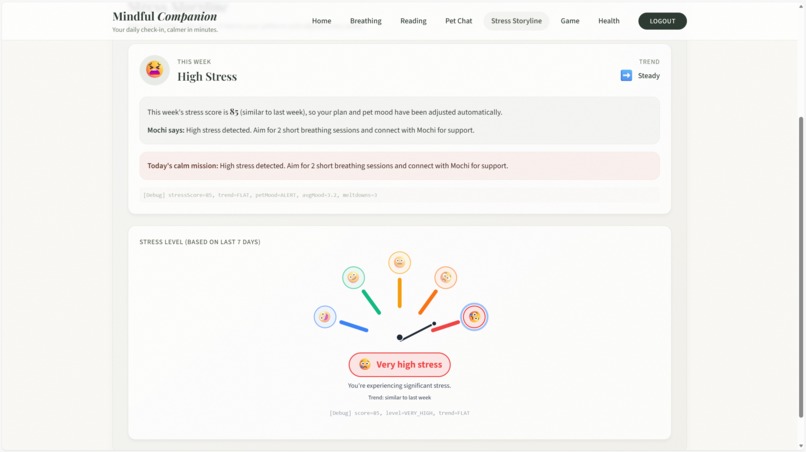
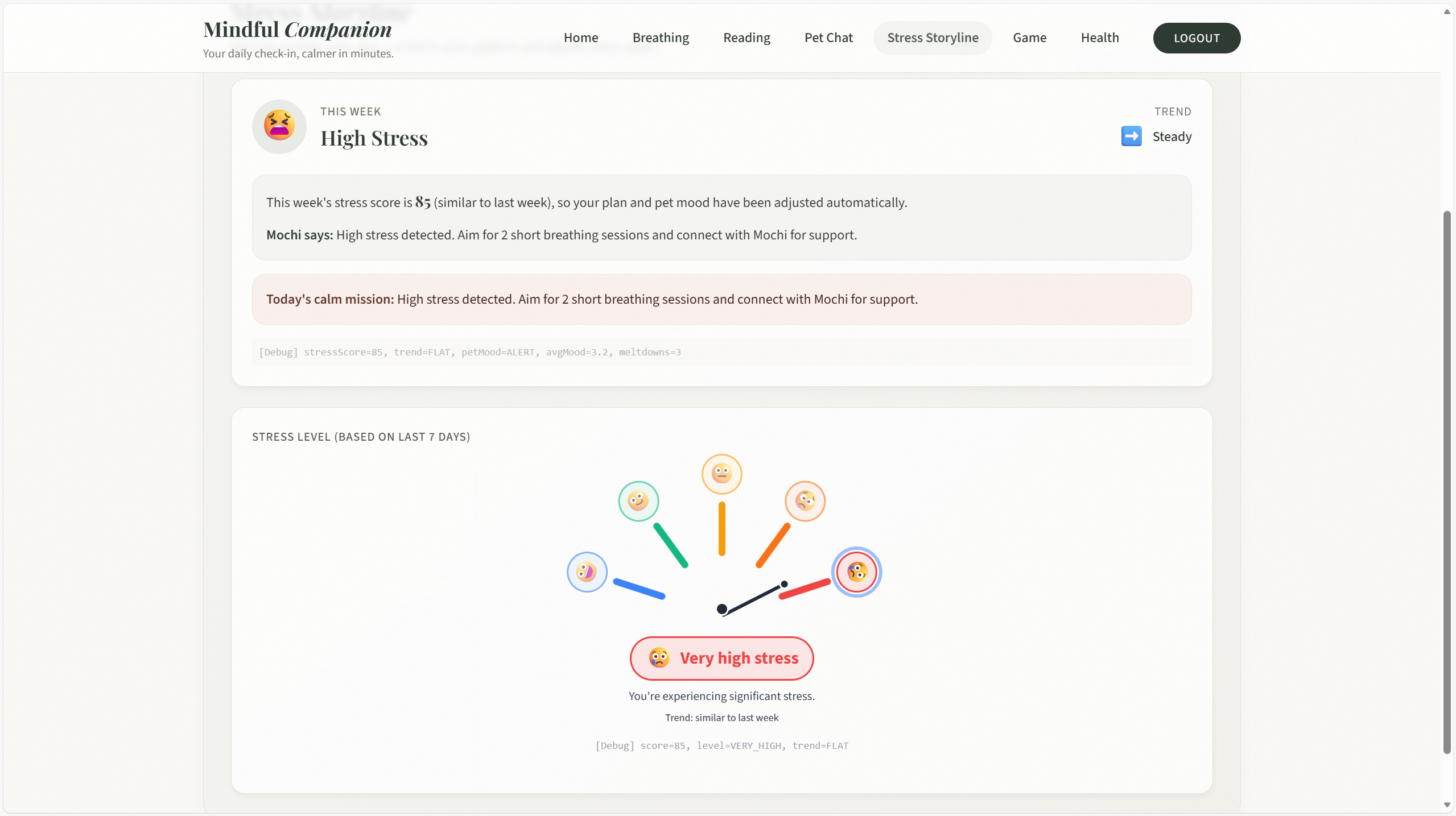
stress storyline
-
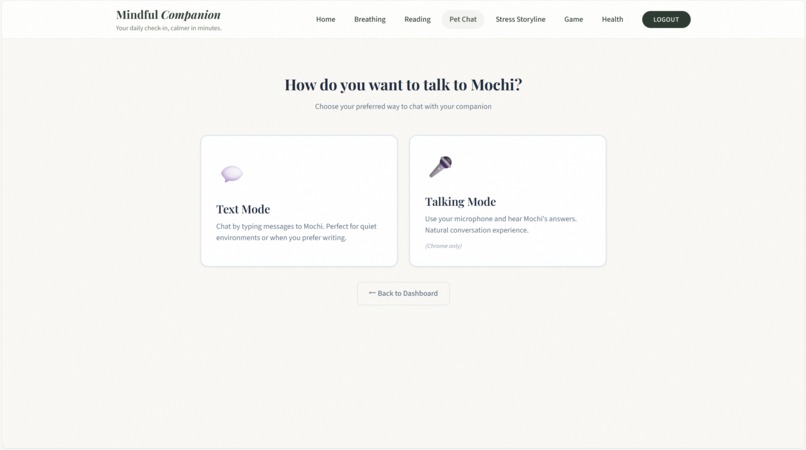
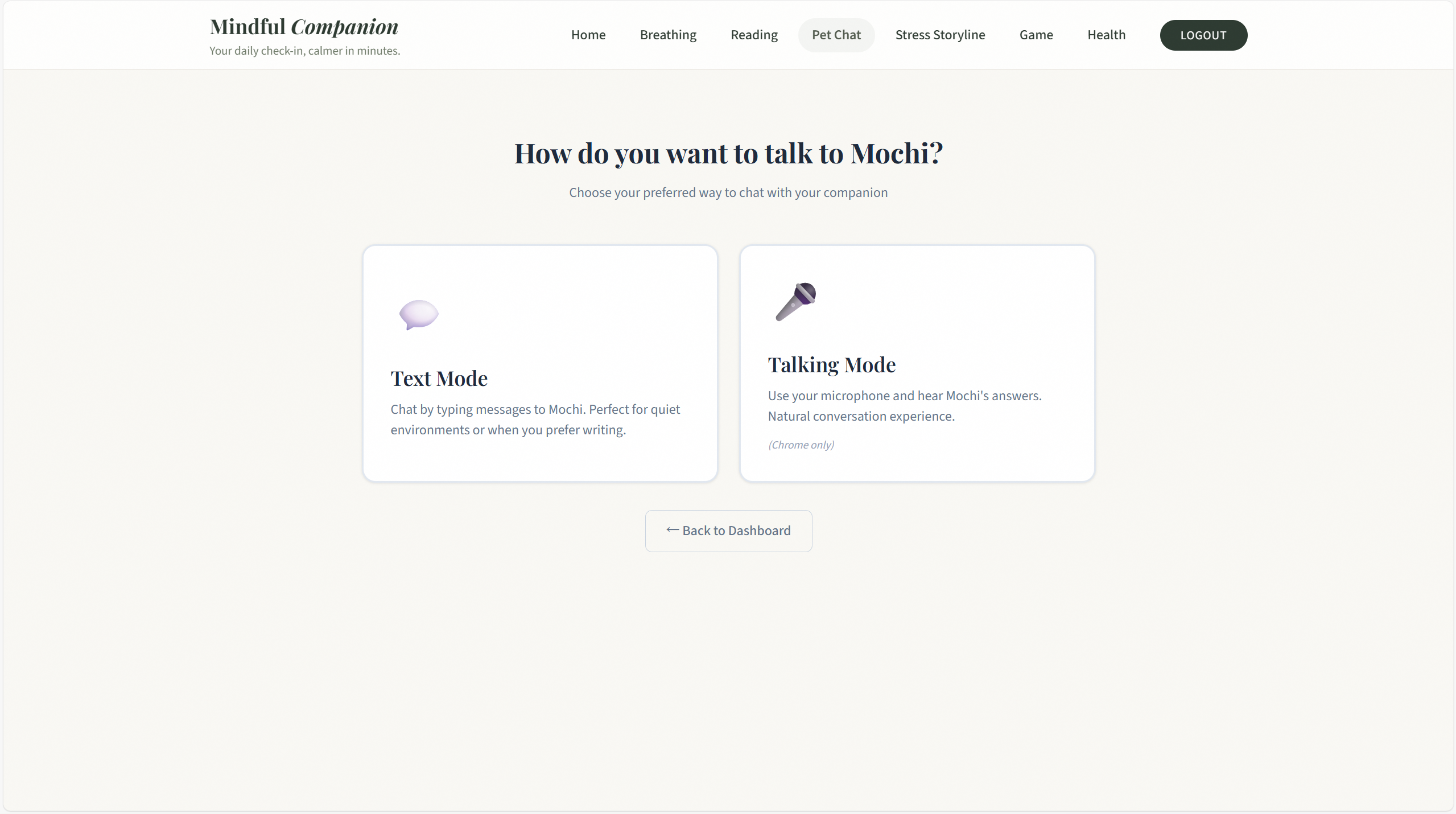
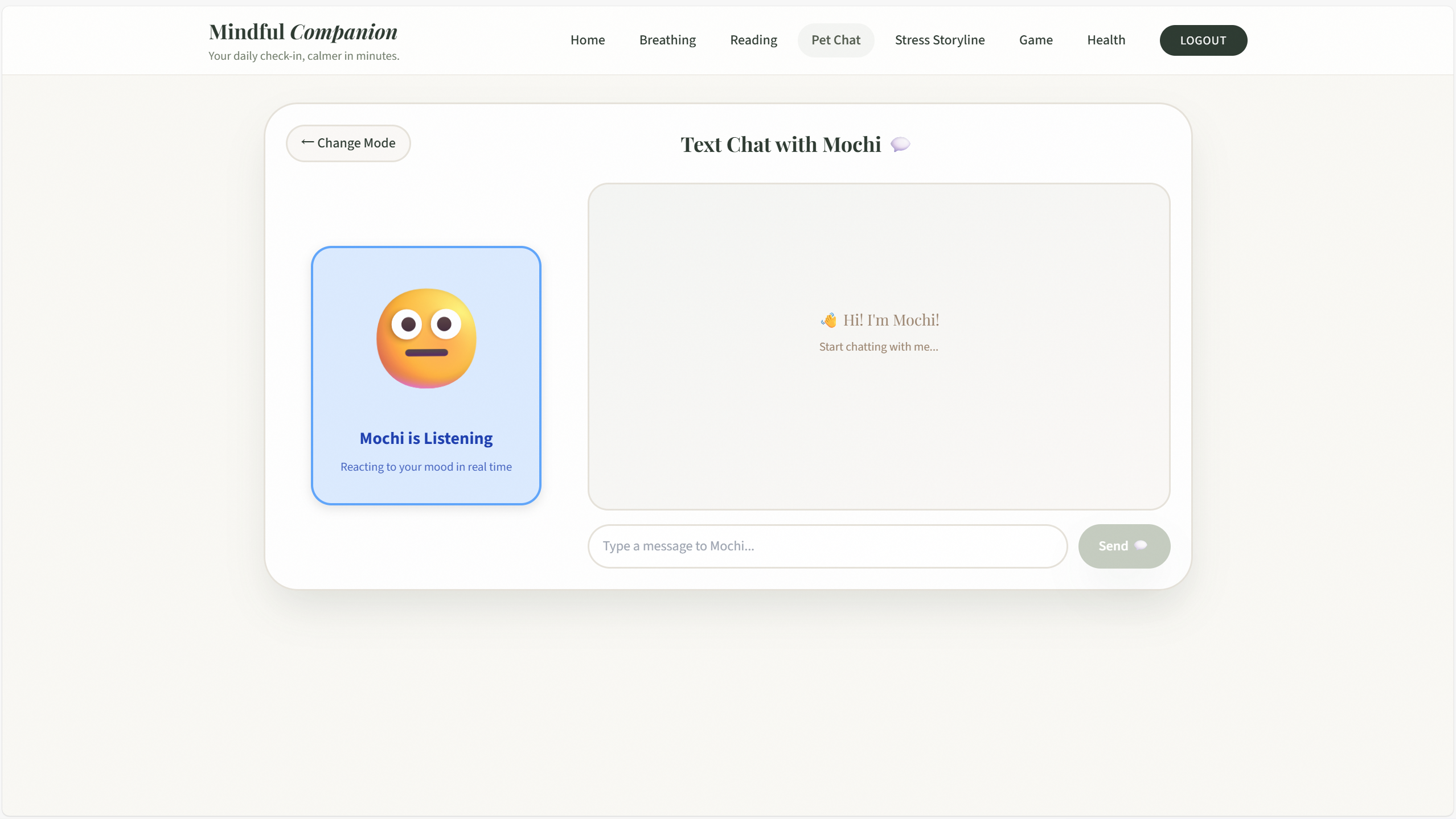
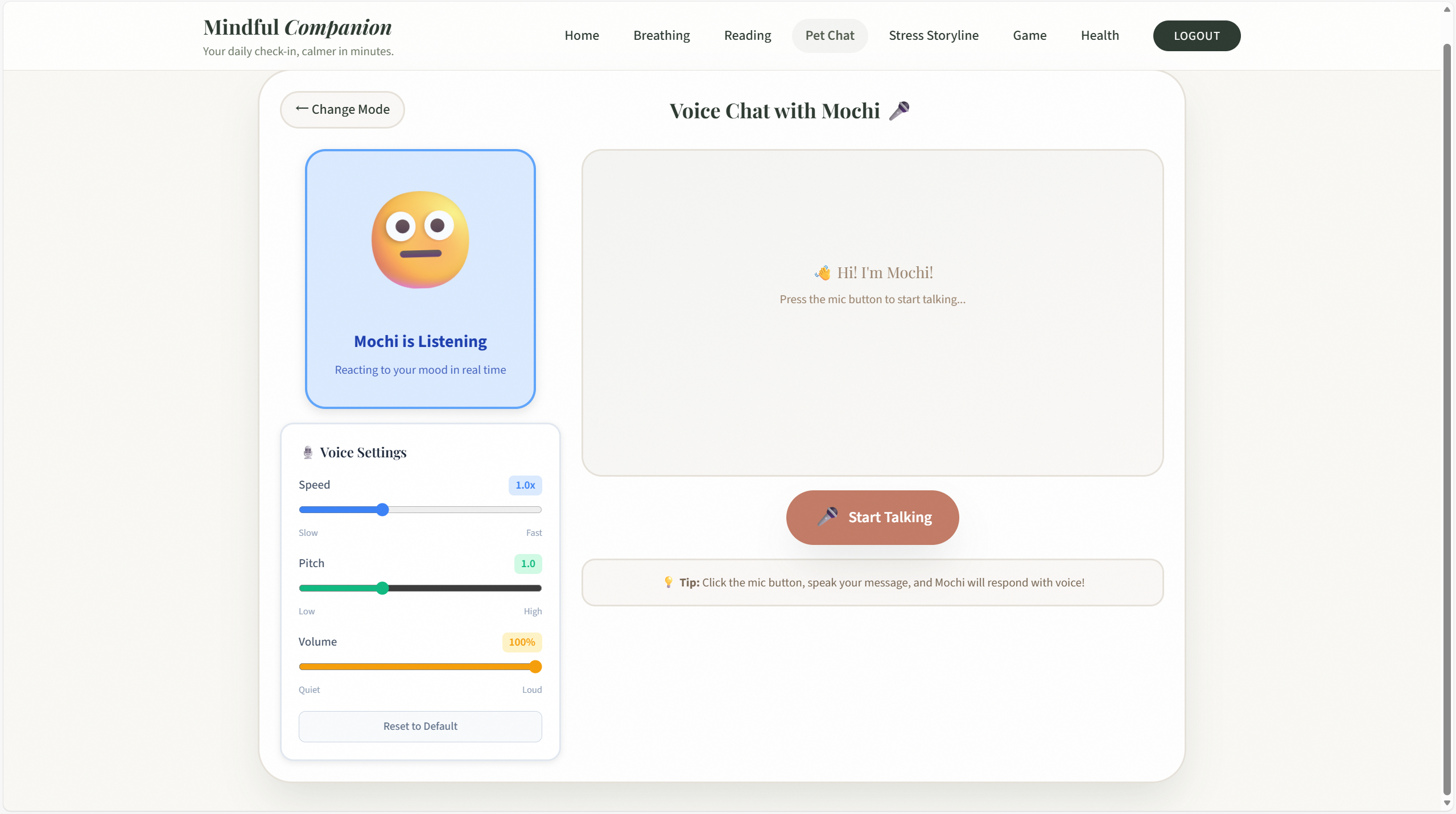
pet chat
-
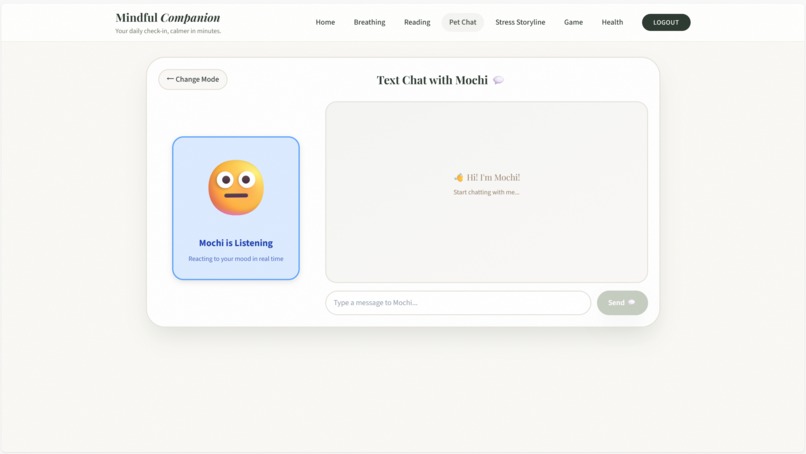
pet chat/text mode
-
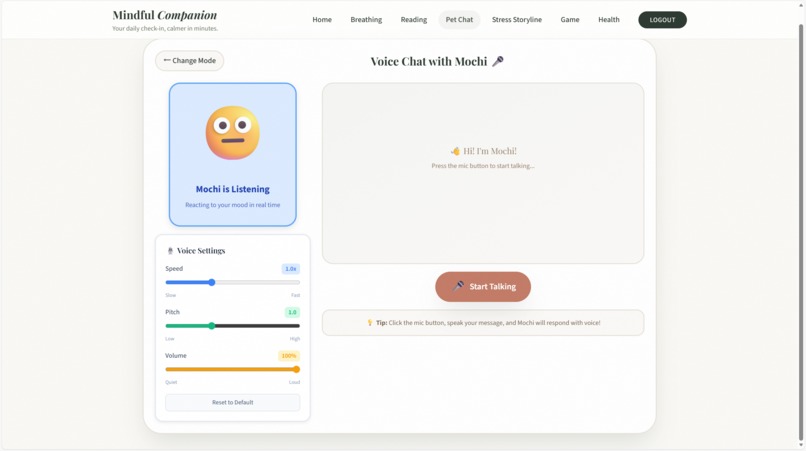
pet chat/talking mode
-
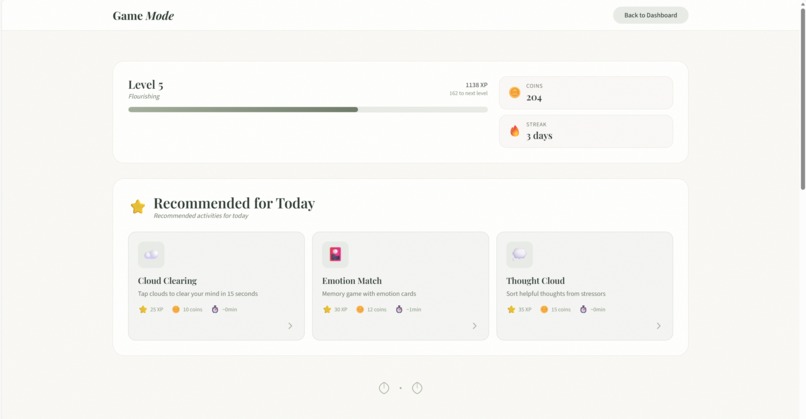
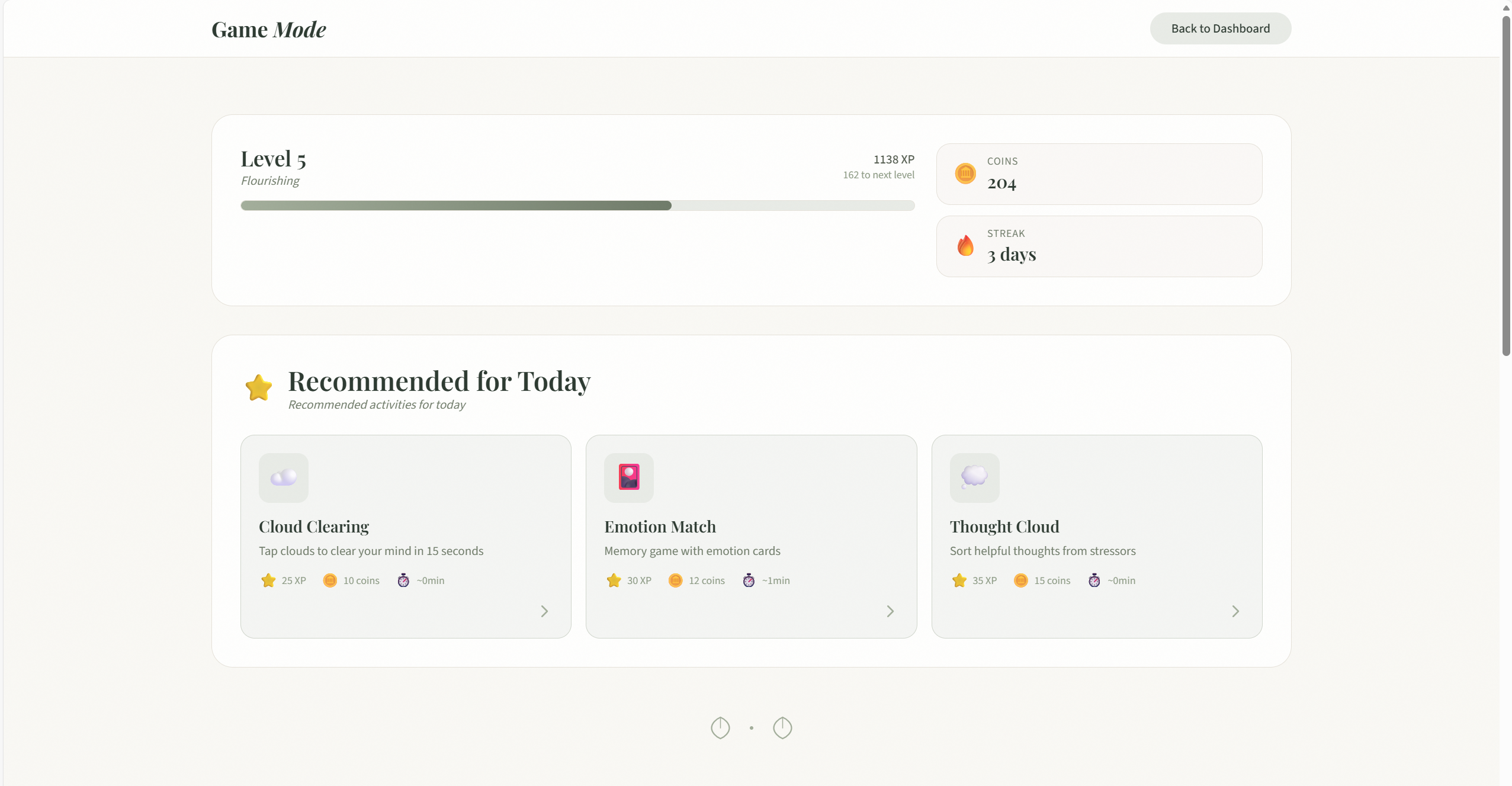
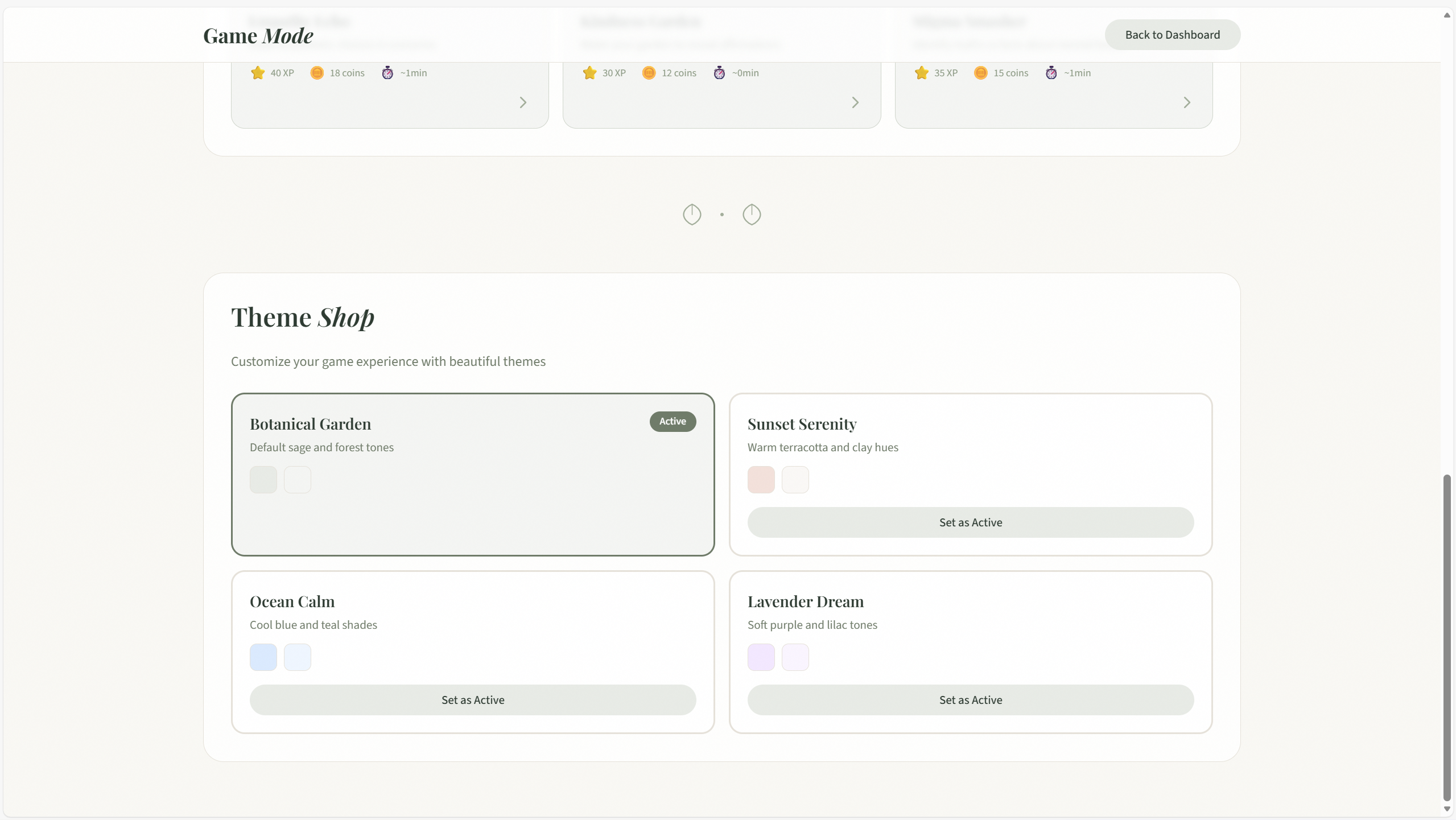
game mode 1
-
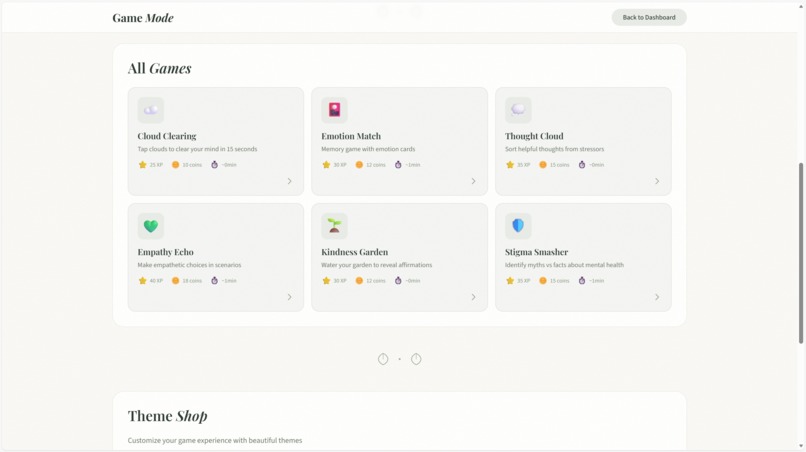
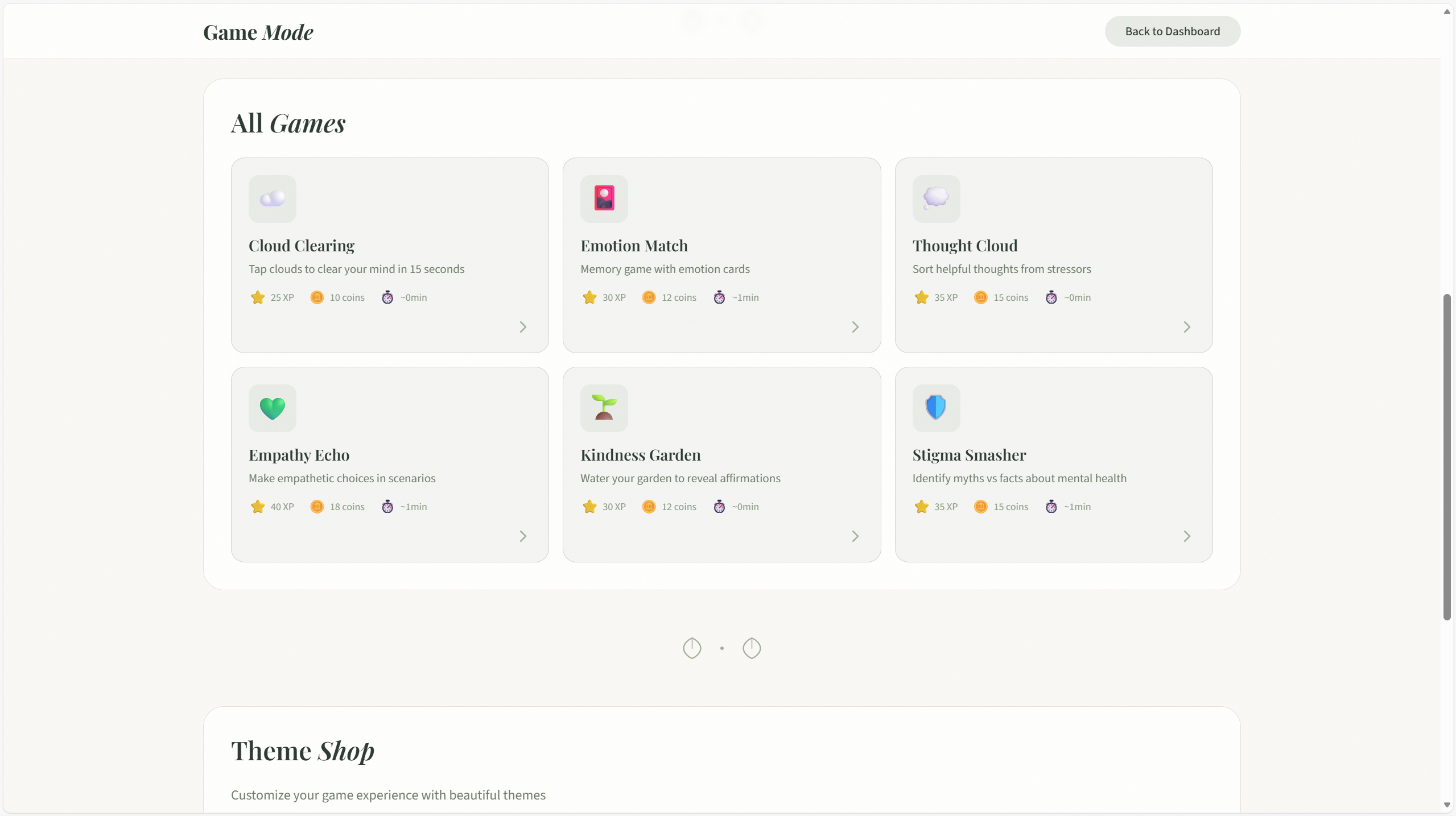
game mode 2
-
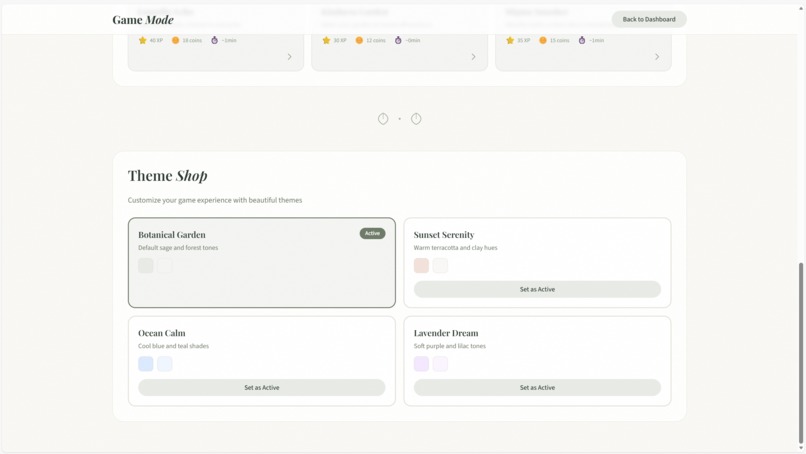
game mode 3
-
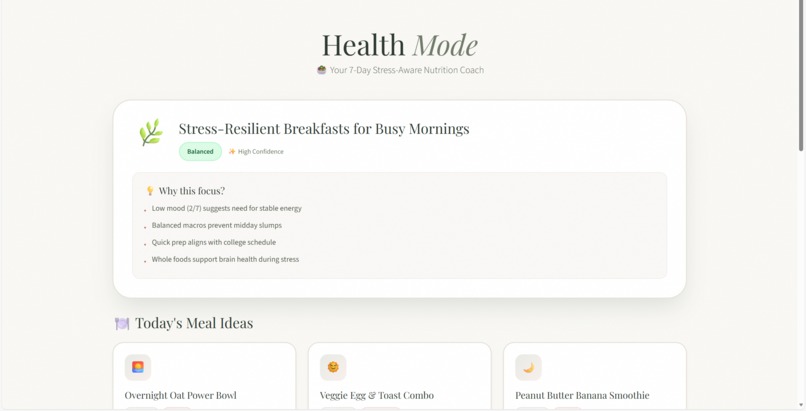
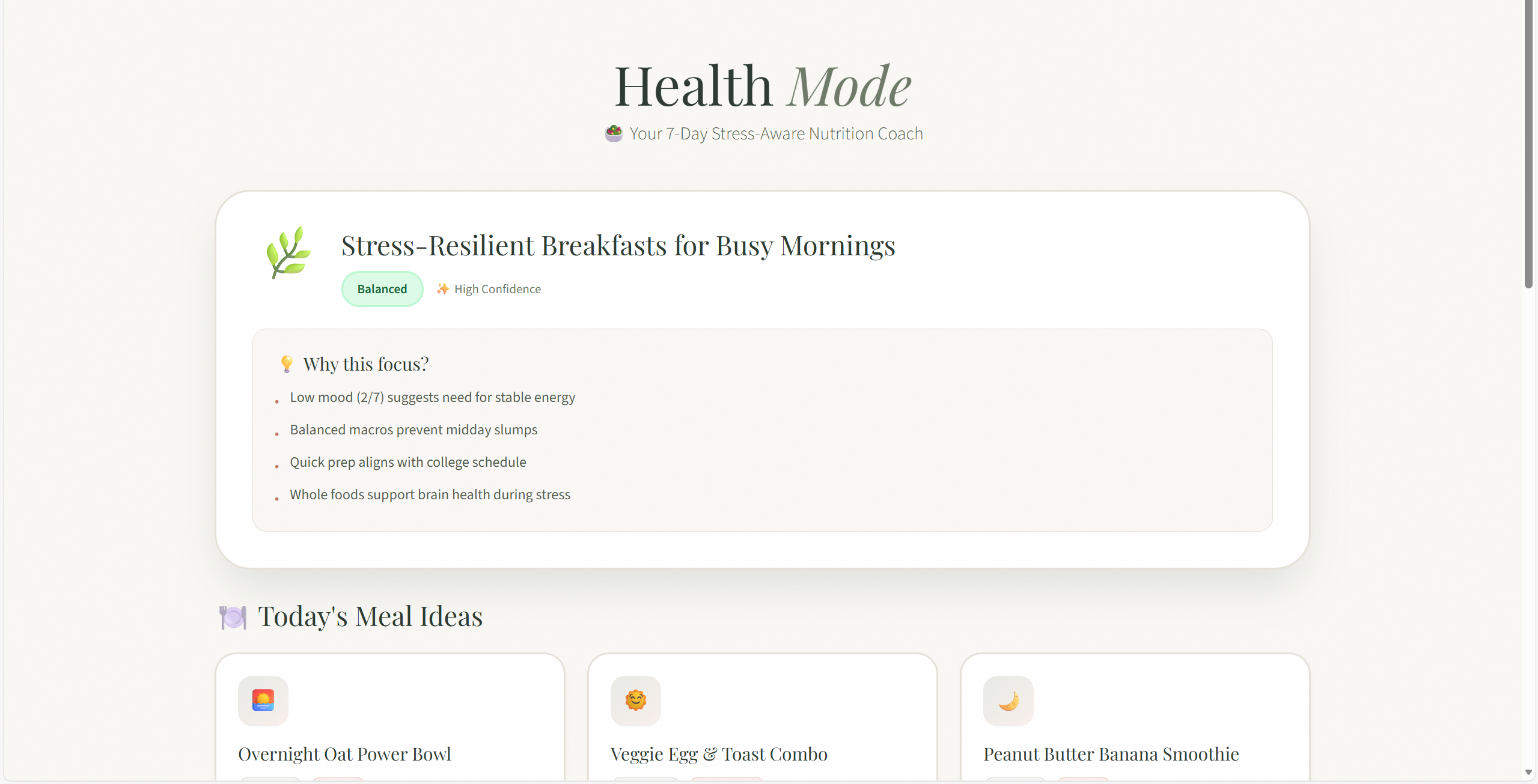
health mode 1
-
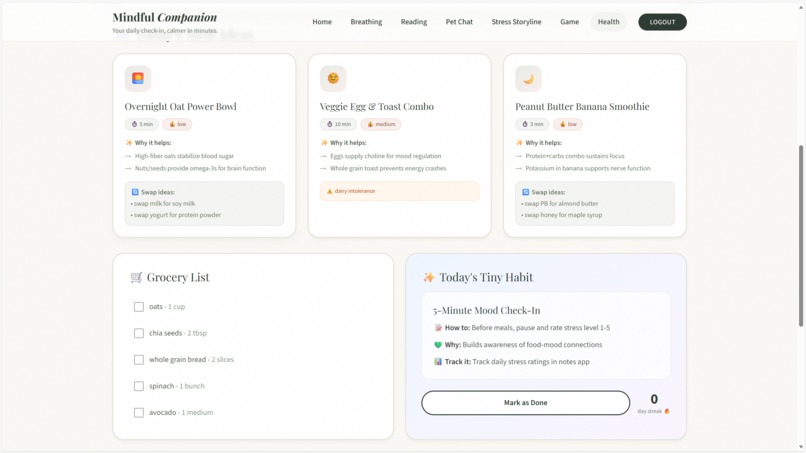
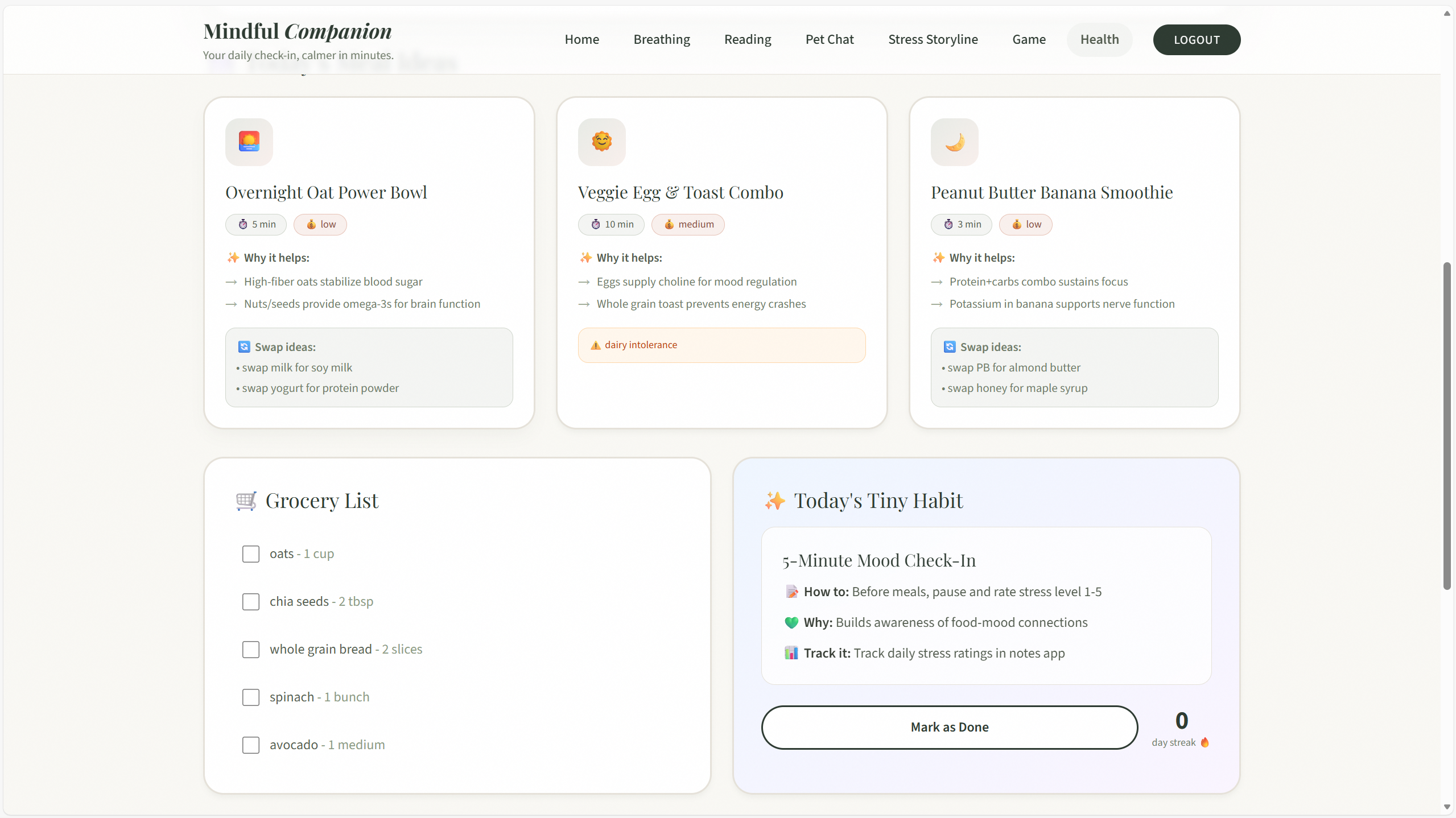
health mode 2
-
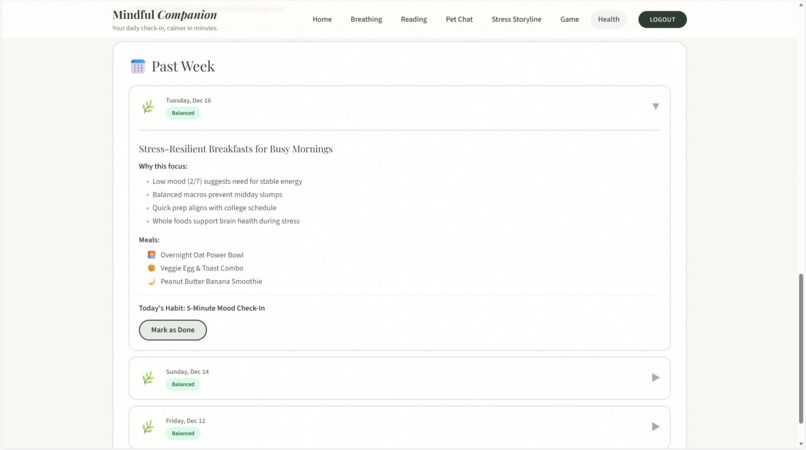
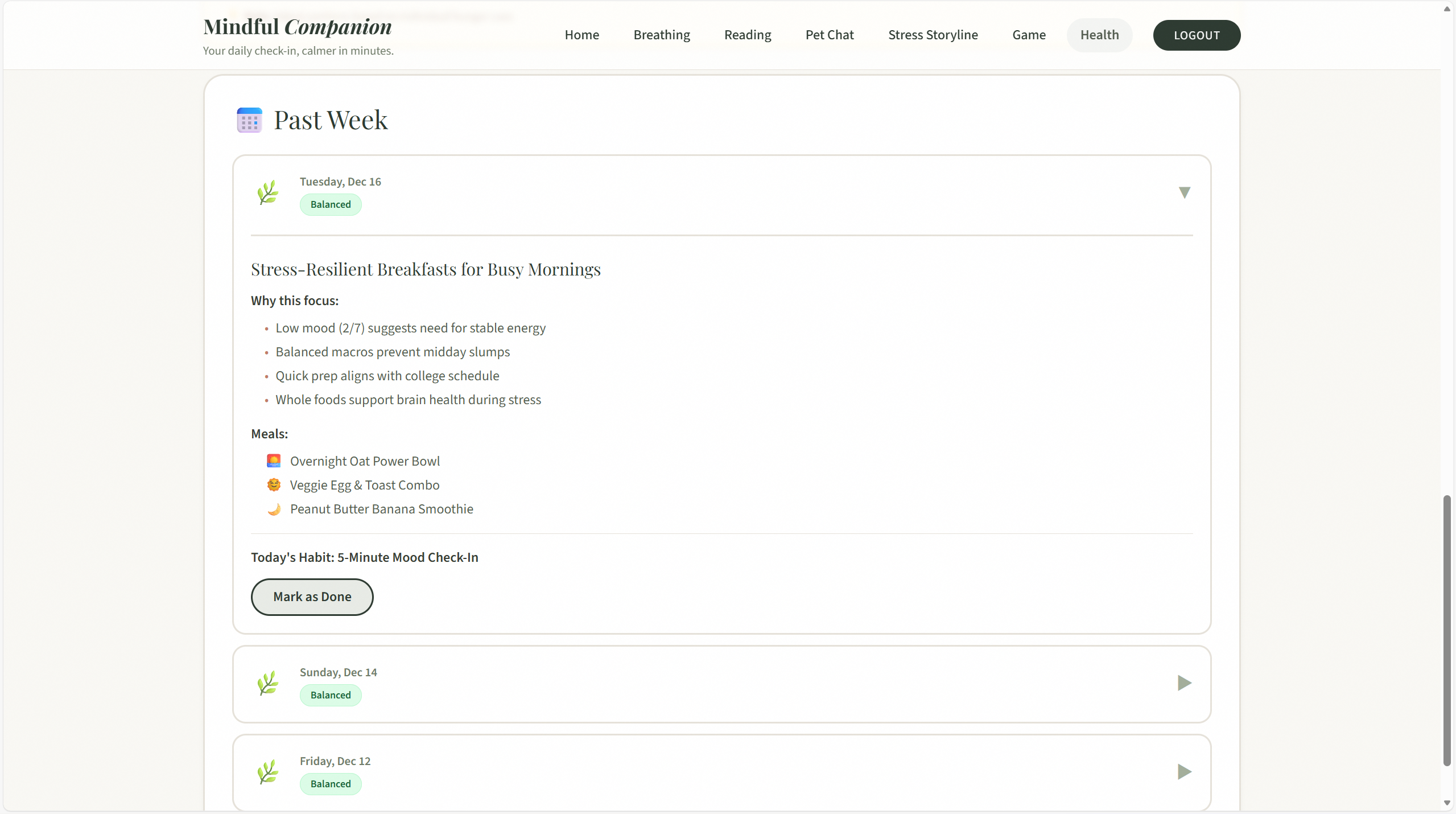
health mode 3

Mochi: AI-Powered Daily Wellness Companion
Inspiration
College stress builds quietly—deadlines, pressure, late nights—rarely as one big moment. We noticed 75% of college students report severe stress, yet existing wellness apps fail with <10% 30-day retention. Why?
When people are stressed, they don't want 15-minute meditations or complex tracking. They want something fast, personal, and immediately helpful.
Our Insight: Wellness isn't about isolated moments—it's about patterns over time and micro-interventions that stick. One bad day doesn't define you, but patterns over 7 days reveal what actually helps.
We built Mochi—a companion that turns 30-second daily check-ins into trend-aware insights and personalized micro-actions (breathing, games, reading, AI chat).
What It Does
Mochi creates a closed feedback loop: emotion → pattern → action → progress.
Core Features
1. Daily Check-Ins (30 seconds)
- Simple 1-5 mood scale + optional "meltdown" flag
- One check-in per day feeds all recommendations
2. Multi-Signal Trend Analysis
Synthesizes three data streams to find your dominantSignal:
- Mood scores (7-day average)
- Stress indicators (meltdown frequency, consecutive low-mood days)
- Sleep quality (inferred from notes)
If ≥3 days high stress → Focus: STRESS_STEADY_ENERGY
If ≥3 days low mood    → Focus: MOOD_LIFT
If ≥3 days poor sleep  → Focus: SLEEP_SUPPORT
Otherwise              → Focus: BALANCED
3. Adaptive Breathing Plans Plans change based on stress level + usage patterns:
$$ S_{\text{stress}} = 0.7 \cdot S_{\text{survey}} + 0.3 \cdot \left(100 - \frac{t_{\text{usage}}}{210} \cdot 100 - \min\left(30, \frac{t_{\text{breathing}}}{70} \cdot 30\right)\right) $$
- High stress + low usage: 2-min sessions, 3×/day ("Start small")
- Medium stress: 5-7 min, 2×/day ("Deepen your practice")
- Low stress + improving: 10-14 min, 1×/day ("Sustain your flow")
4. AI Pet Companion (Mochi) Powered by NVIDIA NIM, with:
- Smart mood detection: 100+ keywords across 5 priority levels, handles negation ("not good" → sad)
- Crisis detection: Safety keywords trigger immediate resources
- Context-aware responses: References your stress profile + recent check-ins
- Privacy-first: No stored chat history
5. Therapeutic Mini-Games (15-90s each)
- Cloud Clearing, Emotion Match, Thought Cloud, Empathy Echo, Kindness Garden, Stigma Smasher
- XP/leveling system (Seedling → Rooted)
- Session tracking feeds progress analytics
6. Daily AI Health Recommendations Personalized nutrition/wellness tips based on your dominant signal + 7-day trends (breakfast, lunch, snacks, habit).
7. Progress Dashboard 4-chart carousel: breathing minutes, reading minutes, health actions, game time—all aggregated over 7 days with weekly averages.
How We Built It
Tech Stack:
- Frontend: React 18 + TypeScript + Vite, Tailwind CSS, Framer Motion, React Router
- Backend: Express.js + TypeScript, Prisma ORM, PostgreSQL (13 models)
- AI: NVIDIA NIM API (Nemotron-nano-12b-v2-vl)
- Auth: JWT in HTTP-only cookies + bcryptjs
Key Technical Implementations:
1. Adaptive Stress Algorithm
stressScore = 0.7 × surveyScore + 0.3 × (usageScore - breathingBonus)
// 70% self-report + 30% behavioral data + breathing reward
2. Trend Detection Compares current vs. previous week (±5 threshold filters noise):
if (delta >= 5) → 'UP' (stress increasing)
if (delta <= -5) → 'DOWN' (improving)
else → 'FLAT' (stable)
3. Idempotent API Design
- Health recommendations: unique constraint on
(userId, date)prevents duplicates - Game sessions: server-side duration calculation handles incomplete sessions
- Session tracking: indexed on
(userId, createdAt)for <200ms queries
4. AI Safety + Efficiency
- Crisis keywords detected before AI call → immediate resources
- Compact context (7 days only = 200 tokens vs. 2000+)
- Fallback to mood-based responses if API fails
- No stored chat history (privacy-first)
Challenges We Faced
1. Real-Time State Synchronization
Problem: Timer UI didn't update after sessions completed; game data showed stale state if user closed without clicking "End."
Solution:
- Created
ReadingStatsContextfor centralized state - Interval cleanup pattern (
useEffectwith return cleanup) - Server-side duration calculation:
(endedAt - startedAt) / 1000 - localStorage persistence for incomplete sessions
2. AI Integration Without Breaking Core Product
Problem: NVIDIA NIM has latency (2-5s), rate limits (100/day), and costs ~$0.002/message.
Philosophy: AI is an enhancement, not a dependency. Core loop (check-in → trends → actions) works even if AI fails.
Solutions:
- Graceful degradation: Fallback to mood-based canned responses
- Client-side mood detection: 100+ keywords run in <1ms for instant feedback
- Caching: Weekly stress profile stored in DB, not recalculated per message
- Cost optimization: 7-day context window (200 vs. 2000 tokens), compact prompts
Result: App fully functional without AI; AI adds ~30% engagement lift when available.
3. Privacy + Personalization Balance
Challenge: Users want insights but worry about mental health data privacy.
Approach:
- Local-first mood detection (no API call for keywords)
- No stored chat history (stateless AI chat)
- Only aggregate stats saved (no free-text journals)
- GDPR-compliant account deletion
What We Learned
1. Personalization Builds Trust—But Only If Accurate
When Mochi says "you've had 3 high-stress days, but your 45 minutes of breathing is working"—engagement spikes. Generic advice ("try meditation") when you've already done 60 minutes of breathing? Trust erodes.
Key: Personalization = demonstrating awareness of their journey, not just using their name.
2. Trends Beat Snapshots—If Actionable
One stressed day? Not urgent. 4 consecutive days + declining usage? That's a signal.
Actionable Insight Formula: $$\text{Insight} = \text{Pattern} + \text{Context} + \text{Next Best Action}$$
Instead of raw charts, we built: "Your stress is up 12 points. Try 2-min sessions, 3×/day based on your pattern."
3. UX Stability > Feature Quantity
We built 8 mini-games; 2 had buggy timers. Users preferred 6 polished games over 8 half-working ones.
Lesson: A broken timer makes users question if their data is even being saved. Every feature now has error states + 3-failure-mode testing.
4. Data Models Are Product Decisions
Choosing WeeklyStressProfile vs. DailyStressScore shaped our narrative:
- Weekly filters noise ("one bad day doesn't define you")
- Enables trend detection (UP/DOWN/FLAT)
- Matches user mental model ("How was your week?")
Tradeoff: Can't show intra-week shifts. We chose simplicity + stability.
What's Next
Short-Term:
- Enhanced recommendation explanations ("why this suggestion today")
- Monthly summaries + correlation insights ("mood improves 30% on breathing days")
- 4 more mini-games, expanded reading library (50 stories)
- Anonymous support groups + peer encouragement
Long-Term:
- Privacy controls (data export, toggle AI usage)
- Wearable integration (HRV stress detection, calendar reminders)
- Therapist dashboard (opt-in trend sharing, crisis alerts)
- Research partnerships (validate efficacy with RCTs)
Accomplishments We're Proud Of
✅ Multi-signal trend synthesis combining mood + stress + sleep + usage into actionable insights ✅ Adaptive algorithms that actually change recommendations (not just different messages) ✅ AI with safety + efficiency: Crisis detection before AI call, 200-token context window, <1ms client-side mood detection ✅ Idempotent API design prevents duplicate AI charges and data corruption ✅ <200ms aggregation across 4 dimensions over 7 days (tested with 1000 sessions)
Built With
Frontend: React 18 • TypeScript • Vite • Tailwind CSS • Framer Motion Backend: Express.js • TypeScript • Prisma ORM • PostgreSQL AI: NVIDIA NIM API (Nemotron-nano-12b-v2-vl) Auth: JWT (HTTP-only cookies) • bcryptjs
Mochi: 30 seconds daily. Personalized insights. Real support.
Built With
- bcryptjs
- express.js
- framermotion
- jwt
- nemotron-nano-12b-v2-vl
- postgresql
- prismaorm
- react18
- tailwindcss
- typescript
- vite

Log in or sign up for Devpost to join the conversation.