-
-
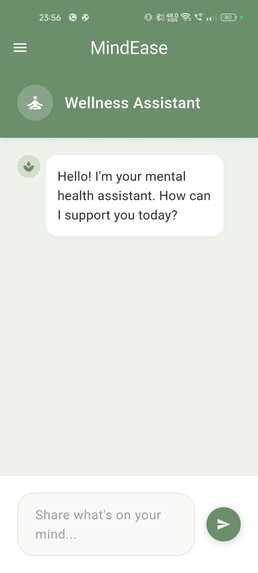
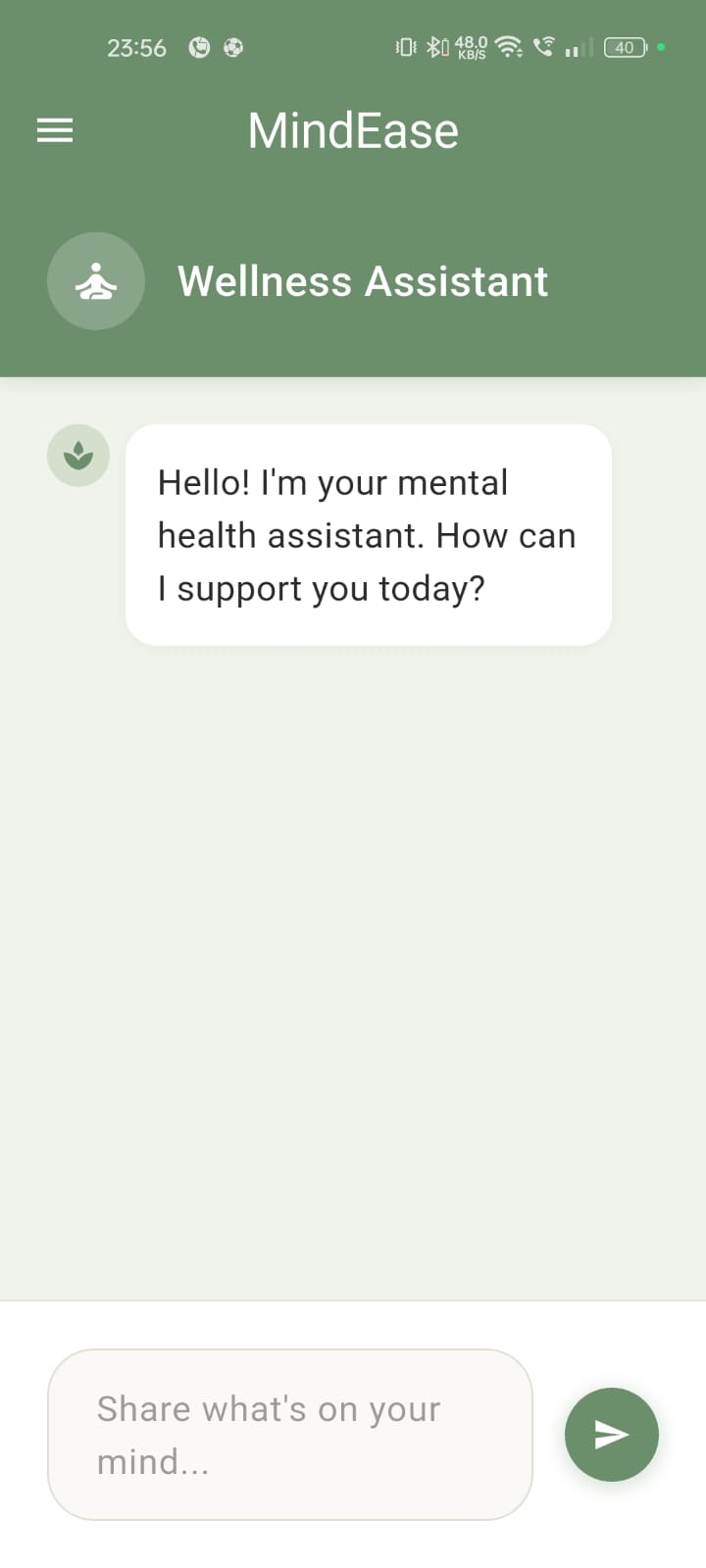
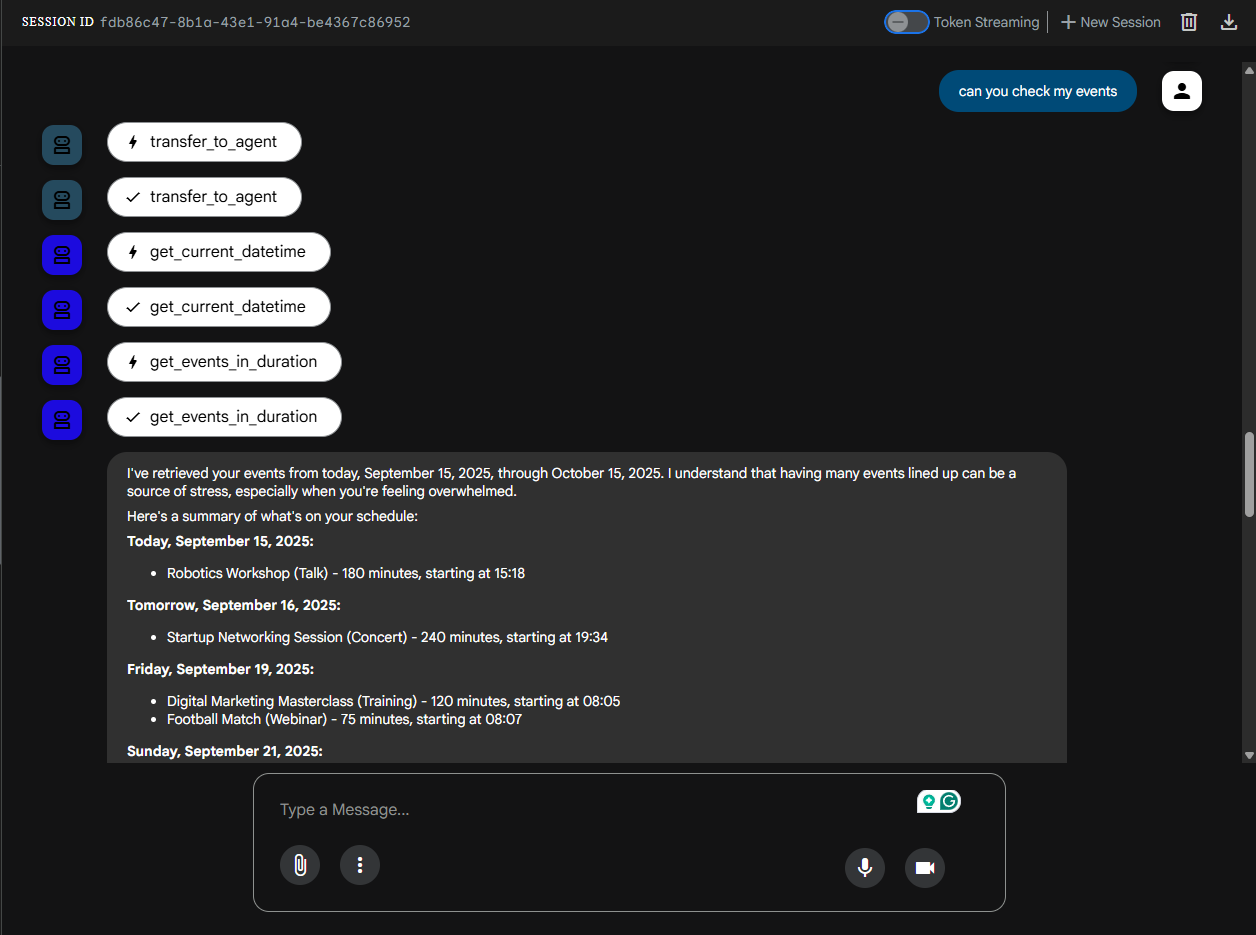
Chatbot
-
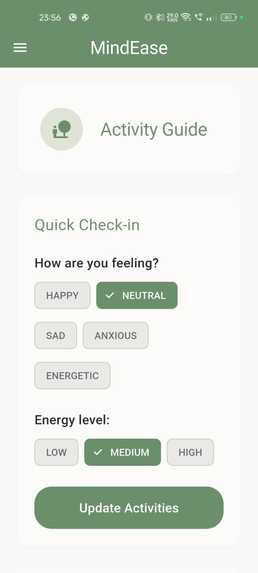
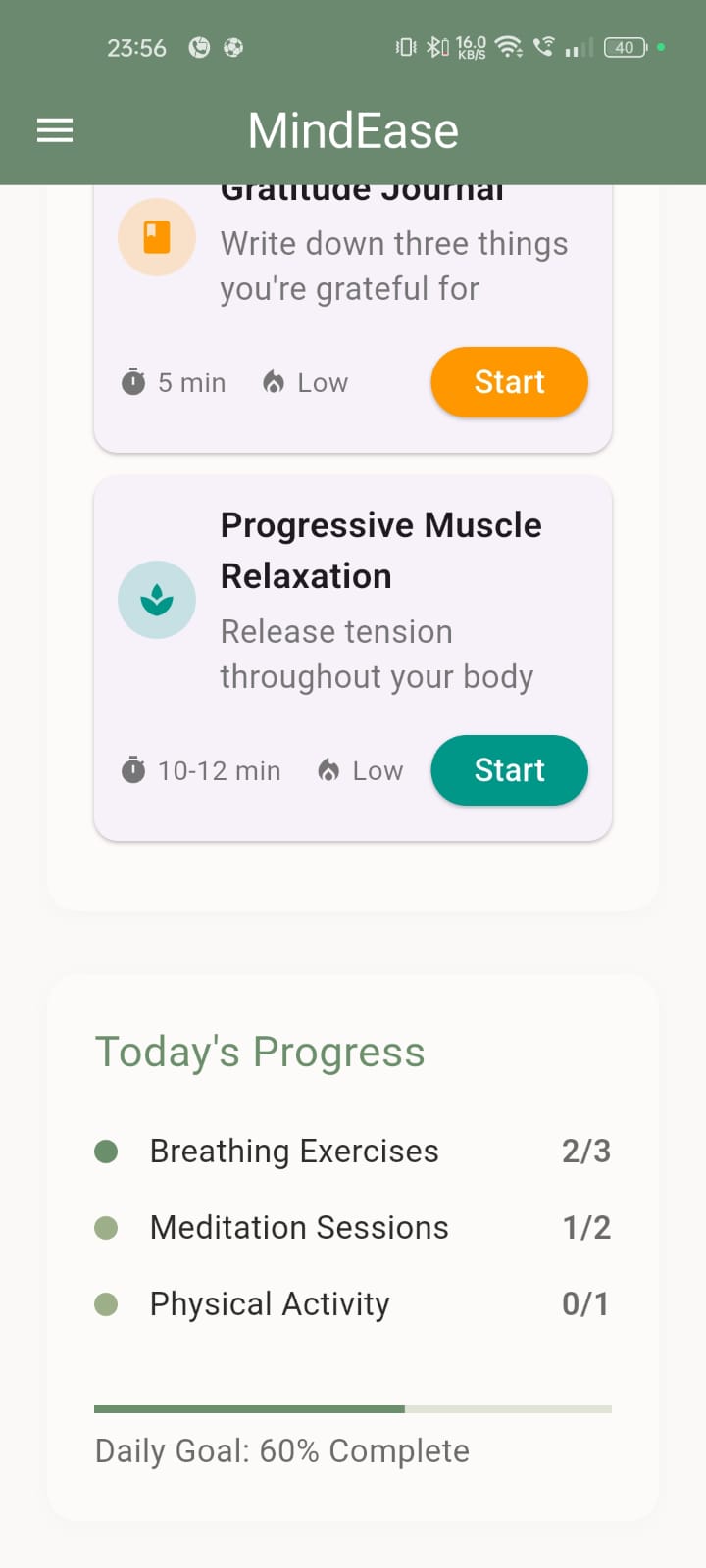
Activity events page
-
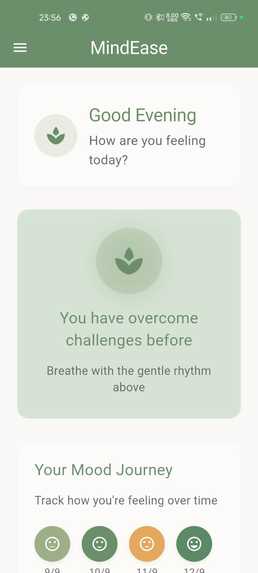
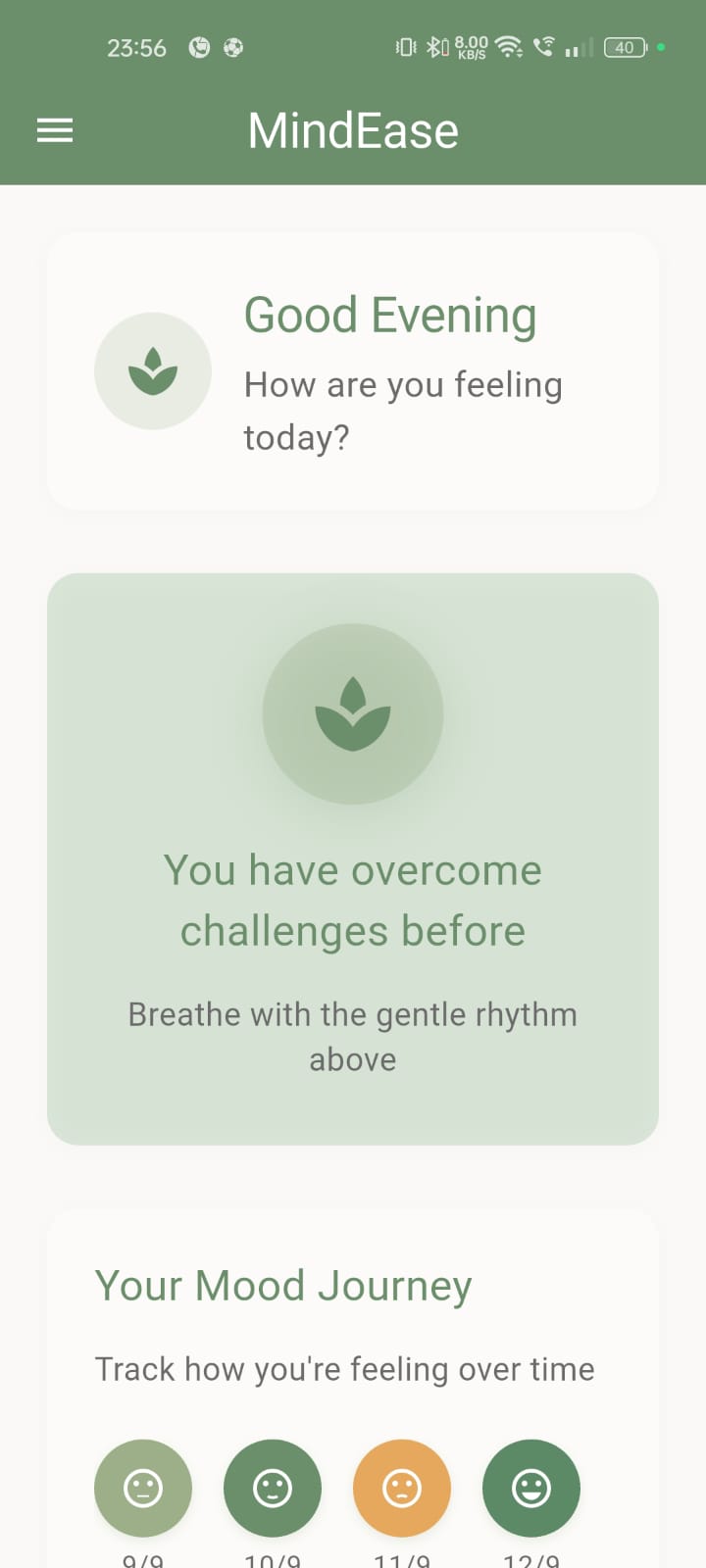
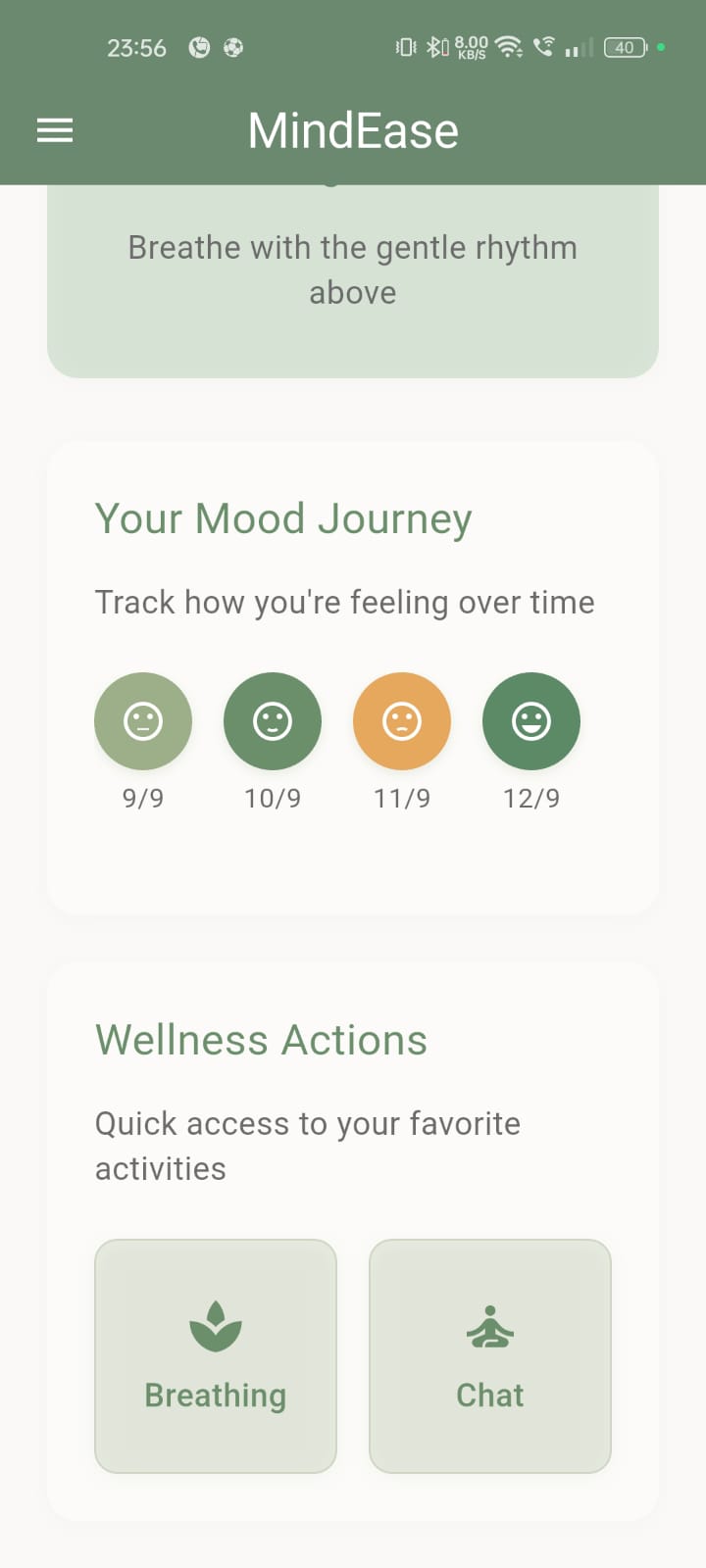
Home page
-
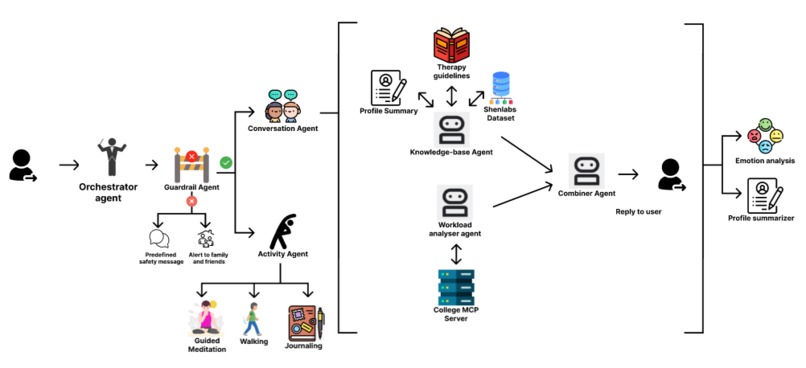
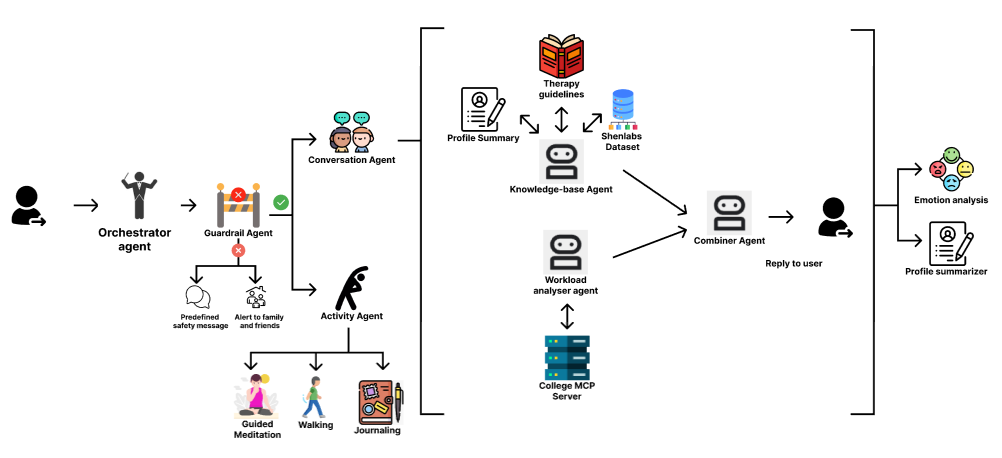
System Architecture
-
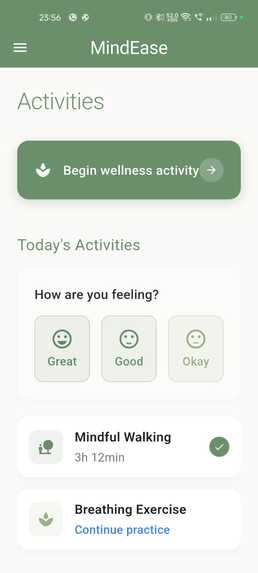
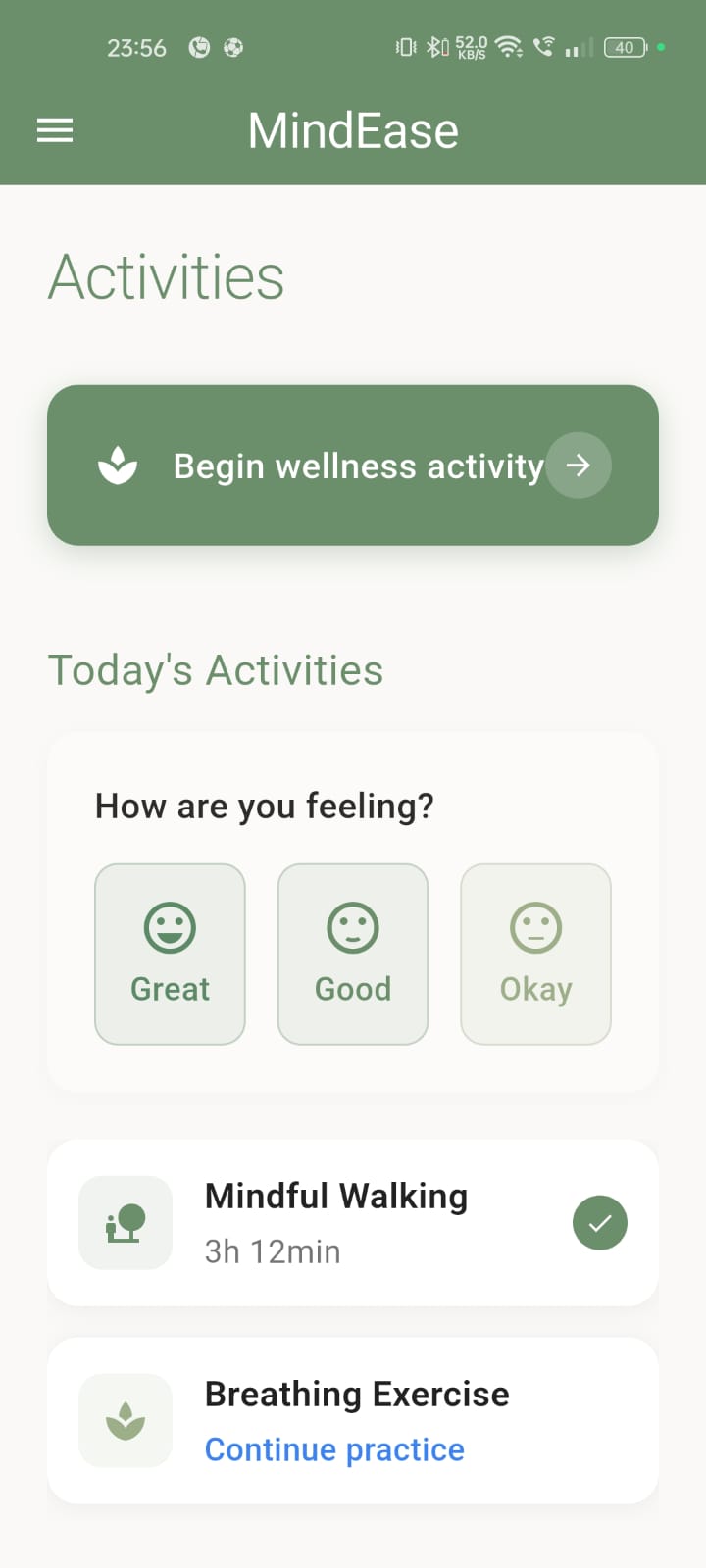
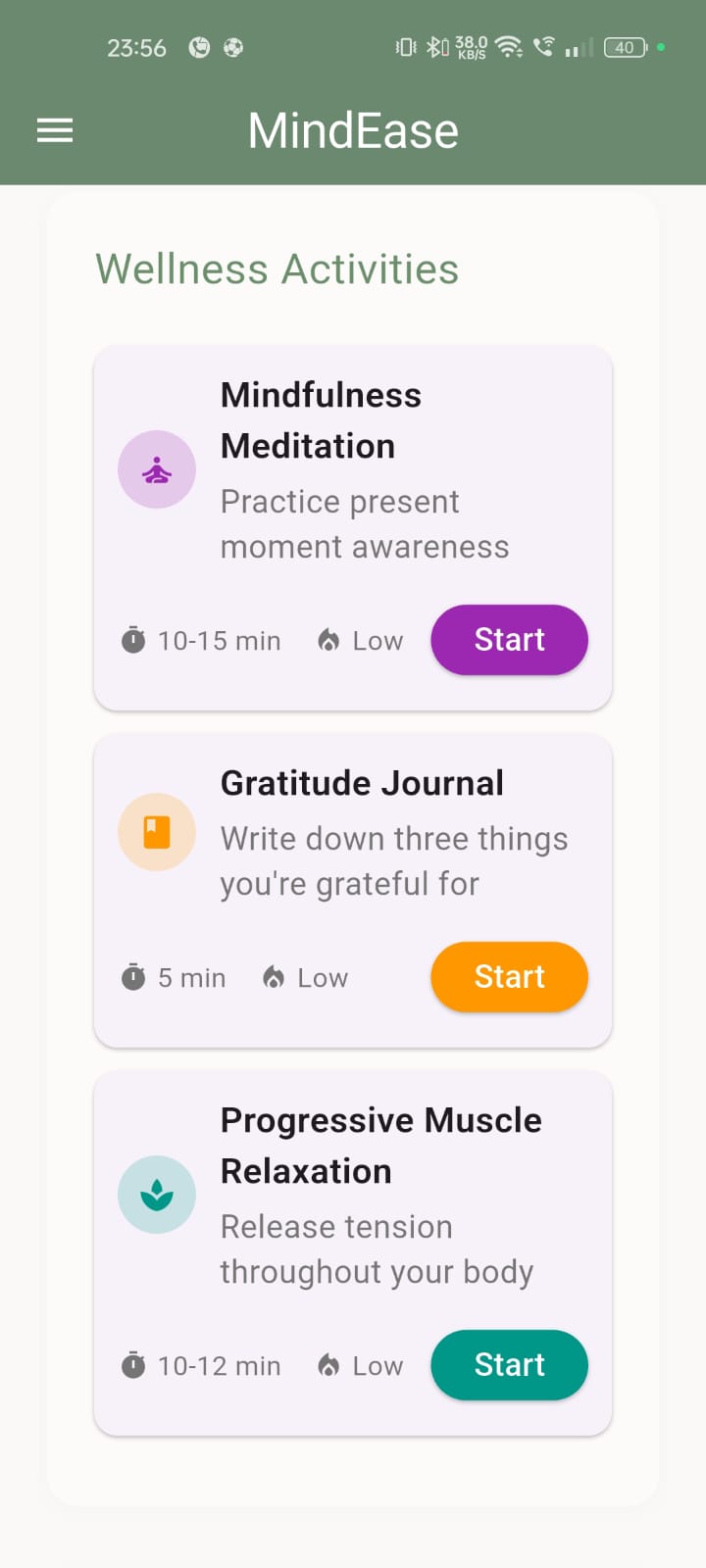
Activities page
-
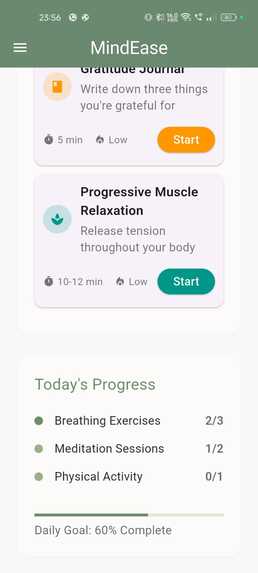
Activity events page
-
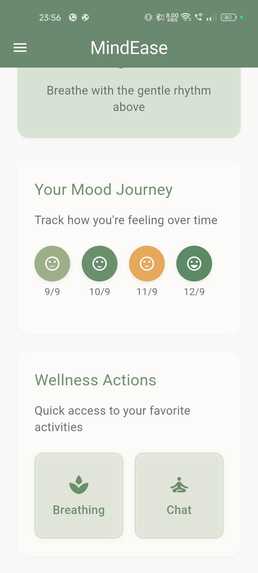
Home page
-
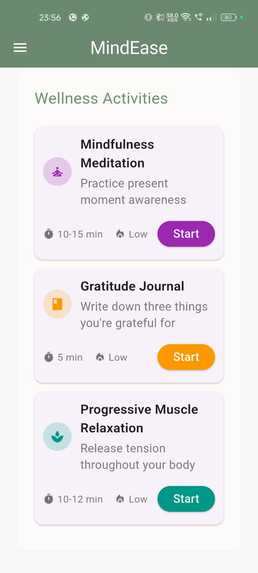
Activity events page
-
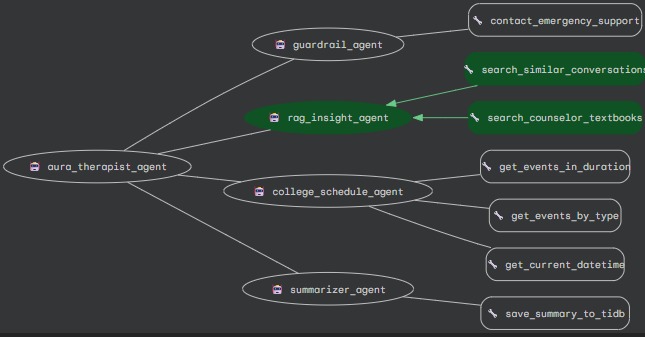
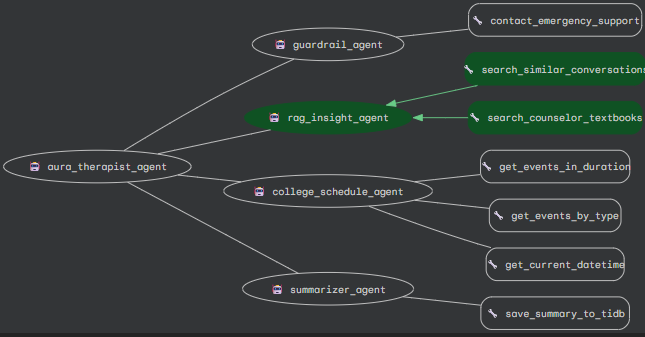
Agentic architecture
-
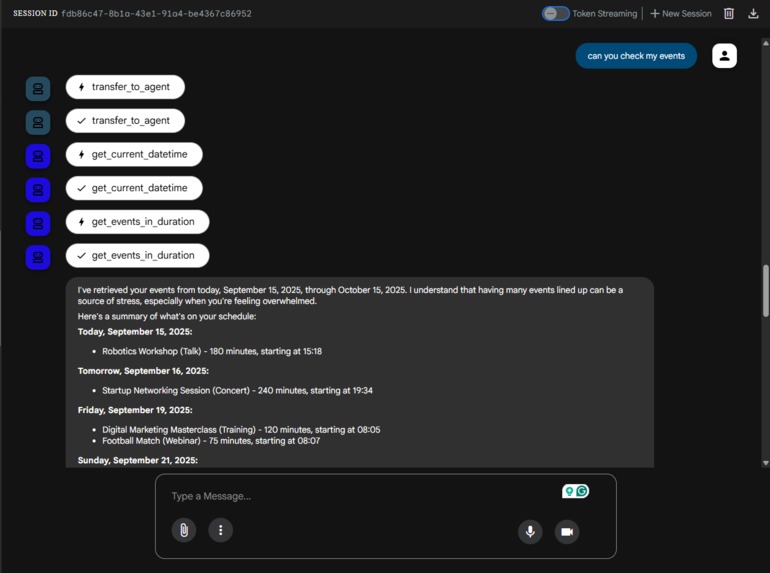
Orchestration of agents
MindEase
Our detailed Documentation is here-link The email associated with the TiDB account used in this project is [email protected]
Elevator Pitch
College life comes with stress, deadlines, and uncertainty. Mental health support is often expensive, stigmatized, or simply inaccessible. That’s why we built MindEase—an agentic RAG-powered counselor chatbot designed specifically for college students. It provides conversational counseling, personalized activity recommendations, and integrates with a student’s schedule to deliver holistic stress management in a safe and accessible way.
Inspiration
We were motivated by the growing mental health crisis among students. In many countries, therapy is seen as taboo or unaffordable, leaving students with limited support. We wanted to create a system that makes mental health resources approachable, personalized, and always available.
What it does
- Provides counseling-like conversations through a conversational agent trained on APA datasets, Shenlabs’ mental health conversations, and student-focused textbooks.
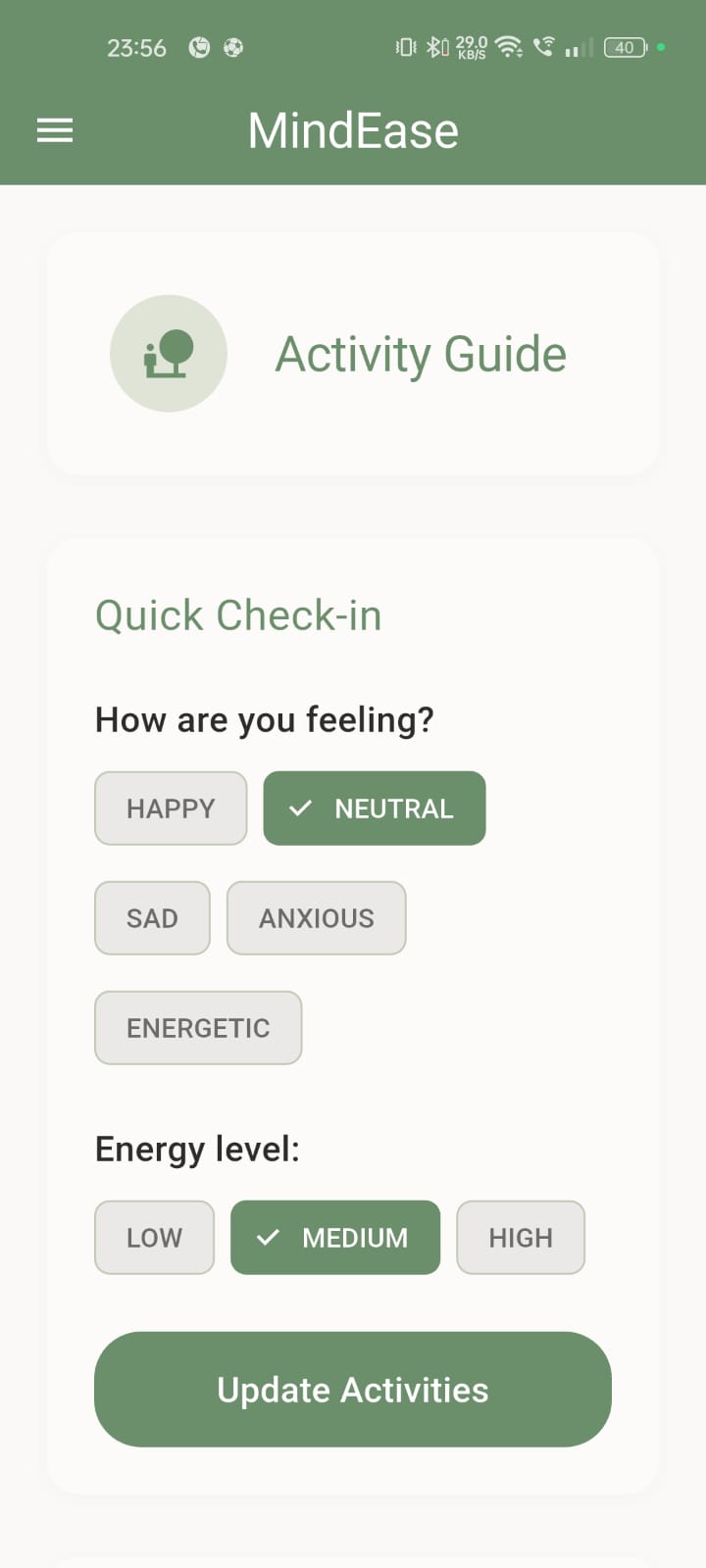
- Suggests activities like meditation, journaling, or walking, based on the student’s current emotional state (via mood logs).
- Integrates with a student’s schedule through an MCP server, allowing context-aware advice.
- Uses guardrails to detect critical conditions and ensure safe responses.
- Tracks mood over time, creating a mood map for better long-term awareness.
How we built it
- We used Google Vertex AI Agent Builder (ADK) to create a multi-agent system with a conversational agent, activity agent, and guardrail system.
- Built a retrieval-augmented generation (RAG) pipeline with TiDB vector search, storing semantic chunks from both conversational datasets and textbooks.
- Integrated an MCP server (deployed on Render) to provide real-time schedule details for context-aware advising.
- Built the frontend in Flutter, with Firebase Authentication and Firestore for backend support.
- Used semantic chunking and prompt engineering to ensure natural, counselor-like conversations.
Challenges we ran into
- Balancing counselor-like empathy with safe, accurate responses required extensive prompt engineering.
- Ensuring retrieval quality when mixing conversational datasets and textbook data.
- Designing a guardrail system that detects critical conditions without being overly restrictive.
- Integrating MCP server events seamlessly into the chatbot context.
Accomplishments that we're proud of
- Successfully built a working agentic RAG chatbot that feels more like a counselor than a generic chatbot.
- Designed an activity agent—our unique differentiator—that adapts suggestions based on mood and context.
- Built a scalable system where each college can deploy its own MCP server for students.
- Integrated TiDB vector search effectively in a real-world mental health use case.
What we learned
- How to orchestrate multi-agent systems using Google ADK.
- The importance of combining different data sources (conversational + academic) for nuanced mental health support.
- That context (schedules, user profiles, mood logs) significantly improves personalization and trust.
- How critical safety and ethical considerations are when designing AI for mental health.
What's next for MindEase
- Expanding into diet, sleep, and academic advising for a more holistic well-being assistant.
- Adding a binary classifier-based guardrail for more robust critical condition detection.
- Supporting multilingual users so that students in different regions can benefit.
- Partnering with universities to integrate directly into student portals and apps.
Built With
- Languages & Frameworks: Flutter, Node.js, Python
- LLM & AI Frameworks: Google Vertex AI Agent Builder (ADK), Gemini
- Backend & Cloud Services: Firebase (Authentication, Firestore), Render (MCP Server)
- Databases & Vector Search: TiDB (Vector Search with AgentX)
- Orchestration & Agents: Multi-Agent System (Conversational Agent, Activity Agent, Guardrail System)
- Data Sources: APA Datasets, Shenlabs Mental Health Conversations, Student Textbooks
- Other Tools: Semantic Chunking, Prompt Engineering


Log in or sign up for Devpost to join the conversation.