Inspiration
Over 7.4 million Americans aged 65+ struggle with Alzheimers, what follows is typically questions like, "where am I?" and "who are you?". This often leads victims of this disease feeling scared, confused, and in some cases could be dangerous. We wanted to build a simple device that can help remind Alzheimers patients of memory linked surroundings.
What it does
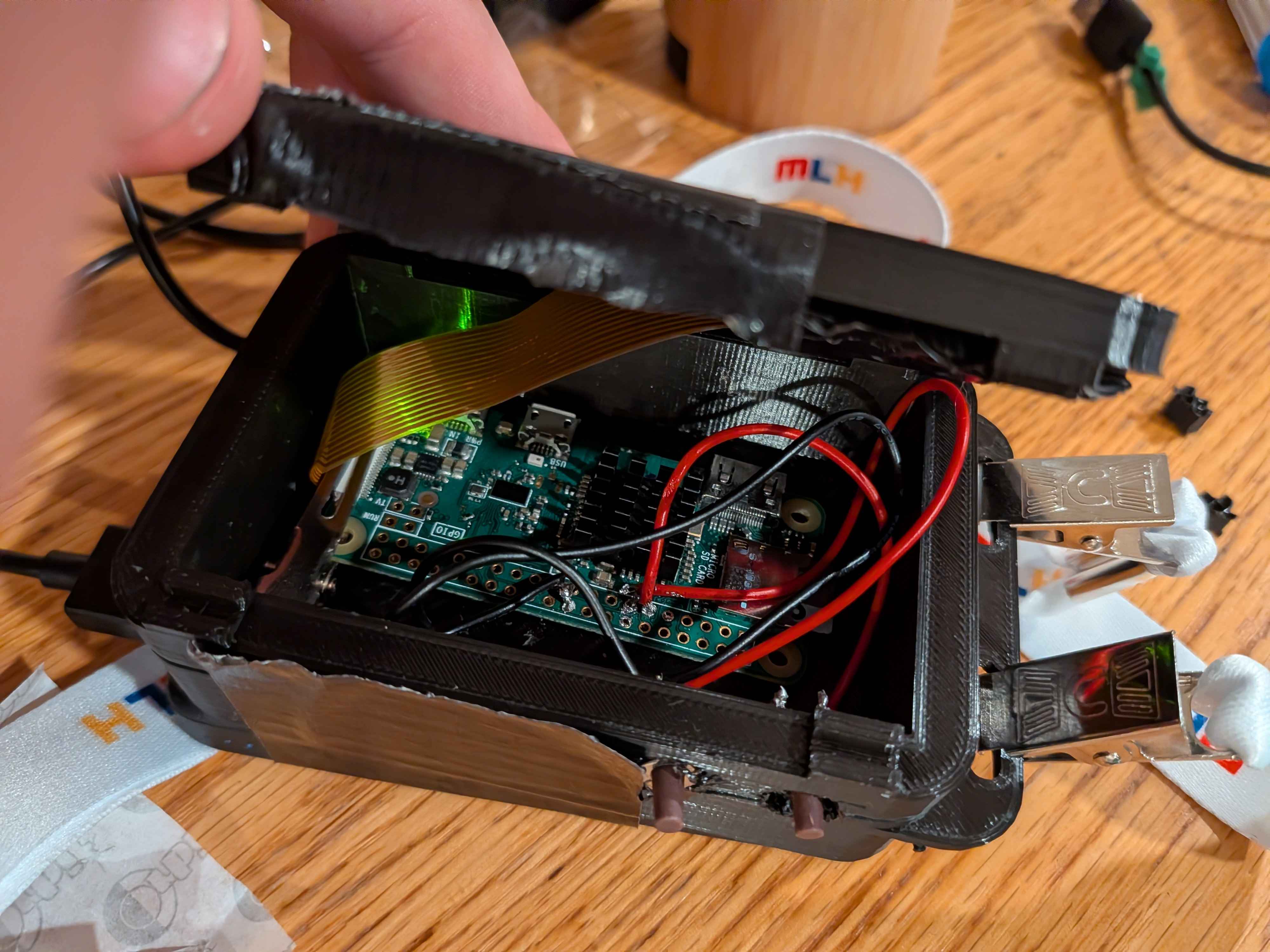
We built a wearable necklace with an integrated camera, there are only 2 buttons, one takes a photo and finds the closest image in the users "memory catalog", using a pair of headphones the user can ask questions about the surrounding such as "Where am I" or "Who are you". The headphones then play back a predefined description of the analyzed photo relative to the users memory descriptions linked to each photo. These memory descriptions can either be uploaded via the web, or on demand. The second button takes a photo and allows the user to speak to add the image taken by the necklace to the "memory catalog" along with a spoken description.
Challenges we ran into
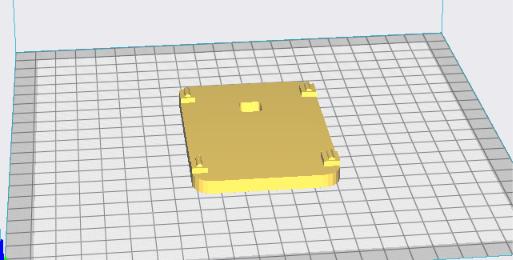
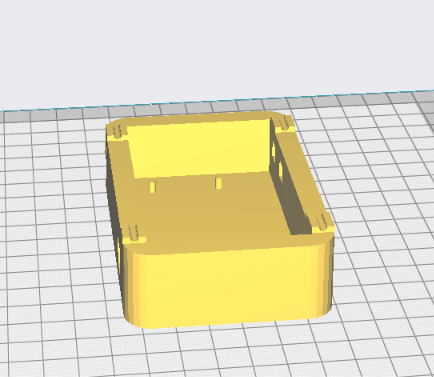
Throughout development we hit many roadblocks, specifically with the camera's ribbon cable and some of the clearance regarding port sizes of the 3d printed case. Suddenly during testing the camera was not being discovered as a device and we were worried that the camera was unusable for the remainder of the hackathon, this caused us to frantically call friends to try to find alternatives or solutions, eventually we were able to use a hair clip to keep enough pressure on the ribbon cable to prevent it from disconnecting. When it came to the clearance, we did not take account into the size of the micro usb chargers difference in dimensions from the actual port. This issue was fixed by just drilling a larger space for the cable.
Accomplishments that we're proud of
We are very proud of how the product looks, it doesn't look like just a hackathon project, but a real MVP with custom designed fittings. We are also proud of the way in which we are using tokens efficiently to classify images. Instead of having an AI analyze every image, we put all the images into a one image grid, the AI then only needs to choose the image in the grid that matches the users surroundings.
What we learned
Collectively we learned how to use the Fish audio API, some of the limitations on the earlier raspberry pi models and how to remotely control them from a browser. We also learned how easily ribbon cables are to break...
What's next for MindCloud
Currently the project is very much and MVP and the image classification / memory catalog are sometimes unreliable. We would like to see this be used by Alzheimers patients as we believe there is great value and helps with a widespread and mentally taxing disease.
Built With
- anti-gravity
- claude-code
- gemini
- html
- javascript
- python
- raspberry-pi
