-
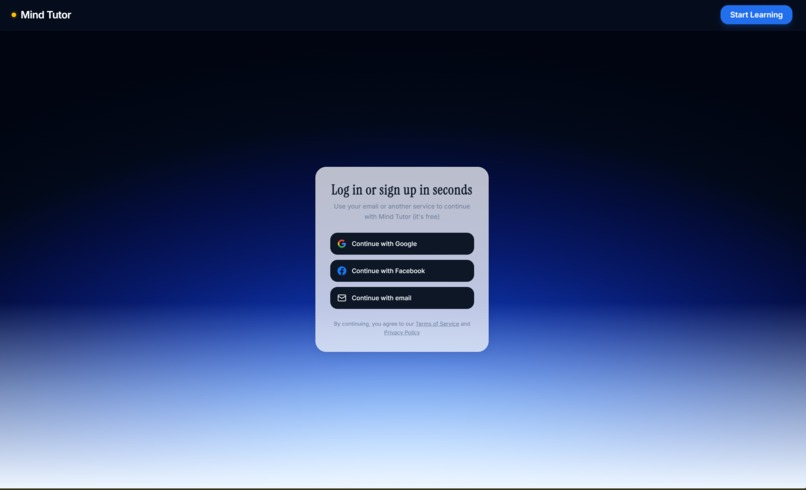
Authentication
-
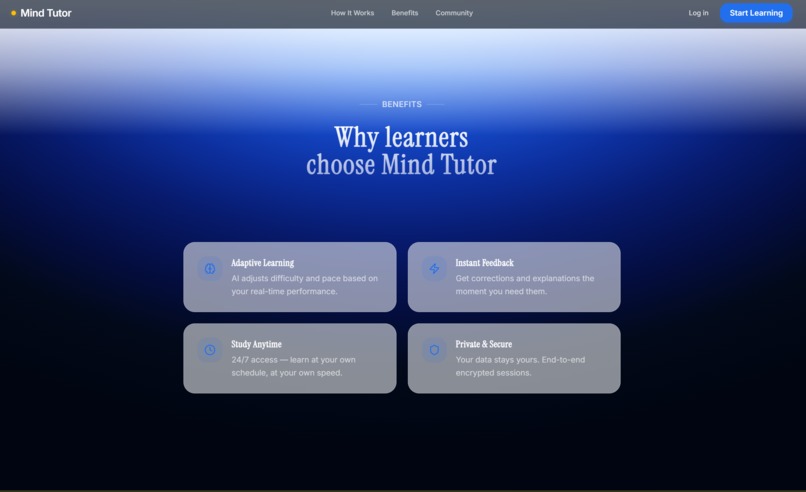
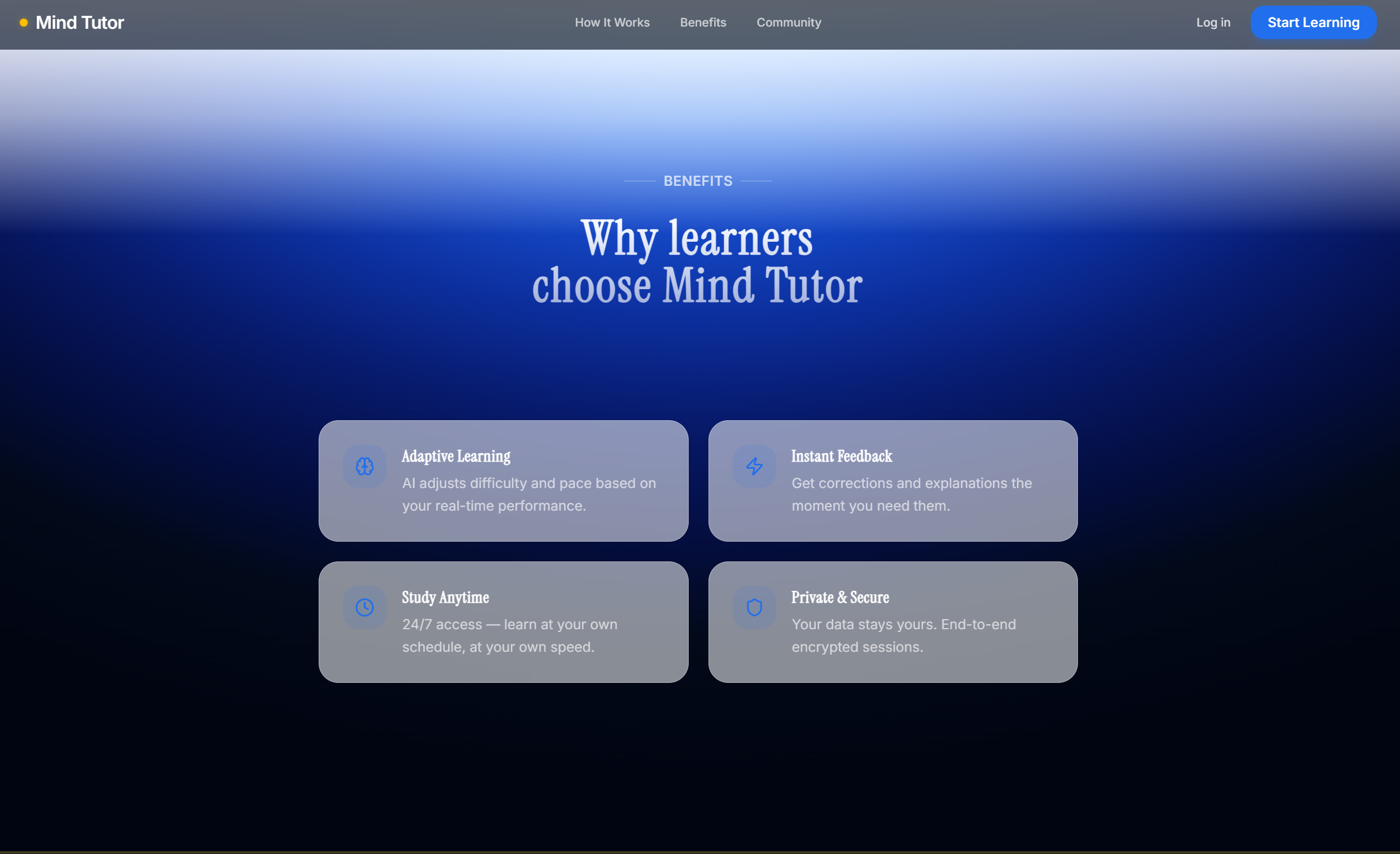
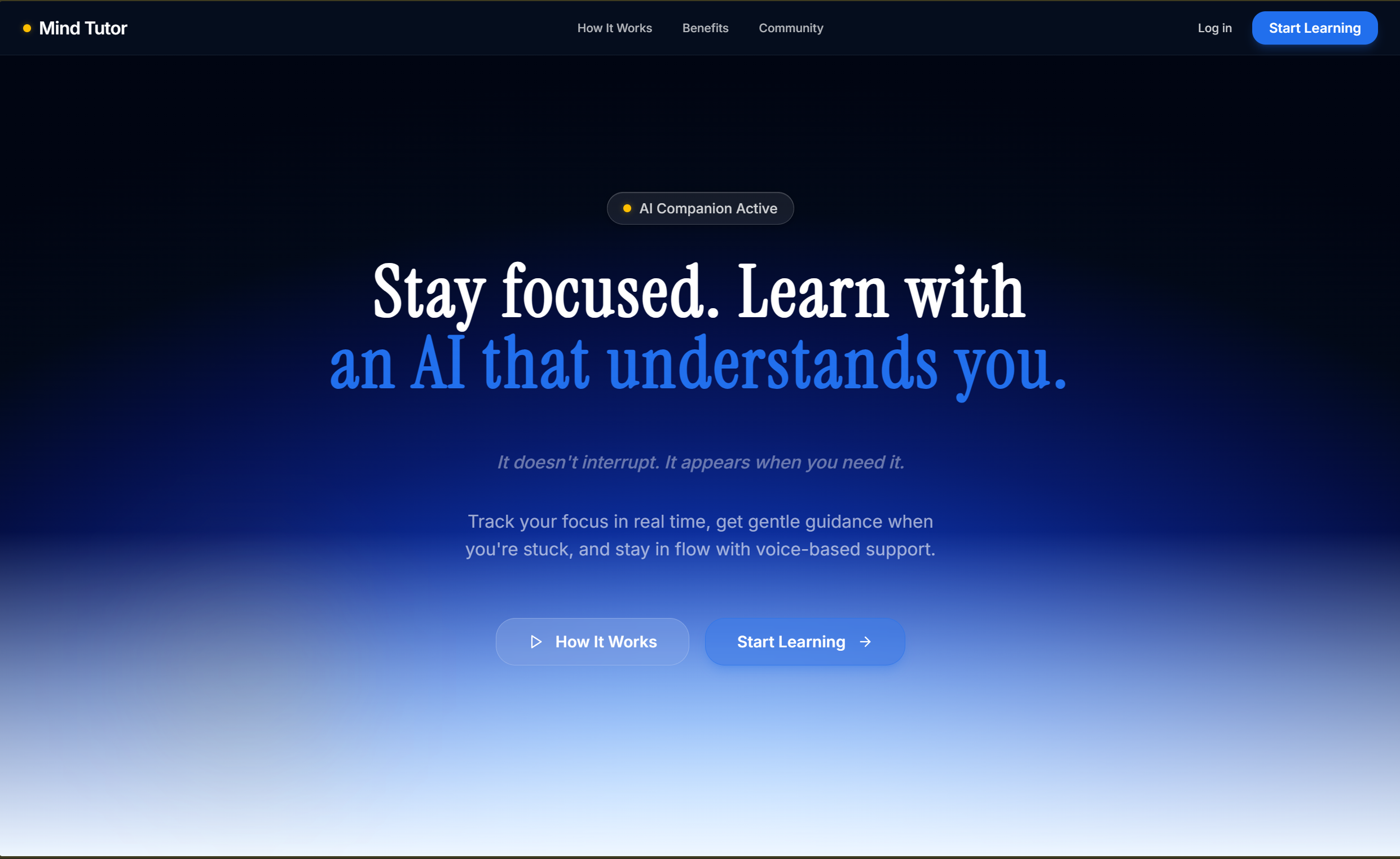
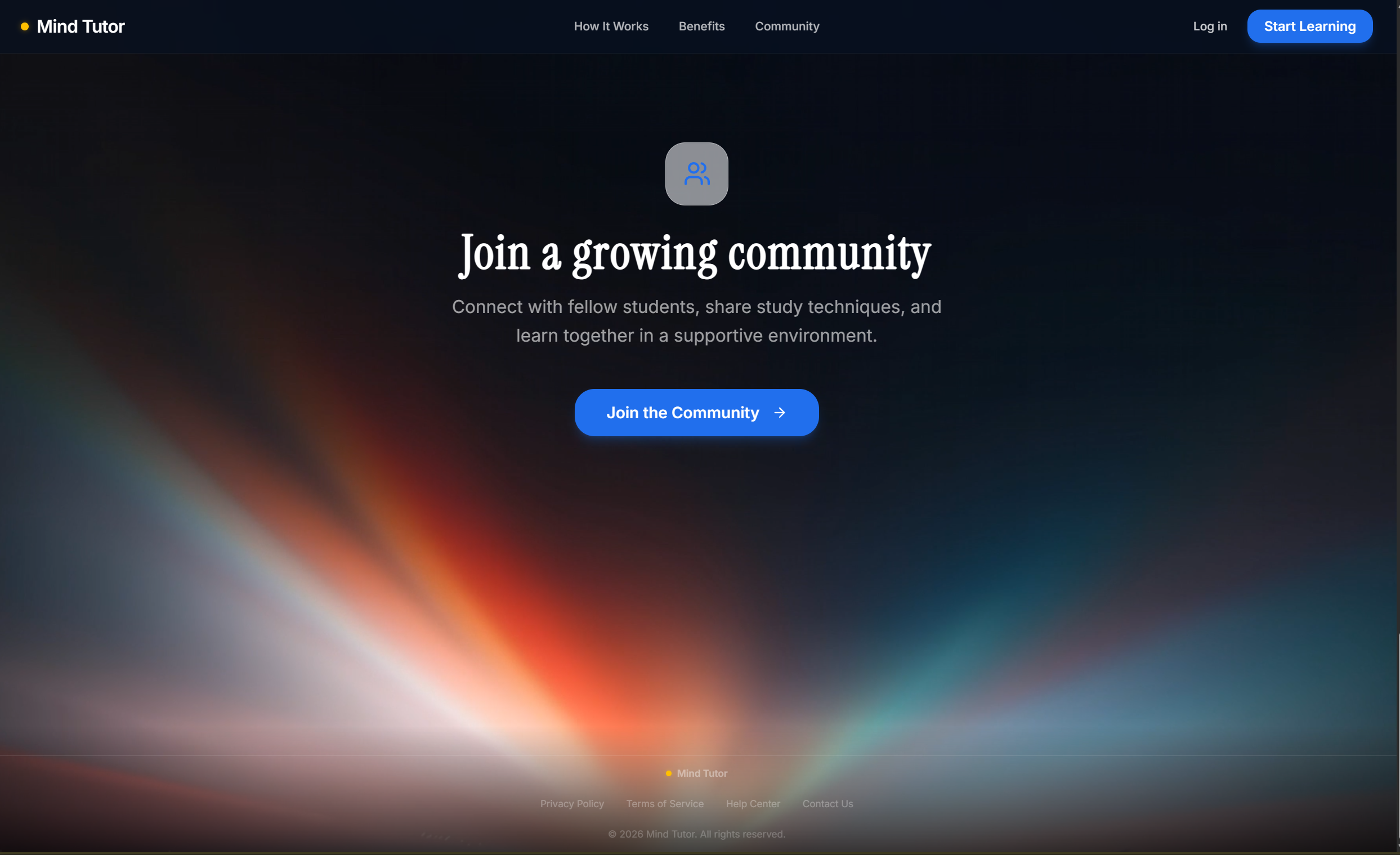
Landing Page Stack Section2
-
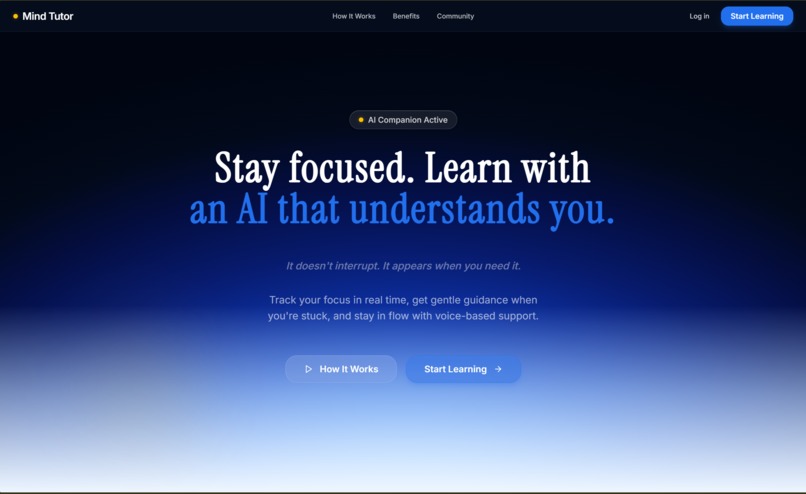
Landing Page Stack Section1
-
Landing Page Stack Section3
-
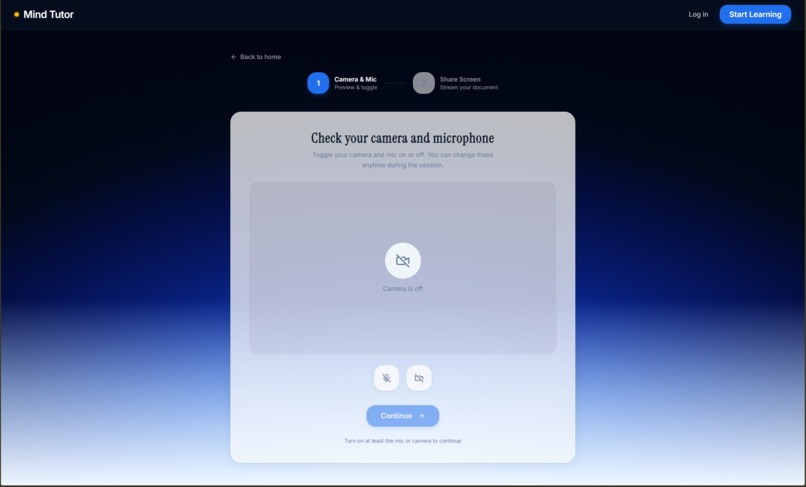
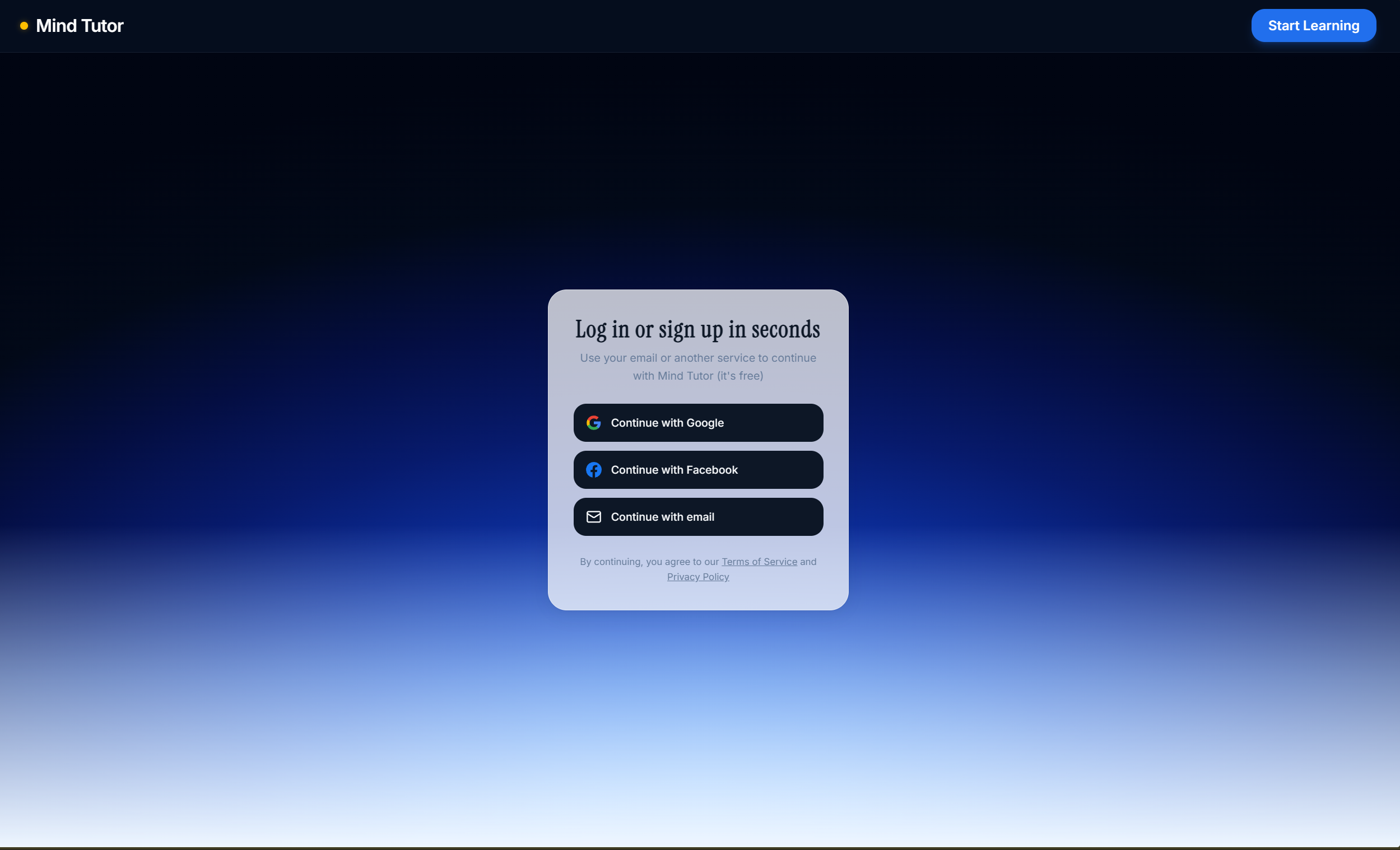
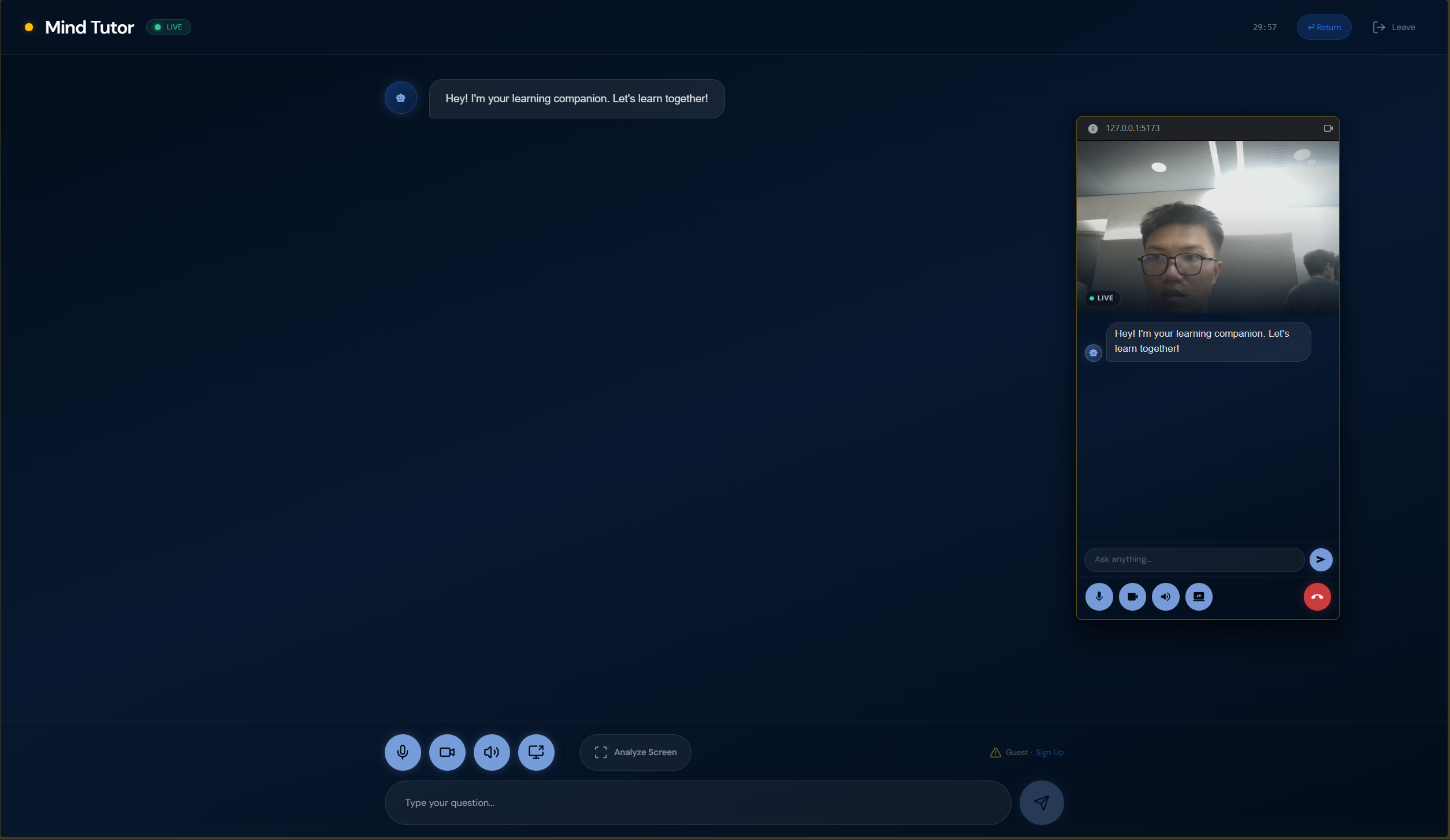
quick access for guest
-
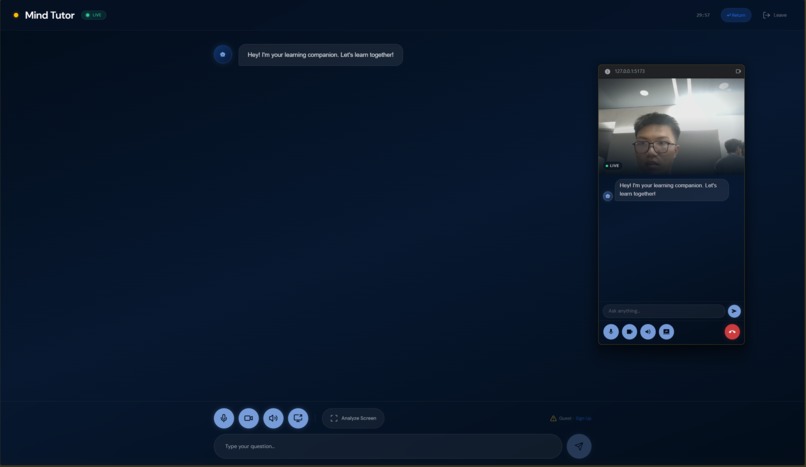
chatbox temporal session for guest (30min)
-
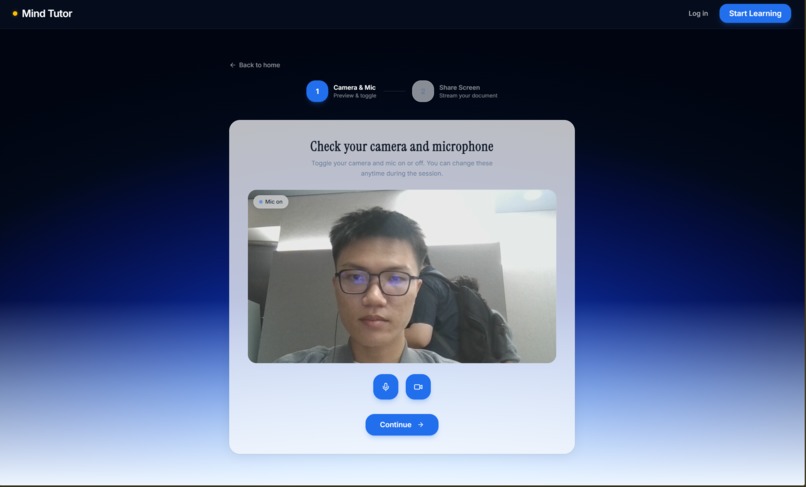
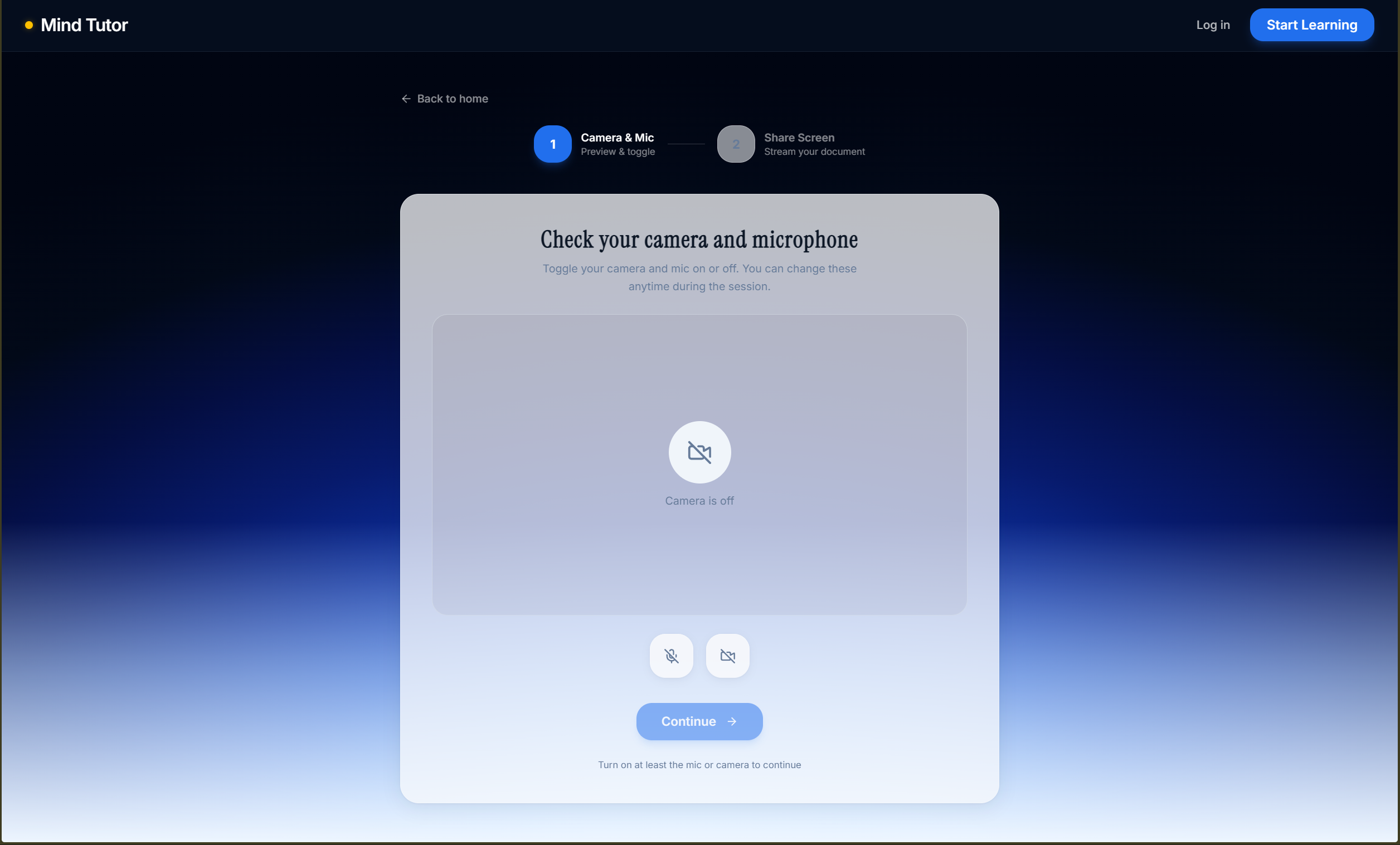
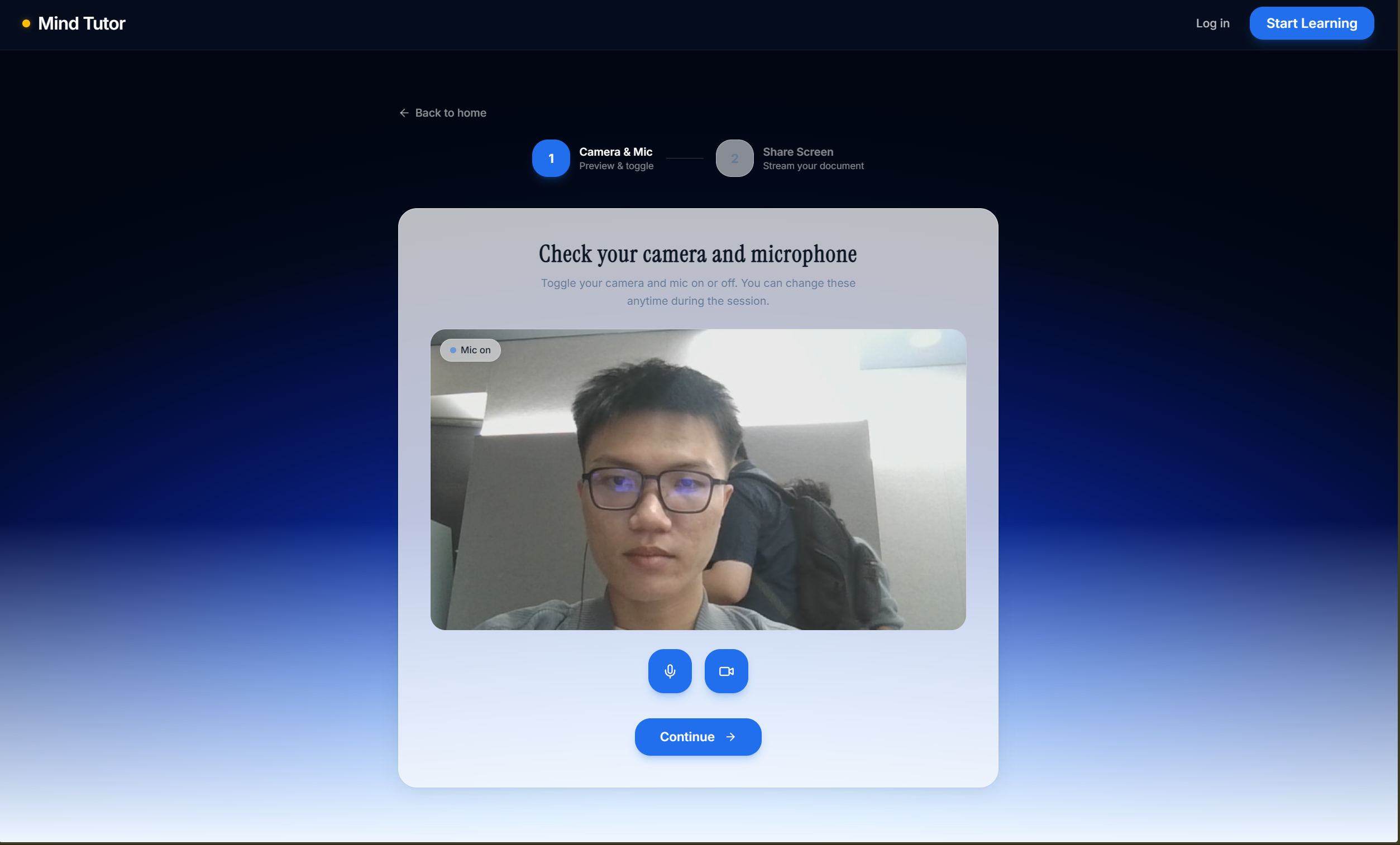
get cam & mic access
-
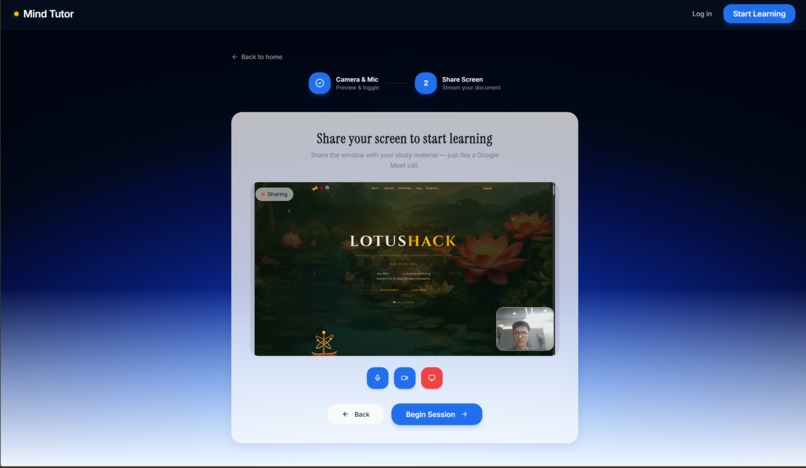
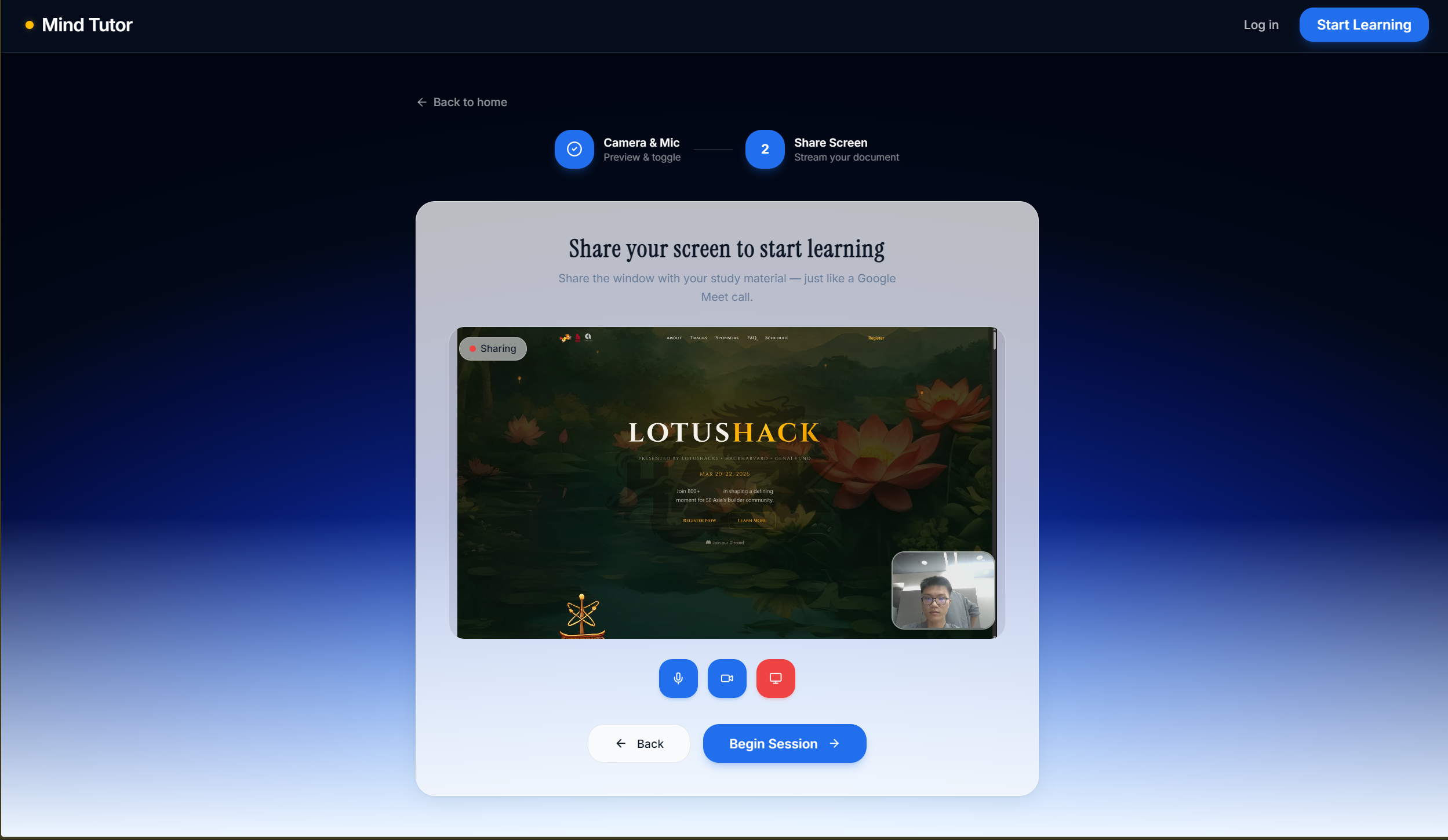
get share screen access
-
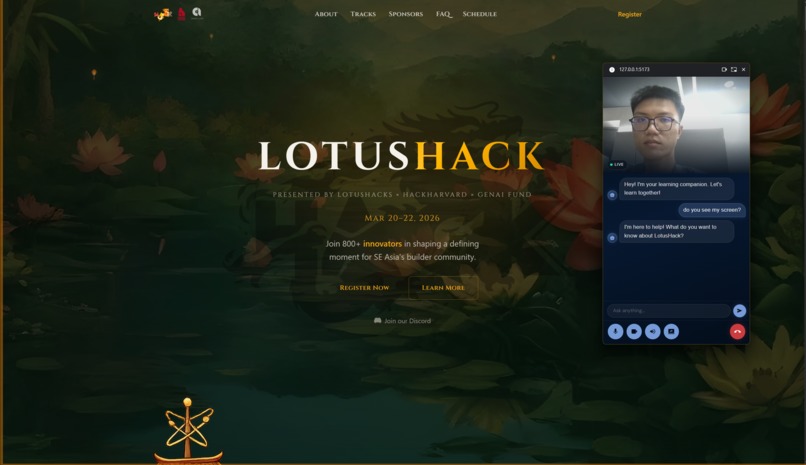
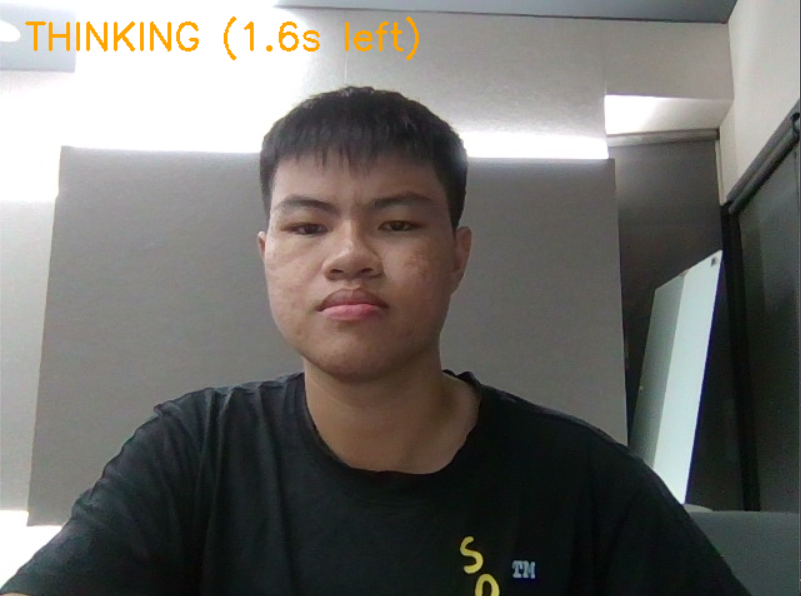
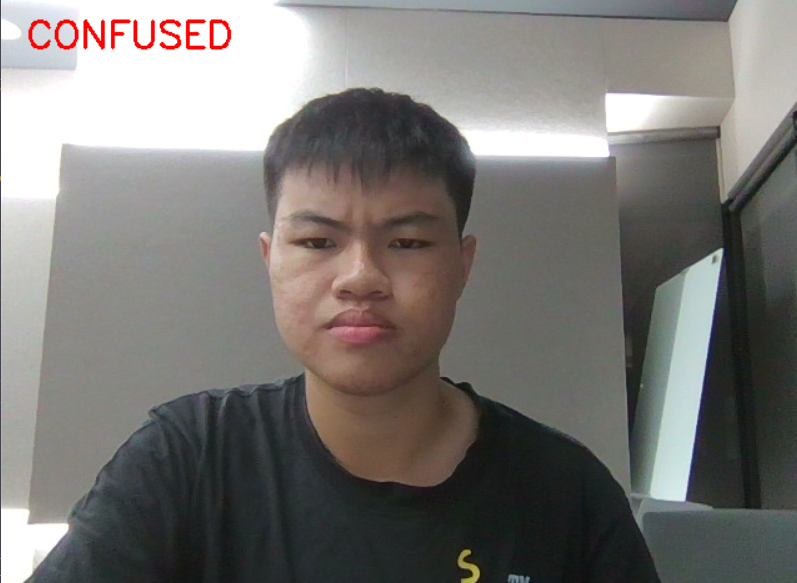
companion AI will automatically ask you when you confused which predicted by vision model
-
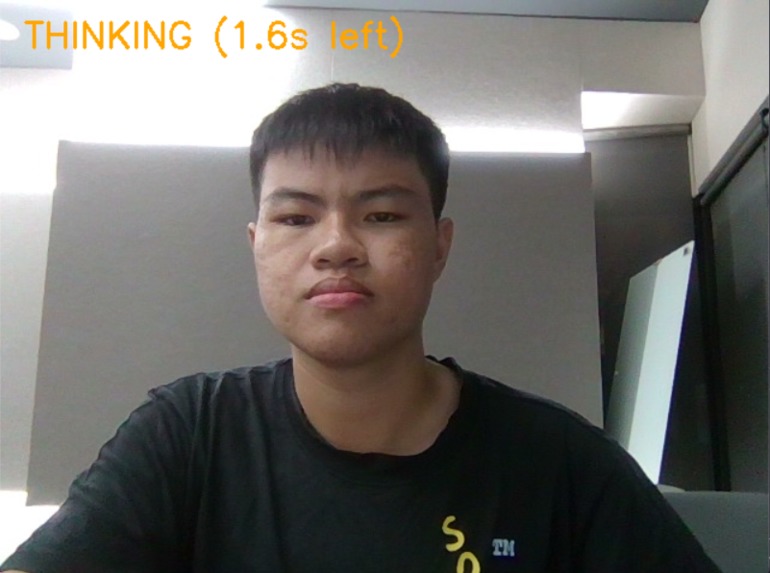
thinking too long will be passed to confused
-
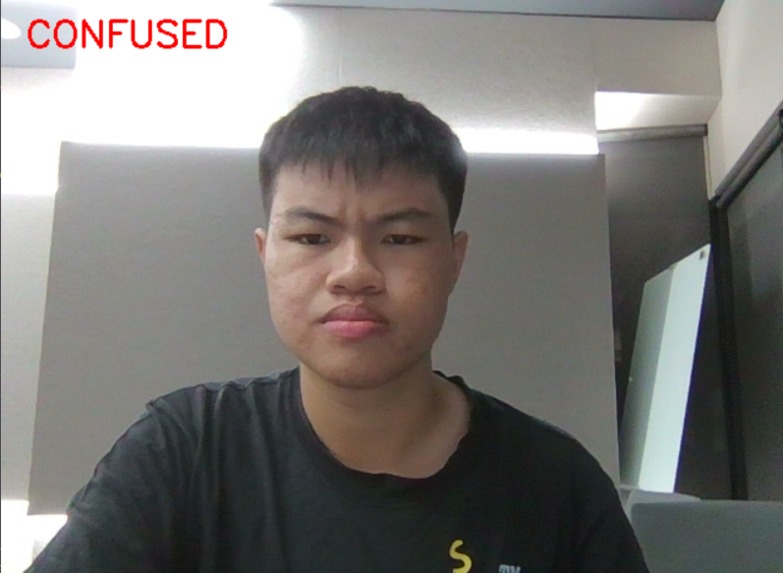
When things get blurry, AI tutor clear the fog together. Think of tutor as your co-learner through voice-to-voice, just like two friends
Inspiration
Recently, I’ve found myself getting distracted by many external factors, which has significantly reduced my productivity. This personal struggle inspired me to think about how technology could help people stay focused and regain control over their attention while working or studying.
What it does
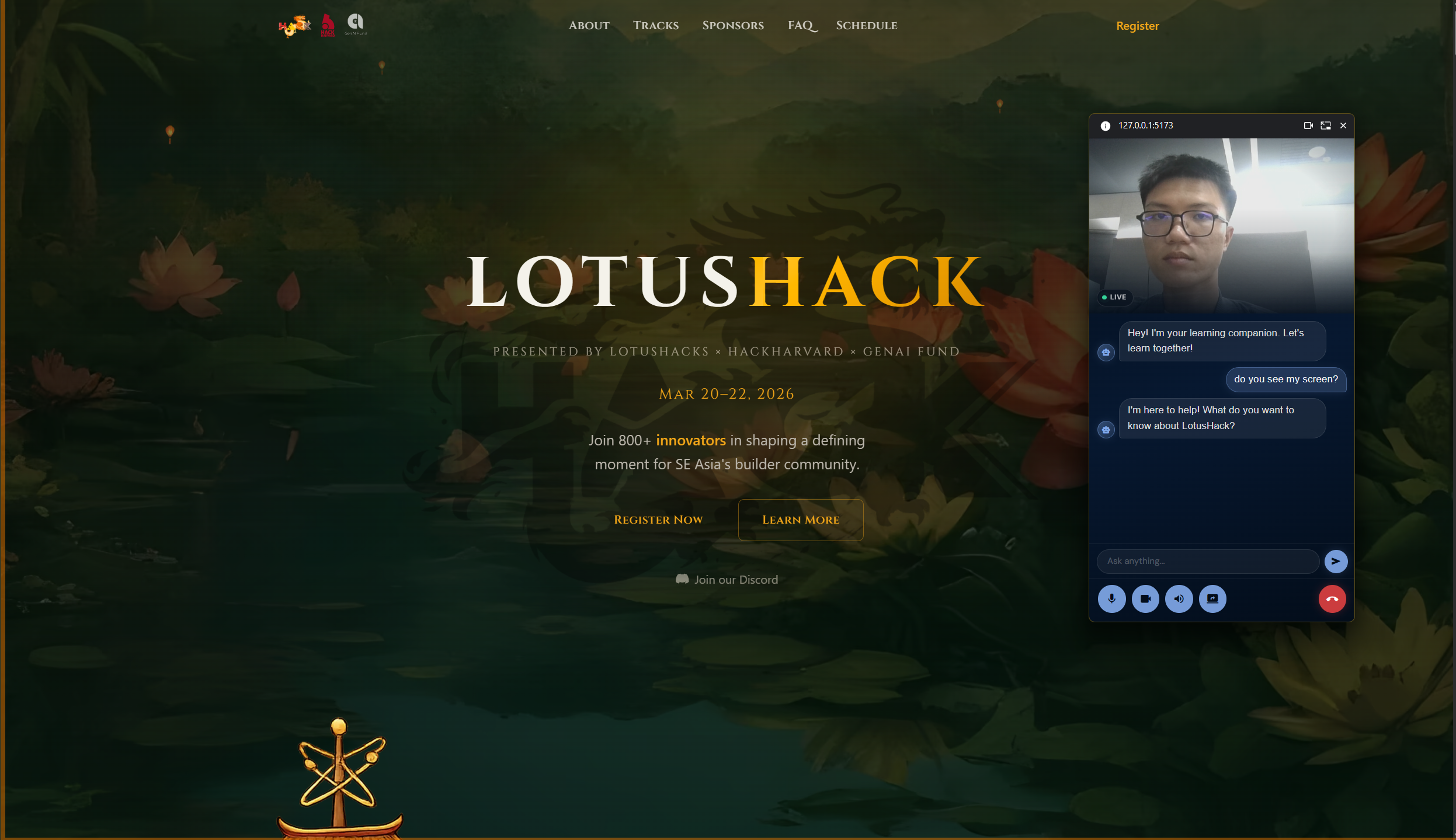
My system acts as a smart assistant that monitors user behavior on their PC. When it detects signs of distraction, it gently reminds the user to refocus. If the system senses that the user is confused about what they are reading, it proactively offers help. The agent tracks the content displayed on the screen and combines it with external documents uploaded by the user. Using this combined context, it can answer questions, clarify concepts, and provide relevant explanations in real time.
How we built it
We built Mind Tutor by integrating multiple components, including screen content tracking, natural language processing, and a contextual AI assistant. The system continuously analyzes on-screen text and user interactions to infer focus levels. We also implemented a document ingestion pipeline that allows users to upload external materials. These documents are processed and indexed so the AI can retrieve relevant information when answering questions. The overall system combines real-time monitoring with retrieval-augmented generation to provide helpful and context-aware responses.
Challenges we ran into
One of the biggest challenges was accurately detecting when a user is distracted versus when they are simply pausing or thinking. Another difficulty was ensuring that the system provides helpful suggestions without becoming intrusive or annoying. Additionally, integrating real-time screen tracking with external document understanding required careful optimization to maintain performance and responsiveness.
Accomplishments that we're proud of
We are proud of creating a system that feels proactive yet supportive rather than disruptive. The ability to combine on-screen context with user-provided documents to deliver meaningful assistance is a key achievement. We also successfully built a foundation for a personalized learning assistant that adapts to user behavior in real time.
What we learned
Through this project, we learned how challenging it is to model human attention and cognitive states. We also gained experience in building systems that balance automation with user comfort. Technically, we deepened our understanding of real-time data processing, context-aware AI systems, and integrating multiple data sources into a unified assistant.
What's next for Mind Tutor
Next, we plan to improve the accuracy of distraction detection and make the assistant more personalized over time. We also want to expand support for different types of content, such as videos and interactive materials. In the future, Mind Tutor could evolve into a full productivity companion that not only helps users stay focused but also optimizes how they learn and work every day.


Log in or sign up for Devpost to join the conversation.