-
-
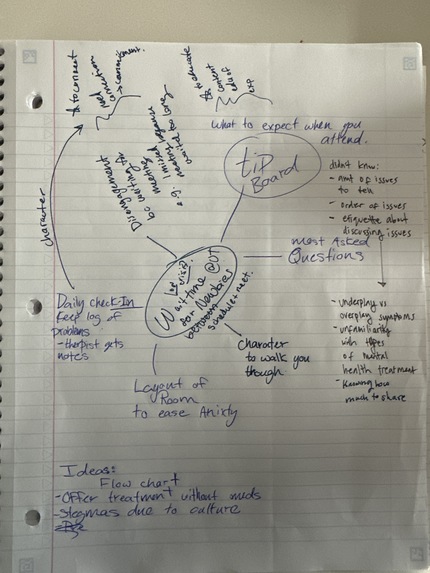
Brainstorm
-
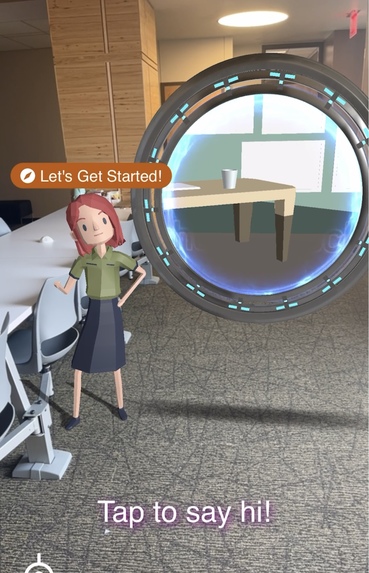
Dot first congratulates you on booking your first appointment (Don't forget to check the portal where your session will be in a few days)
-
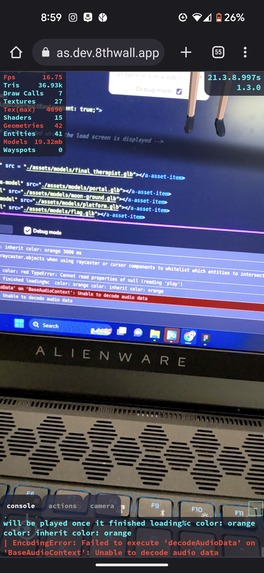
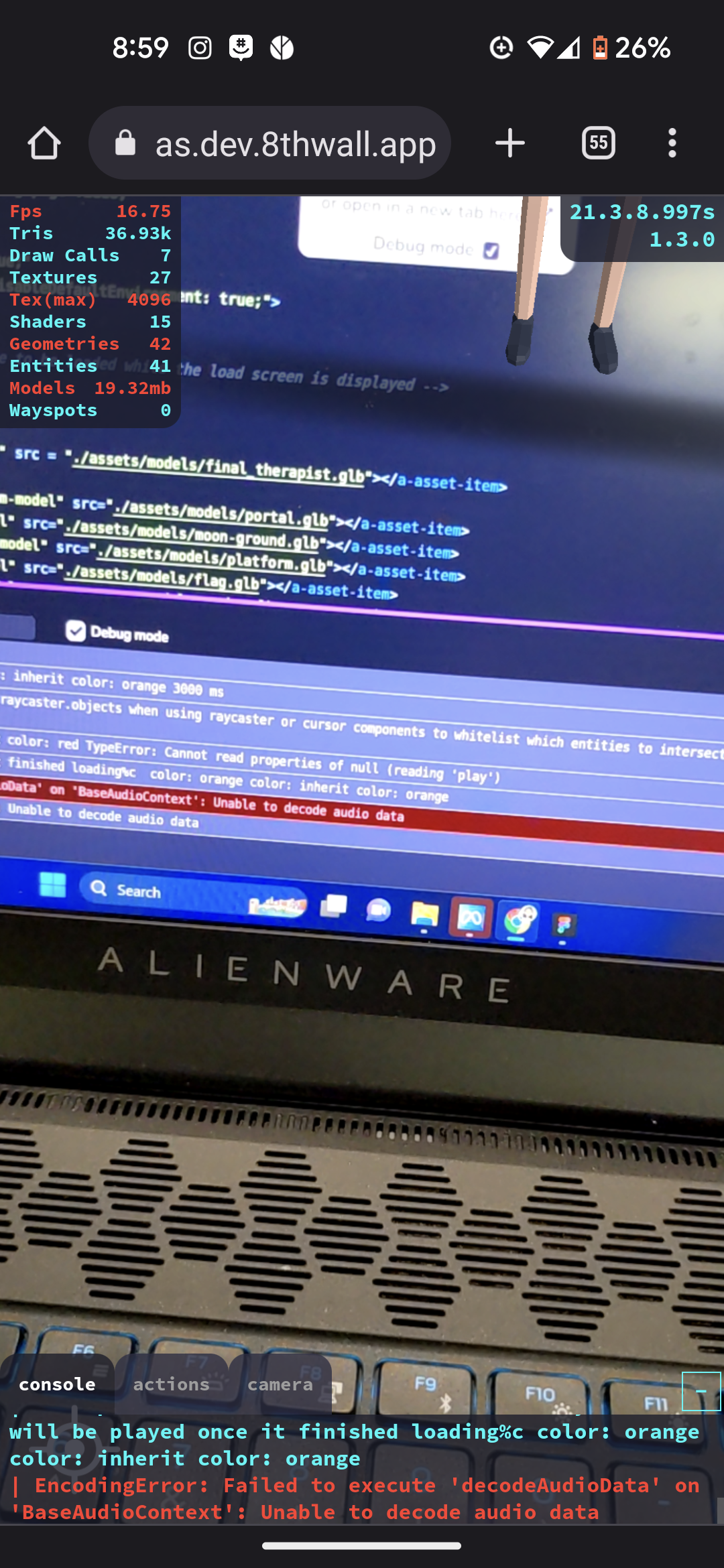
Coding & Debugging our AR experience
-
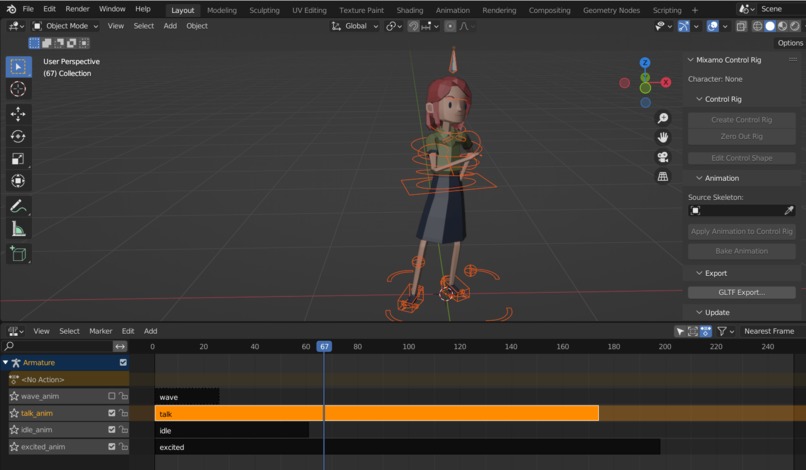
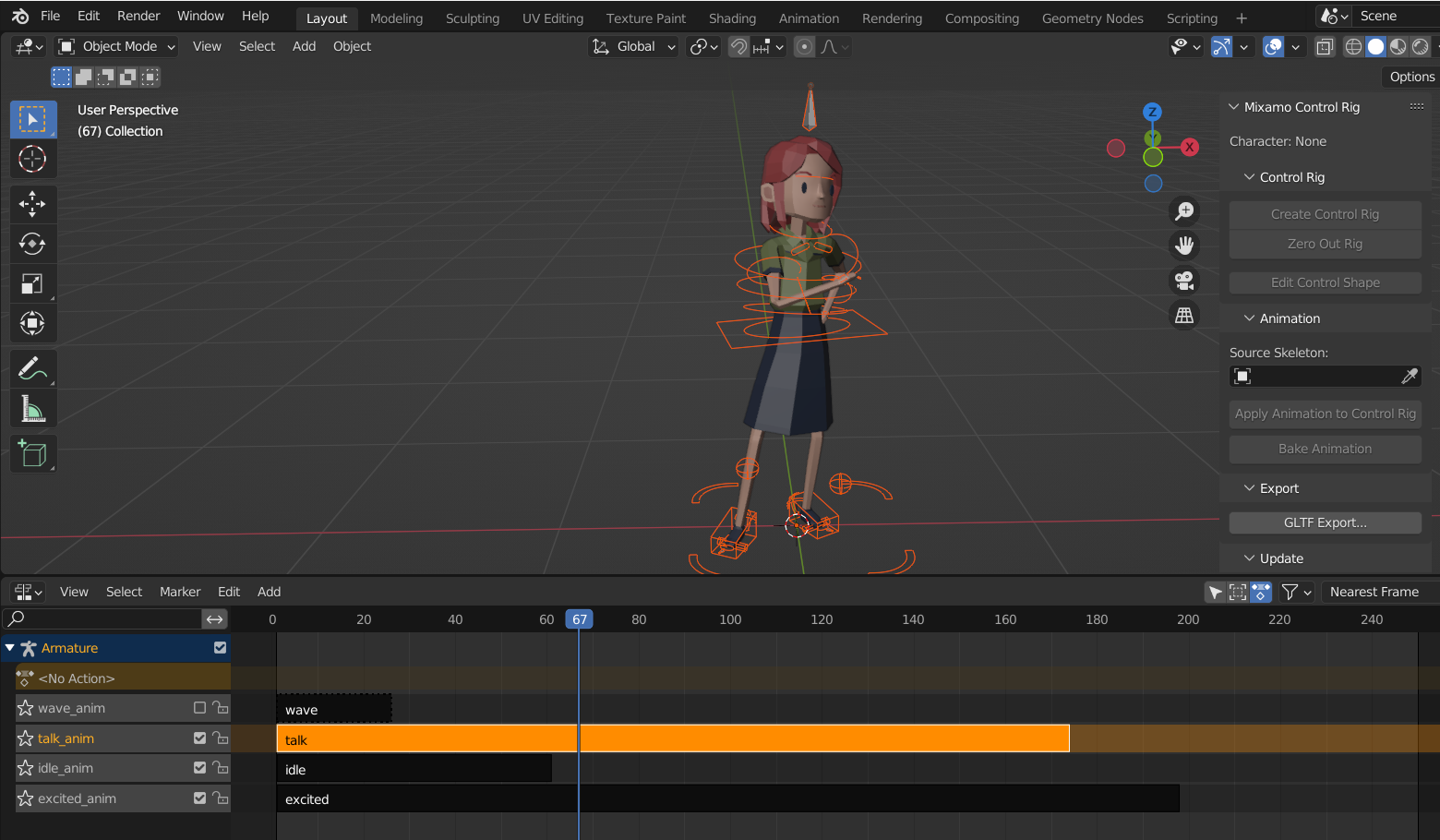
Handling animations and textures of our Model
-
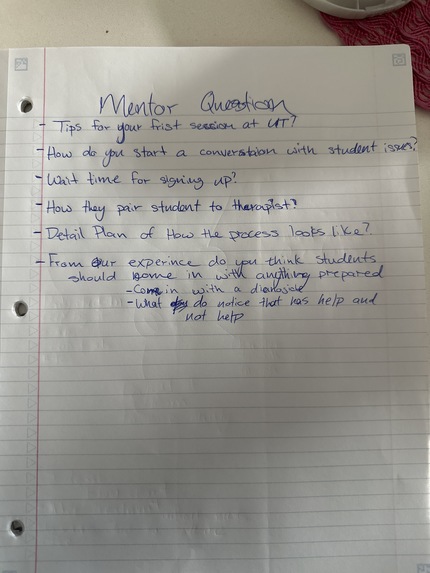
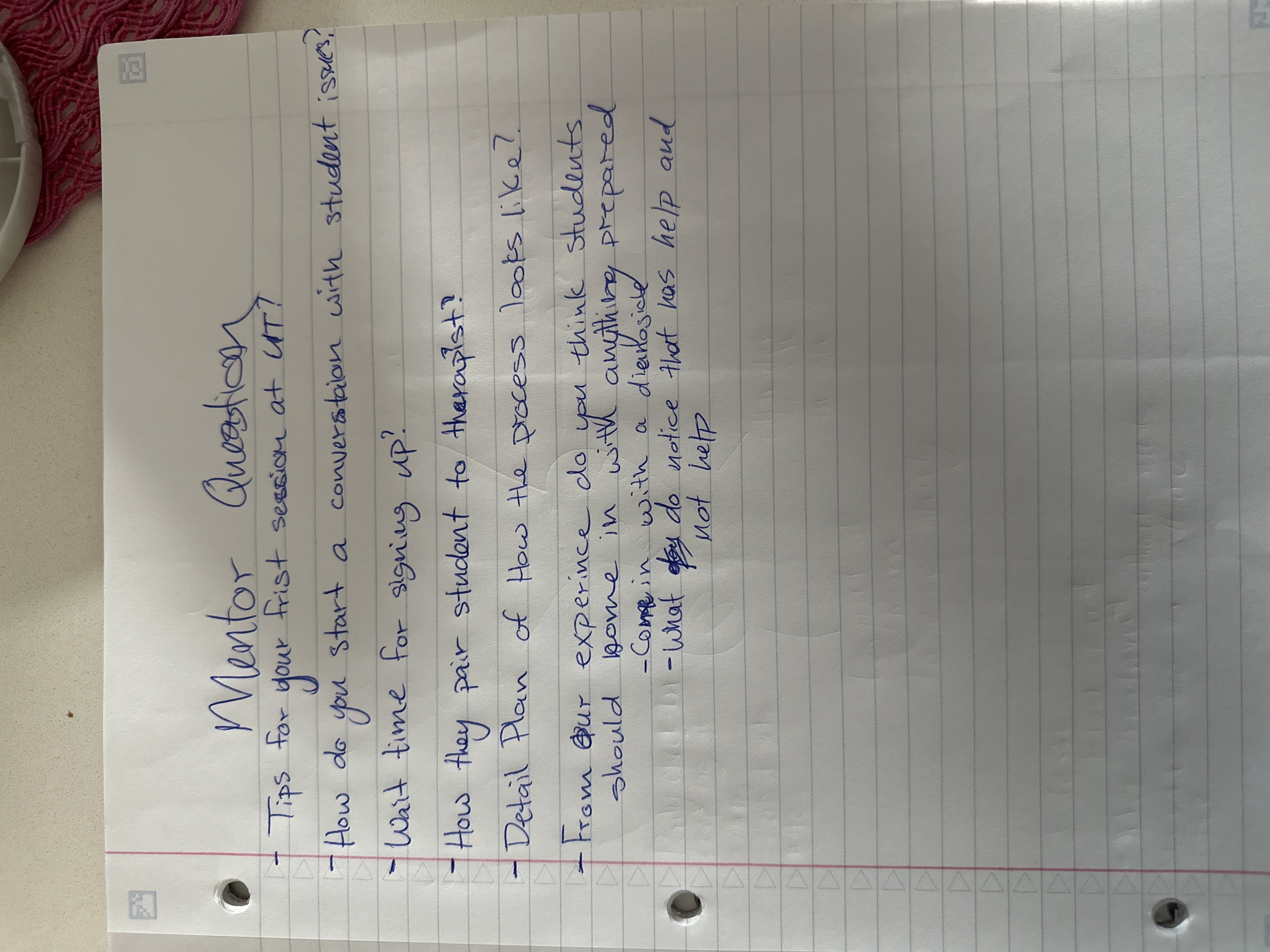
We asked Dr. Stephanie, our Mental Health mentor, these questions to understand all nuances
-
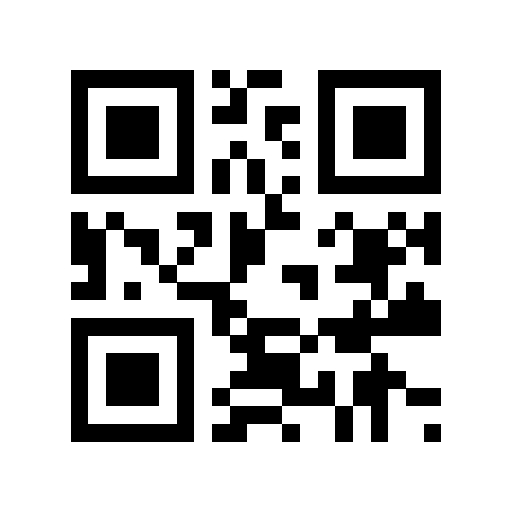
Scan the QR code to try it for yourself!

Inspiration
During our initial interview with Dr. Stephanie Dodoo, we discovered that as a mental health professional, her dream is that she would be able to provide immediate response to all students, even low-crisis students, which
- Empowers students for taking the step towards improving their mental wellbeing.
- Makes them feel better connected and heard
For low-crisis one-on-one therapy sessions, the time between scheduling an appointment and the meeting is 3 to 5 business days, which often is a result of the initial triage screening for the matching process in order for students to find counselors of similar backgrounds and identities that they feel comfortable with.
What it does
Due to the main pain point of feeling fear due to being unprepared for the initial meeting and a disconnect from the counselor the newcomer student is matched with, our AR experience will address via design decisions including:
- A cartoon, smaller version of counselor avatar which makes the audience feel less intimidated.
- Immediate response to students is provided via a representation of counselor through the power of webAR technology
- Empowering starting dialogue congratulating the user for making a bold first step.
- Onboarding the user during the waiting period between scheduling and meeting to a puts the user in the right mindset before meeting.
- The portal which gives a peek into the space to gain familiarity before the meeting.
How we built it
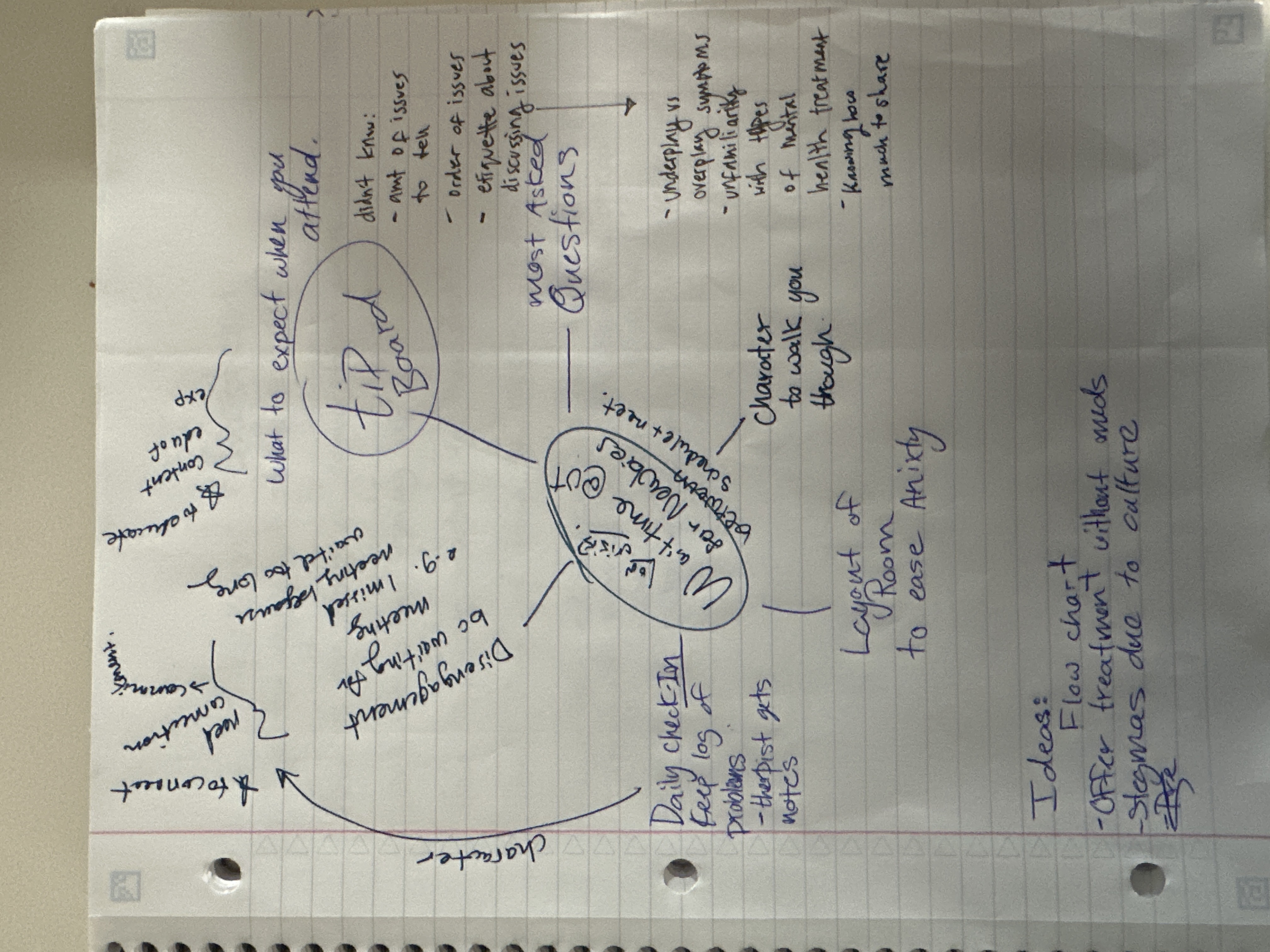
Trial and error through coding cloning projects and understanding the necessary components to create our project. Team collaboration when designing initial concept and AR experiences as seen below:
First Idea: Mock scale therapy room with a tip board and daily check-ins. Would use image targeting of the card you get when you create an appointment in person. This would get students familiar with the space and provide an activity for each day until a scheduled appointment.
Second Idea: Create a character (either a capybara or a penguin) that will take you on a journey through a room (the check-in room and the actual therapy room) where there are tips on how to prepare for your therapy session. Maybe have a game where the character would get a different piece of an outfit every time you check in to the game.
Third Idea: Capybara floats on balloons through the therapy room with you and gives you tips and exercises to do as you walk through the room. As you get the tips the room slowly changes into a relaxing area with trees and a fountain in the middle with other capybaras swimming in the waterfall.
After receiving feedback on ideas we further talked about your capabilities and the true problems we want to address when creating our experience. We landed on your final idea:
Introduce students to a cartoon version of the therapist they are assigned. The therapist guides them through what to expect from their first appointment and how to prepare. Give students a form to fill out with an exercise so the therapist can read about what the student is experiencing before they even enter their session. Also, show a portal of what the therapy room would look like so the student can begin to feel comfortable in the room. We want to emphasize that this is a tool and not a game.
Challenges we ran into
Over-conceptualization lead to vague experience concepts which did not address the issues we had discovered during our research. We went through several iterations of what your project would be and look like receiving feedback from peers and allowing us to pivot on several occasions. Once we had settled on a concept we found hit your expectations we started the process of creating it. Dividing and conquering we split tasks to effectively work on components. We would run into coding issues which would prove to be challenging however we would persevere figuring out our bugs and creating a demo.
Accomplishments that we're proud of
We created a whole script of what a fully developed experience would run through when a student is matched up with a UT therapist. One of the major issues we face when creating your AR experience is adding audio to voice the 3D model of your therapist. Several bugs would occur during our coding process, but we were able to fix any issues we would run into.
What we learned
This was our first Buildfest and we had a blast. We had never really created a project not only centered around using 8th wall but any tech software all in 48 hours. We learned how to brainstorm with a process and understand that our first idea is not always the answer. It is okay to pivot on ideas and build upon the last to achieve your true goal. We grew as a team gaining a wonderful experience under all of our belts which will be handy in the future.
Our Presentation
Want to visualize it? Check out our presentation that outlines the user experience and problem/solution right here: https://www.canva.com/design/DAFeOLkFklc/mGPygGblvGNEaak9g1829A/view?utm_content=DAFeOLkFklc&utm_campaign=designshare&utm_medium=link&utm_source=publishsharelink
What's next for Mind Space
We would love to further develop our experience by the following plans: More script and interaction between therapist and player Personalize experience based on the initial triage interaction Add more audio and subtitles for accessibility!
Link to Google Drive: https://drive.google.com/drive/folders/1NEGRT2iriYTyzu44cRsTZ3tf8zLEJDIG?usp=share_link
Built With
- 8thwall
- worldeffects

Log in or sign up for Devpost to join the conversation.