-
-
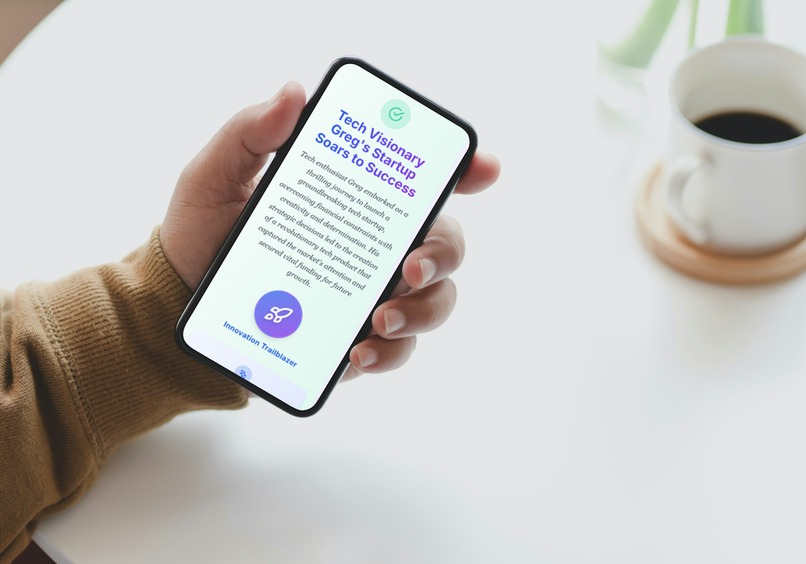
Discover where your choices can take you
-
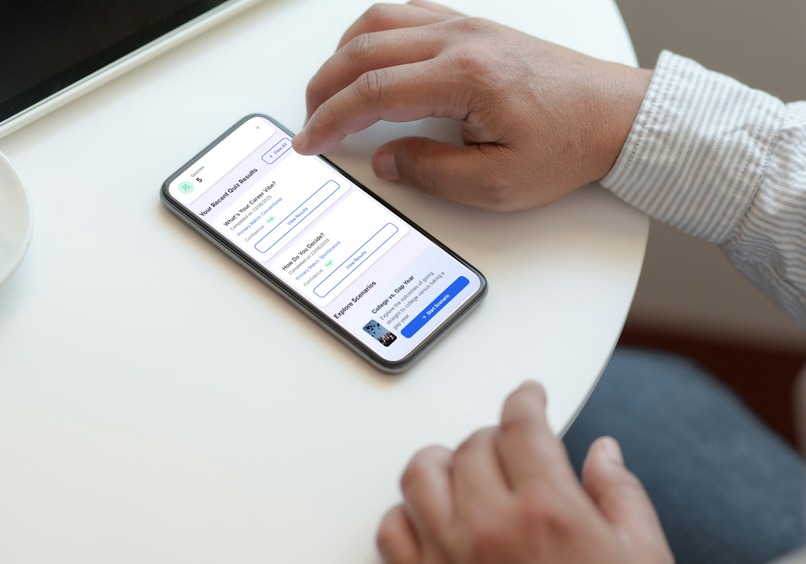
Learn more about the way you tick
-
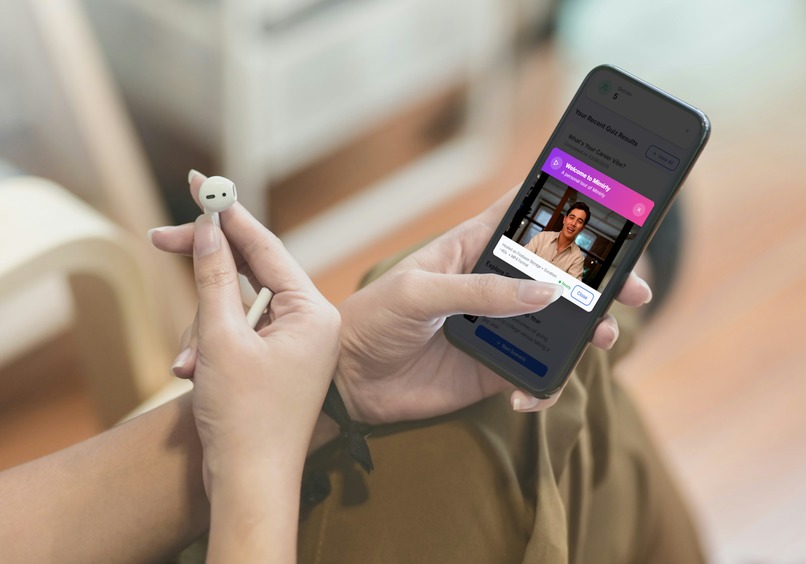
Finch, you AI Guide and Mentor
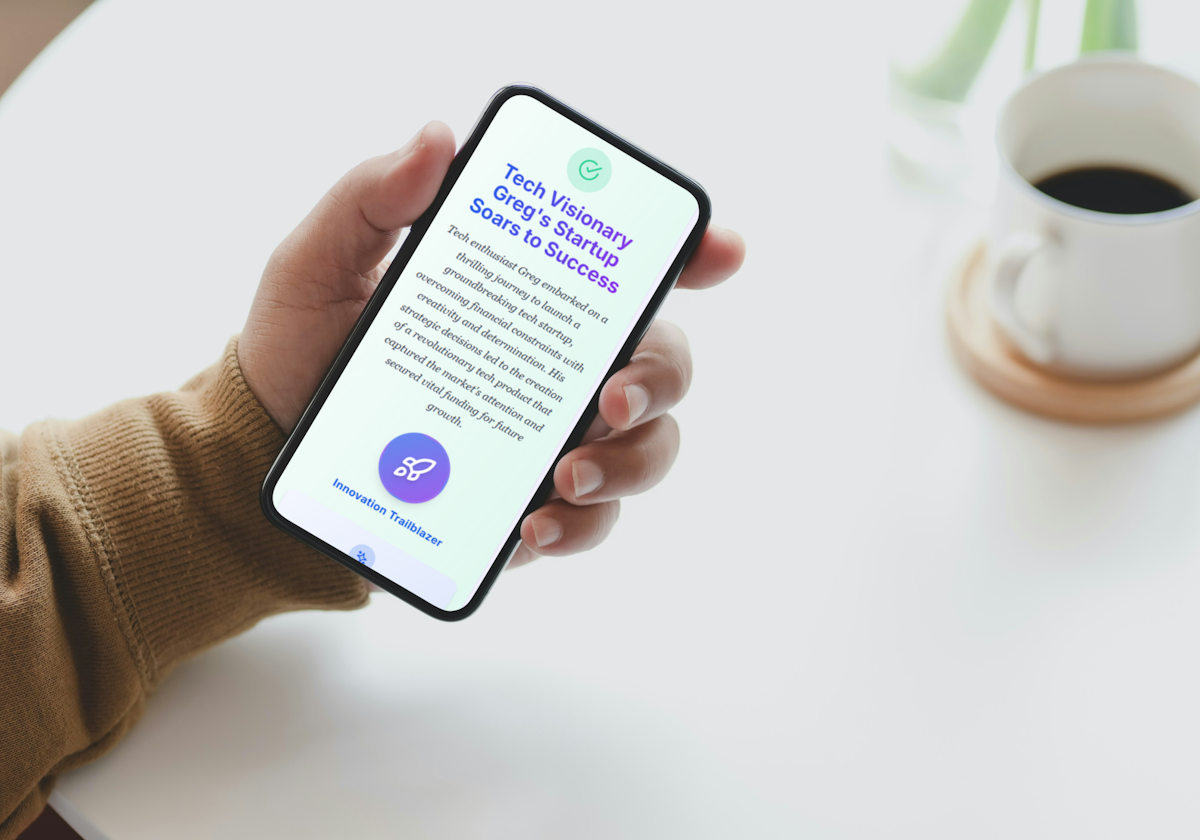
Inspiration
As the father of a 17-year-old, I was inspired to build Mimirly to offer hope to young people in a world that often feels overwhelmingly negative. With rising pressure from school, peers, and social media, teens are bombarded with decisions but under-equipped with tools that actually help them explore who they are and what they can achieve.
I loved choose-your-own-adventure books as a kid, and I thought—what better way to inspire young people than to let them explore real-life scenarios without the fear of messing up IRL?
What it does
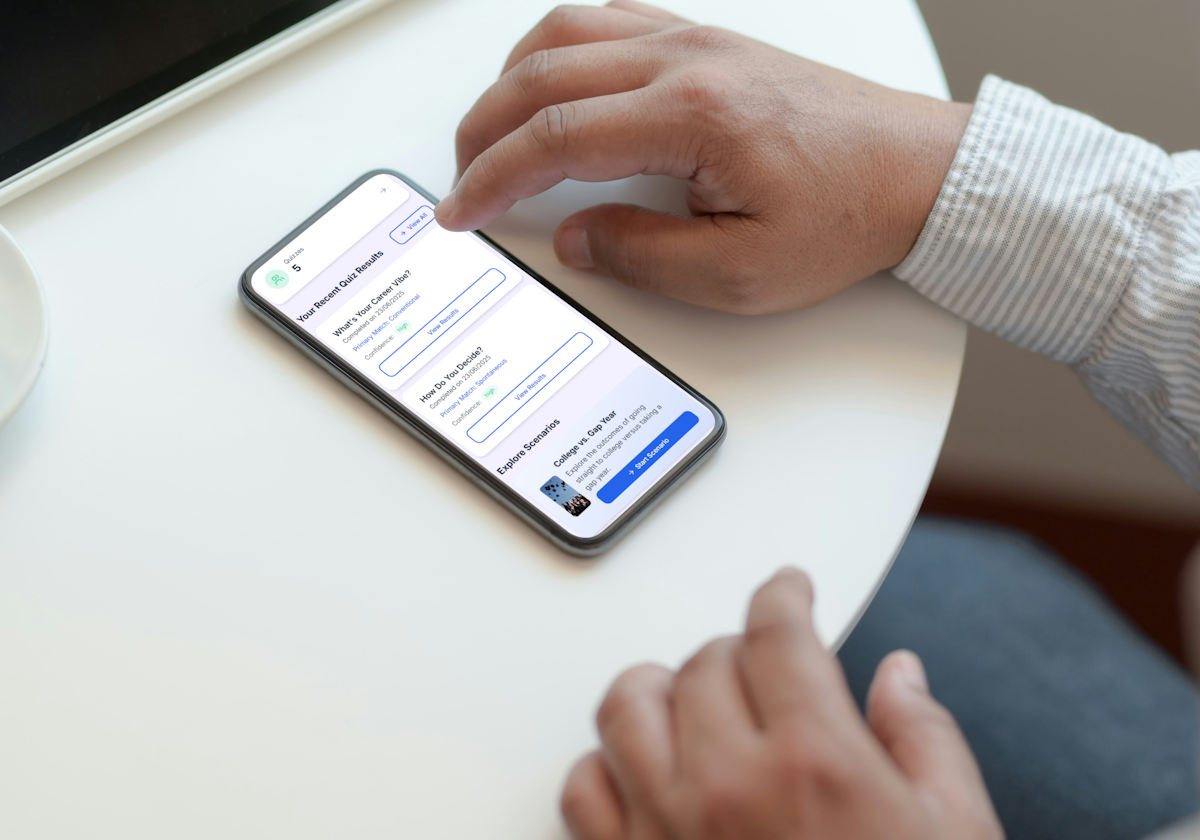
Mimirly is an interactive life simulator that guides users through smart quizzes, real-life decision scenarios, and goal setting. It helps young people build self-awareness, test choices in a safe space, and create a personalized Life Map based on their values, personality, and goals.
How we built it
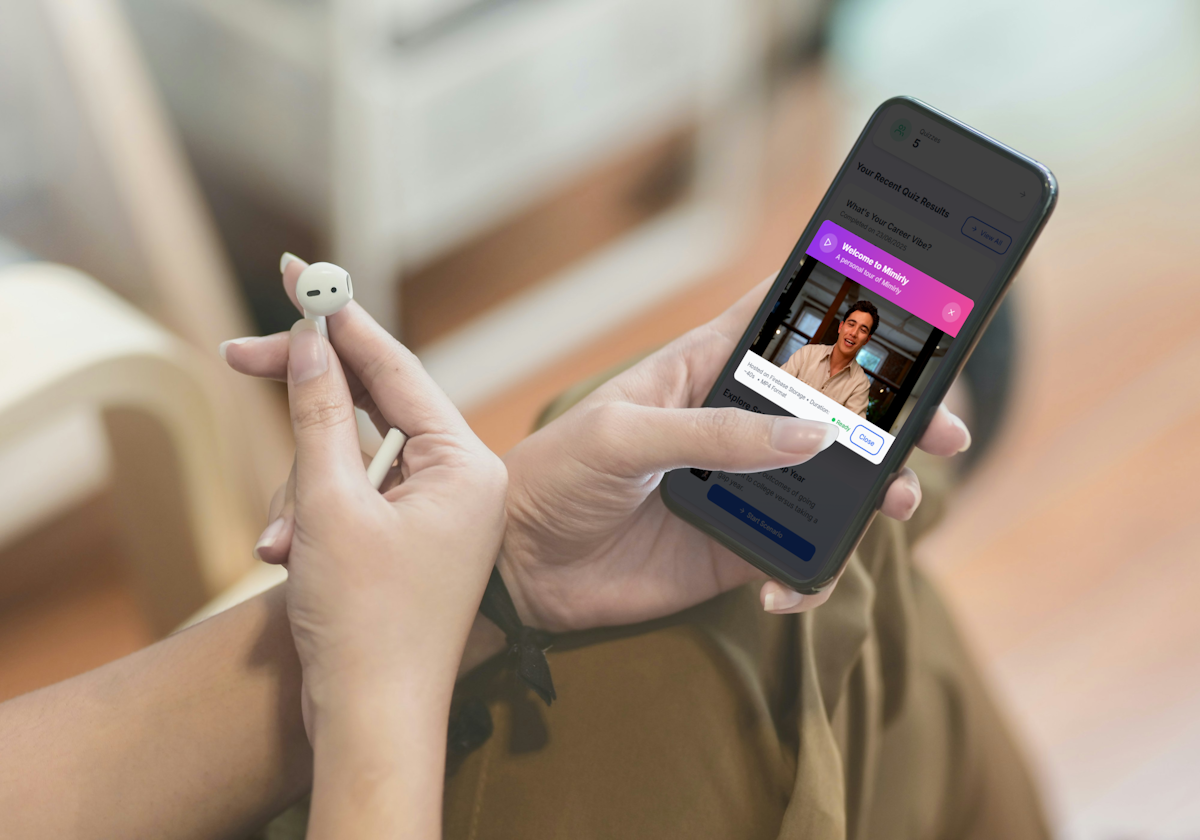
Built entirely with Bolt.New, the app uses a React frontend, with Firebase Functions handling OpenAI API interactions and Firestore for data storage. Authentication is managed through Firebase as well. A Conversational Video Interface seemed like a great fit, given the demographic, so Tavus was implemented and used for both saved video content, and dynamic CVI.
To offset the costs incurred for CVI especially, I decided on a freemium model, where users pay for chat minutes. I use Stripe to manage subscriptions. The final prototype was conceived, scoped, built, and refined during the hackathon.
Challenges we ran into
Balancing depth and speed was a key challenge: how do I keep things fast and engaging while delivering meaningful insights?
Designing branching scenarios that felt personal and relevant required thoughtful prompt engineering and plenty of testing. I also had to fine-tune how user data influenced recommendations without overwhelming users with too many options.
Accomplishments that we're proud of
I'm proud of how cohesive and intuitive the experience turned out. I designed and built a complete user journey—from the onboarding quiz to scenarios and goal setting—within a single working prototype.
The best part? I tested it with several young people, and every one of them jumped in and used the app without needing instructions. That felt like real validation.
What we learned
Writing powerful AI prompts is no easy task. I learned that prompts are highly sensitive—just a small wording change can drastically affect the quality of results. It’s a skill as much as a science.
What's next for Mimirly
I’ve connected with several schools about running pilot programs with student cohorts, and the response has been overwhelmingly positive. I'm also in discussions with government agencies, like the Department of Youth Justice, to explore how Mimirly could support youth rehabilitation.
Looking ahead, I’ll continue expanding the quiz depth and improving the accuracy and relevance of generated scenarios as more users engage with the platform.

Log in or sign up for Devpost to join the conversation.