-
-
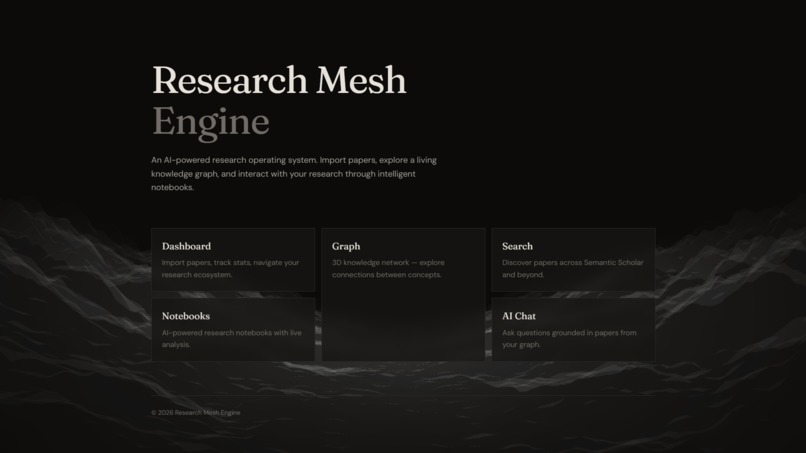
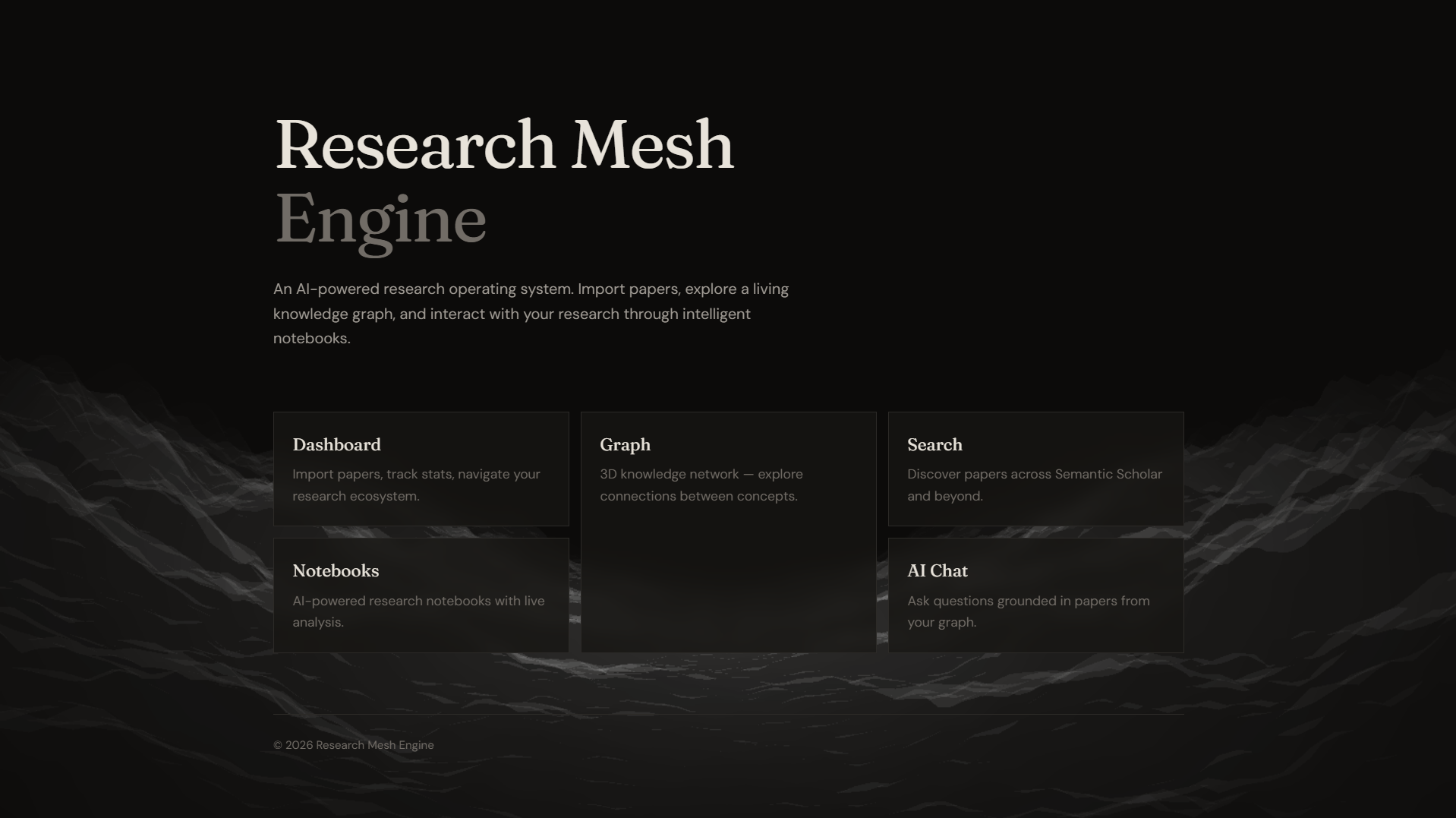
Home Page
-
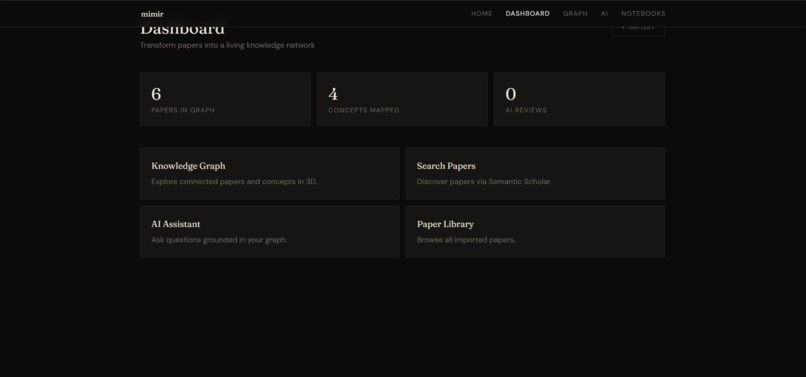
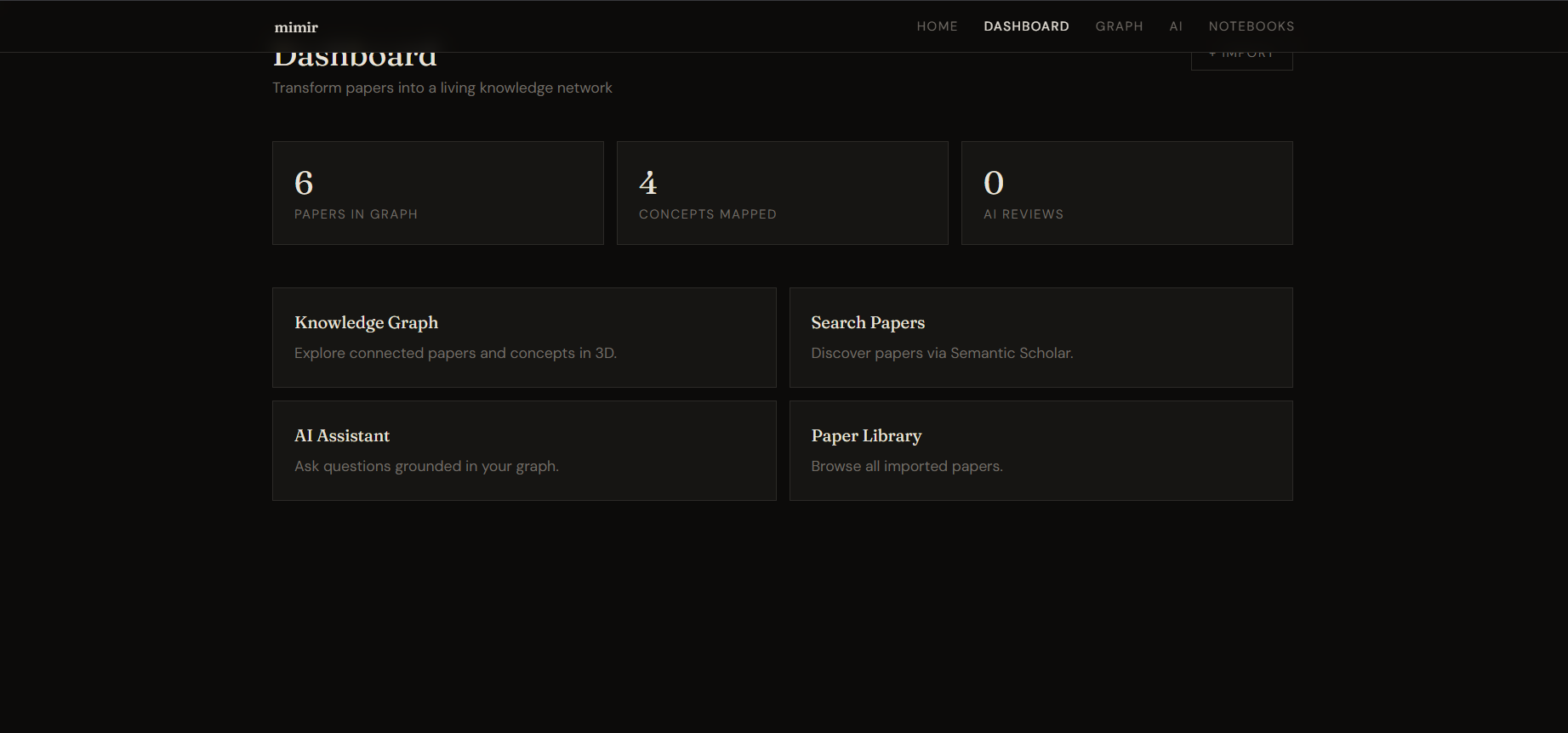
Dashboard
-
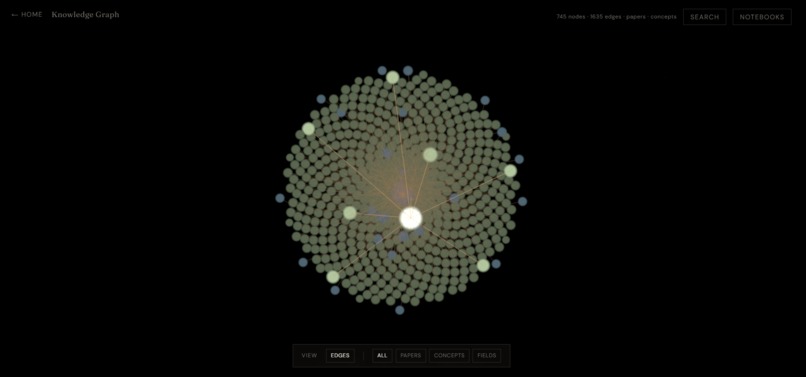
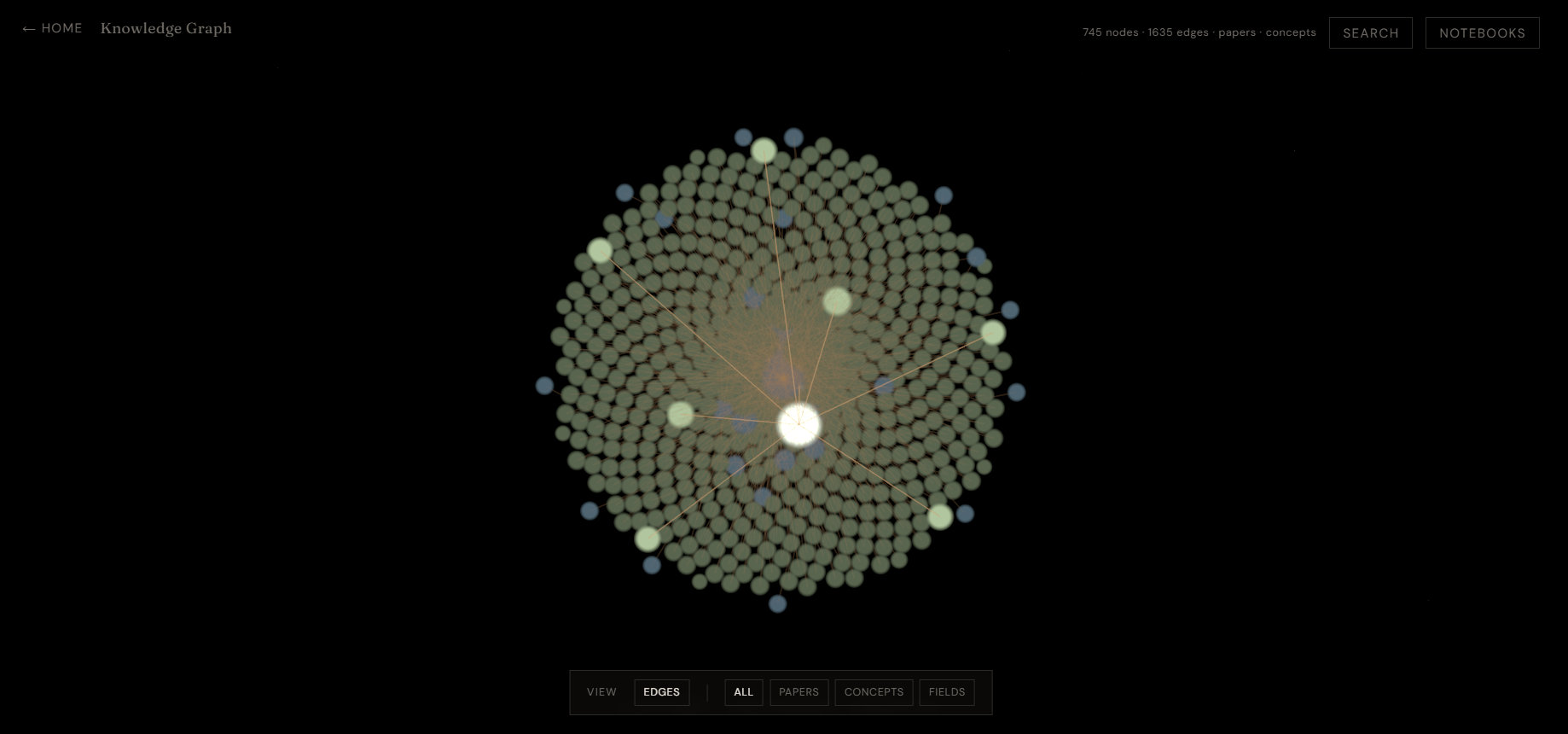
graph
-
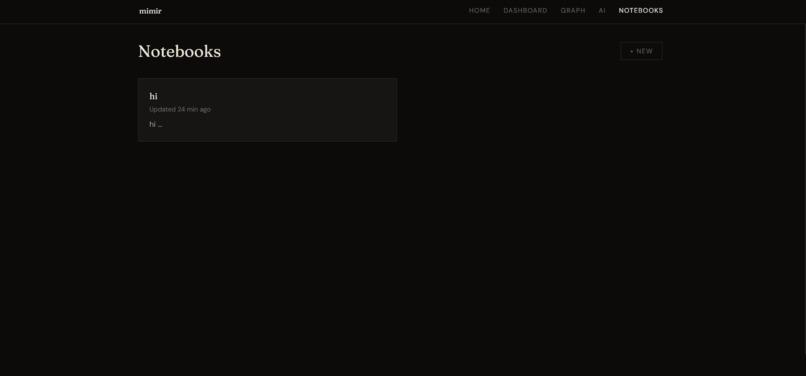
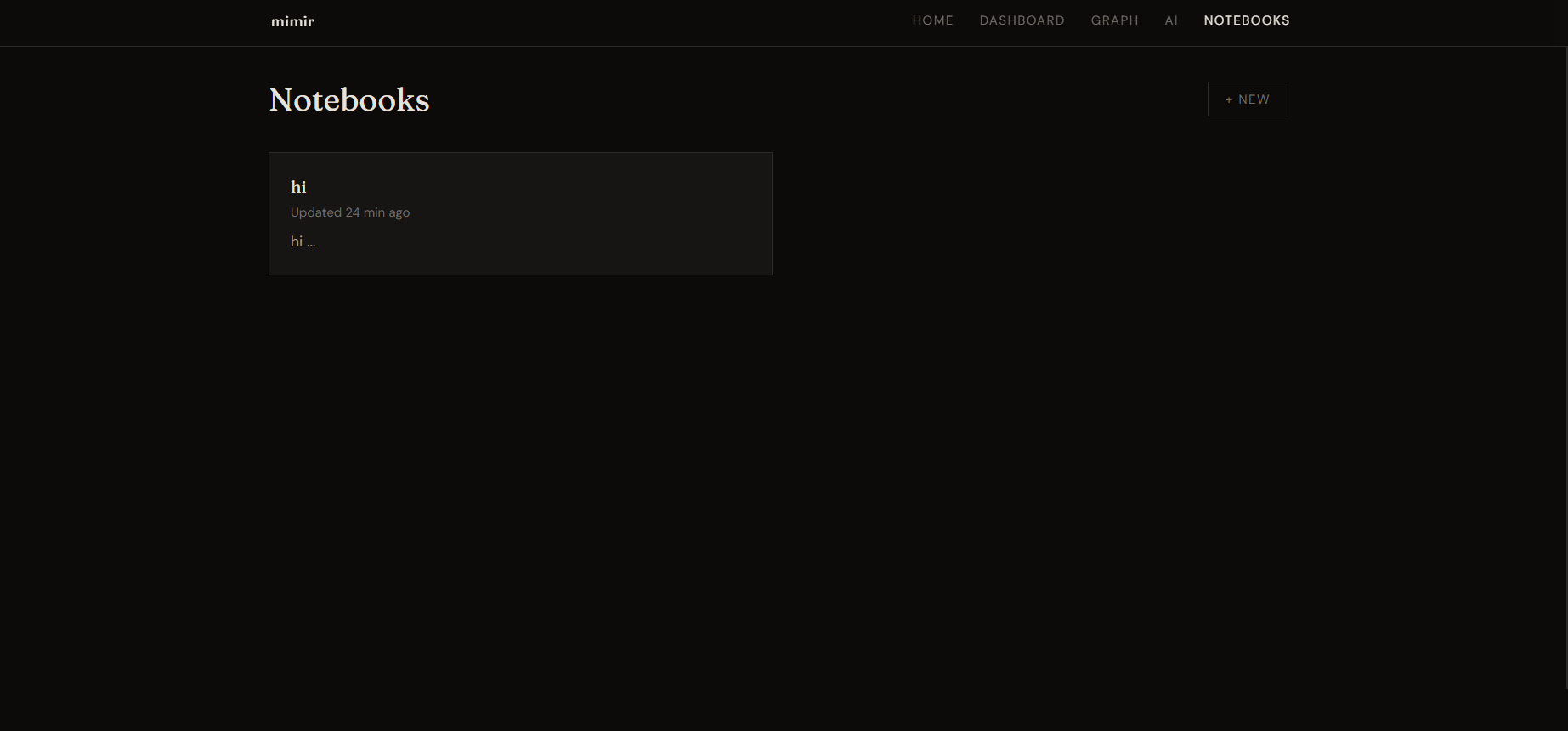
notebook
-
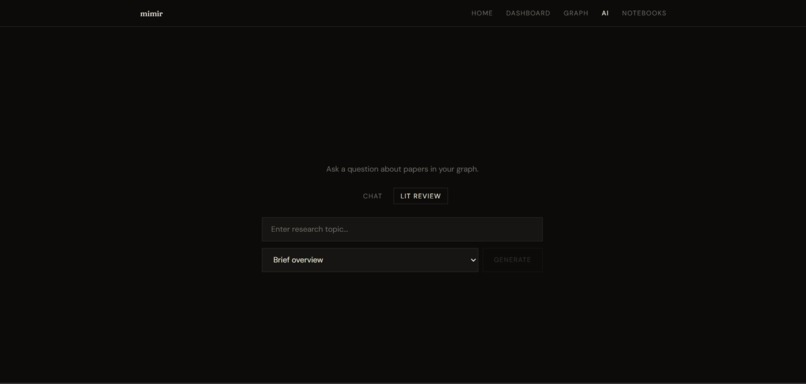
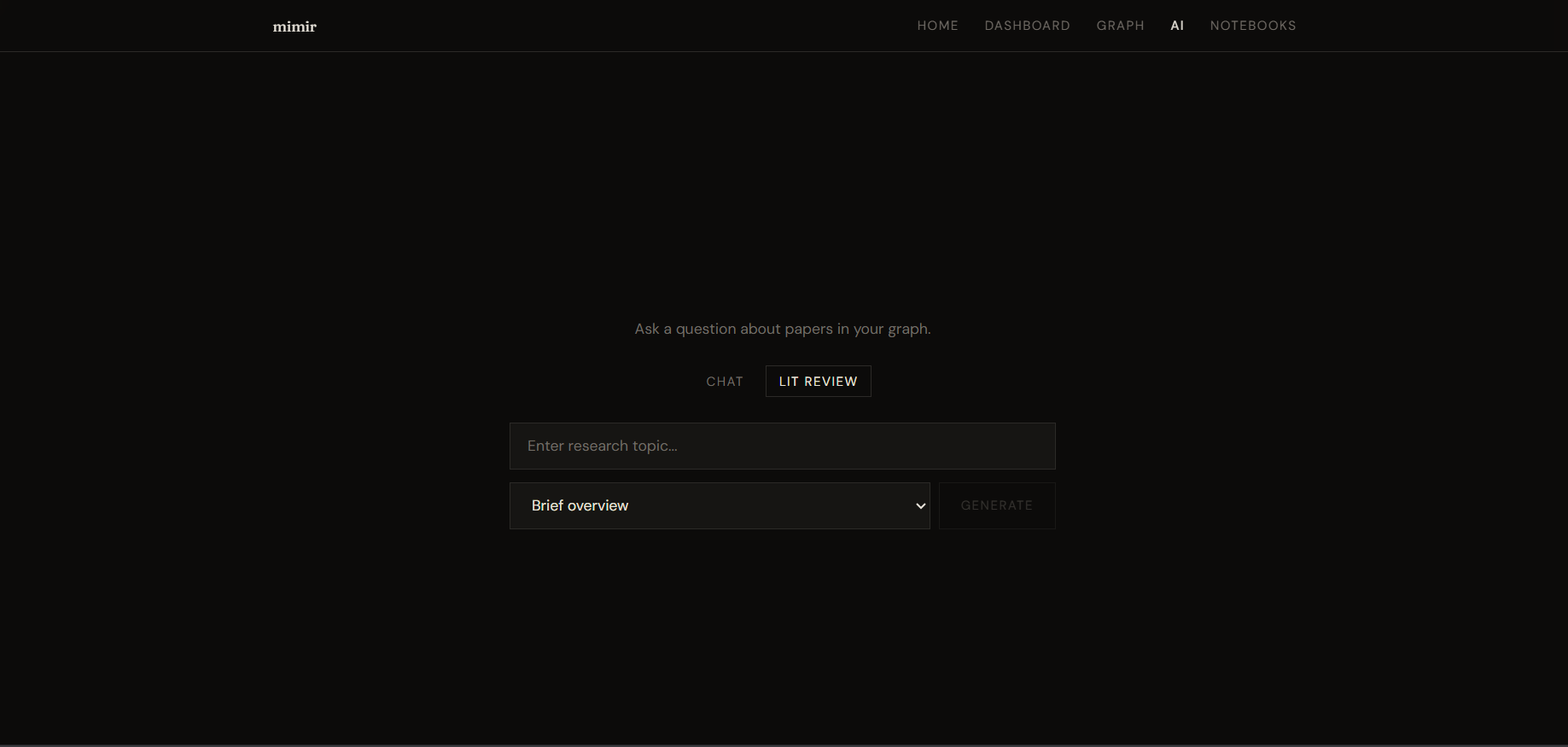
AI and literature review
Inspiration
Every researcher hits the same wall: papers pile up, but understanding doesn't. Google Scholar and Semantic Scholar return lists — not connections. We kept seeing the same pattern in our own work — spending hours rereading papers just to trace how a single concept evolved, or missing that two studies directly contradicted each other because they were never read side by side. We wanted to build something that treats research the way researchers actually think: as a network of ideas, not a stack of PDFs. Mimir's name comes from Norse mythology — the god of knowledge and wisdom, whose well held all the world's understanding. That felt like the right name for a system meant to be the "mind behind the mesh."
What it does
Mimir is an AI-powered research operating system that turns scattered papers into a living, queryable knowledge graph. Instead of searching for papers about a topic, you can ask Mimir how a concept evolved over time, which studies contradict each other, or what methods from one field have never been applied to another. It ingests papers, extracts concepts and claims, builds a 3D-navigable knowledge graph, and lets you chat with an AI assistant whose answers are grounded directly in the graph — with citations. Papers load and render side by side in real time as they're ingested, so you're never stuck waiting on a pipeline before you can start reading and comparing.
How we built it
The entire app is built in Next.js 15 with TypeScript and Tailwind, with Three.js and Theatre.js powering the 3D knowledge graph visualization directly in the browser. Cognee handles our hybrid graph-vector memory layer, giving us both semantic retrieval and structured graph reasoning instead of plain vector search. OpenRouter is our unified AI gateway, routing requests across models for chat, summarization, and contradiction detection. Convex powers real-time state — live paper syncing, collaborative annotations, and shared workspace presence — and also handles our application data layer. Paper ingestion pulls from the Semantic Scholar open-source API, supplemented by OpenAlex and CrossRef for metadata.
Challenges we ran into
Getting real-time paper loading to feel instant rather than janky was harder than expected — we had to rethink how Convex subscriptions interact with the ingestion pipeline so papers appear progressively instead of all at once. Designing our knowledge graph data model to support both fast traversal and rich semantic search meant a lot of iteration on how Cognee's hybrid memory layer should split work between vector and graph queries. Rendering a smooth, navigable 3D graph in the browser with Three.js while keeping everything in sync with live Convex updates also took real tuning.
Accomplishments that we're proud of
We're proud of getting a working 3D knowledge graph that actually feels navigable rather than overwhelming, and of building real-time side-by-side paper loading that makes the ingestion pipeline feel invisible to the user. We're also proud of grounding every AI response in the graph itself, so answers come with traceable citations instead of hallucinated claims.
What we learned
We learned a lot about hybrid graph-vector architectures and where Cognee's strengths actually lie compared to plain RAG — graph-based retrieval genuinely changes what kinds of questions you can answer well. We also learned how much real-time UX work goes into making a complex ingestion pipeline feel simple and immediate to the end user.
What's next for Mimir
Next, we want to scale ingestion toward the full Semantic Scholar corpus, build out the contradiction detector and research gap detector more fully, and add collaborative research sessions so teams can explore the same knowledge graph together in real time.
Built With
- cognee
- convex
- nextjs
- open-router
- tailwind
- three.js
- vercel


Log in or sign up for Devpost to join the conversation.