-
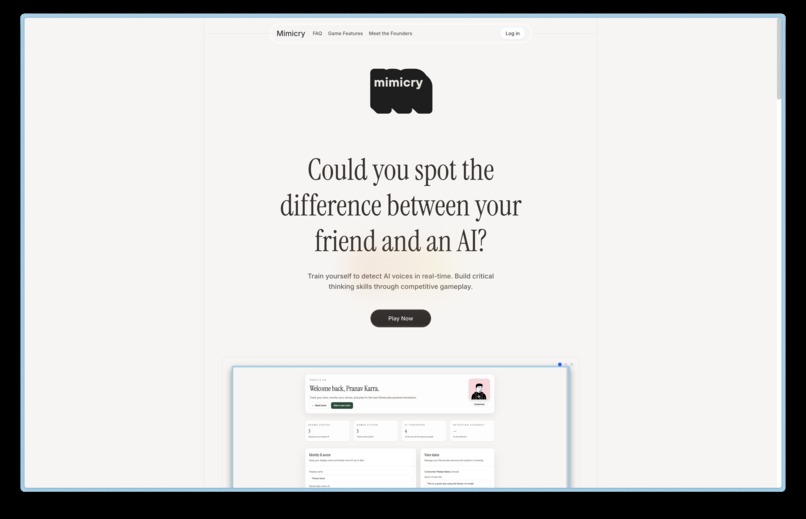
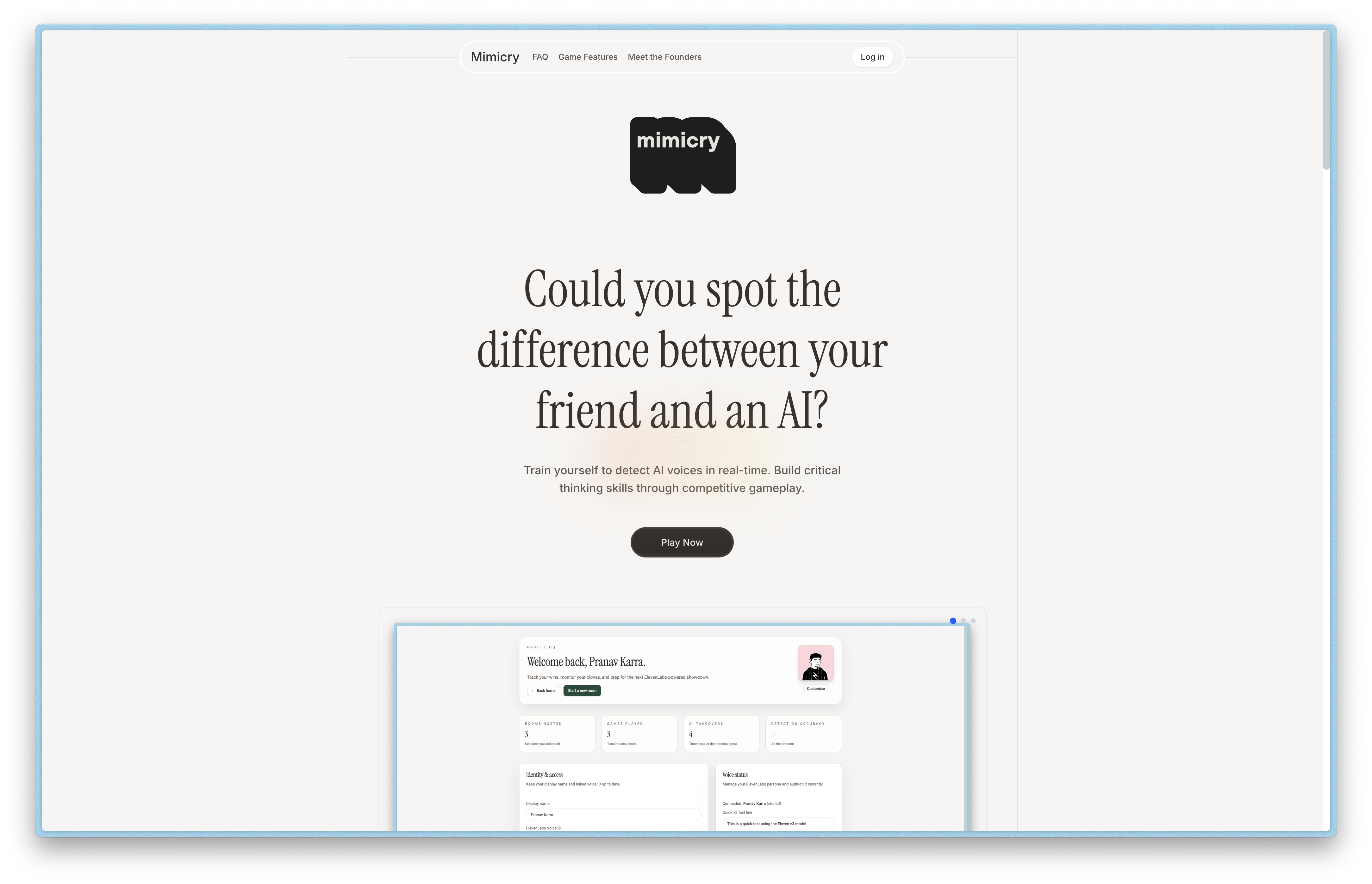
Landing page Hero Section
-
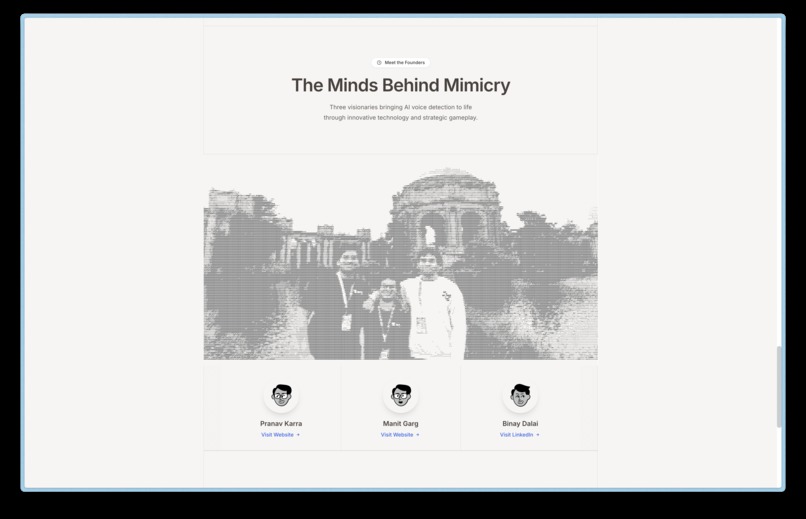
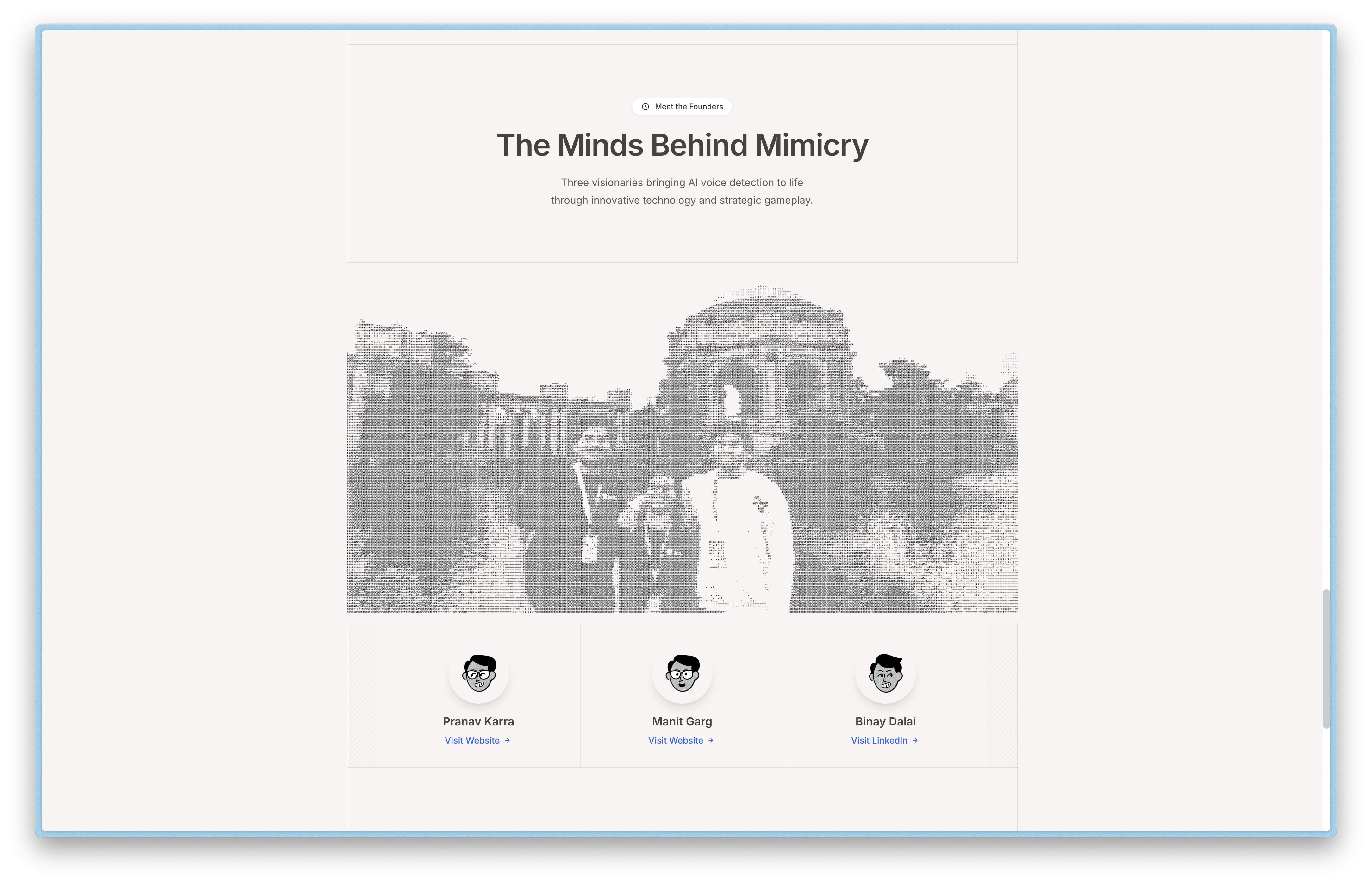
About the Team
-
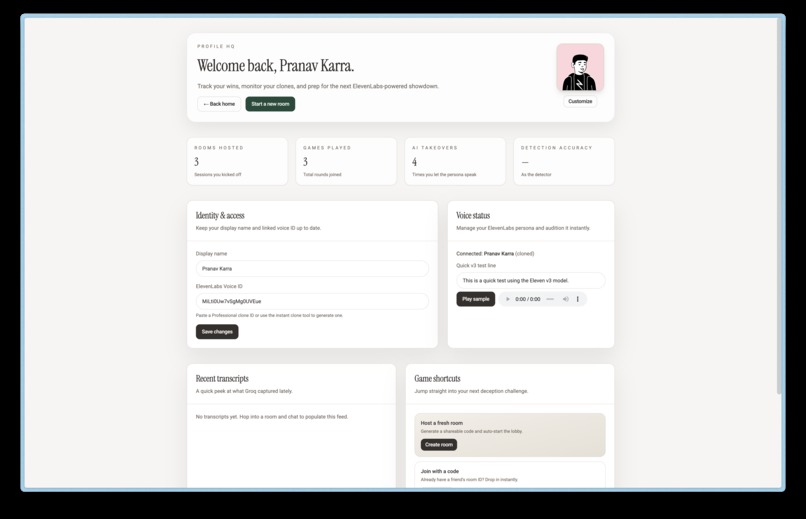
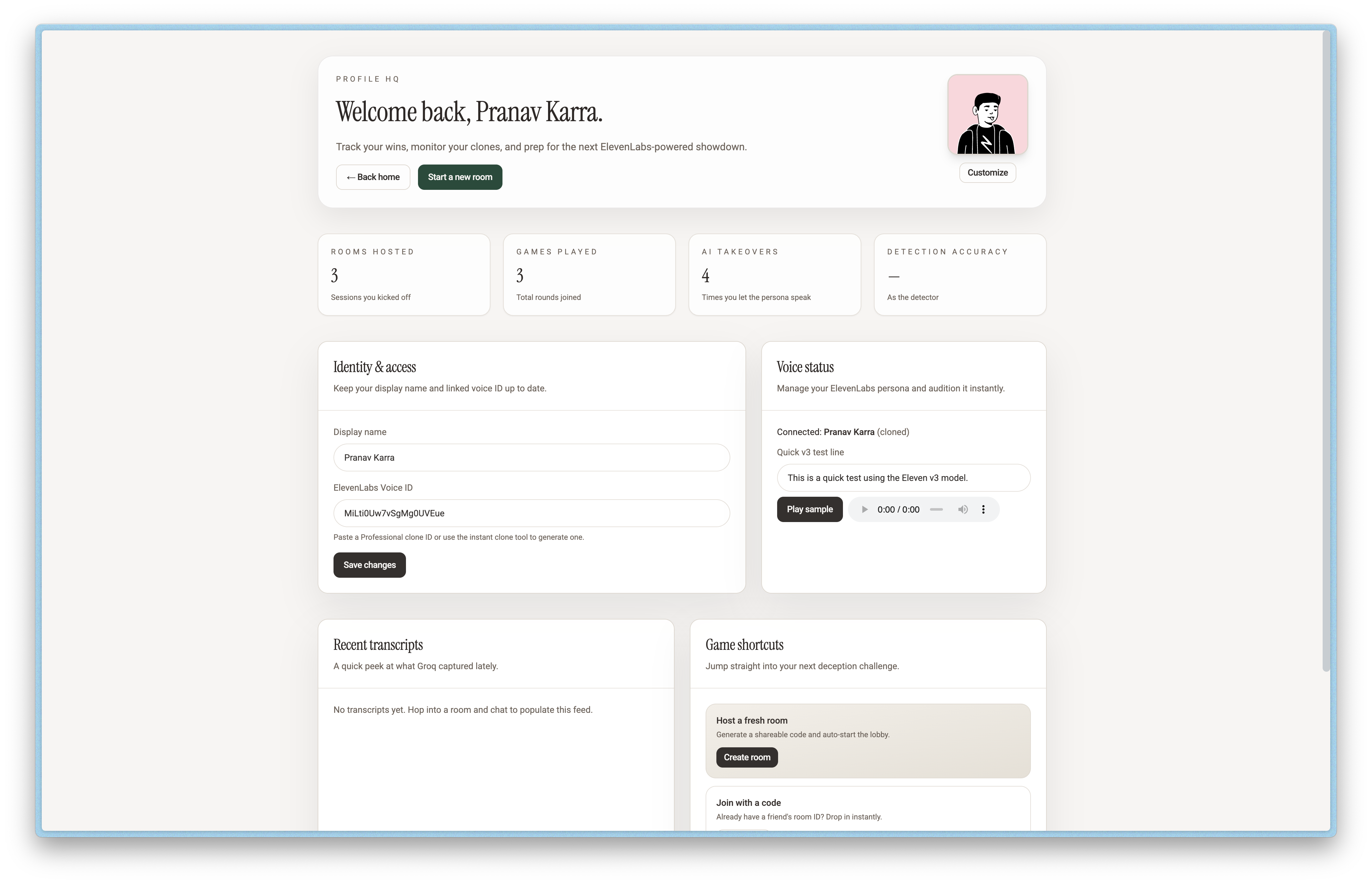
User Profiles
-
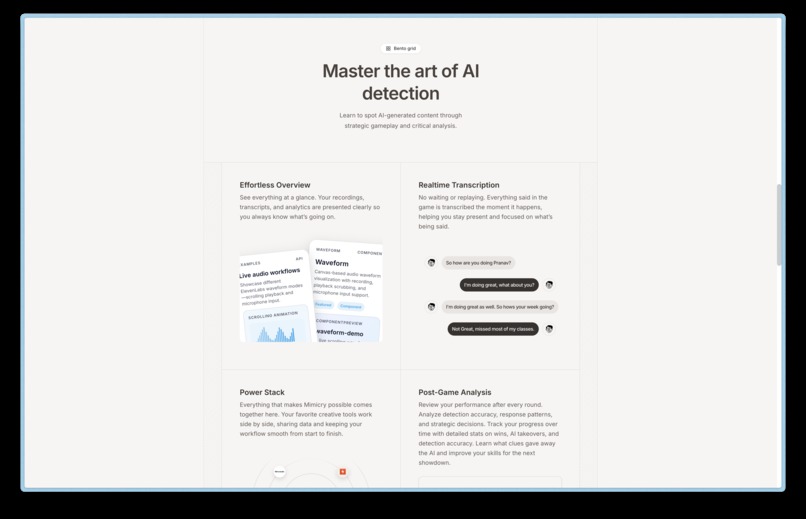
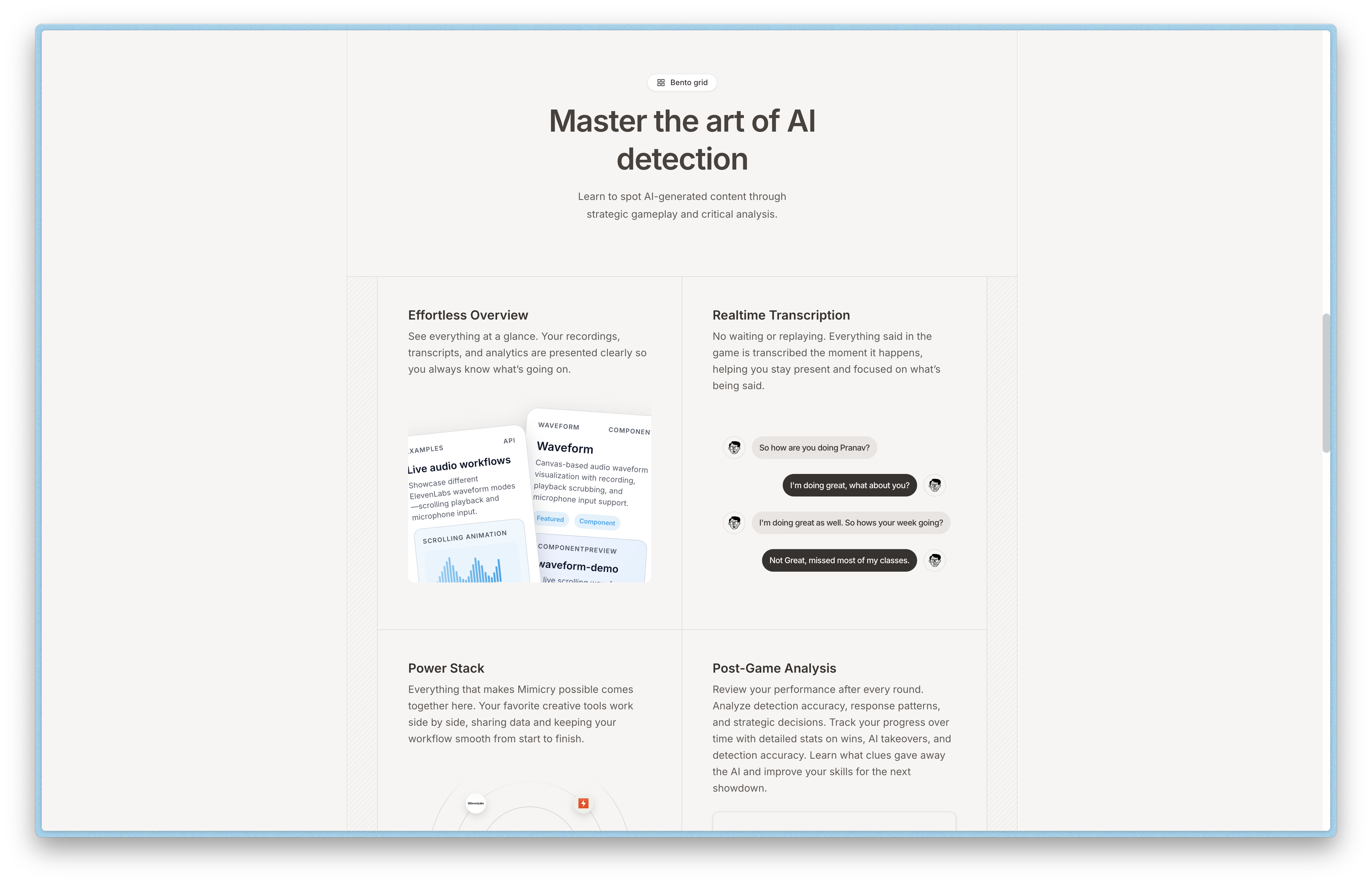
Features of the Game
-
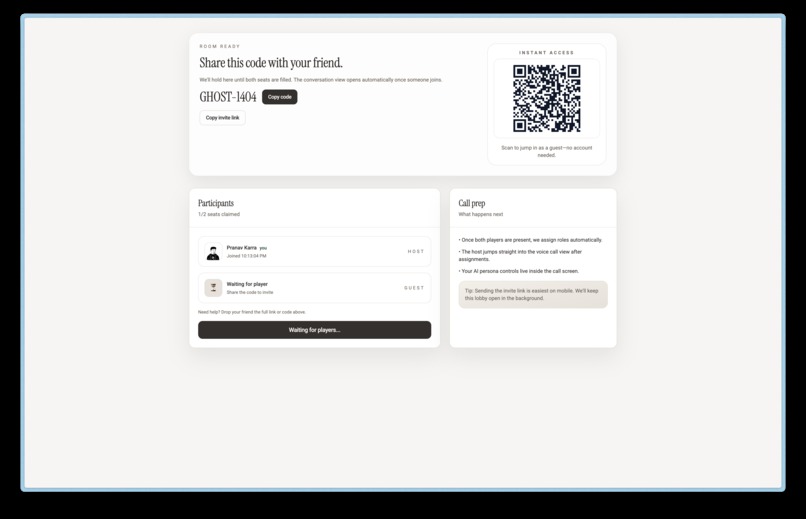
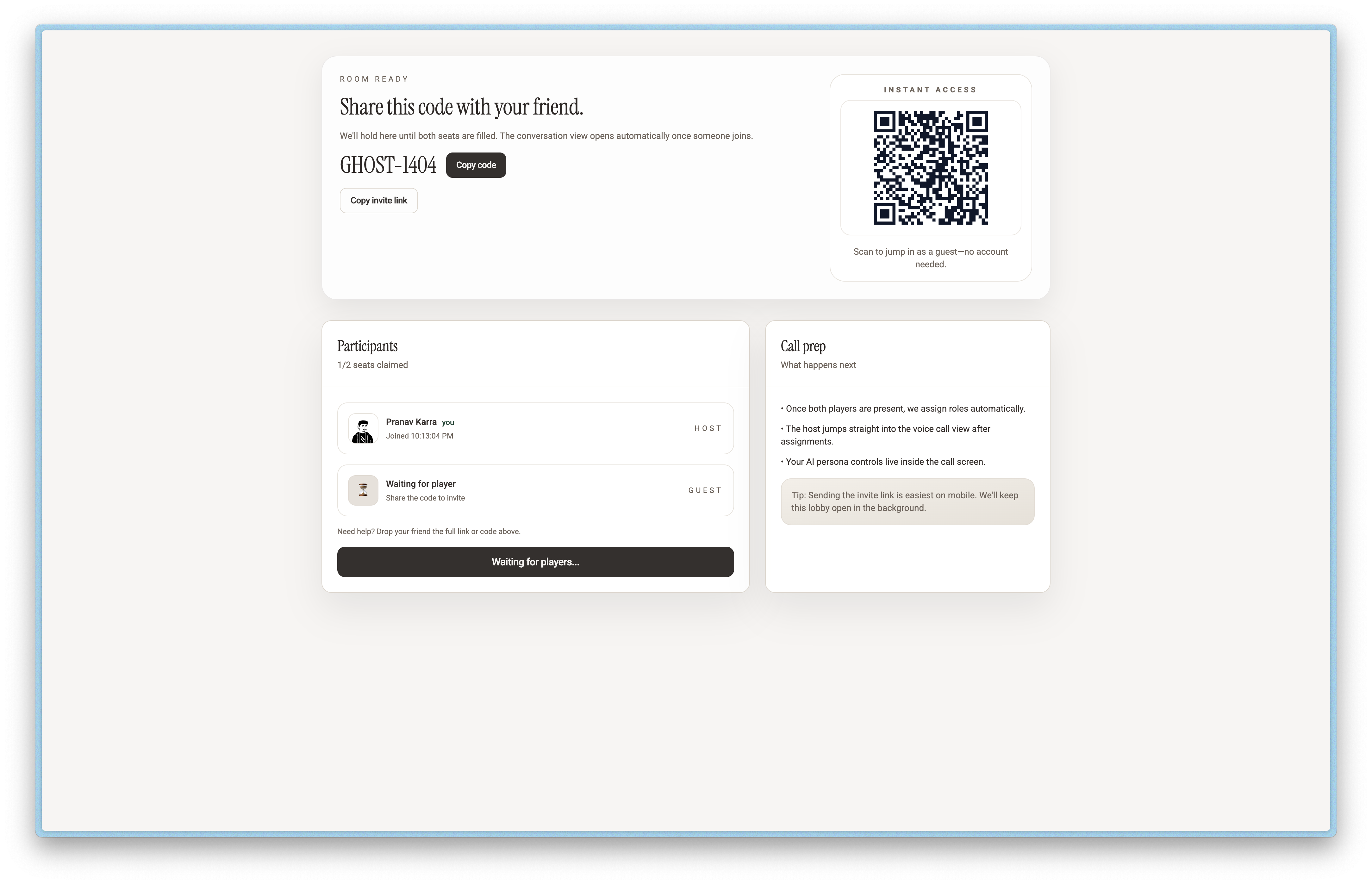
Game Lobby
-
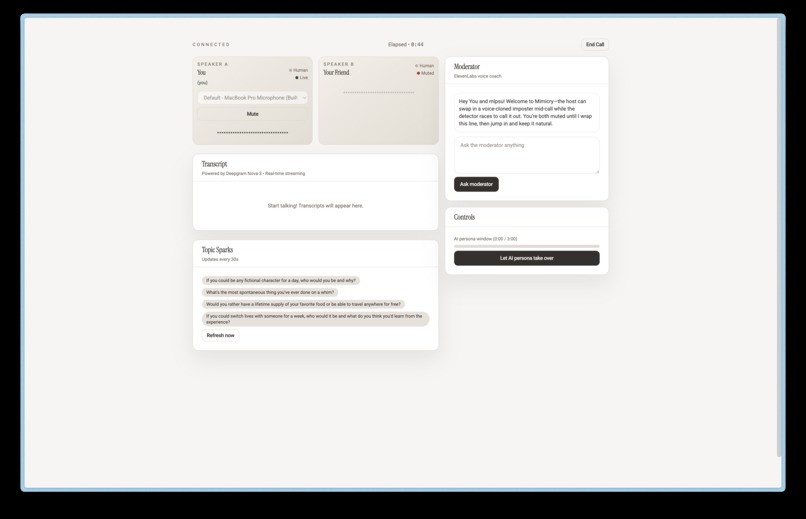
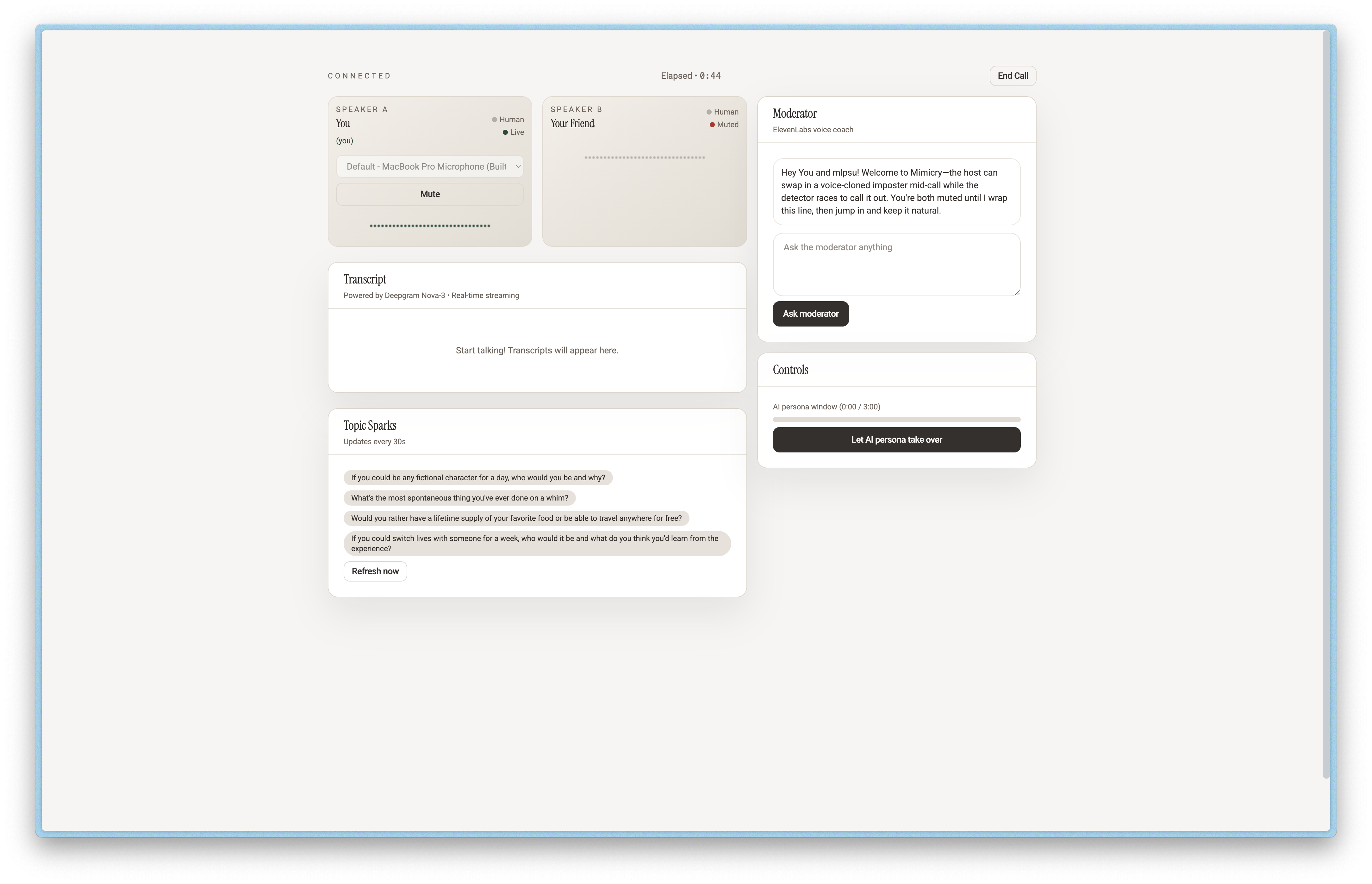
Game Screen
-
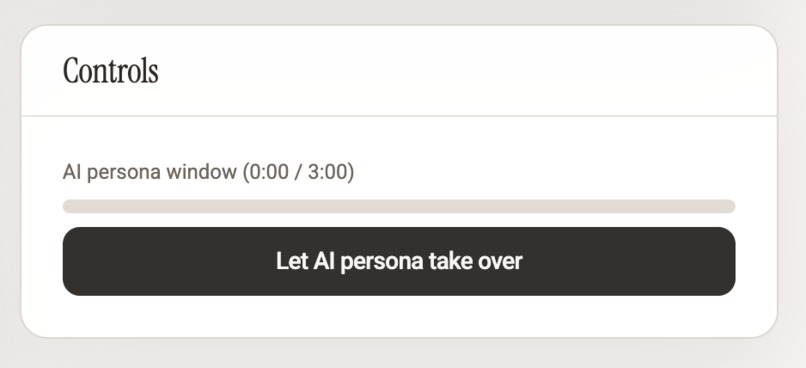
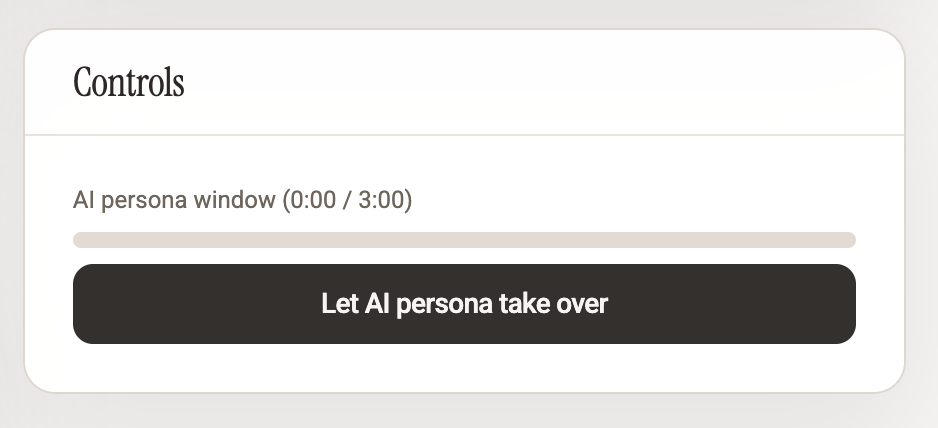
AI Takeover
-
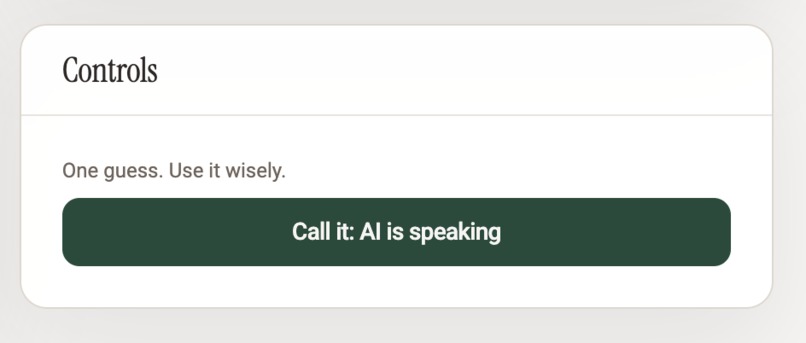
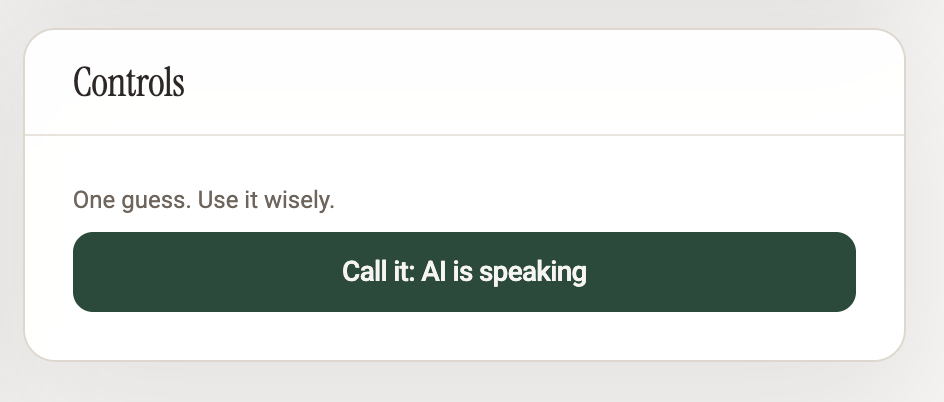
Report AI
Inspiration
We built Mimicry after realizing how hard it's become to tell real and AI-generated voices apart. Instead of just warning people about deepfakes, we asked ourselves: what if we could actually train people to detect them? You can't just read about spotting AI voices; you need real, safe experience.
So we turned it into a game: a one-on-one battle of wits, deception, and intuition. Players learn to spot fake voices under pressure by analyzing tone, timing, and behavior without even realizing they're training. It's learning disguised as competition.
What It Does
Mimicry is a real-time voice game where two players face off. One player talks normally but can switch to their AI clone at any moment. The other player has to catch them when they do.
You start by recording a quick ten-second clip to create your voice clone. Then you join or host a match as either the target or the detector. The target can activate their AI voice whenever they choose, and the detector listens closely for anything that feels off: changes in pacing, breathing, or word choice.
After each round, you get a full analysis that breaks down your timing, accuracy, and how well you detected or disguised the switch. You can play privately with friends, share rooms using QR codes, or jump into matchmaking. It's a fun and competitive way to train your brain to recognize AI voices.
How We Built It
We combined three key technologies to bring Mimicry to life. LiveKit powers the real-time voice communication with ultra-low latency. ElevenLabs handles instant voice cloning from a short recording. Deepgram provides real-time transcription during gameplay.
Our backend runs on Supabase, while Claude from Anthropic manages the game logic and Groq speeds up AI inference. On the frontend we used Next.js 14 and React with TypeScript, styled with Tailwind CSS, Radix UI, and the shadcn/ui component system. Post-game analytics are visualized with Recharts. We are hosting the live game at play.mimicry.fun.
Challenges We Ran Into
Getting real-time voice to work flawlessly was one of the hardest parts. Switching between human and AI voices had to feel instant, and even a slight delay was noticeable. Balancing the realism of AI voices was another major challenge; they needed to sound convincing but not impossible to detect.
We also spent a lot of time refining real-time transcription so it stayed accurate even when players spoke quickly or over each other. Coordinating six different systems (LiveKit, ElevenLabs, Deepgram, Claude, Groq, and Supabase) without any conflicts or lag took countless iterations. We're still fine-tuning difficulty and analytics to keep the gameplay challenging and educational at the same time.
Accomplishments That We're Proud Of
We managed to connect multiple advanced voice technologies together with almost no latency. The ten-second voice cloning feels fast and natural, which makes Mimicry accessible for anyone. We built a complete experience with matchmaking, private lobbies, player profiles, QR sharing, real-time transcription, and post-game analytics.
The design turned out clean, modern, and easy to understand even though the concept itself is new. Most importantly, Mimicry is more than just a fun experience: it's helping people build real-world awareness of AI-generated voices.
What We Learned
We learned how to push real-time systems to their limits and how small optimizations can make a huge difference. We studied how AI voices actually trick people and discovered that the real giveaways aren't always tone, but breathing, pacing, and rhythm.
We also explored the psychology behind deception and how to design games that teach through play. Working with multiple APIs taught us a lot about system architecture and reliability. And we deepened our understanding of AI ethics, making sure cloning features are safe, transparent, and responsible.
On the frontend side, we mastered the modern React stack and learned how to build polished, accessible UIs fast. Mimicry taught us that teaching digital literacy can be engaging and competitive at the same time.
What's Next for Mimicry
We're currently building tournament mode with leaderboards and brackets for players who want to compete seriously. A training mode is in development so users can practice against AI opponents before facing real people. We're also expanding the analytics dashboard to help players see their improvement over time.
A voice library is coming soon so players can try the game instantly without recording themselves. Native mobile apps for iOS and Android are also on the way to make the experience smoother.
We're exploring opportunities to partner with AI voice companies by providing anonymized analytics on what detection patterns give away synthetic voices. This data could help improve voice synthesis technology while creating a sustainable business model for Mimicry.
Looking further ahead, we want to bring Mimicry into classrooms, newsrooms, and security training programs to help people develop critical listening skills. We're working on team modes, multilingual support, and an AI voice detection API that other apps can integrate.
Our vision is for Mimicry to become the standard way people learn to tell real from fake voices: not just a game, but a tool that helps society stay sharp in an AI-driven world.Retry
Built With
- claude
- deepgram
- elevenlabs
- groq
- livekit
- love
- next.js
- react
- supabase
- tailwindcss
- typescript


Log in or sign up for Devpost to join the conversation.