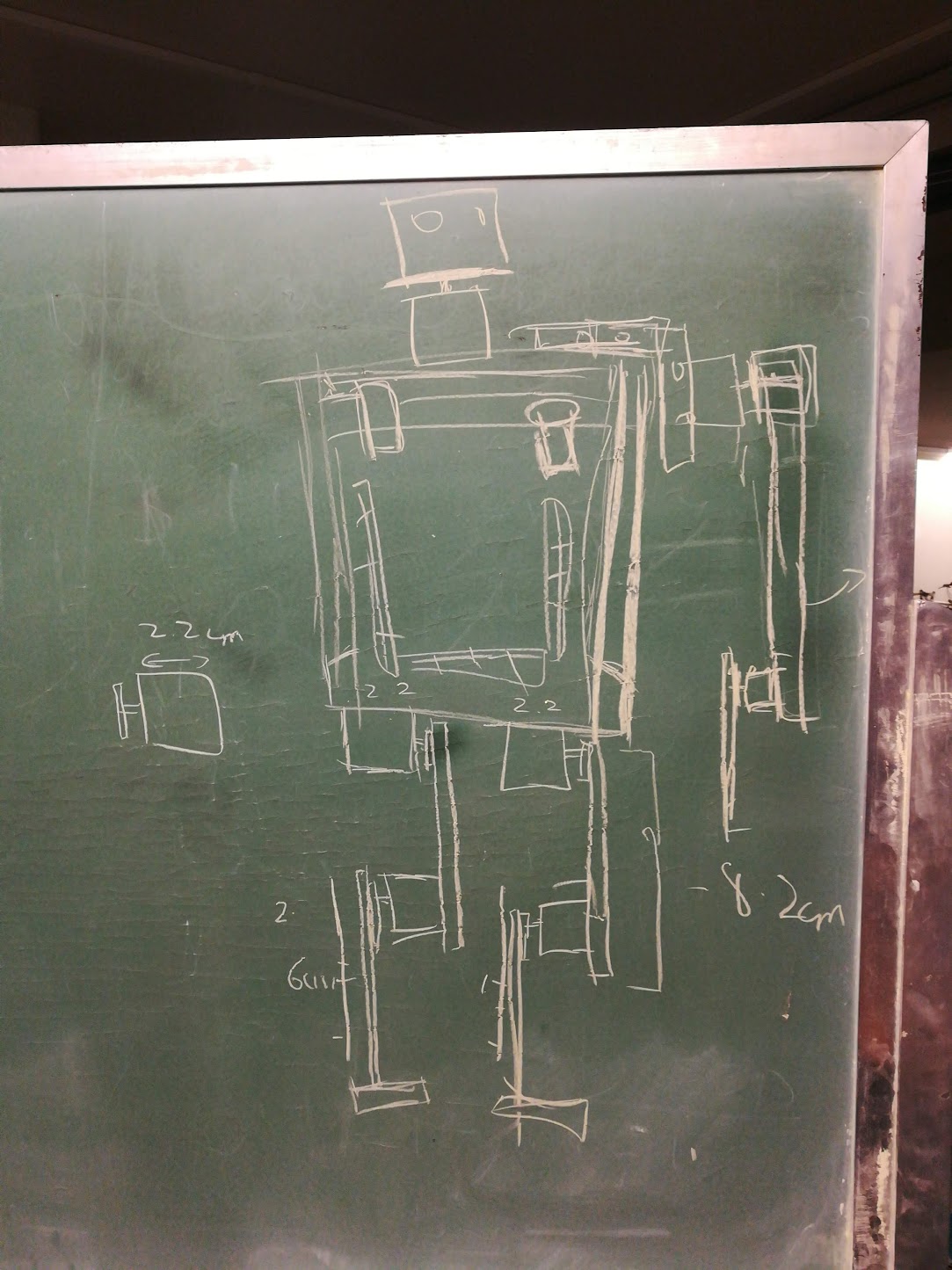
We built a lightweight humanoid robot using a dragonboard, a camera, servo motors, plastic cutouts, and glue. After assembling the prototype, we used pose estimation to track a person’s position and movement in 3D space, then mapped those movements onto the robot’s joints as closely as its limited range of motion allowed.
The system demonstrates two potential applications: remotely controlling a robot through natural body movements, and possible creates a foundation for a cheaper form of imitation learning, where a robot learns from human demonstrations. This project is primarily a proof of concept, since the robot’s fragile construction and limited degrees of freedom restrict the accuracy and complexity of the motions it can reproduce.


Log in or sign up for Devpost to join the conversation.