-
-
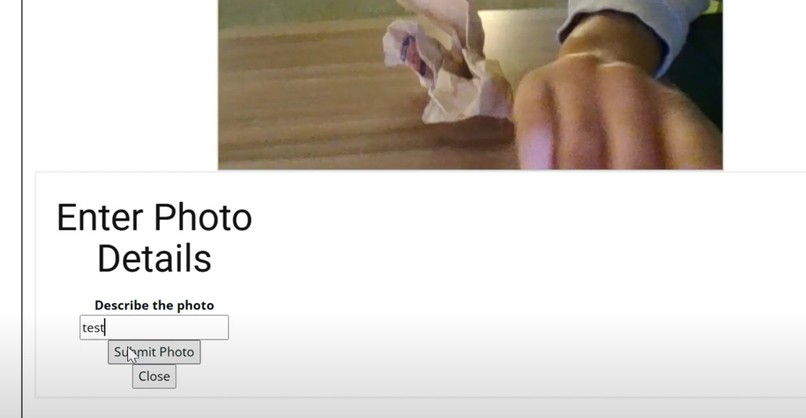
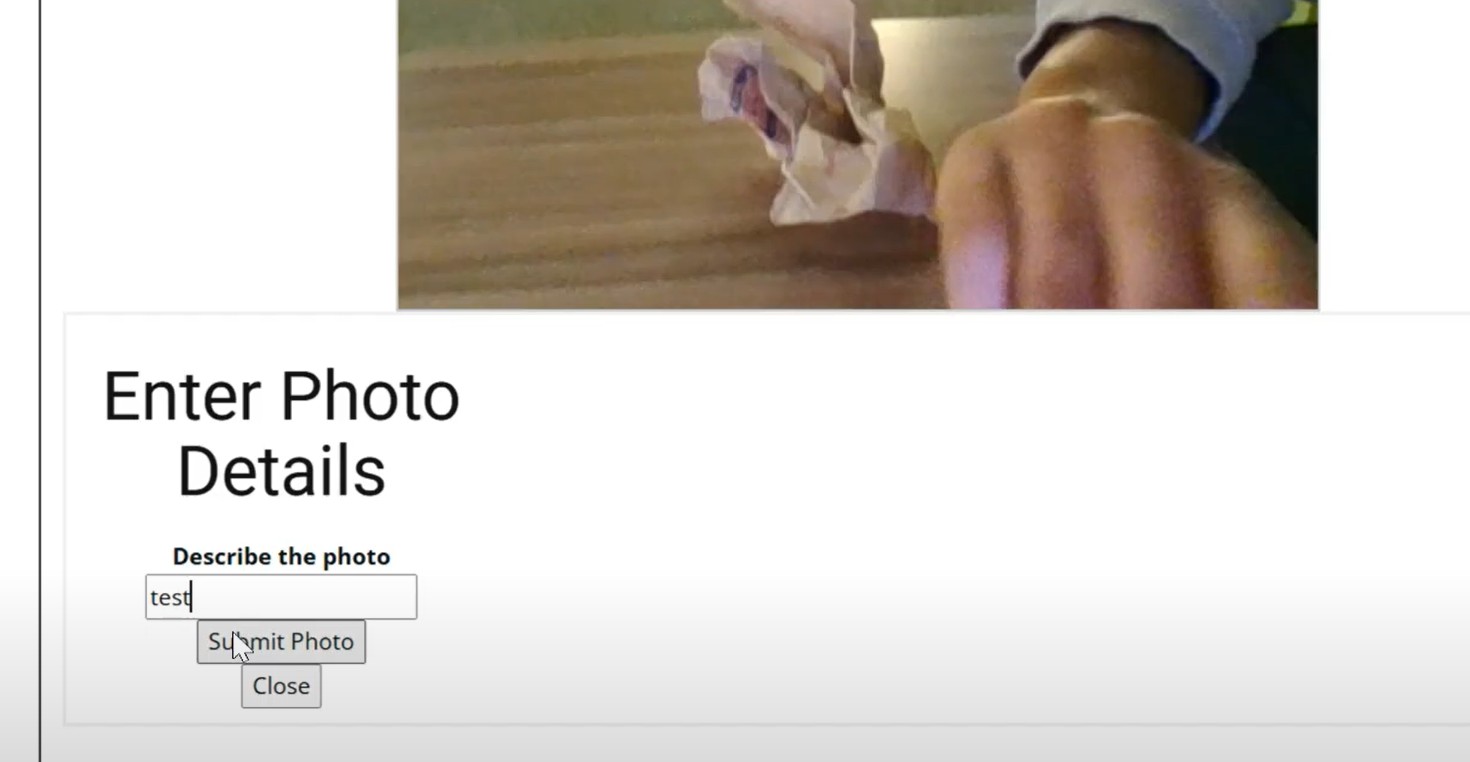
User interface for submitting data
-
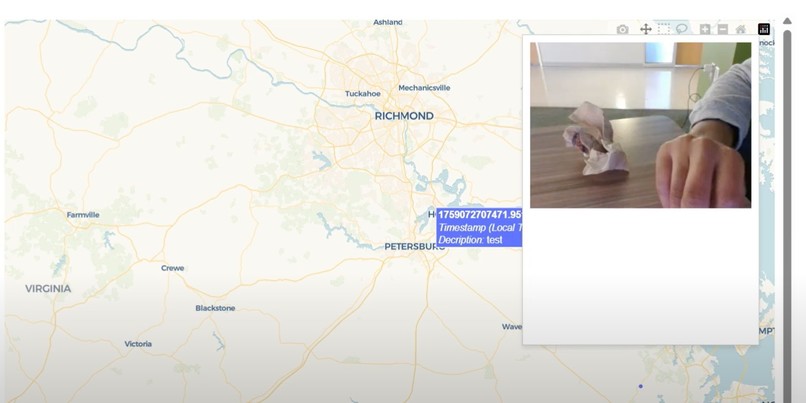
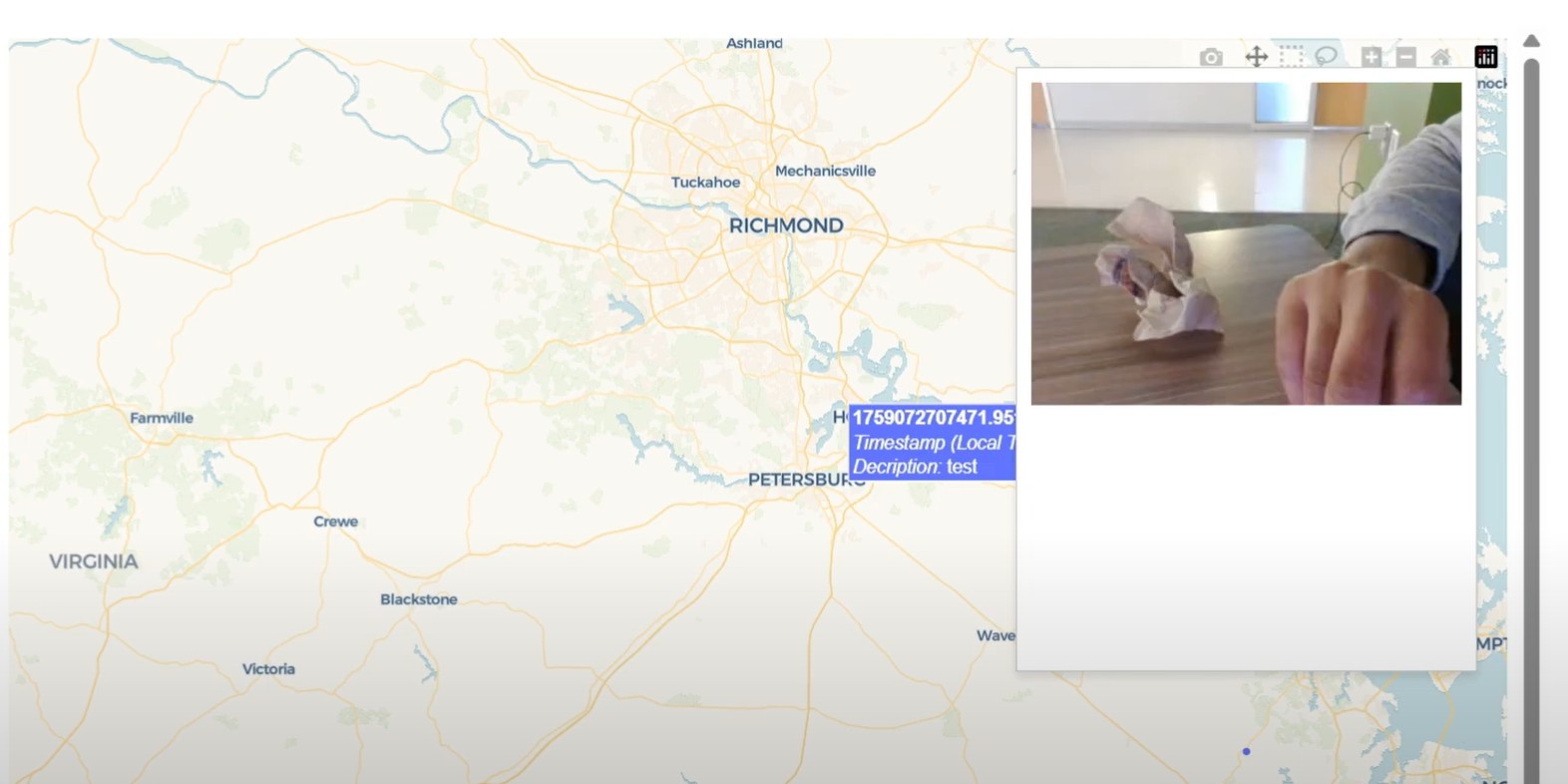
what image looks like on map if you toggle the gps pin
Inspiration
We were moved by the purpose of MIMAT to empower marginalized Miskitu women by enabling participation and leadership in the community's environmental decision-making and political action. The proposed app would be vital grassroots connection to the entire society, allowing great accessibility to report waste in their environments and granting voices to marginalized groups disproportionately impacted by these environmental injustices. Allowing the people to be co-creators of change here is unique and inspiring - something we had to be a part of. We believe this application also contributes to the wellness of the people being affect by this poor waste management!
What it does
Our Waste Reporting app allows user to take a picture of improper waste containment in their local environment and upload it to our application, along with some text describing the waste, and their name if they wish to share it. Then the application updates our database with this information, asking the user for their location to pin the image to, in real time updates a street detailed map. The submitted report will mark the location of the image with a dot, that when clicked on shows the actual image with the submitted text by the user. The entire map can be viewed from the app in real time. Users can also view/upload this data from our website.
How we built it
This software was built in 2 parts, as advised by Venkat Sai, our mentor: First using html, css, and Javascript to develop a user friendly app, mainly featuring a camera, that would upload its media to a shared drive (prototype database). The user is also prompted for their text description of the waste, and the relative location (so they could specify if its next to a landmark that map does not pickup on). This can be viewed as a website on the phone or computer to easily view the map to see report or complete data entry for the client. Second using Python, dash, and mapbox to create a server for hosting a highly detailed street level map of all the logged waste reports, updated in real time. We prompt the user for their location data to pin the submitted image to on the map.
Challenges we ran into
The most challenging aspects of this project were learning how to process the user input on the frontend. Getting the user location data was also a challenge that we overcame! Another hard consideration here was a workflow of our applications, and if we should integrate them. Our mentor, Venkat Sai helped us figure this out and learn we could run them separately. Venkat also helped us select a map to use to render the data and explore the google maps API beforehand.
Accomplishments that we're proud of and what we learned
We had a lot of accomplishments during the weekend as these tools were relatively new for many team members, especially with the web development aspect. Creating a functional web application with html, css, and javascript was a stretch goal that were we super happy to meet. With the help of Venkat also, we are pretty proud of how cleanly our map rendered and how detailed it was.
In addition, we applied prompt engineering techniques that we learned in SWC's "Talk to the Bot" workshop to help us explore approaches and resolve challenges we ran into while developing our project!
What's next for MIMAT Waste Reporter - Cleaning Your Community
We believe that our application has a lot of potential! We would like to continue this project and expand upon our system. It would be great to integrate our two apps to streamline its execution (flask and dash). We would like to better apply the google cloud vision API to utilize AI for image classification as well. We attempted to but ran out of time. We want to also add a vetting stage for the images, in case of any false reports and malicious submission. Implementing this as a downloadable application would be the most important next goal however as that would increase accessibility for the MIMAT project!


Log in or sign up for Devpost to join the conversation.