-

Migaki logo
-
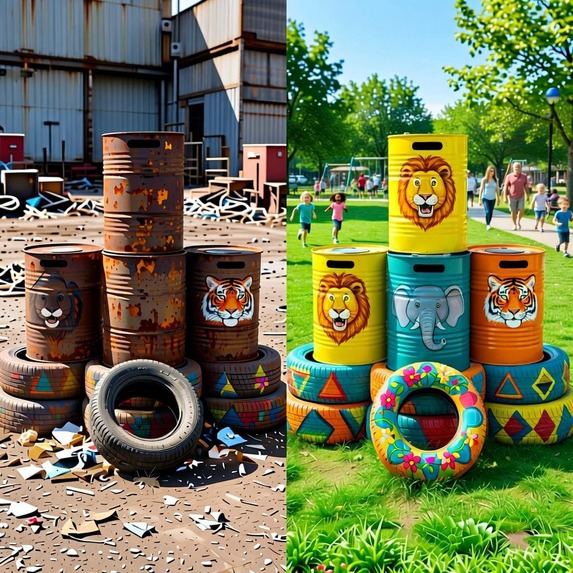
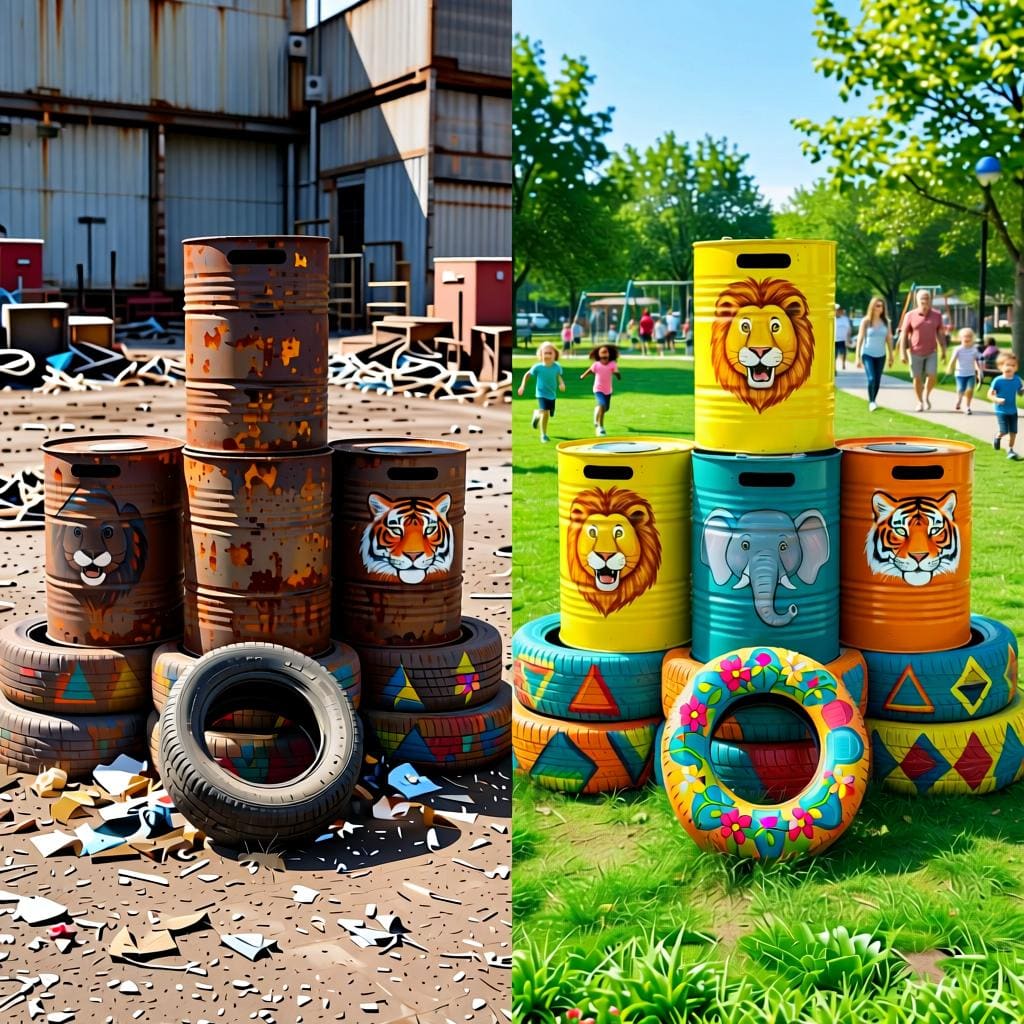
Jungle Keeper Safari before/after
-
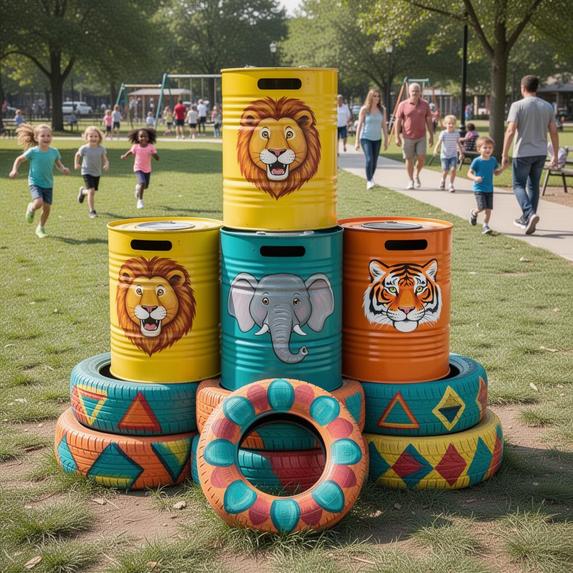
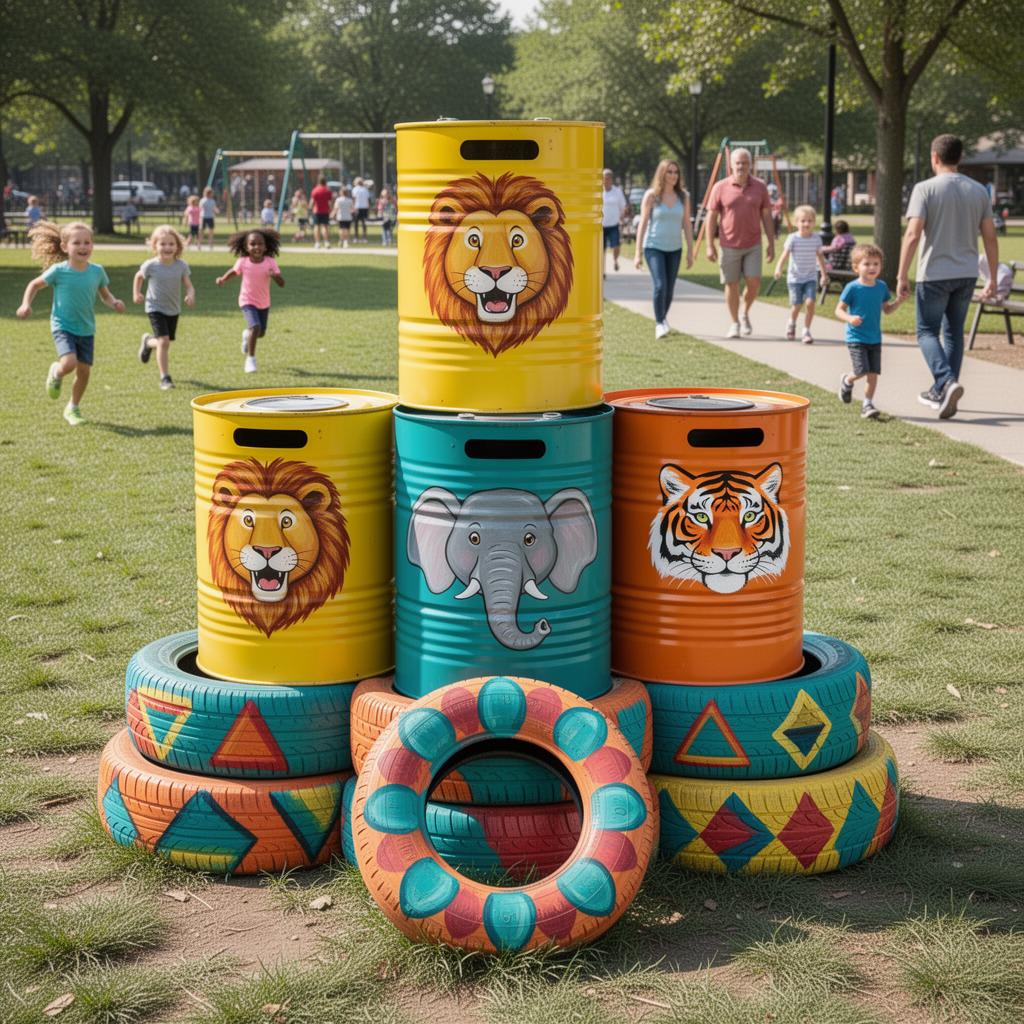
Community Canvas installation
-
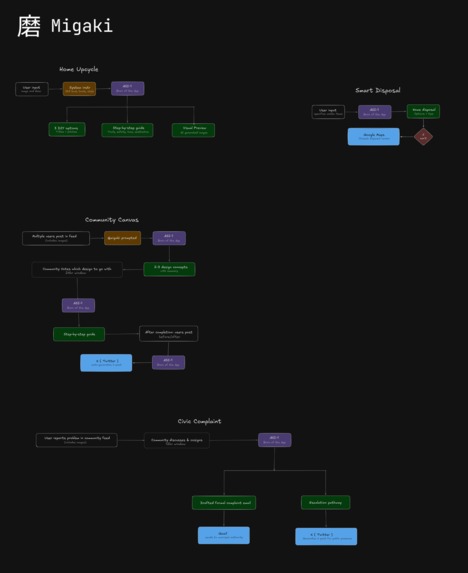
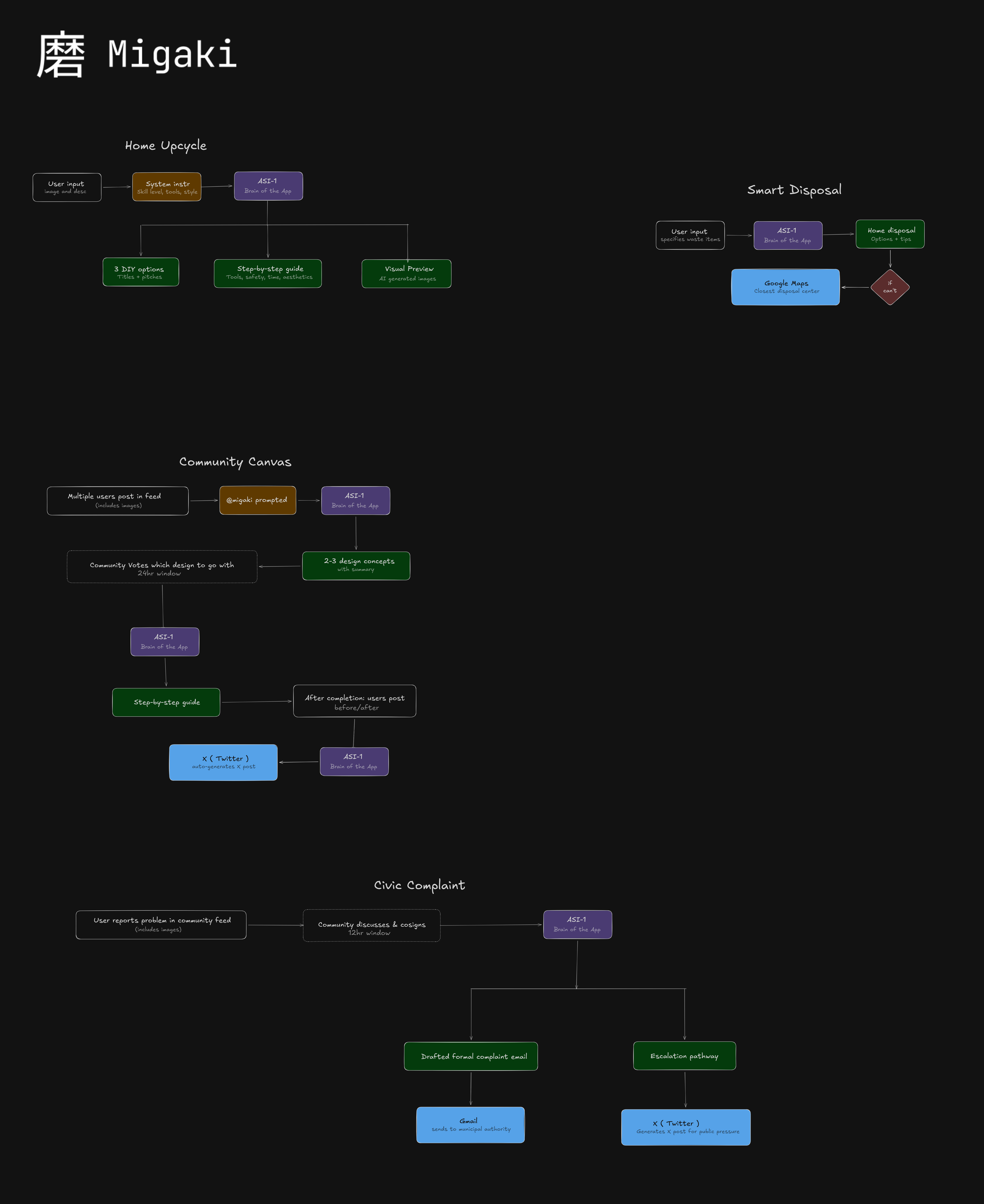
System design — combined all 4
-
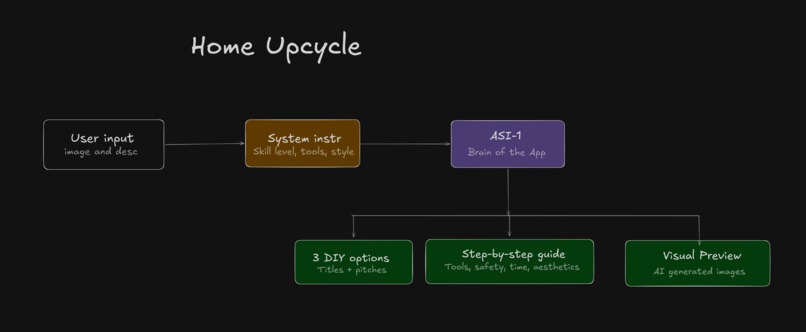
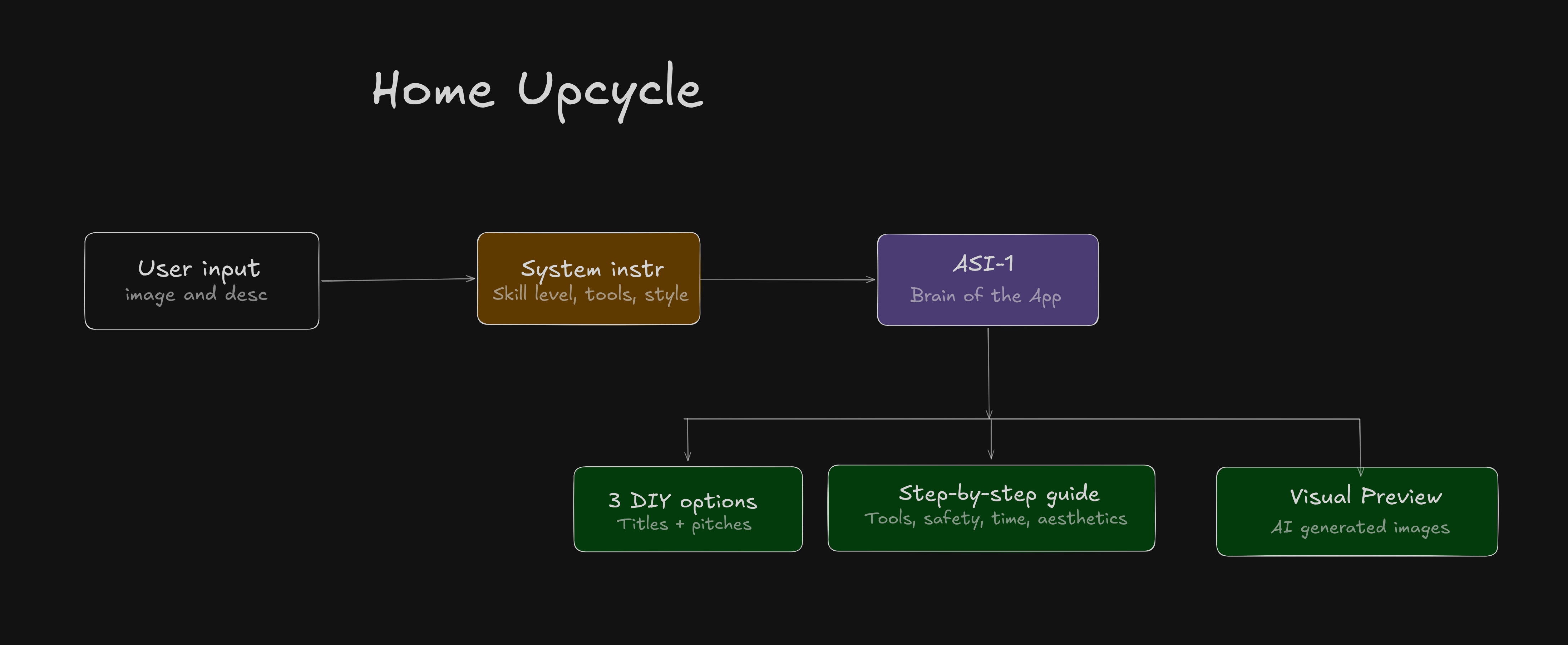
System design — Home Upcycle
-
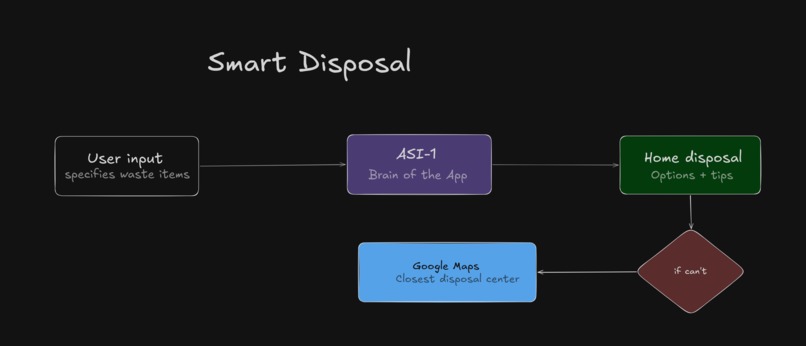
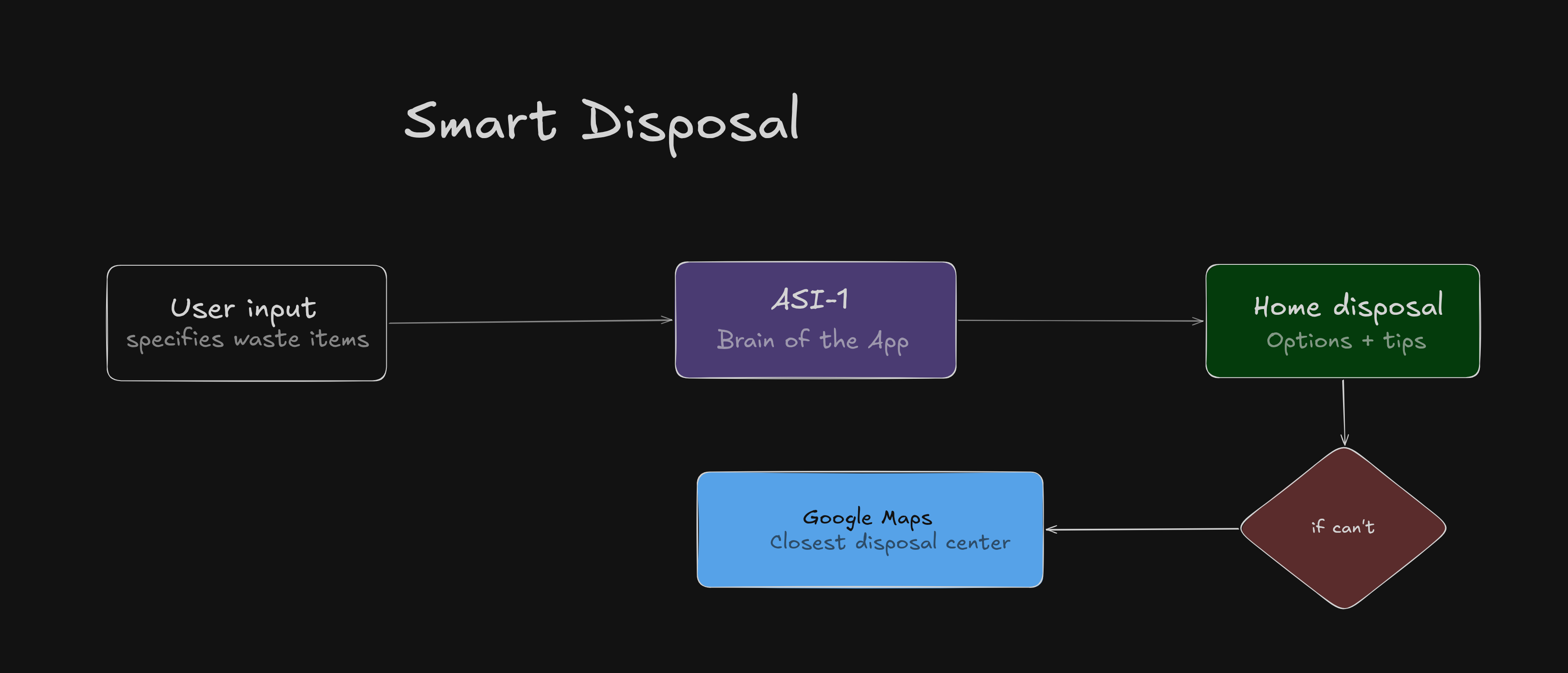
System design — Smart Disposal
-
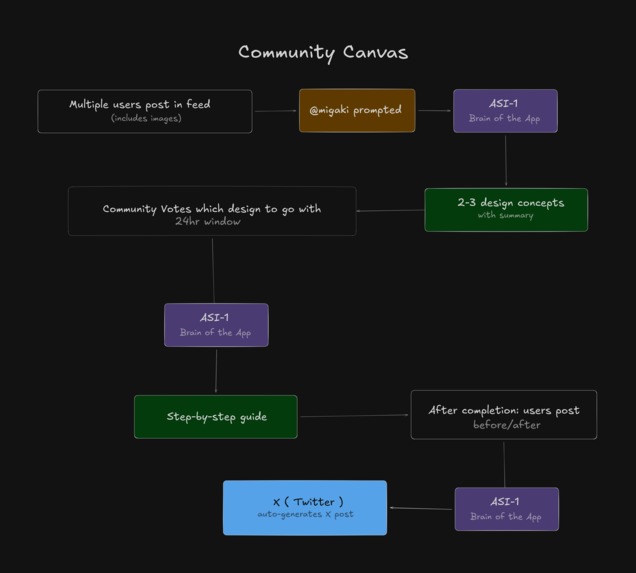
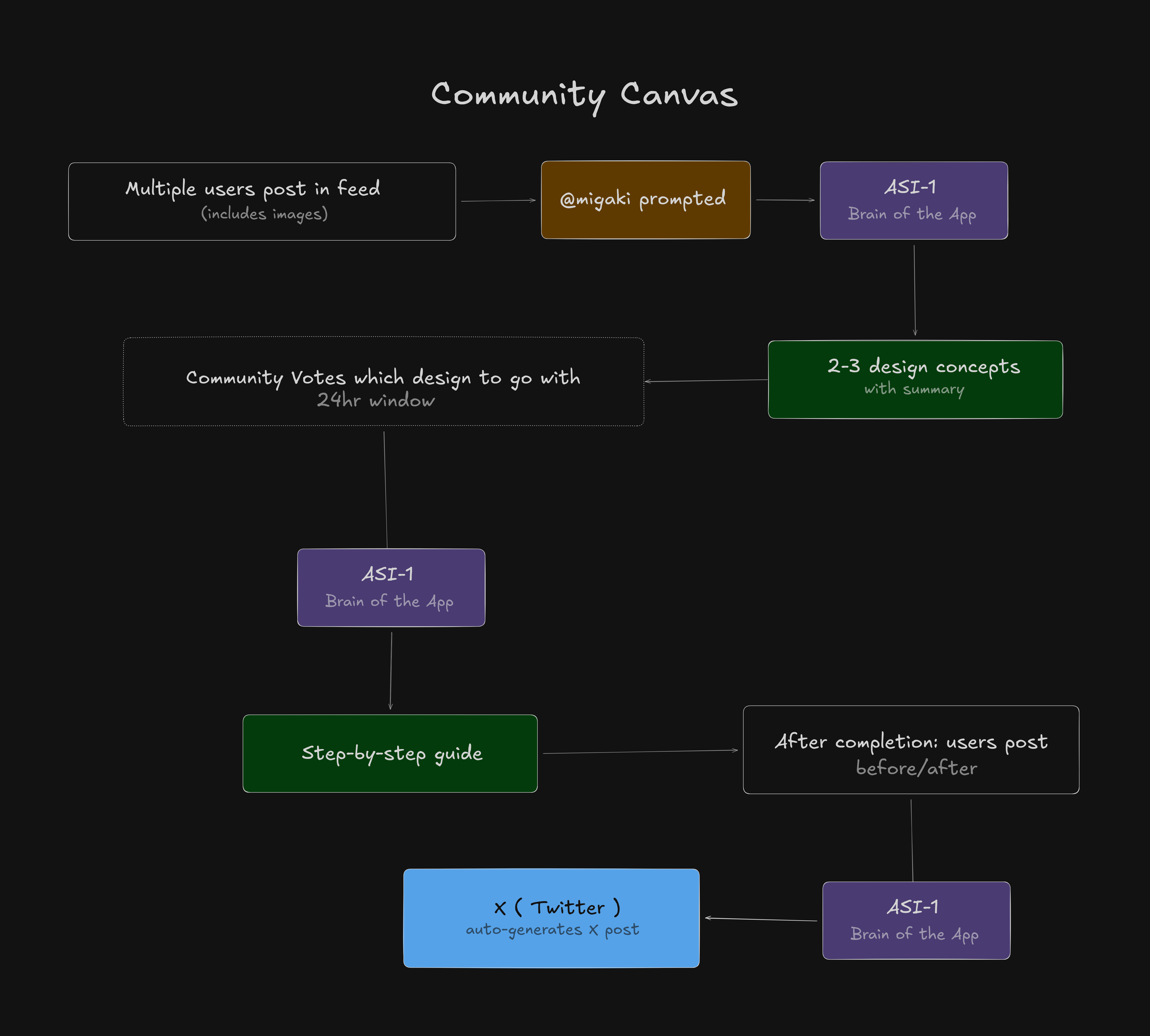
System design — Community Canvas
-
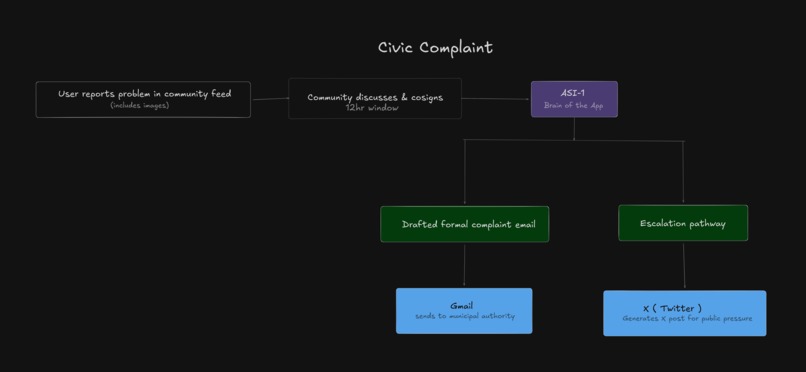
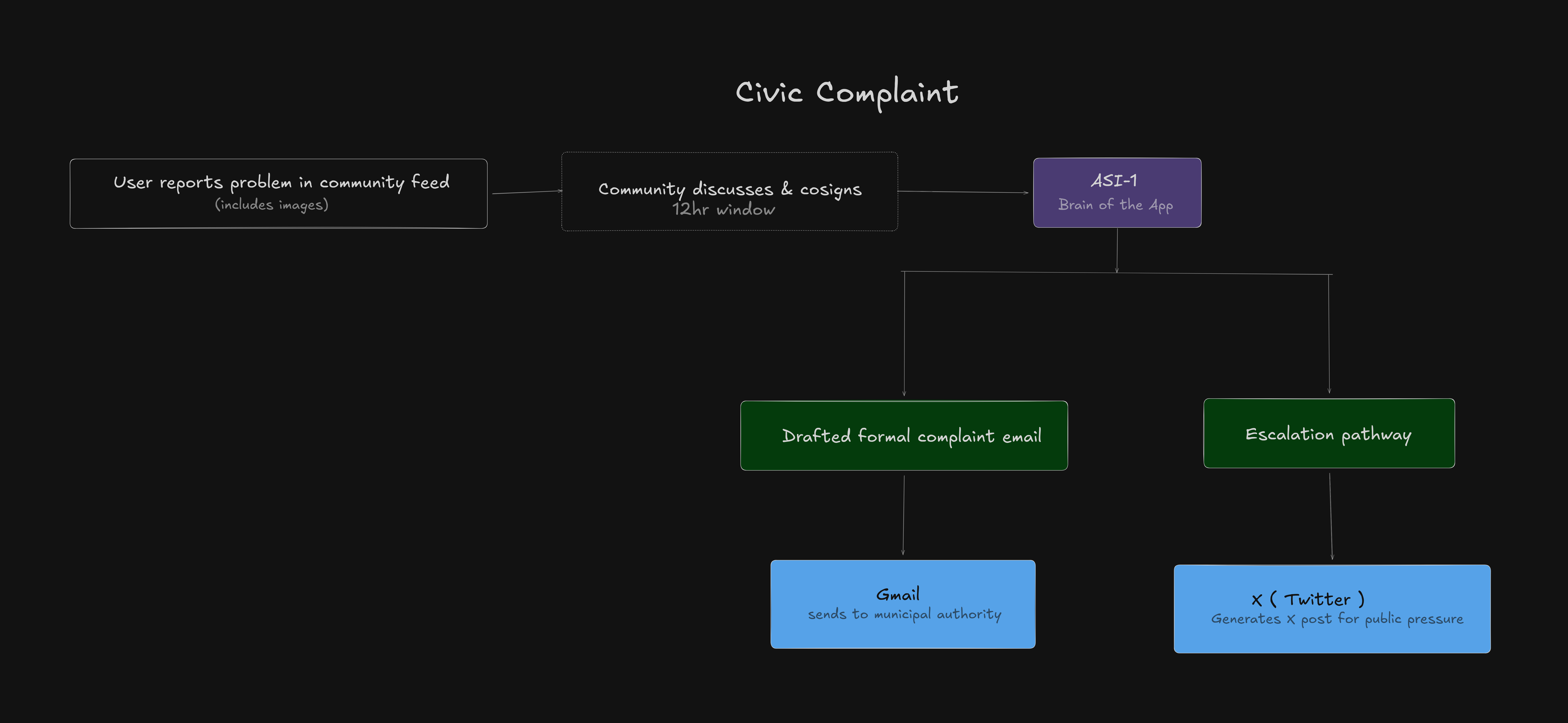
System design — Civic Complaint
-
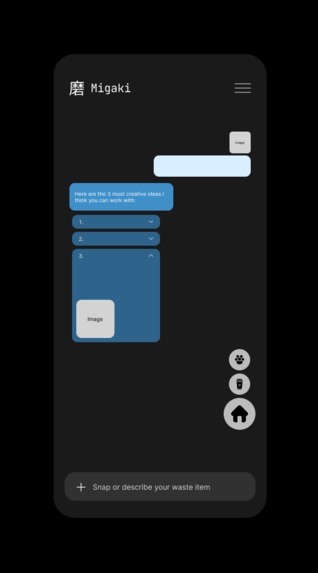
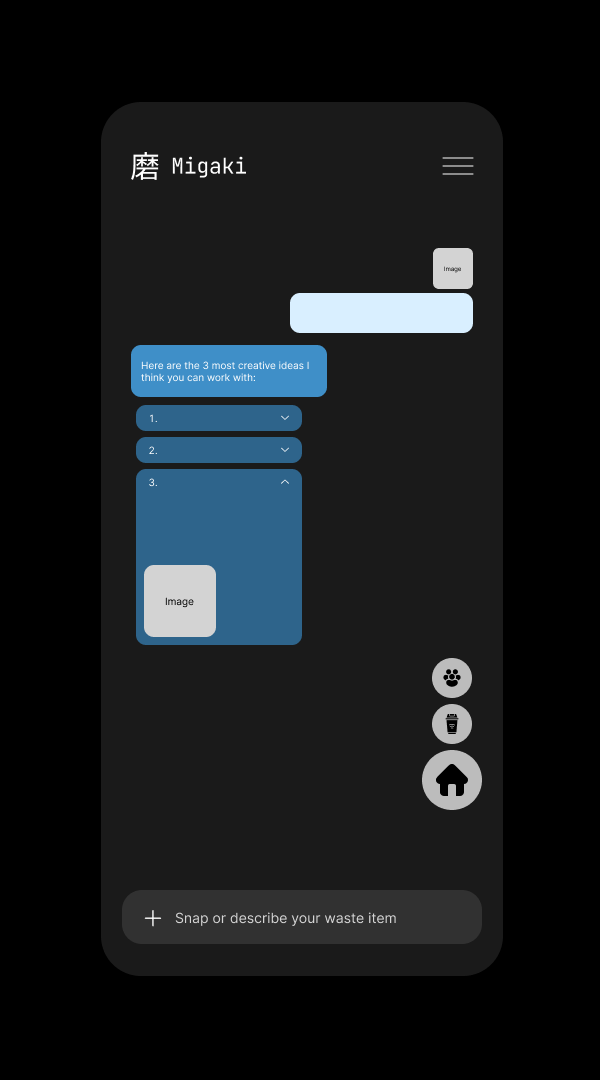
Wireframe — Home screen
-
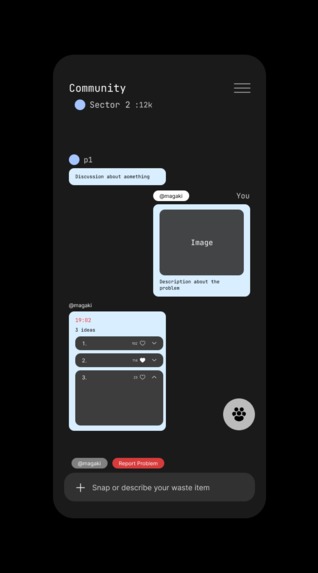
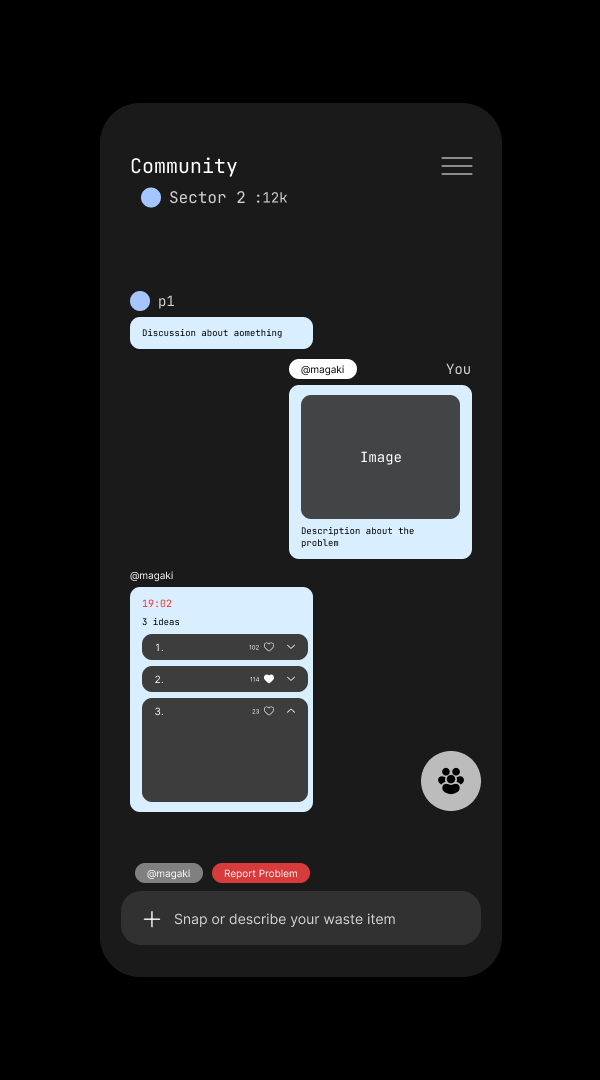
Wireframe — Community screen
-
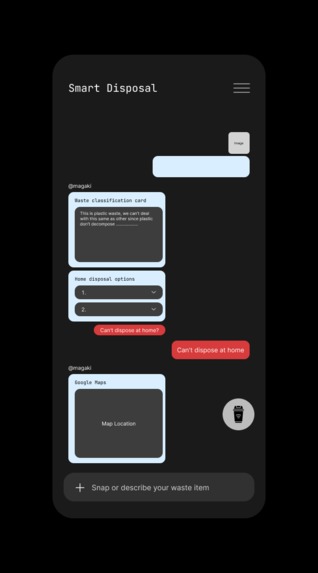
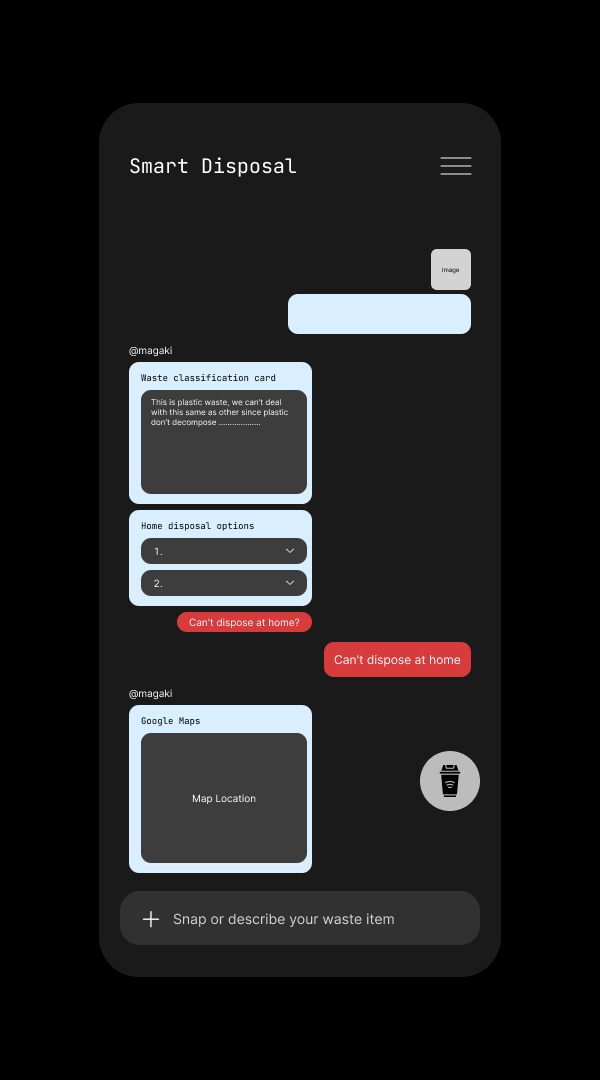
Wireframe — Smart Disposal screen
-
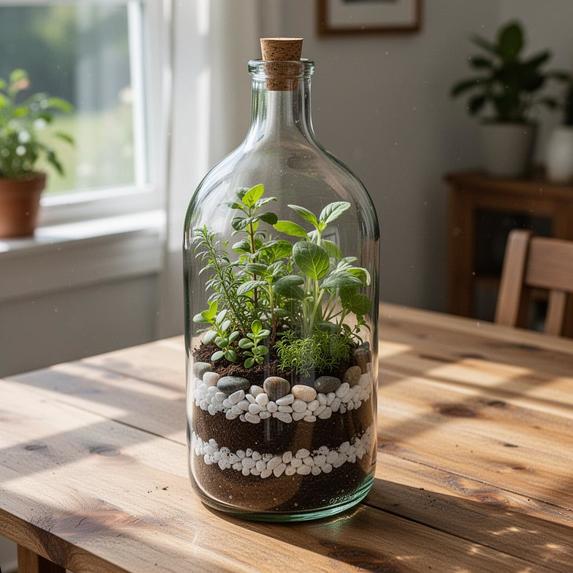
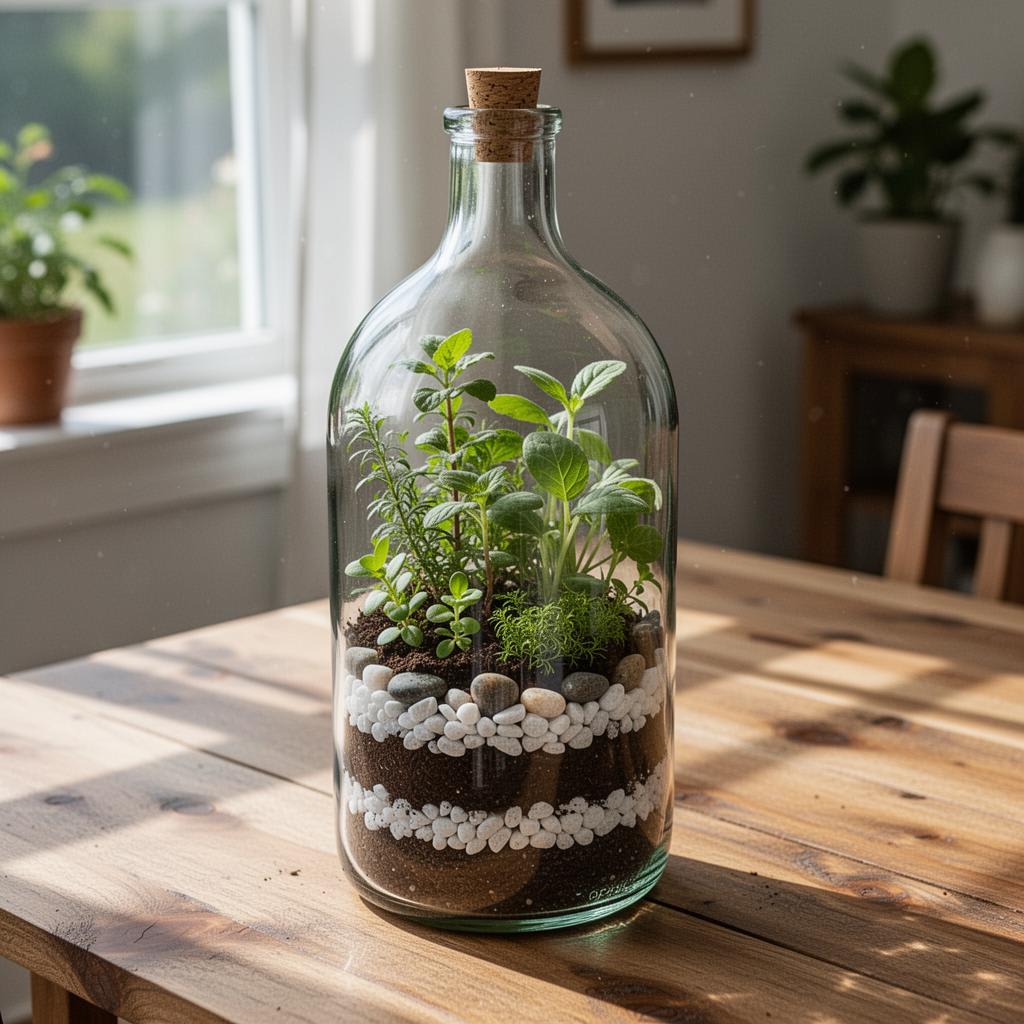
Glass Bottle Terrarium
-
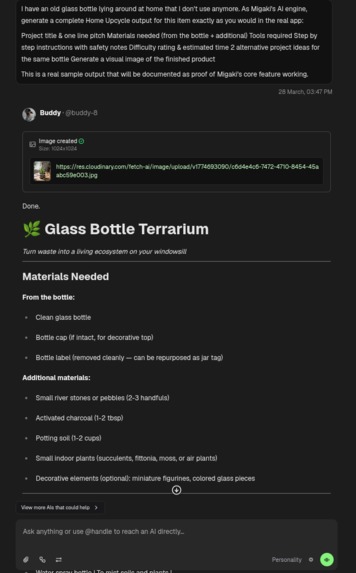
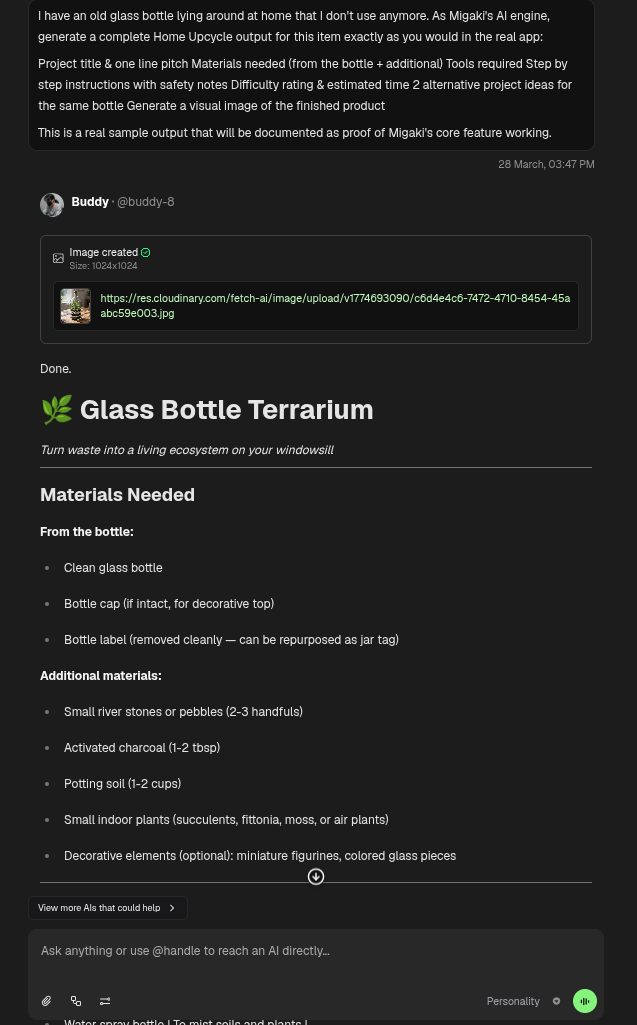
ASI-1 session 4
-
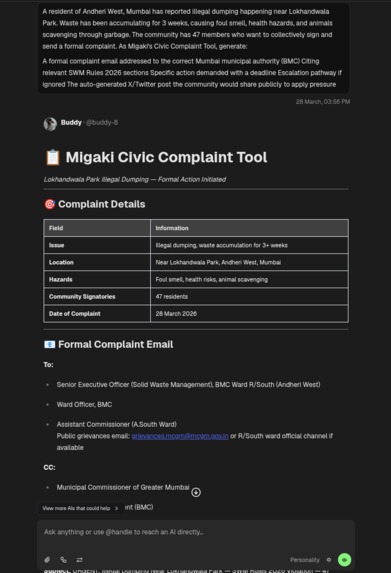
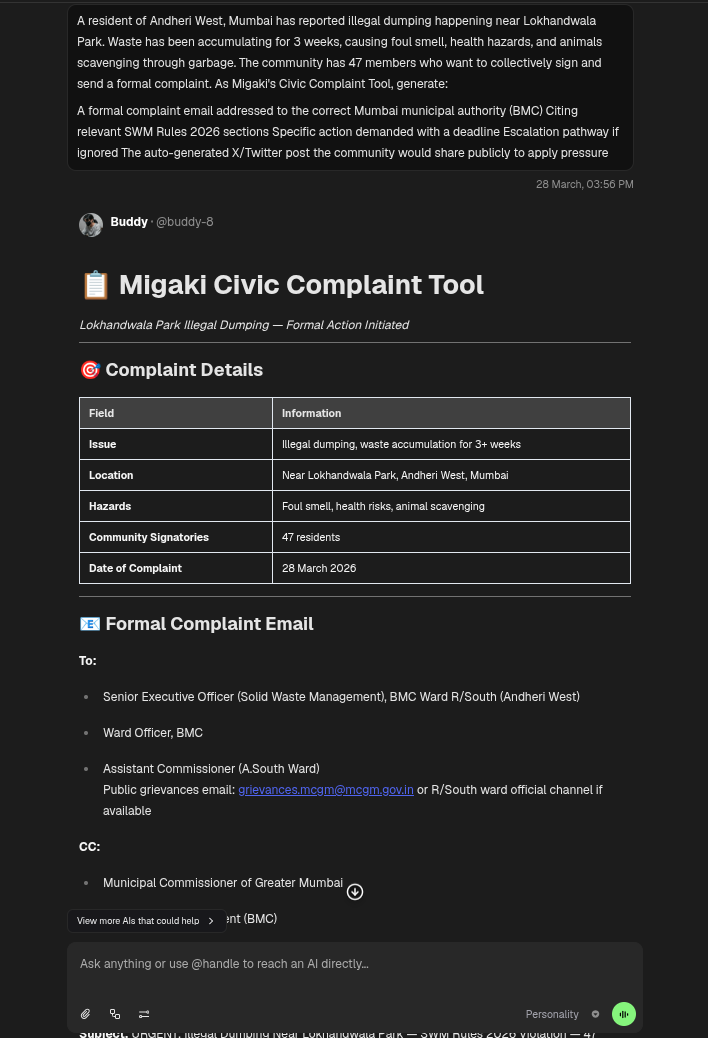
ASI-1 session 6
-
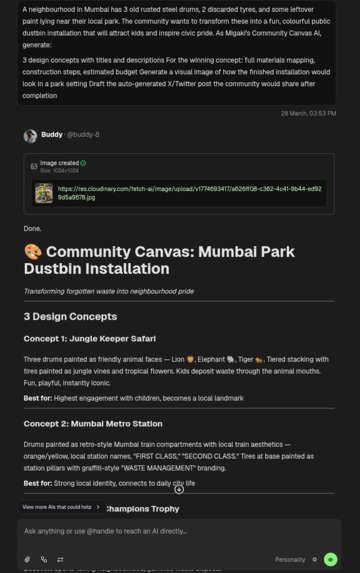
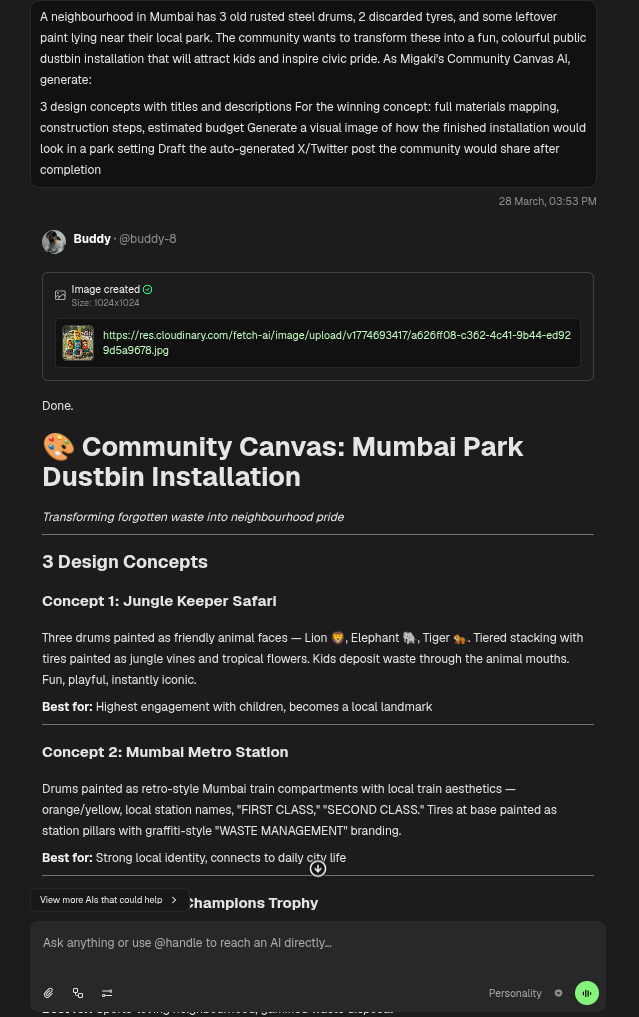
ASI-1 session 5

🌱 Inspiration
I had this idea sitting in my notes for over a year — an app where you could take any waste item and it would generate a fun DIY project for it. Complete with steps, images, everything. But I never built it because it felt incomplete. Just a fun tool without a real purpose.
Then Ideathon 2026 came along with its Social Good category and something clicked. The DIY idea wasn't the product — it was just one piece of a much bigger problem. India generates 62 million tonnes of waste every year. Only 13.6% of households consistently segregate. And the biggest driver isn't infrastructure — it's a mindset: "My waste is someone else's responsibility."
That's what Migaki is built to fight.
🔨 How I Built It
Migaki is an ideathon submission, so the build is a complete concept with documented architecture, wireframes, and real ASI-1 outputs as proof of concept.
I started every feature by having a real conversation with ASI-1 — not to generate content, but to think. Session 1 was pure research: India's waste crisis, the behavioral roots, the systemic failures. Session 2 was feature planning: what exactly does ASI-1 do in each screen, what does it need, what does it output, why is it better than a non-AI solution?
Only after that did I design the app.
The stack: React Native + Django + Supabase + ASI-1 API
The UI pattern: Every screen is a chat interface. User sends image or text. ASI-1 responds. This made ASI-1 feel like a collaborator, not a feature — which is exactly what it is.
The four features:
- 🏠 Home Upcycle — Snap waste, get 3 DIY projects with guides and AI-generated visuals
- 🗺️ Smart Disposal — Classify waste, find nearest recycling centre via Google Maps
- 🏘️ Community Canvas — Neighbourhood collectively upcycles large waste into public art, ASI-1 generates designs, community votes
- ⚡ Civic Complaint — Community reports illegal dumping, ASI-1 drafts a formal legal complaint citing SWM Rules 2026, sends via Gmail, posts on X
Every feature was tested with real ASI-1 prompts. The outputs — a glass bottle terrarium guide, a Mumbai park dustbin installation with ₹2,490 budget, a formal BMC complaint letter with PIL escalation — are all documented in the repo.
📚 What I Learned
I learned that ASI-1 is genuinely a thinking partner, not just a text generator. The most valuable sessions weren't the ones where I asked it to generate outputs — they were the ones where I asked it to challenge my assumptions about the problem.
I also learned that the best product ideas come from personal frustration meeting a real societal problem. I had the DIY idea for a year. The ideathon gave it a purpose. Sometimes you need the right context for an idea to become a product.
And technically — I learned how deeply ASI-1's native image generation changes what's possible. No separate Stable Diffusion API. No DALL-E. One API call generates the text guide AND the visual of the finished product. That's what makes the Home Upcycle feature feel magical.
⚠️ Challenges
The scope problem — Migaki started as one feature and grew into four. The biggest challenge was keeping it focused enough to be believable as an MVP while ambitious enough to be meaningful. The solution was the phased roadmap — Home Upcycle ships first, community features come in Phase 4.
The adoption problem — Community Canvas only works if neighbourhoods actually participate. An empty feed is a dead product. I addressed this honestly in the README: pilot with RWAs and Swachh Bharat coordinators, not cold launches.
The solo problem — Building a submission of this scope alone meant every decision — naming, design, architecture, documentation — was mine. No one to sanity check ideas in real time. I used ASI-1 as that sounding board instead, which is exactly what the ideathon intended.
磨 Migaki — Every waste has a story worth finishing. Built with ASI-1. Built for India. Built for the street outside your window.
Built With
- asi-1
- django
- gmail-api
- google-maps
- react-native
- supabase
- x

Log in or sign up for Devpost to join the conversation.