-
-
Microscope Assisstance
-
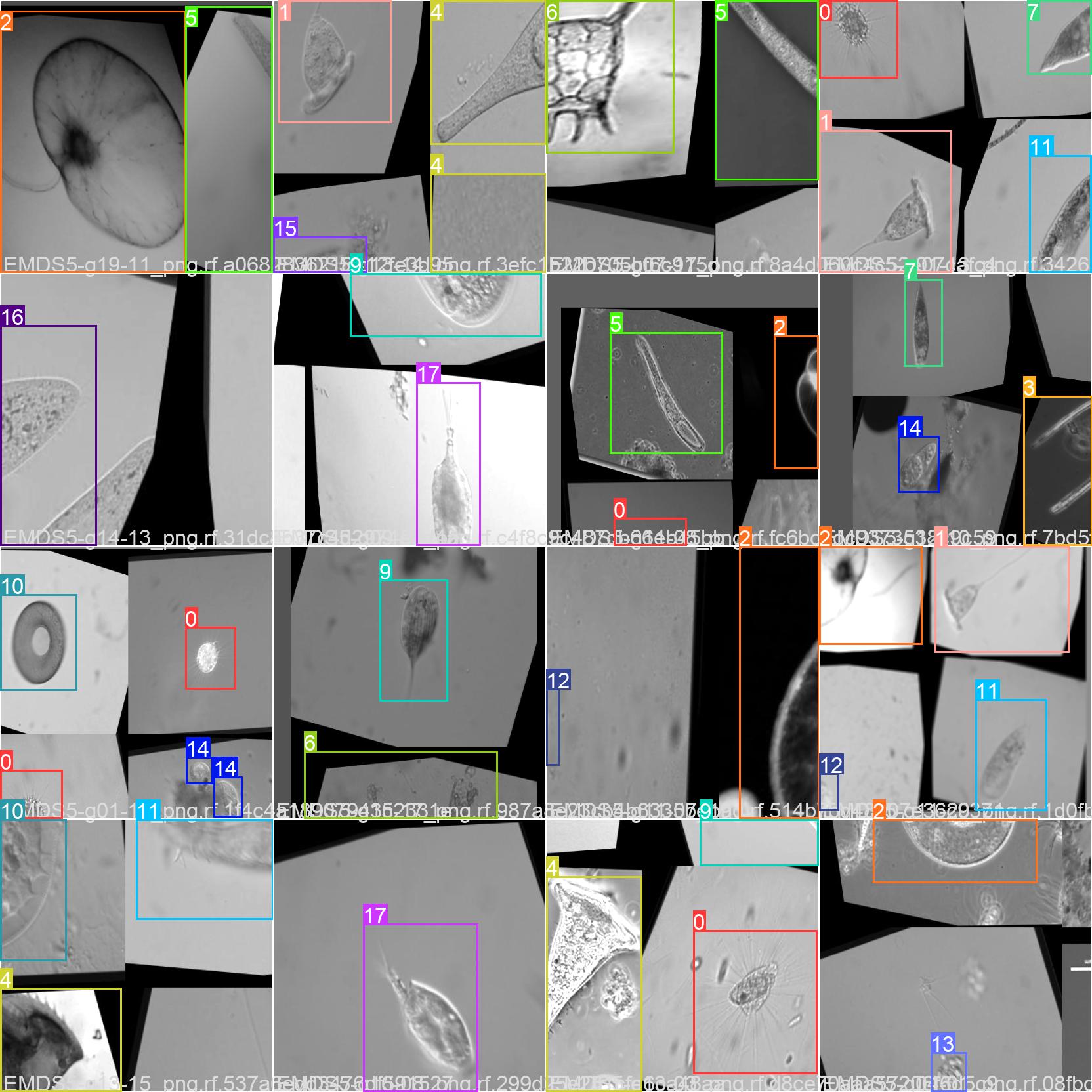
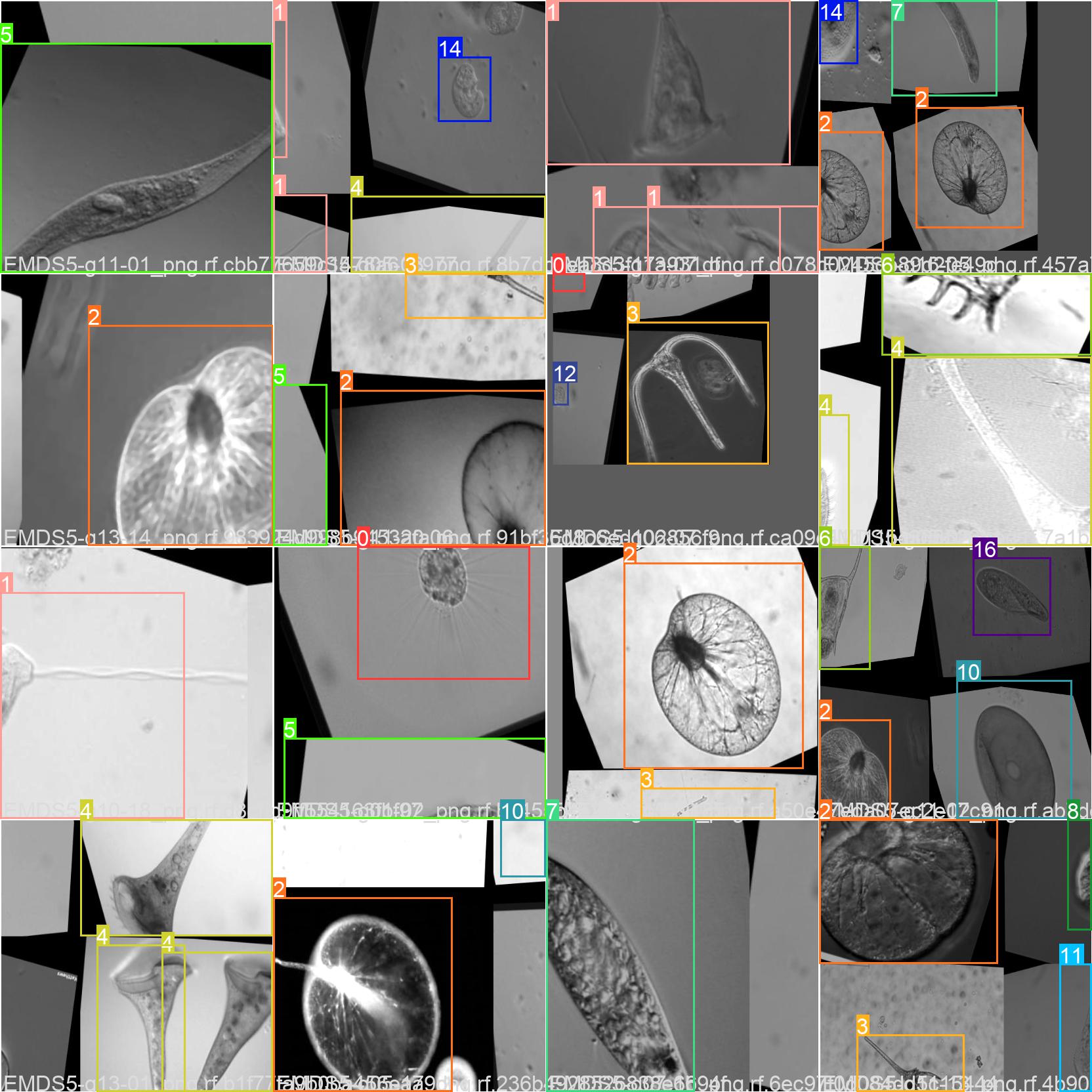
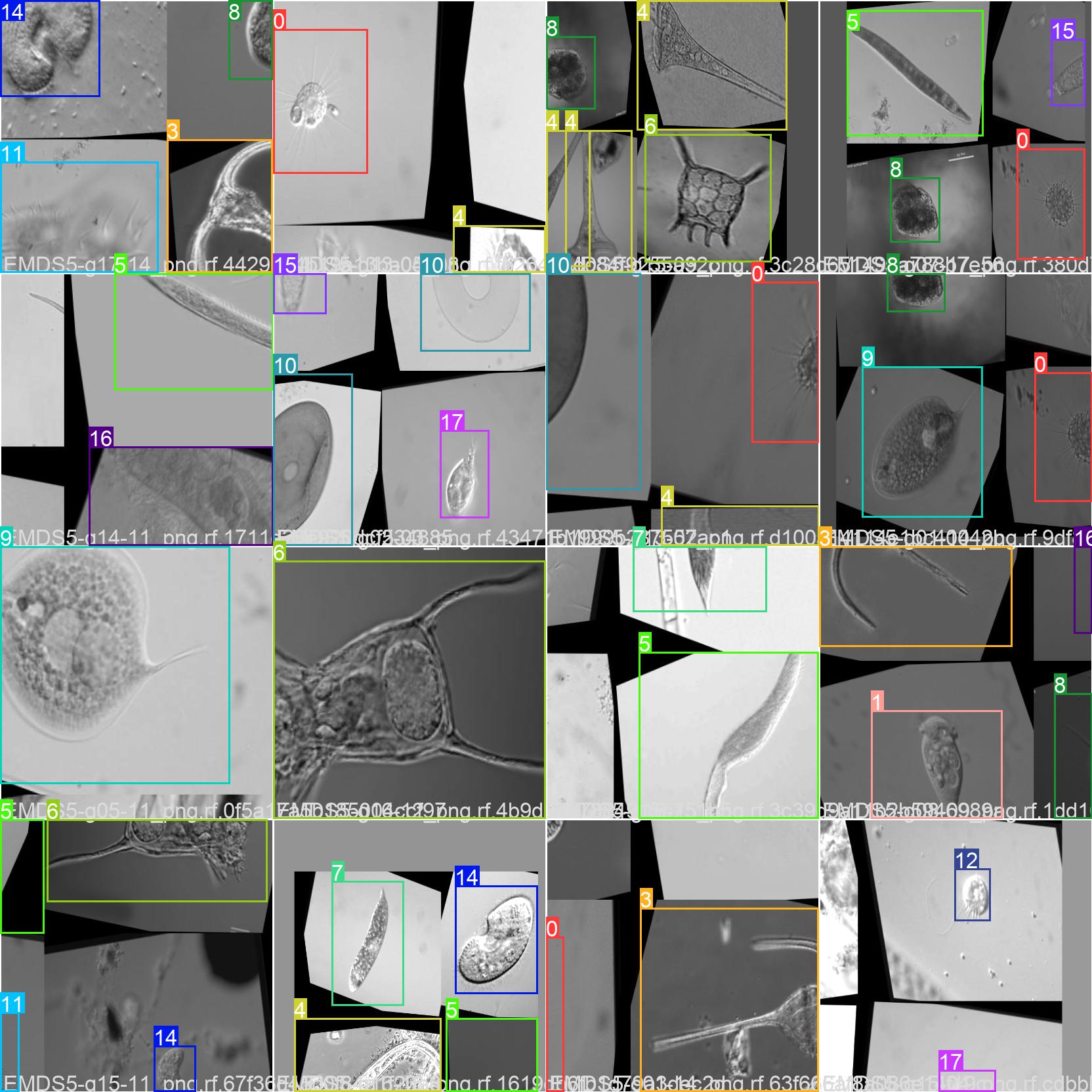
Predictions 1
-
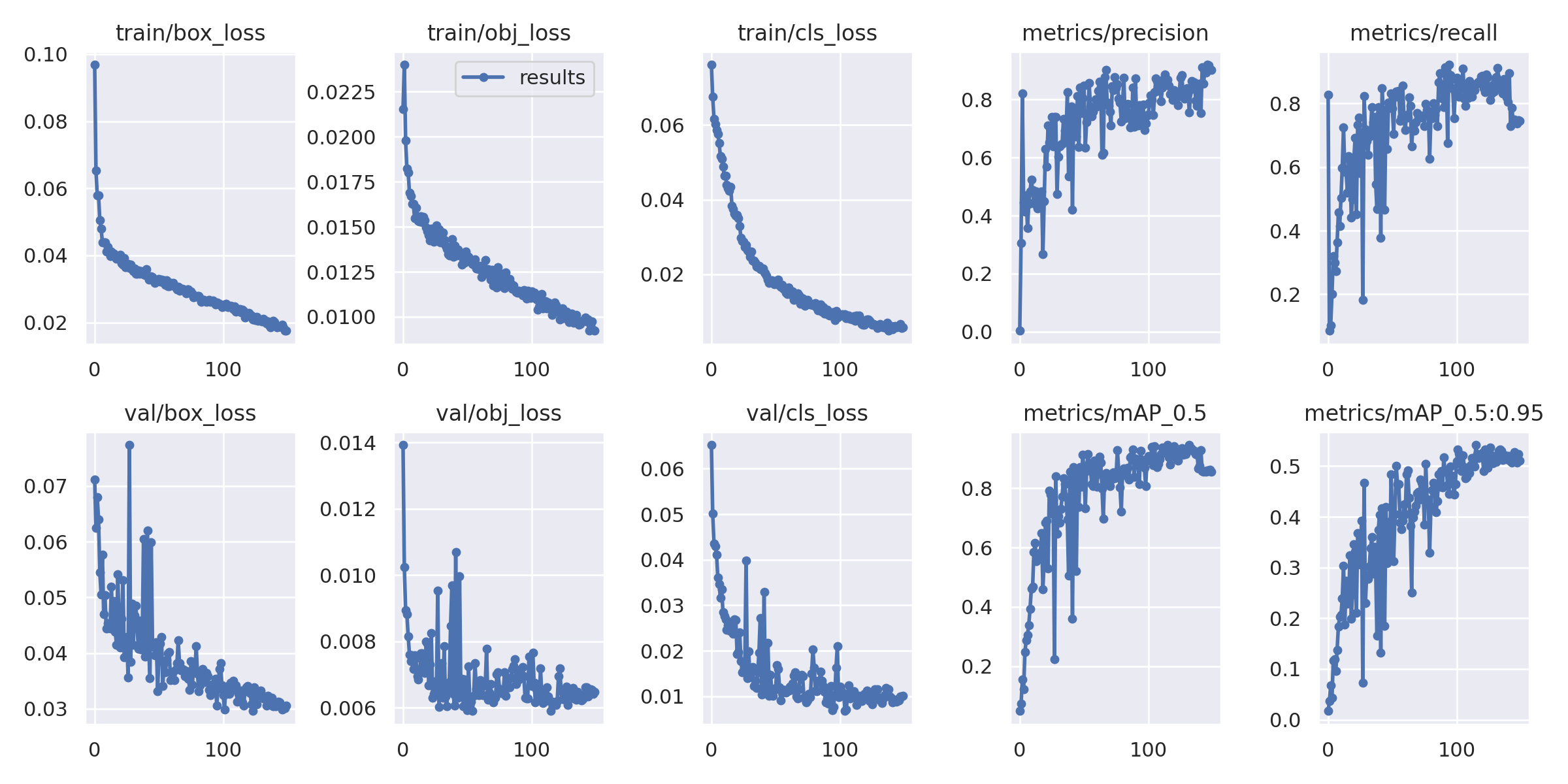
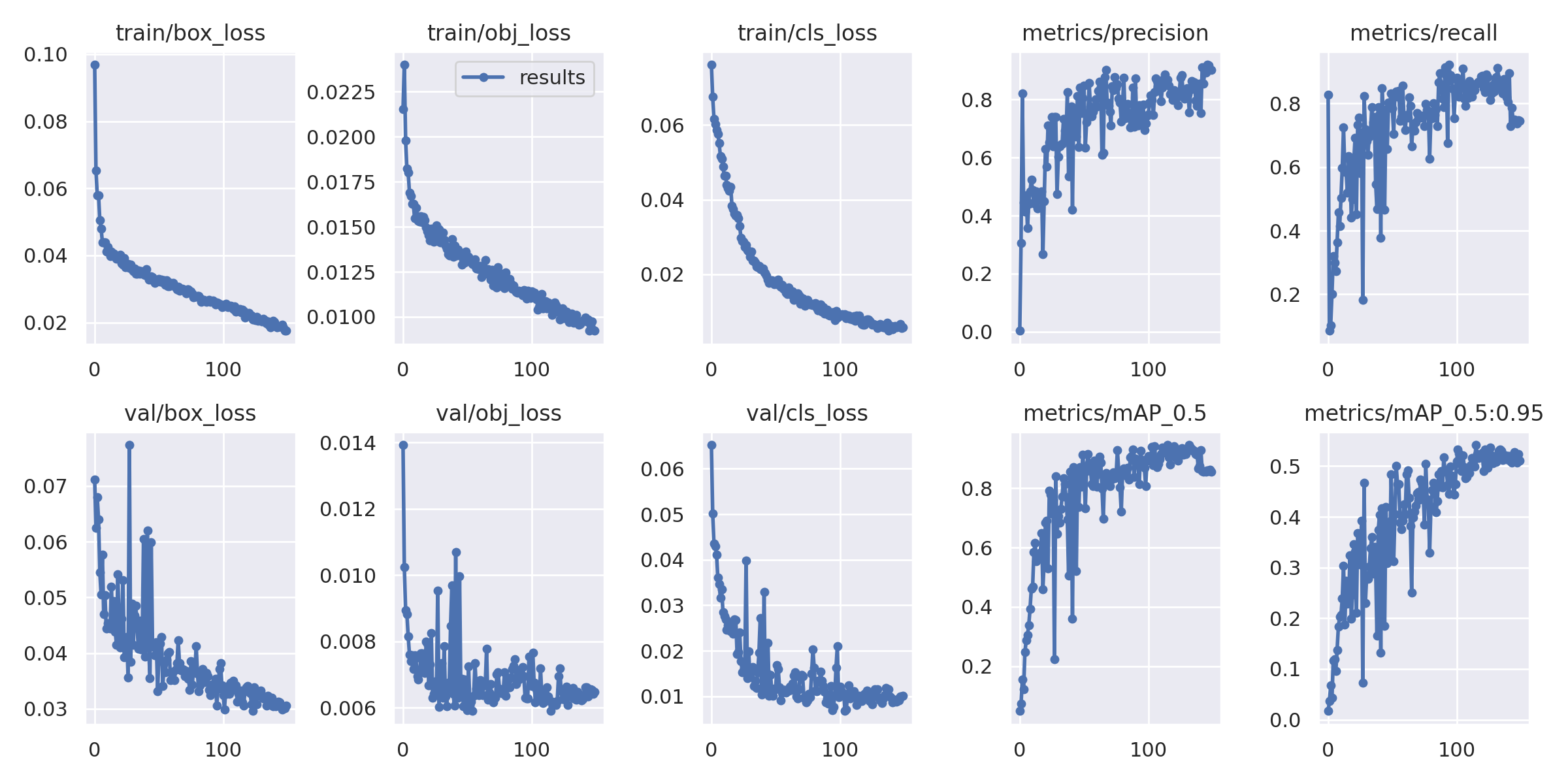
Results
-
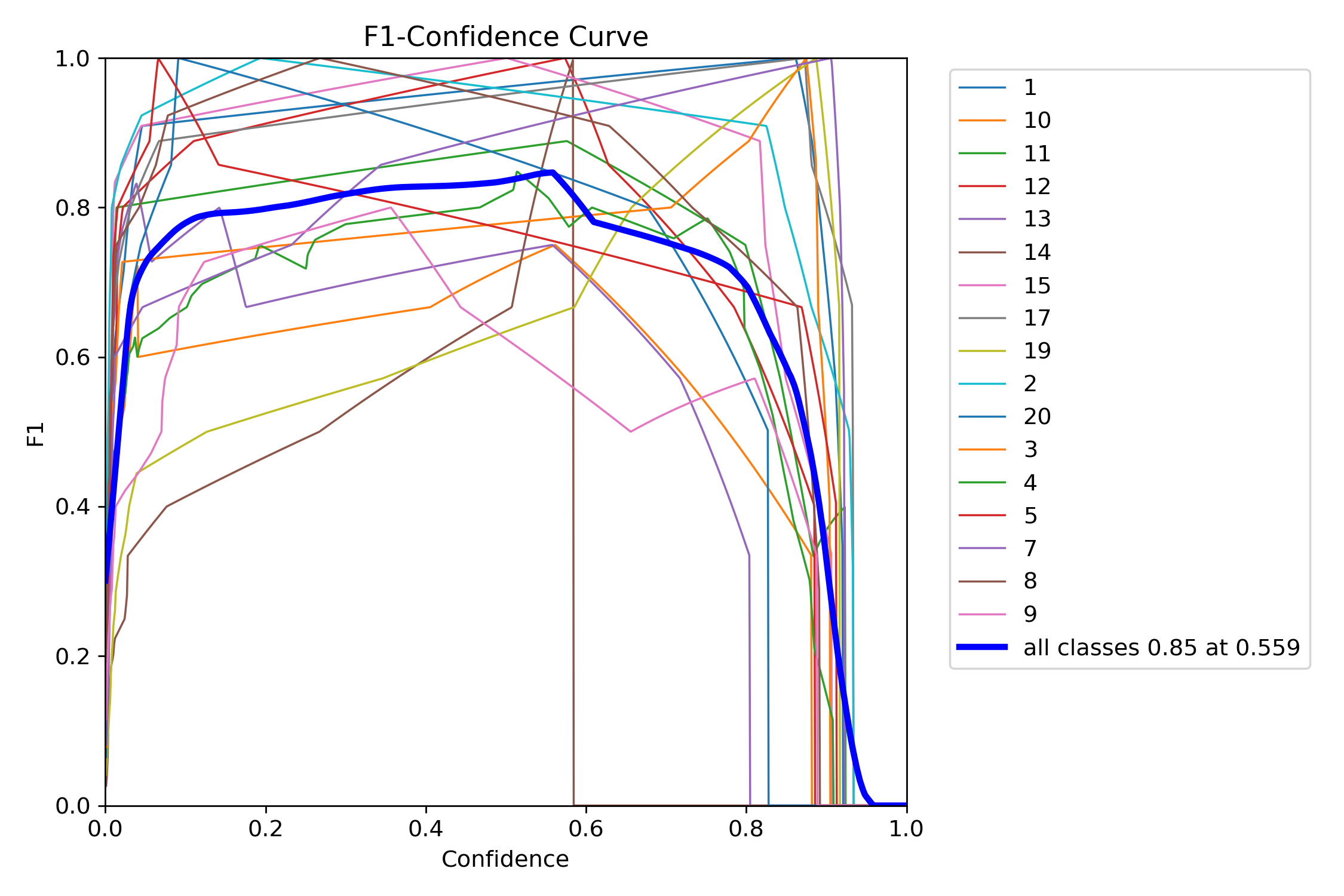
F1 curve
-
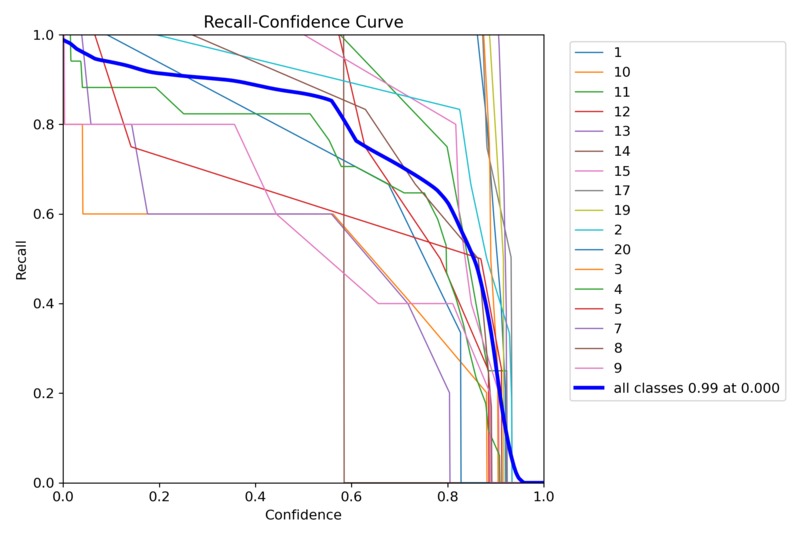
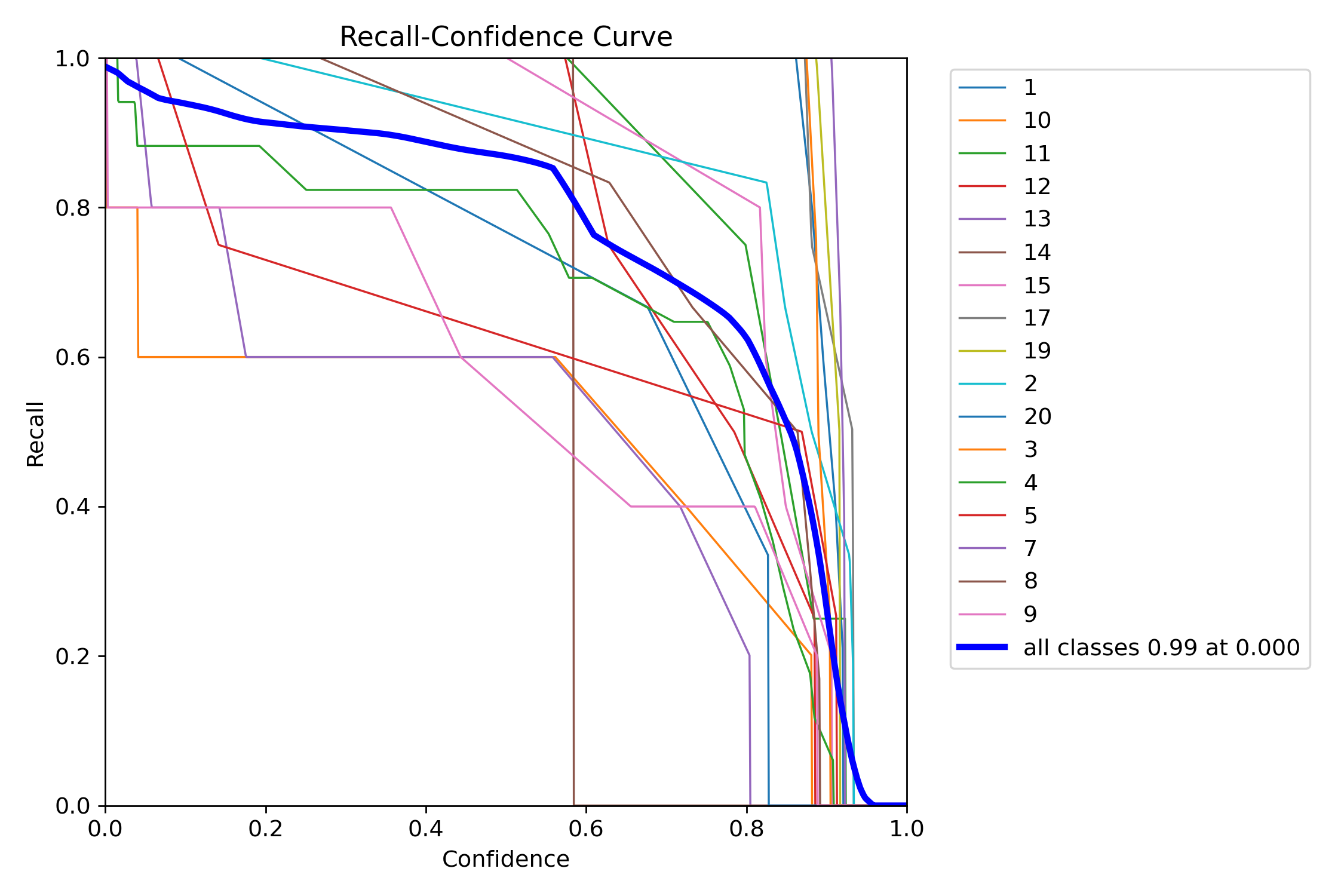
R curve
-
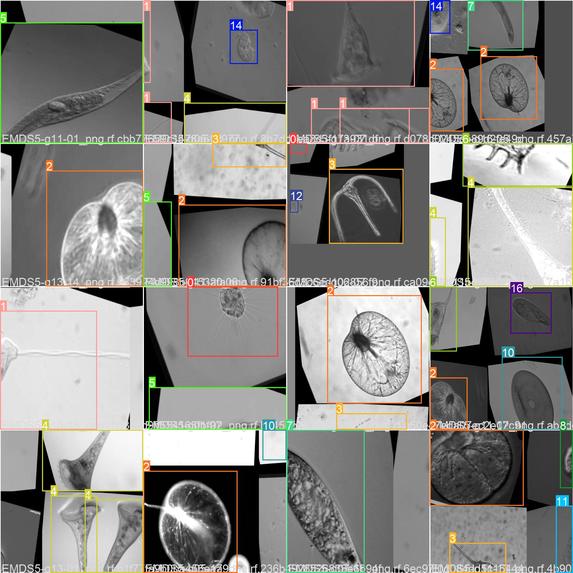
Predictions 2
-
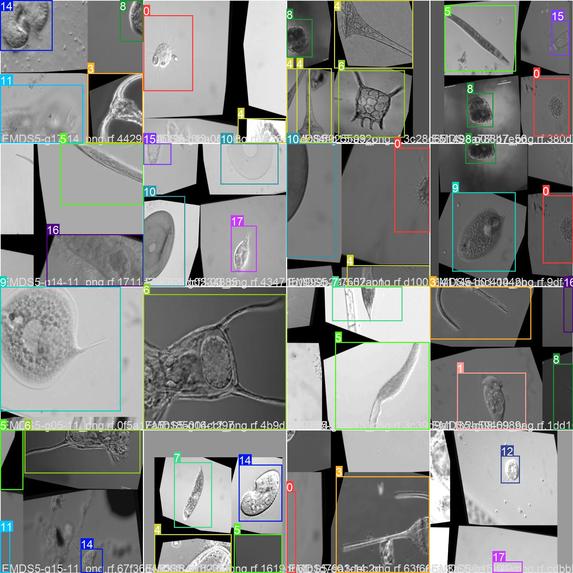
Predictions 3
Inspiration
Microorganisms are interesting, beautiful, and very invisible to the naked eye. Studying them would unravel the very reason for the existence of life on earth. This app that I created uses modern technologies like AI (object detection) to help armatures and students study the vast universe of micro-organisms.
What it does
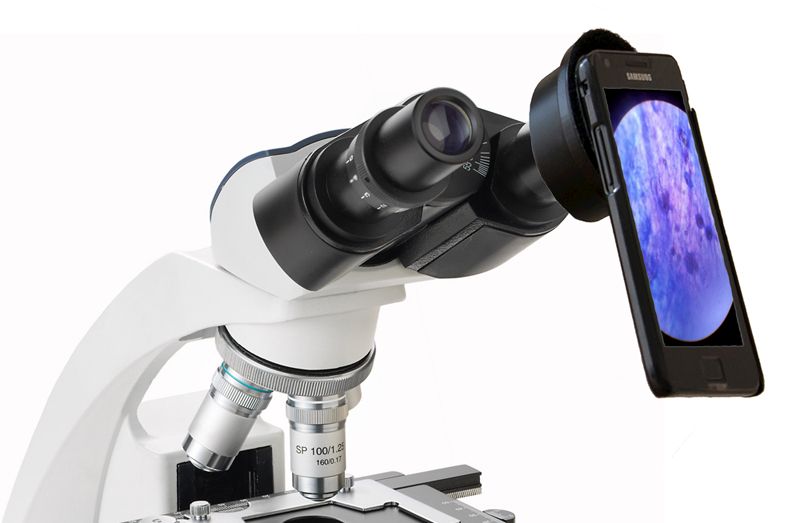
This app when installed on a device and attached to a microscope as shown in the image, would detect microorganisms from the camera input and display what microorganism it is.
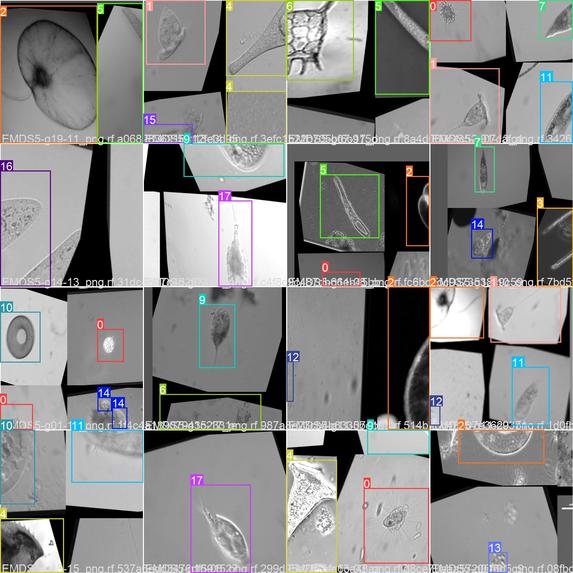
The model was trained using YOLOv5 with the data that was manually annotated using Roboflow which was collected from here. The model generated predicts between the following classes (class numbers):
- Actinophrys
- Arcella
- Aspidisca
- Codosiga
- Colpoda
- Epistylis
- Euglypha
- Paramecium
- Rotifera
- Vorticella
- Noctiluca
- Ceratium
- Stentor
- Siprostomum
- Keratella Quadrala
- Euglena
- Gymnodinium
- Gonyaulax
- Phacus
- Stylongchia
- Synchaet
Further, the user/student can click on any organism with the detected bounding box to get more details about the organism. This would create a very interactive and fun way of exploring and learning about microorganisms
How we built it
First, the images were collected from here. The images were filtered and manually annotated using software called Roboflow. Then the data was exported to Google Colab. YOLOv5 was used to train and export the model. By leveraging the tflite features of TensorFlow, the model was used to predict the microorganisms in real-time. The app was built using react-native using the expo CLI.
Challenges we ran into
One of the major challenges was that we were unable to properly integrate the exported model to the app, as there was less time and very less tutorials about it. Even though the model produced worked perfectly on integrating with the laptop's camera, it was difficult to replicate it in react-native.
Accomplishments that we're proud of
We are proud of the model that we generated with a self-annotated small dataset.
What's next for Microscope Assistance (Edu app)
The first step would be, finishing the integration of the model with the app would be the first priority. Then we would like to include more micro-organisms and expand the dataset. And ultimately use the app in institutes and allow the amateurs and students to explore and learn more about the vast invisible universe of microorganisms


Log in or sign up for Devpost to join the conversation.