-
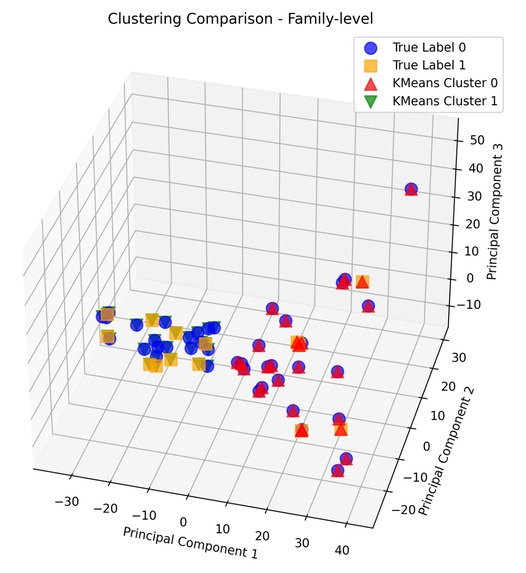
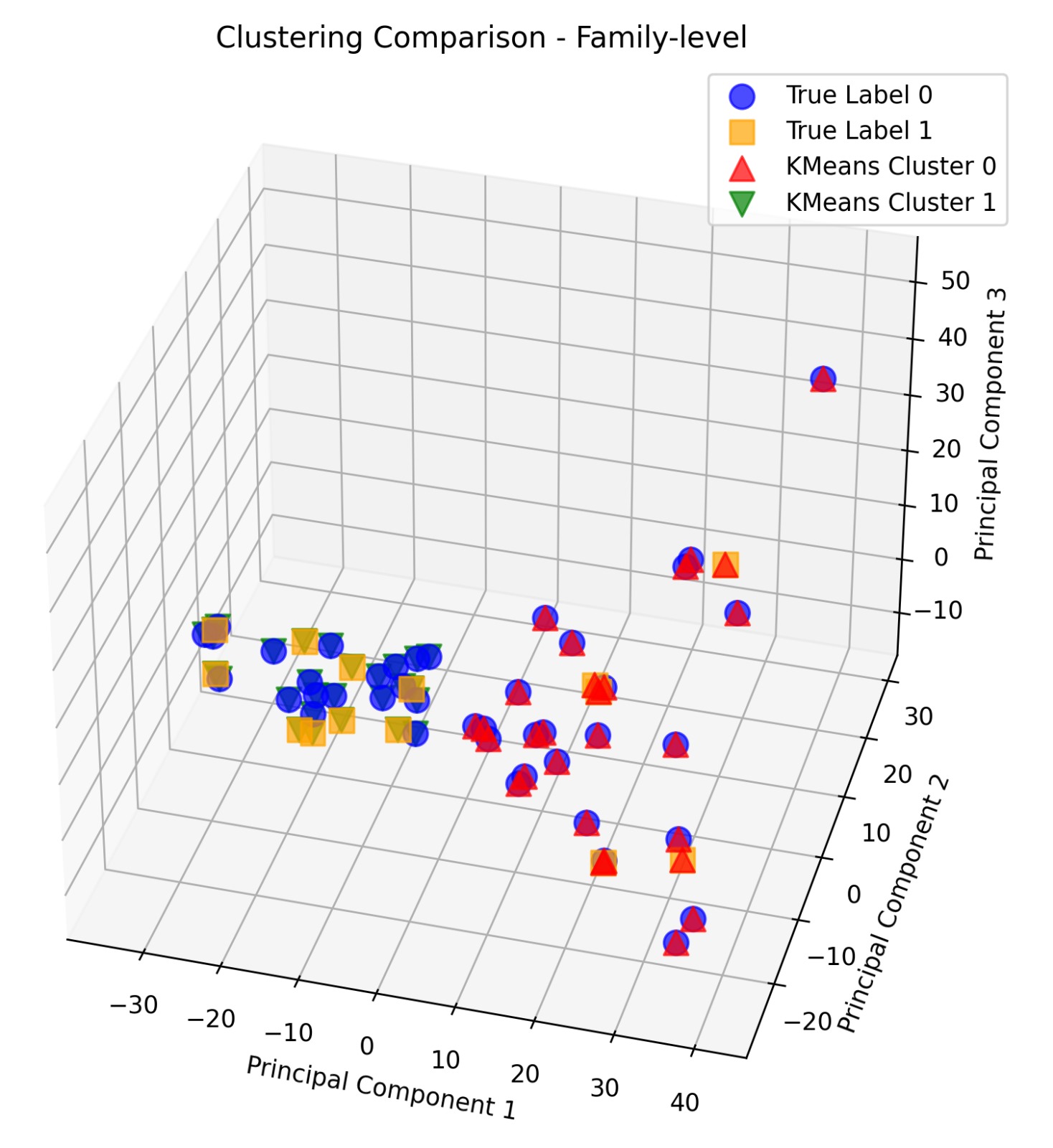
PCA 3D analysis for family taxon
Inspiration
The inspiration for this project comes from growing evidence suggesting a significant relationship between the microbiome and various aspects of human health, including fertility. Exploring how the composition of the seminal microbiome influences male fertility is an area that has received less attention compared to other microbiome studies.
What it does
This project analyzes seminal microbiome samples to identify patterns that may be related to fertility or infertility. Using advanced data analysis and visualization techniques, such as dendrograms, we aim to uncover correlations between the presence of certain microbiotas and the fertility status of subjects and the relationship between them.
How we built it
We built the project using python and the information we found on the internet about the matter. We also used several datasets provided by the organizers of this
Challenges we ran into
We faced several challenges, including accuracy in understanding how to treat the data on the datasets to cluster the microbiota. Additionally, discerning meaningful or not meaningful discoveries.
Accomplishments that we're proud of
We are proud to have gotten to know this research challenge and gotten some meaningful data that can help on the development of the study.
What we learned
We learned about the complexity of the microbiome and its relationship with fertility, as well as the value of advanced statistical techniques in the analysis of biological data. We also gained a better understanding of the importance of an interdisciplinary approach combining bioinformatics, biology, and statistics because we found that without some advices from the organizers of the challenge we did not have the theoretical background to work.
What's next for Seminal Microbiome
The next step for the Seminal Microbiome project includes expanding the research to include a broader and more diverse dataset and evaluating if the results of this hackathon are useful to do a step forward on the research.


Log in or sign up for Devpost to join the conversation.