-
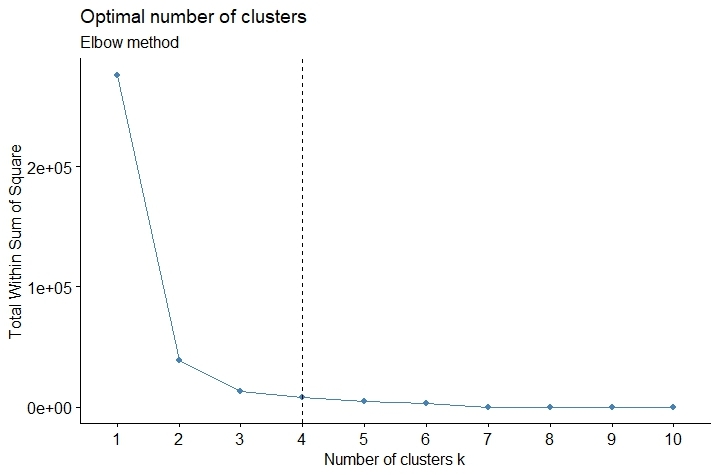
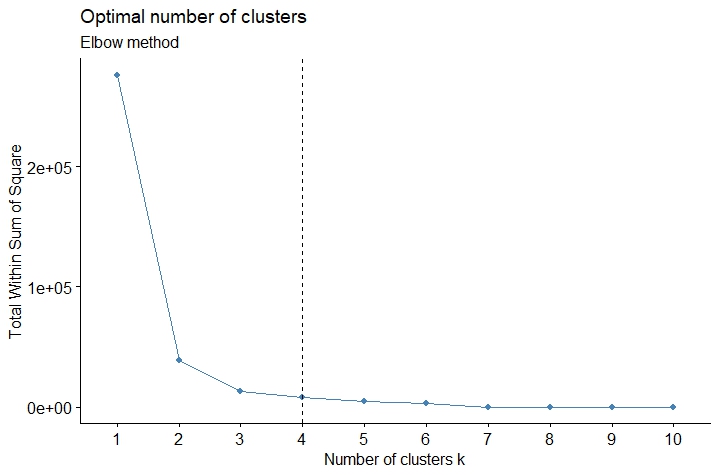
Elbow method
-
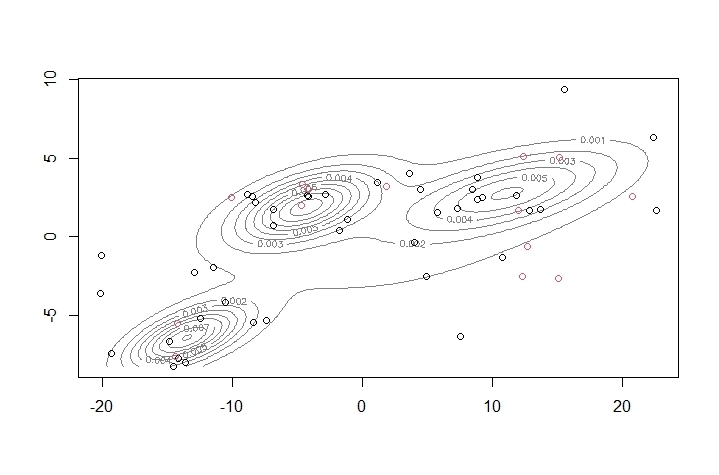
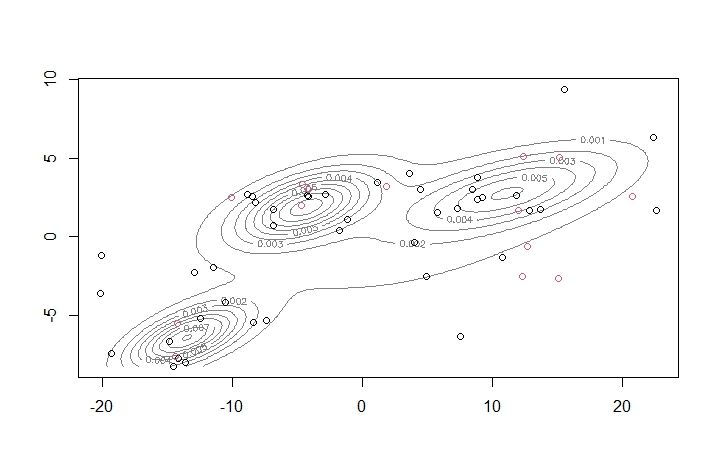
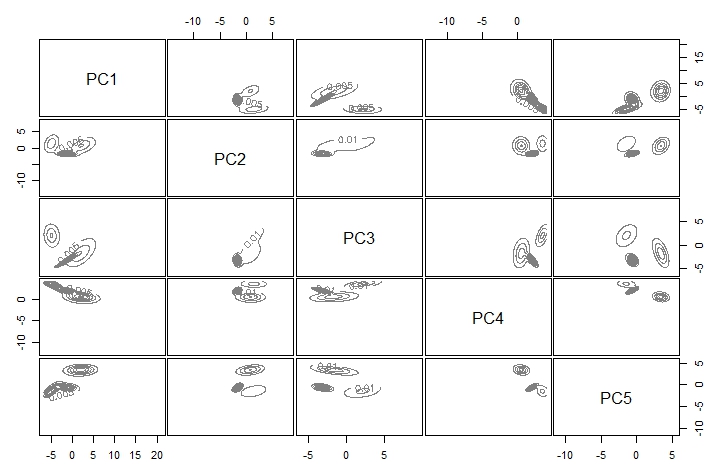
GMM_lmds_example
-
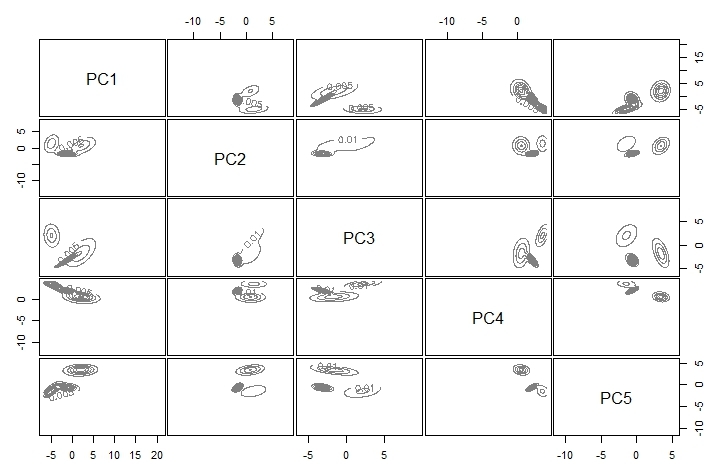
GMMpca
-
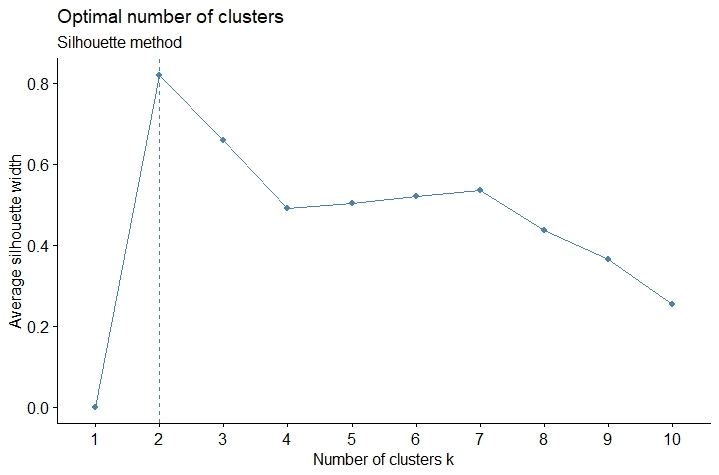
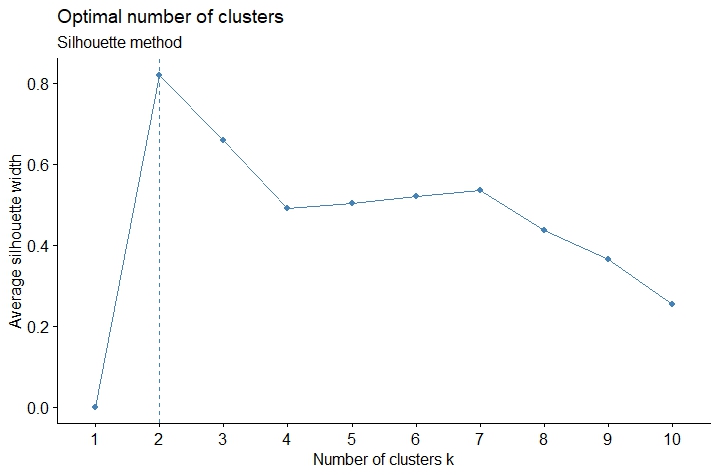
silhouette
-
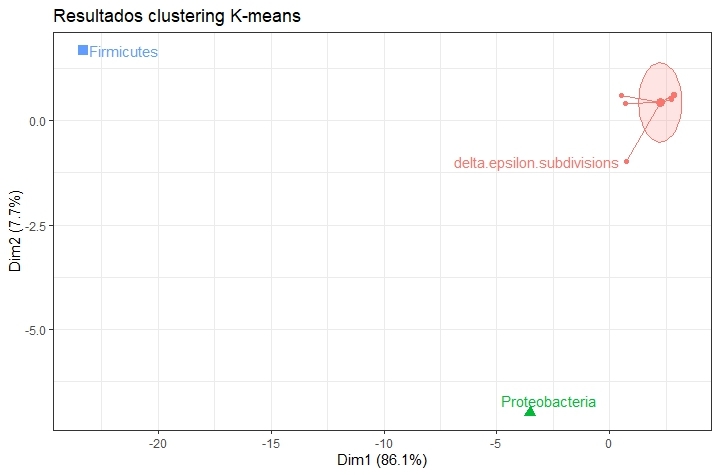
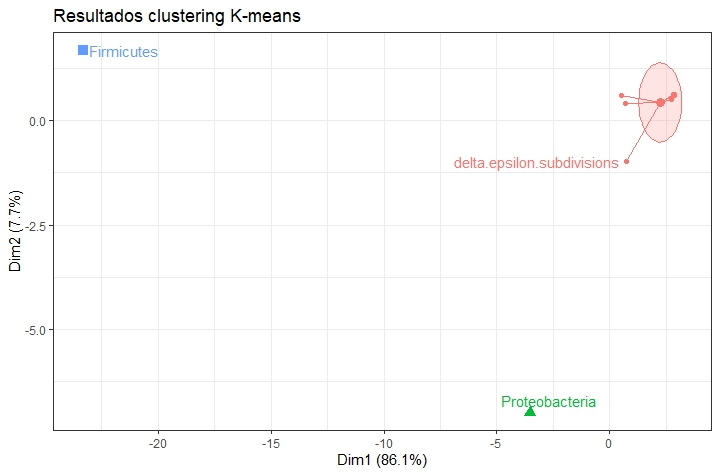
K-means
-
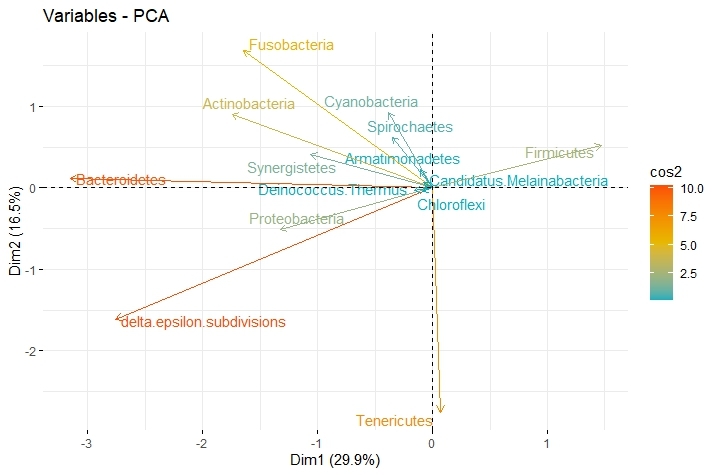
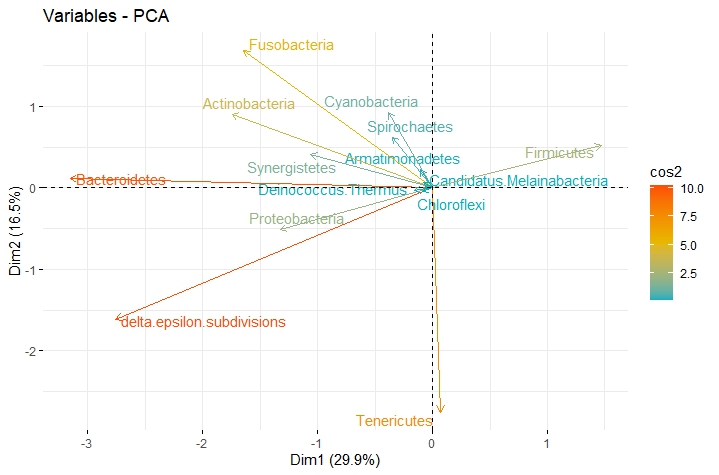
Cos2-Quality
-
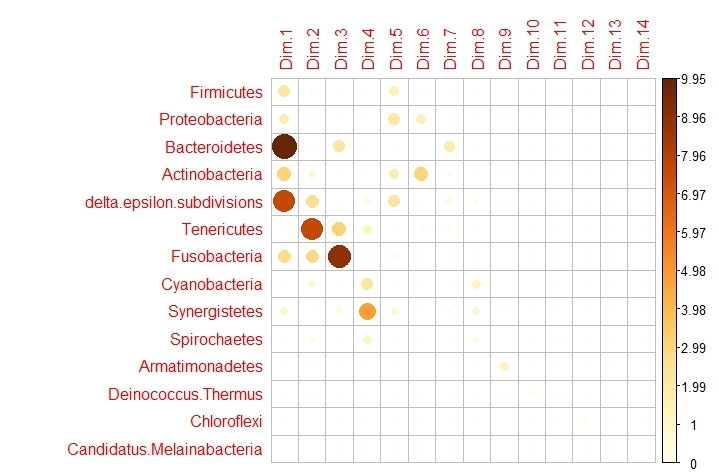
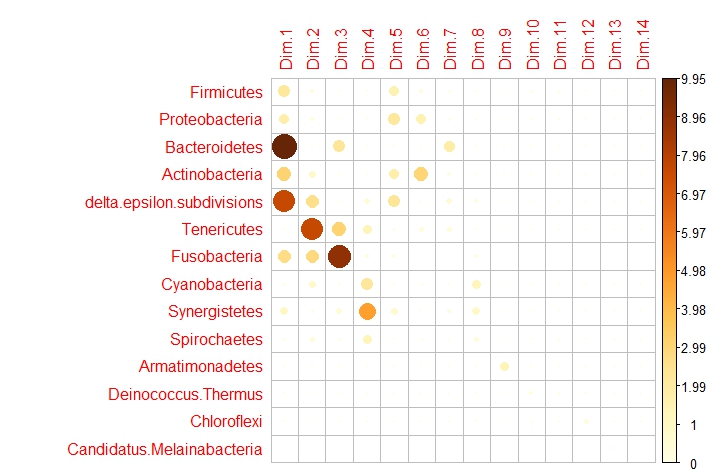
HeatplotPCA
-
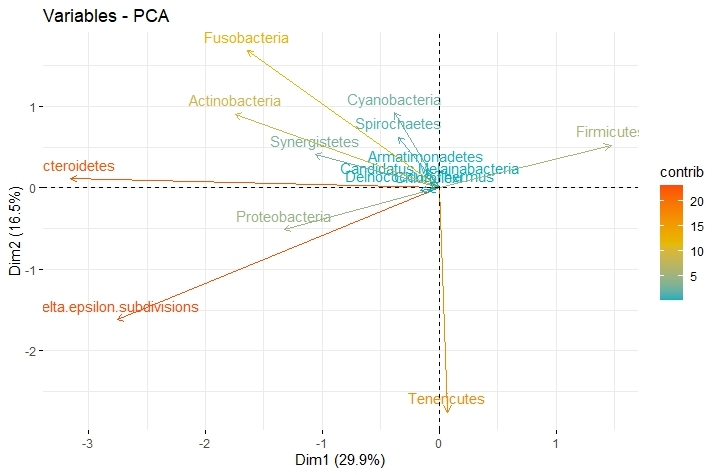
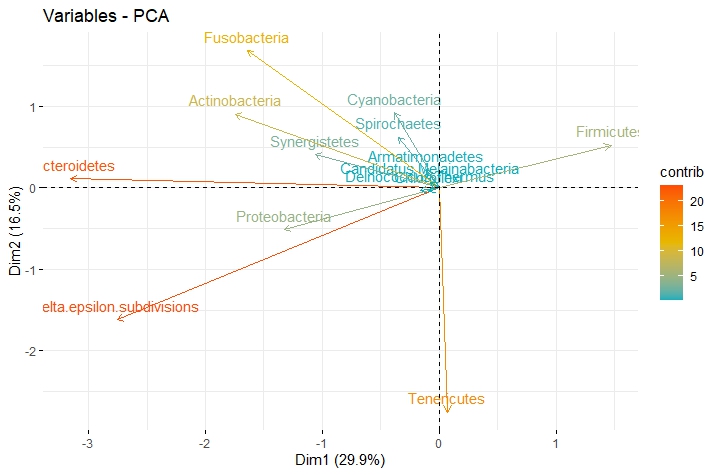
Contribution PCA
-
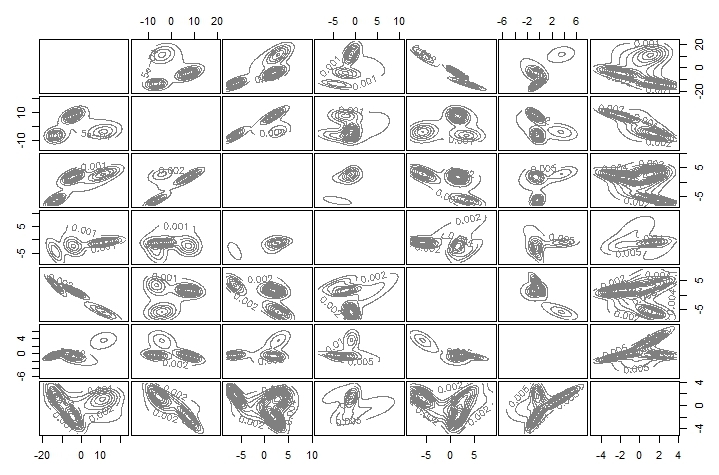
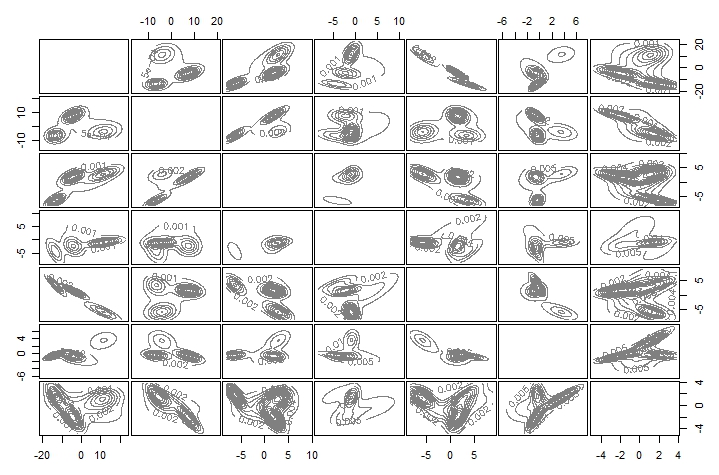
GMM_lmds
-
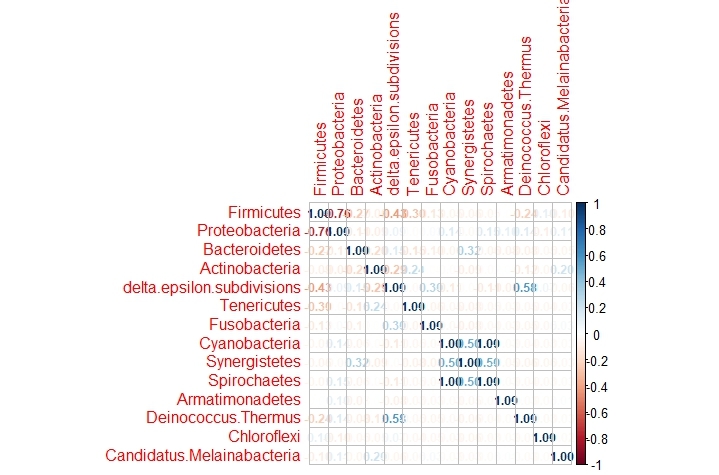
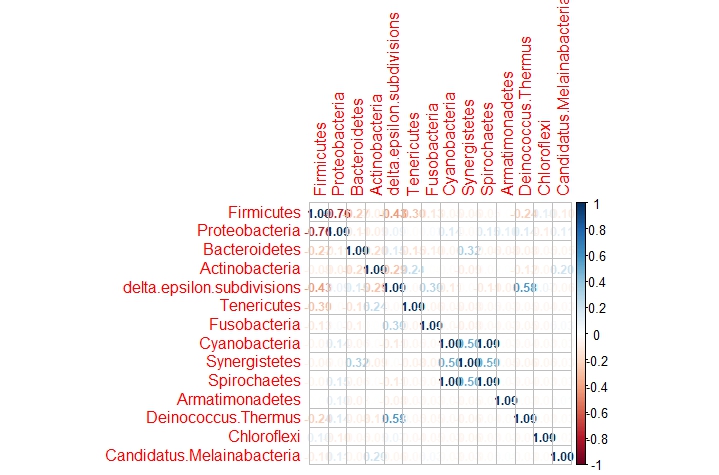
Correlation matrix
Inspiration
This project motivates us to conduct a detailed analysis of the bacteria that impact male infertility. Given the scarcity of results in recent research, continuing this study proves to be of utmost importance. Exploring new perspectives and patterns in the dataset of seminal bacterial abundances and its correlation with male fertility emerges as a valuable opportunity to contribute to the understanding of this phenomenon.
What it does
The code for our analysis initially processes the Phylum-level dataset. Since the dataset is quite small, we have applied logarithmic transformations to avoid having 0 and 1 values in the data. The dataset consists of patients, and the variables represent the presence of bacteria in percentage terms. Subsequently, we applied the PCA technique to visualize the most relevant dimensions and identify which variables are the most redundant in the analysis according to the obtained dimensions. Additionally, we applied clustering to analyze which bacteria belong to each group and subsequently relate their biological function. To determine the number of clusters, we employed techniques such as the Elbow method, Silhouette Method, and GAP Statistic Method, resulting in 3 clusters for the analysis.
How we built it
We chose to use R to develop our project due to its extensive range of statistical libraries that we applied, such as (sm), (stops), (mclust), (Rtsne), (MASS), (LaplacesDemon), (factoextra), (FactoMineR), (stats), and (corrplot). The versatility of R and the availability of these libraries provided us with a robust set of resources for performing various statistical analyses and visualizations, enhancing the depth of our project. The combination of these libraries allowed us to explore and implement advanced techniques in dimensionality reduction, clustering, and correlation analysis, contributing to the overall robustness and sophistication of our analytical approach.
Challenges we ran into
The main challenge we have faced in the realization of this project is having to work with a dataset that is too small for the type of analysis we wanted to perform. Because of this, it has not been possible to draw firm conclusions about the correlations between microorganisms and their involvement in male fertility or infertility. Another challenge has been in the metadata level, as we did not have official documentation, rather than we had to ask the people in charge and sometimes the responses would vary. We understand that this was maybe a first attempth in analysing this specific dataset, so we are sure that the next analyses will be more organised.
Accomplishments that we're proud of
Participating in the Hackathon organized by the FIB has not only allowed us to apply analysis techniques aligned with our master's/degree studies but has also been a valuable experience in pushing the boundaries of our skills and knowledge. Moreover, the event has served as a platform for networking and exchanging ideas with fellow participants. The diverse range of problems presented in the Hackathon has broadened our perspectives and provided practical insights into the application of our academic knowledge in a dynamic and collaborative setting.
What we learned
As students from the FIB, we have some experience and practice with the use of the technologies employed in this project. In comparison, our knowledge of biology is almost non-existent, but carrying out this project has allowed us to learn many new things about various types of microorganisms and to relate them to the technology and tools we use on a daily basis.
What's next for Microbioma Seminal
As it is a relatively recent area of biology, there is still much to investigate regarding the seminal microbiome. In the near future, when there is access to more patient data, it will be possible to explore and analyze in greater depth. In addition, a more concise way of providing metadata knowledge would help the future data analysts in carrying out the requested tasks and fulfill the requirements of the area.
Built With
- r
- rstudio

Log in or sign up for Devpost to join the conversation.