Inspiration
Heart Rate Detector (Pulse Detector) Because the heart's function is so critical, knowing your heart rate is crucial. The heart, in particular, is in charge of transporting oxygen and nutrient-rich blood throughout your body. Everything in the body is affected when it isn't functioning properly. Your heart rate is one way to assess your heart health — and, by extension, your overall health. Measuring your resting heart rate (RHR), which is the number of heart beats per minute when you're at rest, gives you a real-time picture of how healthy your heart muscle is. Adults' heart rates typically range between 60 and 100 beats per minute. A RHR of more than 100 indicates anaemia or cardiomyopathy, while a RHR of less than 60 indicates hypothyroidism, cardiac disease, high potassium levels in the blood, or some illnesses. At the same time, someone's heart rate may be slower due to being physically fit or pregnant, taking medication, or sleeping irregularly. Because there are no concrete metrics to go by, it's vital to remember that a healthy heart rate will vary depending on the situation.
Wilson Syndrome
Wilson's illness threatens the lives of almost 20,000 people by causing organ or liver failure. Wilson's Syndrome is a recessive genetic ailment that affects your body's capacity to eliminate excess copper, resulting in a deadly build-up. However, if diagnosed early enough, this illness can be cured. Some persons in remote and neglected locations, unfortunately, may not have access to healthcare. I concentrated on this group of people and developed a web service that can identify Wilson's disease using a symptom known as Kayser-Fleischer rings, which are brown rings around the iris produced by an excess of copper.
Genetic Diseases
With a global population of over 7.6 billion people, around 61 crore people are affected by uncommon genetic illnesses. Despite the fact that this is a large report, we still don't see them receiving sufficient care. They are an underserved segment of our community, and we must take appropriate measures to help them. Though we may not be able to entirely cure the majority of them, we can certainly make a difference in their life by making small gestures.
What it does
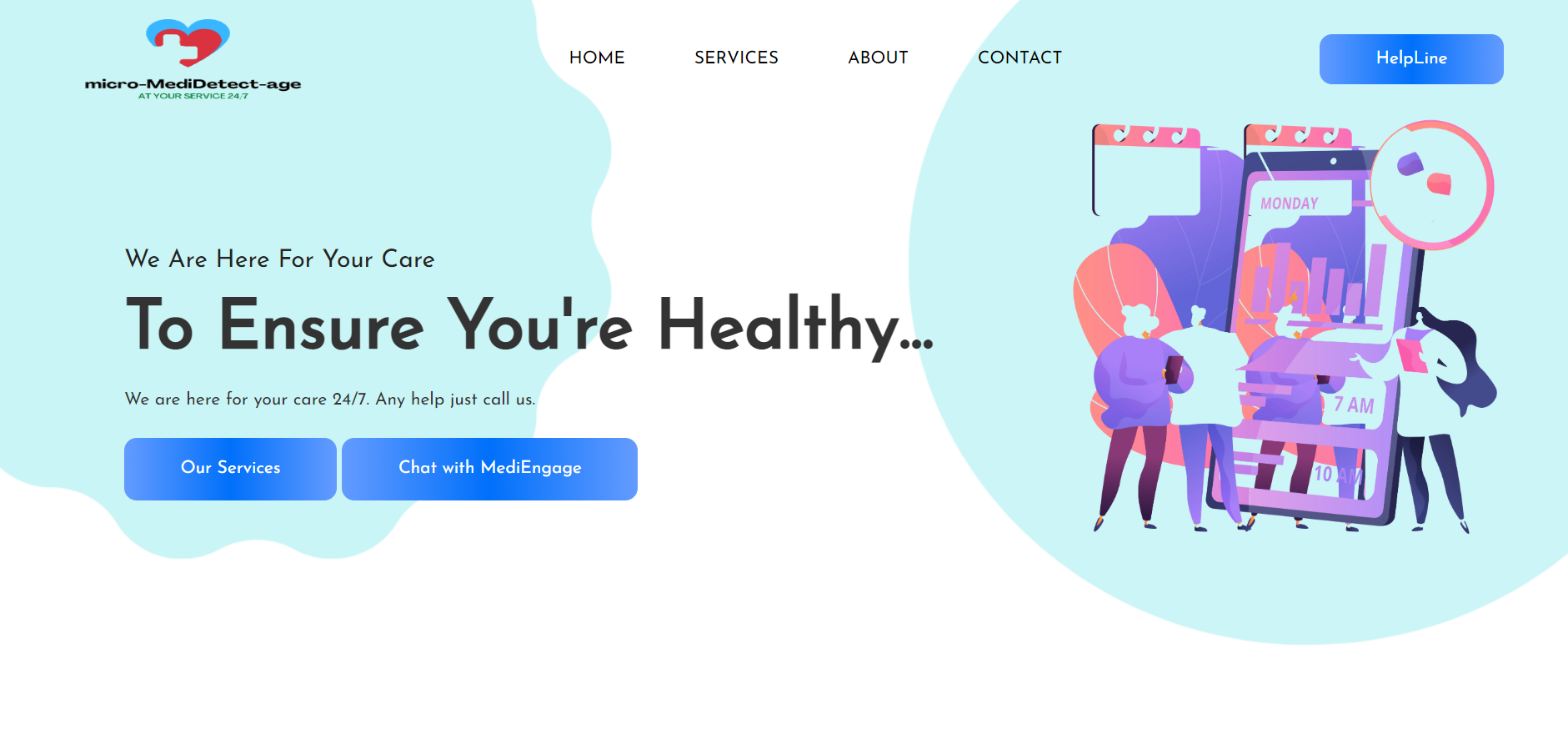
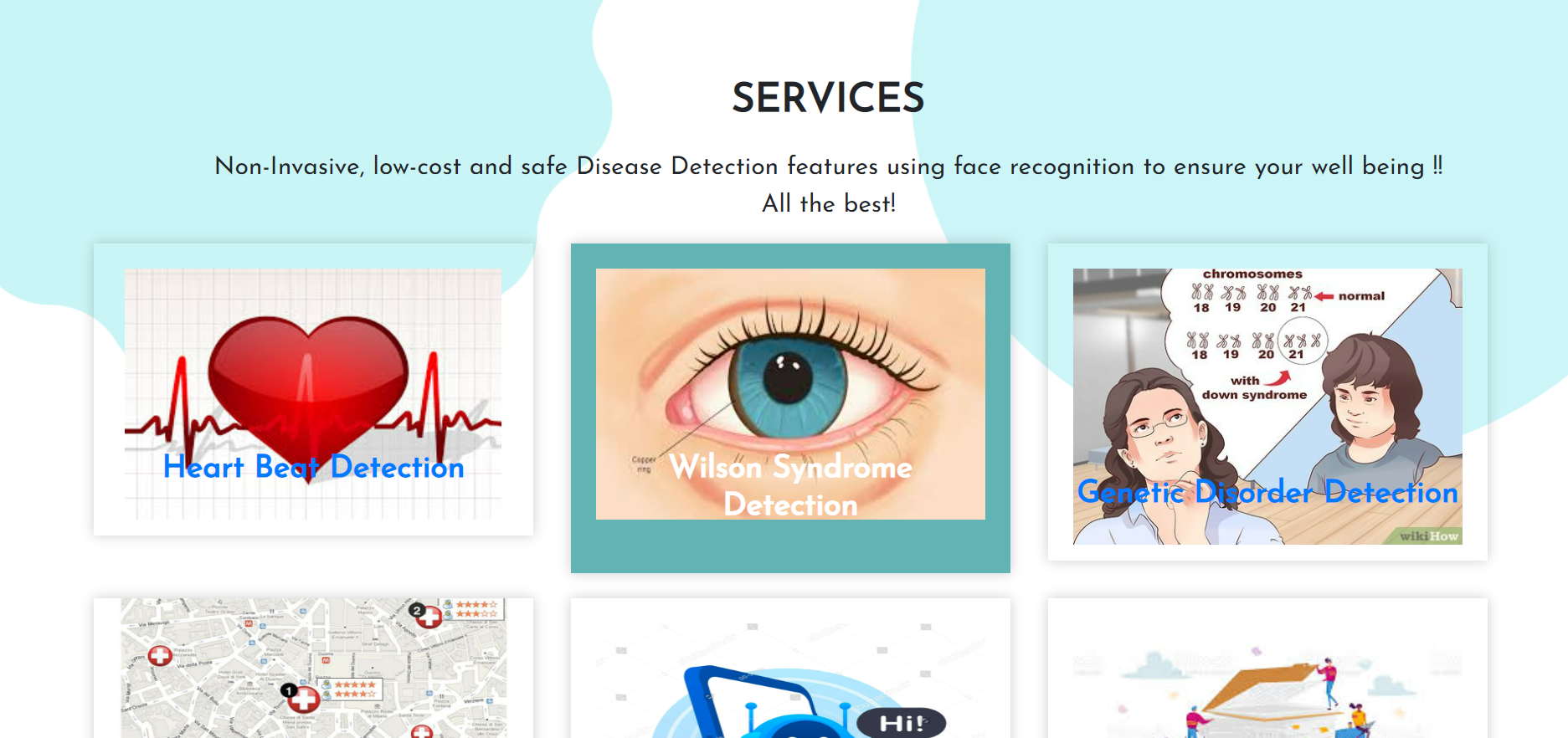
Features/Project Services
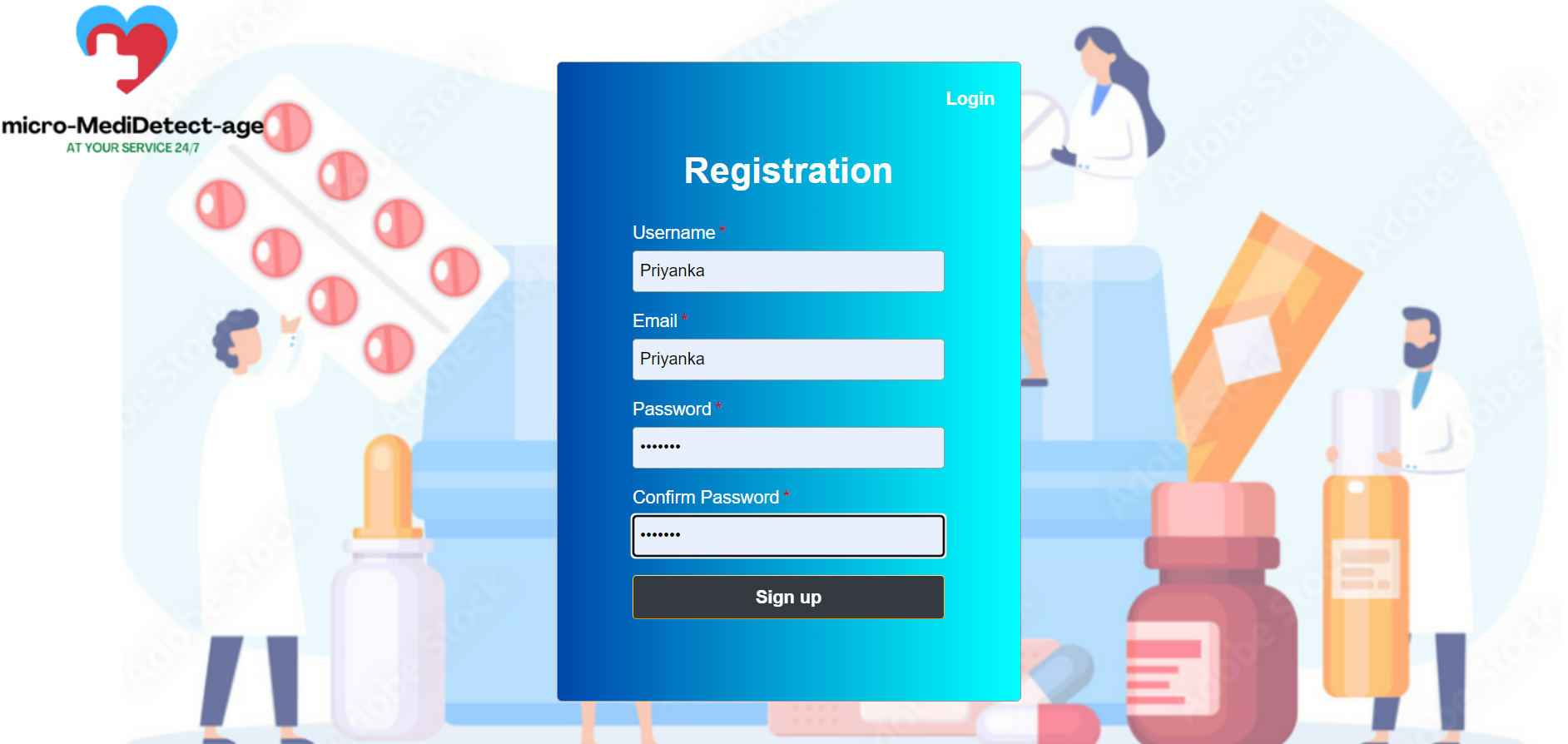
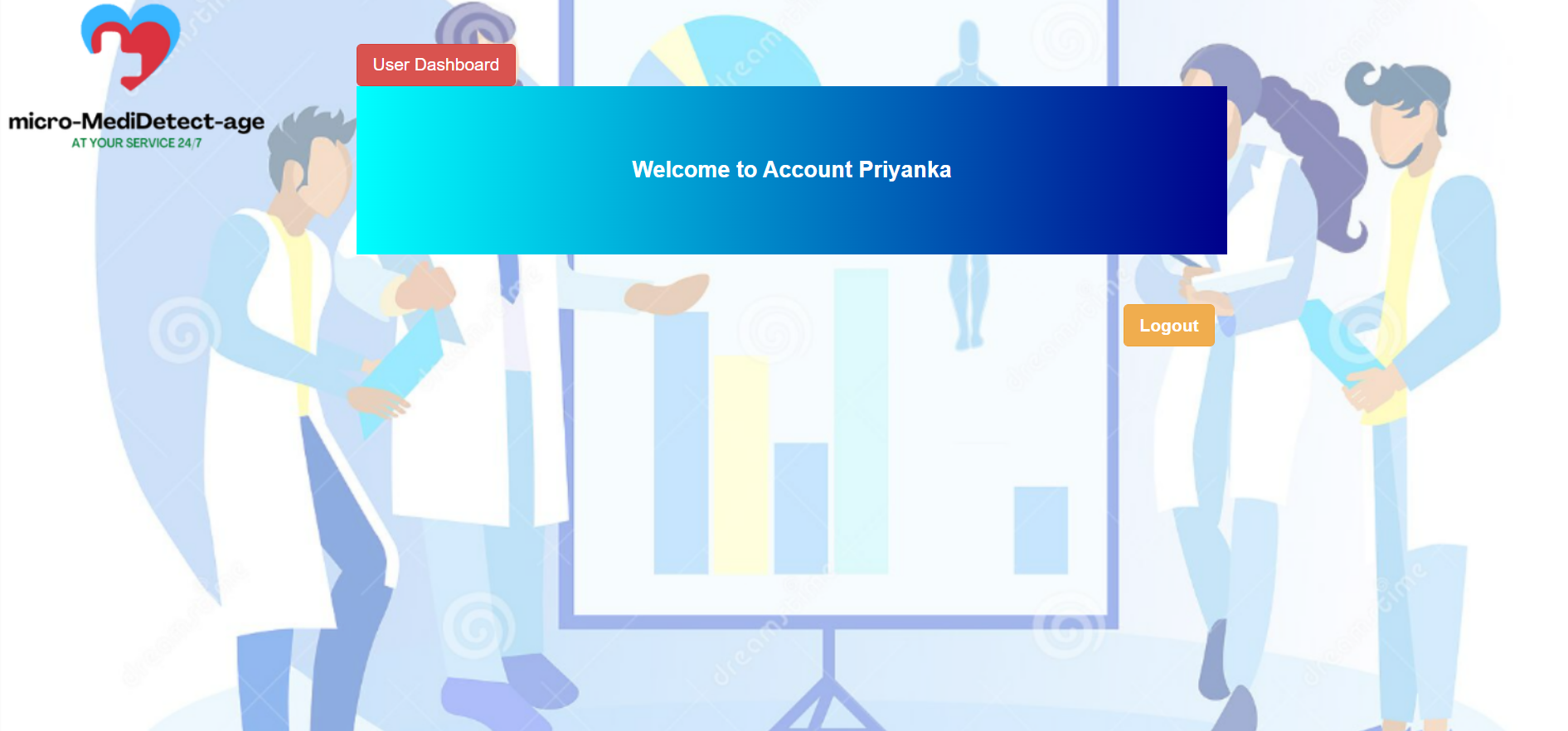
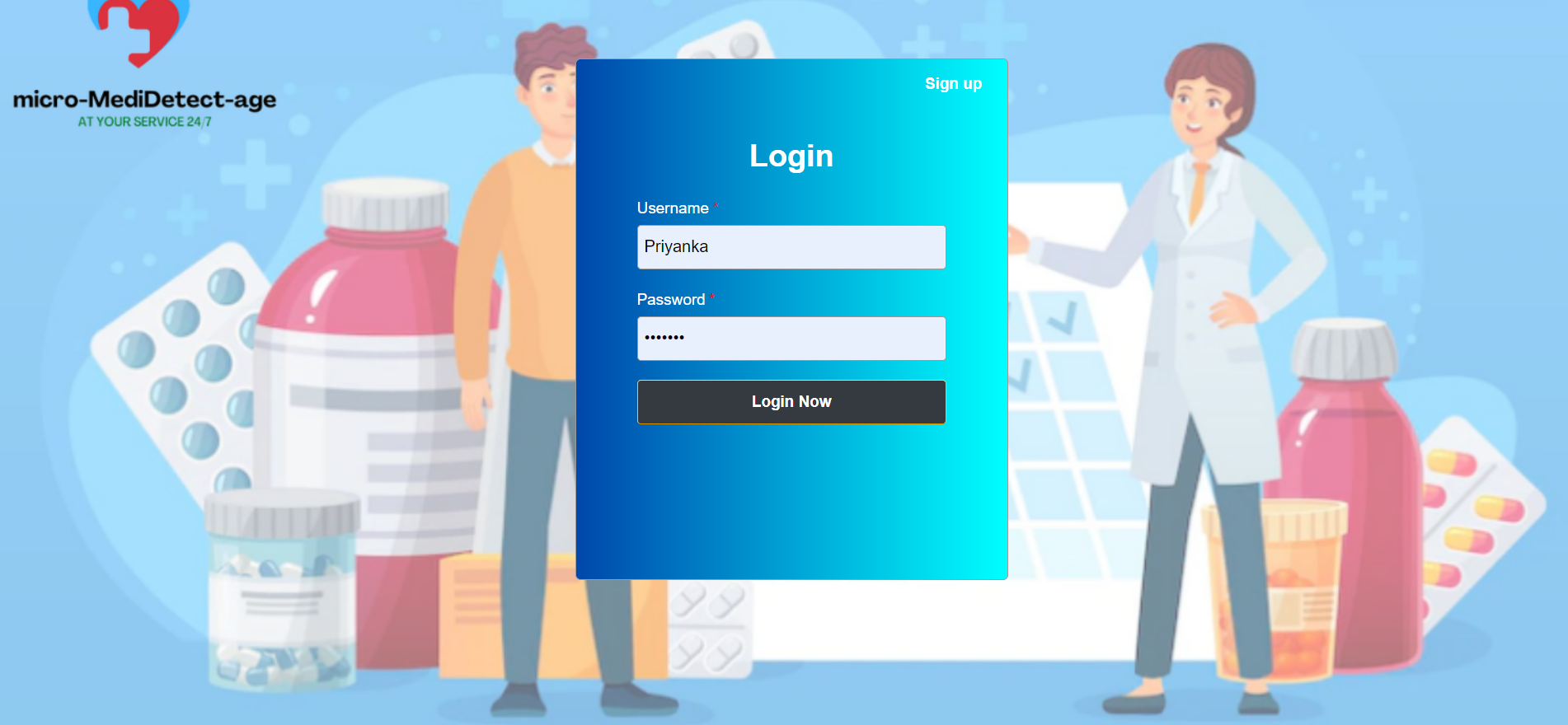
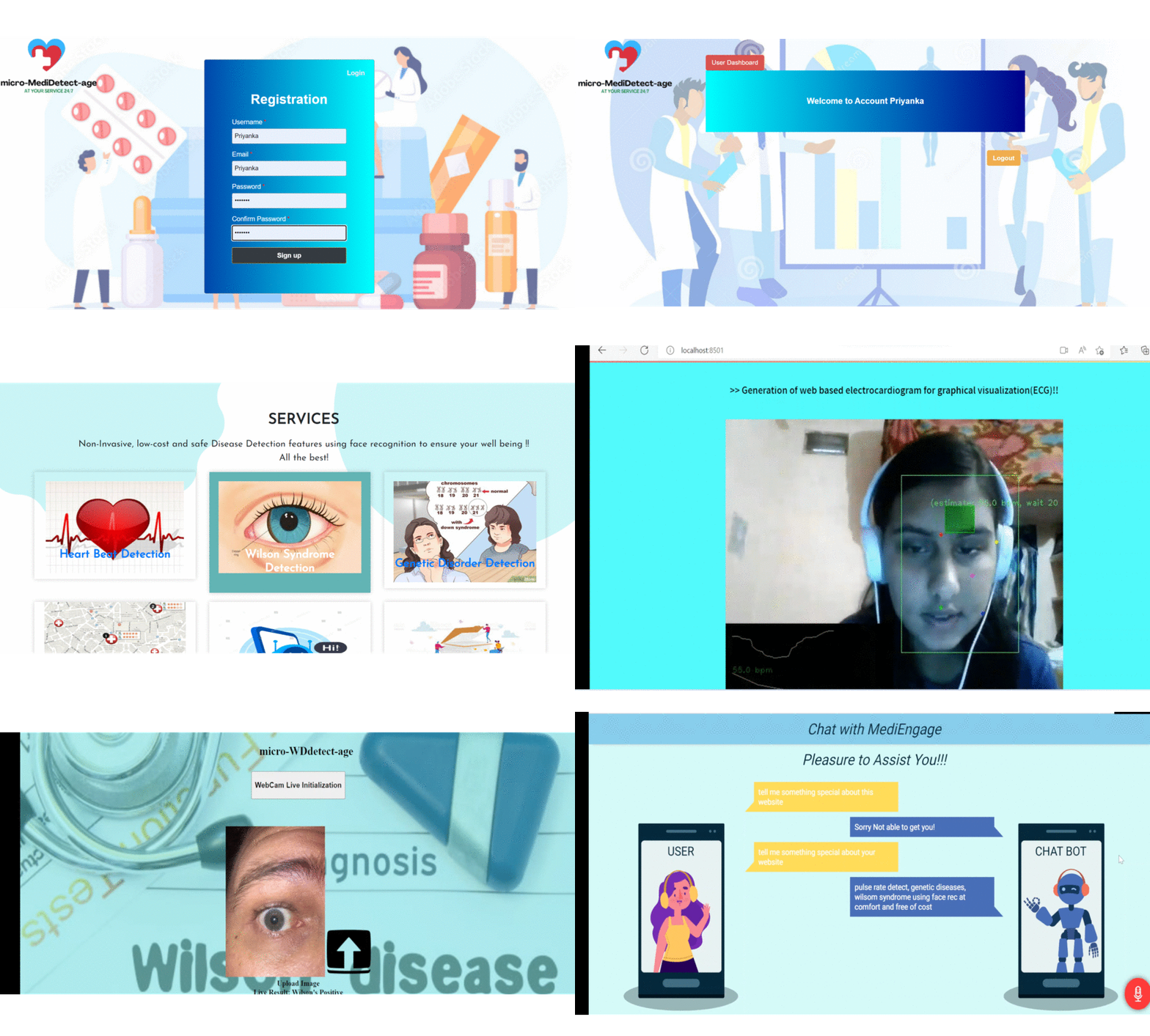
User Login/ Signup 1.1 Description: Users can securely login with their email id and password used for creating an account on micro-MediDetect-age 1.1.1 Input: Name, email ID, password for account creation, and email ID and password 1.1.2 Output: Redirect if successful login/ account creation and error message displayed if wrong details entered.
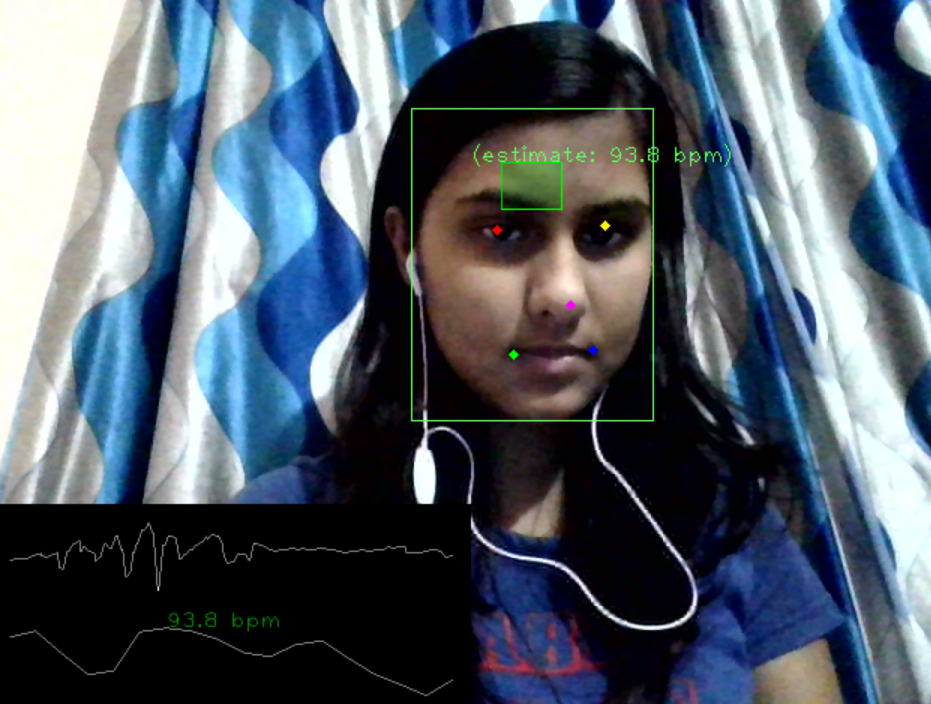
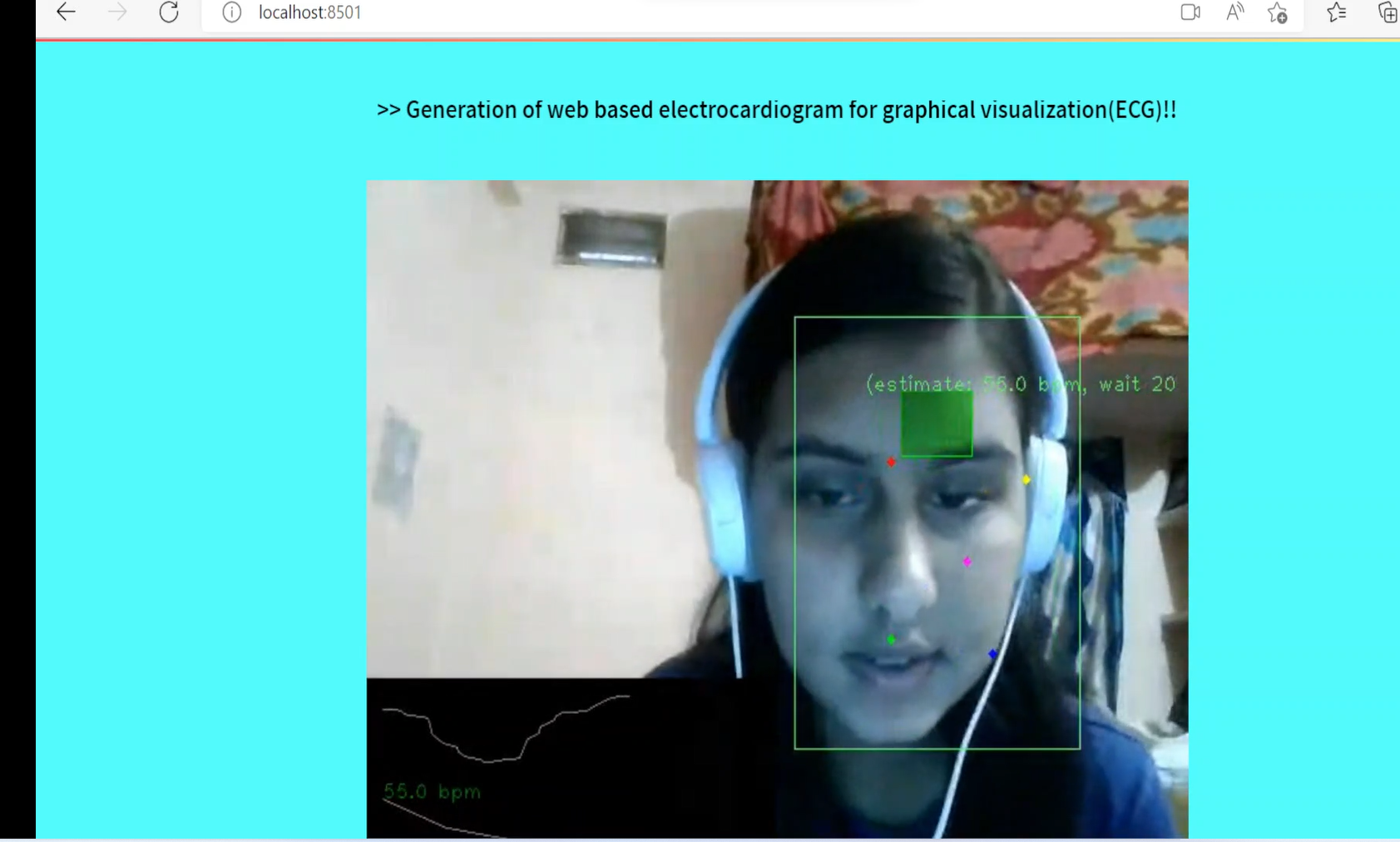
Heart Rate Detector Model: 2.1 Face Recognition 2.2 Forehead detect in face 2.2 Heart Rate/ Pulse Rate Detection Model 2.3 Web Electrocardiogram Generation
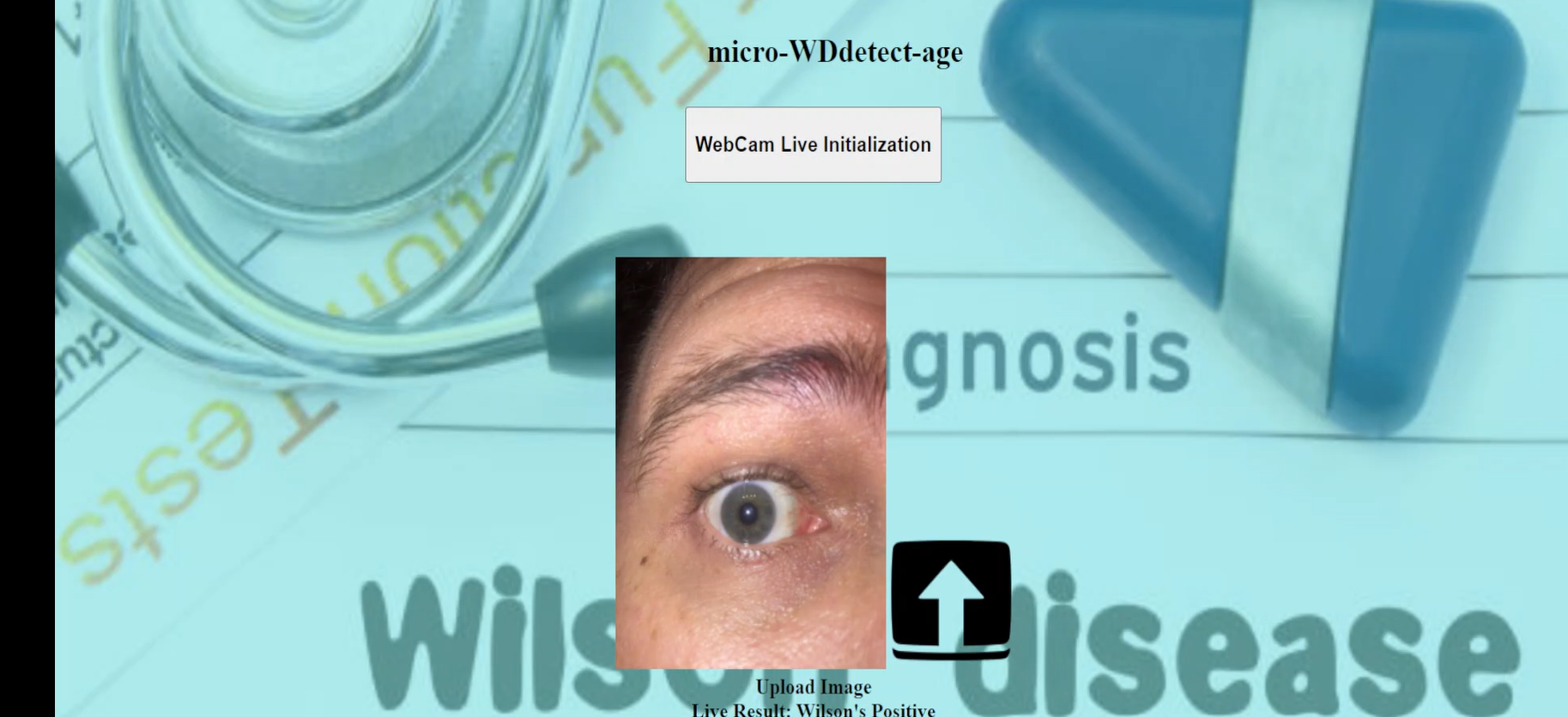
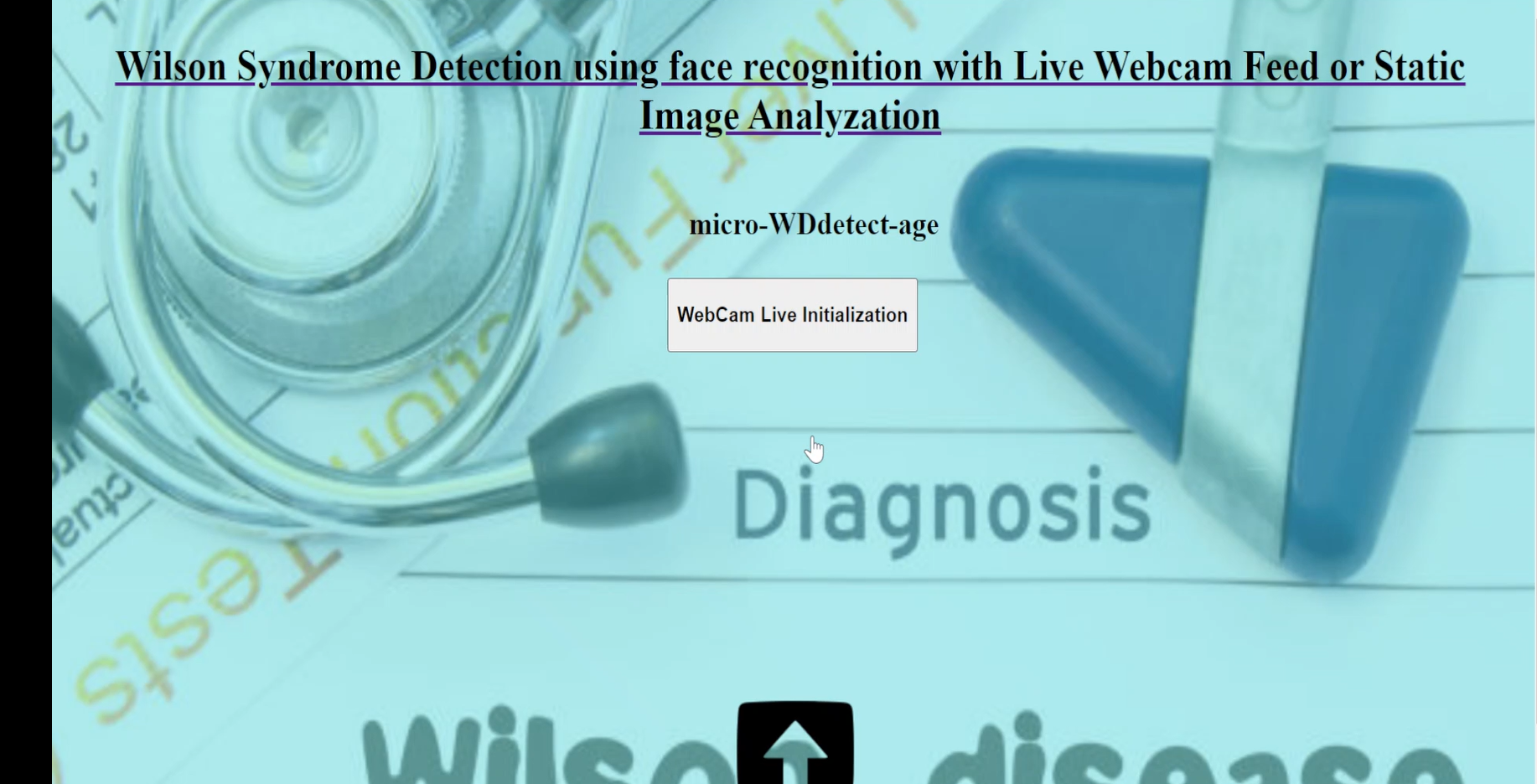
Wilson Syndrome Detector 3.1 Face and Eye Recognition 3.2 Kayser-Fleischer rings / Brown rings detection in eyes to detect disease
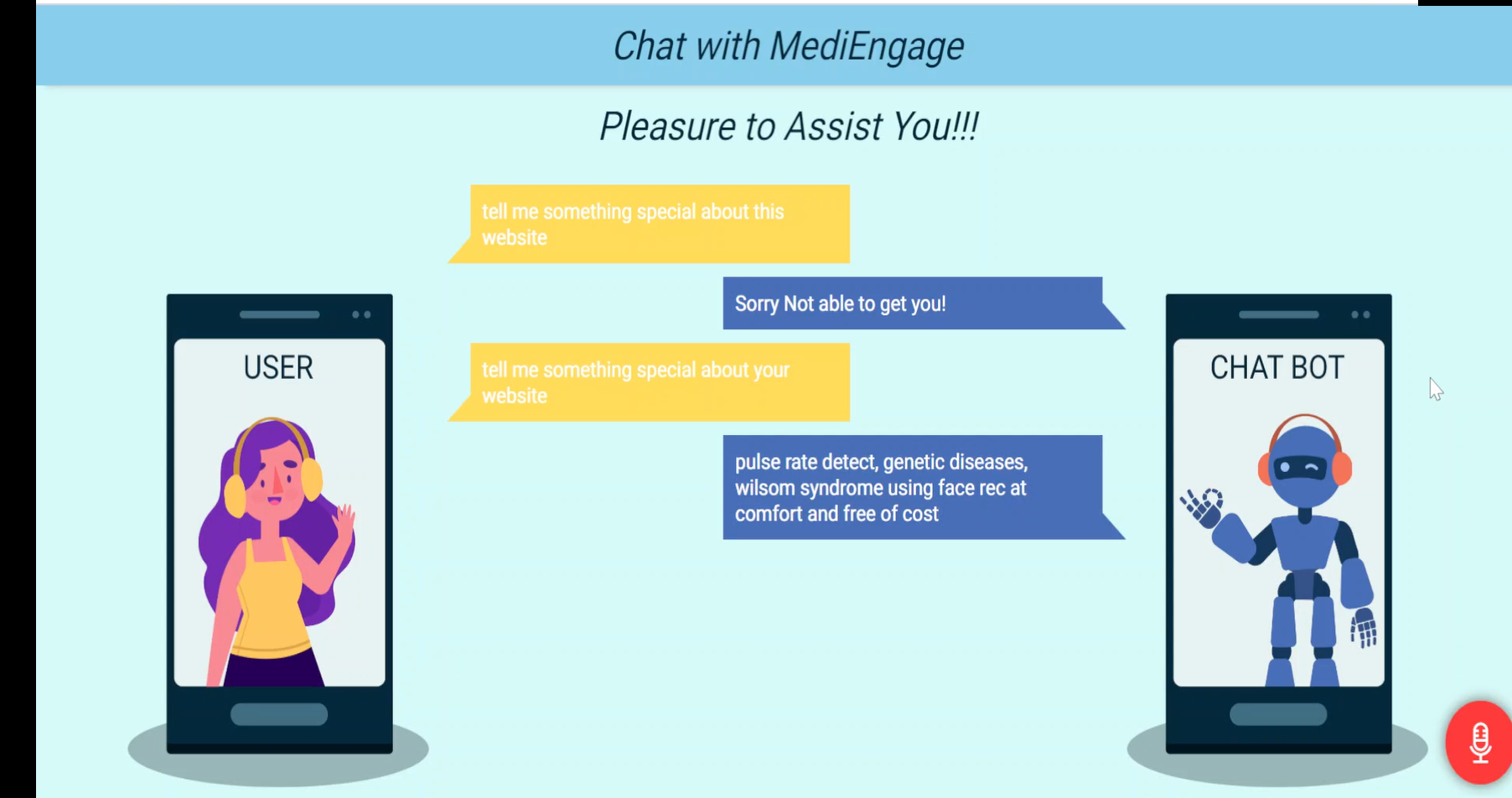
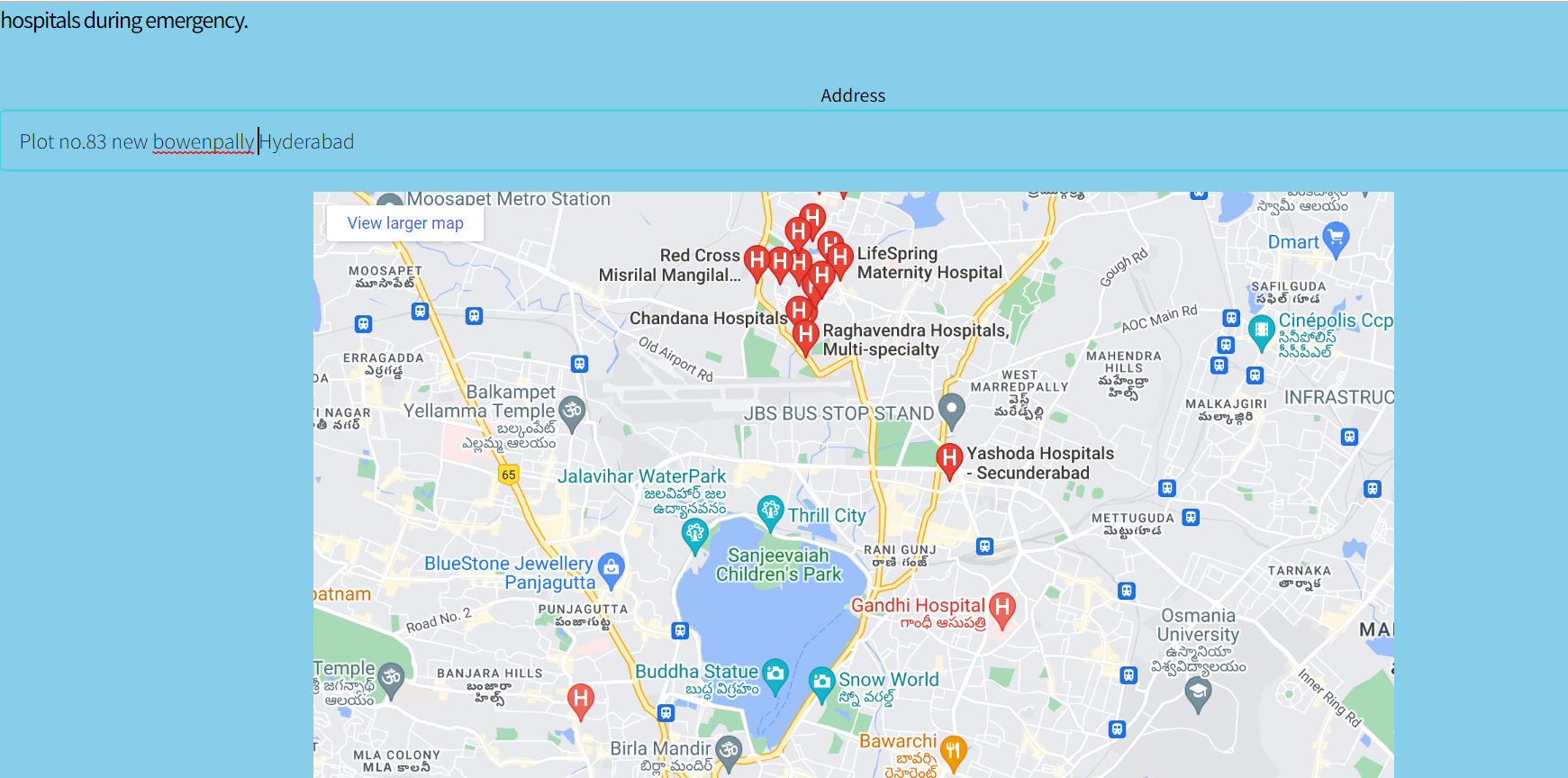
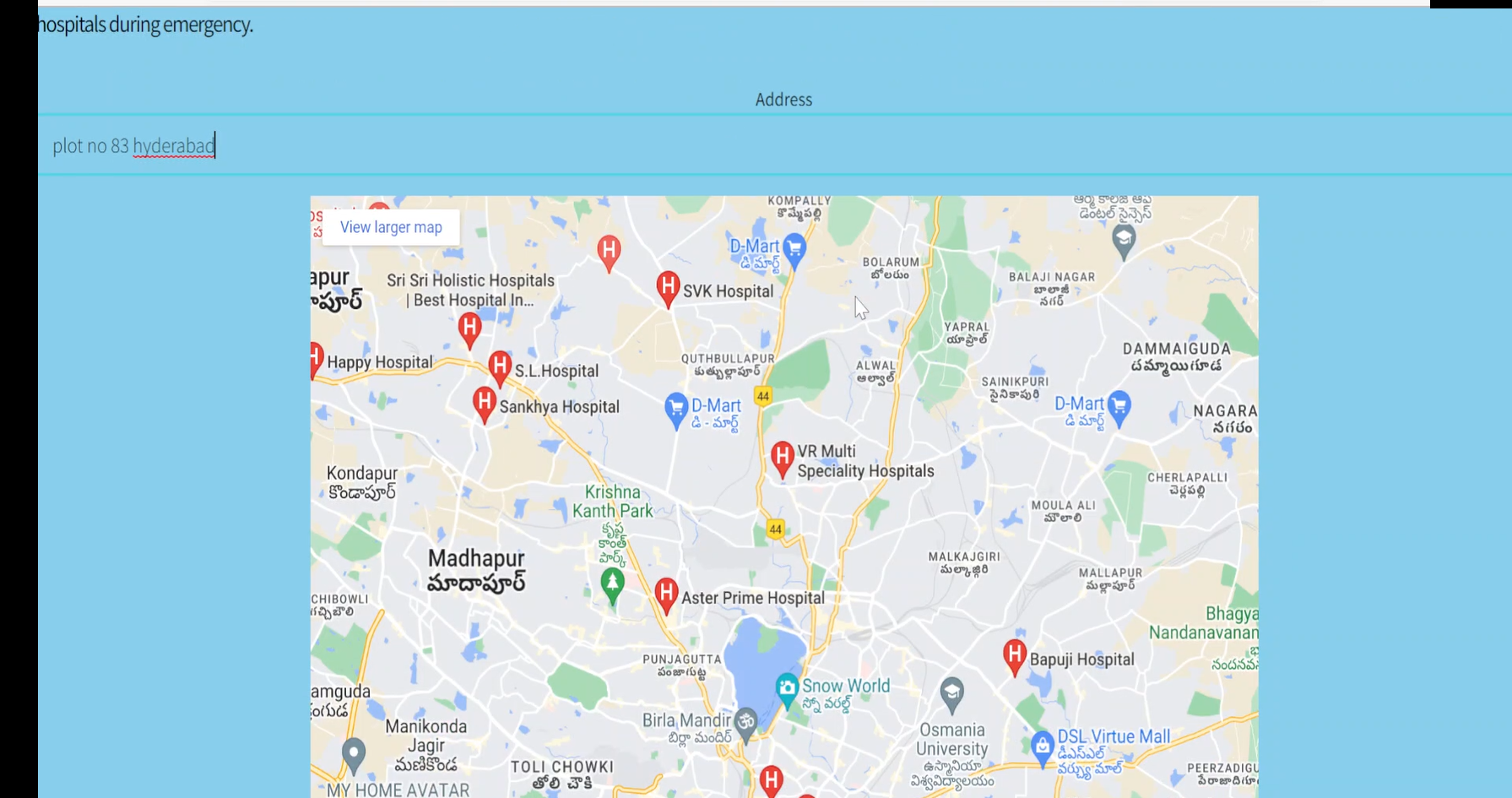
Genetic Disease Detector Immediate Hospital Finder Voice Chat Bot Proper Documentation Working/Workflow
How I built it
Heart Rate Detection: Traditional heart rate monitoring is done with a chest strap or an optical sensor on the back of a smart watch. However, optical heart rate measurement's accuracy and reliability vary from person to person, and it may not operate at all with specific activities or sports. Currently, the most precise wrist heart rate measurements are within 10% of the chest-measured heart rate 80% of the time. Although chest straps are more accurate, they are also more burdensome. Furthermore, for many people, the expense of a fitness watch or chest is unreasonable. Recent advances in machine learning have enabled a new method of measuring heart rate that is more accurate than earlier approaches based just on video. Given the exponential surge in telehealth owing to the pandemic and its possible use cases, we designed a web app to provide a way to detect heart rate or aid enhance the tools already available.
Photoplethysmography is a technology that uses light to obtain heart rate information. Photoplethysmography refers to the recording of swellings as they appear in the light, as loosely translated from its Greek roots. Swellings are caused by blood being pushed from the heart to every region of the body via the circulatory system, which is made up of blood vessels. The volume of blood that reaches the capillaries in the fingers and face swells and then recedes with each beat of a person's heart. We can monitor heart rate by measuring ebb and flow using the flash of a camera phone to highlight the skin and create a reflection since blood absorbs light. Because the frames per second of a video are consistent, it may be used to detect heart rate quite accurately.
The simplicity of this low-cost, non-invasive, and safe video technology is difficult to surpass.
A face detector can be used to cut a section of the forehead out of a live webcam feed to measure pulse rate remotely. The repetitions that are suggestive of a heartbeat are then examined on this region of skin.
The system relies on the RetinaFace mobilenet face detector, which is both fast and reliable. This rapid face detector uses an 8-core CPU to run in real-time. This pipeline was implemented as a streamlit webpage that sends frames to a server that processes the stream using WebRTC.
Wilson Syndrome:
To recognise Kayser-Fleischer rings which are indication of Wilson Syndrome (dark rings that appear to encircle the iris of the eye due to copper deposition) ,my programme employs a neural network to implement this. The machine learning model is then uploaded to Google's servers so that when the person visits the website where it is connected and deployed, it downloads the model and does the machine learning picture processing locally itself.
Genetic Disease
On top of VGGFace, I used four Fully Connected layers. Then, on top of it, three fully linked layers and an SVM classifier. The Transfer Learning method allows us to re-use previously learnt features. The SGD optimizer was employed with a very low learning rate of 0.0001 and a momentum of 0.9.
When the validation loss stopped improving, a callback was defined in keras to reduce the learning rate by 0.1.
  In each example, the batch size was set at 32.

As a baseline for good categorization, we try to reduce cross-entropy loss.
The deep learning classifier was created using the keras (v2) package.
The Tesla K80 GPU was used to train the model.
The accuracies stabilised around 100 epochs after a total of 200 epochs were run.
Challenges I ran into
Faced challenge deploying the heart -rate/pulse rate detector model on streamlit and also detecting the heart signals using flash of camera using face recognition. Also, faced challenge detecting the brown rings in eyes for wilson syndrome detection with proper accuracy in just 36 hours .
Accomplishments that I'm proud of
Able to make a fully functional website detecting the heart rate and genetic disease detector and integrating it in website. Able to make models to detect disease with good accuracy and implementing face recognition technology to monitor heart rate by measuring ebb and flow using the flash of a camera phone to highlight the skin and create a reflection since blood absorbs light.
What I learned
What's next for micro-MediDetect-age
The future scope of my project includes improving the existing features and also adding new features:
Deploying the model for genetic diseases detection (which can detect 7 different diseases) using face recognition using streamlit and then hosting it on heroku. Making Skin Disease Detection model using face recognition and then adding it as one more service. (Have made till skin detection on face and have to improve for disease detection) Automatic OTP Sender on mobile and email during login as one more security layer using WebOTP API.

Log in or sign up for Devpost to join the conversation.