




Inspiration
MicroCredentials for Medicine
What the Project Does:
MicroCredentials for Medicine is an Android app designed to revolutionize medical education and training by introducing a micro-credentialing system. This app incentivizes continuous learning and practice for front-line medical professionals, addressing the critical issue of medical errors by ensuring that skills and practices evolve quickly and effectively.
How the Project Solves the Problem:
Continuous Learning: The app offers learning modules on various medical topics, categorized by specialty and difficulty level. Users can engage in small, manageable chunks of learning that fit into their busy schedules. Micro-Credentials: Medical professionals can earn micro-credentials by completing learning modules and assignments. These credentials serve as proof of their continuous professional development and up-to-date skills. Evidence Submission: Users can submit evidence of their skills and learning, which is reviewed and verified to earn badges and certifications. Incentivization: By gamifying the learning process and providing tangible rewards (badges, certifications), the app encourages consistent and frequent professional development. Adaptability: The app can quickly incorporate new technologies and evidence-based practices, ensuring that medical professionals are always learning the latest methods and treatments. Tools, Frameworks, APIs, and Languages Used:
Frontend:
Flutter: For building a beautiful, responsive, and cross-platform mobile application. Dart: Programming language used with Flutter. Backend: Firebase Firestore: For real-time database and authentication. Firebase Storage: For storing evidence files and badge images. APIs: Google Sign-In: For user authentication. Other Tools: Image Picker: For users to upload evidence. File Picker: For users to upload various file types as evidence. Shared Preferences: For storing user data locally.
What We Would Do Differently in V2: Enhanced User Interface: Further refine the UI to make it even more intuitive and visually appealing. Advanced Analytics: Implement detailed analytics for users to track their progress and for administrators to monitor the effectiveness of the learning modules. Peer Review System: Introduce a peer review system for evidence submissions to decentralize the review process and make it more robust. Offline Access: Allow users to download learning modules and access them offline to facilitate learning in areas with limited internet connectivity. Expanded Content: Continuously add more learning modules and certifications across a broader range of medical specialties.
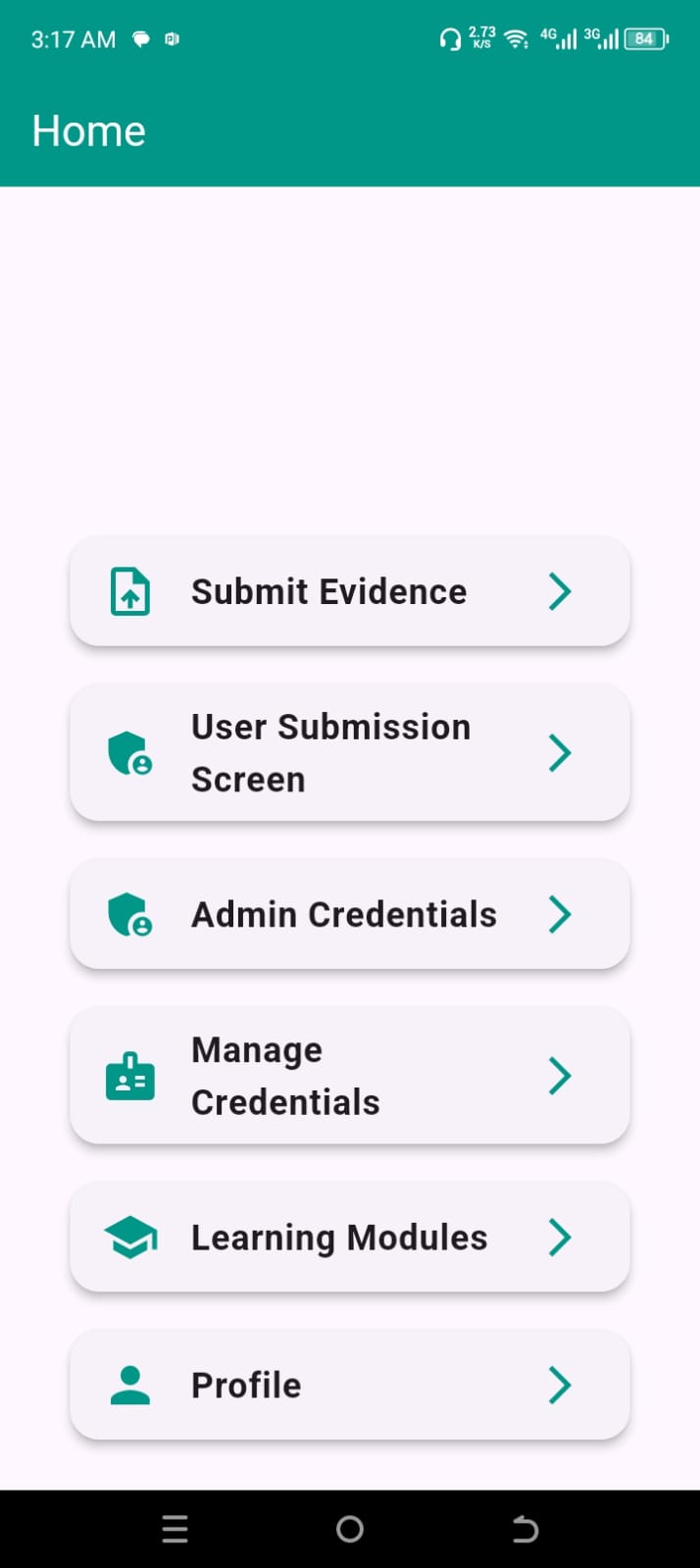
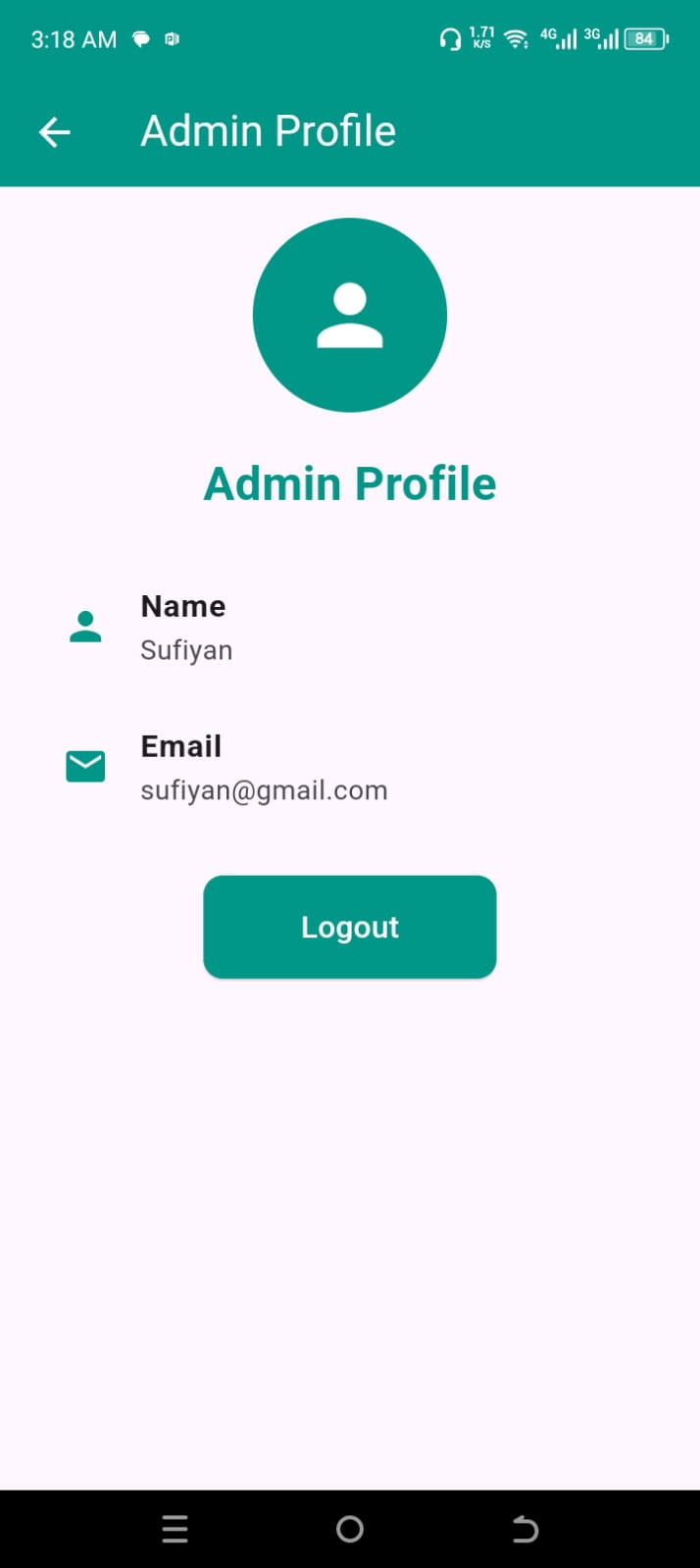
Demonstration of the Project in Action: Splash Screen: Upon launching, users see a sleek splash screen with the app's logo. Login/Signup: Users can sign up or log in using their email or Google account. Home Screen: After logging in, users are greeted with a home screen showcasing their credentials, learning modules, and options to submit evidence or view their profile. Learning Modules: Users can browse through various learning modules, filter by category, and start modules that interest them. Module Details: Detailed information about each module, including description, requirements, and start assignment option. Assignments: Users complete assignments related to the modules. They answer questions and submit their responses. Evidence Submission: Users upload evidence of their skills, which is then reviewed by administrators. Badges and Certificates: Upon successful completion and verification, users earn badges and certificates that are displayed in their profile. Admin Dashboard: Administrators can review submissions, create new credentials, and manage users through an intuitive admin interface. This project not only addresses the challenge of modernizing medical education but also ensures that healthcare professionals remain at the forefront of the latest medical advancements, ultimately improving patient outcomes and reducing medical errors.

Log in or sign up for Devpost to join the conversation.