-
-
Welcome
-
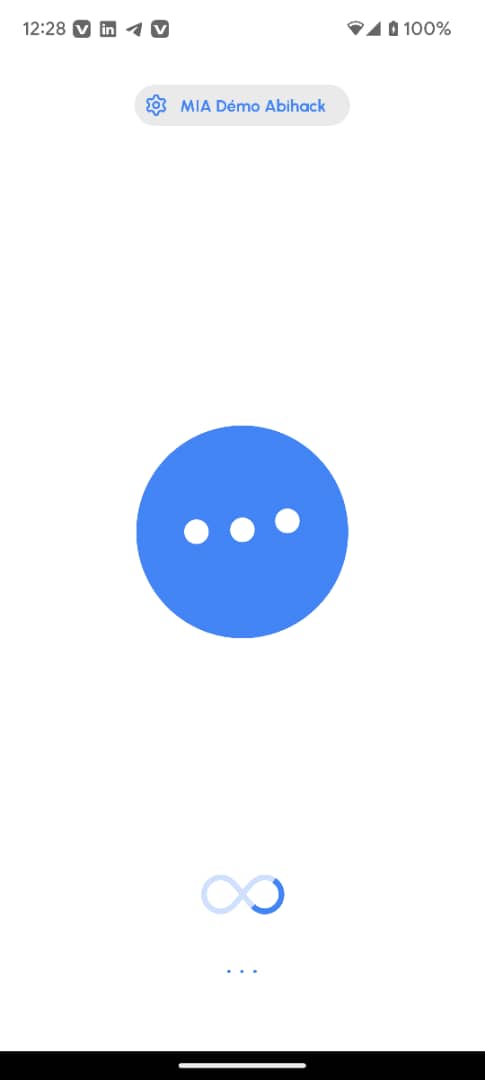
Home page
-
Setting
-
Language
-
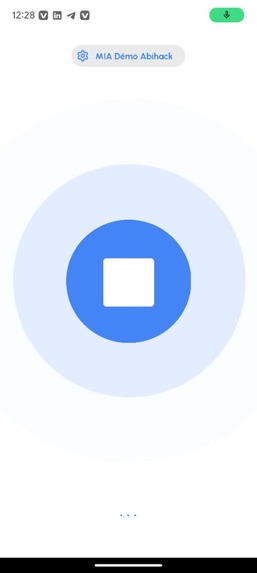
Listening
-
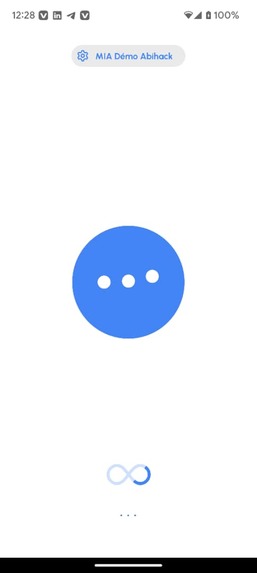
Processiong
-
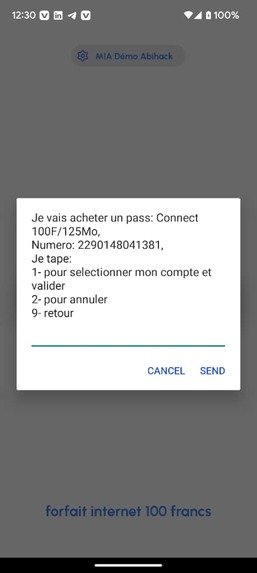
Success
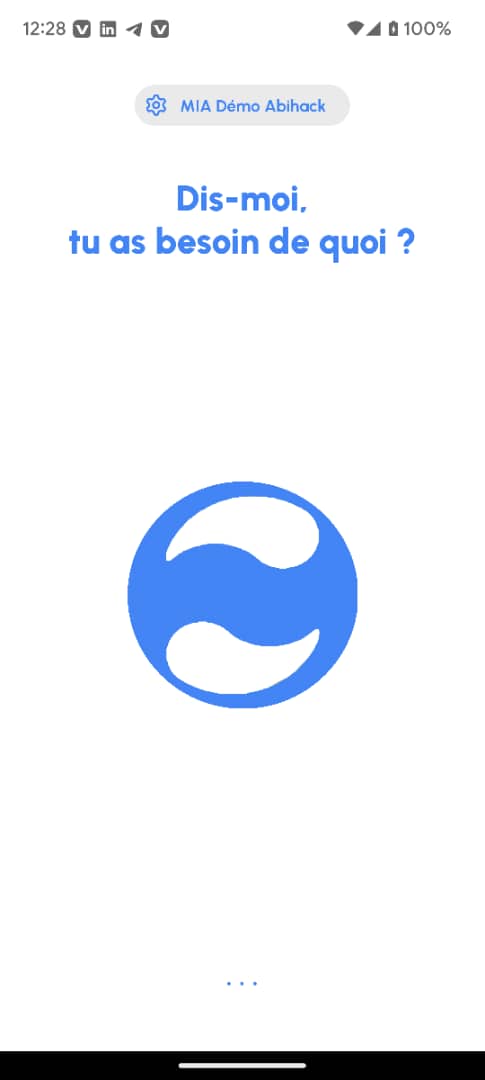
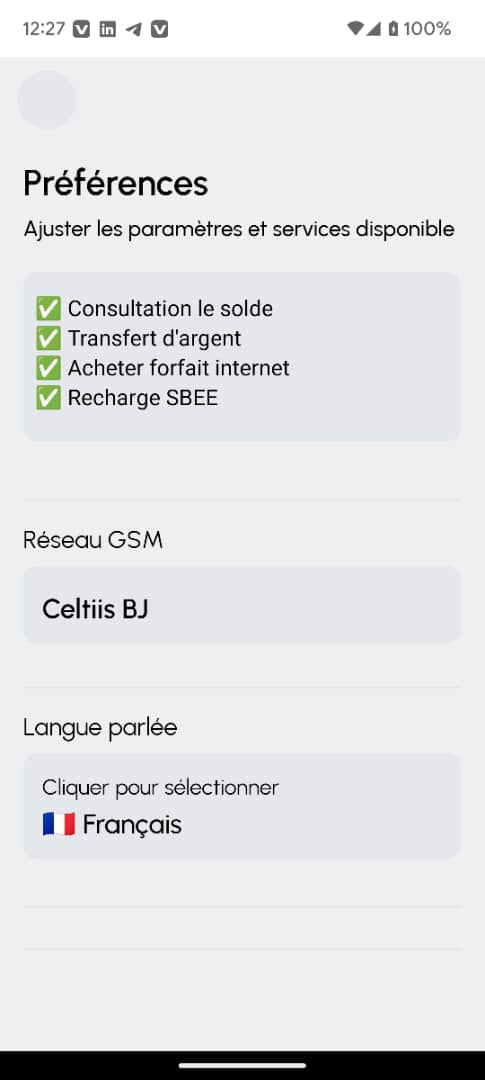
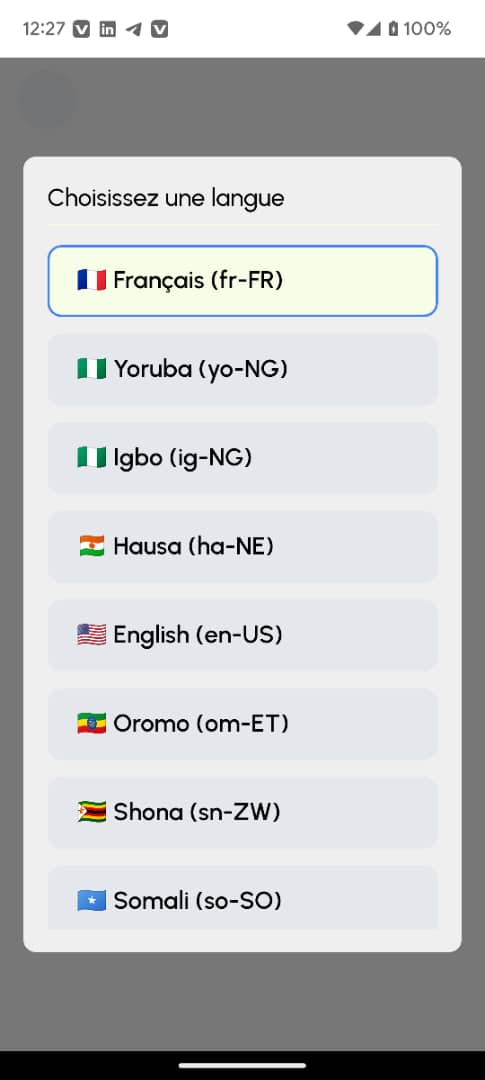
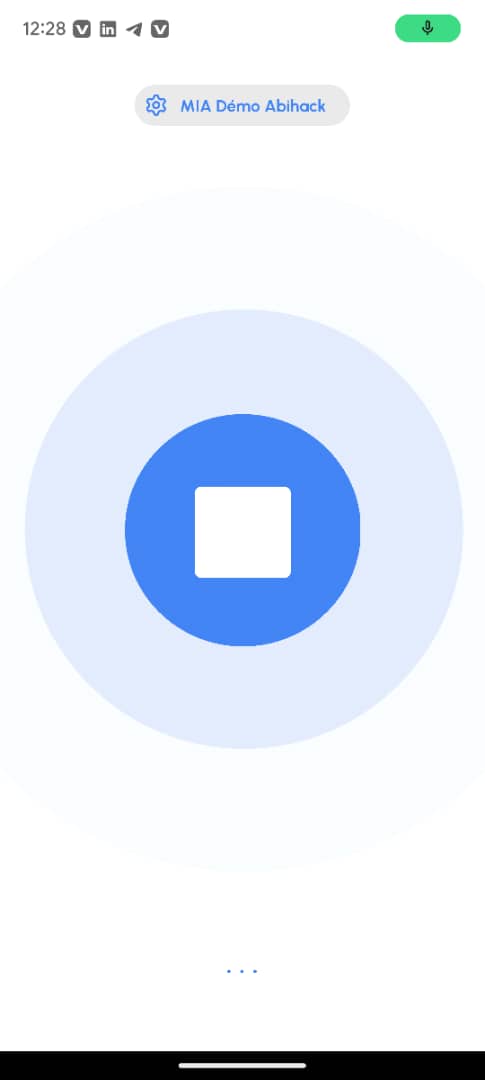
Inspiration
It started with my mother.
She’s 65. She never went to school. She can’t read or write. But she owns a smartphone. Every day, that device is a reminder — of possibility, and of exclusion.
She can’t recharge her credit or send money without someone helping her.
Then I realized: she’s not alone. Over 400 million Africans are digitally excluded simply because they’re illiterate. That’s not just a gap — it’s digital apartheid.
And it ends now.
That’s why we built MIA: to give a voice to those who were never given a keyboard.
What it does
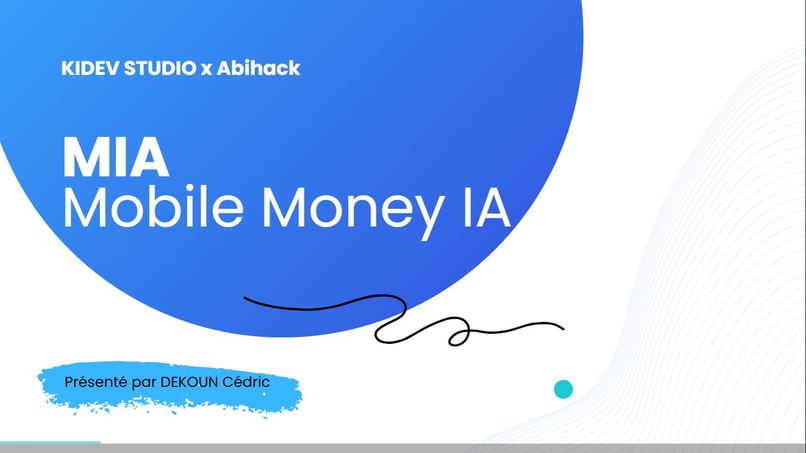
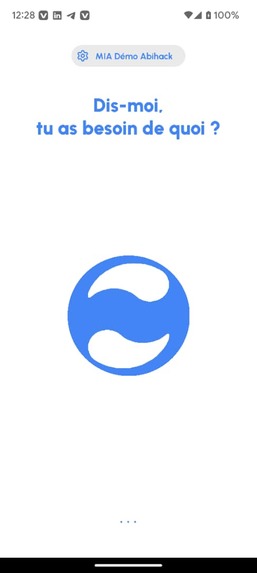
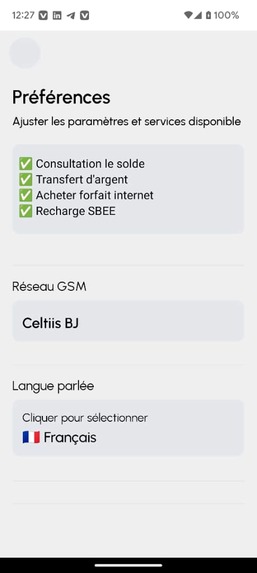
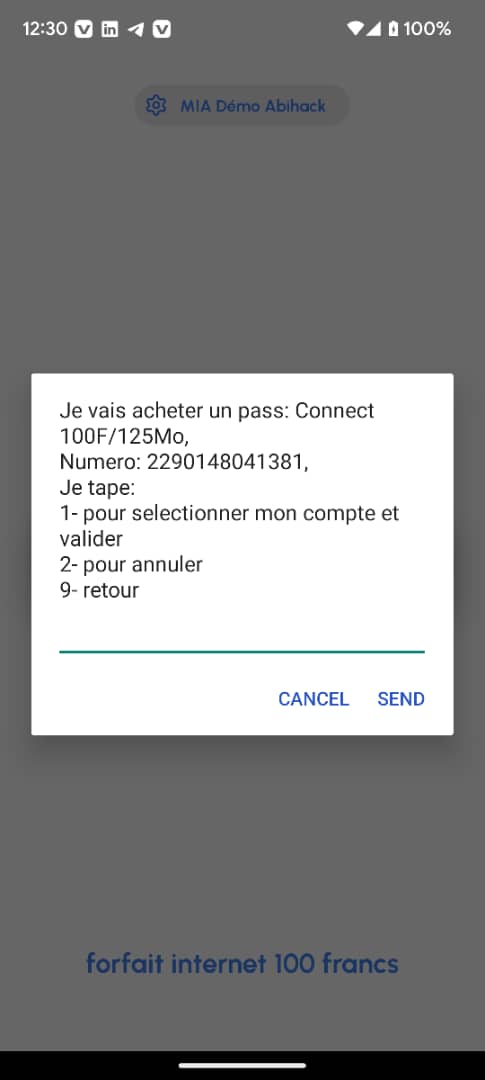
MIA (Mobile Money Intelligent Assistant) lets anyone perform mobile money transactions by simply speaking — no reading, no typing, no menus.
Just say:
“Send 5000 francs to my daughter.” “Recharge me with 1000.” “What’s my balance?”
MIA understands, processes, and confirms. In their language. In seconds. It’s fast. Secure. Empowering.
How we built it
We built MIA from the ground up, starting with real users.
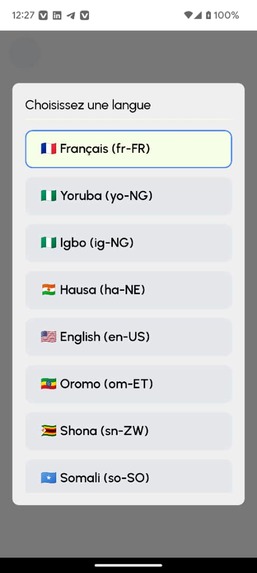
We trained a voice recognition model on underrepresented African languages. We designed a natural language processing layer that understands user intent, even in informal speech.
We connected with Mobile Money APIs (like MTN and Orange), and developed an ultra-simple mobile interface — one button: the microphone.
MIA is lightweight, offline-ready, and made for real-world conditions.
Challenges we ran into Language data scarcity: most African languages are oral, not well-documented. We had to build datasets ourselves.
User trust: working with money and AI requires clarity, simplicity, and reassurance.
Tech constraints: many users have weak connectivity and basic phones — our solution had to adapt to that.
UX for non-digital users: simplicity isn’t optional — it’s survival.
Accomplishments that we're proud of
97% speech recognition accuracy
Transactions completed in 10 seconds (instead of 2 minutes)
Support for 8 local languages
Real users using it successfully — including my own mother
But more than the numbers: we gave autonomy to people who were dependent. That’s what we’re most proud of.
What we learned
We learned that voice is the most natural and inclusive interface — especially for people excluded by text-based systems.
We learned that true innovation means designing for the people who’ve been left out, not just for those who already have access.
And above all, we learned that when you give someone their voice — you give them their dignity back.
What’s next for MIA – Mobile Money IA
We’re ready for scale.
Launching a pilot with a major Mobile Money operator
Expanding to 10 more African languages
Partnering with NGOs and financial inclusion networks
Running awareness campaigns to reach 5 million users
Adding more voice-driven services like bill payment, savings, and microloans
We believe Africa can lead the world in human-first AI — and it starts with the voices we’ve ignored for too long.
Built With
- api
- express.js
- gemini
- node.js
- speech-to-text
- typescript


Log in or sign up for Devpost to join the conversation.