-
-
-
-
-
-
-
-
-
-
-
-

-

-
survey ans1
-
survey ans2
-
survey ans3


Inspiration
I love experiential approaches to learning and I think, to help people stay relevant in the 21st-century world, augmented reality would help learners a lot by actively learning and engaging with 3D models in their environment and having some interactive quizzes. Democratizing education has been one key thing to make education available to the masses.This project also seeks to make Ar science/biology topics easily accessible to all in spite of their demography, qualifications etcetera.
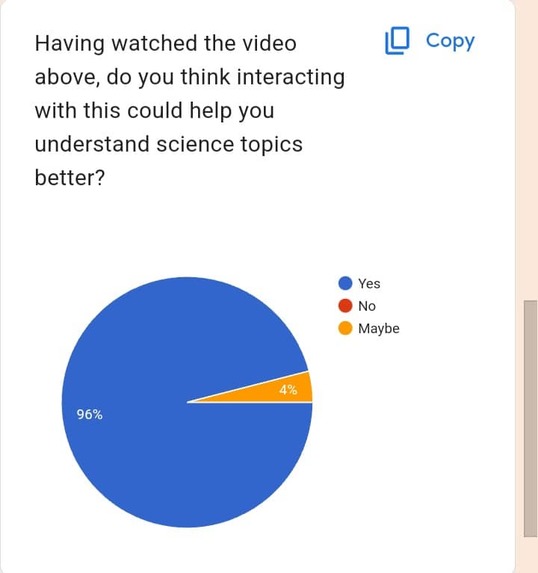
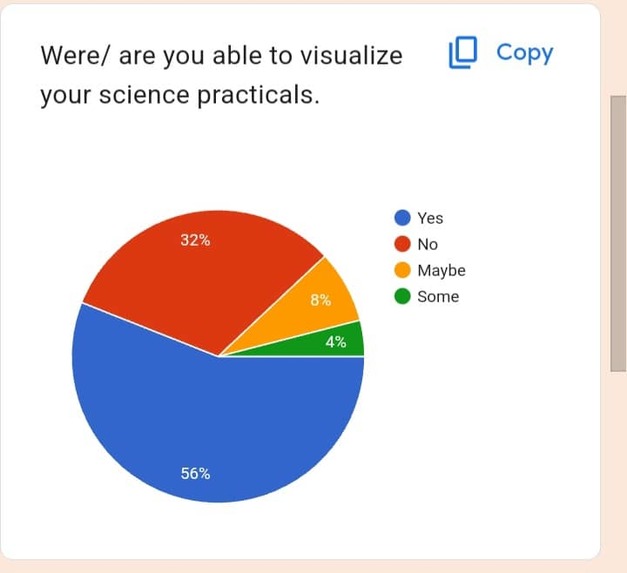
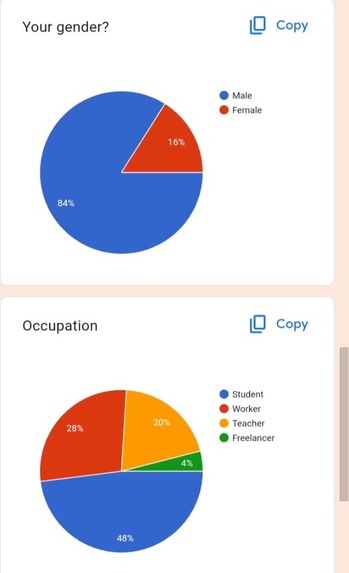
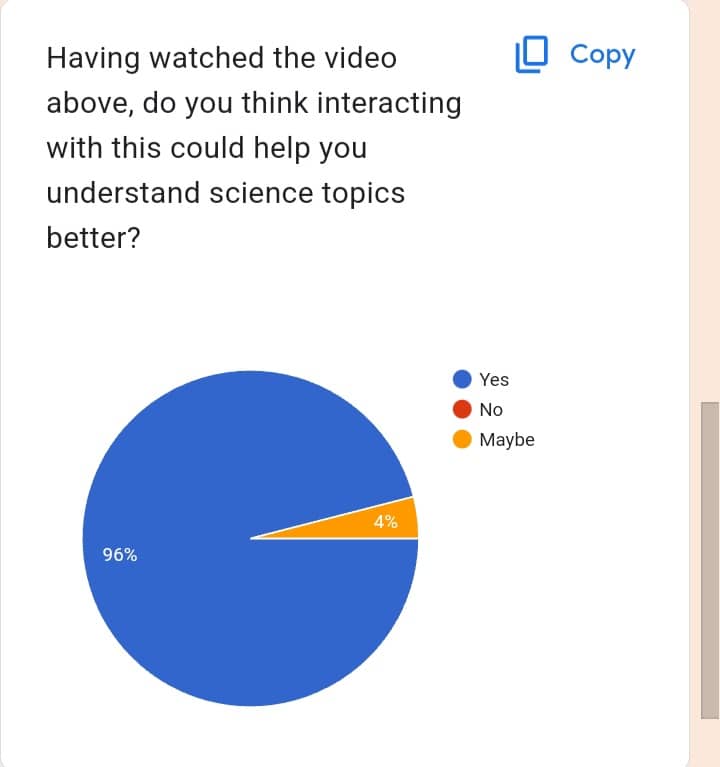
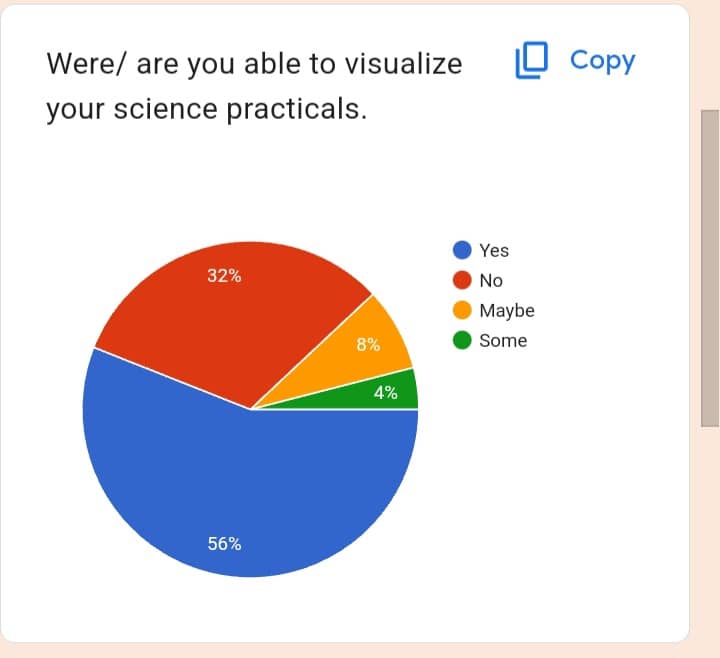
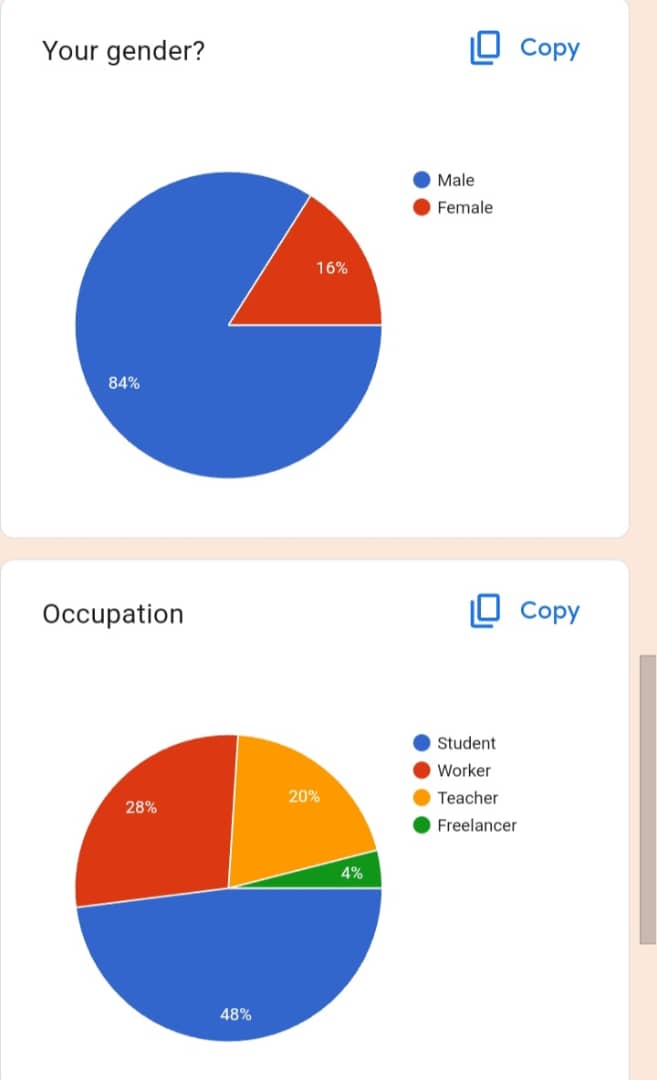
Also, I conducted a survey on the use of Ar for learners, and the outcome was positive, especially with people from my country(Ghana). Evidence of this is(attached to the submission files). survey linklink
What does it do
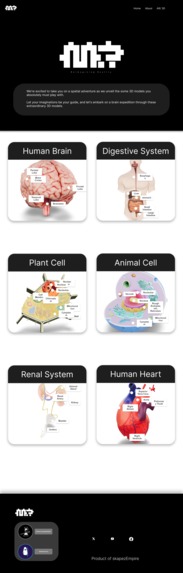
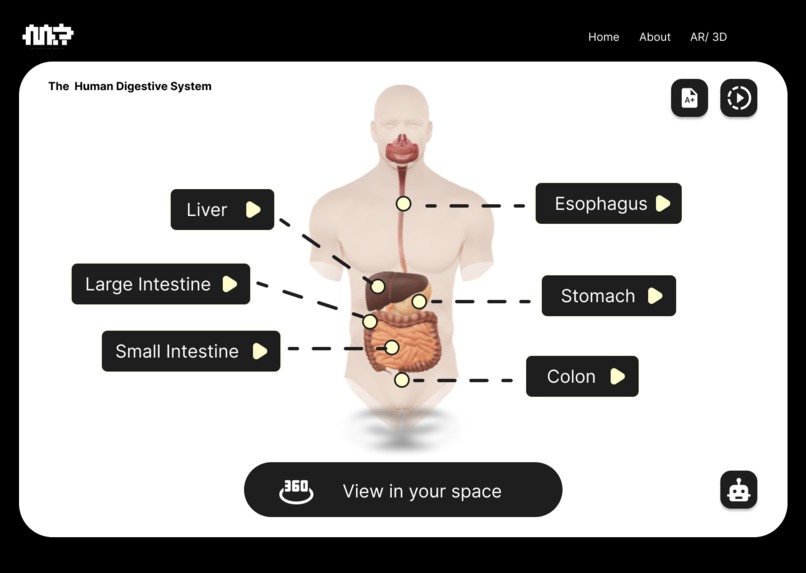
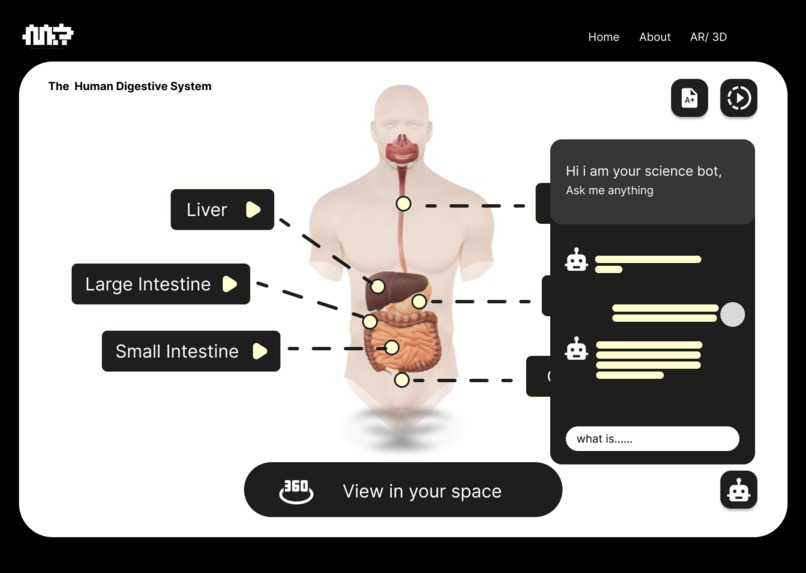
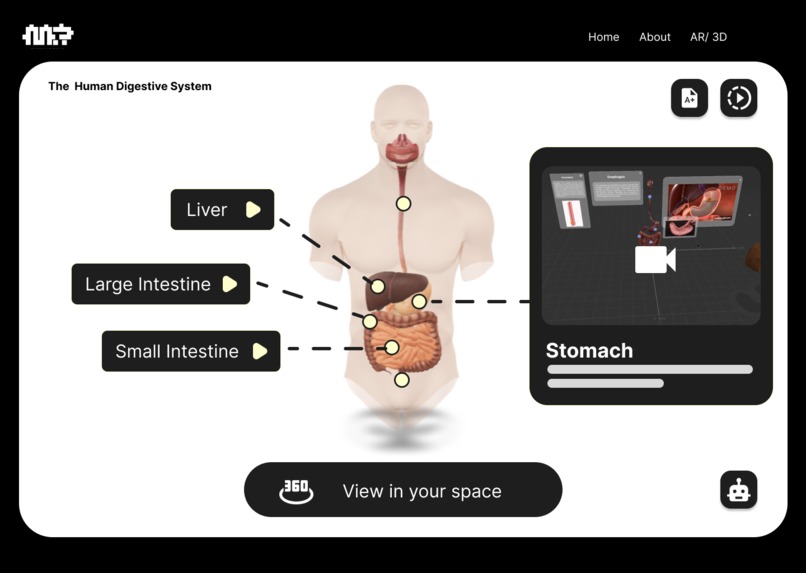
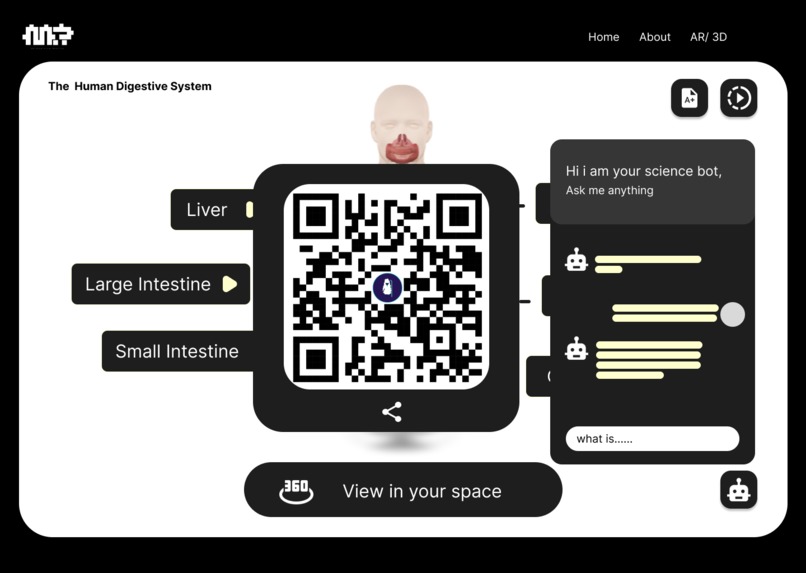
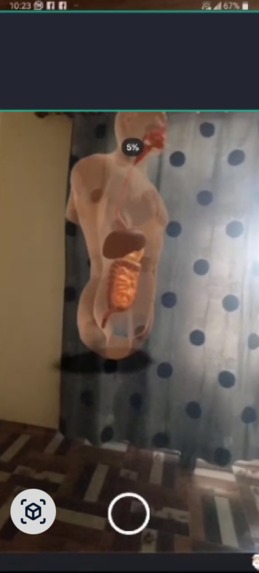
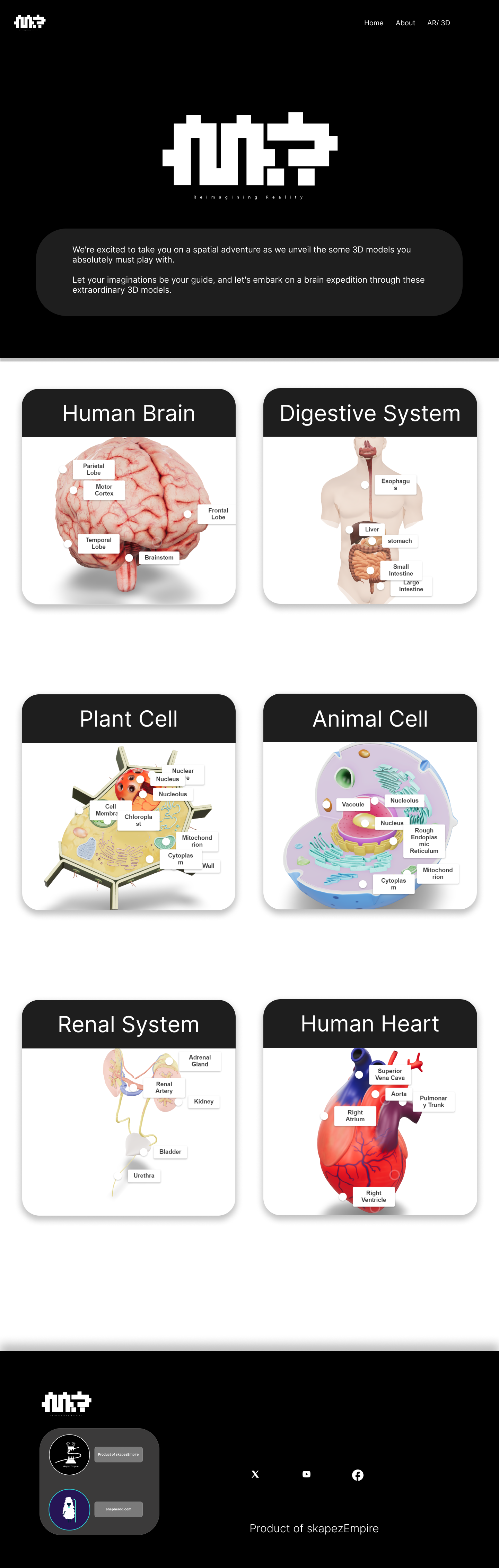
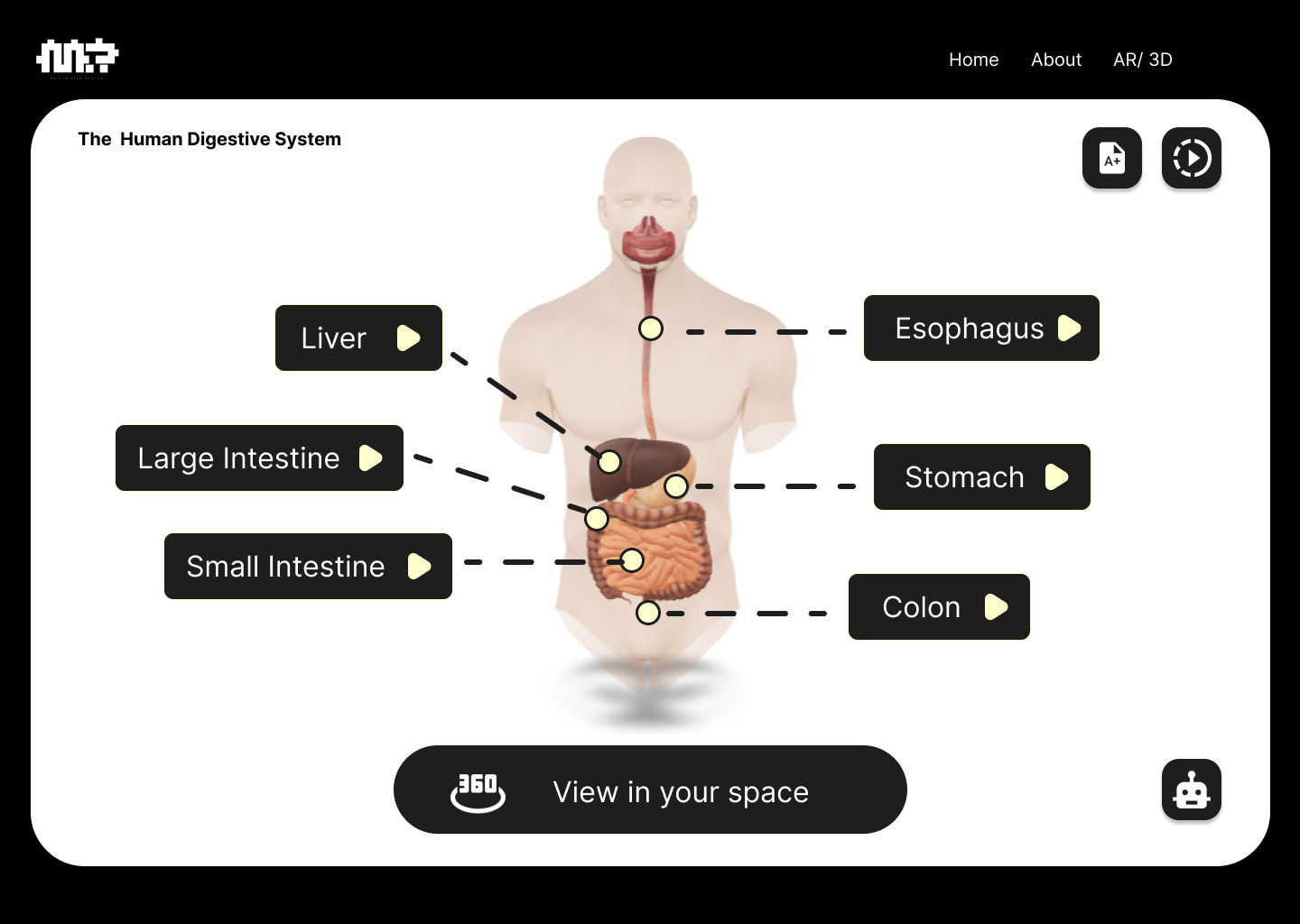
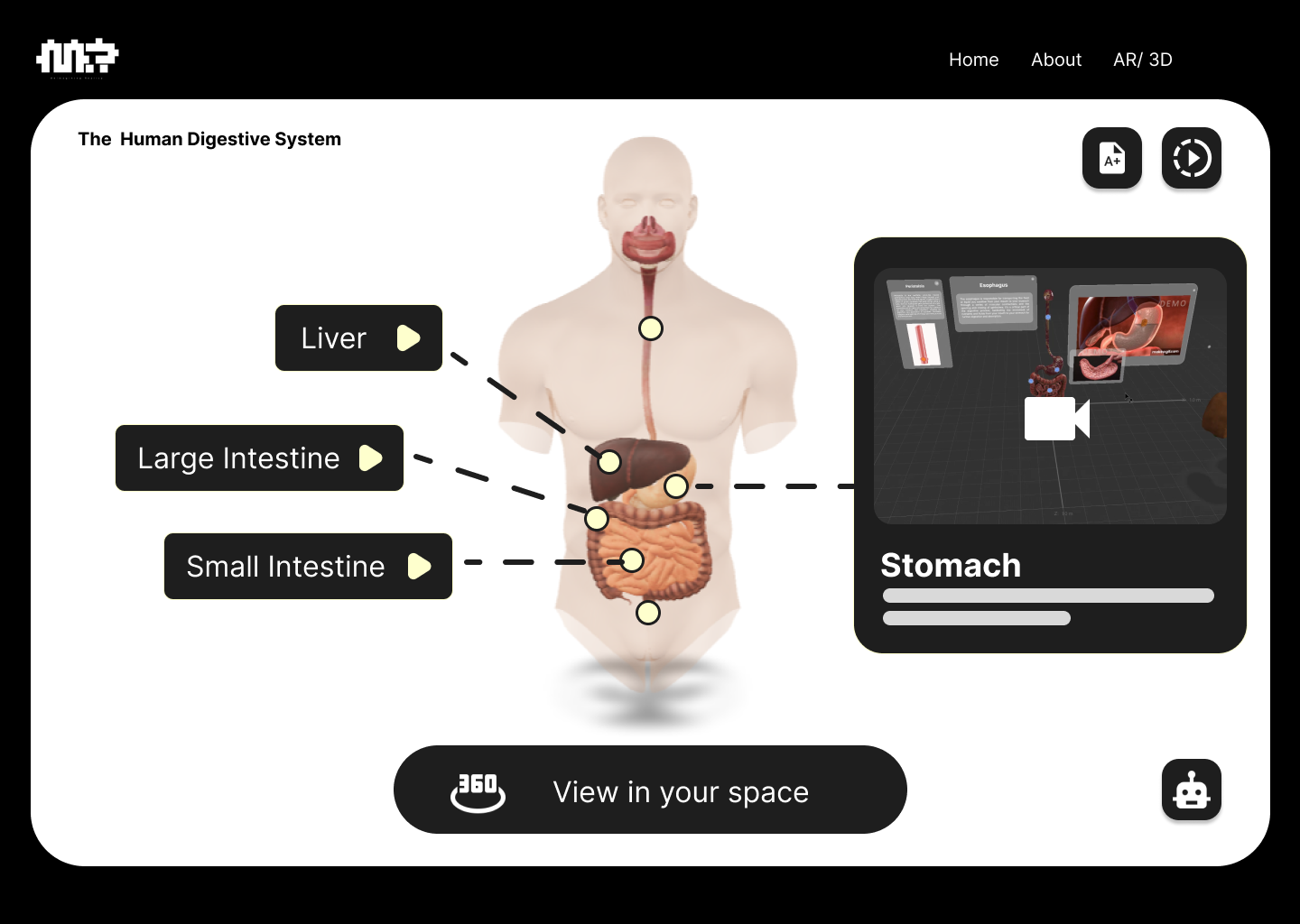
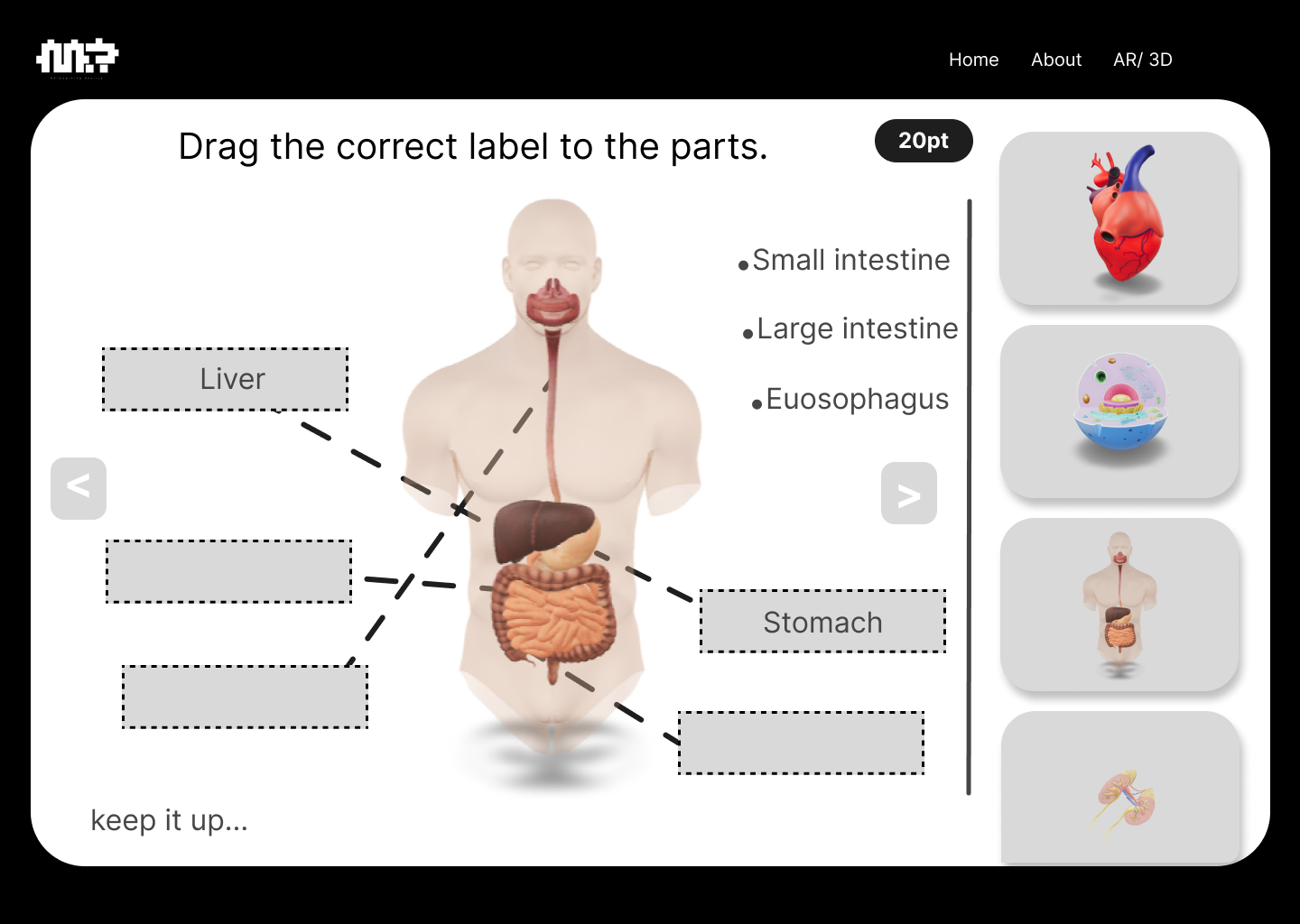
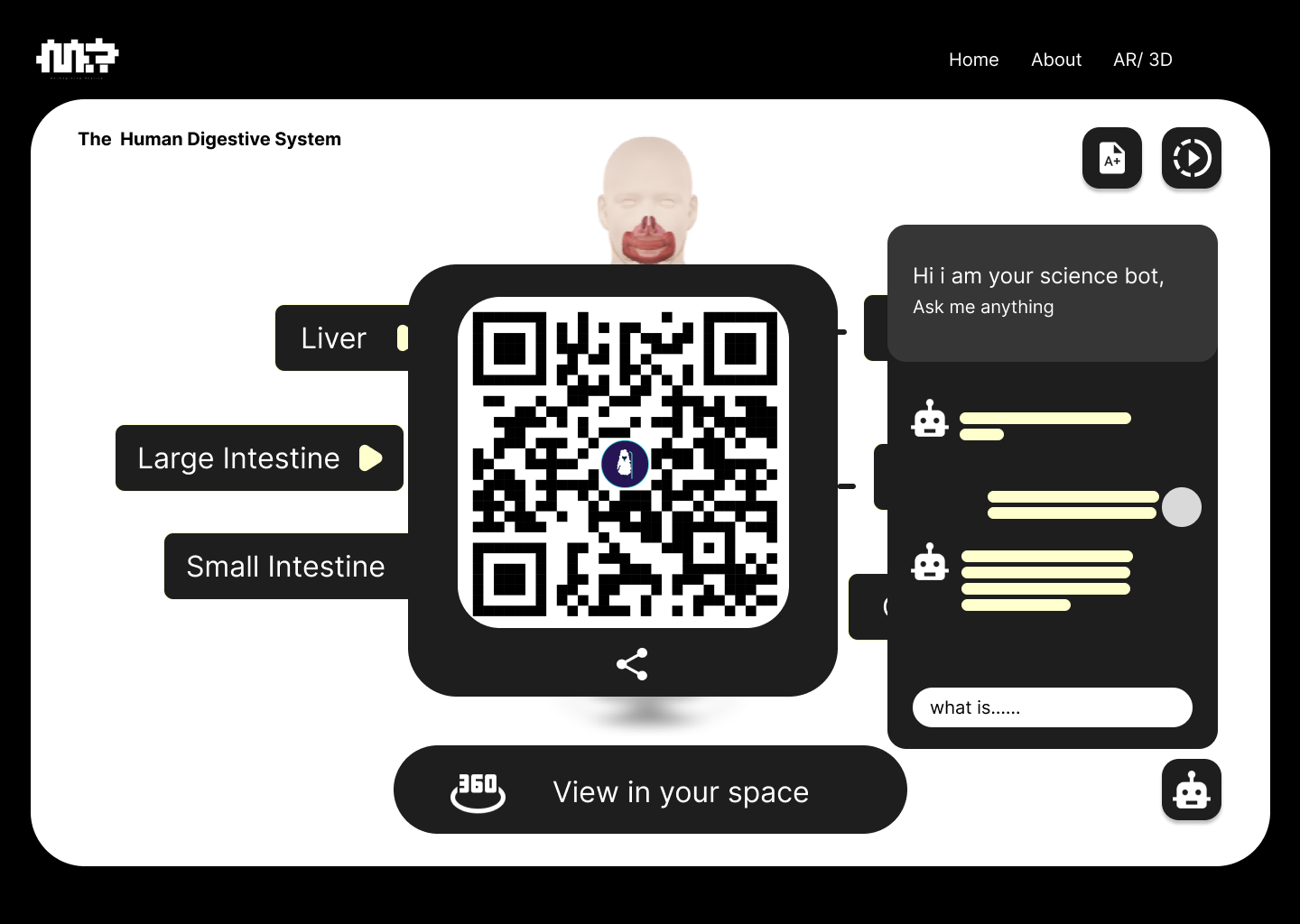
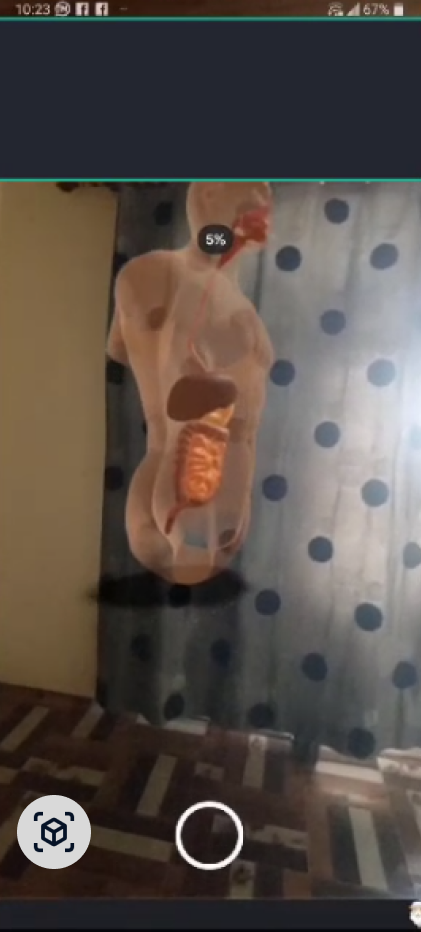
This is an augmented reality UI design for learners. users get to interact with 3D biology models of some parts and cells of living organisms and organelles when they visit the 3D/Ar mode and when they click on any of the models. currently, only the digestive system can rotate, pan, etc, with the models, and click on the annotations to get a video talking about that part. Since augmented reality works on only mobile devices, a QR code is generated when the user clicks on the "view in my your space" button. which the user scans with their device to interact with the 3D model in their physical space.
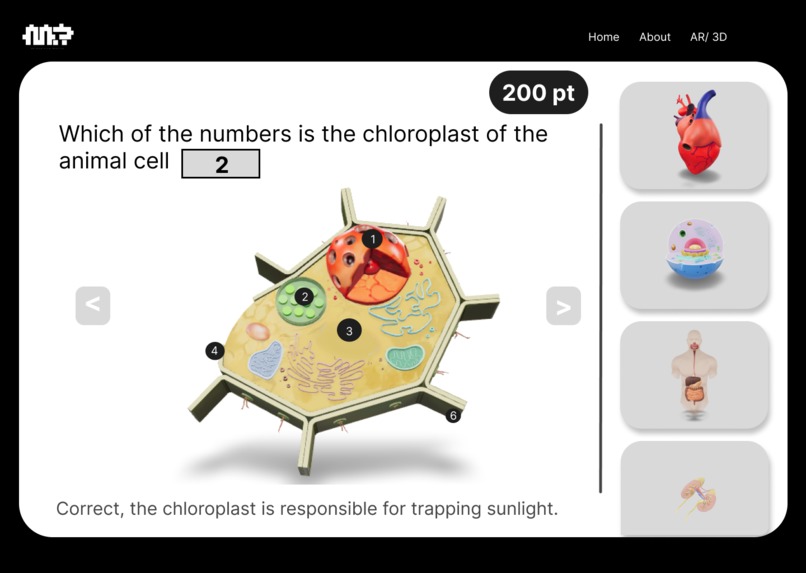
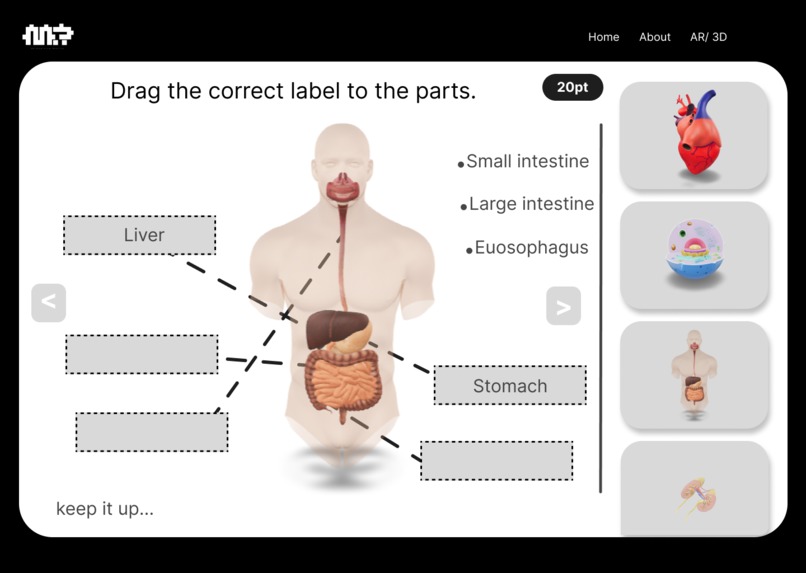
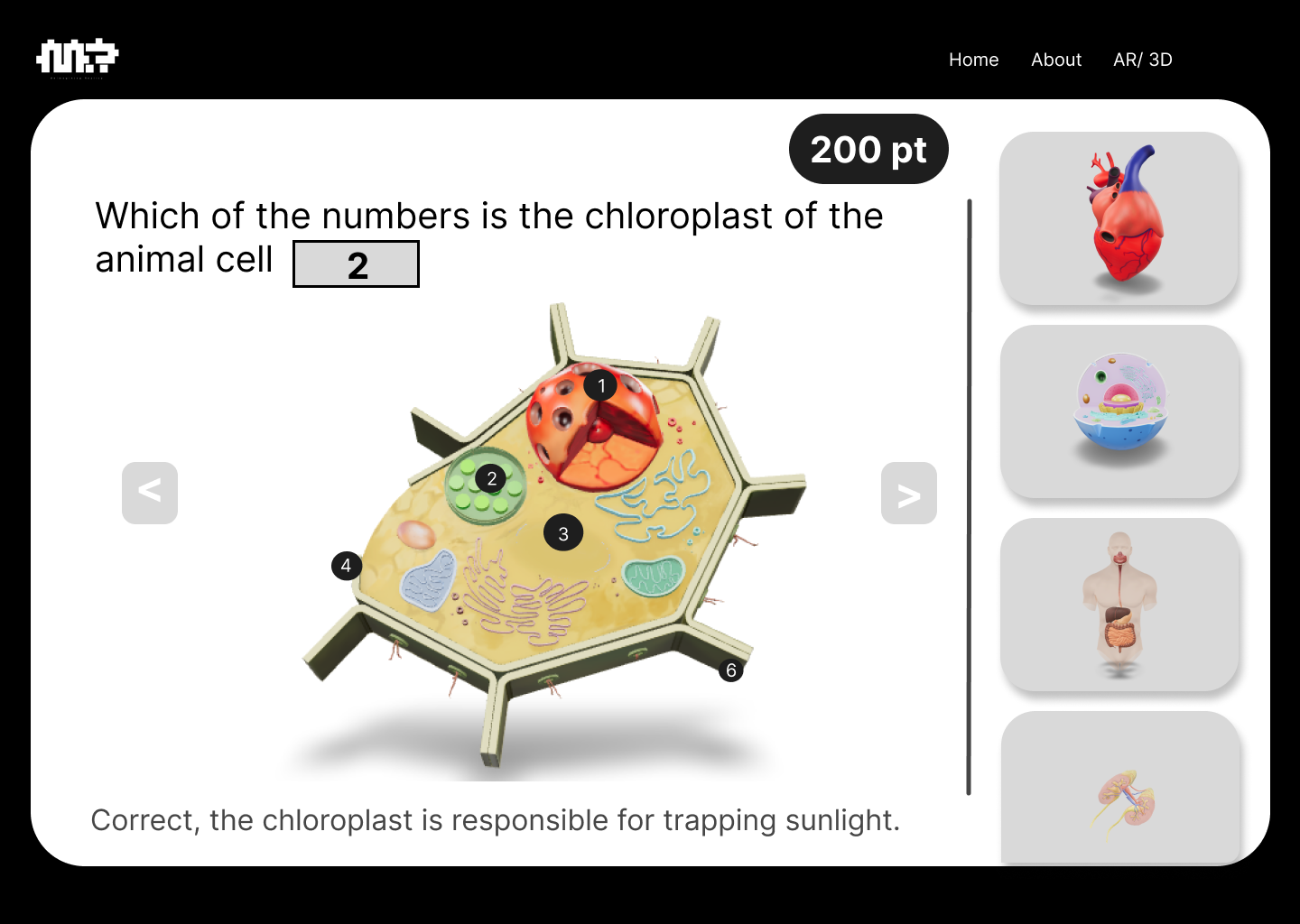
Also, there's an interactive quiz UI where users take short quizzes depending on the selected biology part/ system.
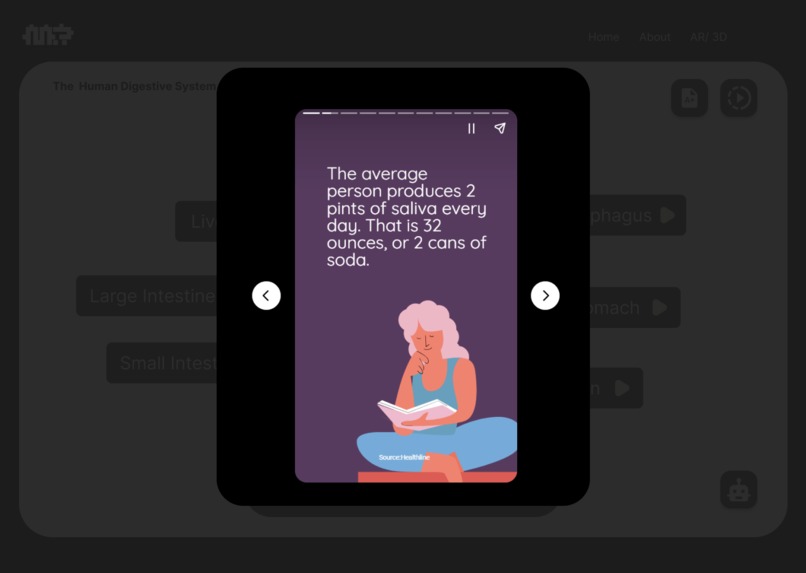
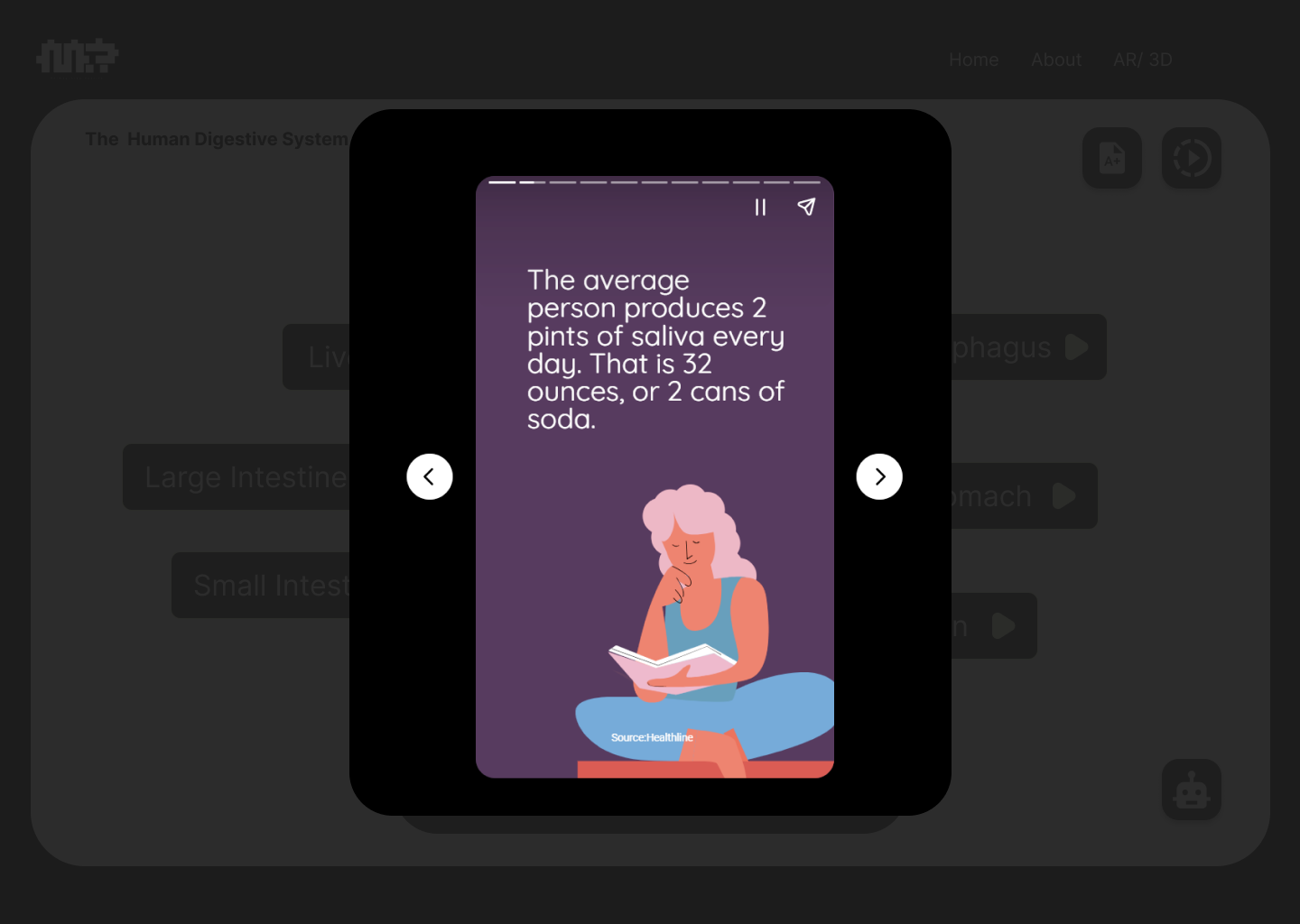
There's also a web stories section where users get short lessons based on the selected model. This is a microlearning approach to help people study on the go.
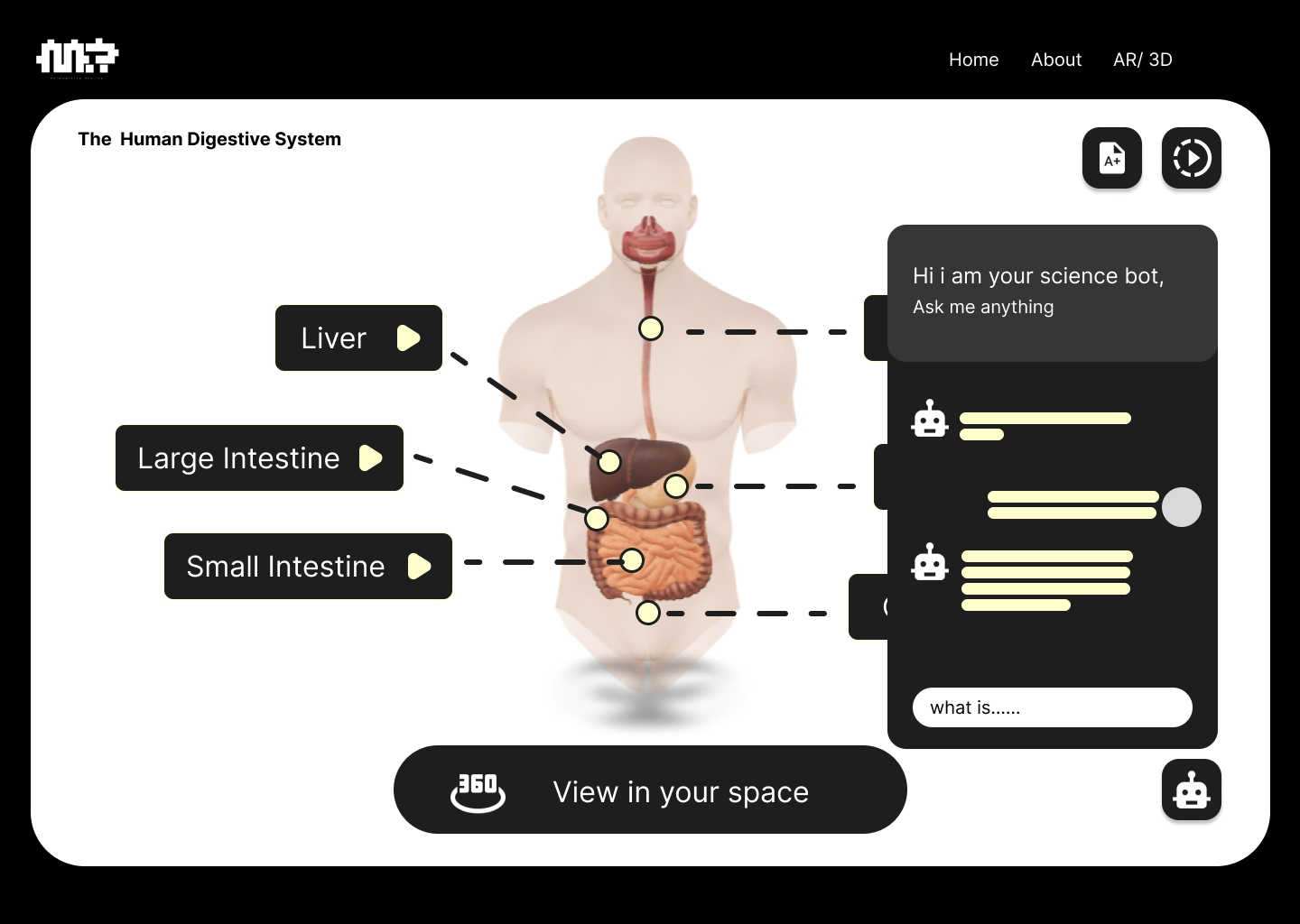
Moreover, there's a chatbot to assist learners on educational topics.
How we built it
Got some 3D models from Sketchfab and Paint 3D, I then imported them individually into Google's model viewer and gave the various parts the required annotations. I then built a website of them in Glitch to be able to test the models. I then took screenshots of each of the models and their annotations to use later in Figma. I uploaded the files into Figma and started designing while thinking of how users would feel when using the project. Using basic shapes, the available tools in Figma, and the screenshots of the 3D models, I was able to come out with the desired user interface for my project. project. Lots of ideas started popping in when I tinkered with the final outcome. For example, the chatbot, the video, the test, etc
Challenges we ran into
Just got exhausted, especially trying to read on the various parts of the biological parts.
Accomplishments that we're proud of
The speed at which i was able to come up with a simple UI after tinkering through lots of possible approaches.
What we learned
I learned that thinking about how people would feel when using your service helps a lot in driving how to approach a project.
What's next for MeyRAR-1
Build a website version of this for public consumption.
Arts and Technology for everybody, anybody, and for all
Credit: digestive system model link Brain: link Renal system:link Arts and Technology for everybody, anybody, and for all
facebook:https://web.facebook.com/shepherddabcd https://shepherdd.com/
Built With
- figma
- icon8
- materialicon
- modelviewer
- paint3d
- shepherdd.com
- sketchfab
- webstories


Log in or sign up for Devpost to join the conversation.