MethanEye is a low-cost, easily assembled drone for real-time methane detection. With GPS and altitude sensors, it offers fast, scalable leak tracking, helping industries identify and cut emission.
Inspiration : The inspiration for MethanEye came from the increasing need to detect methane leaks, an invisible and highly potent greenhouse gas that contributes to climate change. Traditional detection methods are slow, costly, and inefficient. The idea arose in a conversation between the team when we realized that drones, with their ability to provide high-resolution data quickly, could significantly improve leak detection. With the support of Rijual, who brought his expertise to the MethanEye project, we saw the potential to create a system that offers faster, more efficient, and scalable methane monitoring.
What it does: MethanEye is an autonomous drone-based methane detection system that uses an infrared sensor to detect methane, a GPS module to pinpoint leak locations, and LoRa/WiFi communication to send real-time alerts. It provides a cost-effective and scalable solution for detecting methane leaks faster, making an invisible threat visible and actionable.
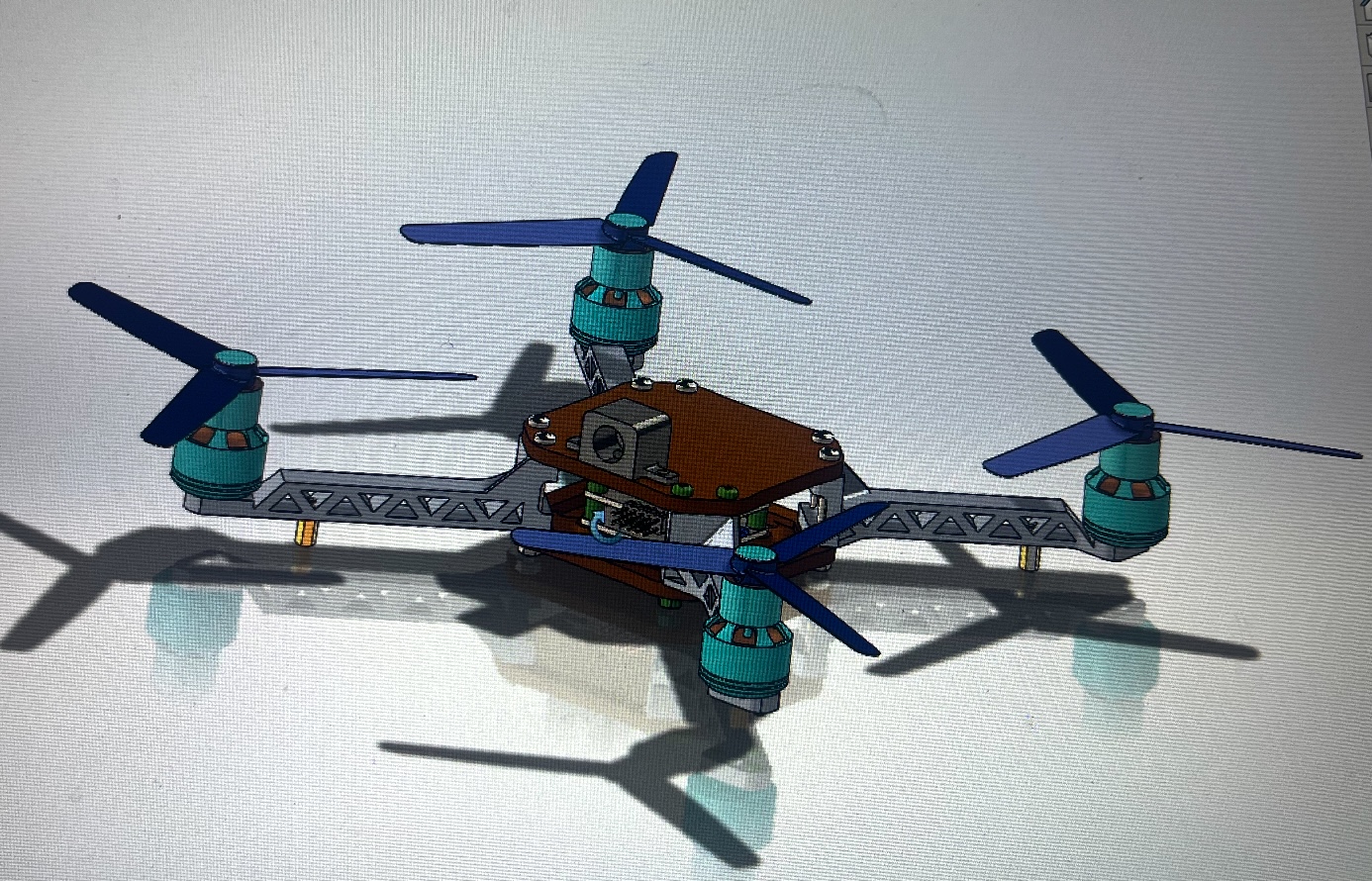
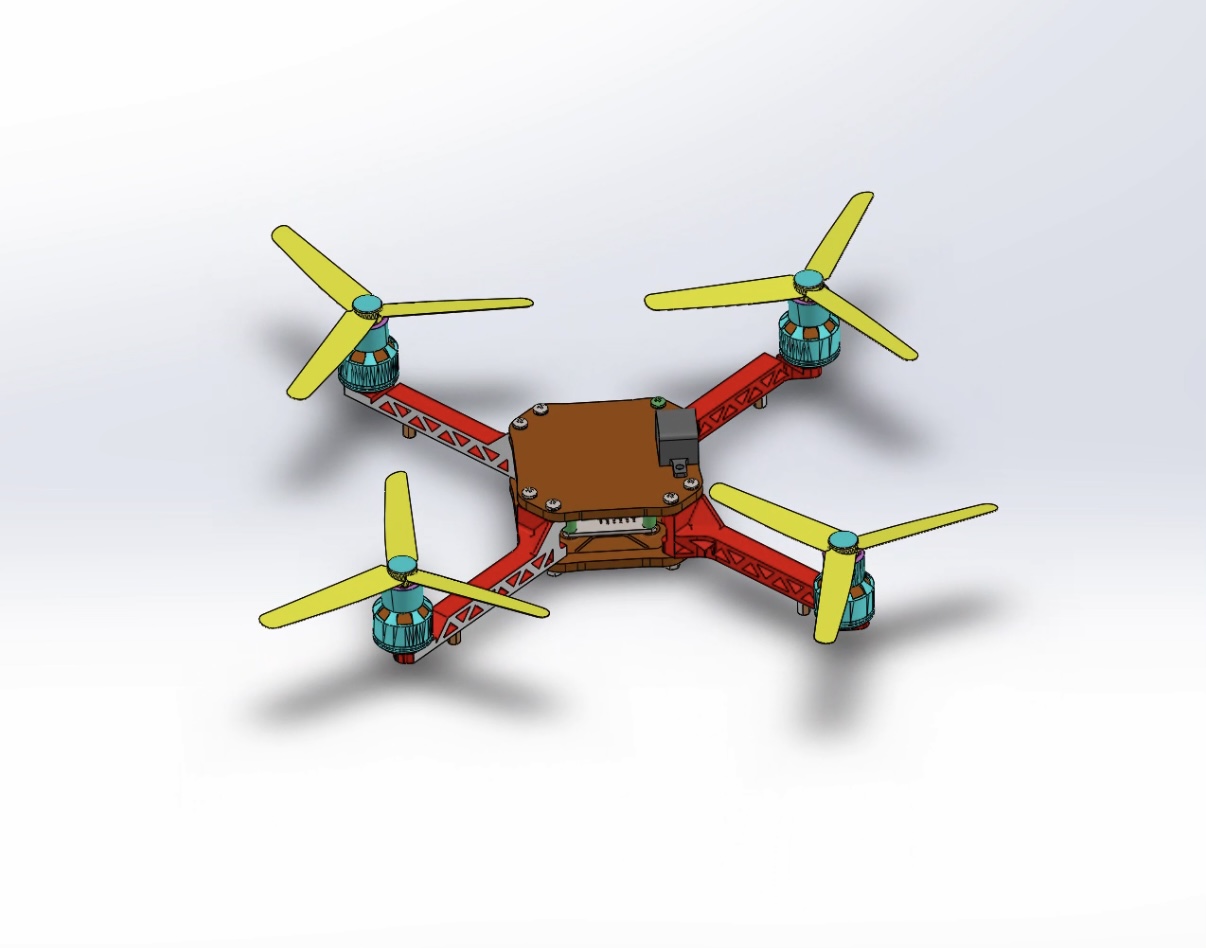
How we built it: We developed MethanEye by integrating infrared sensors, GPS, and real-time communication modules with a drone platform. The system uses off-the-shelf components to keep it affordable and easy to scale. Rijual contributed his technical expertise to the project, ensuring the integration of sensors, drone software, and communication systems.
Challenges we ran into: One of the major challenges we faced was simulating the environmental conditions and methane detection in the AirSim simulation. This was tricky because simulating the dispersion of methane and its interaction with drone sensors had to be accurate to ensure the system worked in real-world conditions.
What we learned: We’re proud of how much we’ve learned about AI, simulations, and how to apply these technologies to methane detection. Although we don’t have a physical prototype yet, we’ve improved our software knowledge and understanding of how to integrate various systems. The simulations have allowed us to test and refine the concept, paving the way for future prototyping and development.
What's next for Methaneye: The next steps involve moving toward physical prototype development, where we will integrate the technologies we’ve refined through simulations. We’re also focused on enhancing the AI algorithms for more accurate methane leak detection and exploring ways to scale the system for larger deployments. The goal is to make MethanEye a ready-to-deploy solution for industries like oil & gas, agriculture, and waste management.


Log in or sign up for Devpost to join the conversation.