-
-
map
-
car1
-
car2
Inspiration
We were inspired by the vision of cities that manage themselves — intelligent urban ecosystems where traffic moves like a living organism. Today’s traffic systems are rigid, rule-based, and reactive. We wanted to explore how autonomous AI agents could transform chaos into order by communicating, learning, and coordinating movement in real time. MetaTraffic was born from that idea — a system where traffic doesn’t just follow rules, it learns them.
What it does
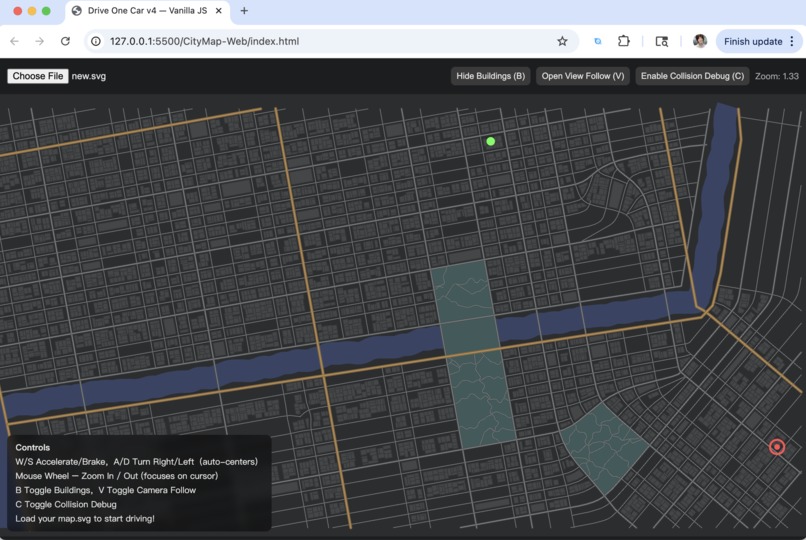
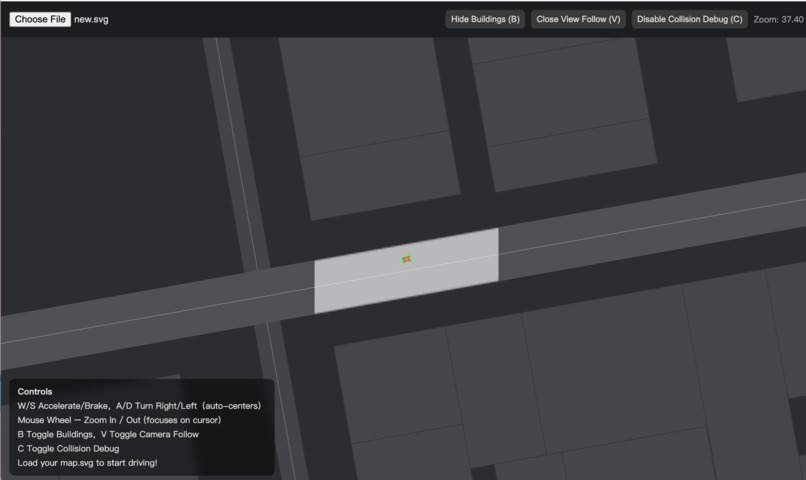
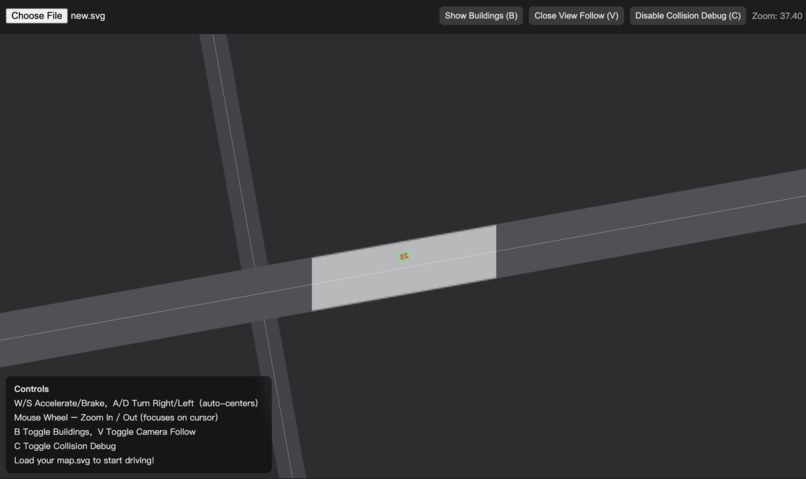
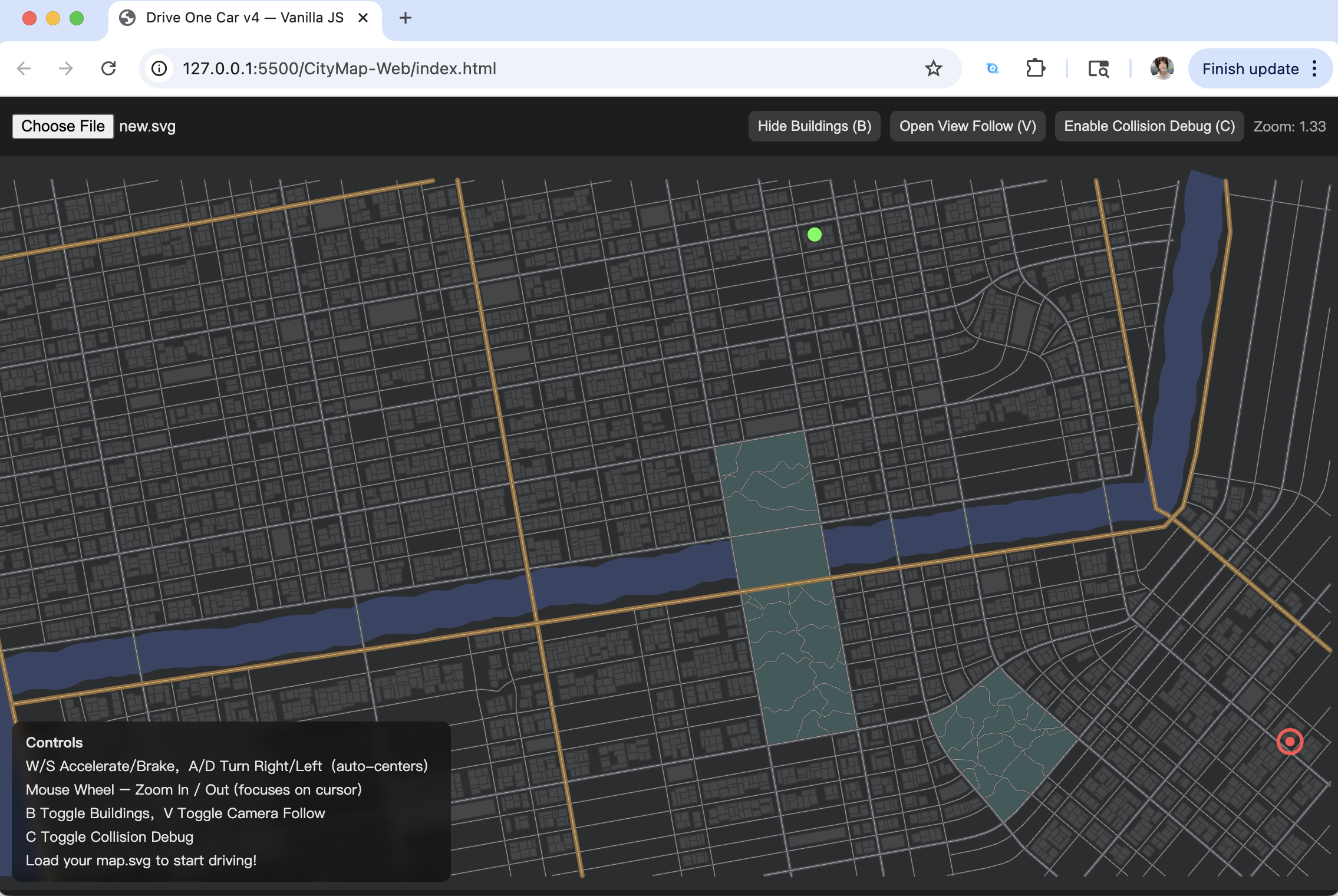
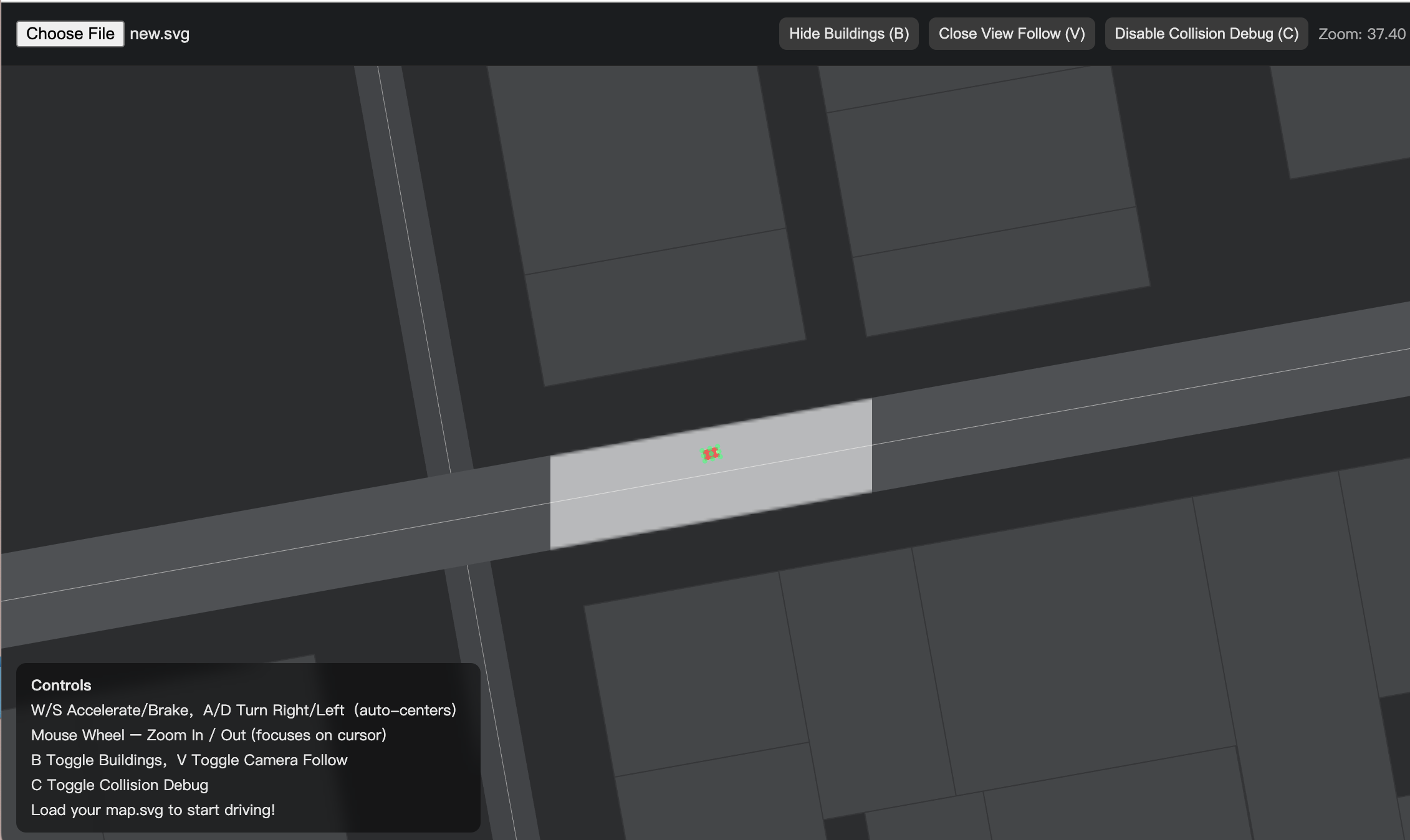
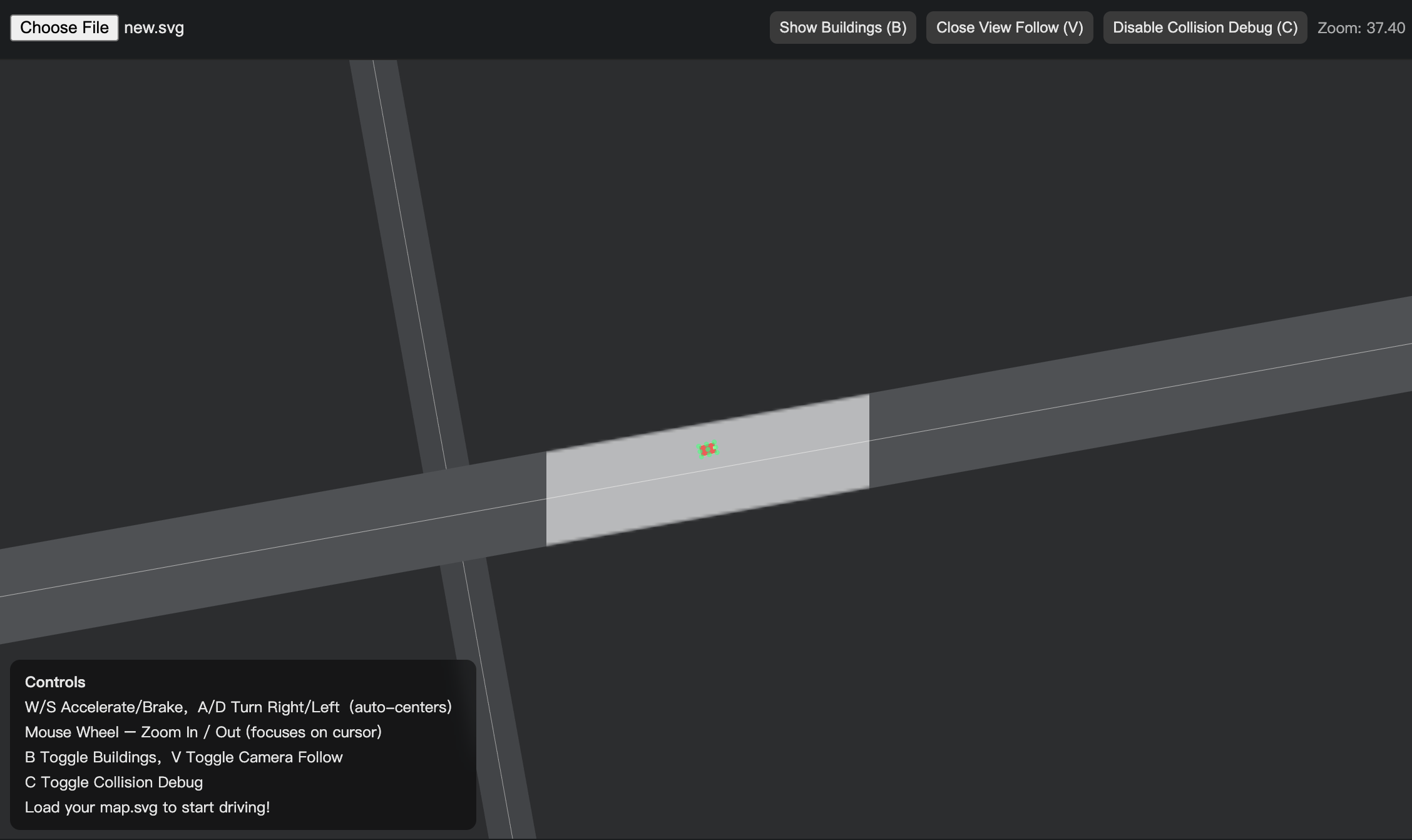
MetaTraffic is a multi-agent AI simulation that models a fully automated traffic network within an intelligent city. Each vehicle acts as a reinforcement learning agent that controls acceleration and braking, obeys signals, and avoids collisions. The system dynamically generates new city maps — roads, intersections, signals, and pedestrians — to simulate the complexity of real-world environments. Together, the agents cooperate to minimize congestion, avoid collisions, and optimize the global flow of traffic. Our goal is to create an intelligent urban traffic system — where all vehicles coordinate with each other to achieve smooth, congestion-free traffic flow while minimizing travel time across the entire city. A smarter, faster, and more efficient service for the future of intelligent human society.
How we built it
We created a randomized 3D urban environment generator that builds a new road network each run — different lane widths, intersections, signal placements, and pedestrian paths. Each vehicle agent receives continuous sensory input: its current speed, distances to nearby vehicles, traffic light states, and available road paths. Using multi-agent reinforcement learning, each agent learns how to navigate safely and efficiently through a constantly changing world.
The reward function encourages smooth driving, safety, and global efficiency:
$$ R = \alpha \cdot v - \beta \cdot d_{collision} - \gamma \cdot t_{delay} $$
We implemented an inter-agent communication layer so vehicles can share information about speed, direction, and planned maneuvers. This collective awareness allows the entire network to behave like a decentralized AI — constantly adapting and self-optimizing as the city evolves.
Challenges we ran into
One of the hardest problems was ensuring stability in a dynamic, random environment. When the city layout changes every run, agents must relearn spatial awareness while maintaining driving efficiency. Balancing independent decision-making with coordinated flow was a deep technical challenge. We also faced difficulties in collision prediction, synchronization of multiple signals, and ensuring pedestrians and vehicles interact realistically.
Accomplishments that we're proud of
We built a system that doesn’t just simulate traffic — it adapts to it. MetaTraffic achieves emergent behavior where hundreds of vehicles self-organize into fluid, congestion-free movement without any central control. The moment we saw agents learning to anticipate each other’s actions in an ever-changing city was a defining breakthrough — proof that AI can bring harmony to complex urban mobility.
What we learned
We learned that multi-agent reinforcement learning becomes exponentially more powerful when combined with environmental randomness. It forces the system to generalize rather than memorize, creating agents that truly understand movement dynamics. We also learned that communication between agents — even simple intent sharing — dramatically improves safety and throughput, showing how future AI-driven traffic networks could operate in real life.
What's next for MetaTraffic
Our next step is to scale MetaTraffic into a large-scale intelligent traffic infrastructure simulator, integrating real city maps, aerial mobility layers, and IoT sensor data. We aim to evolve it into a framework for AI-managed urban traffic systems — from cars to drones, from ground to sky. Ultimately, MetaTraffic will act as the digital nervous system for future cities — orchestrating movement across entire civilizations with precision and grace.


Log in or sign up for Devpost to join the conversation.