Inspiration
We've been inspired to work on building cross-chain infrastructure since 2017 as soon as it became clear that more and more chains would need to be made to solve different problems. It was clear these chains would eventually need to work together.
But we were also inspired by how much crypto now is like the American frontier and the way it represents freedom and self-sovereignty
On the American frontier, if people faced discrimination, difficulties, or a lack of opportunity, they could move west and create the world they wanted. That's much how the blockchain is today — an issue crops but and a new project is born to solve that issue. New communities are crafted around shared beliefs or values. People organize to make the world a better place.
But moving between these new worlds is hard, and the friction prevents not just new users but even seasoned veterans from making the move. It can be hard to interact with a world you are interested in because all your assets are on a different chain. The ability to move freely between these worlds was necessary not only for their success but for people to have true choices.
We wanted to give people the ability to easily navigate the Metaverse and move their assets from one chain to another so we can all work together to build a cohesive blockchain future together.
What it does
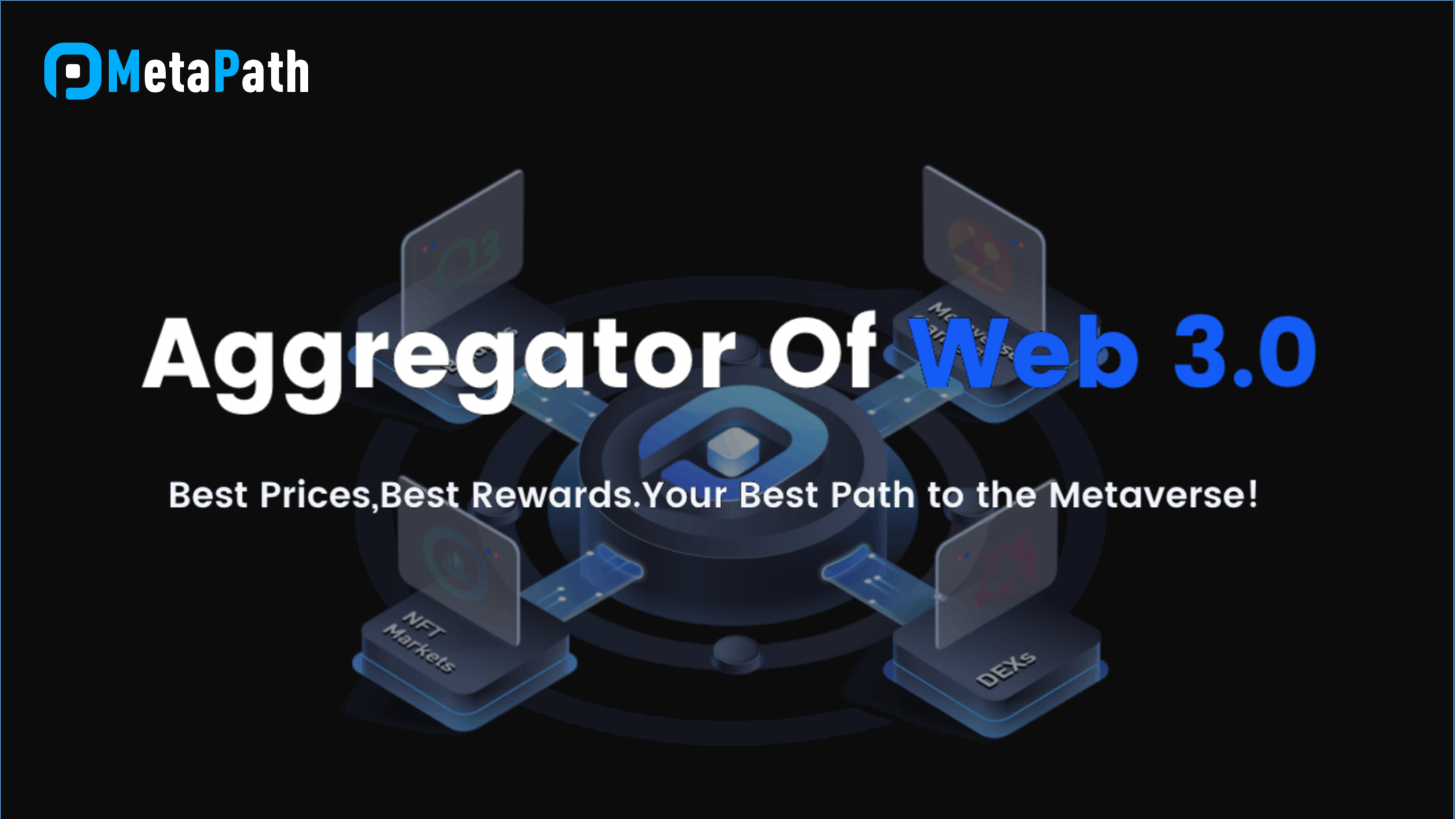
MetaPath aggregates DEXs, aggregators, NFTs marketplaces, and GameFi platforms so that a user can access dozens of different ecosystems from a single dApp. It lets users get the tokens or NFTs they want with the coins they already have all in one place.
Currently, to move funds from one ecosystem to another, you need to use exchanges, dApps, juggles multiple tabs etc. It's not easy and for many new users is completely daunting.
We make Web3 easy. We make navigating the universe from a single portal possible.
We are writing our own routing algorithms to connect projects at the smart contract level, we hope to launch a token that will reward users for cross-chain trades, and bring more liquidity to the space. We have APIs and SDKs that allow us to continually onboard more ecosystems
How we built it
We started by building cross-chain bridges and then started aggregating more and more ecosystems. We have APIs and SDKs that allow us to quickly onboard more ecosystems, and we reach out personally to bring on board as many as possible.
Challenges we ran into
The crypto world changes day by day, and market volatility makes it hard to predict the most valuable environments to connect to next. We believe NFTs will be a big part of the future, but who knows how long they will be popular. Maybe they will need to suffer their own winter before they actually become ubiquitous, acting as a bridge between the real world and the blockchain metaverse.
Not being able to predict these changes presents financial and strategic challenges.
Accomplishments that we're proud of
We are the first project to offer direct cross-chain swaps for NFTs, and we've aggregated more platforms and chains than almost many DEX aggregators. It doesn't matter what chain your NFT is on, if we support it, you can buy with any token on MetaPath.
What we learned
It's hard to build a cross-chain future. It's always harder than you expect, but things worth doing are always hard.
Sometimes simple things are revolutionary. Being able to move tokens from one chain to another in a few quick clicks instead of figuring out an exchange doesn't sound like a big advancement at first. But by simply removing friction, we've changed the game. Tokenization has challenges. But we are committed to finding a way to reward users for using our platform with platform tokens. High fees kill adoption. Although this problem will take a long time to solve, it's a goal we are keeping an eye on. Without cheap fees, you don't have a truly democratic platform.
What's next for MetaPath
We are considering to write our own routing algorithms to connect projects at the smart contract level, to enable a more free future.

Log in or sign up for Devpost to join the conversation.