-
-
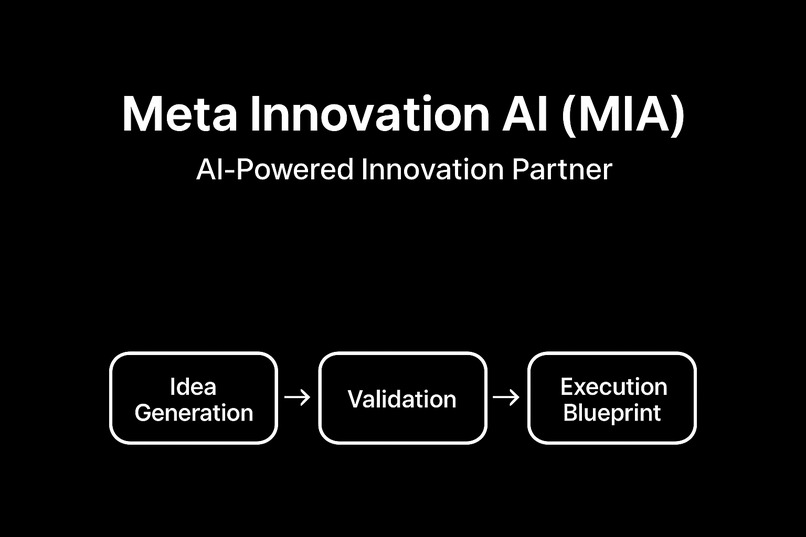
Work-Flow
-
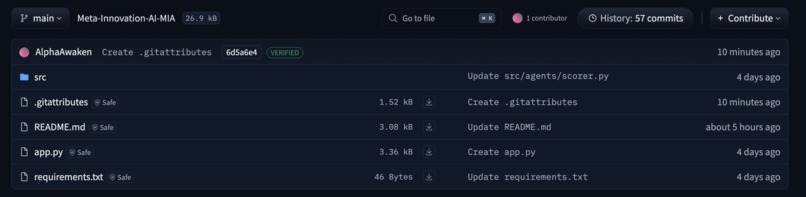
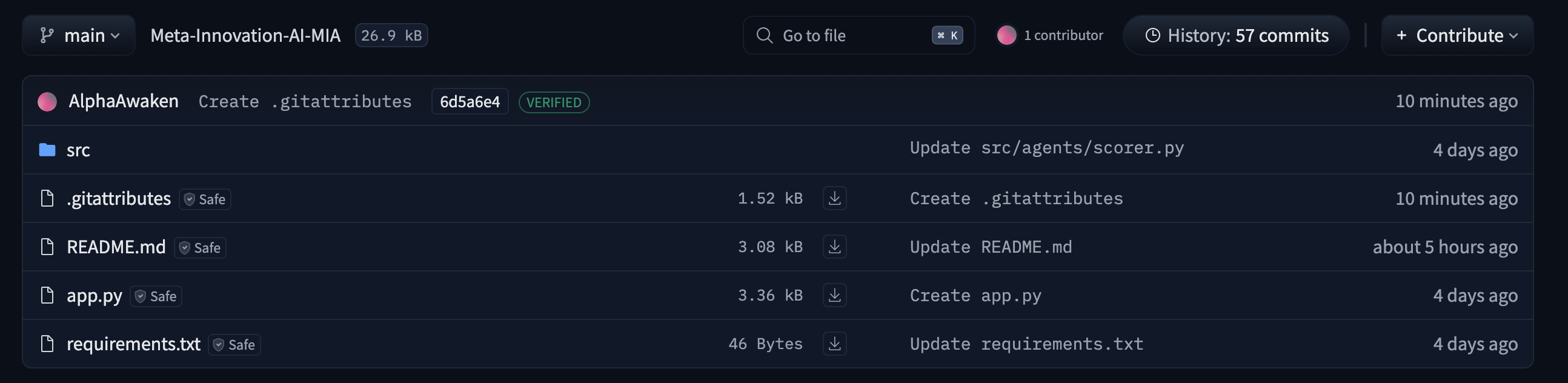
File Structure
-
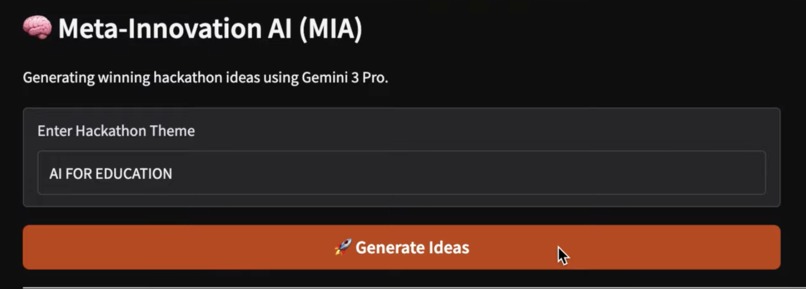
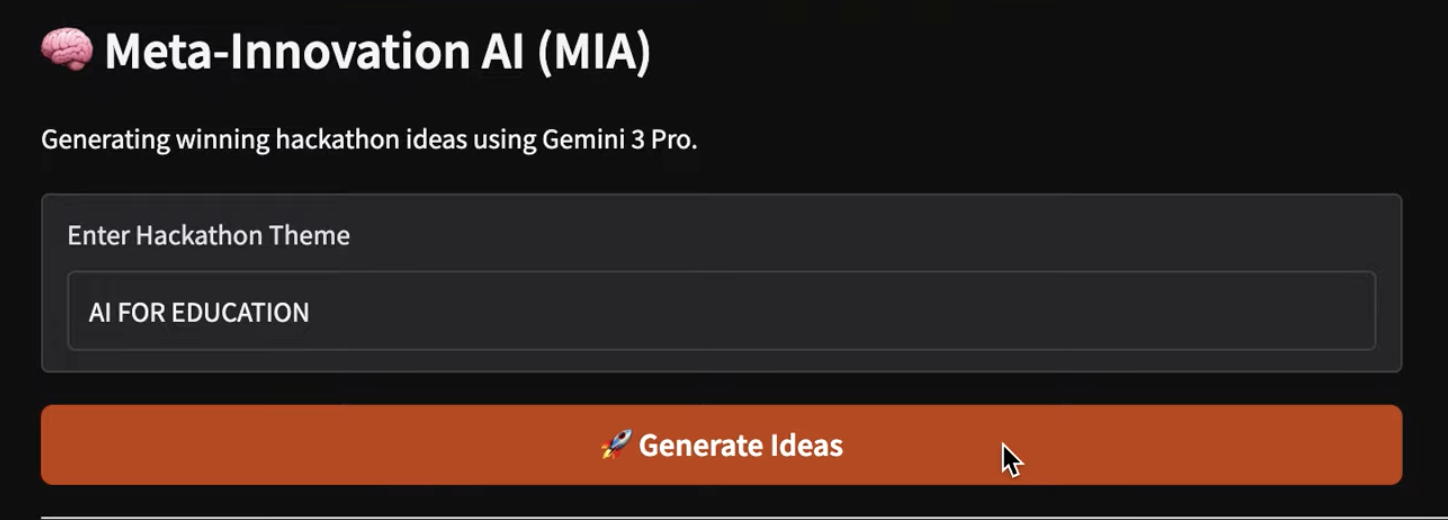
Generate Idea
-
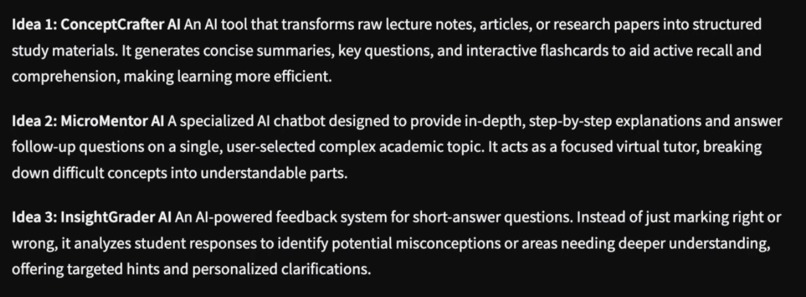
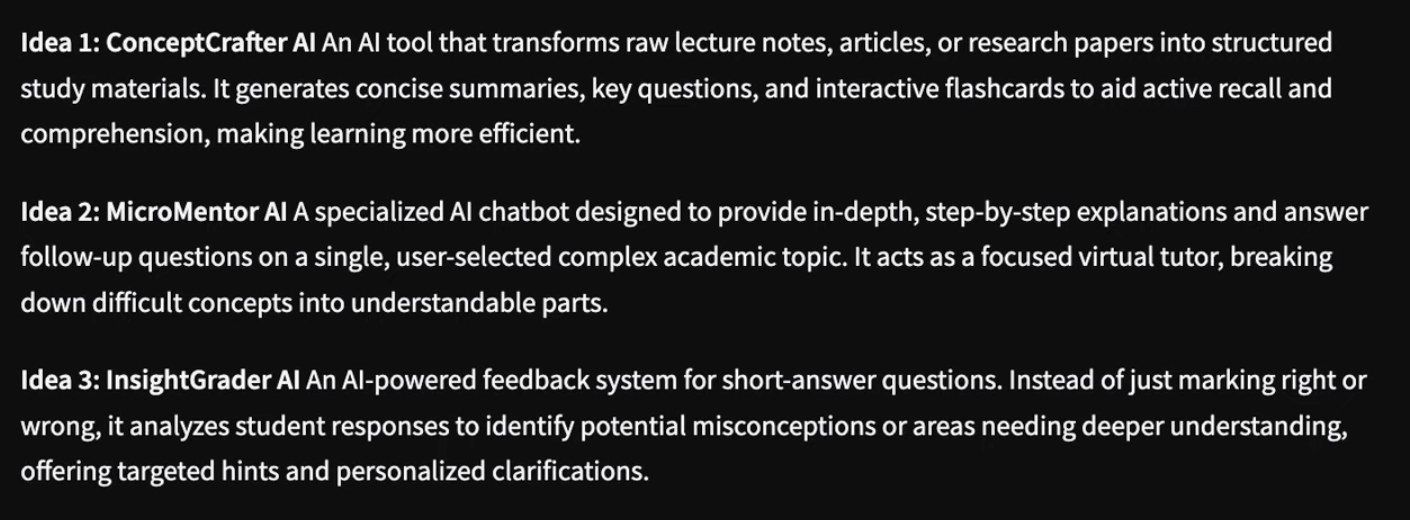
Generated Idea Result
-
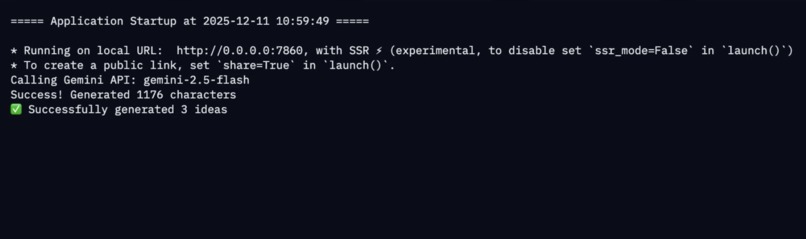
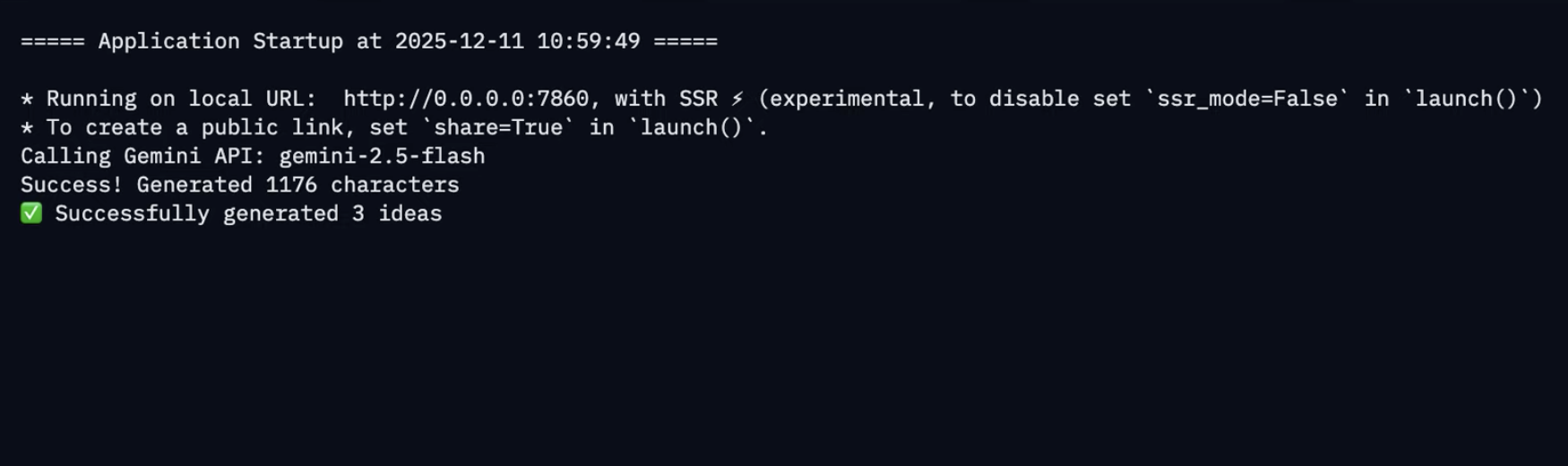
Generated Idea - LOG
-
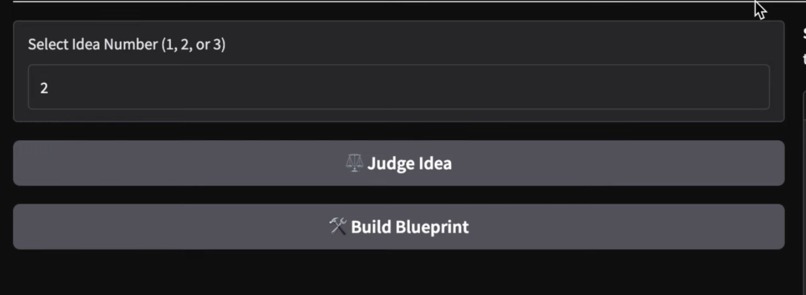
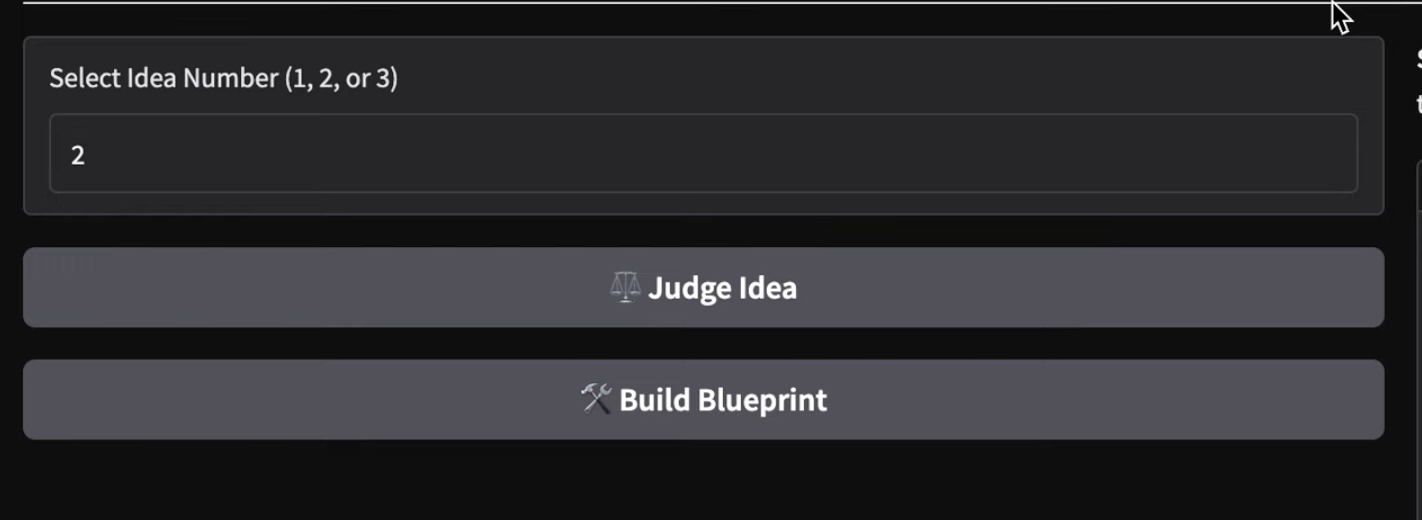
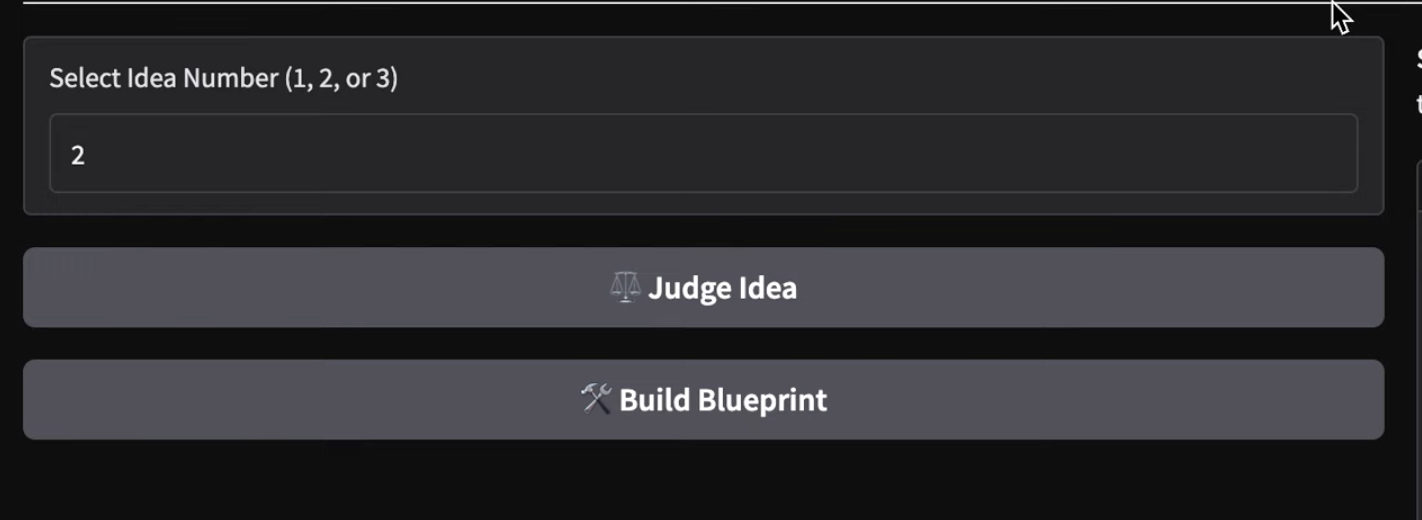
Judge Idea
-
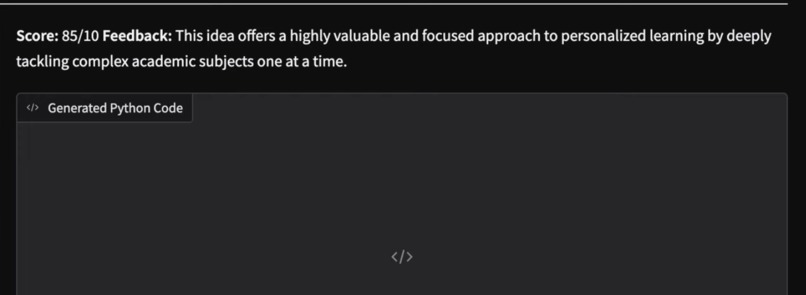
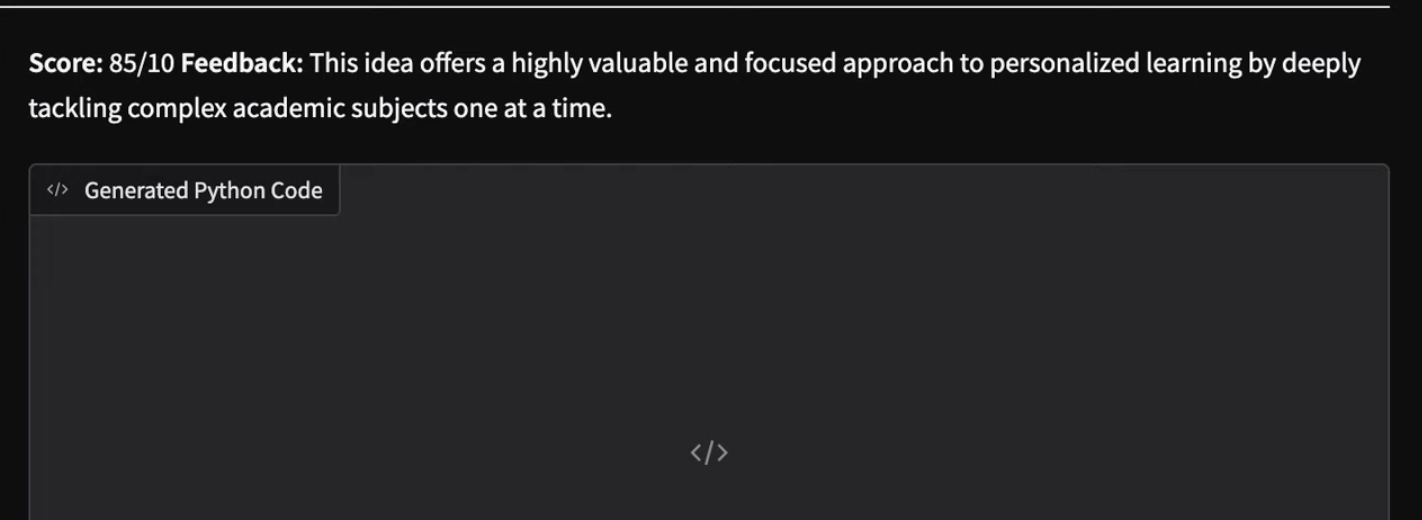
Judge Idea - Result
-

Idea Generation Result - LOG
-
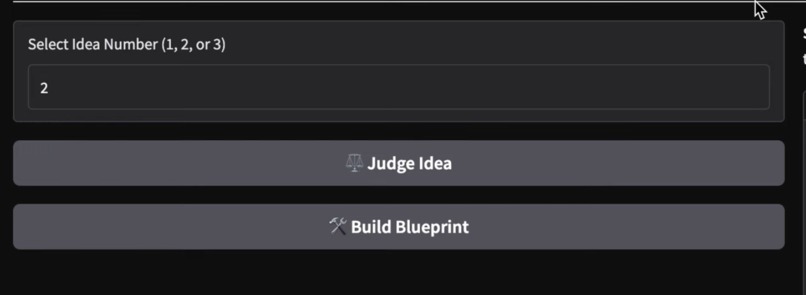
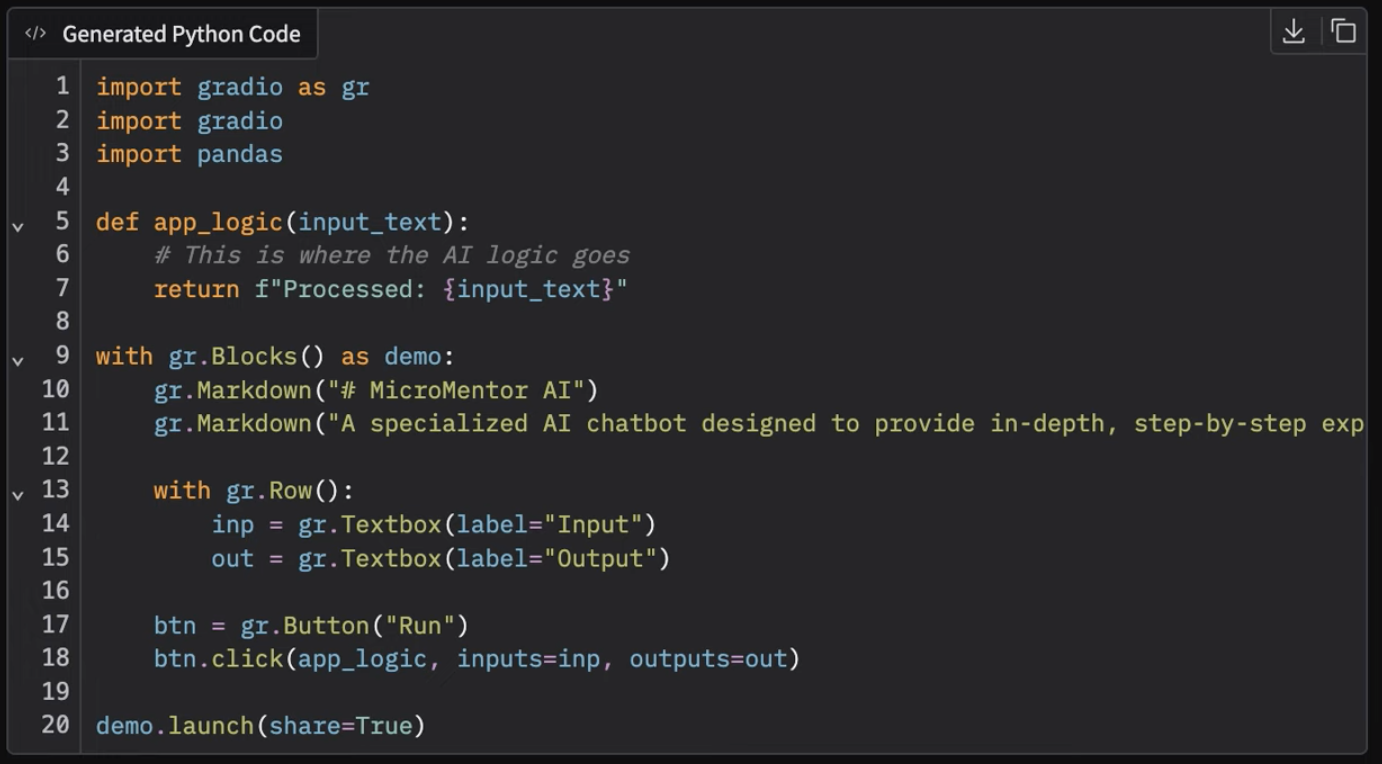
Build Blueprint
-
Blueprint - Result

1 — Inspiration
Meta Innovation AI (MIA) started with a simple question: What if AI could guide the entire innovation process—not just answer questions?
Innovation today is scattered. You brainstorm in one tool, research in another, prototype elsewhere, and test everything manually. I wanted to build an AI that connects every step into a single, structured flow.
The rise of agentic AI and Google’s new Gemini models inspired me to explore multi-stage reasoning and automated ideation pipelines. That became the starting point for MIA.
2 — What it does
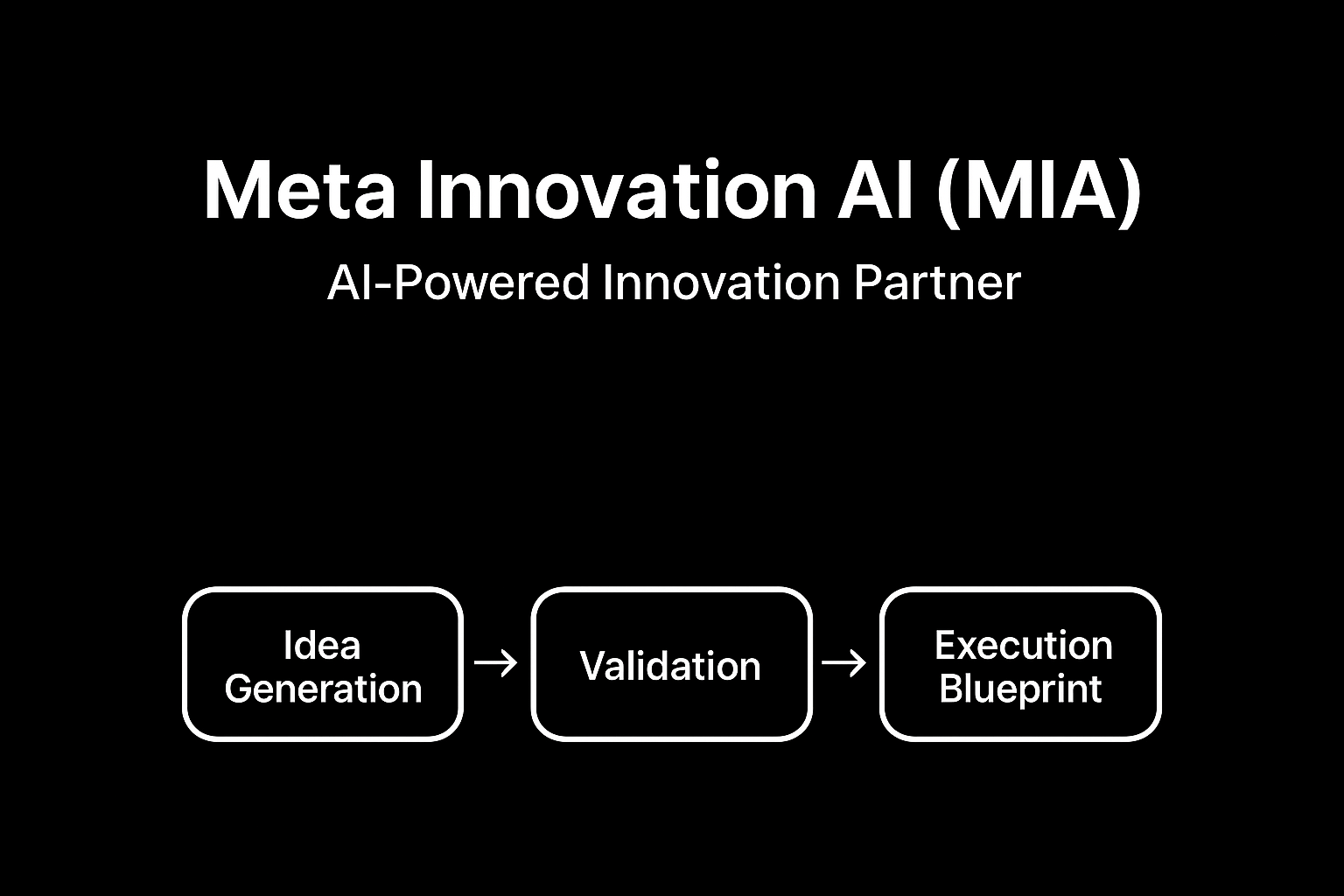
MIA acts as an AI-powered innovation partner that follows a strict 3-stage reasoning pipeline:
Idea Generation – Creates refined, high-quality concepts
Validation – Stress-tests the idea, checks feasibility, identifies gaps
Execution Blueprint – Produces actionable steps, technical plans, and next moves
With one click, the user receives a complete mini-innovation cycle.
3 — How I built it
MIA was developed using:
Gradio for the interface
Google Gemini API for reasoning
A structured multi-prompt system to enforce consistency
JSON-formatted pipelines for clean, parseable outputs
Hugging Face Spaces for deployment
Session-based memory to keep reasoning stages connected
The app takes user input, passes it through a 3-layer reasoning stack, and presents each stage clearly in the UI.
4 — Challenges we ran into
Getting Gemini to consistently follow the 3-phase reasoning loop
Preventing hallucinations and enforcing structured outputs
Keeping the UI responsive during long reasoning sequences
Working within API limits on Hugging Face
Designing outputs that stay interpretable, safe, and useful
These challenges pushed me to refine prompts, add validation layers, and improve structure.
5 — Accomplishments that I’m proud of
Built a fully functional, multi-stage innovation pipeline using LLM reasoning
Created clean, stage-based outputs that feel like a real product
Successfully deployed and optimized an agentic AI workflow
Designed something genuinely helpful for founders, students, and builders
Turned a simple idea into a working prototype quickly
6 — What I learned
How to design agentic AI workflows using structured reasoning
How to control LLMs with prompts, delimiters, and internal thinking phases
How to deploy secure apps with environment secrets
Why UI clarity matters when dealing with long outputs
The importance of rapid iteration, testing, and feedback
7 — What’s next for Meta Innovation AI (MIA)
Planned future directions include:
Adding collaborative mode for teams
Integrating real RAG-based research abilities
Generating prototypes (UI, code, architecture diagrams)
Creating a personalized learning loop that adapts to each user
Evolving MIA into a complete AI product builder
Releasing an API version for developers
MIA is just the beginning—it's evolving into an AI that doesn’t just help create ideas but helps bring them to life.


