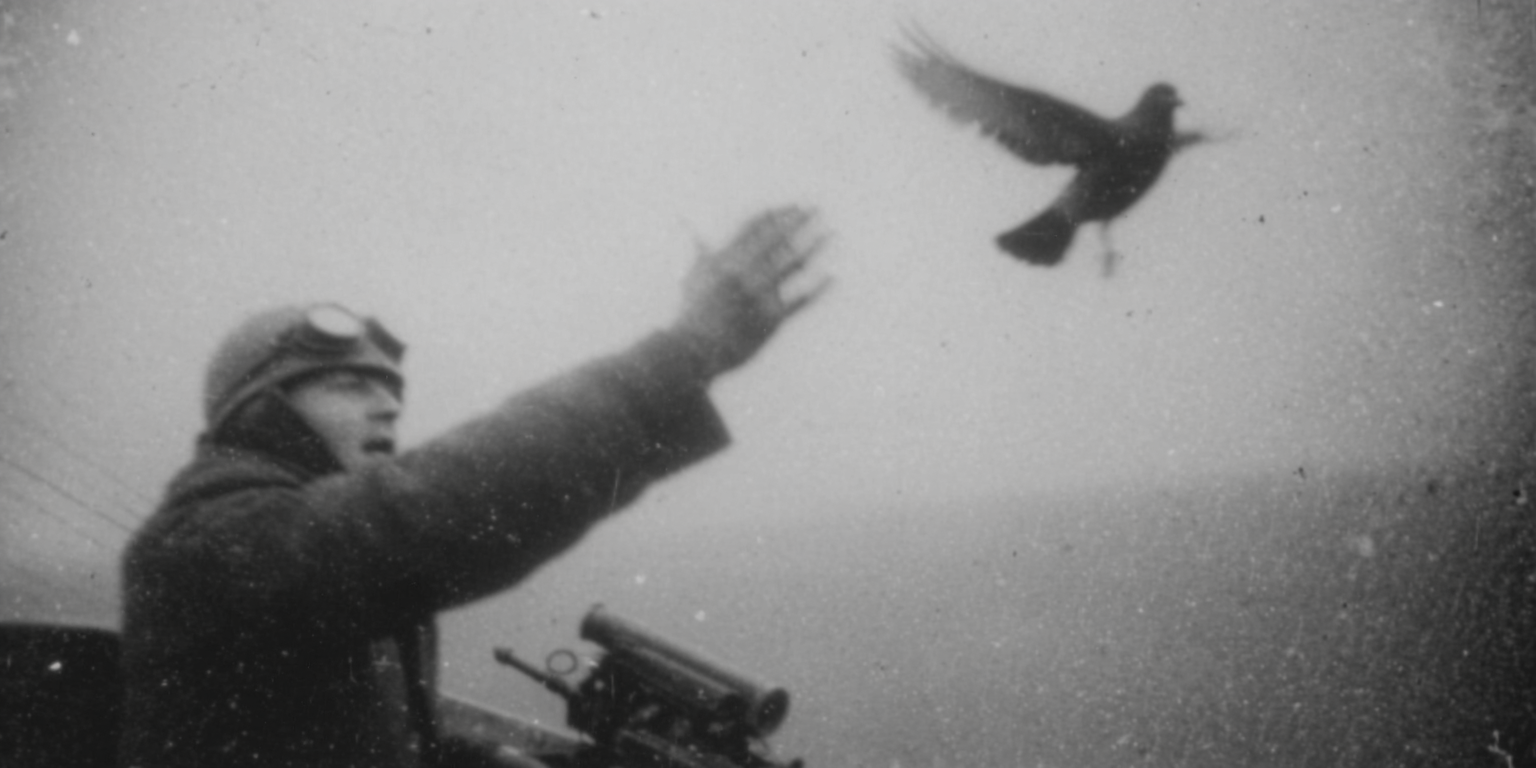
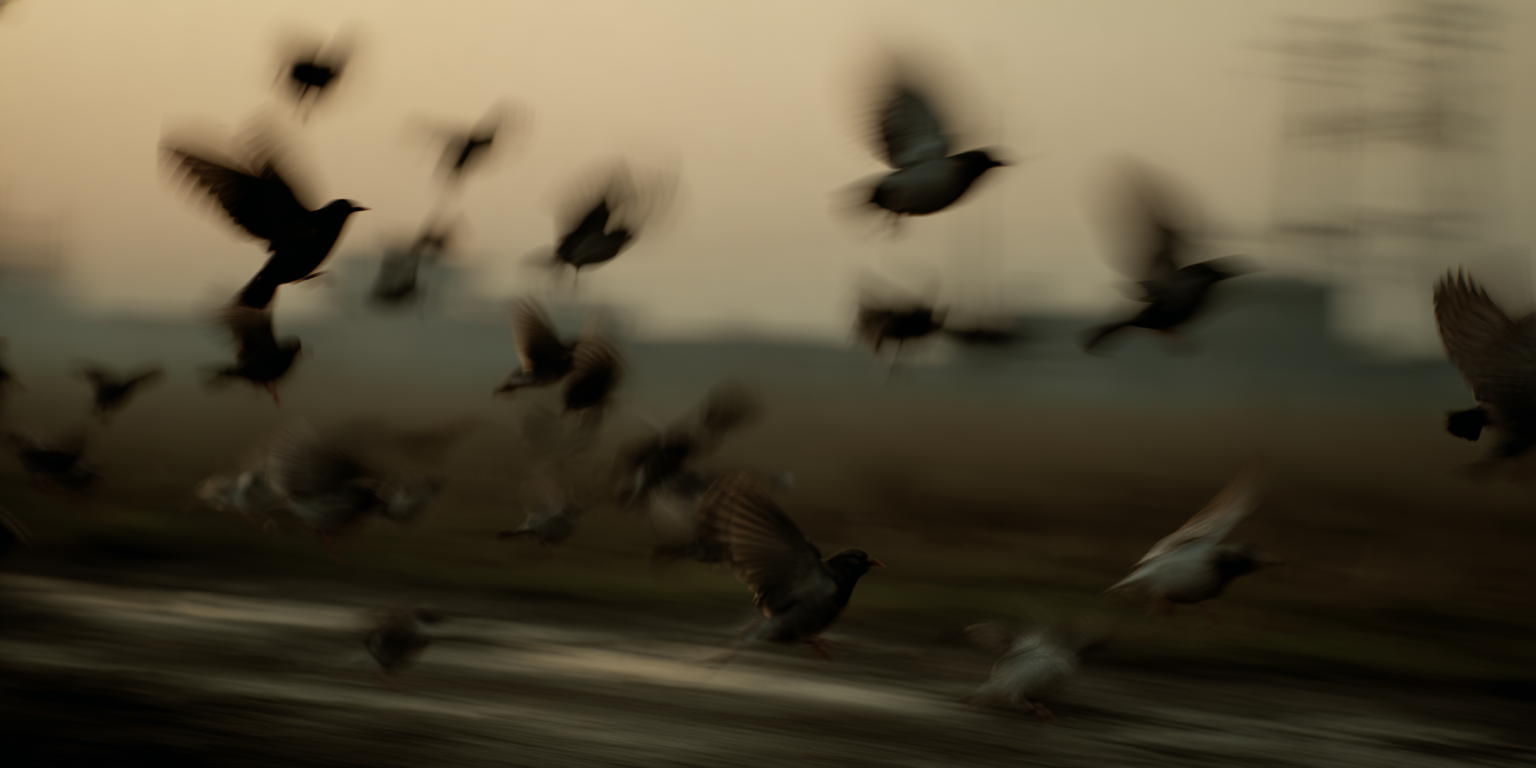
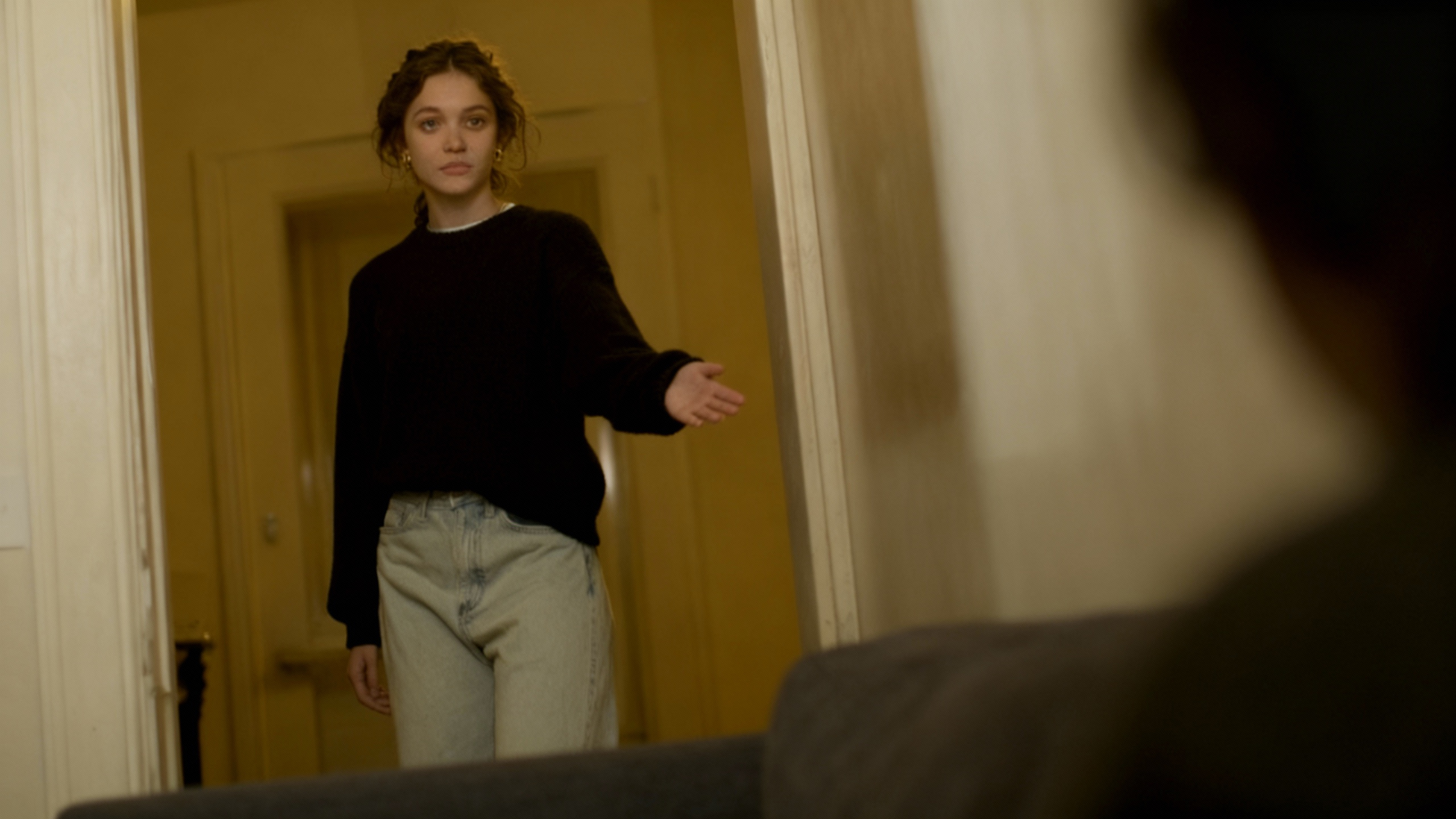

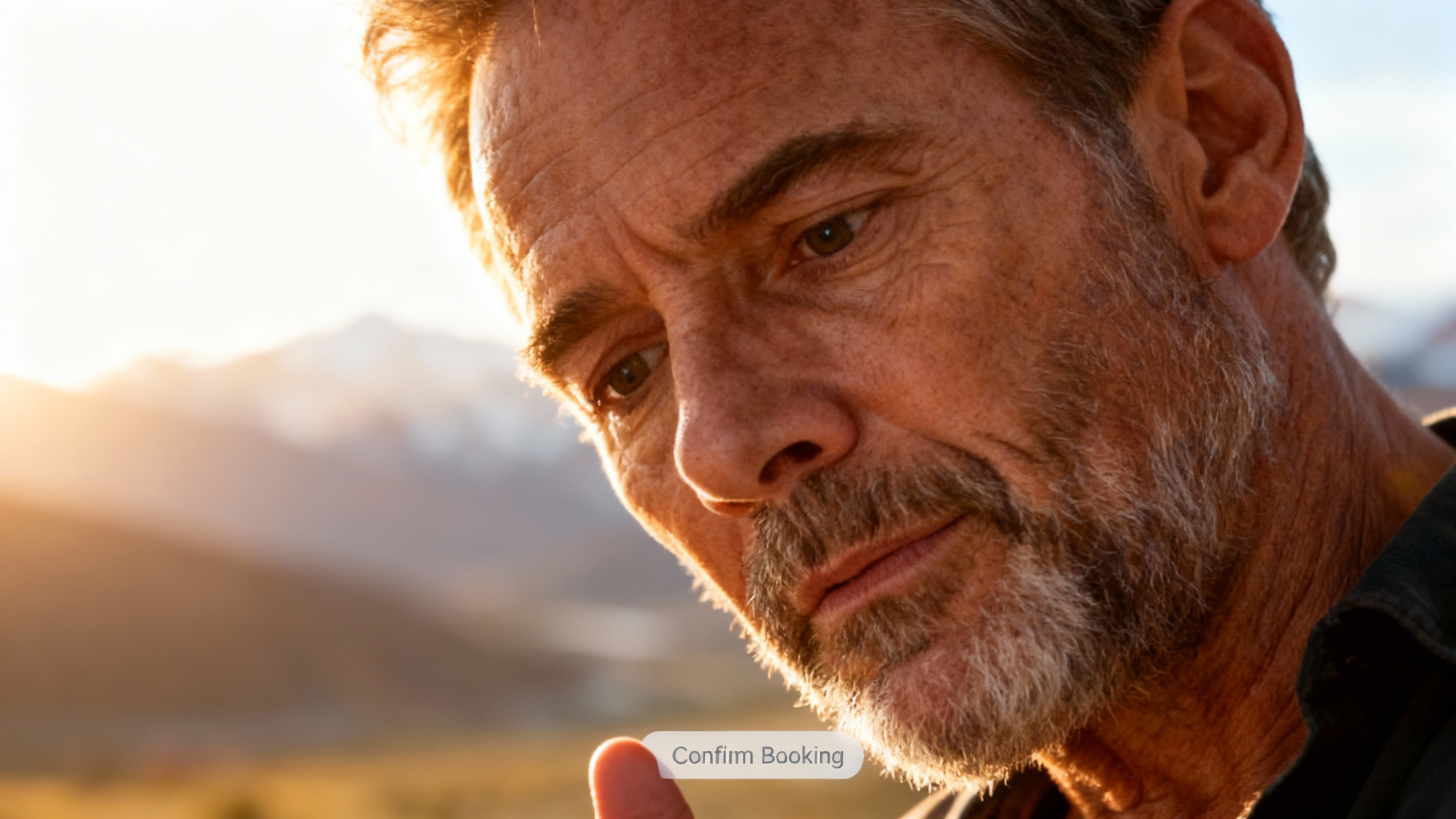
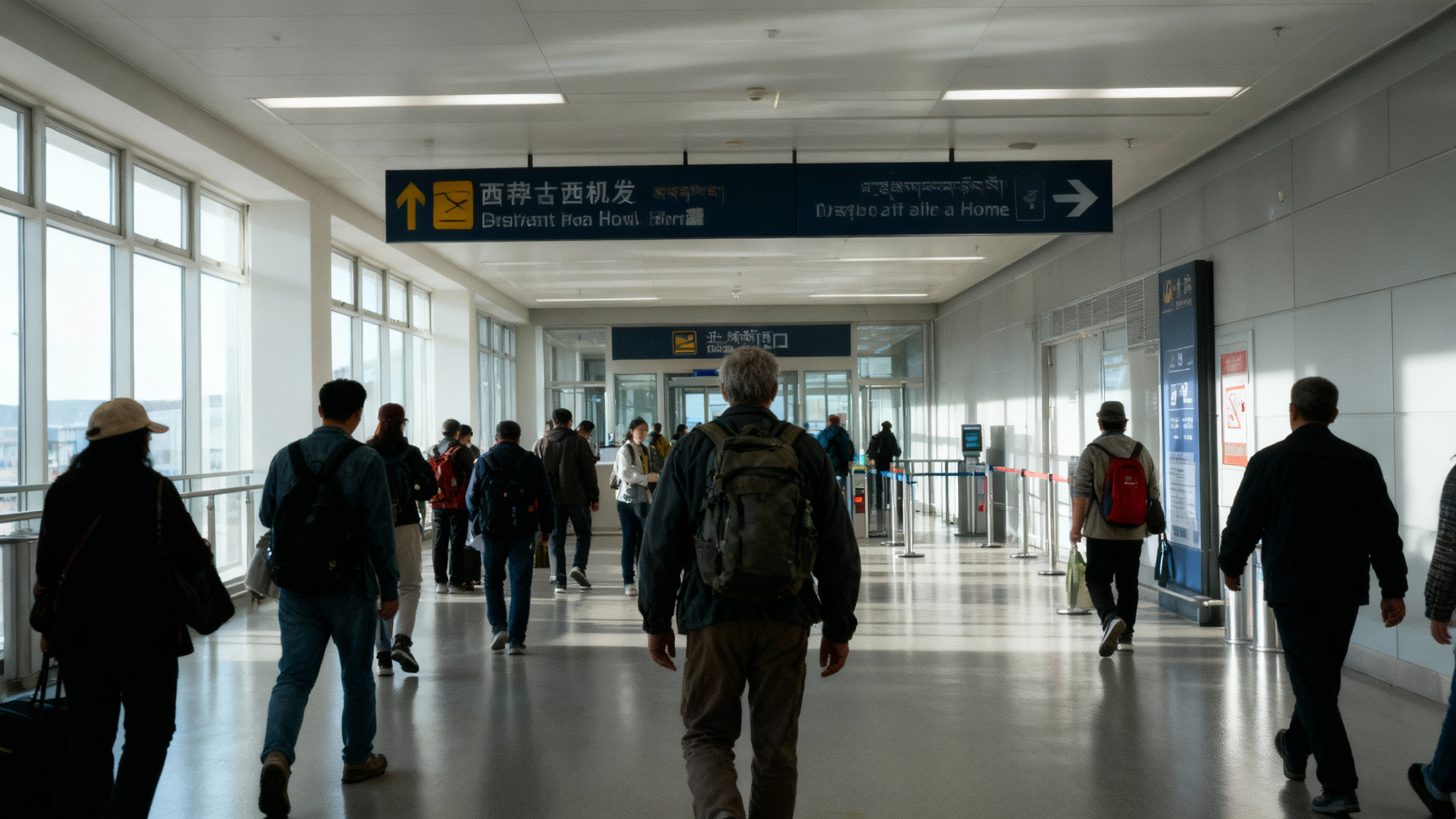
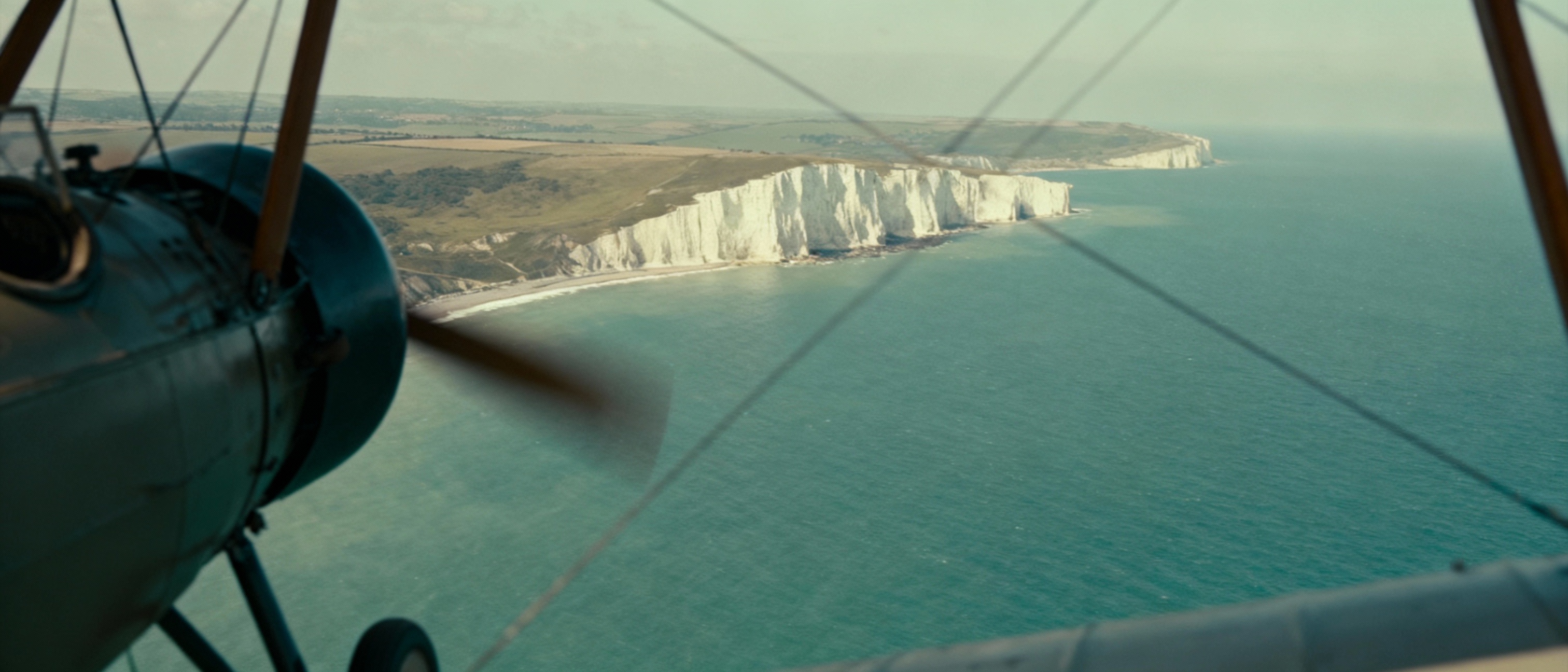
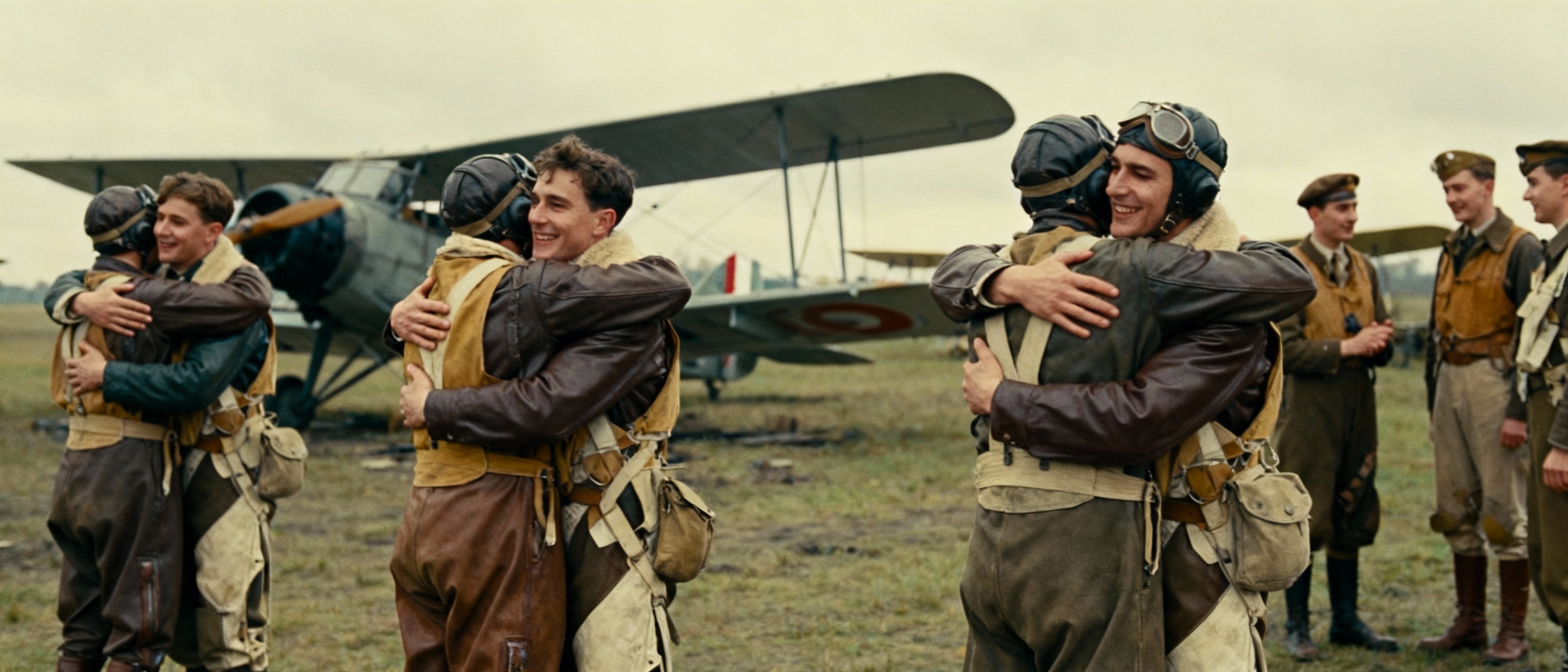
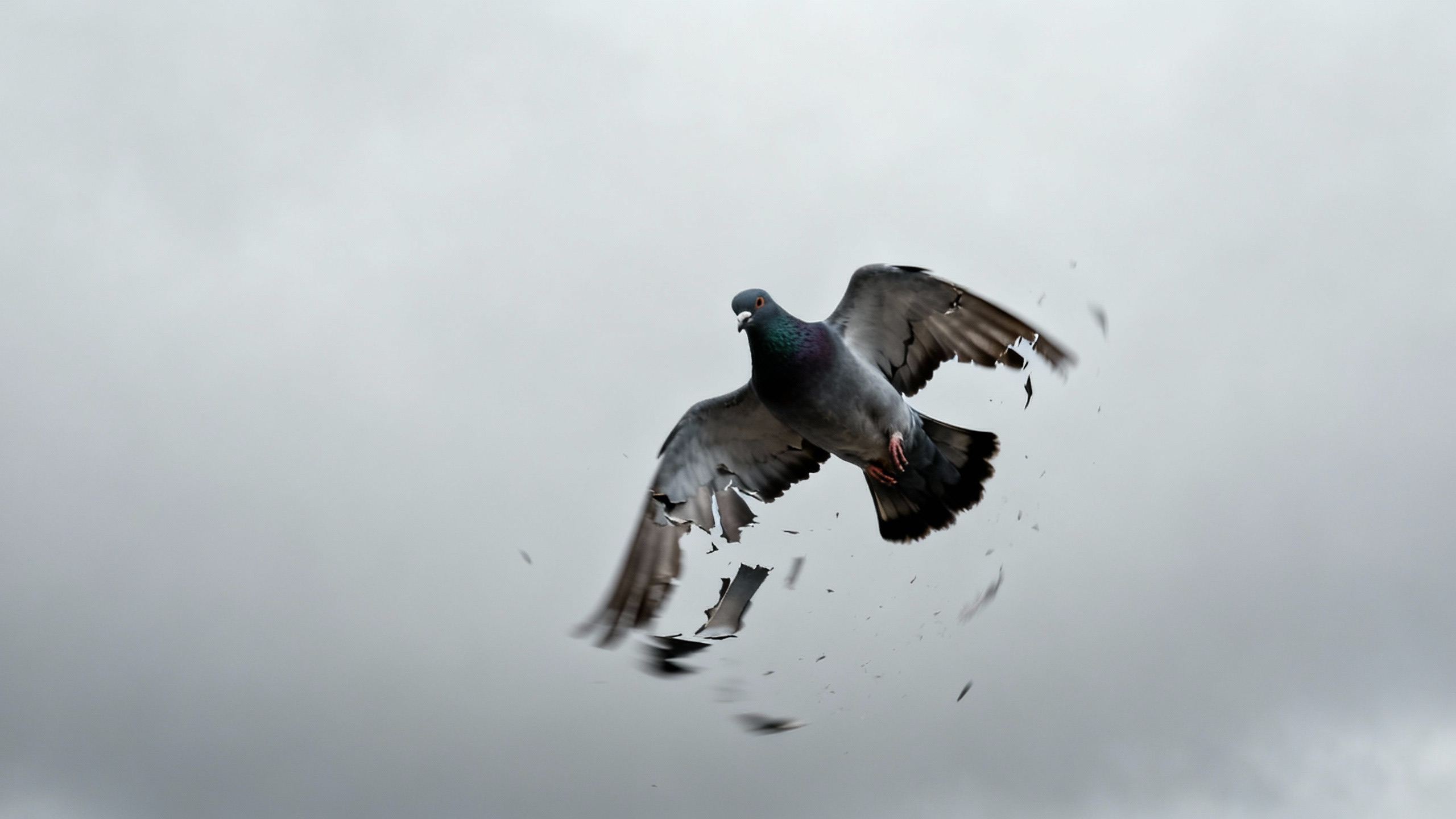
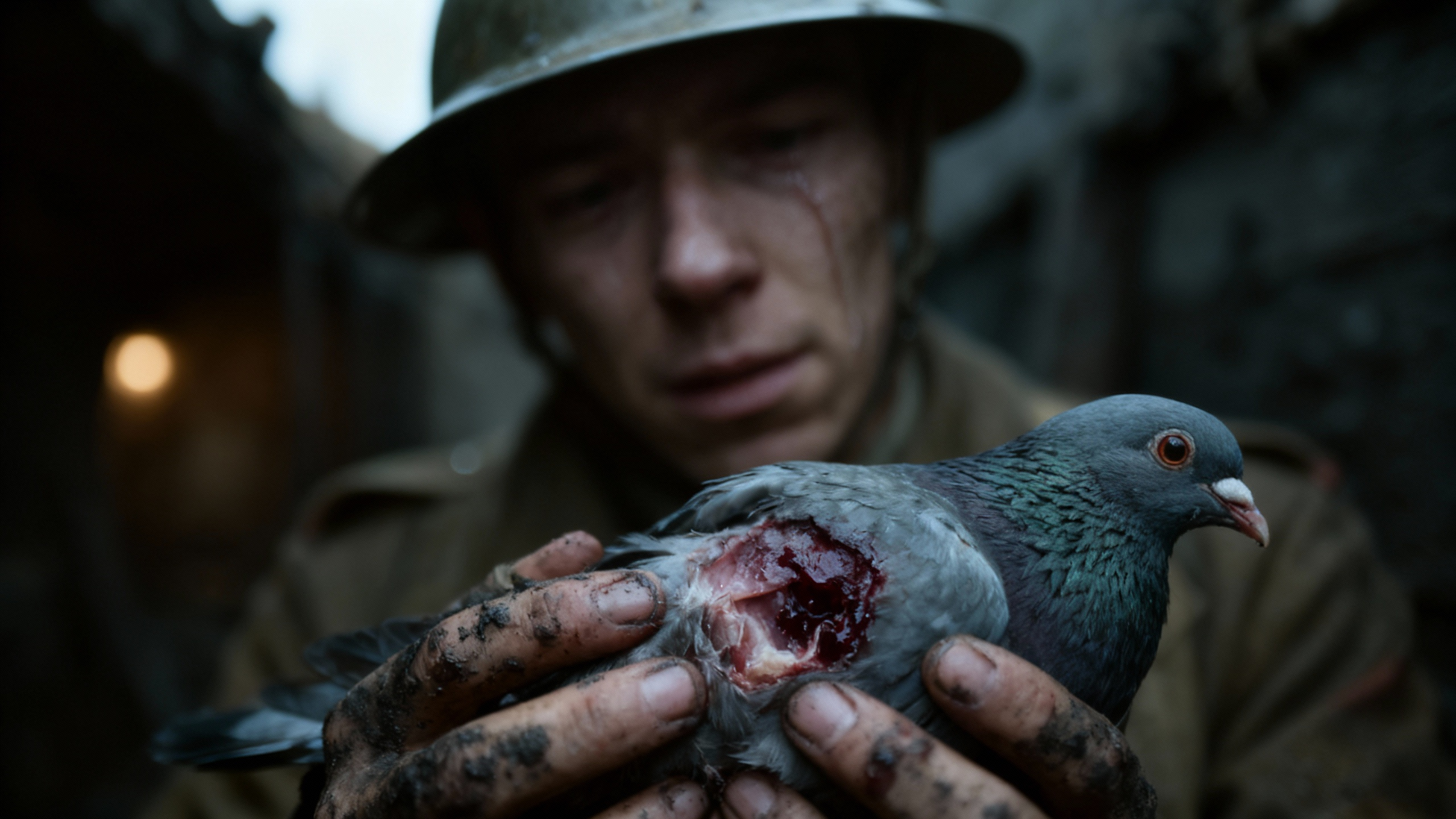
The Messenger(original story, I wrote, which is in progress - 25 min AI film) weaves together two stories across a century: a WWI pigeon handler who sends birds home through battle, and James, a modern ornithologist who can text his daughter Sophie instantly—yet feels more distant than ever. In 1918, carrier pigeons flew hundreds of miles to deliver life-or-death messages. In 2025, we have instant communication everywhere, yet true connection feels impossibly far. Palmer, the WWI pilot, physically returned home but remained emotionally stranded in the trenches forever. His tragedy becomes James's warning. Searching for the rare Champa bird in Tibet, James hears some advice from guide Tenzin: "Birds migrate thousands of miles just to go home. You can manage Vermont." The film asks: Why do we send endless messages but never become the message ourselves?
This AI-generated film trailer music video film was originally from a AI Film with same title I’m making - which is a 25 min shorts, but not yet finished. Which empowers to resurrect WWI through authentic Autochrome aesthetics and Himalayan landscapes—imagination expanded beyond traditional filmmaking limits. AI isn't just a tool; it's a collaborator sustaining high-capability storytelling on minimal budgets.
The Messenger is ultimately about courage: crossing not geographical distance, but the terrifying emotional distance we create. It's about carrying connection in our hearts—and finally, actually going home.
Inspiration In this AI, immediate-contactable era, despite having instant communication, I felt more distant from loved ones than ever. I discovered WWI carrier pigeons flew through battlefields to save thousands of lives, while we can't even cross a room to be with someone who needs us. This paradox inspired The Messenger: Palmer, a WWI ornithologist-pilot who physically returns home but remains emotionally trapped in the trenches, and James, a modern ornithologist who can text his daughter Sophie instantly but has lost all real connection. The film asks: What does it mean to truly "go home"—not geographically, but emotionally? AI filmmaking became essential to resurrect WWI authenticity and Tibetan landscapes on a student budget.
What it does The Messenger, Homeward is AI-generated film weaving two stories across a century. In 1918, Palmer witnesses WWI devastation from his biplane while birds migrate freely across battle lines. After the war, he returns to England physically intact but emotionally shattered—unable to reconnect with family or birdwatching. In the present, James searches for the rare Champa bird in Tibet while his relationship with daughter Sophie crumbles. His Tibetan guide Tenzin tells Palmer's cautionary tale, then challenges him: "Birds migrate thousands of miles just to go home. You can manage Vermont, where your daughter stays.” The film explores the courage to "become the message" rather than just sending it—choosing emotional presence over comfortable distance before it's too late.
How I built this film from scratch Pre-production involved developing an several scenes breakdown with detailed shot lists and researching WWI aviation, Autochrome photography, and Tibetan ornithology while generating 500+ images in Midjourney for visual consistency. For production, I used Midjourney v7 to create master character prompts and generated 5-10 variations per shot(which was quite a lot since there were so many shots to make by myself), then used multiple video platforms including Kling, Veo3, Midjourney video generation for video generation, and score, voice generation by using udio, suno, eleven labs. I generated over 2000 shots to maintain character consistency and built specialized prompts for WWI Autochrome aesthetic and Himalayan landscapes. Post-production involved color grading in DaVinci Resolve with vintage treatment for WWI and naturalistic for present day, compositing and artifact removal in After Effects, assembly editing in Premiere Pro, and tried to layer sound design with period-appropriate scoring.
Challenges I ran into Character consistency and very limited low budget were the biggest challenges as Tenzins face changed subtly between shots, which I solved through rigorous reference libraries and using still shot fast skipping editing using silhouettes and over-shoulder angles, selecting 200 usable shots from over 1000 generations. Historical authenticity demanded genuine 1918 Autochrome feel rather than modern vintage filters, solved through deep research into early color photography's technical limitations including muted saturation, sepia undertones, and specific grain patterns. Duration constraints meant working with AI video's typical 10-second maximum to build more than 10 minutes alone, which required strategic cross-dissolves, match cuts, and audio bridges while embracing contemplative pacing.
Accomplishments that I’m proud of As a solo creator, I could produce more than 10 minute WWI aerial combat scene, Tibetan Himalayas conversation scene, and mythical creatures on a student budget—what would traditionally require like way much more than thousand dollars—proving independent voices can tell ambitious stories with character consistency that doesn't break viewer immersion.
What we learned AI is a creative partner requiring multiple takes rather than a magic button, and constraints breed creativity as limitations shaped better storytelling while pre-production planning became essential for blind generation. Specificity in prompts creates authentic imagery while audio carries emotion when AI faces struggle with visual subtlety. Simple stories allow complex technique as straightforward narrative enabled focus on execution, and historical research elevates everything since authenticity comes from foundational truth making fiction feel real. Metaphor must be felt rather than explained, trusting audiences to make connections while technology should serve story invisibly. Working solo with AI forced every creative decision and taught me to trust directorial instincts, proving sustainable creativity is possible as one person can tell meaningful stories at scale, and when technology disappears into storytelling, you've succeeded.
What's next for Messenger, Homeward Once I complete the full 25-minute version, I'll submit it to various AI film festivals like WAIFF, In the immediate term over 3-6 months, extra more several AI festivals including WAIFF, for etc. demonstrating that AI filmmaking can achieve genuine emotional depth and that independent voices can tell ambitious, meaningful stories that ask audiences to cross that one impossible emotional distance. The ultimate goal is proving AI filmmaking can achieve emotional depth beyond spectacle, showing that small teams or individual can tell ambitious stories that become templates for sustainable author-driven cinema in the AI era, using whatever tools necessary to tell human stories that ask us all to cross that one impossible room.
Built With
- claude
- elevenlabs
- freepik
- higgsfield
- kling
- midjourney
- seedream
- suno
- udio
- veo3


Log in or sign up for Devpost to join the conversation.