Inspiration
Every day, teams lose valuable time performing repetitive and manual tasks that could easily be automated. We wanted to create something that not only speeds up these processes but learns and optimizes them, turning complexity into simplicity. Our inspiration came from seeing how even small inefficiencies can scale up into huge productivity losses and even company costs.
What it does
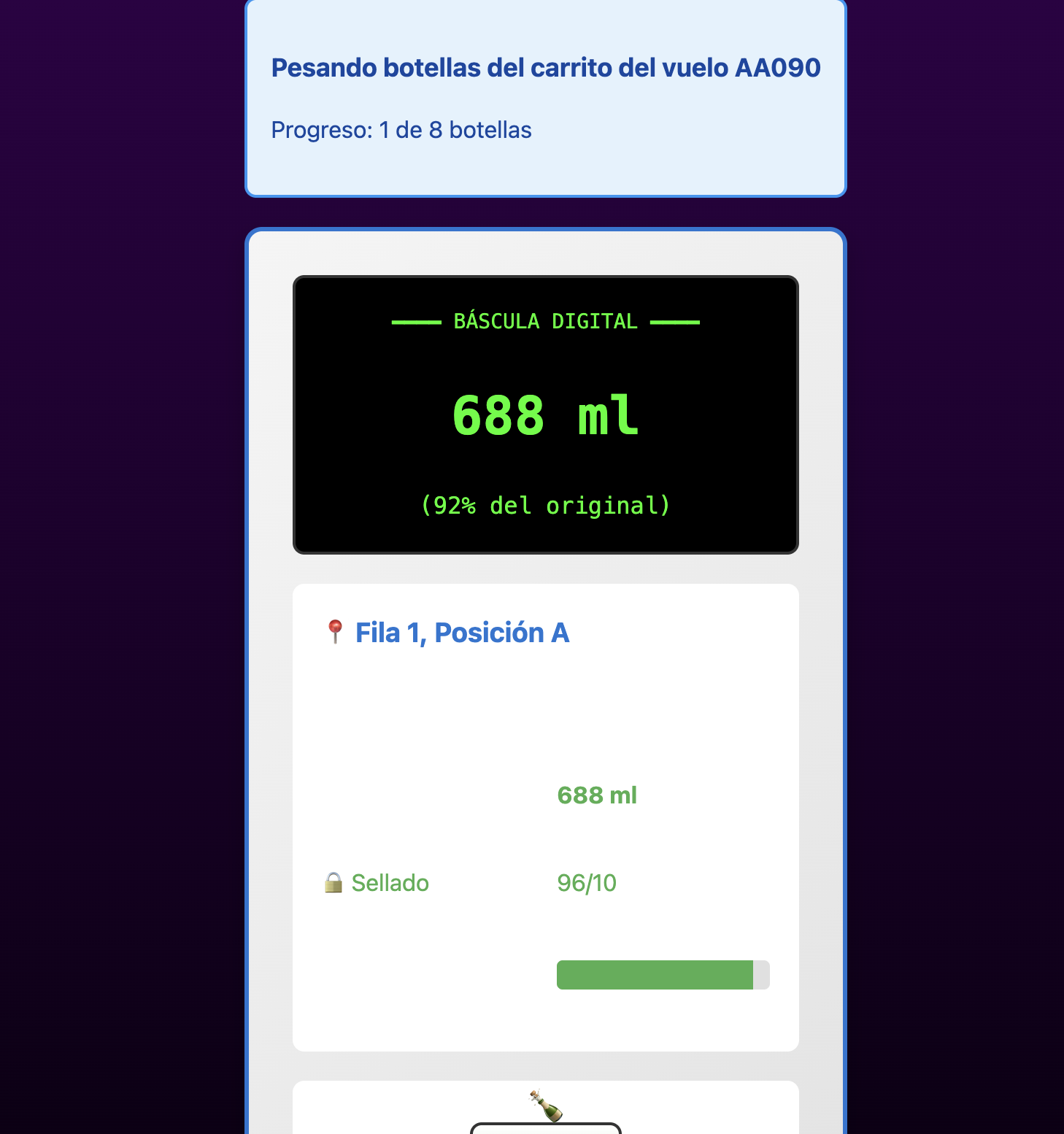
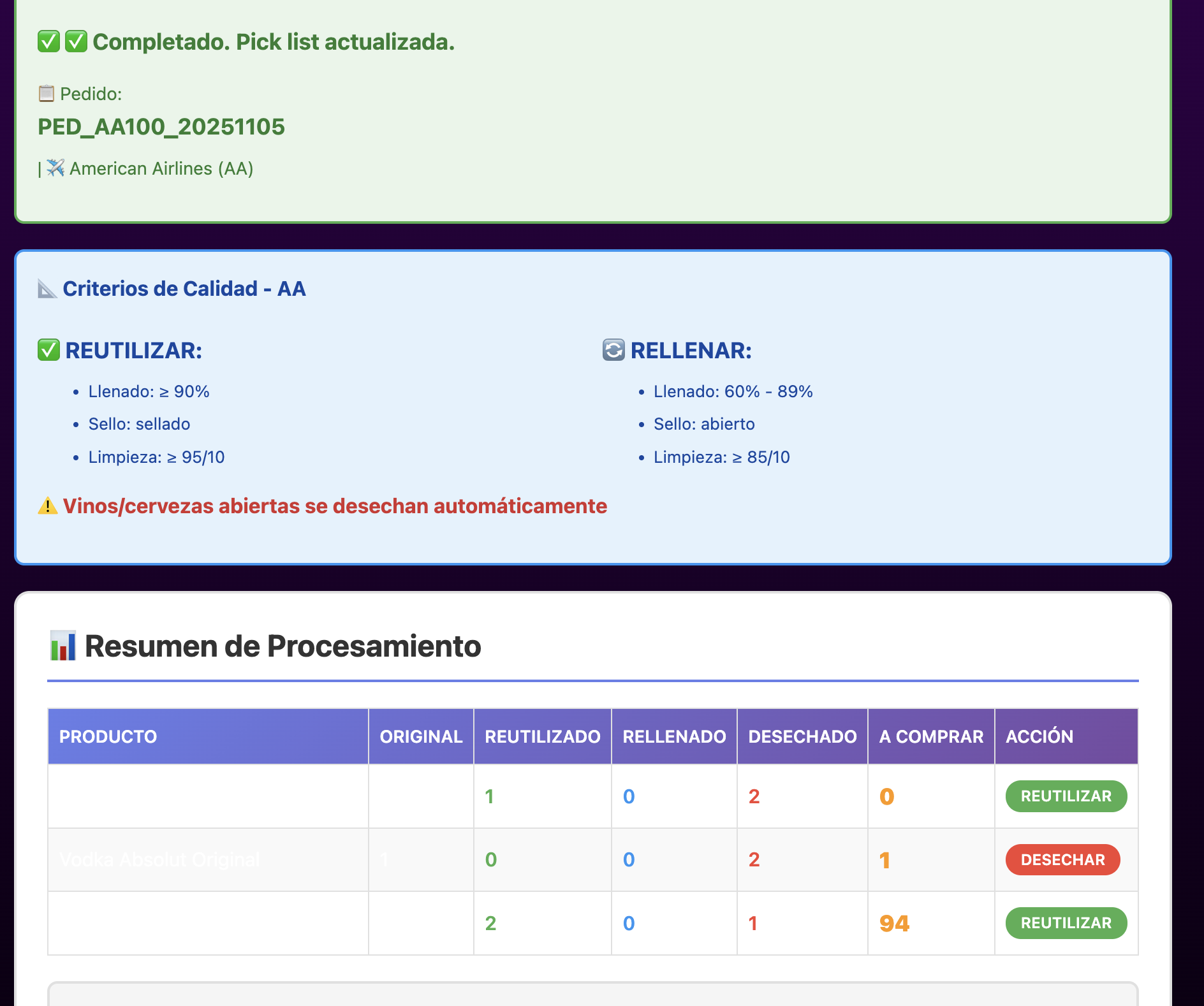
Our system is an intelligent automation platform that uses simulated sensors and AI decision logic to control and optimize operational processes in real time. It can analyze, predict, and act reducing human intervention and cutting execution time from hours to minutes.
Whether it’s managing resources, monitoring levels, or deciding the next best action, the system handles it automatically with certain level accuracy and adaptability.
How we built it
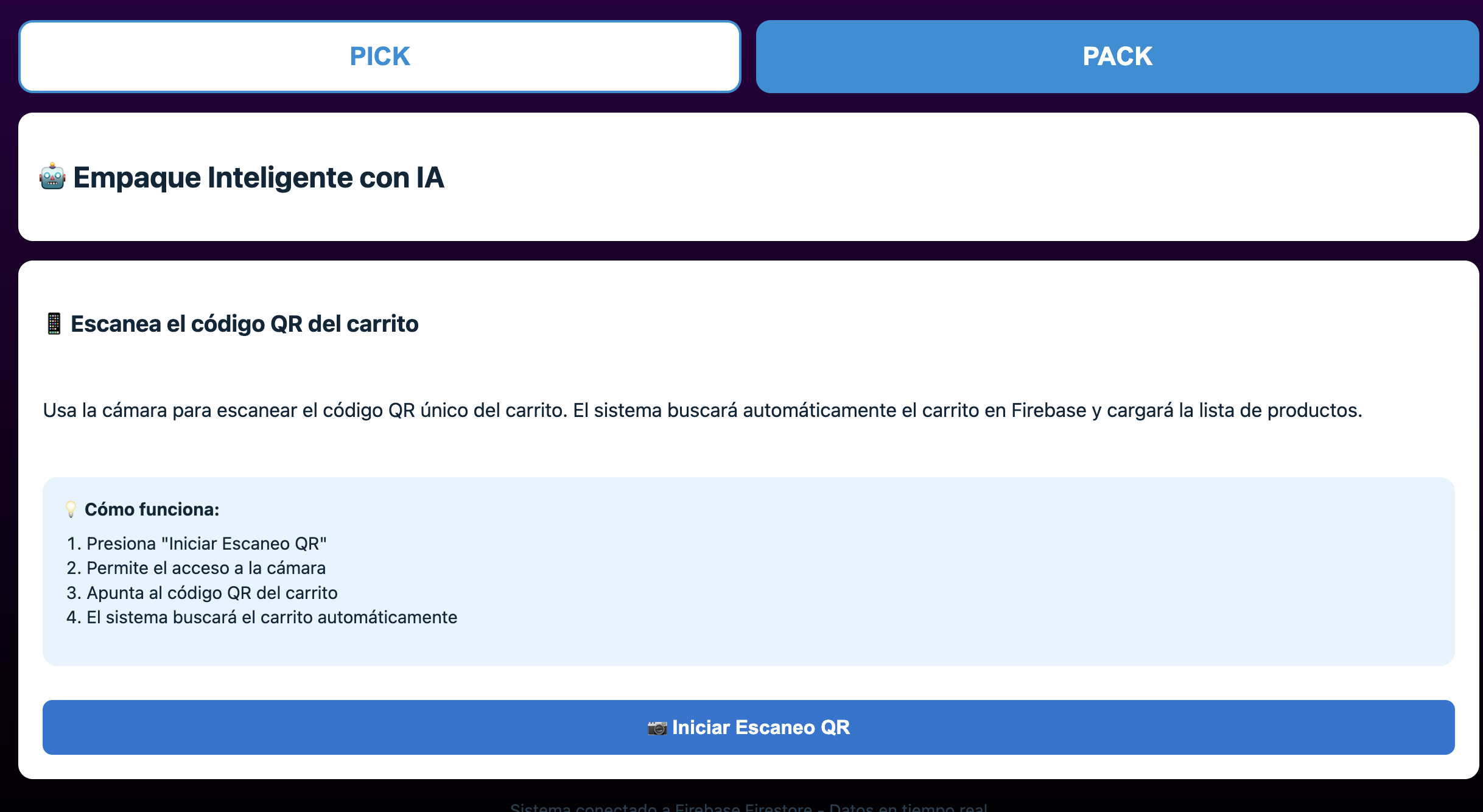
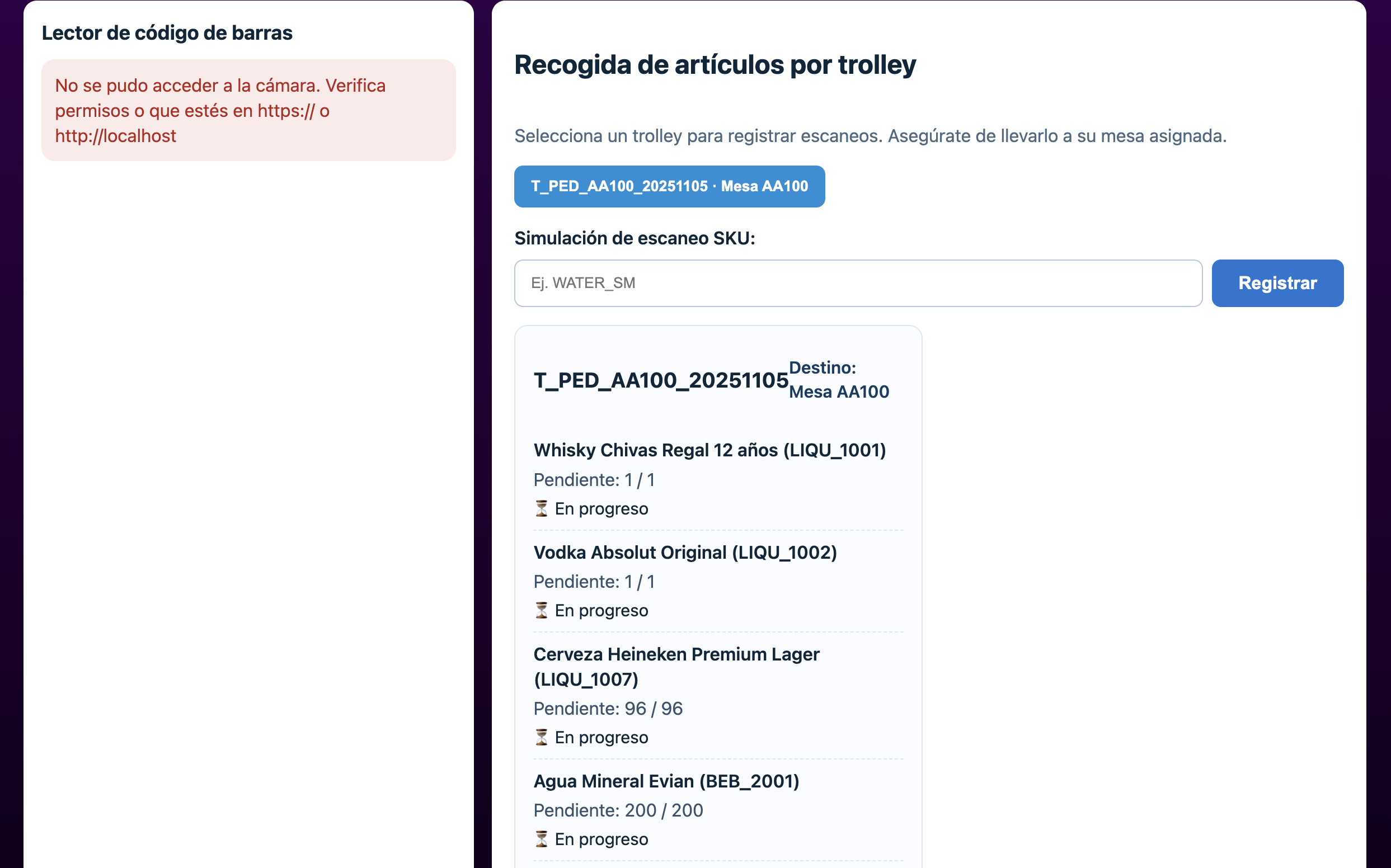
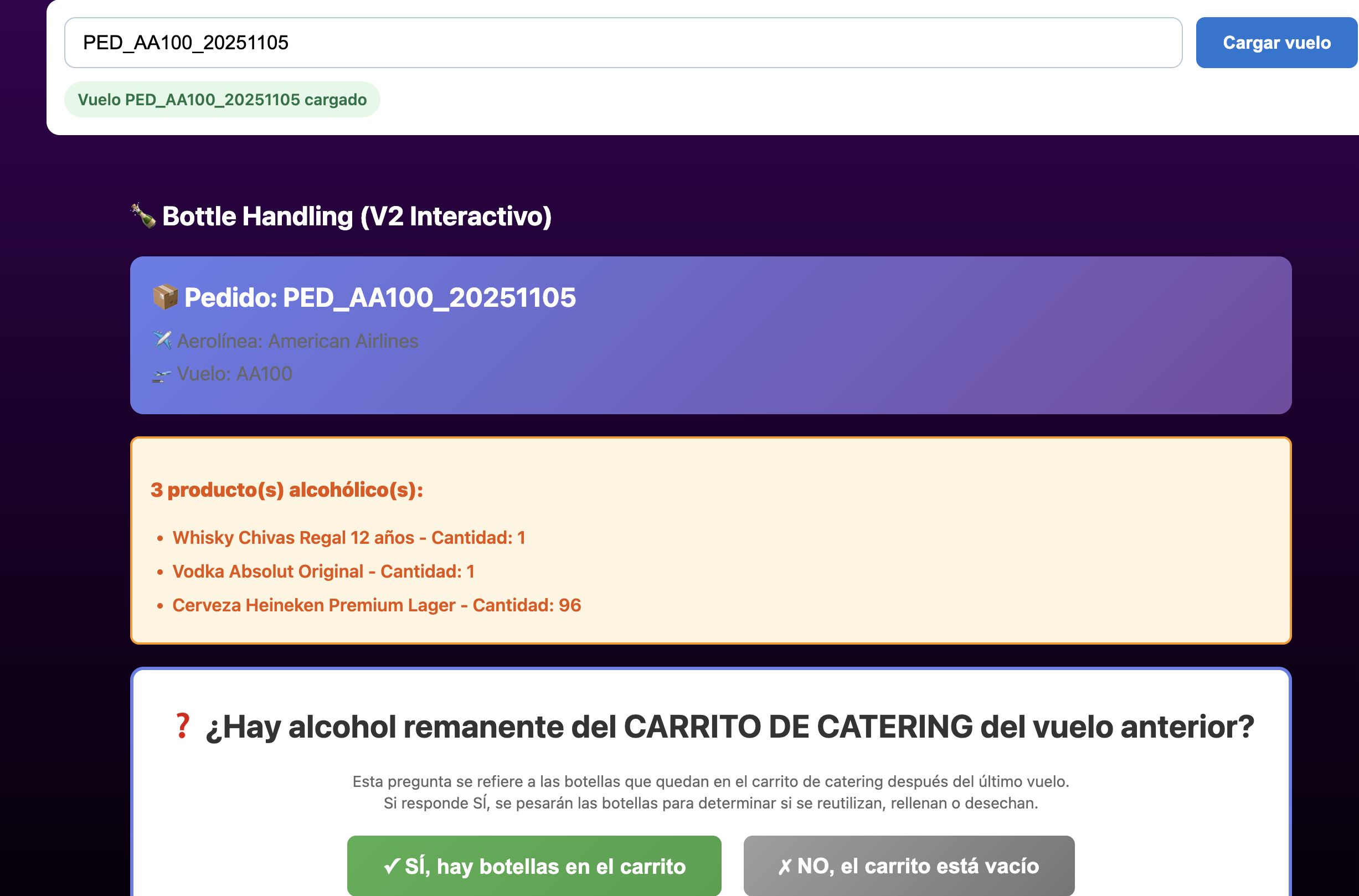
We developed the platform using TypeScript + React for the frontend, connected to Firebase for real-time database management. We designed a modular architecture that simulates real hardware inputs through virtual models, allowing smart control decisions to be tested and visualized in real time. Also, it's important to mention that we implemented YOLO as part of our intelligent vision module. Using this computer vision model, the system can detect and classify objects in real time, allowing it to simulate how a camera would monitor and recognize items for example, bottles or containers within a process.
Challenges we ran into
One major challenge was synchronizing virtual sensor data with AI-driven decisions while maintaining smooth performance. We also had to design an interface that remained simple yet informative, displaying process states and data in real time without overwhelming the user.
Accomplishments that we're proud of
- Built a complete intelligent automation system from scratch, capable of simulating real-world processes and decision-making through AI.
- Integrated YOLO to enable real-time object detection, bringing computer vision into our simulated environment.
- Reduced simulated process time dramatically, showing how automation can turn hours of manual work into just a few seconds of smart execution.
- Learned to combine AI, automation, and software engineering into a single solution that demonstrates the power of efficiency and innovation.
What we learned
We learned how to integrate intelligent control systems with modern web technologies, simulate real-world IoT behavior, and manage dynamic data flow efficiently. But more importantly, we learned how powerful automation can be when designed with user experience and time efficiency in mind.
What's next for Meraki
Our next step, related to this project, is to connect the system to real hardware cameras, scales, and sensors to create a full AI-driven physical automation solution. We also plan to implement a machine learning layer that adapts its logic based on previous process outcomes, making the system smarter over time.


Log in or sign up for Devpost to join the conversation.