





Introduction
Free and transparent elections are the foundation of any democratic nation, and building a robust voting process is inevitable. Therefore, polling, counting, and result announcements using a decentralised platform could be a solution to the long-debated election distrust issues across democracies like the US and India. Then how do we remove the issues? What is the need for conducting elections on the blockchain? How will it make it better?
why do we need it ?
Current voting systems like ballot box voting or electronic voting suffer from various security threats such as DDoS attacks, polling booth capturing, vote alteration and manipulation, malware attacks, etc, and also require huge amounts of paperwork, human resources, and time. This creates a sense of distrust among existing systems.
Some of the disadvantages are:
Long Queues during elections.
Security Breaches like data leaks, vote tampering.
Lot of paperwork involved, hence less eco-friendly and time-consuming.
Difficult for differently-abled voters to reach polling booth.
Cost of expenditure on elections is high.
Working
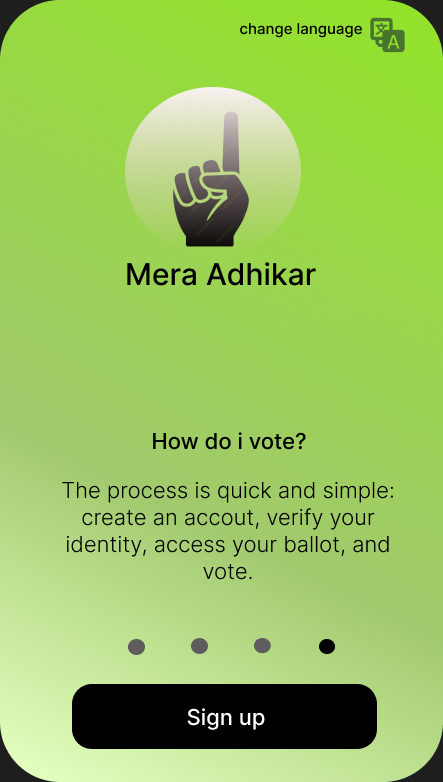
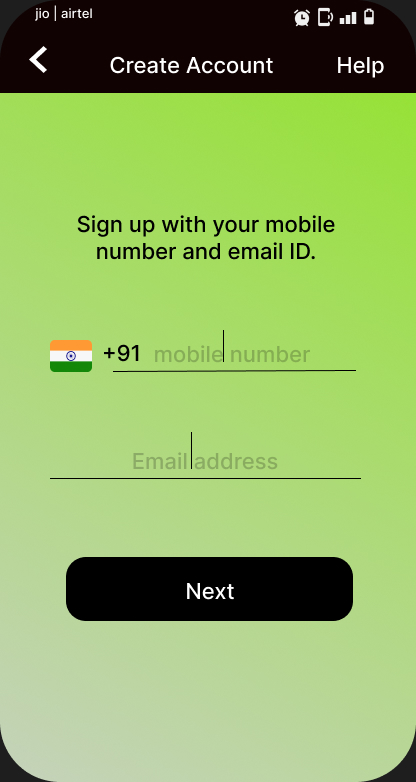
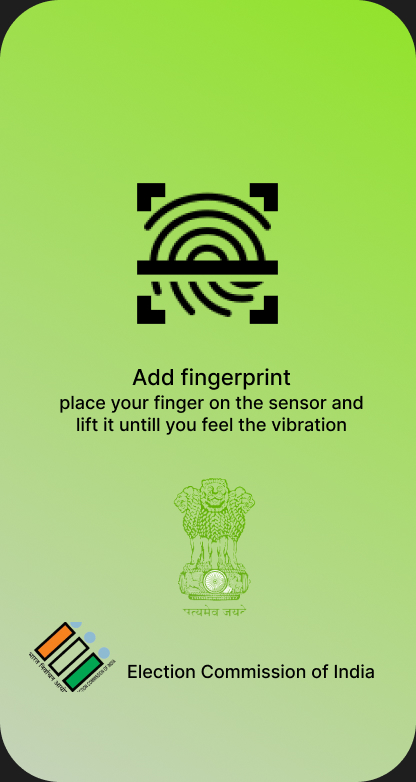
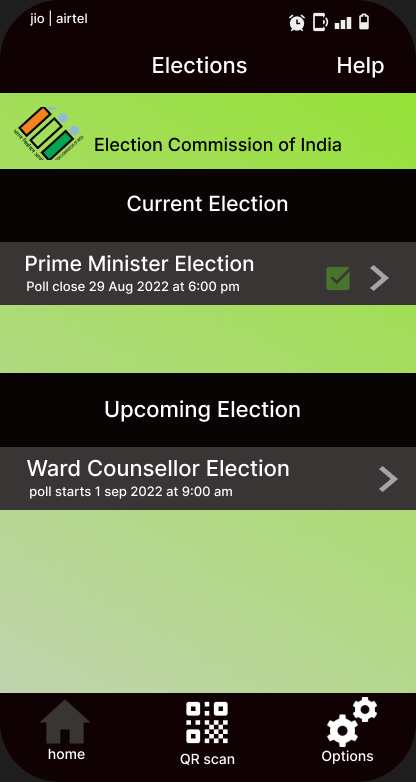
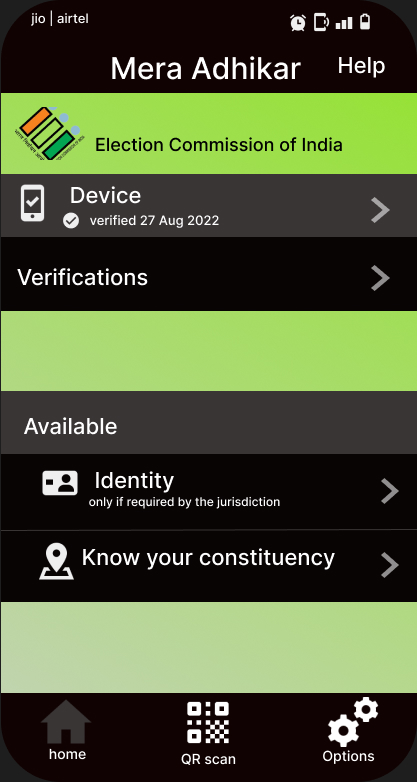
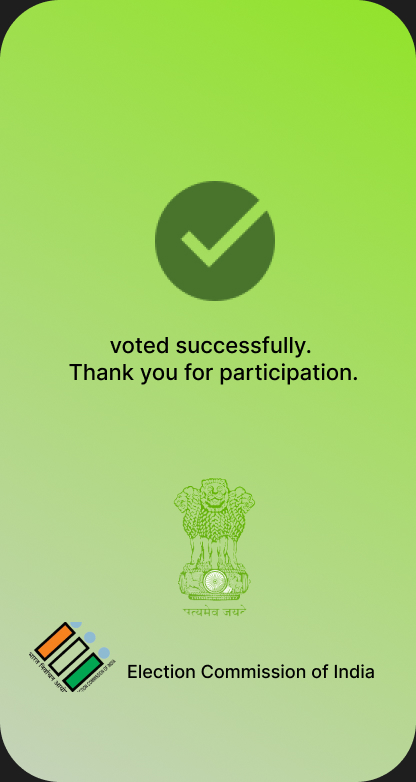
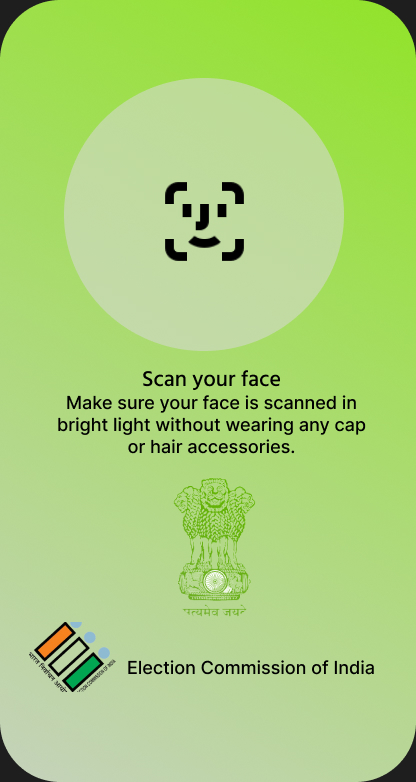
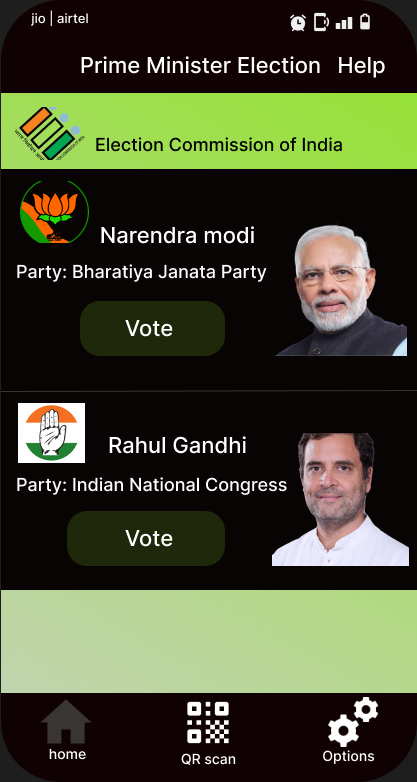
So the application from the user to upload their identification it might be your Aadhar card or voter ID and after those verifications the details are matched with the countries voter registration database. The application also uses by biometrics and facial recognition which are matched and verified with the identity card ,once your card is verified you will be allowed to take part in the elections where you can cast your vote to your favourite candidate. Once the user casted, that information will be stored in a blockchain which is verified with the details of the voter which are already saved in the same block.
Advantages
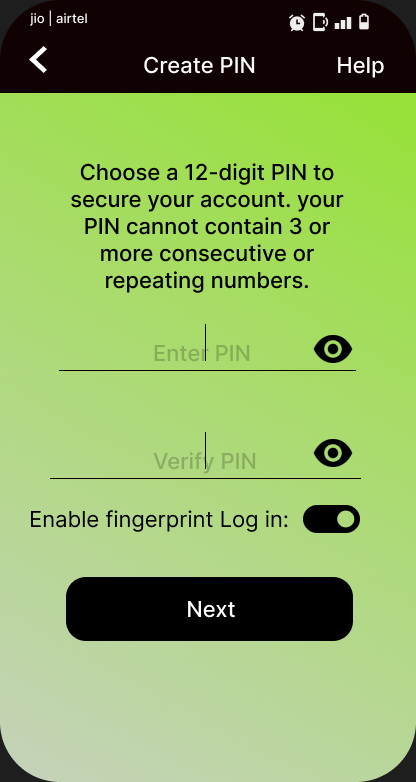
Tamper Proof - Blockchain will ensure no one can intervene with the electoral roll in the first place. EVMs will be replaced by blockchain-powered voting devices, where voters can come and enter their biometric details, and a hash key will be generated for them to login and vote.
Non-Fudging of Data - Altering data over the blockchain is nearly impossible. If anyone tries to manipulate the data, the person will be caught using ledger technology-led tracing.
Transparent Data - Data will be secure and visible to the stakeholders; it can be accessed at any time.
conclusion
Blockchain is paving the way for a direct democracy, where people can decide the course of policy themselves, rather than rely on representatives to do it for them. While the rules of a political election may have to be changed to make way for such a transparent system, blockchain is also ideal for informing business decisions, guiding general meetings, polling, censuses, and more. The use cases for blockchain voting software are many and diverse. Its ability to engage and manage a constituency is crucial to the future of society, not just to produce a transparent outcome but to encourage all people to participate in their communities. Currently, the technology is still in its infancy, but it matures alongside the young voters it will one day help, and looks to be a key part of our collective future.
Built With
- javascript
- metamask
- react
- remix
- solidity
- vscode
- web3

Log in or sign up for Devpost to join the conversation.