-
-
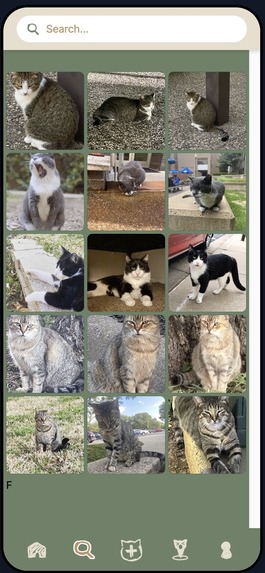
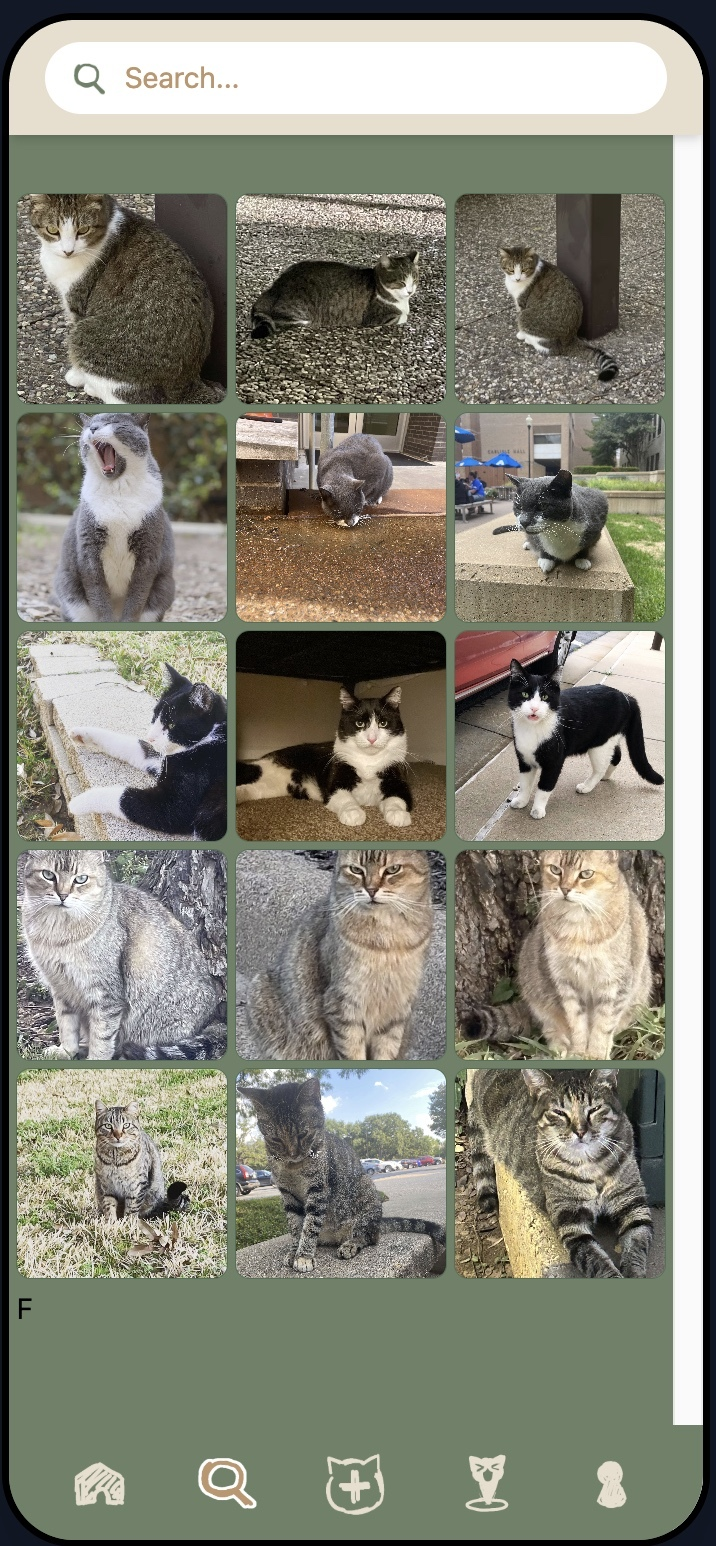
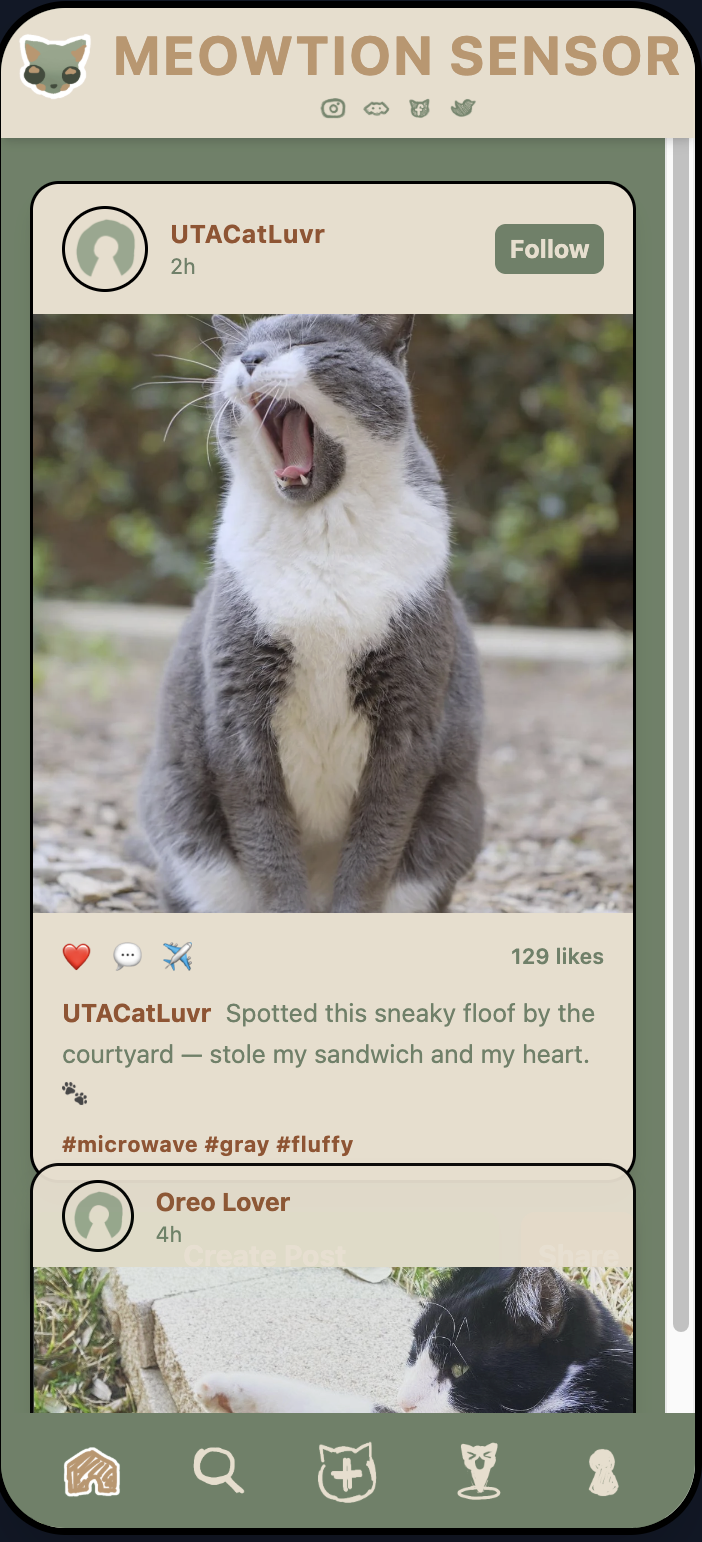
Search Feature
-
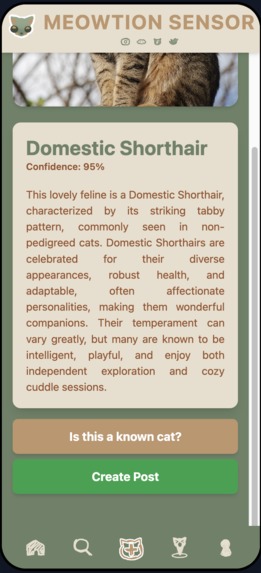
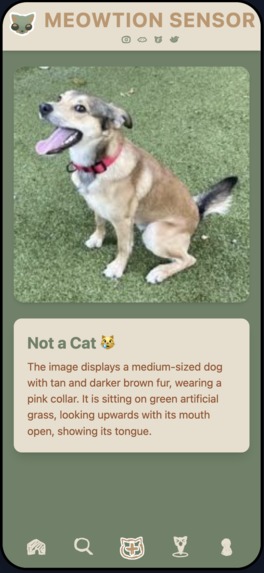
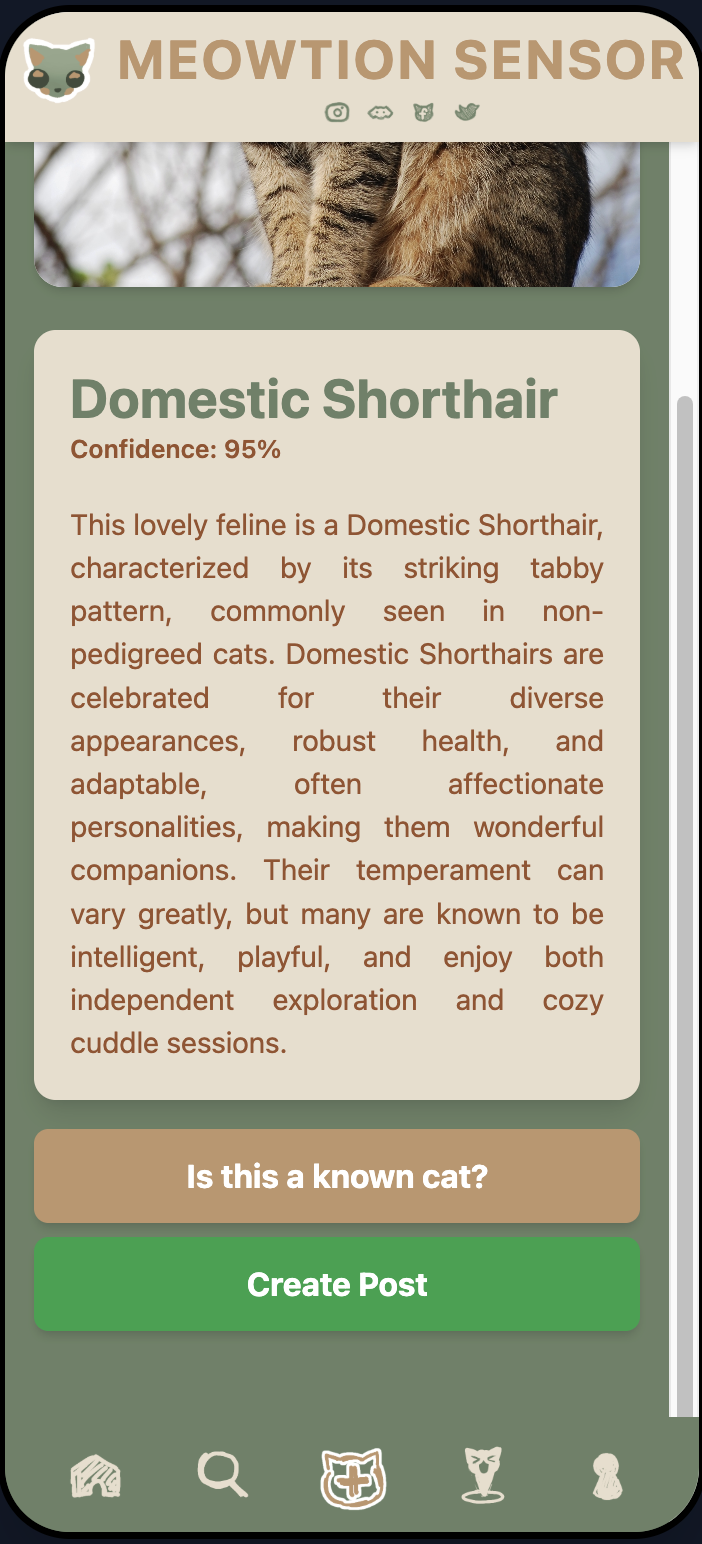
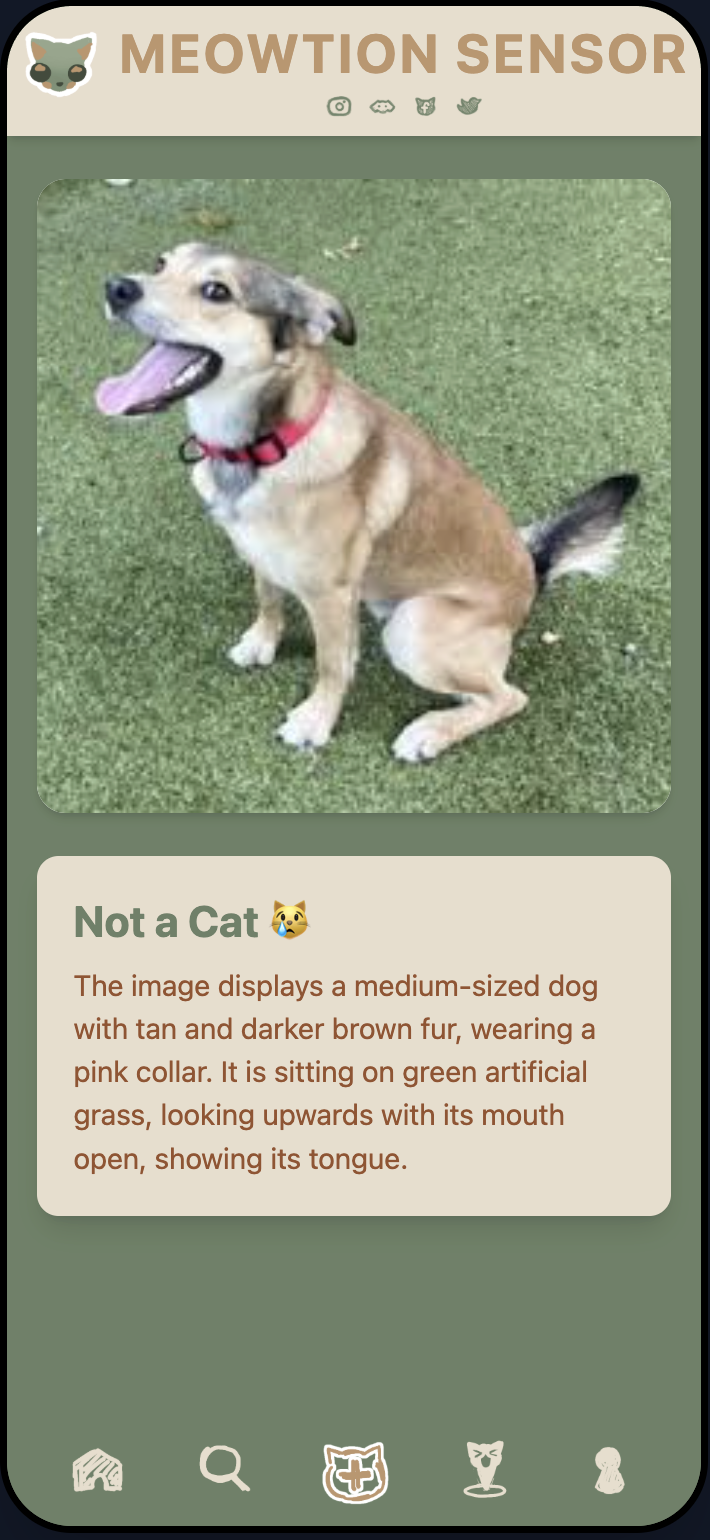
Identifying Feature
-
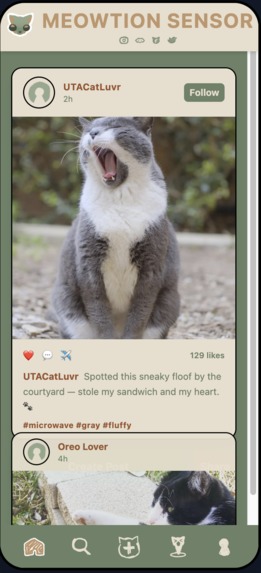
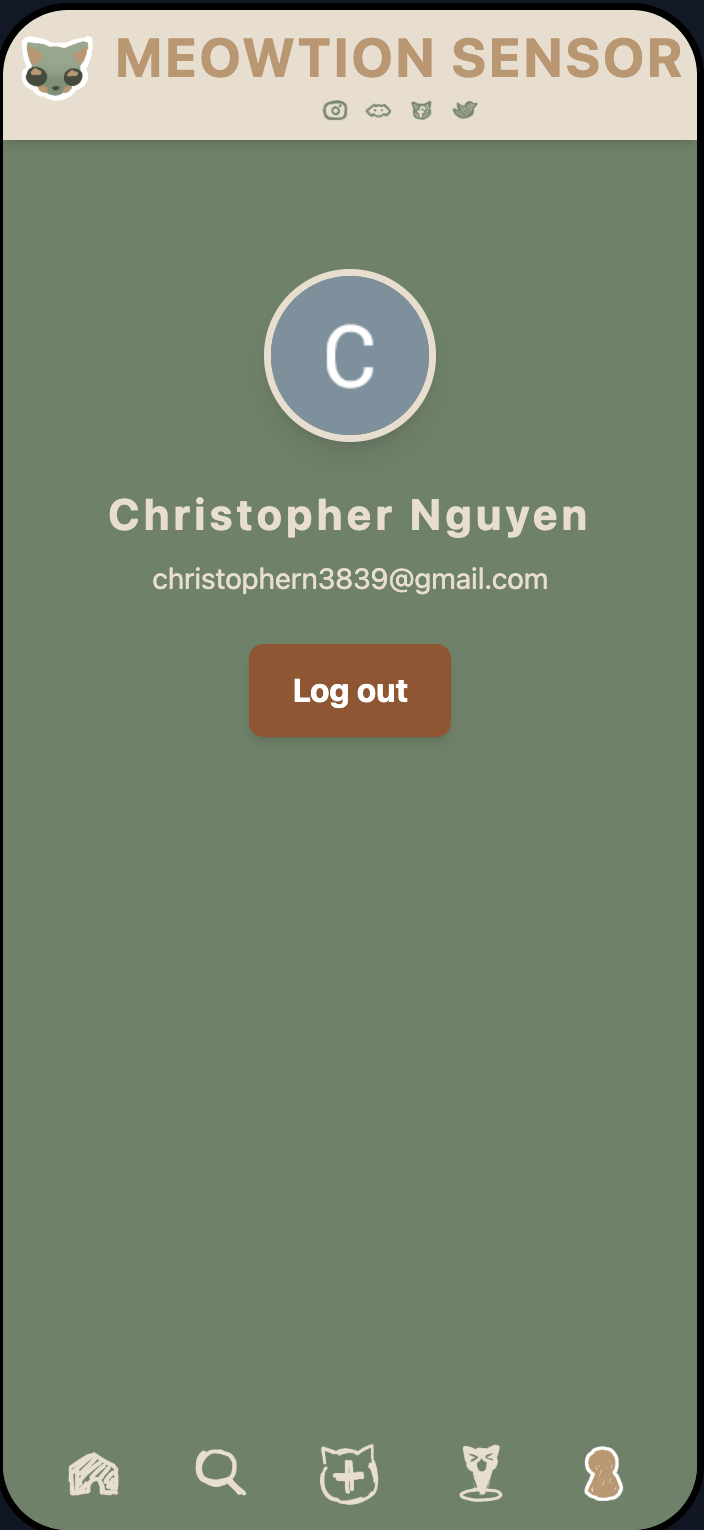
Profile Feature
-
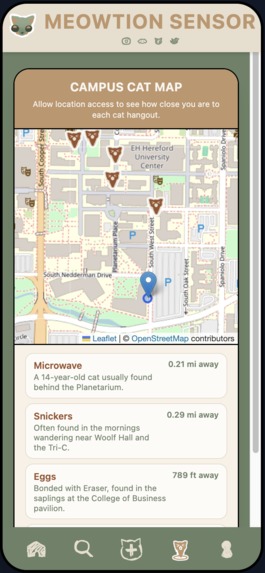
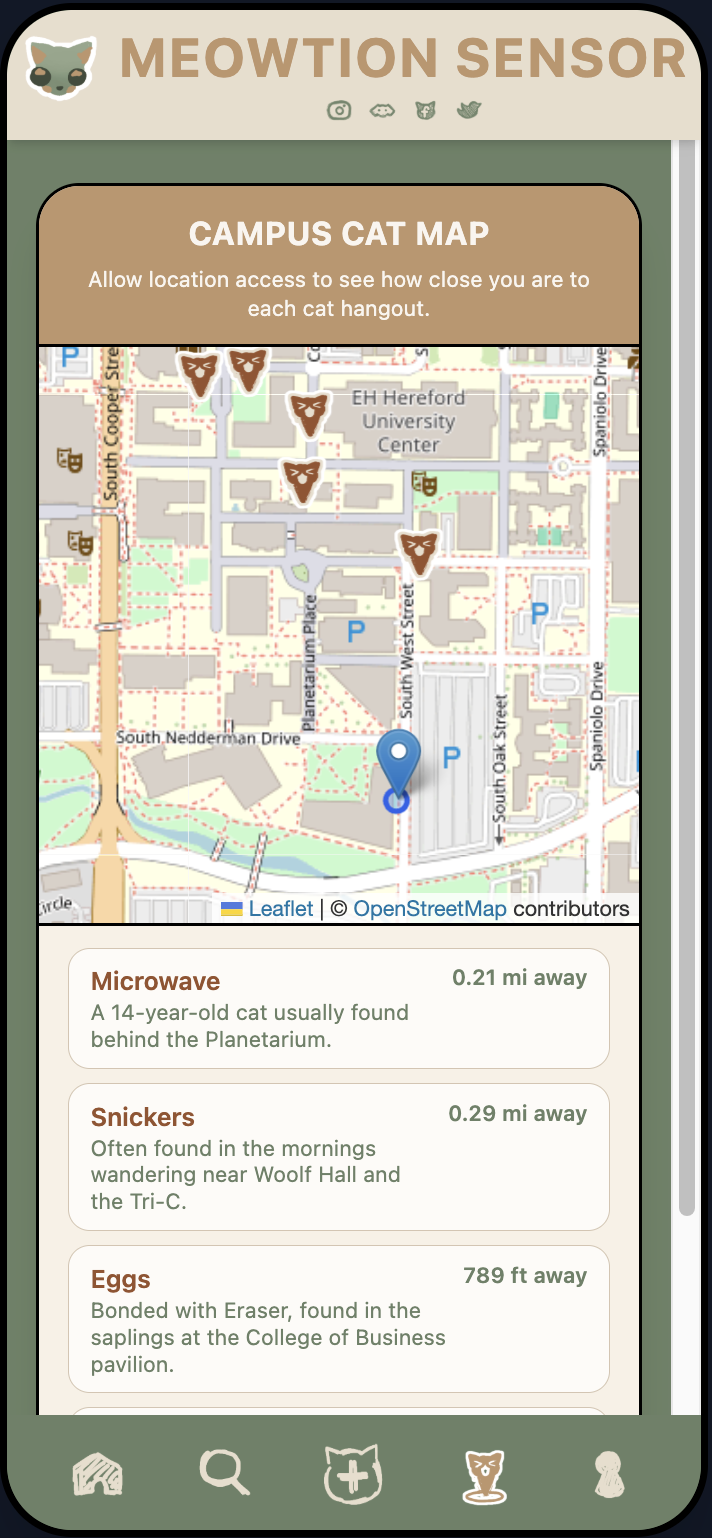
Map Feature
-
-
Inspiration
-Our inspiration comes from a dual need at the University of Texas at Arlington: the Campus Cat Coalition's (CCC) lack of a centralized system to track and care for the campus' feline population, and the students' affection for these cats as a source of comfort and stress relief. We saw an opportunity to bridge this gap. We wanted to build an app that not only helps the CCC manage cat wellness more efficiently but also formalizes the positive, therapeutic interaction between students and the animals. This project was also a perfect way to showcase the advanced, creative capabilities of the Gemini API for image analysis and Auth0 for securing community applications.
What it does
-Meowtion Sensor is currently a web application designed to track and monitor the wellness of campus cats through community-sourced photos. A user can securely log in using an Auth0-powered system and upload a photo of a cat. The image is sent to the Gemini API for a detailed analysis that goes beyond simple recognition : it identifies the cat against a database, generates a creative paragraph about its appearance and mood, performs a speculative "wellness check," and even suggests a whimsical name if the cat is new. The full analysis is then displayed on the page. For authenticated "Coalition Members," the app provides access to special features, like a dashboard to review newly sighted cats.
How we built it
-Leveraging our team's strength in TypeScript, we built the project as a web application using HTML and TypeScript. The core of our project is a TypeScript backend engine that makes the complex, multi-part API call to the Gemini API for the visual analysis. The frontend, built with HTML, provides the user interface for uploading a file and displaying the AI's response on the page. We integrated Auth0 using one of their Quickstarts to add a secure login button and manage user profiles. We then implemented a "hackathon demo" version of role-based access by having the frontend code check a logged-in user's profile for a "Coalition-Member" role to show or hide an admin button.
Challenges we ran into
-A primary challenge was choosing the right tech stack for our goals within a hackathon timeline. We considered no-code platforms but found they would be too restrictive for the custom, creative API calls we wanted to make to the Gemini API. We also considered a CMS like WordPress but determined it was the wrong tool for a dynamic, single-purpose application and would add unnecessary overhead. Another challenge was planning how to effectively demonstrate our role-based Auth0 feature in a short pitch and preparing to honestly discuss the project's current limitations, such as the lack of a database, in a Q&A session.
Accomplishments that we're proud of
We are proud to have created a single application that serves both animal welfare and student wellness on campus. Our biggest technical accomplishment is our sophisticated use of the Gemini API. We engineered a creative prompt that allows the AI to provide not just identification, but also a rich description, a wellness check, and a name suggestion, which we believe is a strong contender for the "Best use of Gemini API" prize. We also successfully integrated Auth0 to provide secure login and demonstrate a real-world, role-based access model, targeting the "Best use of Auth0" prize. Delivering this as a working, public web app is something our entire team is proud of.
What we learned
This project taught us how to rapidly prototype and deploy a functional web application from the ground up. We gained significant hands-on experience writing complex, multi-modal prompts for the Gemini Vision API and parsing its rich JSON responses to extract meaningful data. We also learned how to quickly integrate a powerful third-party service like Auth0 into a web app to handle user authentication and demonstrate role-based permissions in a frontend application.
What's next for Meowtion Sensor
The current web application is a successful proof-of-concept that we are excited to build upon. The next major step is to develop the project into the originally proposed native iOS application using SwiftUI. This will involve building a full-scale, cloud-based backend with a persistent database to properly manage cat profiles, user data, and sighting history. We will then connect the iOS app to this backend and implement secure, server-side role enforcement to create a robust, production-ready tool for the UTA community.


Log in or sign up for Devpost to join the conversation.