-
-
Layout
-
Tutor Feedback
-
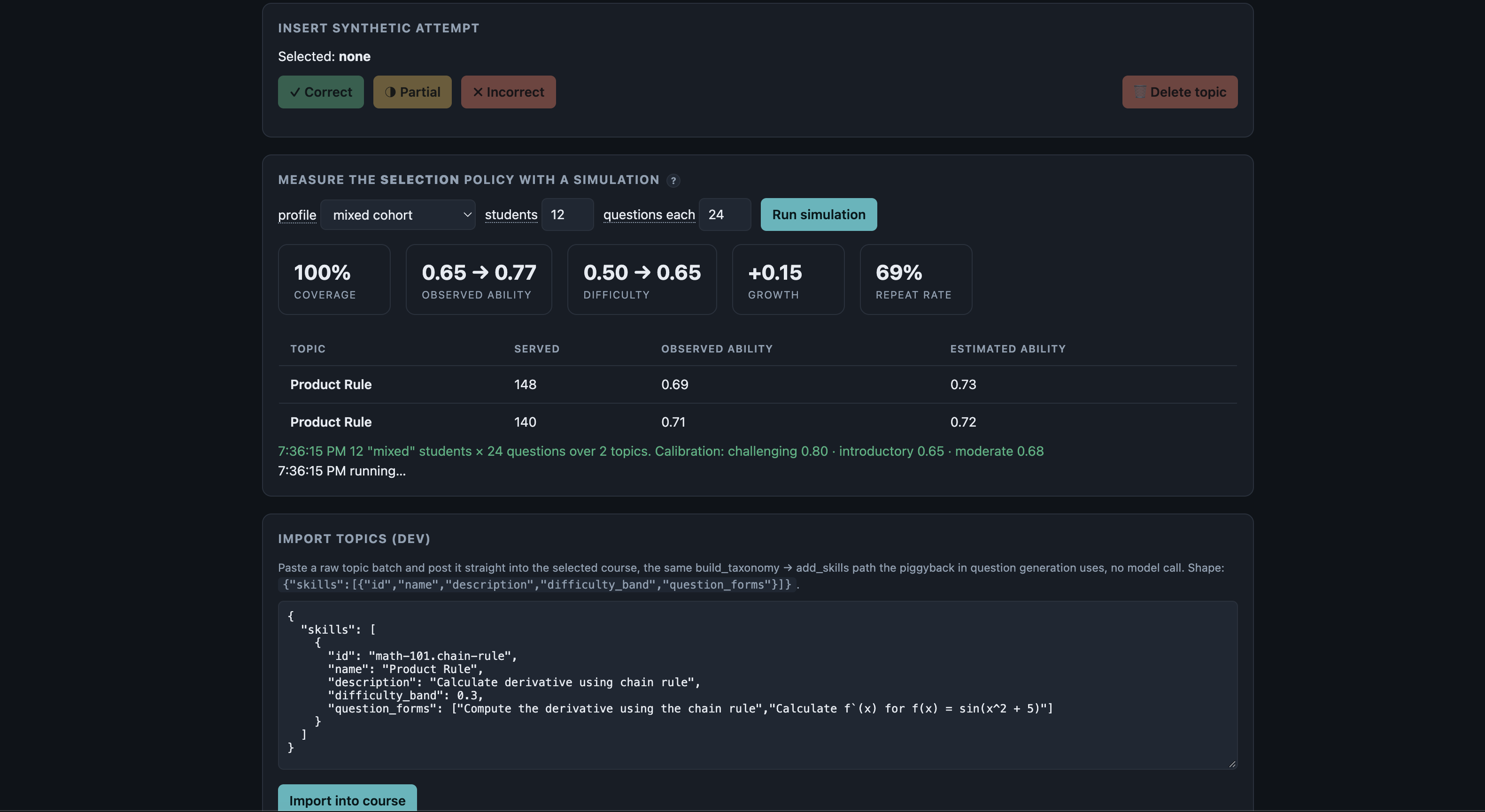
Tutor Learning Engine Simulator
-
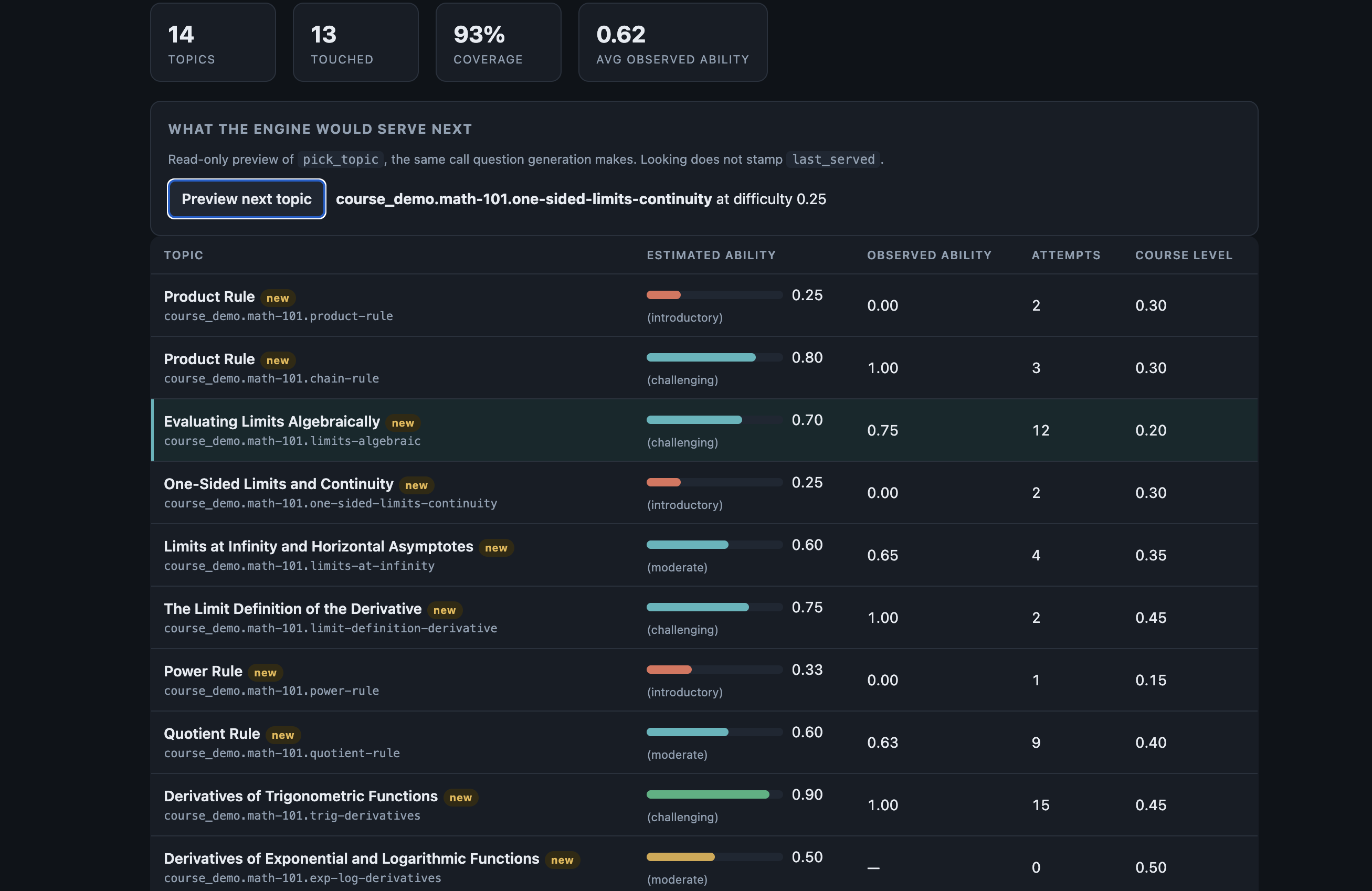
Tutor Learning Engine Topics Map
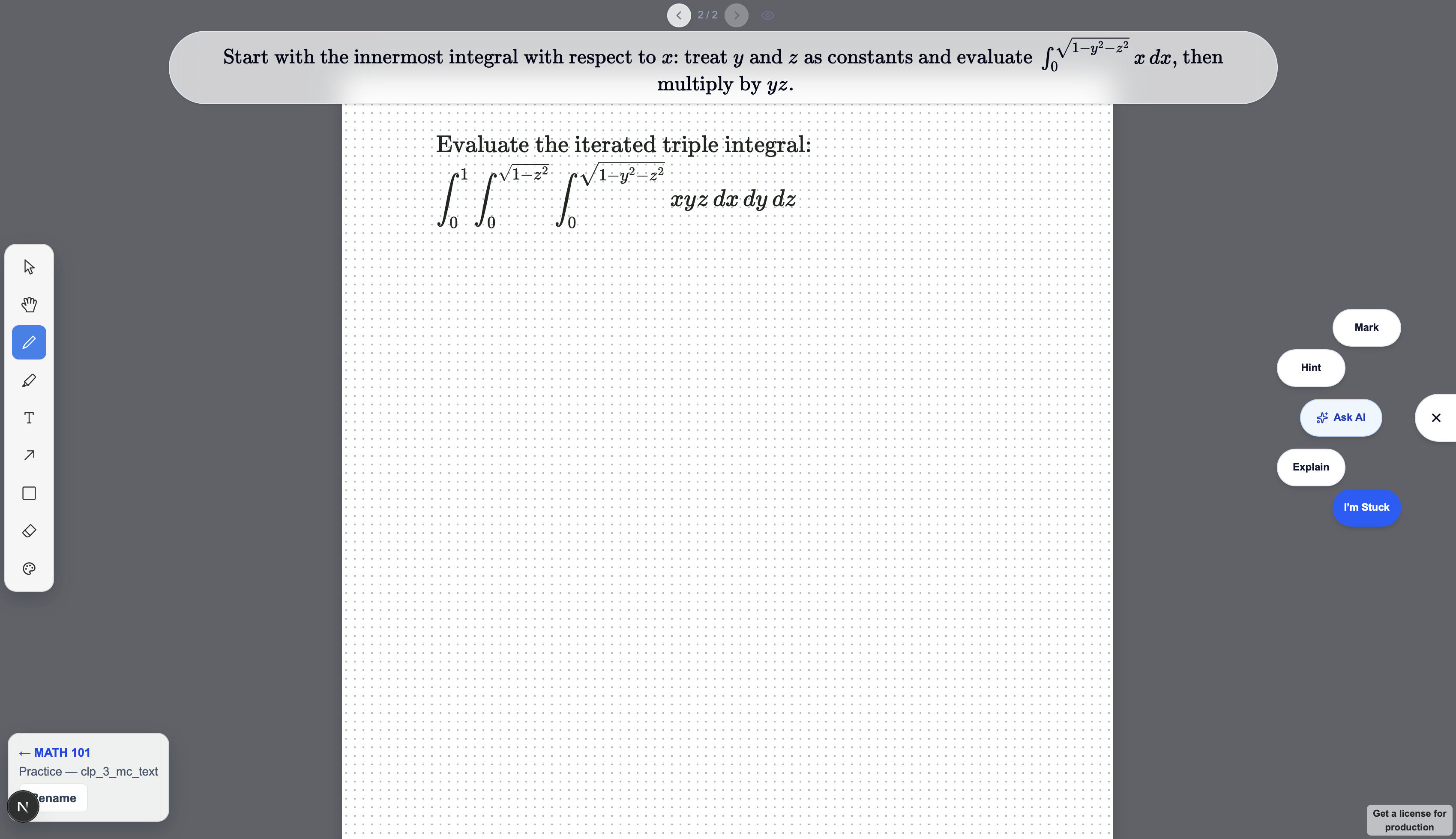
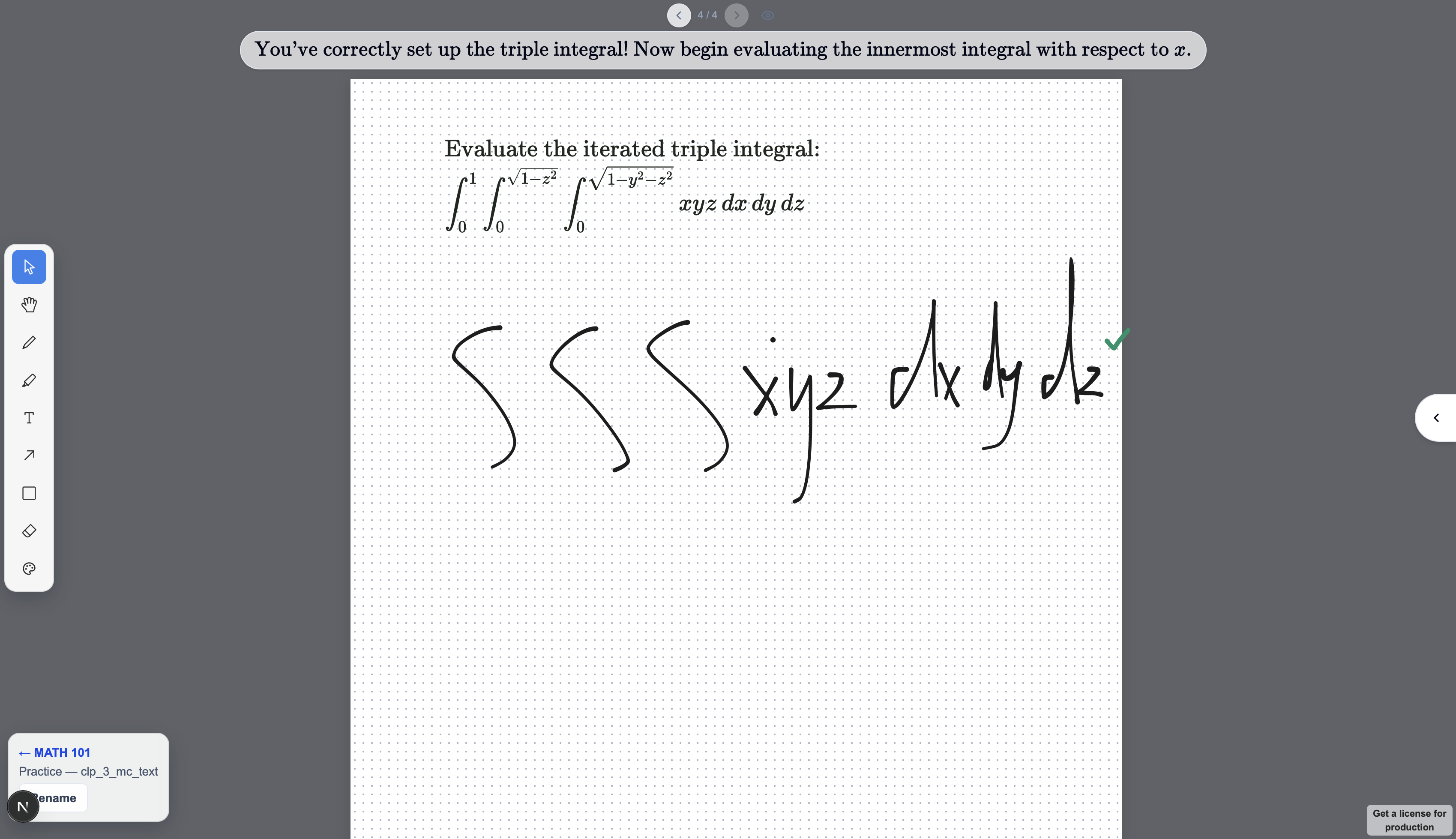
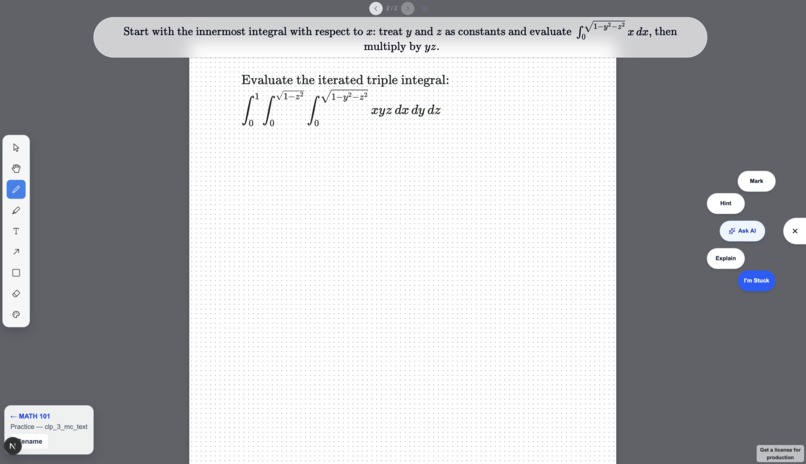
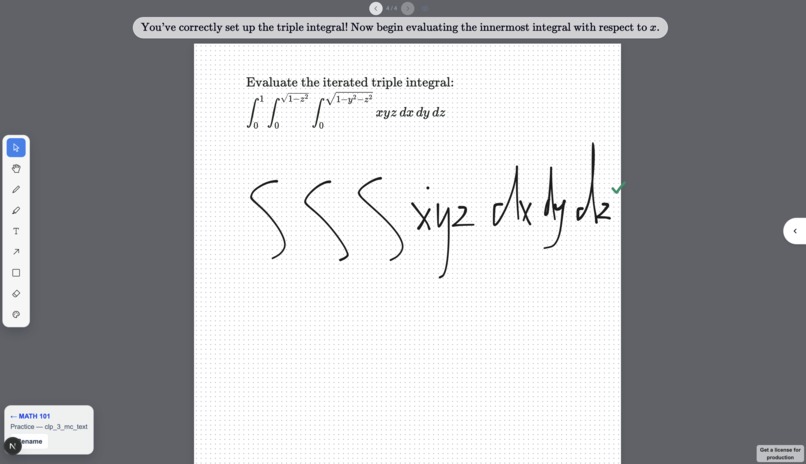
Inspiration We were inspired by the gap between traditional AI chatbots and real, live tutoring. Chatbots often give generic answers or solve the problem too quickly, while students need guidance based on their actual work. We wanted to create an AI tutor that feels like someone sitting beside you, looking at the same page and responding directly on the whiteboard. What We Learned We learned that useful AI tutoring requires more than just generating correct answers. The tutor must understand course context, recognize handwritten work, provide appropriately leveled help, and communicate with annotations. We also learned the importance of structured AI outputs so feedback can be safely rendered as marks, hints, checks, and explanations. How We Built It Mentora uses a Next.js and React frontend with tldraw as the interactive whiteboard. The FastAPI backend sends the student’s canvas and optional voice transcript to a multimodal Gemini model. The model returns validated spatial actions that are rendered directly onto the canvas. We also built persistent whiteboard sessions, course spaces, problem generation, voice input, and course-material ingestion. Challenges Our biggest challenges were interpreting imperfect handwriting, mapping AI feedback to the correct canvas regions, and preserving a seamless canvas-first experience. We also had to distinguish student work from previous AI annotations and make sure tutoring modes such as Mark, Hint, Explain, and I’m Stuck behaved differently.
Built With
- fastapi
- google-gemini
- katex
- next.js
- openai
- pydantic
- python
- react
- tailwind-css
- tldraw
- typescript


Log in or sign up for Devpost to join the conversation.