Inspiration
Many newcomers, immigrants, and first-generation students don’t struggle because they lack information, they struggle because they lack people. Although the internet is full of resources, many individuals face barriers such as limited digital literacy, unfamiliarity with navigating complex systems, or simply not knowing what to search for or who to trust. Information exists, but it is not always accessible or actionable. Even when tools like AI or search engines provide answers, they cannot replace lived experience. They can’t share what it feels like to navigate a new education system, file taxes for the first time in a new country, or carry the emotional weight of being the first in a family to figure everything out alone. We were inspired by the gap between cold, algorithmic answers and the reassurance of a real person who can say: “I’ve been through this too and I can help.”
What it does
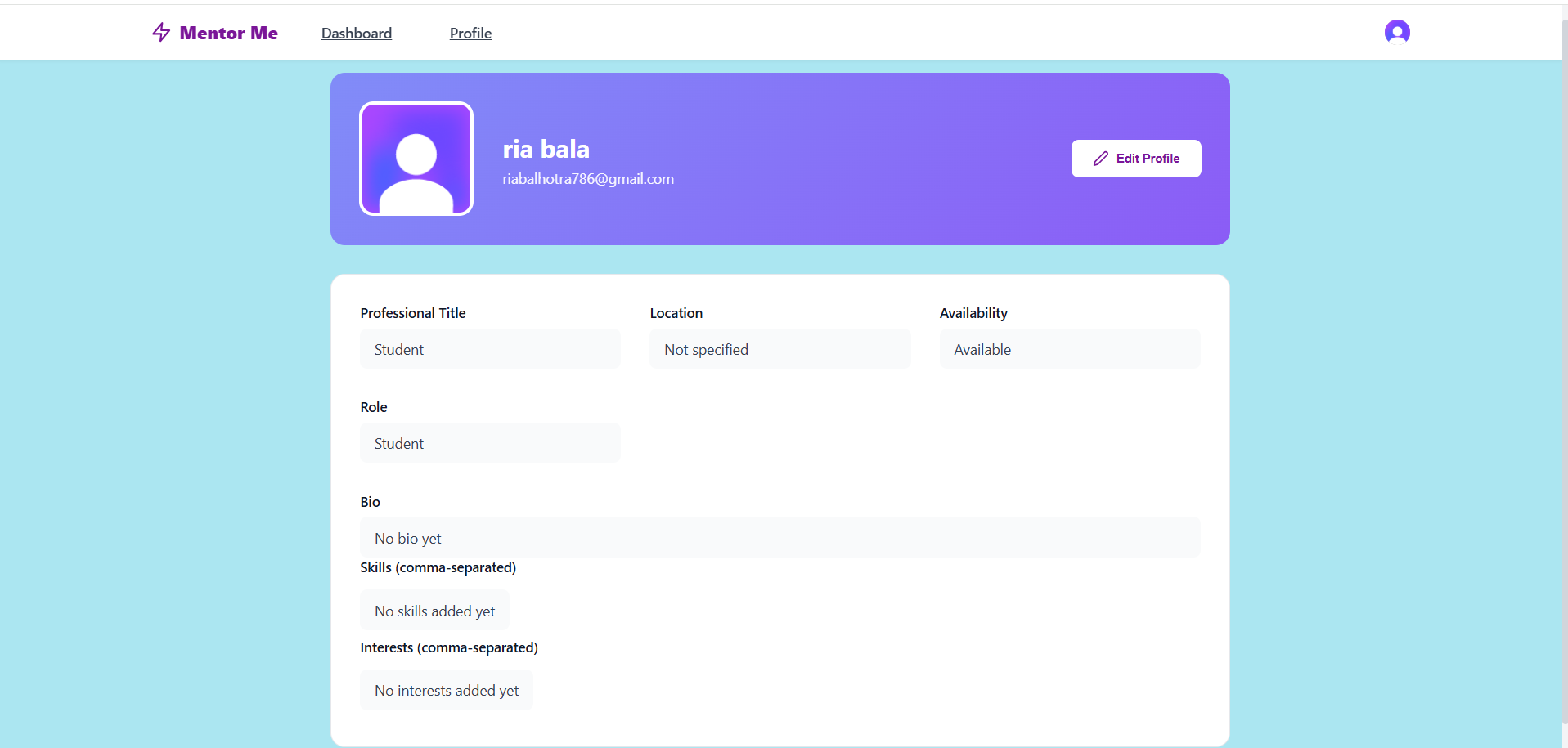
Our project is a human-first web platform designed to support students including domestic students, international students, and newcomer immigrant students who have questions about education, university life, and navigating unfamiliar systems. The platform helps students who don’t know who to ask or worry about receiving unreliable, unsafe, or overwhelming advice from scattered online sources. Instead of relying on anonymous forums or generic search results, users are connected to real people with lived experience. Students begin by signing up and providing basic background information and the type of support they’re looking for. Based on this input, the platform matches them with a peer mentor who has relevant experience and understands their situation. The mentors come from diverse professional and life backgrounds, allowing students to receive more relevant guidance. For example, a student may be matched with a mentor who has experience in technology, education, mental health support, or language and ESL assistance. This ensures that guidance is not only empathetic, but also practical and context-aware.
How we built it
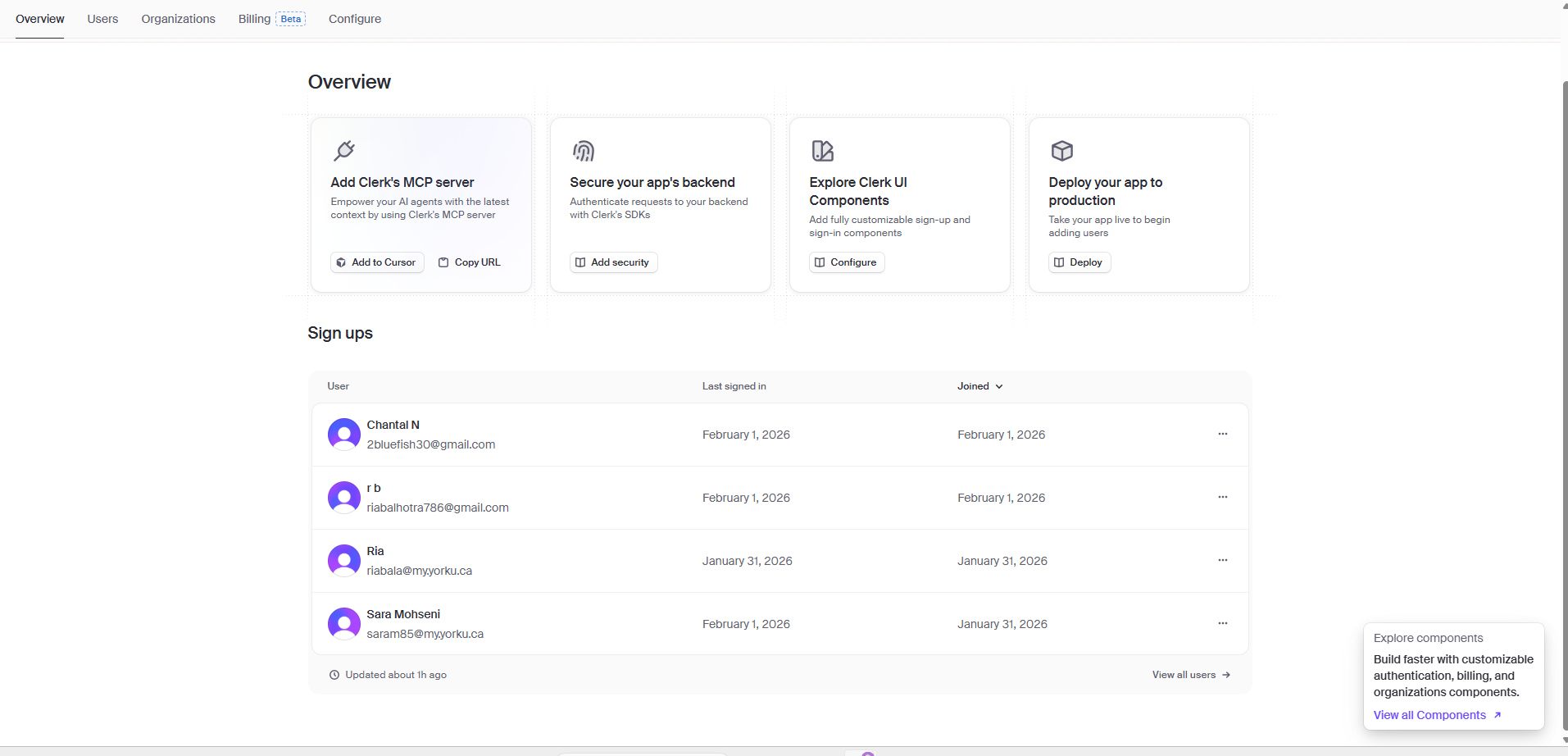
We started by designing an initial prototype in Figma to plan the user flow and overall layout. This helped us align on the core features before development. For the backend, we used Supabase to handle user data and define mentor and mentee roles. We integrated Clerk for authentication and connected it to Supabase to manage secure sign-ins and role-based access. We then built the frontend using React / React Native and developed the interface in VS Code, focusing on a simple dashboard where mentees can log in and view mentors from different professional backgrounds.
Challenges we ran into
Ideation: The team initially struggled to narrow down a clear project idea and scope, which took time away from development early on.
Backend Integration: Connecting the frontend, backend, and database was challenging, especially implementing authentication using Supabase, as it was the team’s first time working with the platform.
Mentor Representation: While reviewing mentor profiles, the team noticed that most mentors initially had primarily technical backgrounds. This highlighted a gap in representation, since the platform aimed to support mentees from diverse backgrounds and needs. Later in the project, the team adjusted mentor profiles to include professionals from a wider range of industries—such as mental health, education, and language support to better reflect inclusivity and improve mentor–mentee matching.
Accomplishments that we're proud of
Despite initially struggling to settle on a project idea, we successfully aligned as a team and built a fully functional web application within the hackathon timeline. We’re also proud of how much we learned throughout the process. Starting with little to no experience using tools like Supabase for our backend, we were able to overcome the learning curve and successfully implement new technologies into our project.
What we learned
Through this project, we learned how to bring a working application together from concept to implementation. Beyond technical skills, we gained experience using and integrating new technologies, as well as understanding how different parts of a project connect.
What's next for Mentor Me
Moving forward, we plan to expand Mentor Me by making the platform fully multilingual to better support students and newcomers from diverse backgrounds. We also aim to introduce a mentor verification process focused on confirming relevant experience, ensuring that mentors are genuinely capable of providing meaningful and responsible support.In addition, we hope to continue developing Mentor Me as a non-profit organization, allowing us to prioritize accessibility, safety, and long-term social impact. Future improvements will focus on inclusivity, trust, and strengthening human-centered support.

Log in or sign up for Devpost to join the conversation.