-
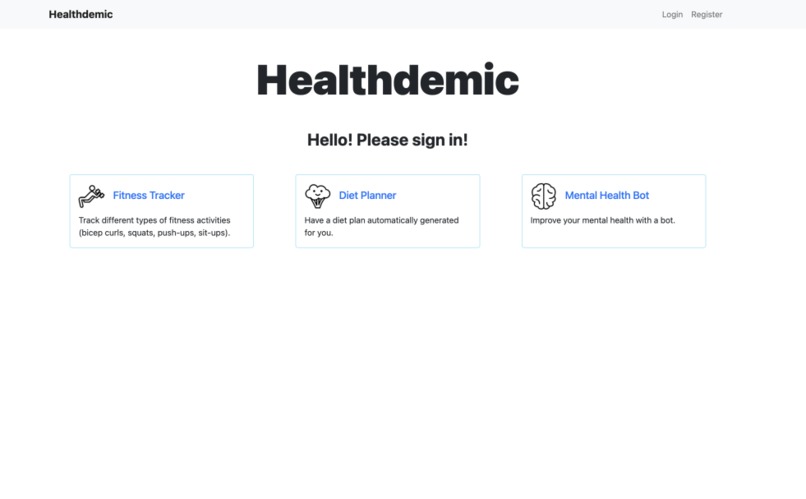
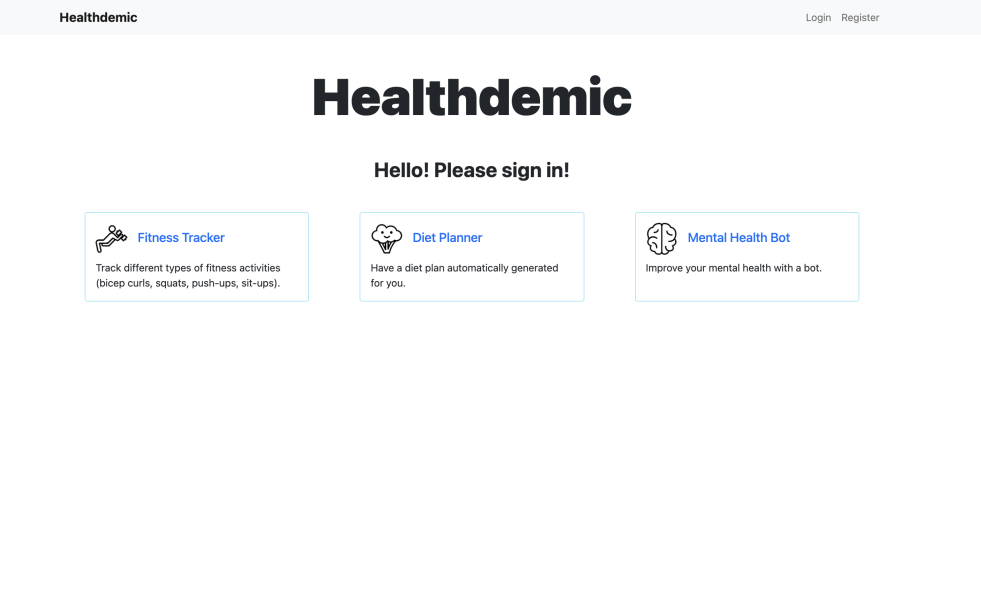
Landing Page
-
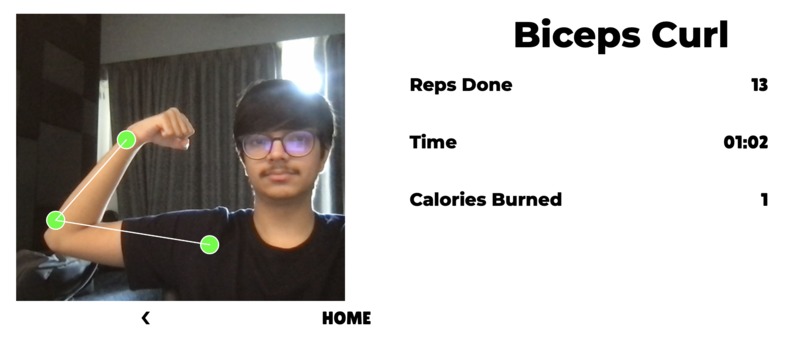
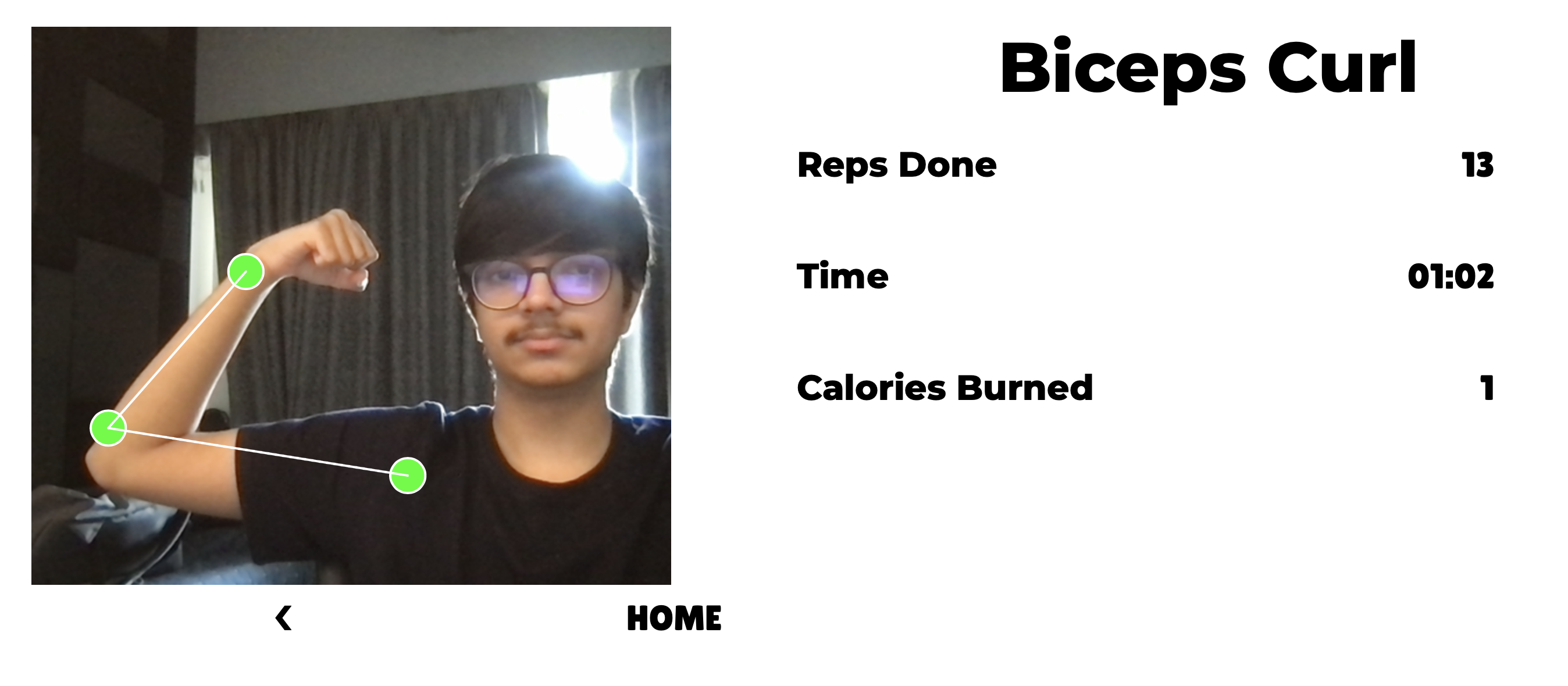
Computer vision powered real-time fitness tracking
-
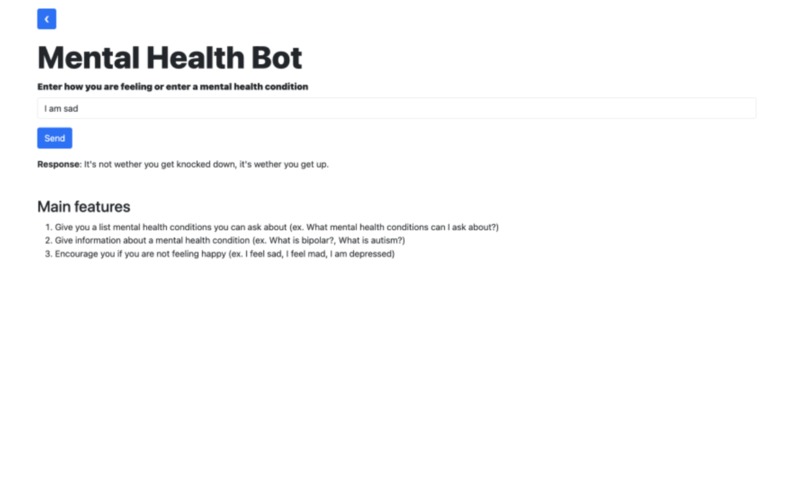
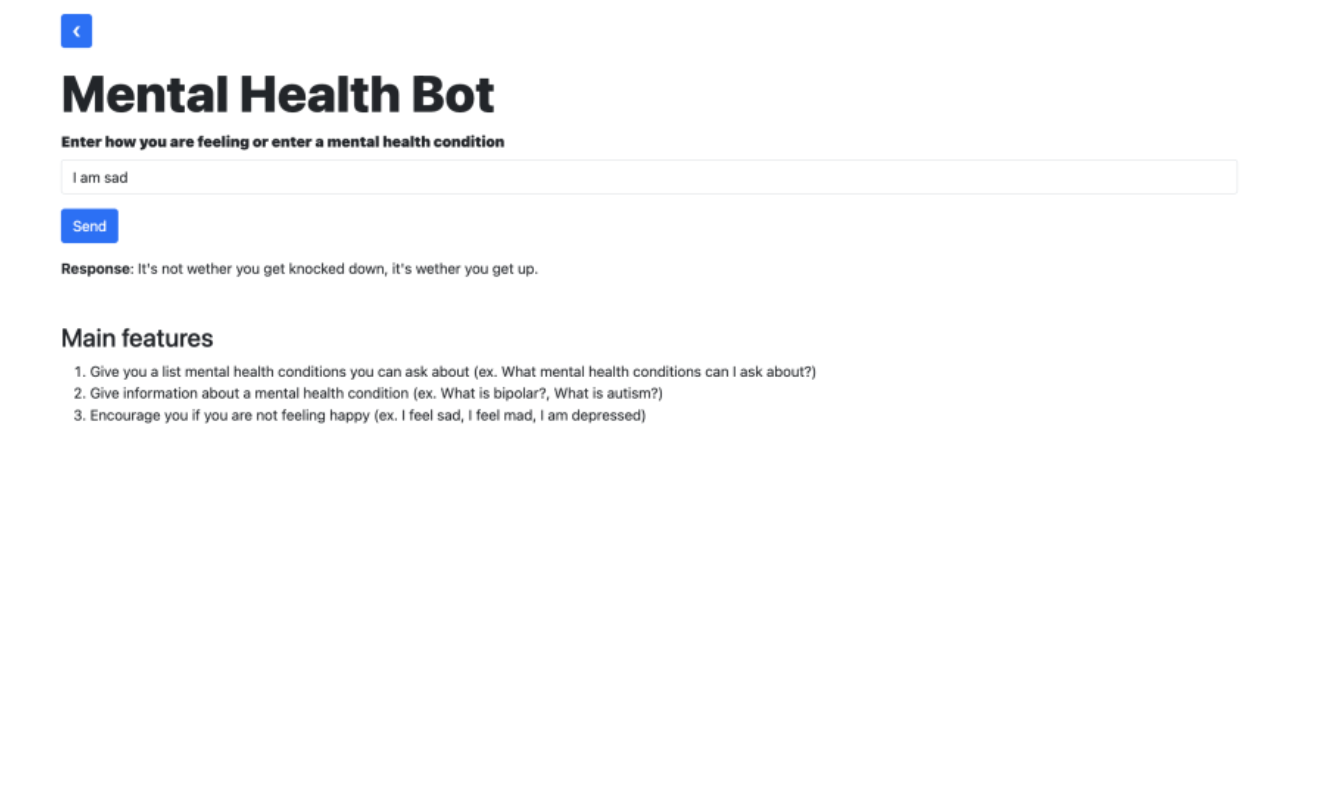
NLP powered mental health bot
-
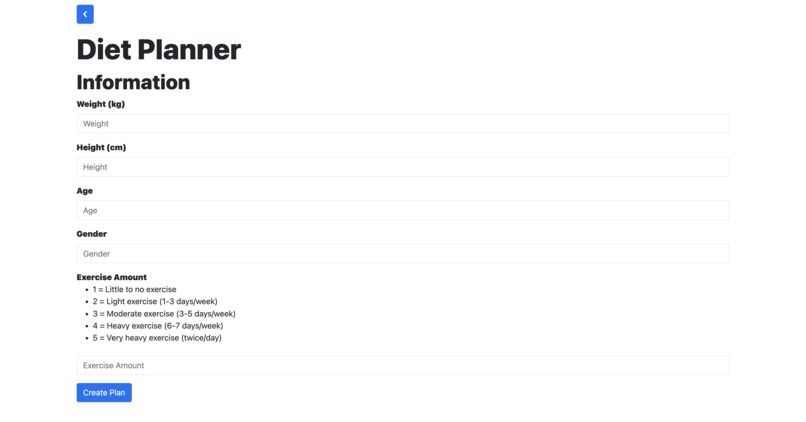
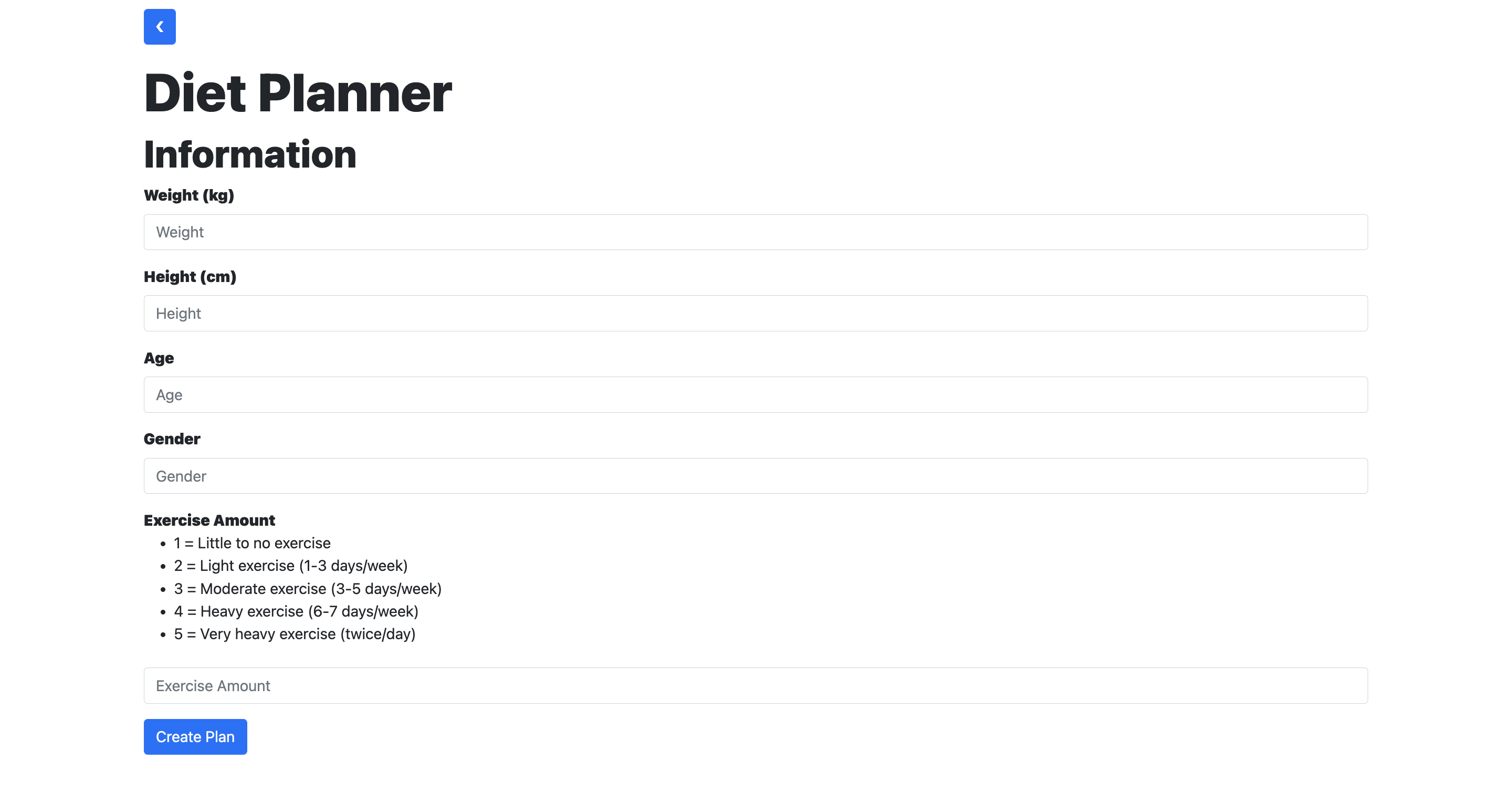
Diet plan input parameters
-
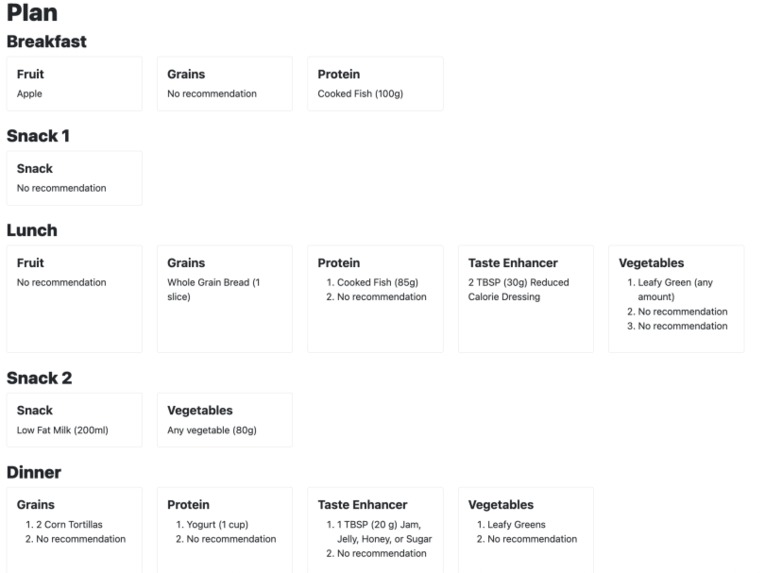
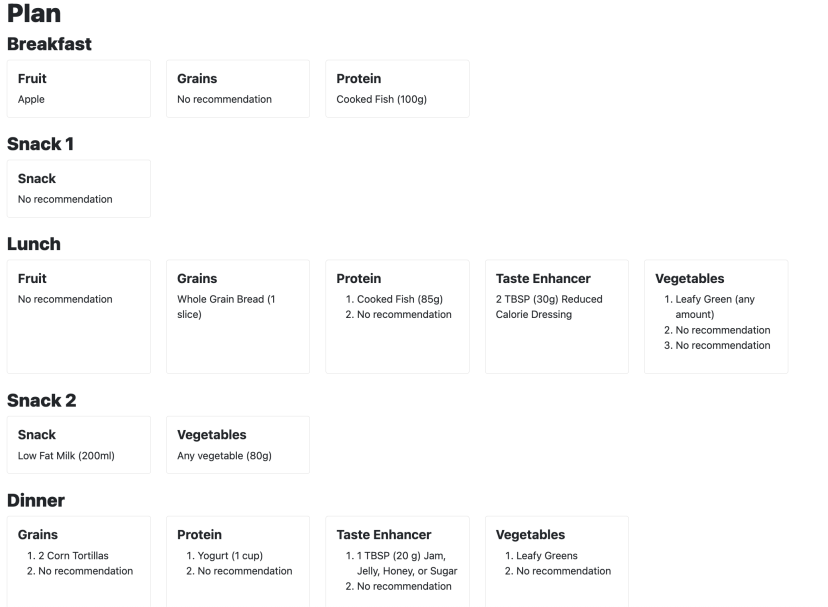
AI generated diet plan
-
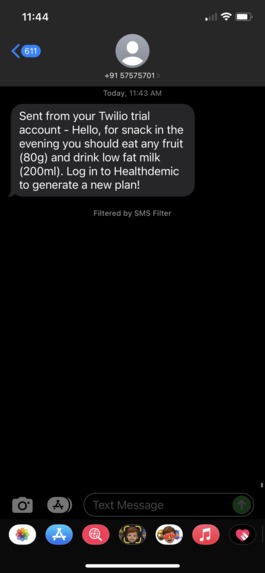
SMS reminders via Twilio API

Inspiration
As COVID-19 has been taking over the globe, our lifestyles have drastically shifted towards ones that lack exercise, encourage bad eating habits, and deteriorate mental health. We all know the feeling of isolation and putting on a few pounds as we sit at a desk eating chips during a Zoom call all day. So now, having lived through a pandemic for a year, we realized the importance of staying healthy and being able to exercise outdoors. So, we created a virtual health buddy: a one-stop health solution for mental, dietary, and fitness advice!
What it does
Healthdemic is a versatile machine learning-powered web application that has 3 unique features:
AI diet recommendation - Healthdemic recommends personalized diet plans based on input parameters and reminds users about the plan using automated reminder messages sent to their phone number.
AI mental health chatbot - Healthdemic’s mental health chatbot is a powerful NLP-based fully interactive bot. It has general information about mental health issues and is capable of having a remedial conversation.
AI fitness tracker - Healthdemic’s real-time fitness tracking keeps track of the number of reps, time spent, and calories burnt by the user. It is a computer vision-based personal fitness trainer that facilitates 4 full exercises right now: crunches, pushups, squats, and bicep curls.
How we built it
- Frontend: React.js
- Backend: Node.js, MongoDB, Express.js, and Javascript
- AI diet recommendation: Python
- AI mental health bot: Javascript
- AI fitness tracker: Javascript and Posenet
- Automated messages: Twilio API
For the website, diet planner, mental health bot, login, and register, we used the MERN stack (MongoDB, Express, React, Node.js). We used MongoDB to store the users’ names, emails, and passwords, Express and Node.js for dealing with the API, and React.js for the UI. Since we care about security, we decided to hash the user’s password with bcrypt. Additionally, for the website, we used Bootstrap to make the UI look better. For the mental health bot, we used natural language processing and GPT 3 to make it powerful and versatile. We used a dataset and some python logic to create the diet plan suggester.
For the fitness trainer, we started with coding the machine learning algorithm to detect your exercise and count your reps. We coded a complex algorithm that was based on a lot of Vector analysis and angle calculation stuff using the ML5 library, JavaScript and Posenet architecture. After completing the AI part, We integrated the frontend with the model. We used the P5js library to design the canvas and annotations on the webcam feed.
Challenges we ran into
At first, we were doubtful of whether or not we would be able to pull off so many different features, but we ended up going for it anyway. Differences in our time zones (US and India) made it difficult to coordinate efforts at times, so we had to clearly split up our roles and make our progress clear. On the technical side, GPT-3 was producing bizarre responses when we implemented a mental health chatbot, so we pivoted to a more clearly-defined algorithm that either outputs information on mental disorders or detects negative inputs by the user and outputs positive messages. We also tried using LSTM; however, due to lack of GPU power we weren’t able to train the model to increase the accuracy. In addition, Twilio was causing trouble when we tried to integrate diet reminders with Twilio scheduled messages, so we had to go through many docs and video tutorials in order to get it to work. It was our first time dealing with it
Accomplishments that we're proud of
- Adding multiple features in only 36 hours!
- Coping with different timezones without any problems
- Landing such a solid UI
- Having high accuracy on the fitness tracker
- Resolving all of our challenges
What we learned
- Integrating python scripts in a node.js backend.
- Using Twilio API to send automated scheduled messages.
- Working with people in different timezones
What's next for Healthdemic (Business Viability)
- Developing a subscription-based model for a global target market.
- Enhancing user-based personalization of the website to give better recommendations.
- Adding doctors to supervise AI recommendations and make changes to the recommendations if needed.
- Applying for the required medical certifications.
- Making the application more personalised and maintaining track records by adding a database


Log in or sign up for Devpost to join the conversation.