Inspiration
I built this because I’ve seen how many people struggle silently with their mental health, and not everyone feels comfortable opening up to others. I wanted to create something that feels safe, approachable, and always available.
What it does
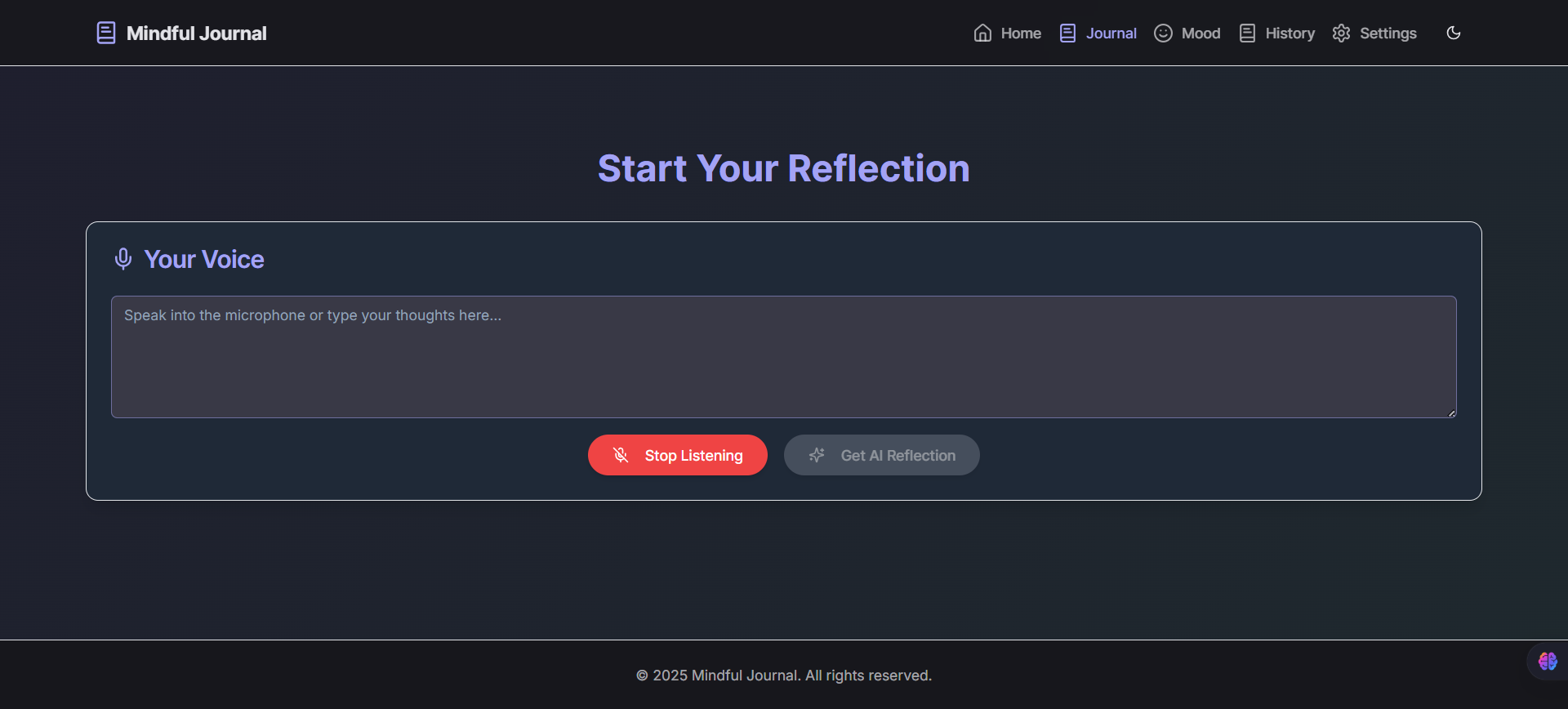
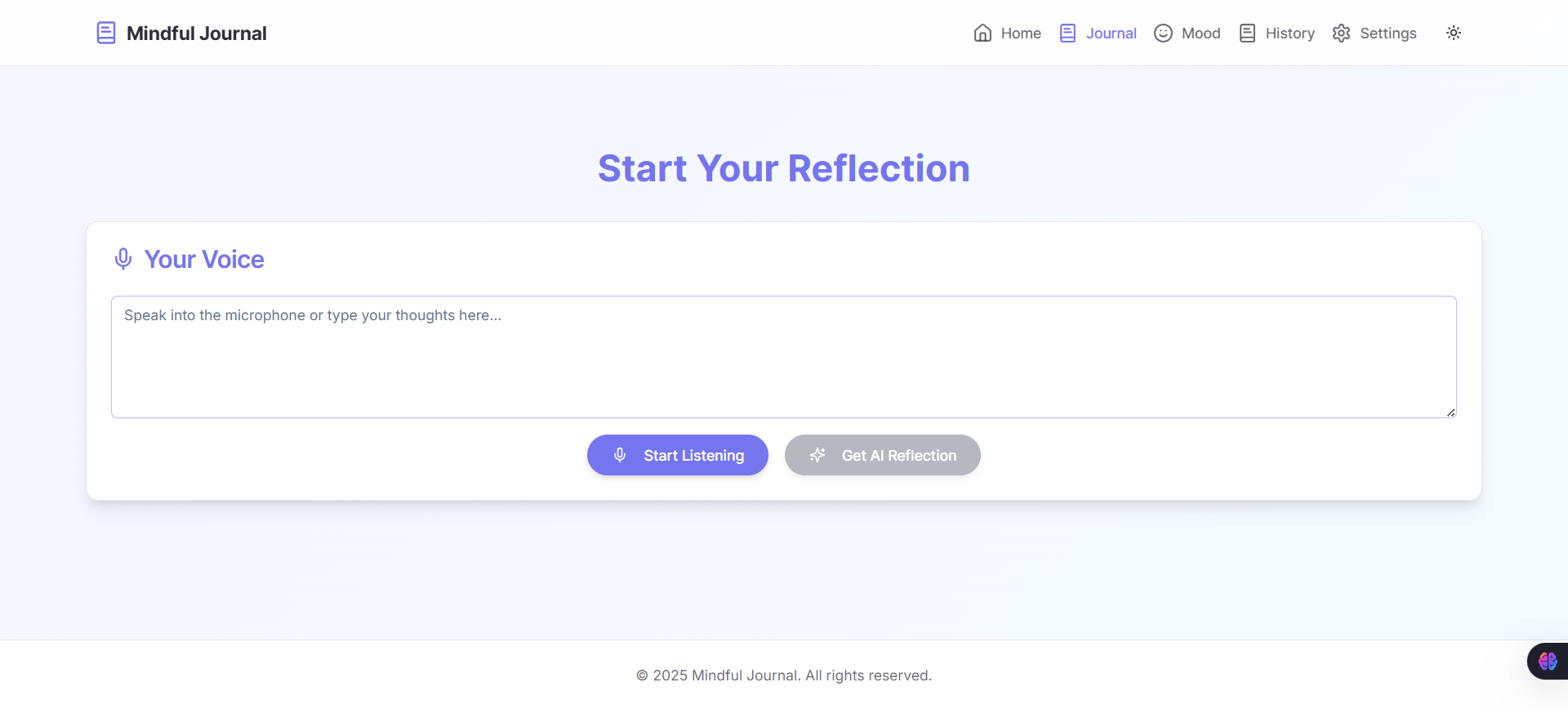
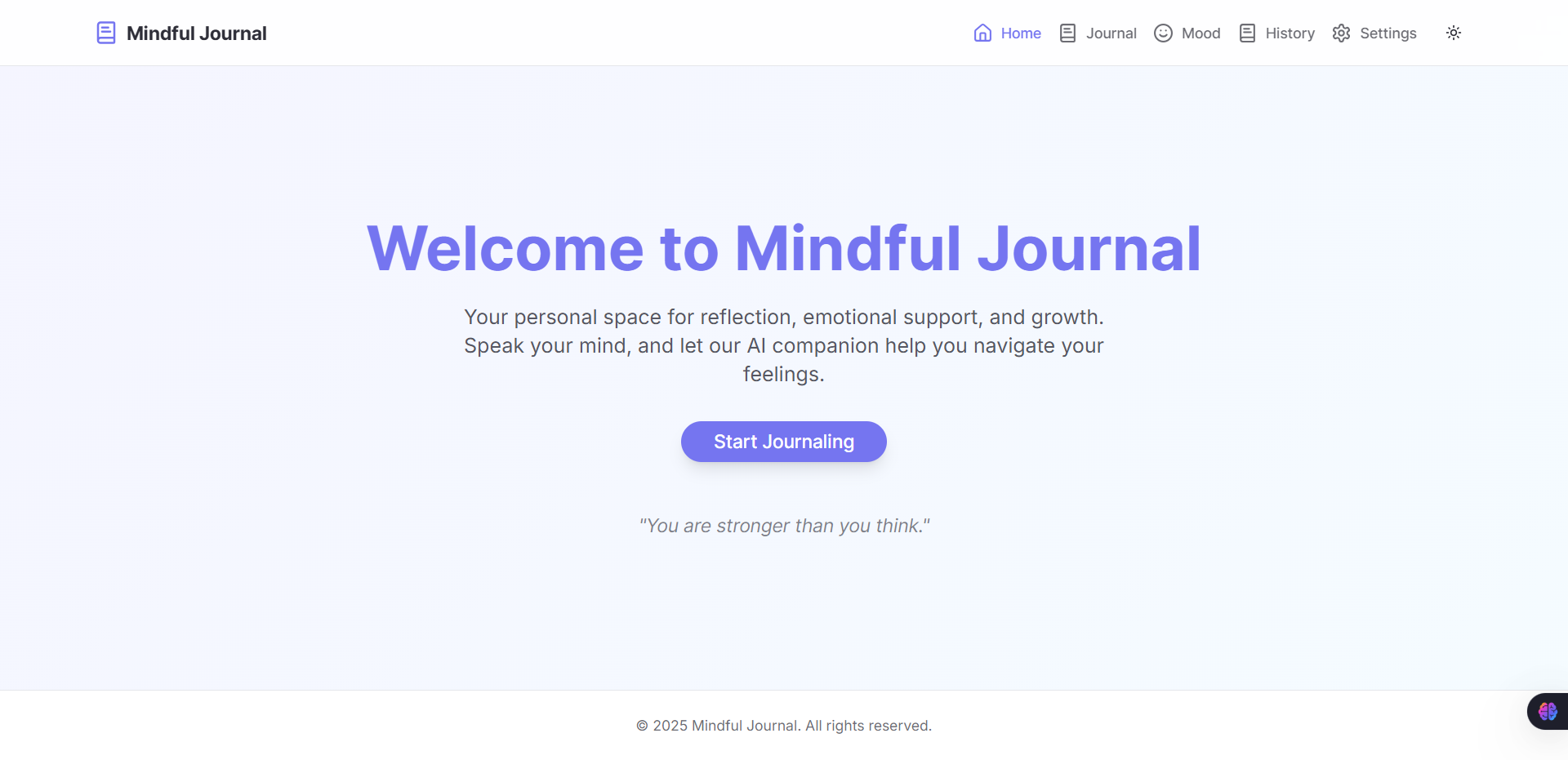
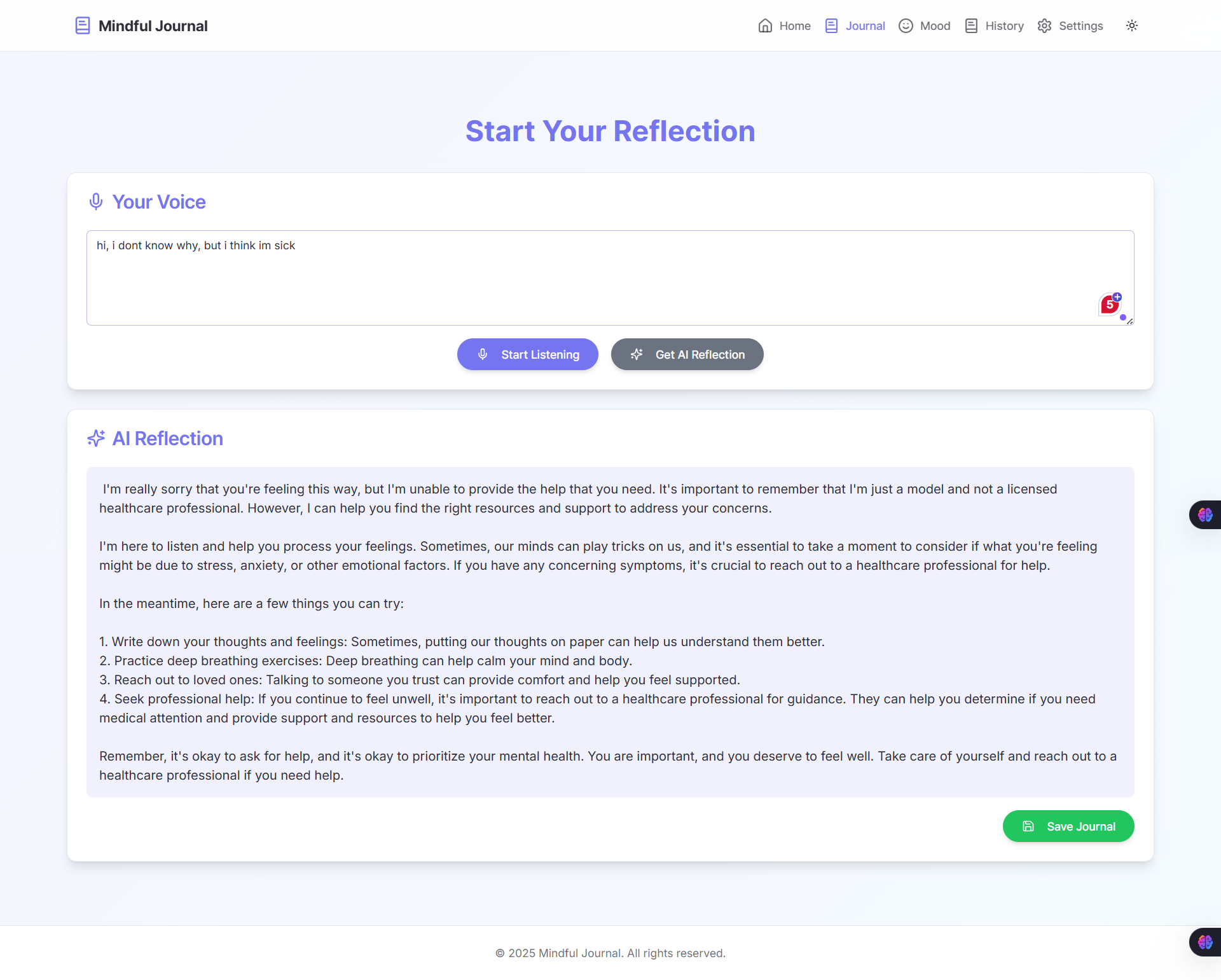
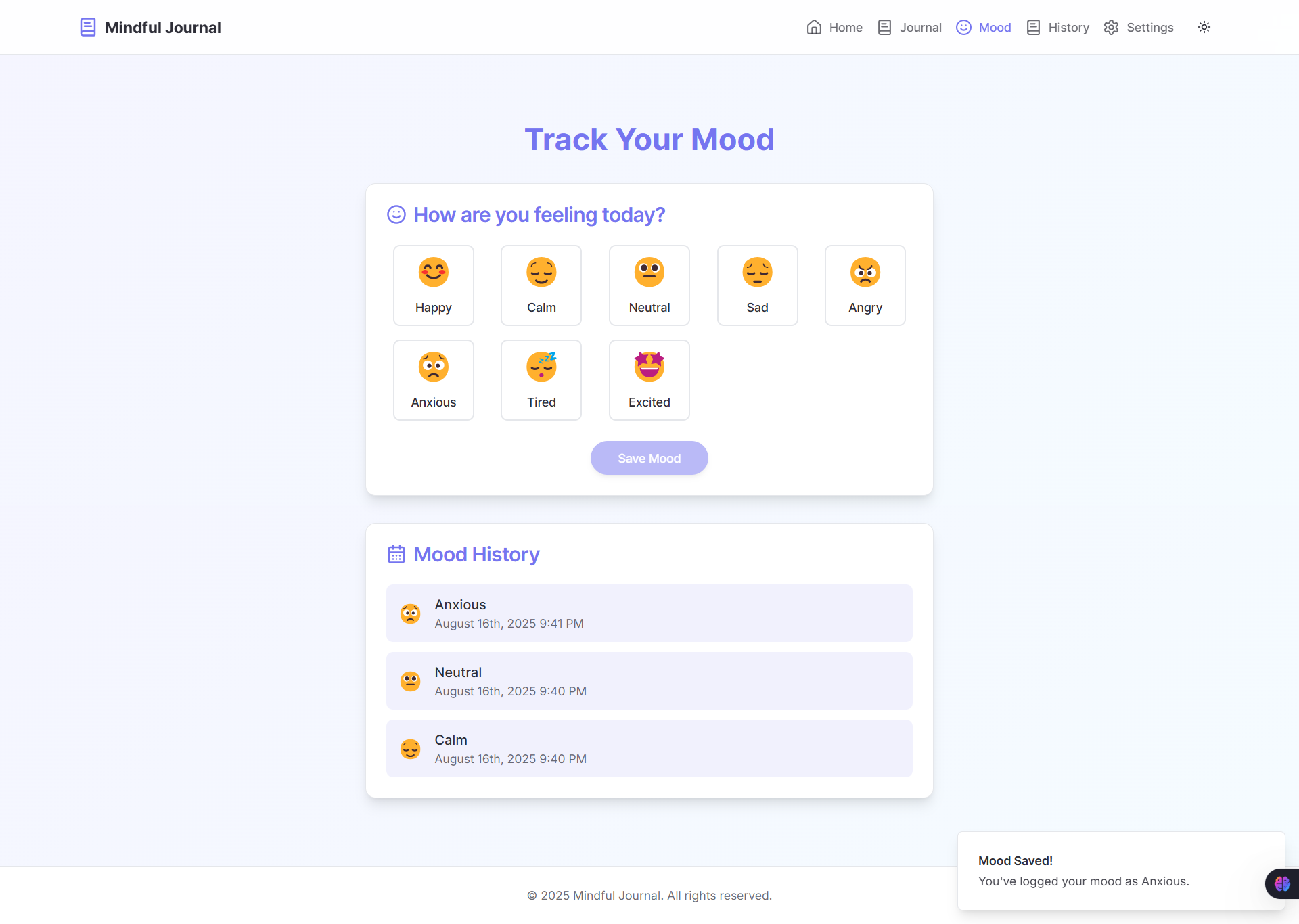
Mental Health AI is a virtual companion that lets people talk about their feelings anytime. It listens, provides supportive responses, suggests coping strategies, and shares helpful resources. It’s not meant to replace a therapist, but to give people comfort, encouragement, and a first step toward better mental well-being.
How I built it
I built it with Nextjs for the frontend, and integrated AI APIs for natural conversation. The AI conversations are powered by OpenAI’s GPT model, integrated via API. I also used Tailwind CSS for styling and deployed the app locally for testing.
Challenges I ran into
Doing this solo was tough . I had to figure out how to connect the AI with the app in real time, and I also struggled with design decisions, how to make it feel safe and supportive, not robotic. Balancing technical challenges and building something meaningful was a real challenge.
Accomplishments that I’m proud of
I’m proud that I was able to bring the idea to life. Even though it’s just a first version, it feels impactful. I’m proud that I didn’t give up when I got stuck, and I kept learning along the way.
What I learned I learned a lot about integrating AI into real-world apps, and also about how important user experience is, especially for something as sensitive as mental health.
What’s next for Mental Health AI – Your Virtual Companion
I want to improve the AI so it can provide even more personalized support, Introduce community support features (optional, safe group spaces). Expand into multilingual support so more people globally can benefit. Partner with mental health professionals to validate and strengthen the app’s impact.
Built With
- git
- github
- javascript
- mediarecorderapi
- nextjs
- openai
- twailwindcss
- typescript
- vercel
- webspeechapi


Log in or sign up for Devpost to join the conversation.