-
-
Main
-

Feature 1
-

Feature 2
-
Feature 3
-
Dashboard
-
Upload PDF
-

Concept Graph
-
ScrollyTelling

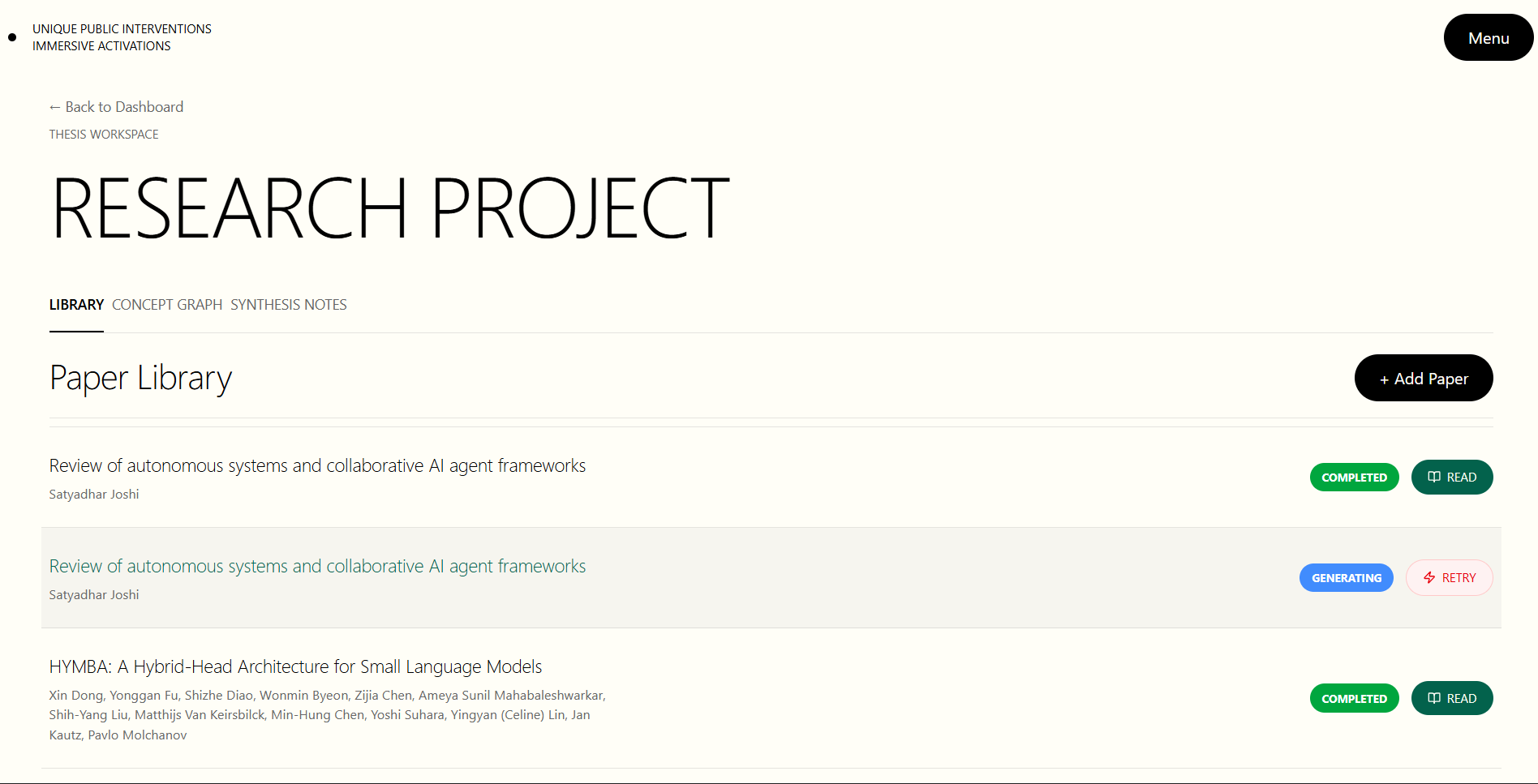
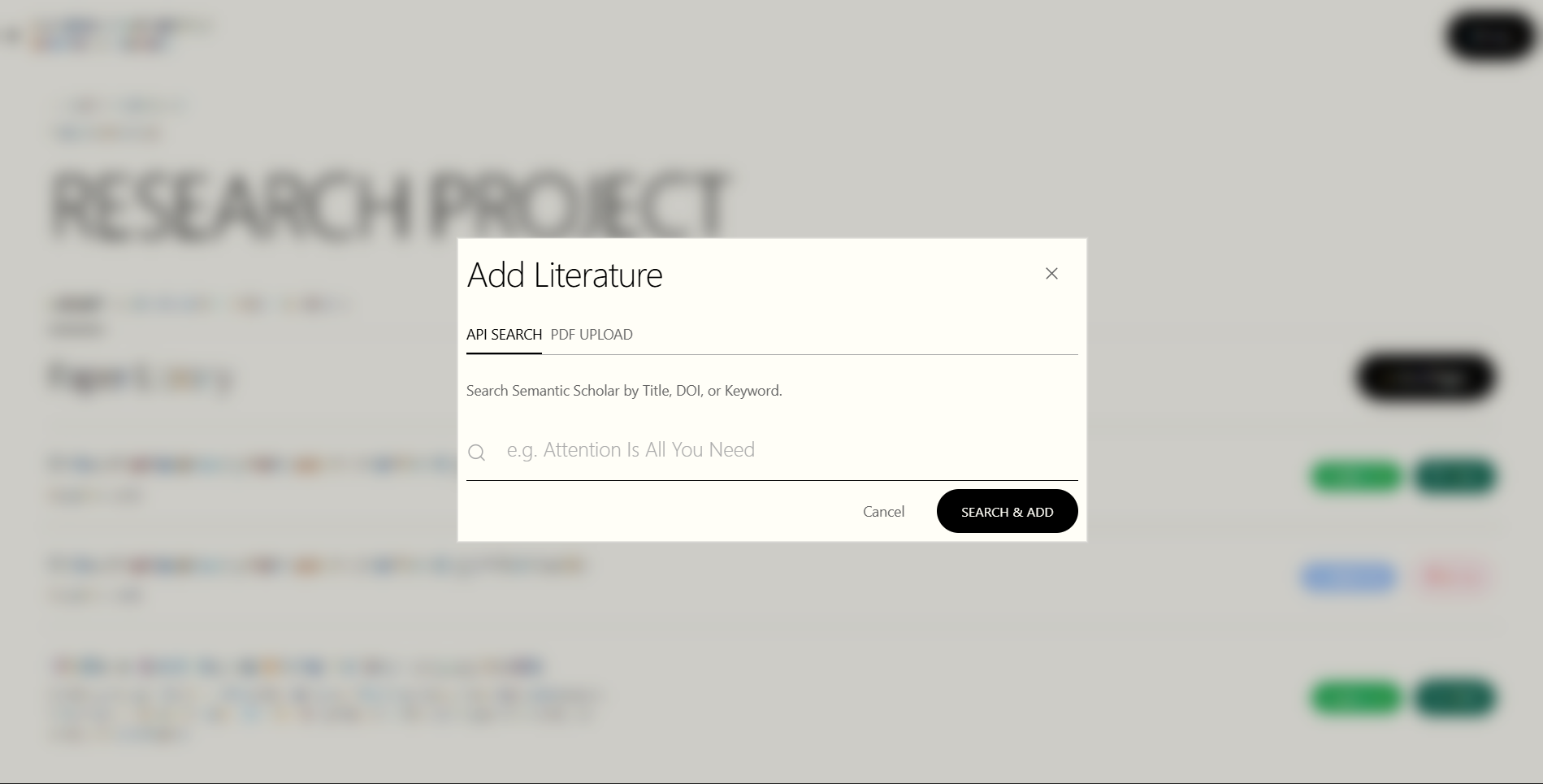

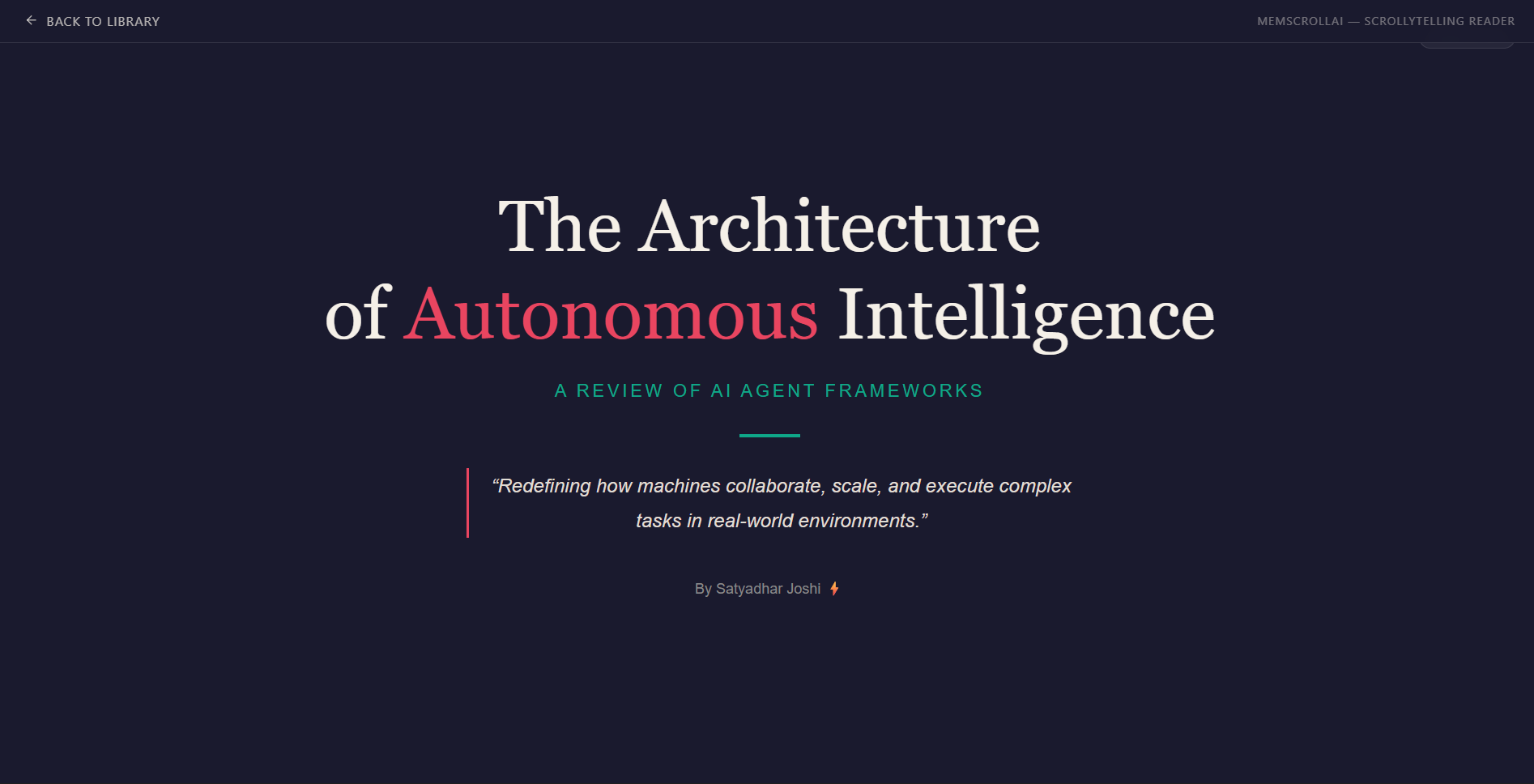
💡 Inspiration
As students and researchers, we constantly face the daunting task of conducting literature reviews. We realized we were wasting countless hours re-reading foundational concepts and basic definitions across multiple papers just to find the novel methodology or specific findings we actually needed. We thought: What if an AI could remember what we already know and adapt the reading experience so we only focus on new, critical information? This inspired us to build MemScroll-AI.
🚀 What it does
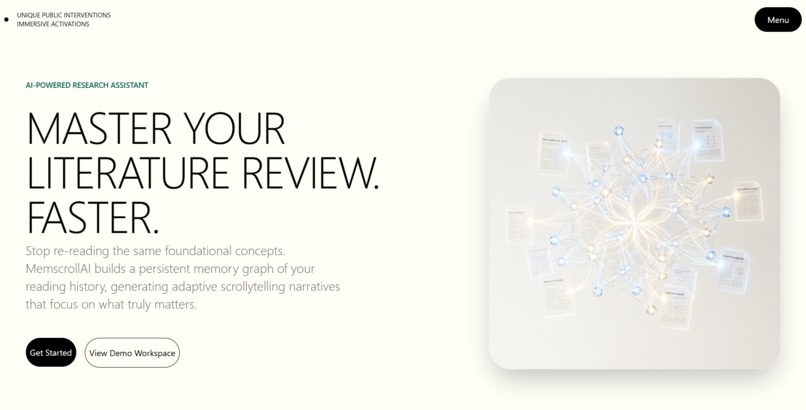
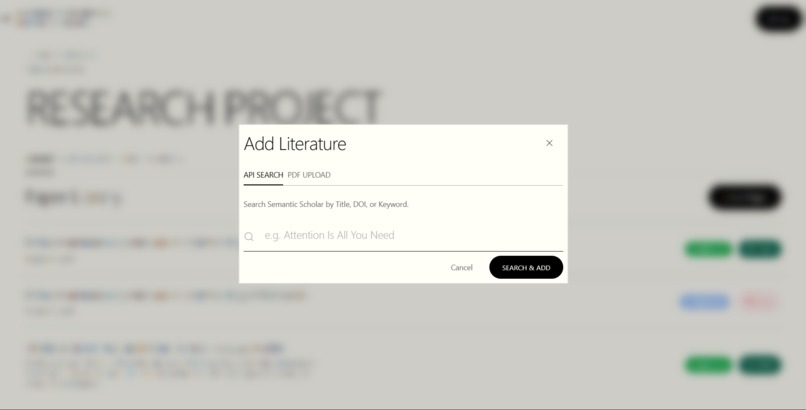
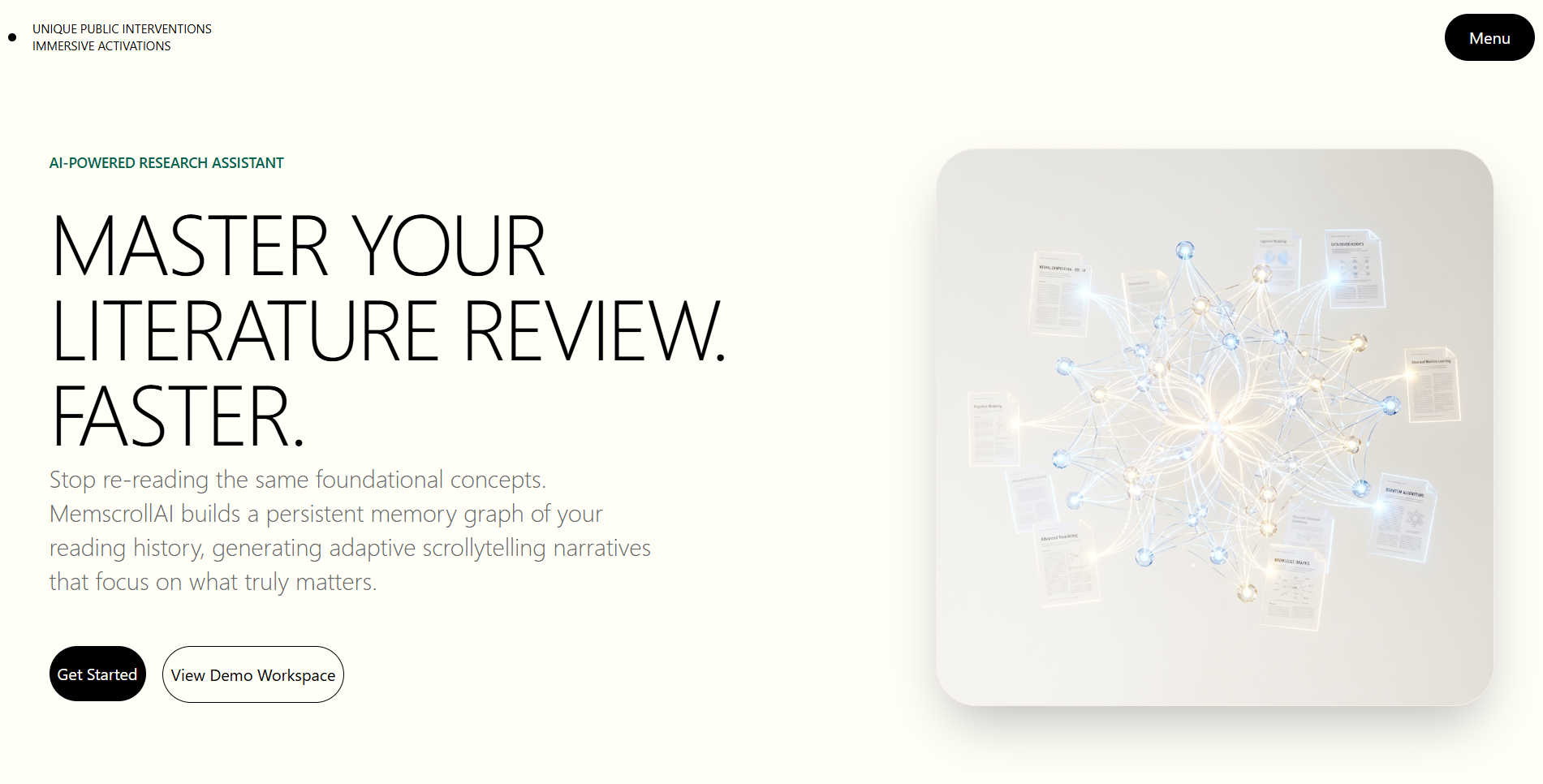
MemScroll-AI is an adaptive, AI-powered research assistant that transforms static PDFs into personalized, interactive "scrollytelling" web pages.
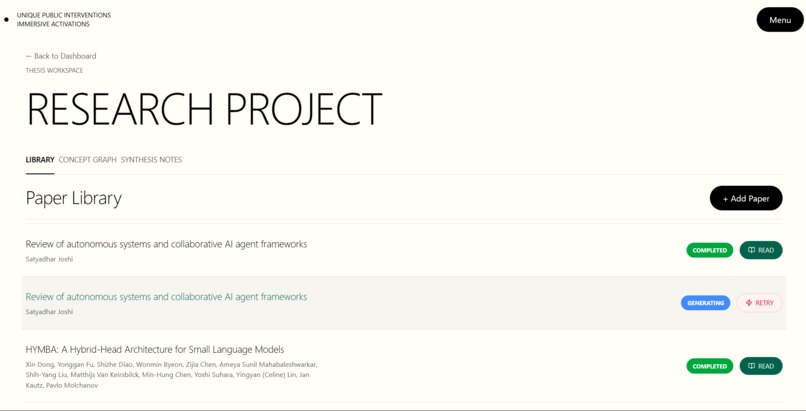
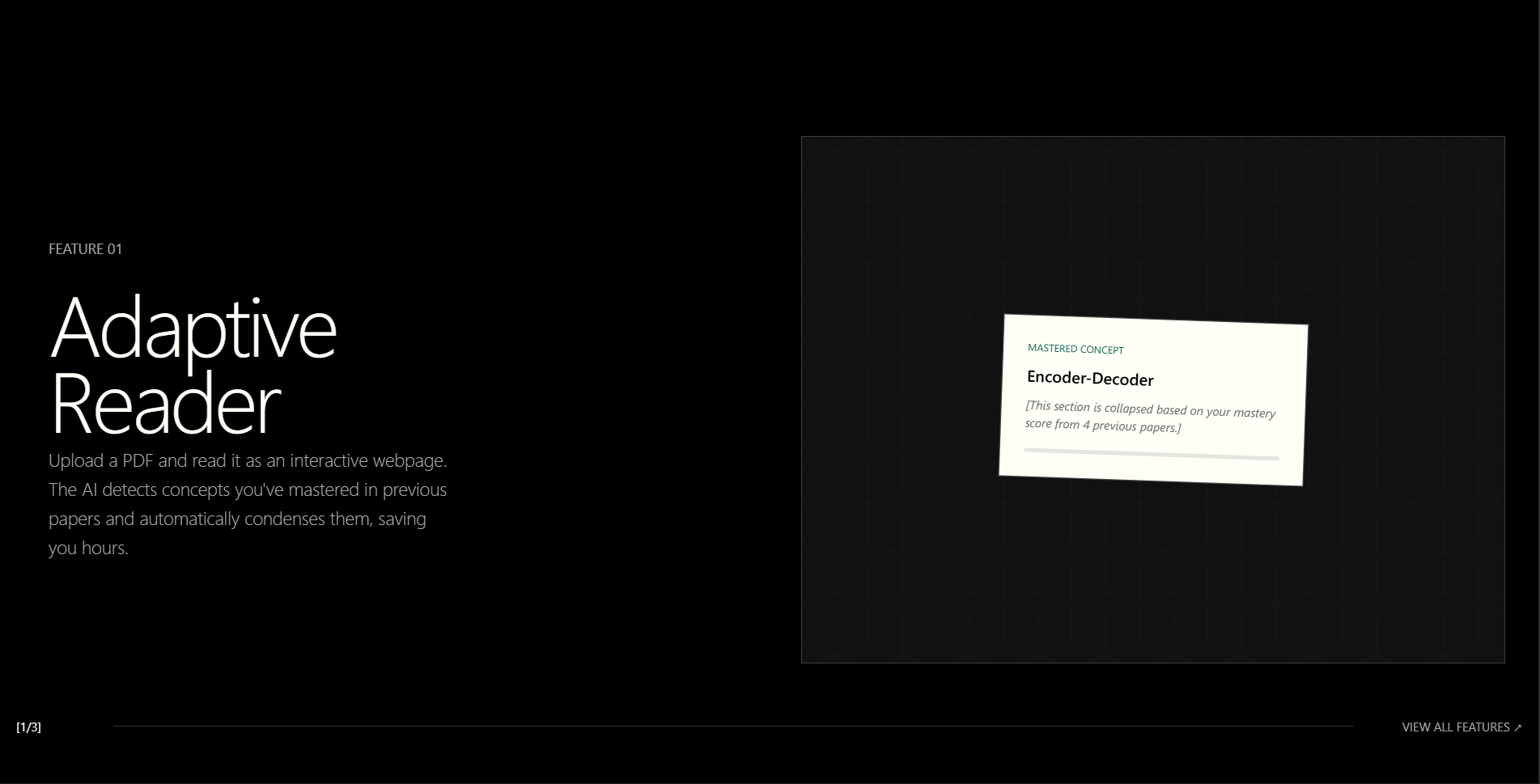
- Adaptive Reader: When you upload a paper, the AI detects concepts you've already mastered from previous readings and automatically condenses them, while expanding on novel findings.
- Persistent Memory Graph: Every concept you read is embedded as a vector and tracked in an SQLite database. The system builds a personalized graph of your knowledge.
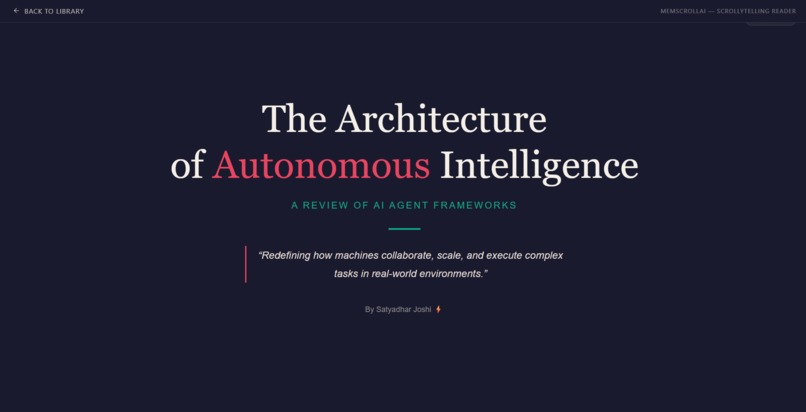
- Scrollytelling Output: Instead of a boring PDF layout, MemScroll-AI uses Qwen LLMs to generate beautiful, magazine-style data visualizations and narrative sections using HTML and CSS directly.
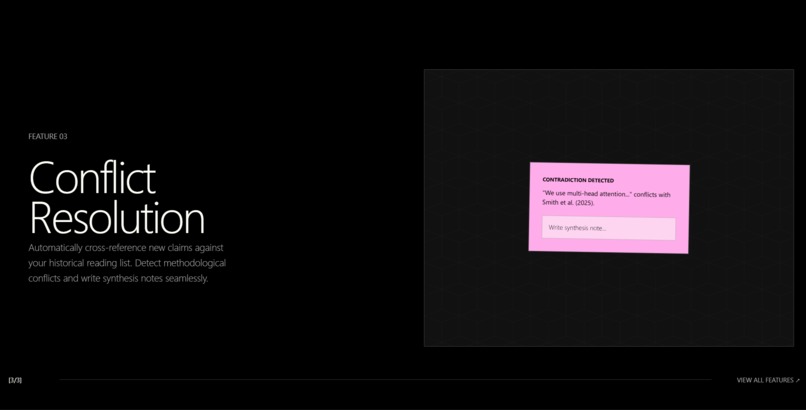
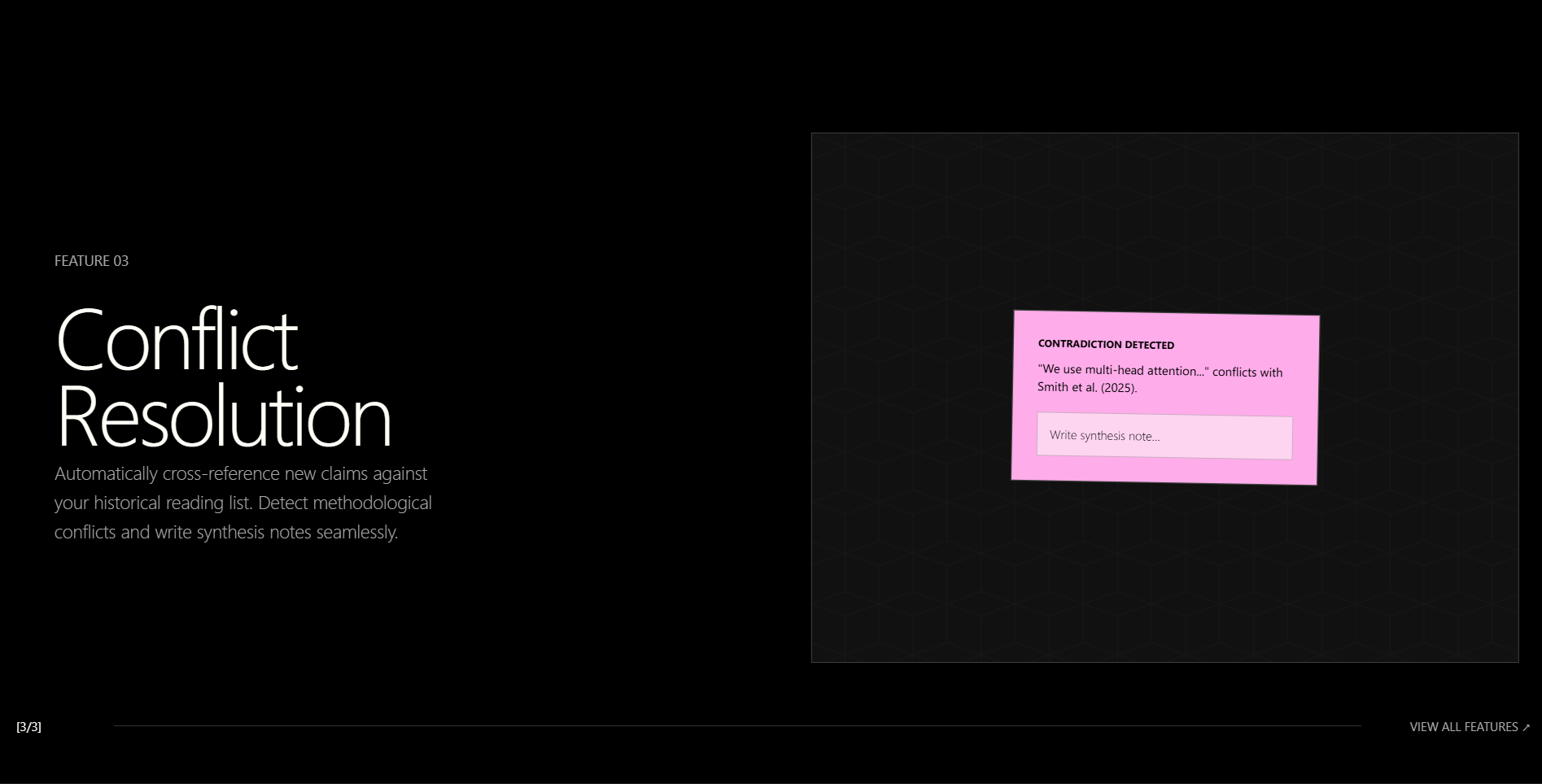
- Concept Synthesis: It automatically cross-references new claims against your historical reading list and generates synthesis notes to help you write your literature review effortlessly.
🛠️ How we built it
We built MemScroll-AI with a modern, full-stack architecture powered by Alibaba Cloud:
- AI Engine (The Brain): We leveraged DashScope APIs from Alibaba Cloud.
qwen3.7-pluswas used for deep concept extraction, conflict resolution, and complex analysis.qwen3.6-flashwas used for lightning-fast HTML/CSS generation for the scrollytelling interface.text-embedding-v4was used to convert extracted concepts into dense vectors for our semantic memory graph.
- Backend: We used FastAPI (Python) for a highly concurrent API, coupled with PyMuPDF for text extraction and SQLite (SQLAlchemy) for managing the memory graph. The backend is actively deployed on an Alibaba Cloud ECS Instance.
- Frontend: The user interface is built with Next.js, styled with Tailwind CSS, and animated using Framer Motion to create the smooth scrollytelling transitions. It is hosted on Vercel.
⚠️ Challenges we ran into
One of the biggest hurdles was managing the concurrent processing of multiple heavy PDFs while keeping the SQLite database from locking up (database is locked errors). We had to re-architect our upload pipeline to handle sequential queuing and optimize the way we batch vector embeddings to the DashScope API. Additionally, generating reliable, well-styled HTML/CSS output directly from an LLM required extensive prompt engineering with qwen3.6-flash to ensure the scrollytelling elements rendered perfectly without breaking the UI.
🏆 Accomplishments that we're proud of
We are incredibly proud of the Adaptive Reader algorithm. Seeing the system successfully recall a concept from a paper uploaded hours ago, and then automatically shrink that section in a brand new paper to save reading time, felt like magic. We're also proud of successfully deploying the entire backend infrastructure on Alibaba Cloud ECS with a proper Nginx reverse proxy.
📚 What we learned
We learned a massive amount about integrating multiple LLM models for different specialized tasks. We discovered that using a larger model (qwen3.7-plus) for analytical heavy-lifting and a faster model (qwen3.6-flash) for UI generation creates a perfect balance of intelligence and speed. We also gained deep experience in server configuration and CORS management on Alibaba ECS.
⏭️ What's next for MemScroll-AI
In the future, we want to implement a fully decentralized Agentic Workflow where multiple Qwen agents debate conflicting findings across 100+ papers and output a ready-to-publish meta-analysis. We also plan to integrate Alibaba Cloud's Vector Database (DashVector) to scale our memory graph to handle thousands of users simultaneously.
Built With
- alibaba-cloud
- fastapi
- framer-motion
- next.js
- python
- qwen
- sqlite
- tailwind-css
- typescript


Log in or sign up for Devpost to join the conversation.