Inspiration
The 2025 Los Angeles fire destroyed over 40,500 acres, including vast neighborhoods and significant cultural sites along the coastline and inland. While residents face substantial financial losses, they are also devastated by the sudden loss of lifelong memories. Conversations with locals and online posts reveal that grief extends beyond those directly affected. People across the Greater Los Angeles area, and even former residents around the world, are mourning the loss of cherished places tied to memories of friends and family.
The ruins will be rebuilt, but the places will forever be changed. Can memory endure when physical spaces vanish?
What it does
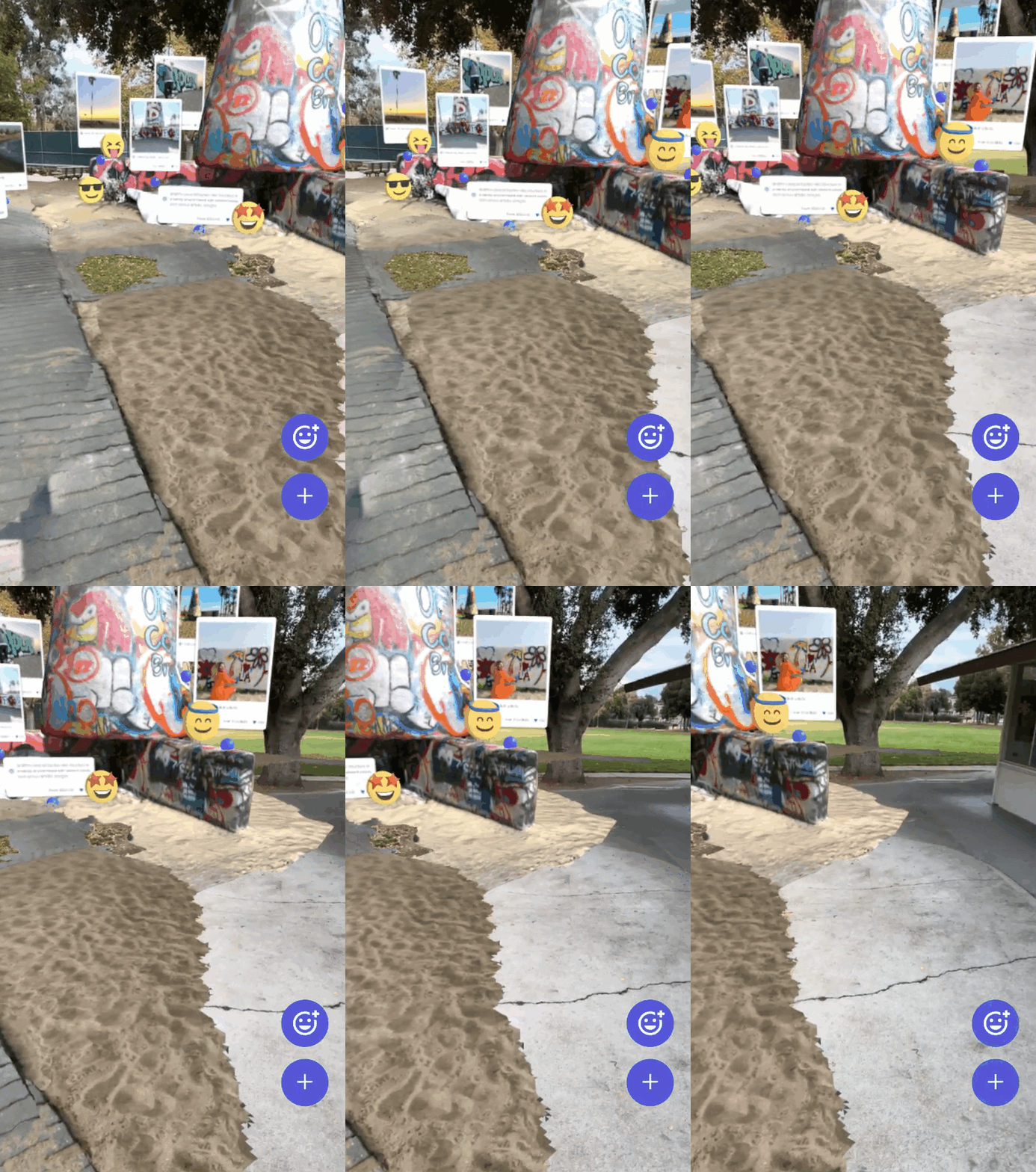
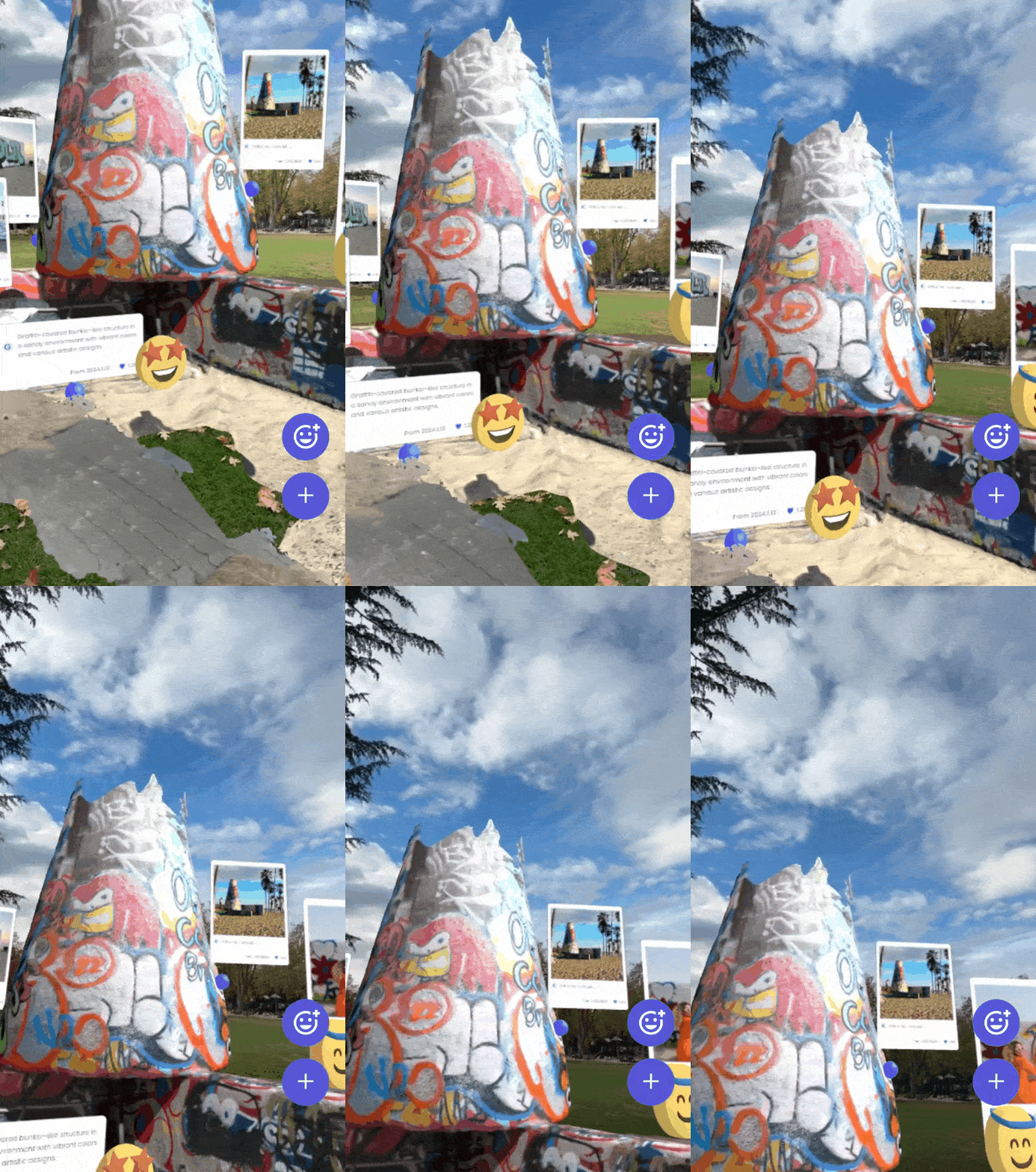
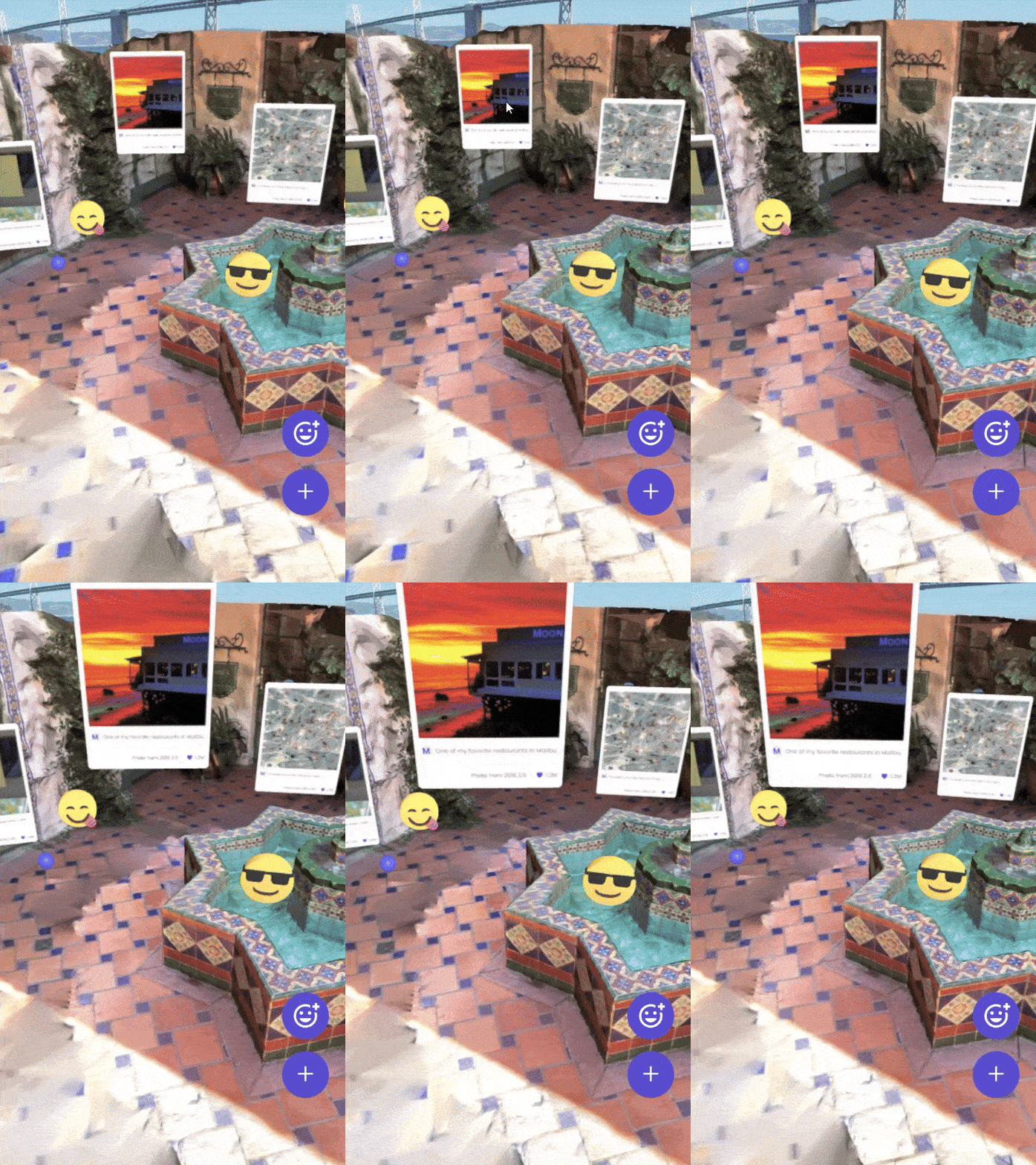
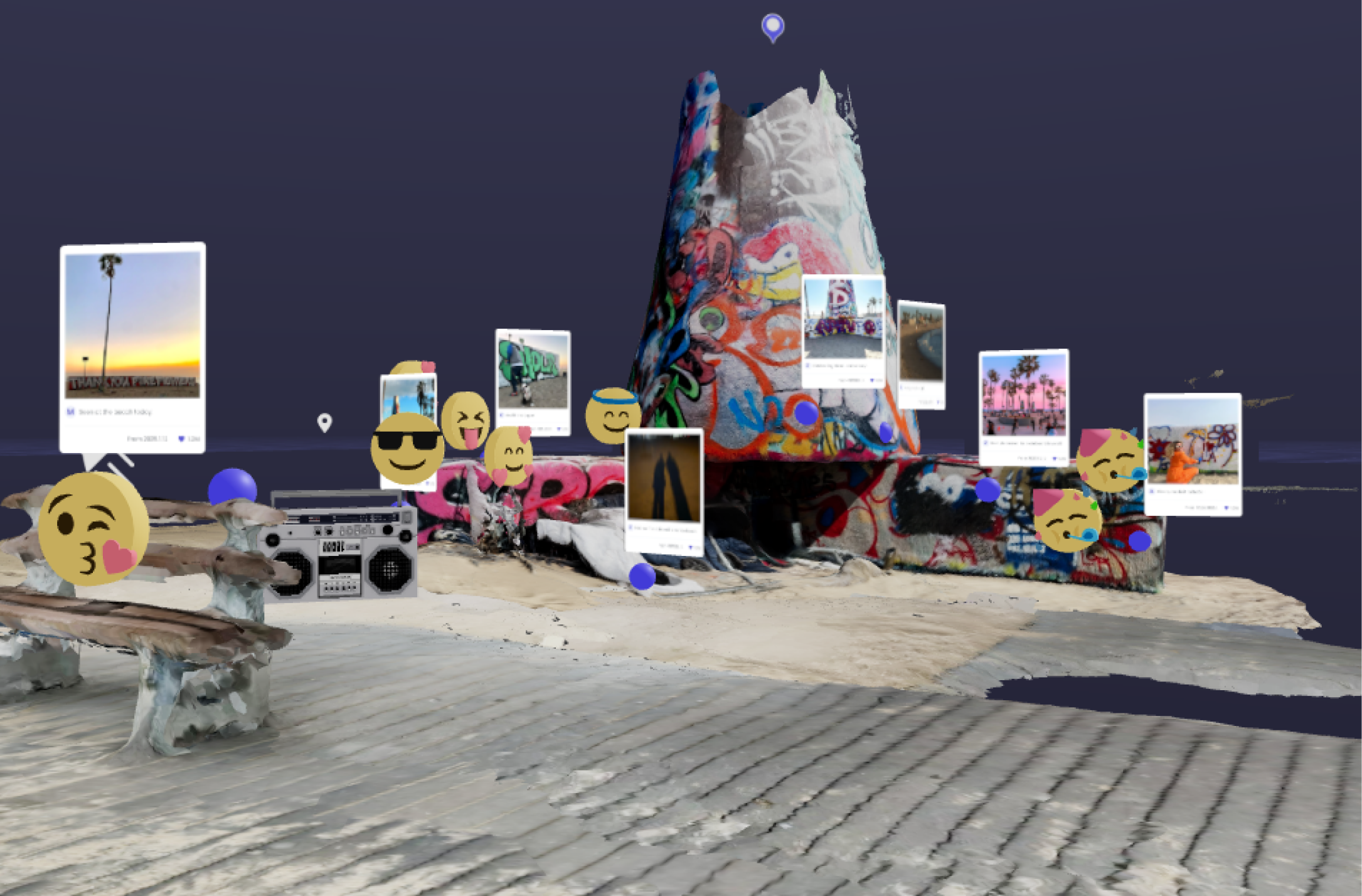
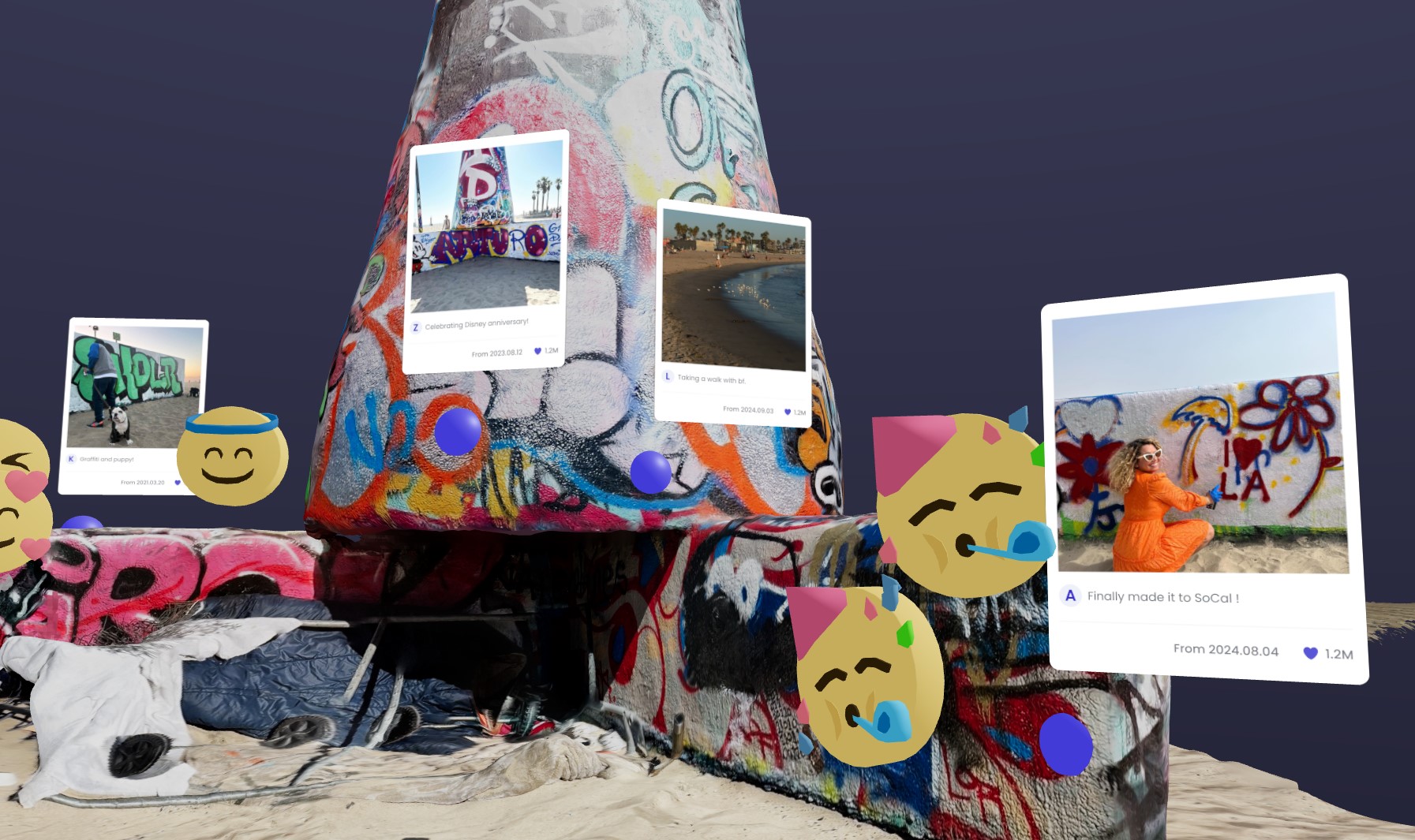
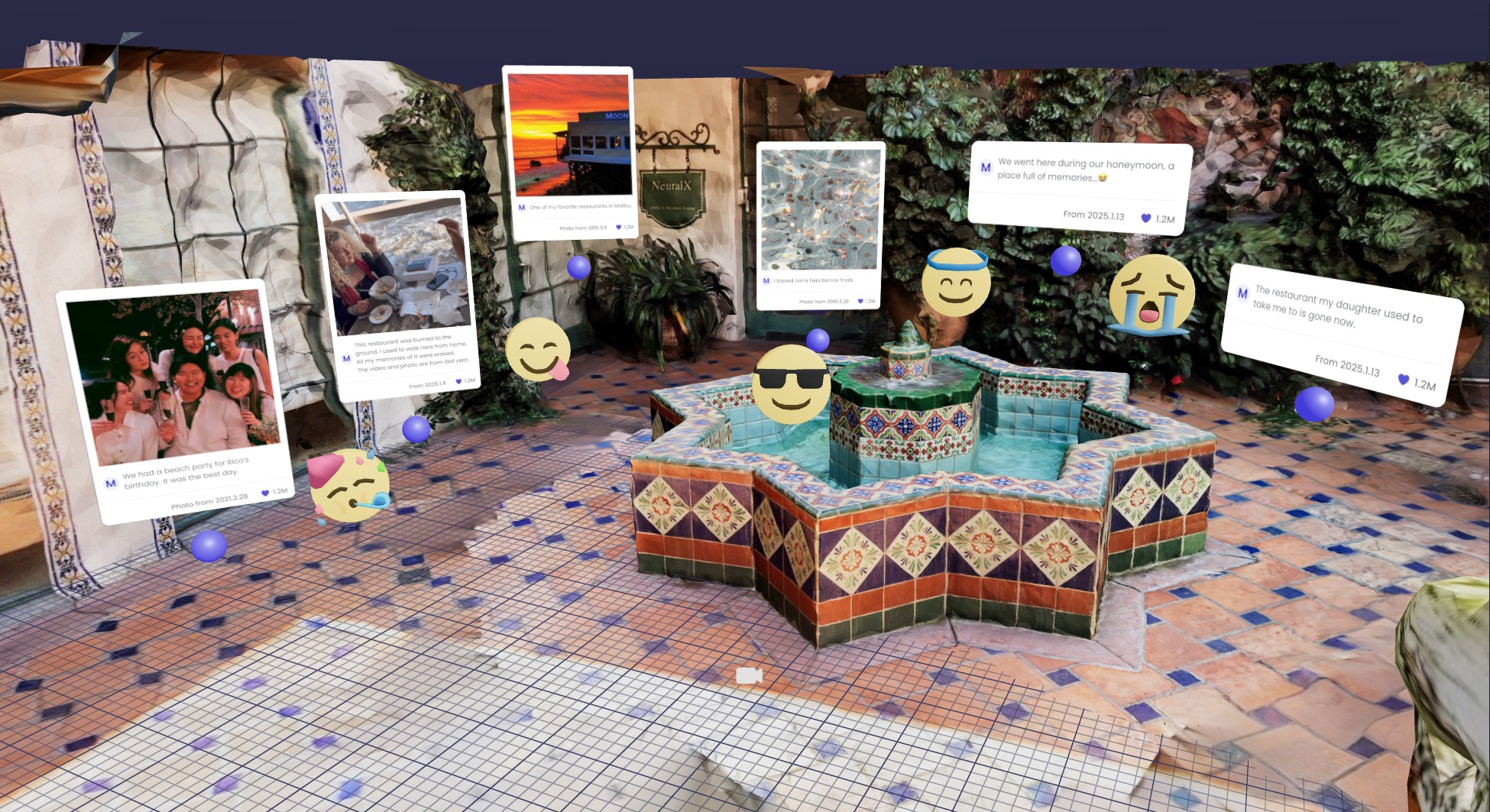
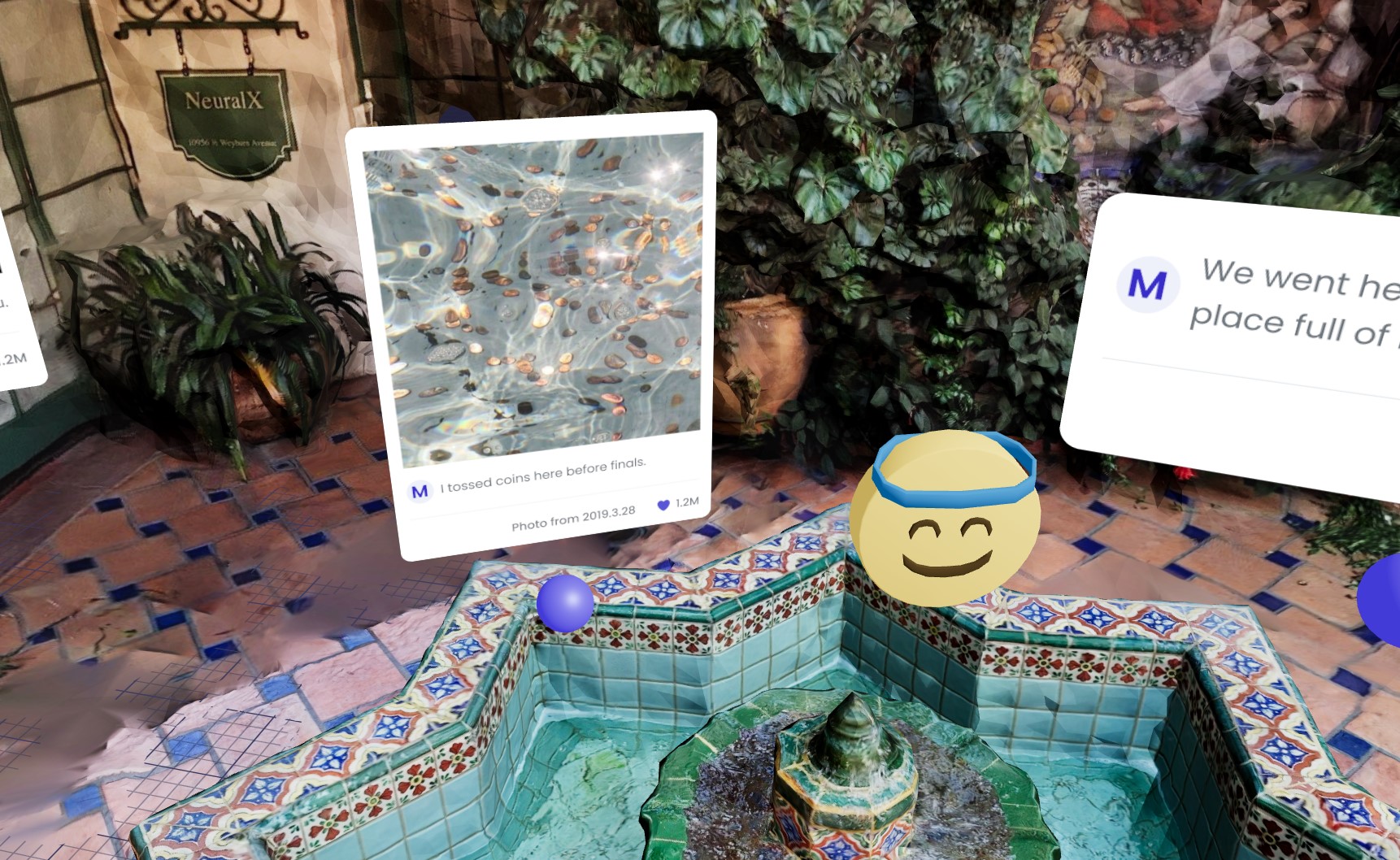
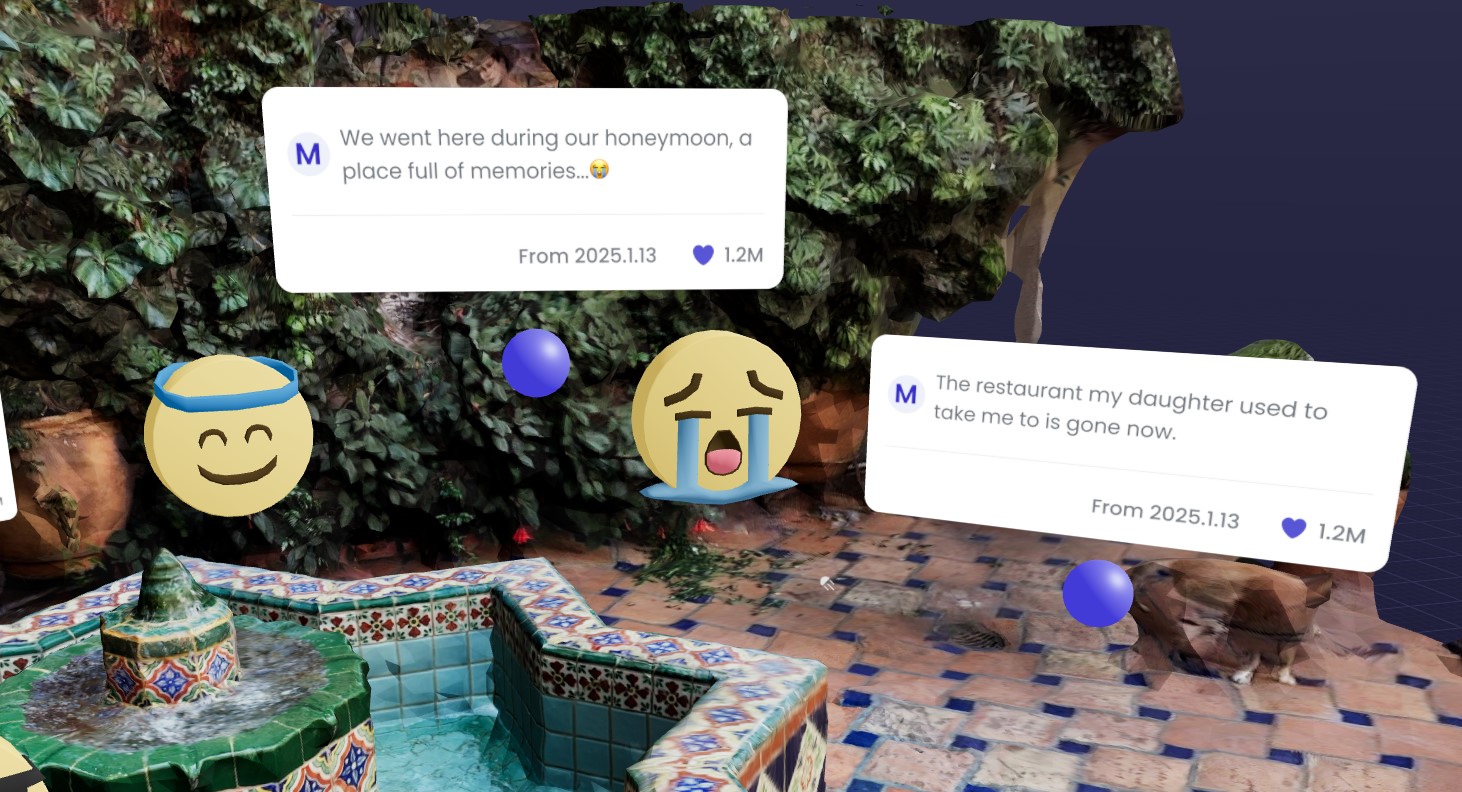
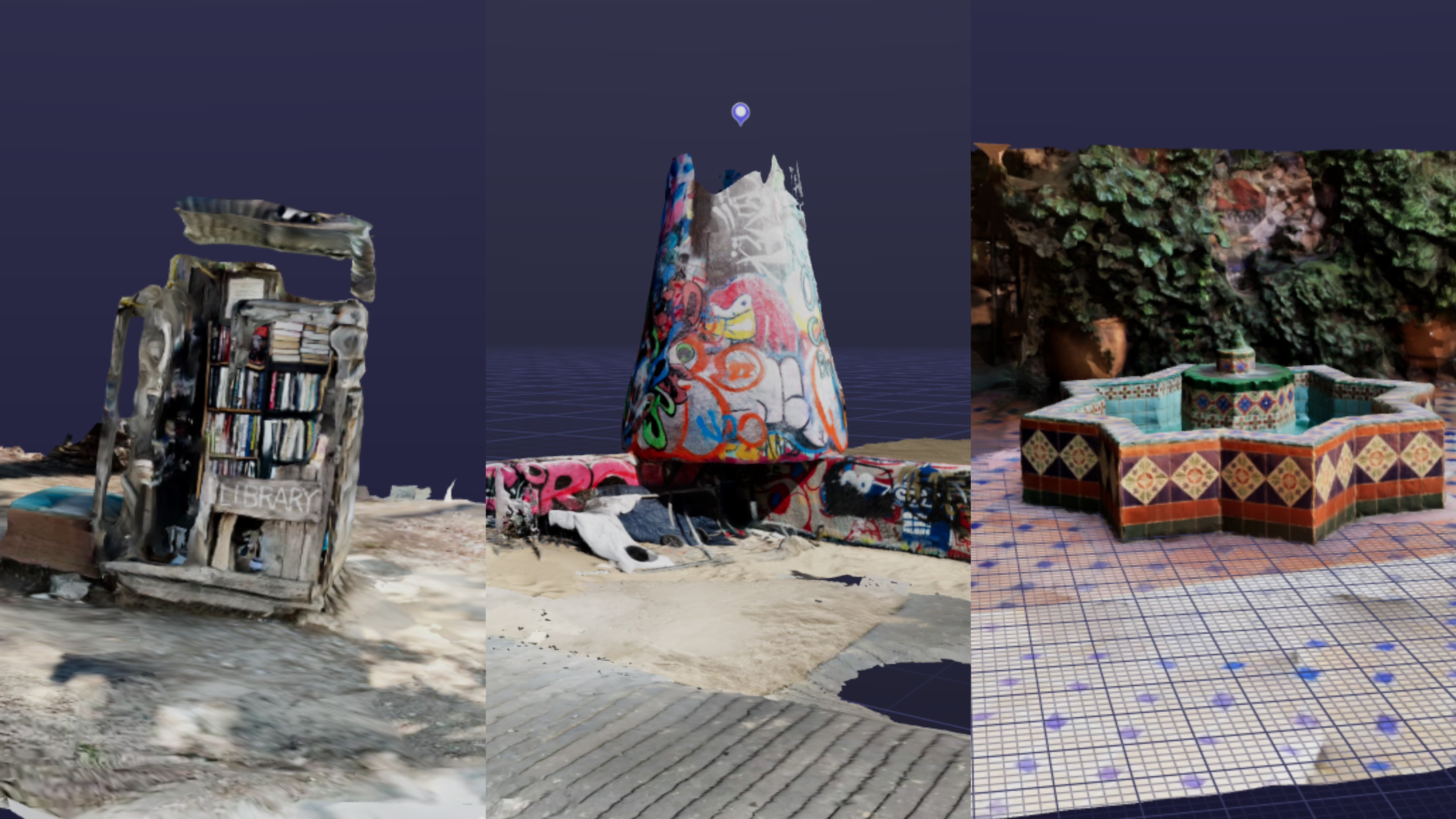
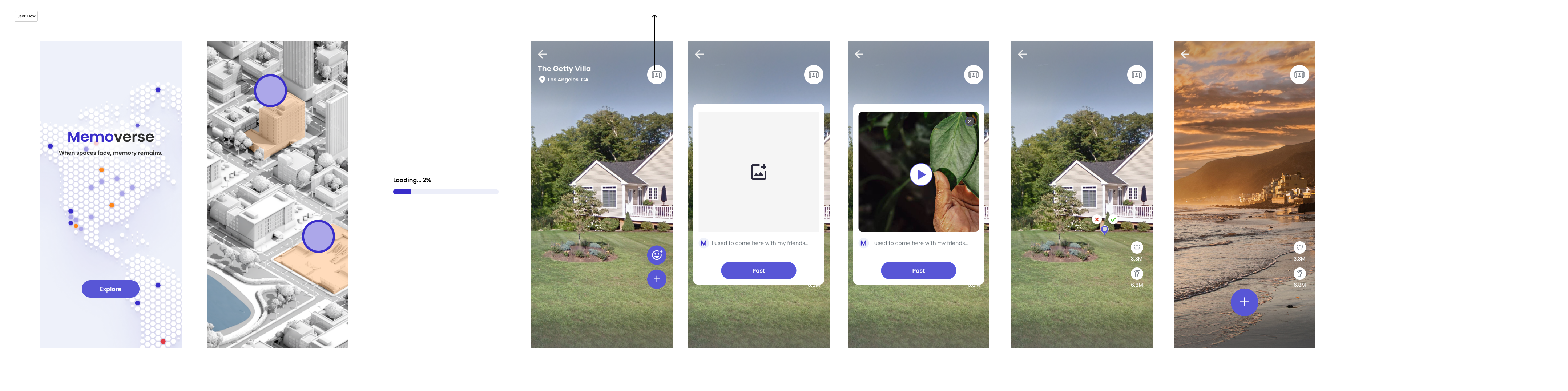
A mobile AR experience that allows users to view and walk through a 3D scan of the burned site before its destruction. Users can share their memories of the location through text, voice, images, or videos, pinning them to specific locations within the 3D model. They can also explore and view other people's memories of the site. Collectively, people who cherish memories of the place can rebuild the memory of the lost space, offering solace as the physical reality has been irrevocably altered by the devastation.
How we built it
Challenges we ran into
1. Initial Design Direction
During the initial brainstorming phase, we explored two potential directions: a practical evacuation guide and an emotional reconstruction of lost spaces. Through in-depth research in online social media communities, we gained a deeper understanding of user needs. Coupled with our interest in psychological and emotional themes, we chose the latter direction to focus on reconstructing memories of vanished spaces.
2. Platform Selection and Presentation Format
Given the limited development time of less than two days and the need for high-quality 3D scan resources, we opted to use 8th Wall, which integrates with the Scaniverse platform to provide detailed scans of California areas. To ensure the project could later evolve into a multi-user platform for sharing public memories, we decided on a mobile AR app as the development format.
3. Connecting with Real LA Residents and Understanding Their Emotional Needs
After defining our direction, we immediately posted on platforms like Reddit to find interviewees. Within two hours, we connected with Aihui Wang, a resident affected by the disaster. Her story revealed the emotional void caused by the loss of familiar spaces to the fire and validated the importance of memory reconstruction as a meaningful solution.
4. Asset Optimization During Development
When importing high-poly 3D scan assets, we optimized the file format to GLB to ensure compatibility with the 8th Wall platform. Additionally, we adjusted the Figma Hi-Fi UI files to align with 8th Wall’s system requirements for seamless integration.
Accomplishments that we're proud of
We brainstormed for 6h and collaboratively built a seamless user flow. We collected over 40 authentic resident memories and designed an engaging interactive experience for them. We conducted a 1-on-1 interview with Aihui, listening to her heartfelt story.
What we learned
In just three short days, we kept asking ourselves what we, as non-residents of the LA area, could do to help. While we realized that a quickly developed XR application might not provide tangible support to those affected, we also recognized that emotional support could be just as vital. As a virtual medium, XR has a unique ability to preserve digital memories and spaces—an aspect that holds its own profound importance.
What's next for Memoverse
We aim to expand the scope of memory locations to include more areas across the affected regions of LA and even other cities. This platform could evolve into a universal meta-space for sharing digital memories tied to real-world locations, inviting more users to participate in the collective reconstruction of memories.
Built With
- 8thwall
- javascript
- three.js


Log in or sign up for Devpost to join the conversation.