Inspiration
In a fast-paced world where our minds juggle a constant stream of thoughts, tasks, and emotions, we often struggle to retain meaningful moments or stay organized. We wanted to build something that acts as a cognitive twin — a digital companion that remembers what we forget, organizes tasks intelligently, and understands the context of our thoughts. That’s where MemorySphere was born — inspired by the idea of creating a second brain powered by intuitive design and lightweight AI.
What it does
MemorySphere helps users:
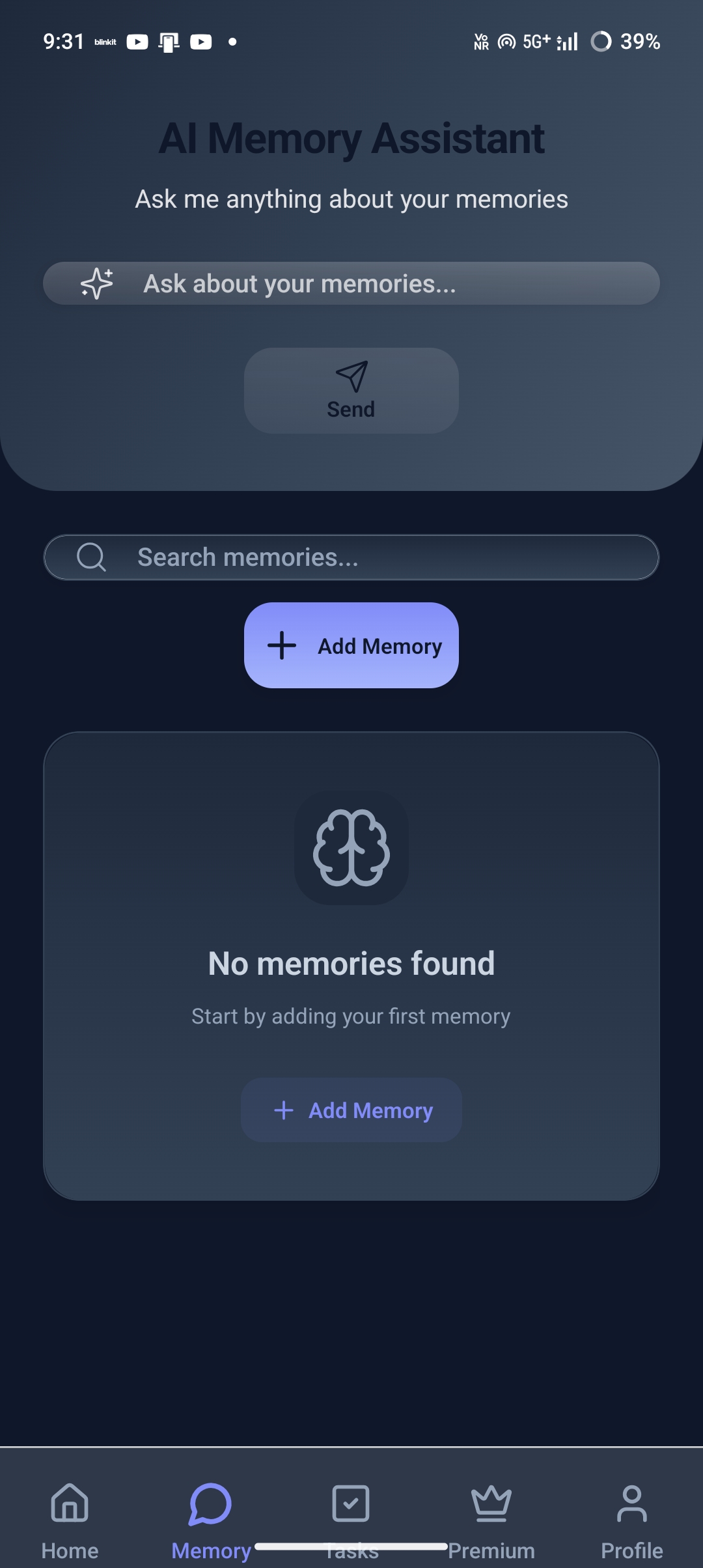
Capture and store memories using natural language (typed or spoken).
Parse context like date, people, emotion, and urgency from inputs.
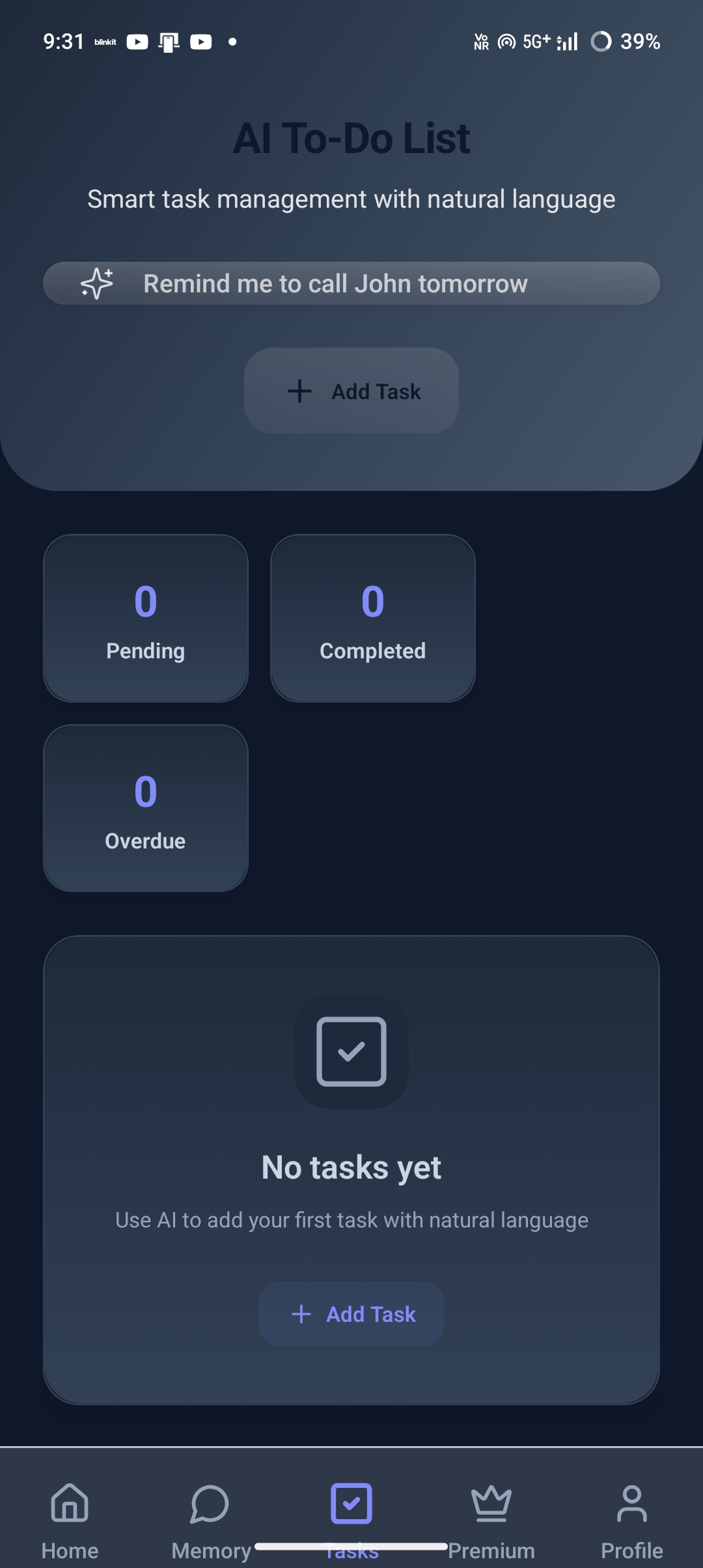
Manage tasks with smart reminders and an integrated date picker.
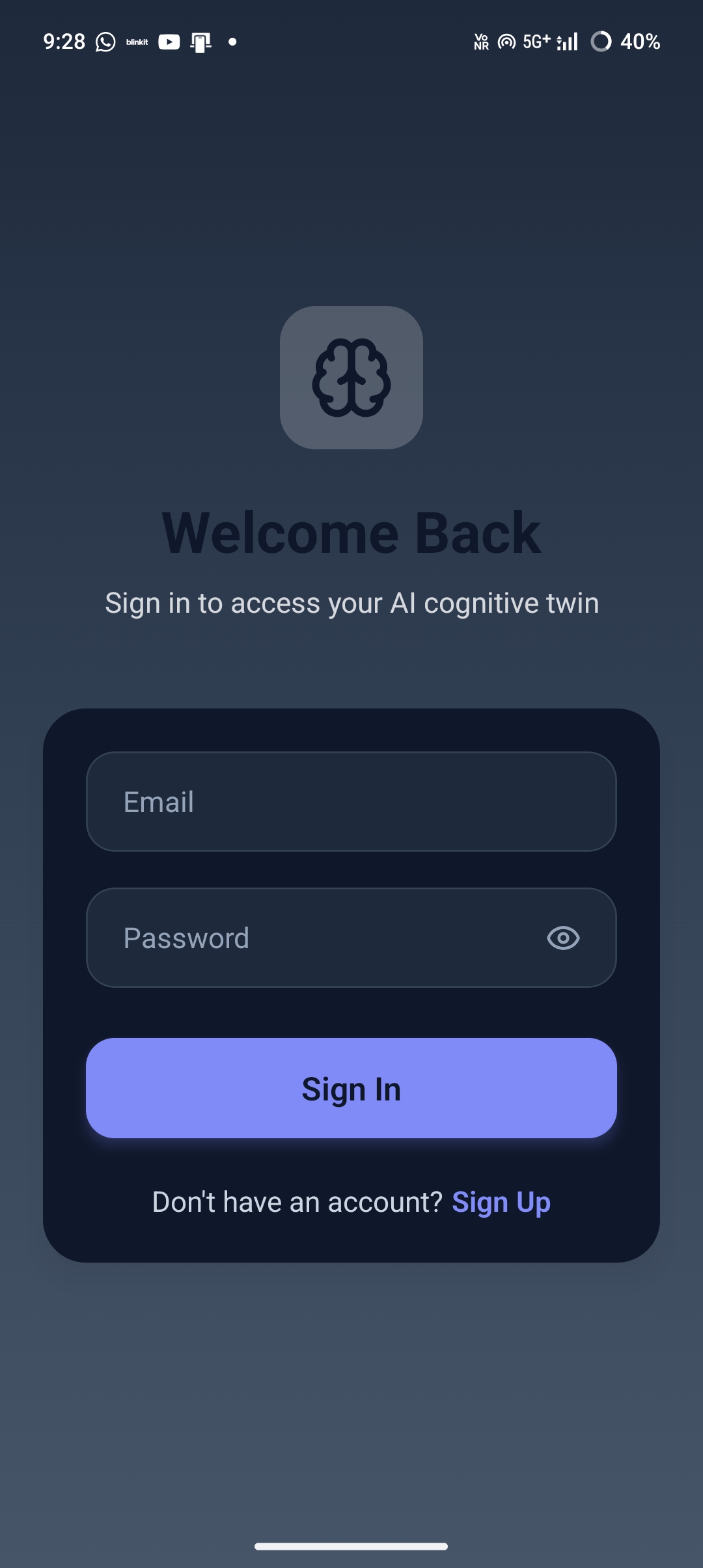
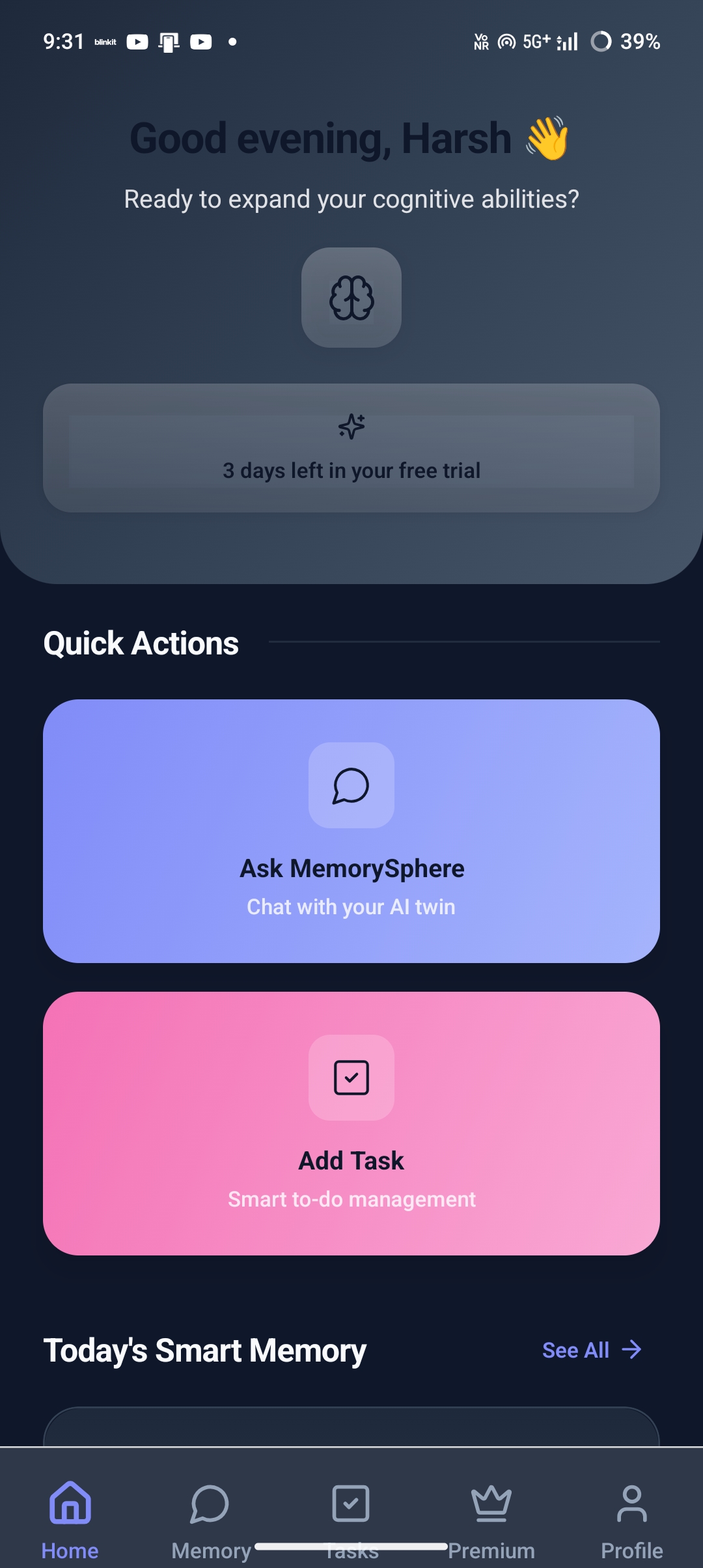
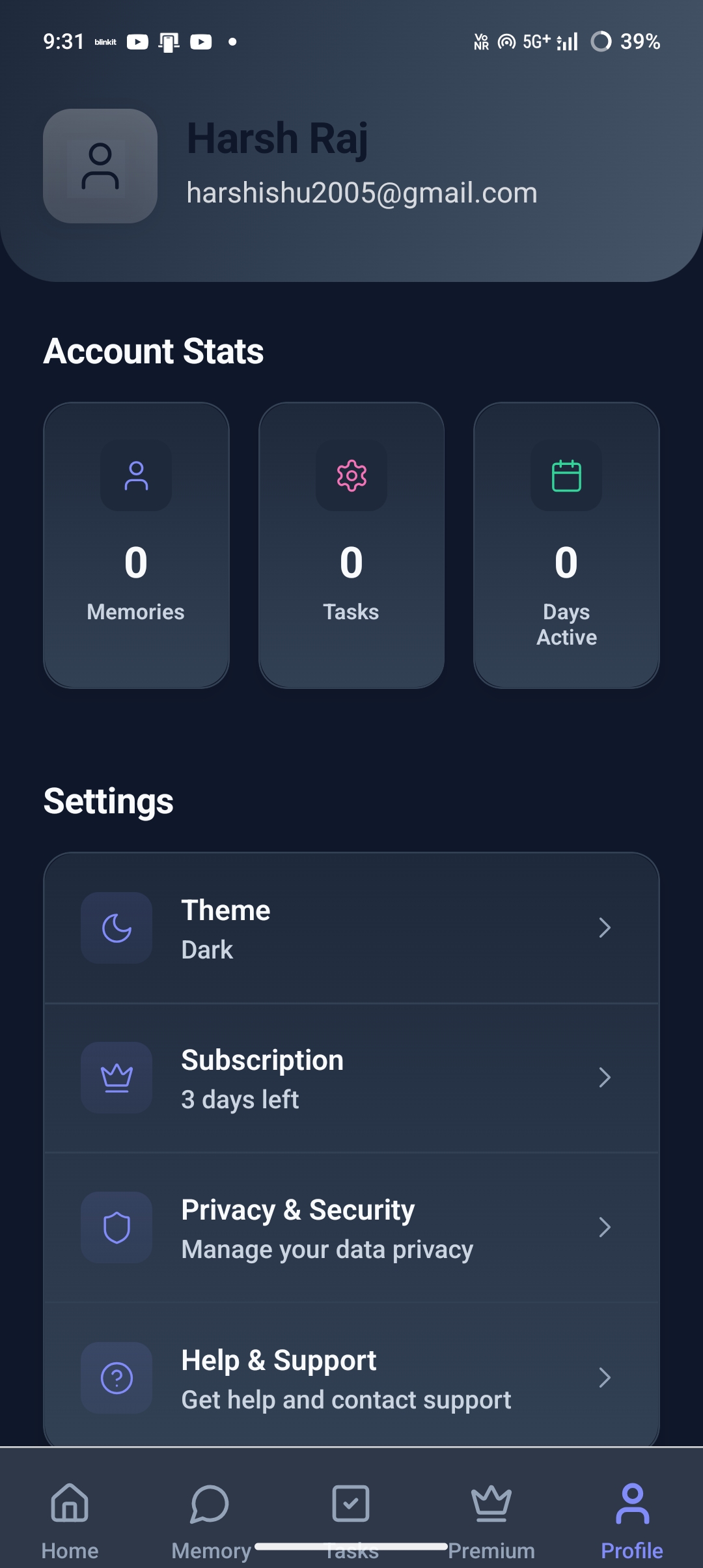
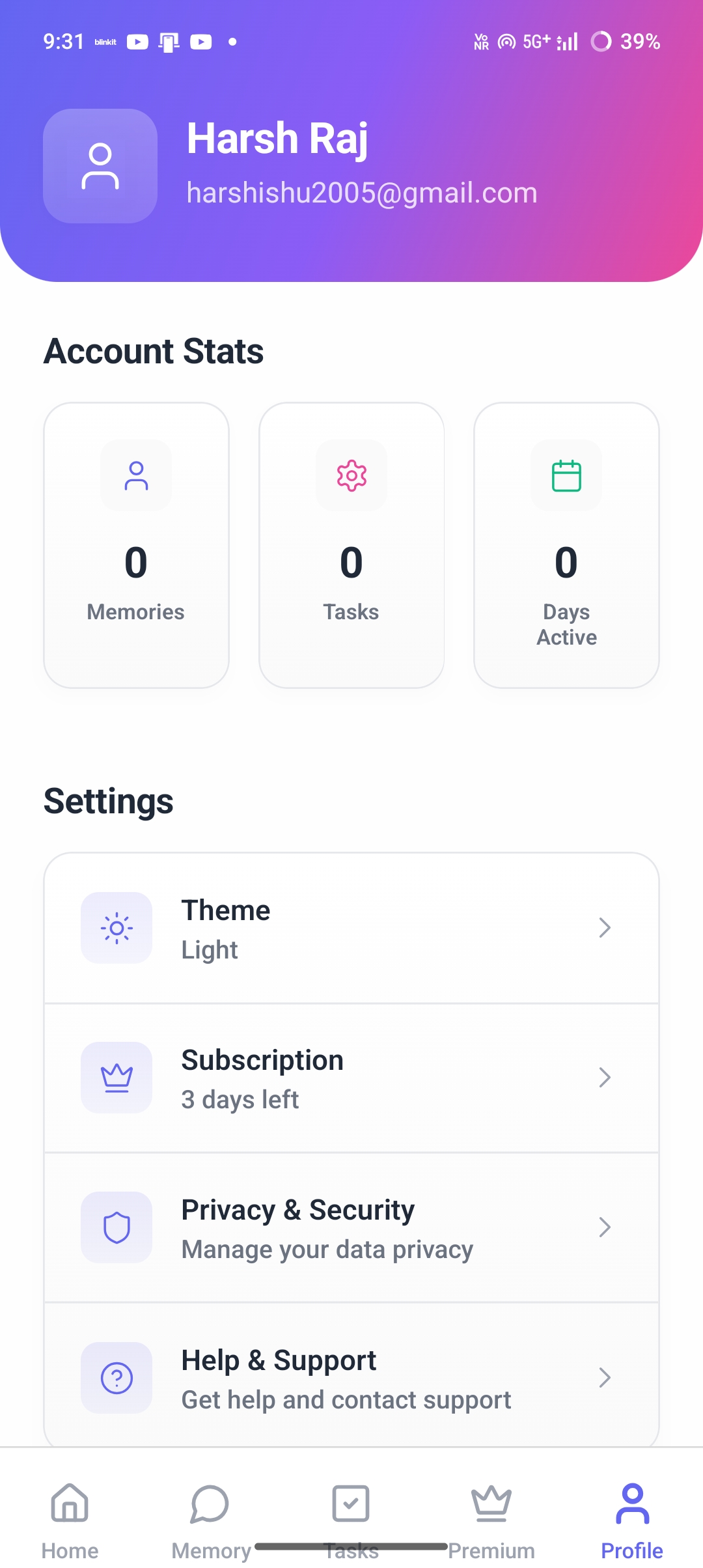
Maintain a clean, theme-friendly interface that promotes calm focus.
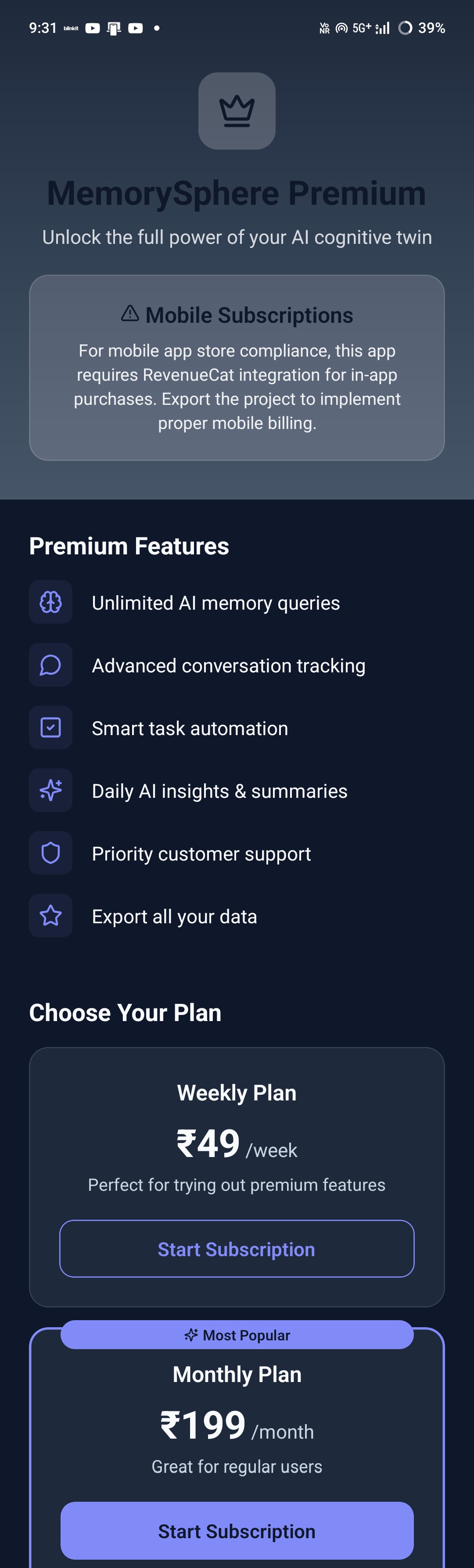
Prepare for AI-powered insights and subscriptions with a scalable backend.
It acts as a personal assistant + memory partner, helping users stay mentally clear and emotionally aware.
How we built it
Frontend: React Native (with Expo) using TypeScript for type safety and scalability.
Navigation: expo-router with typed routes and smooth screen transitions.
Database: Supabase (PostgreSQL) for secure, real-time data handling and authentication.
Features:
Smart parsing of memory and task content
Date picker for deadlines
Clean dark/light themes using Context API
Subscription-ready backend: RevenueCat integration planned for future premium features.
Challenges we ran into
Configuring EAS builds with the latest Expo SDK and expo-router plugins.
Debugging issues with app not launching properly on device builds.
Handling context parsing for memories/tasks without relying on a full AI model.
Making the app feel intuitive while keeping it performant and minimal.
Accomplishments that we're proud of
Built a fully functional MVP in a short time with beautiful UI/UX.
Designed the entire architecture to be future-ready for AI features and subscriptions.
Implemented a working natural language parser for tasks and memories.
Kept everything inside a single mobile app experience without external UI dependencies.
What we learned
Deepened our understanding of React Native + TypeScript + Supabase stack.
Learned how to structure Expo projects for better scaling and production use.
Learned how to manage natural language inputs in a structured, app-friendly way.
Discovered ways to optimize builds and resolve deployment issues in Expo apps.
What's next for MemorySphere
Integrating LLM-based context parsing for deeper memory understanding.
Adding voice-to-text memory entry using Expo’s audio modules.
Introducing tags, search, filters, and calendar-based memory views.
Launching premium AI features and syncing across devices.
Publishing the app to Play Store and App Store with RevenueCat-powered subscriptions.
Built With
- bolt.new
- react-native
- supabase
- typescript

Log in or sign up for Devpost to join the conversation.