-
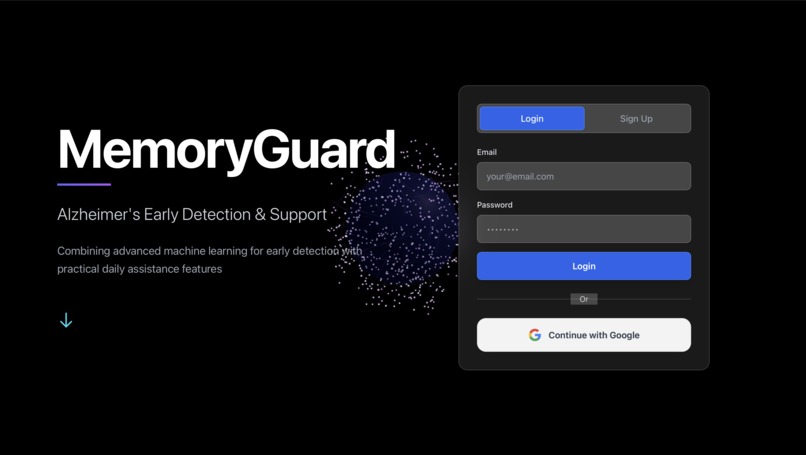
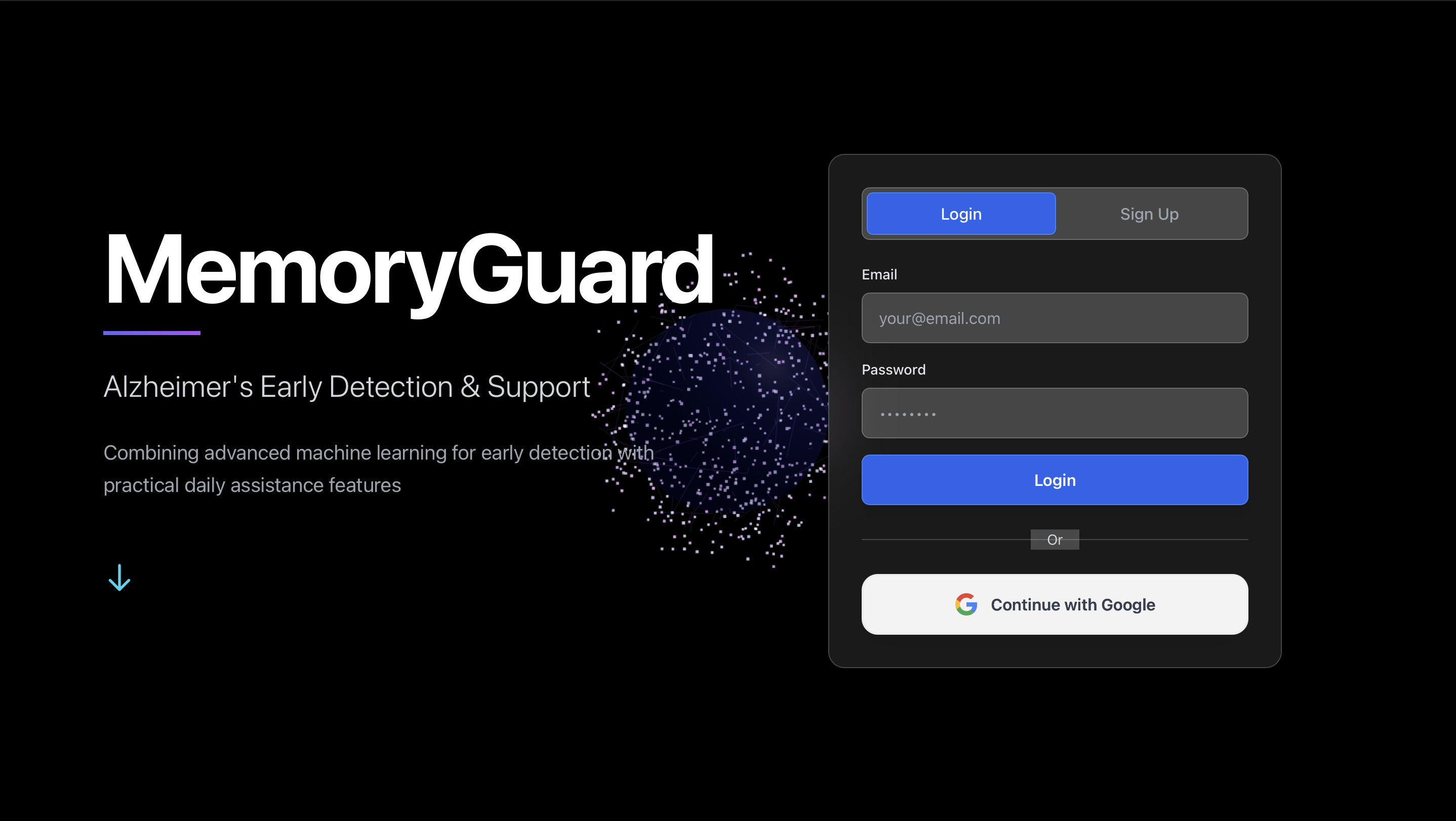
Home page/Login page
-
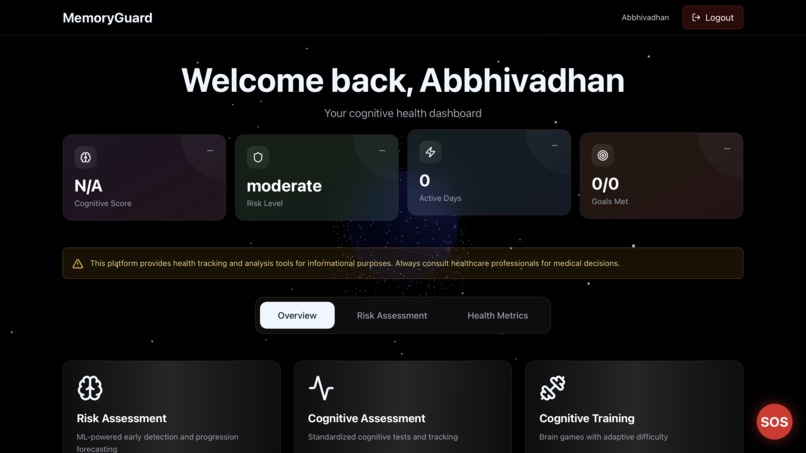
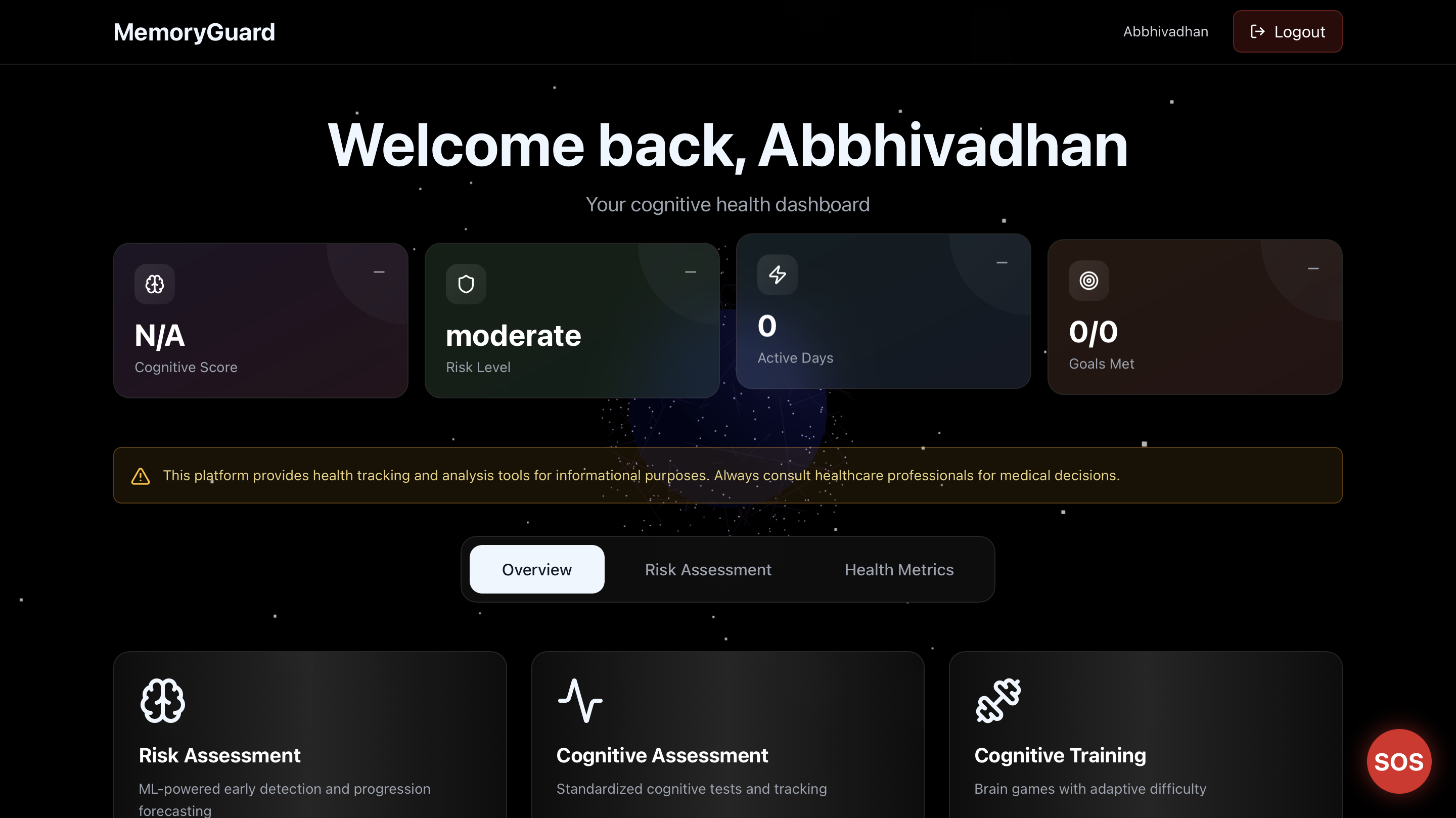
Dashboard
-
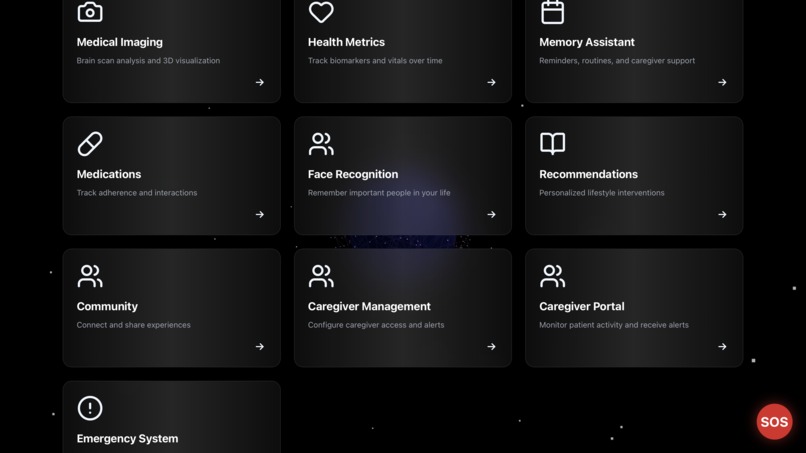
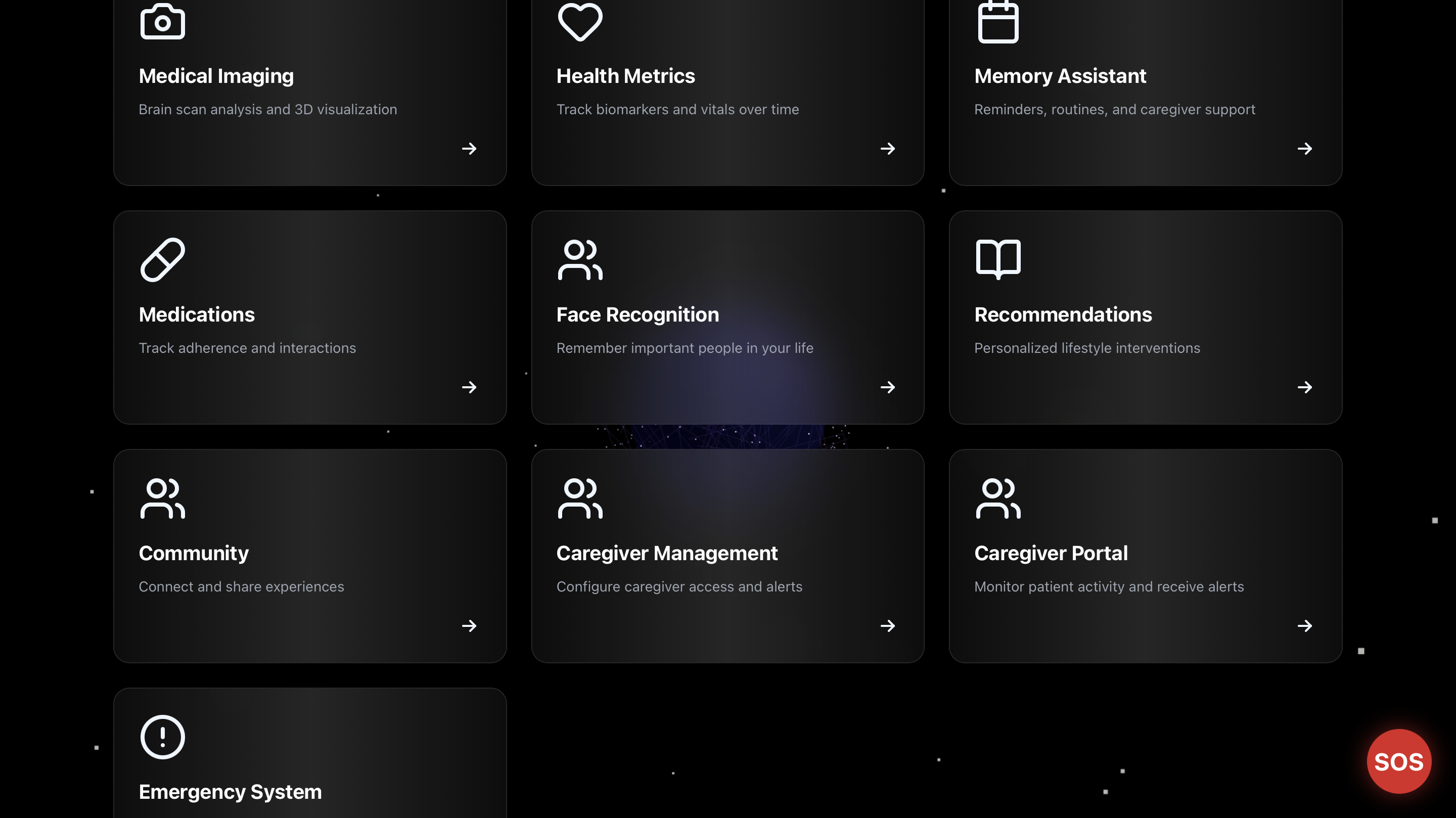
Dashboard
-
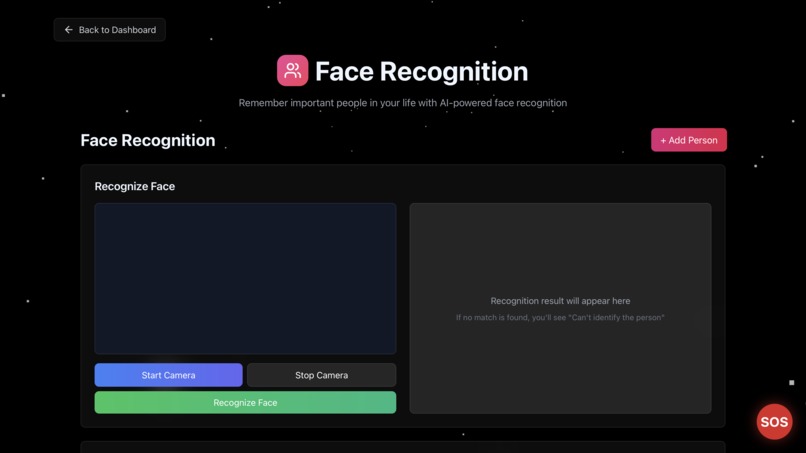
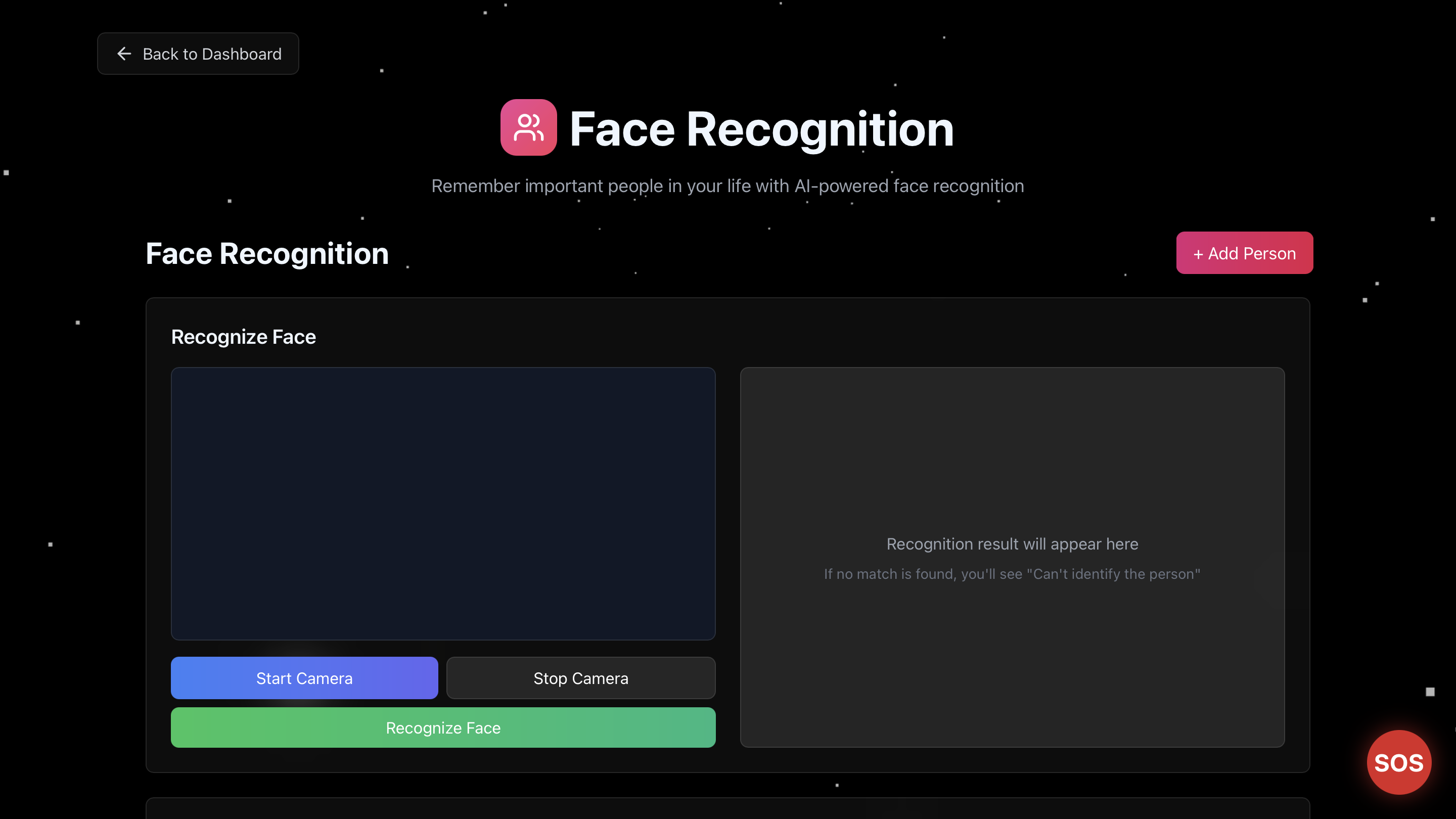
Face Recognition page
-
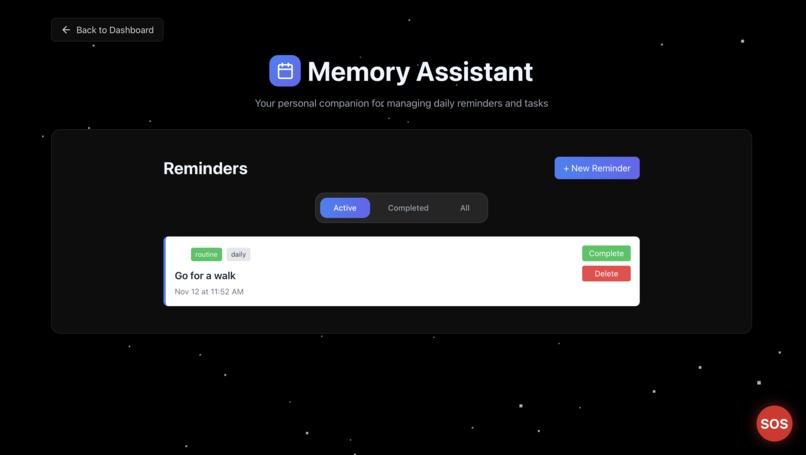
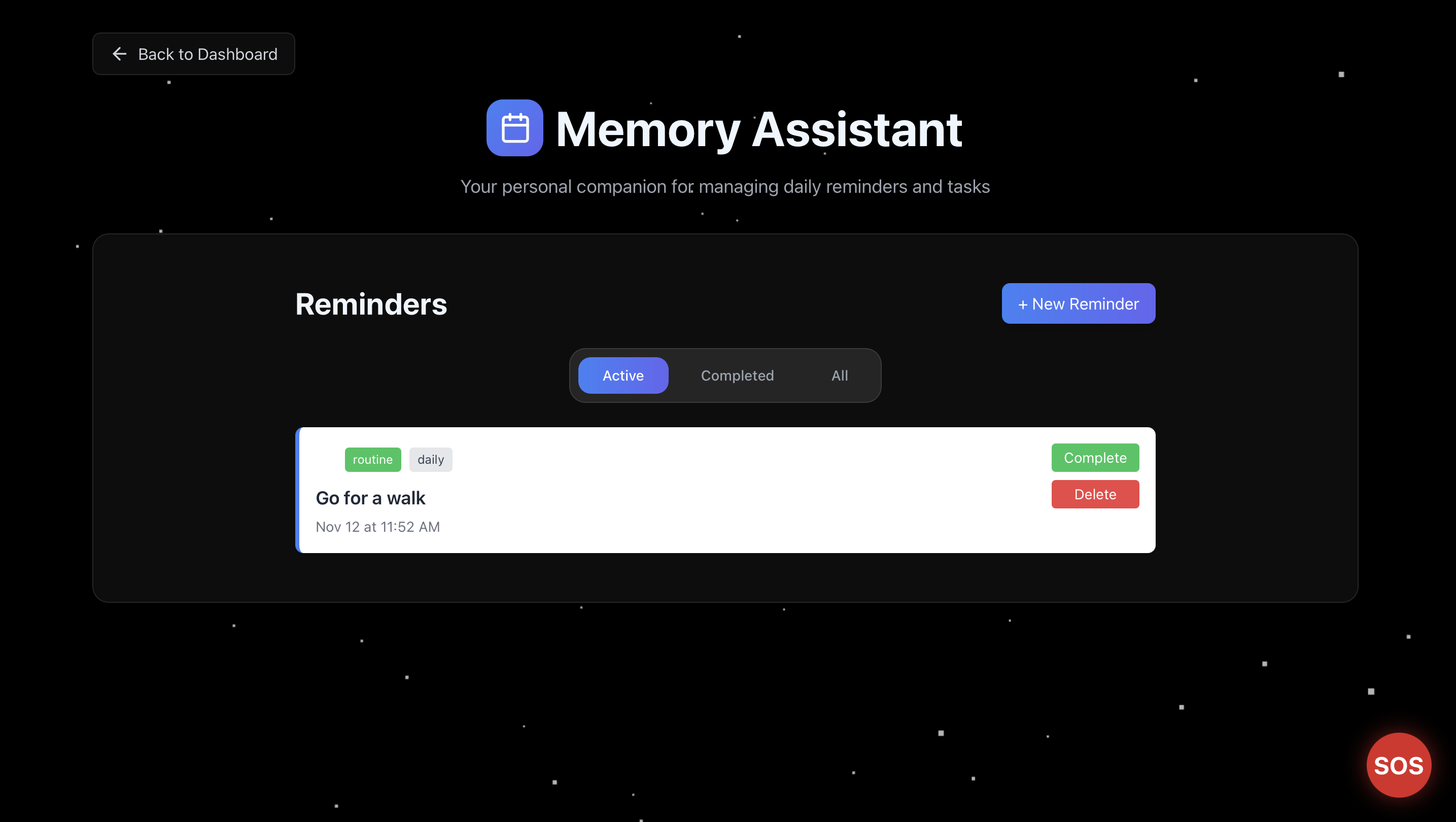
Memory Assistant
-
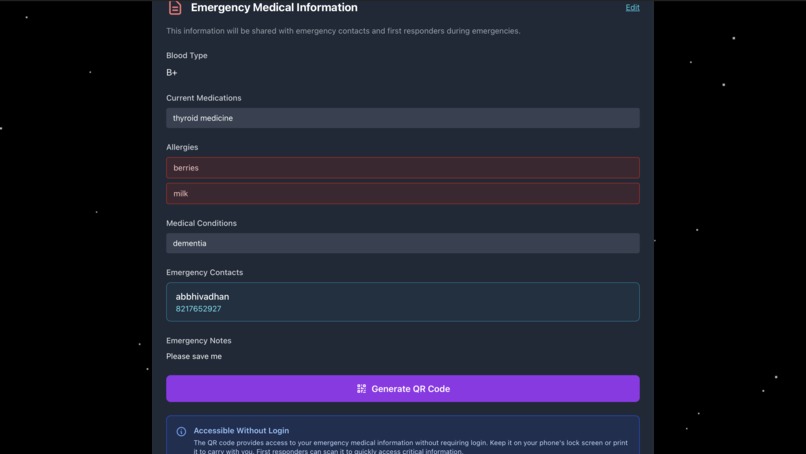
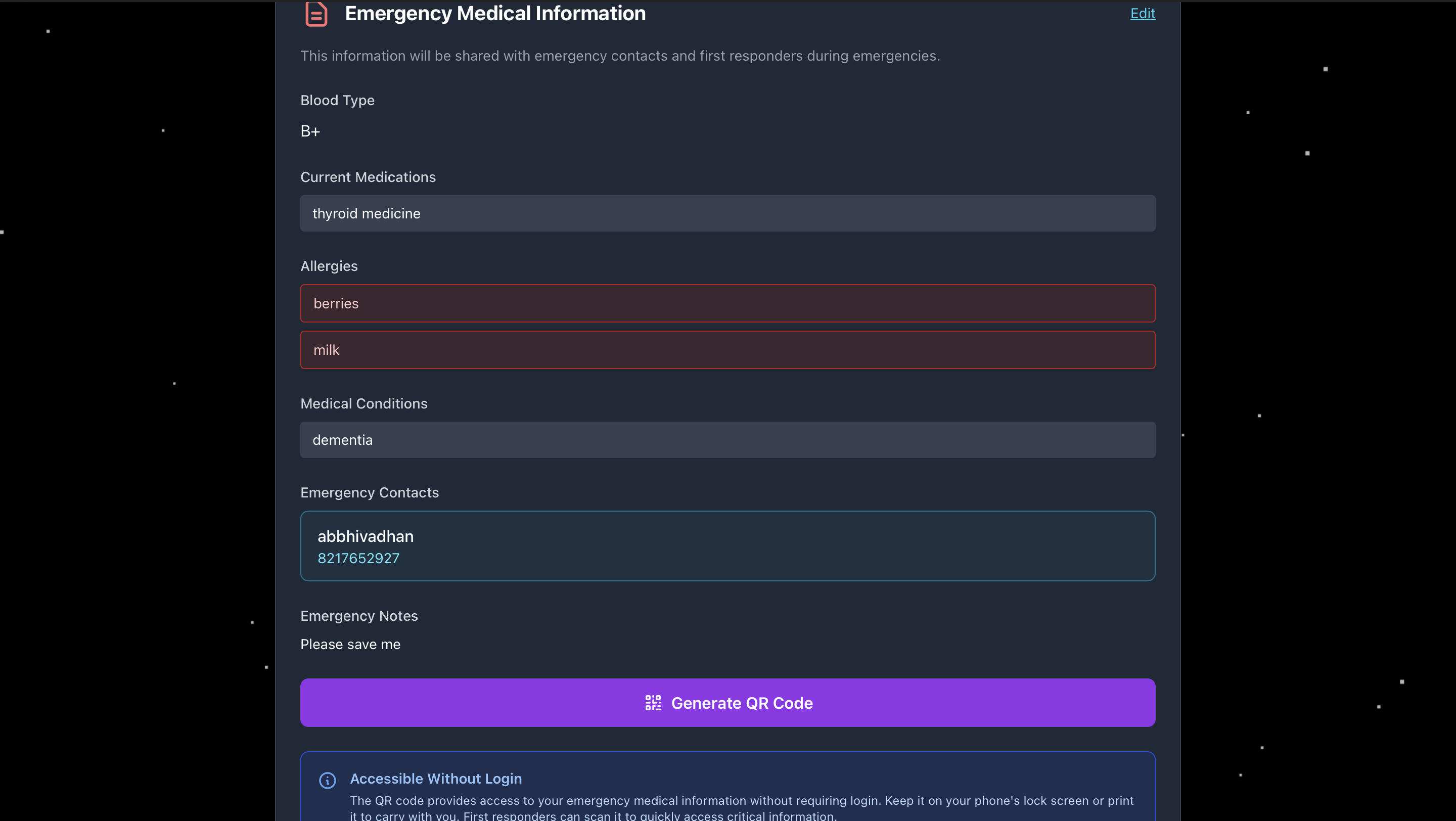
Emergency System
-
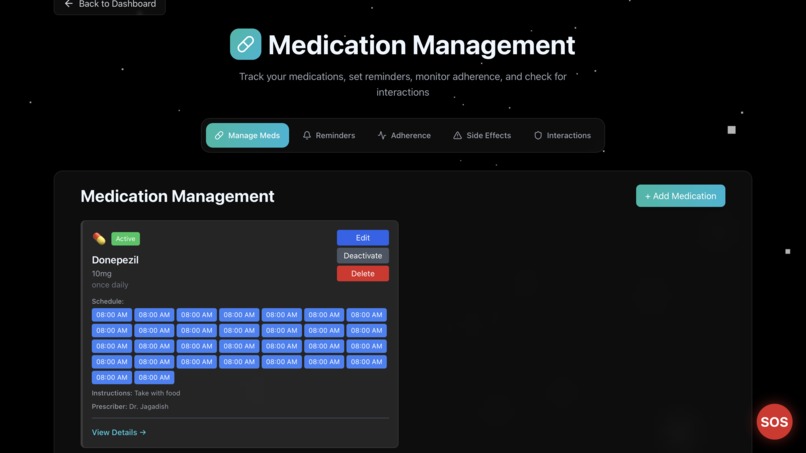
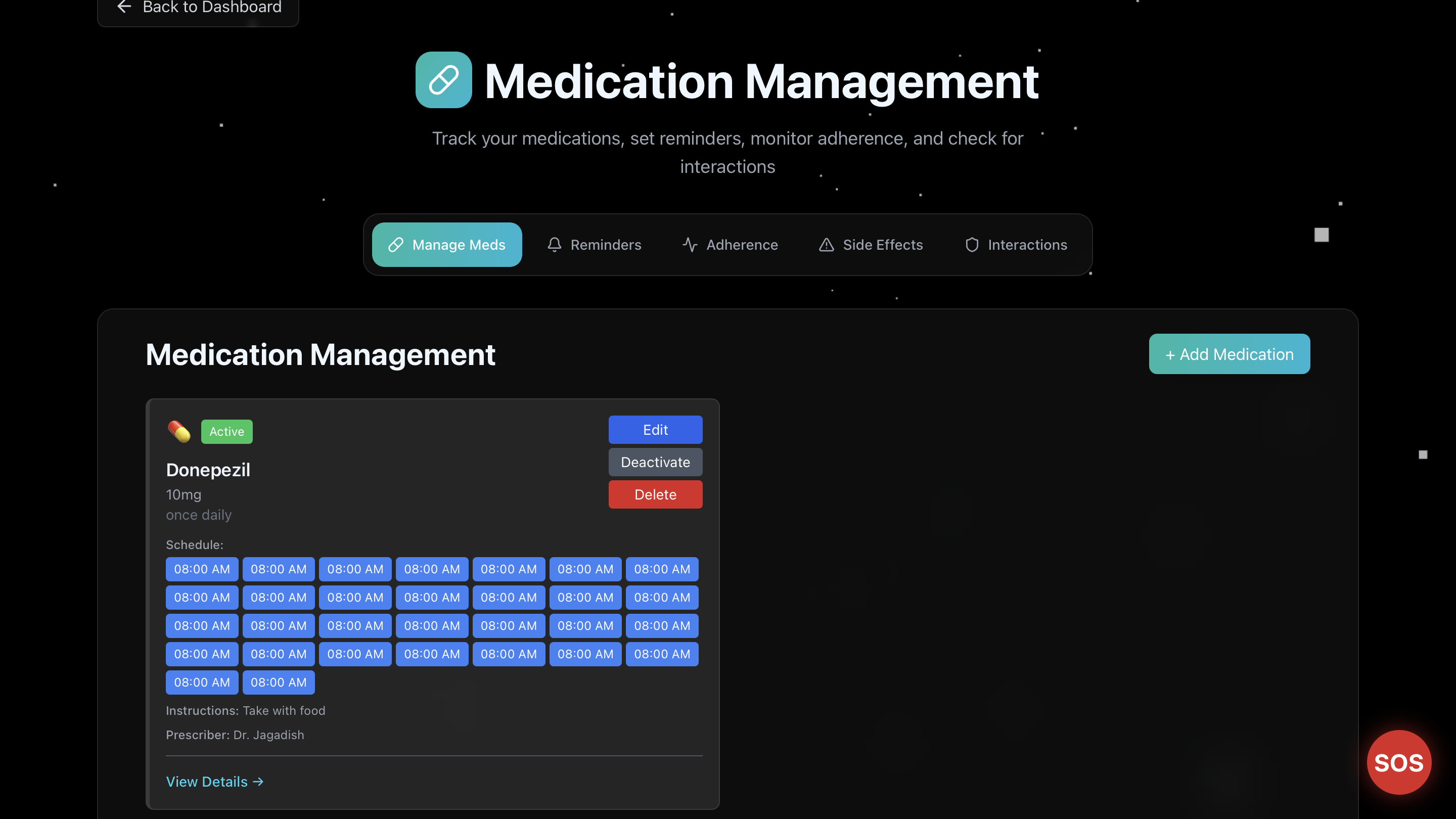
Medication Reminder and adherence tracker
-
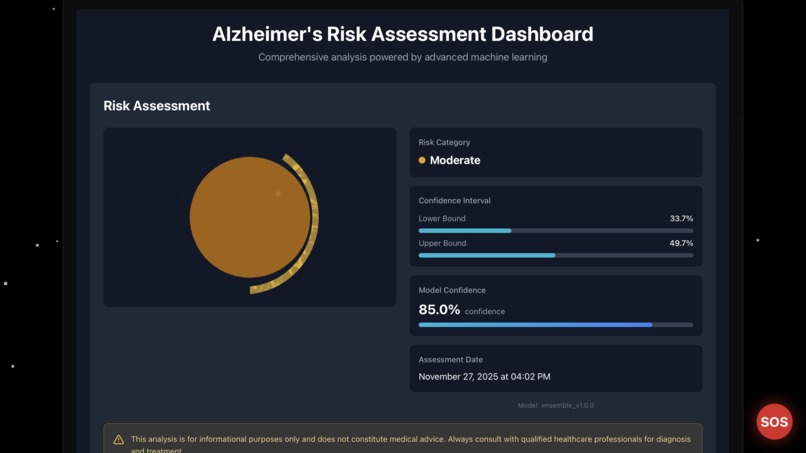
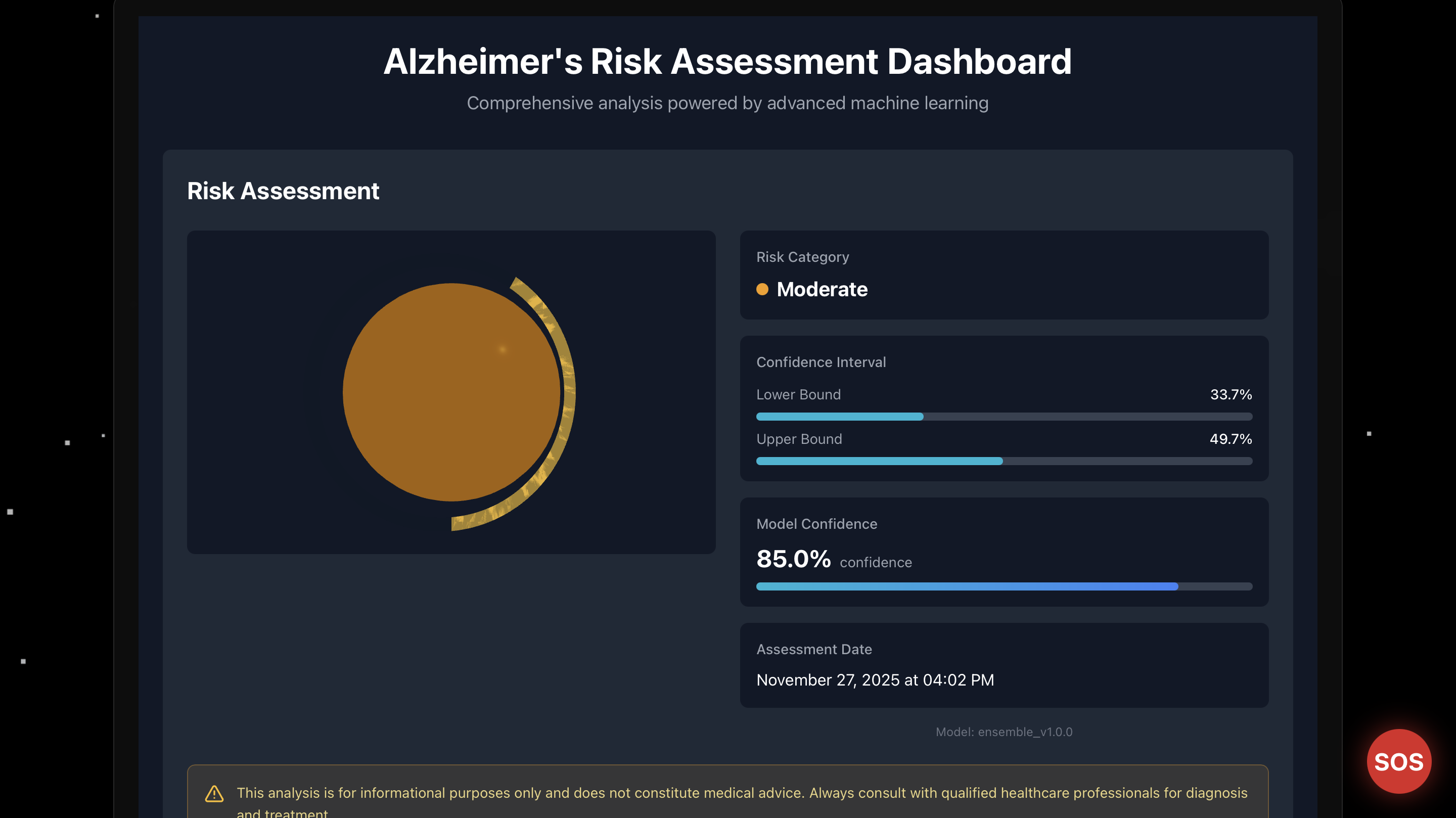
Risk Assessment
-
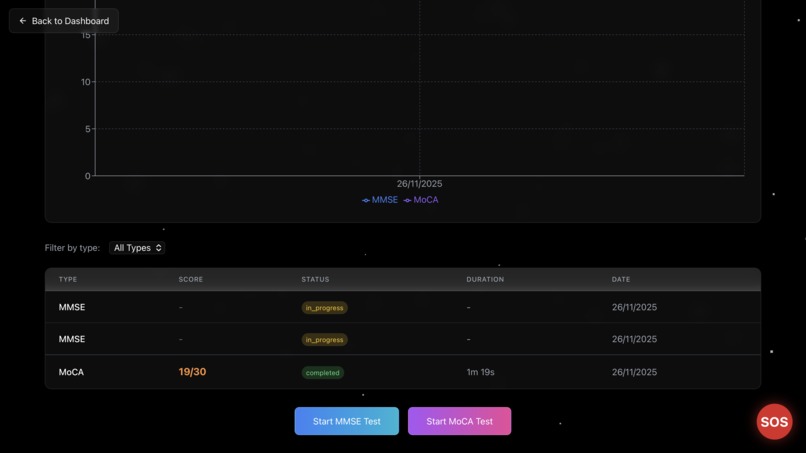
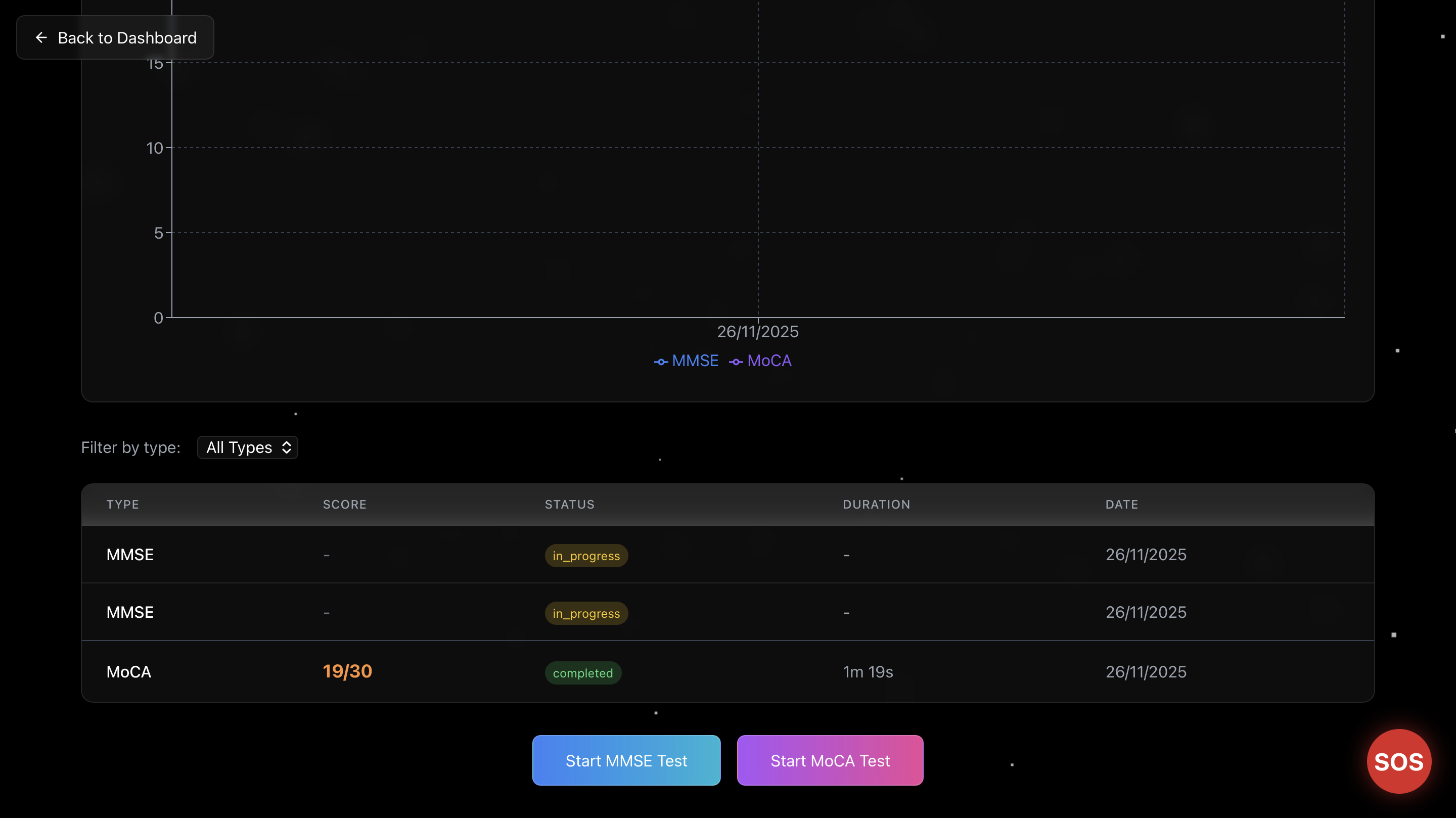
Cognitive Assessments
-
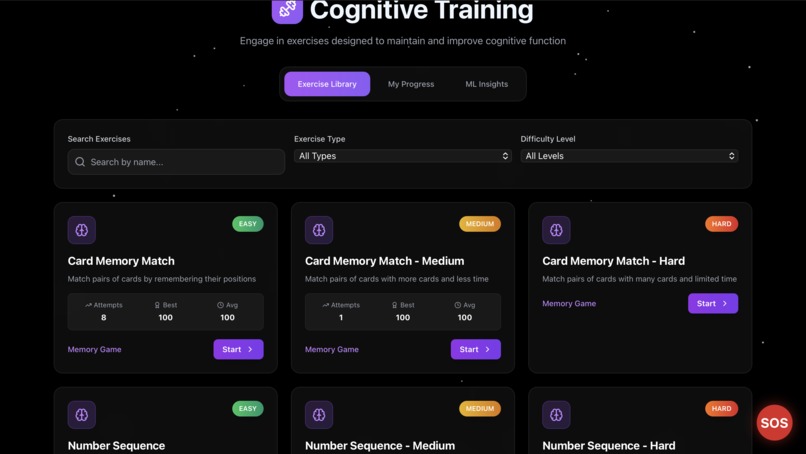
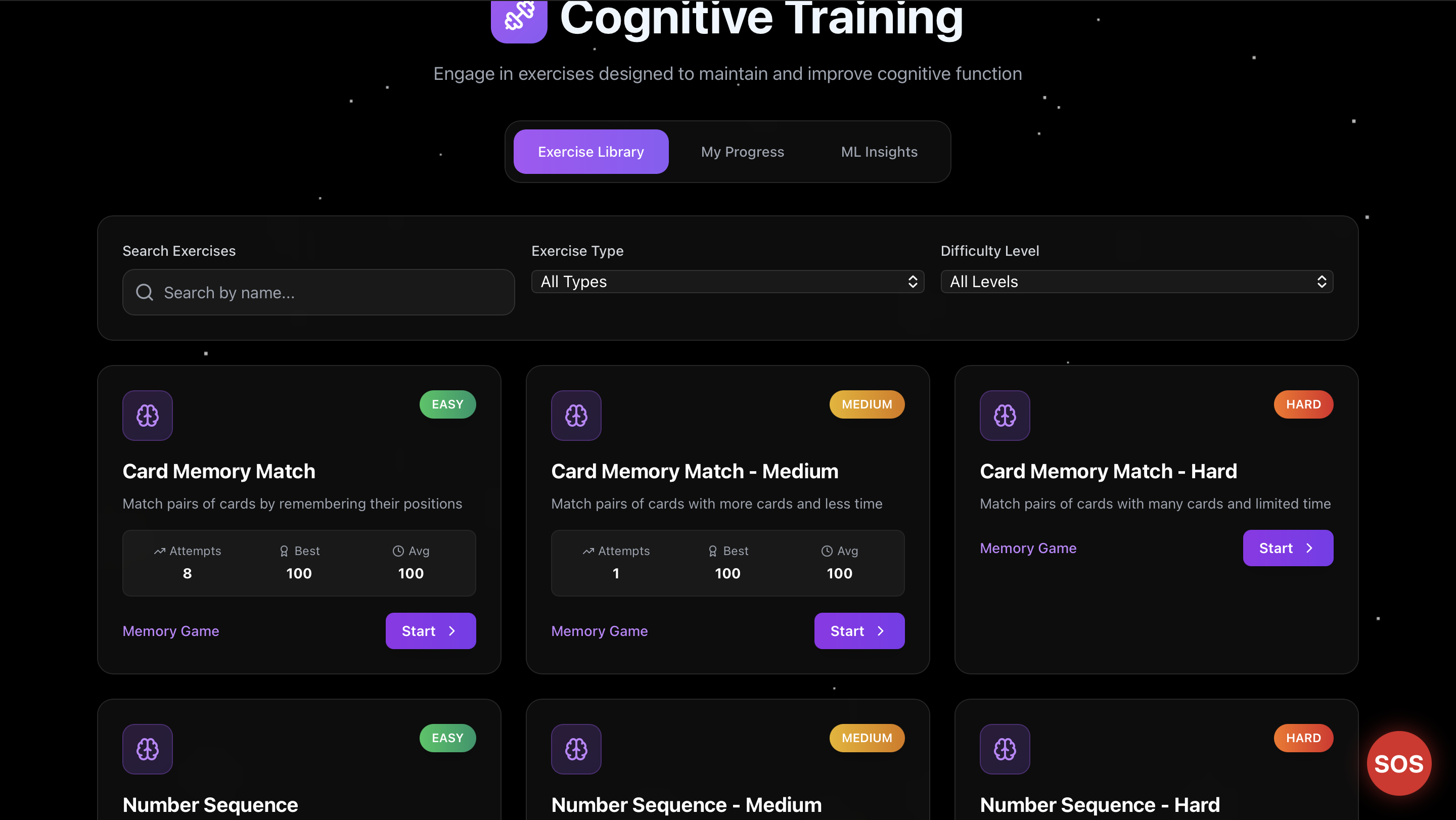
Cognitive Training
-
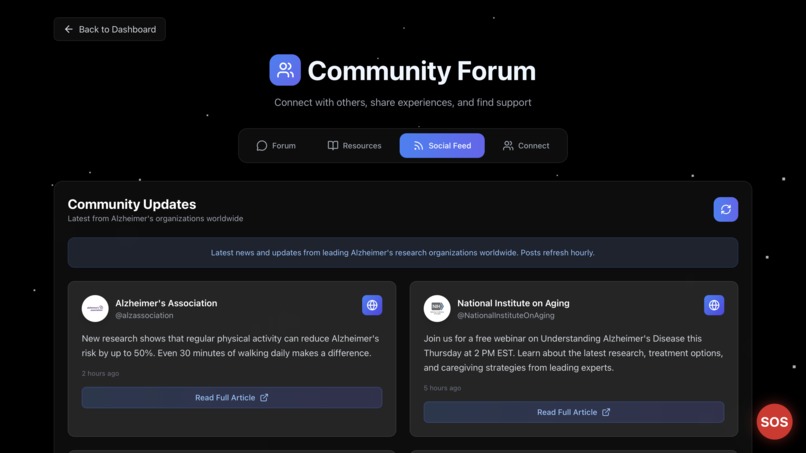
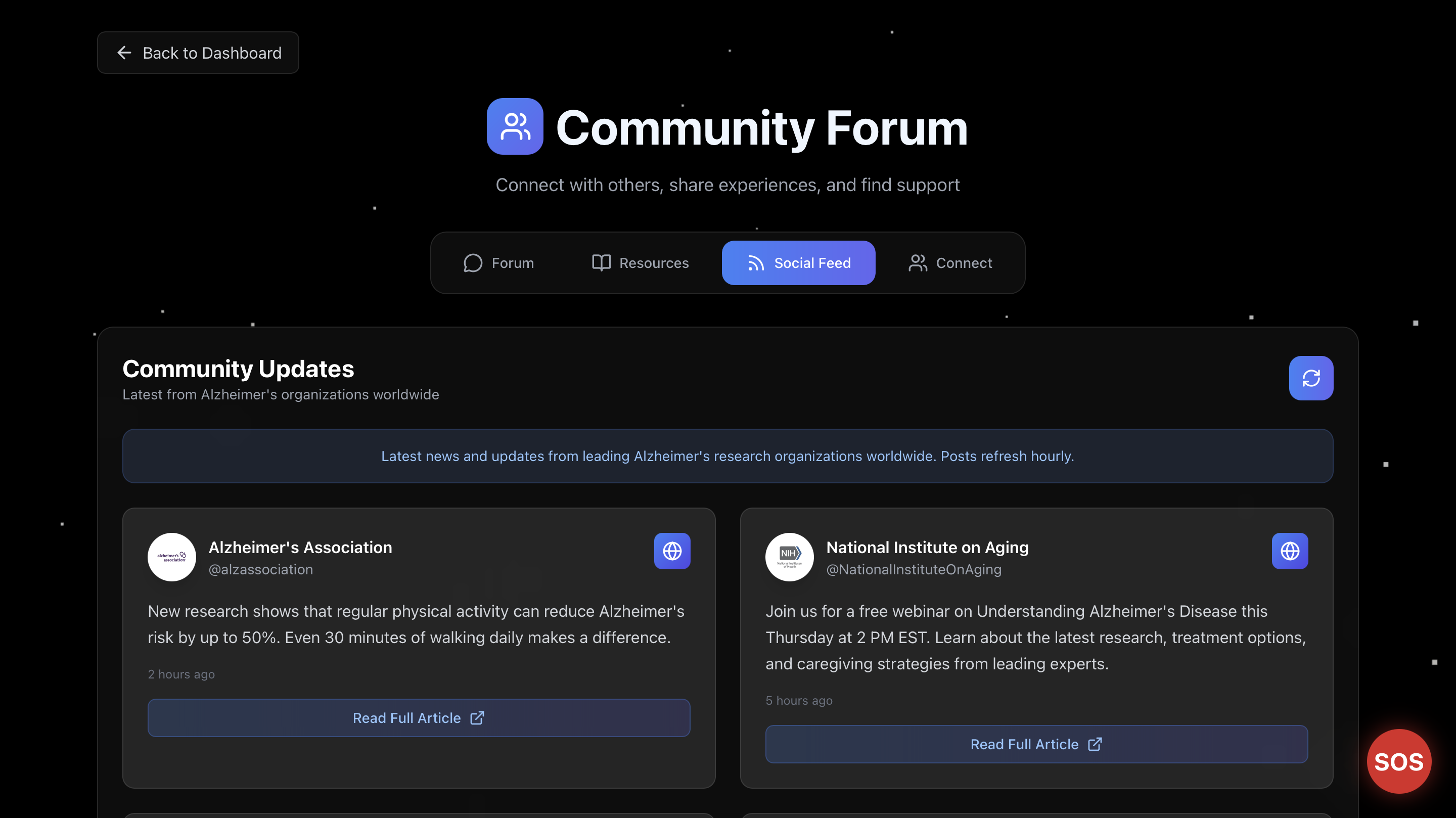
Community Page
-
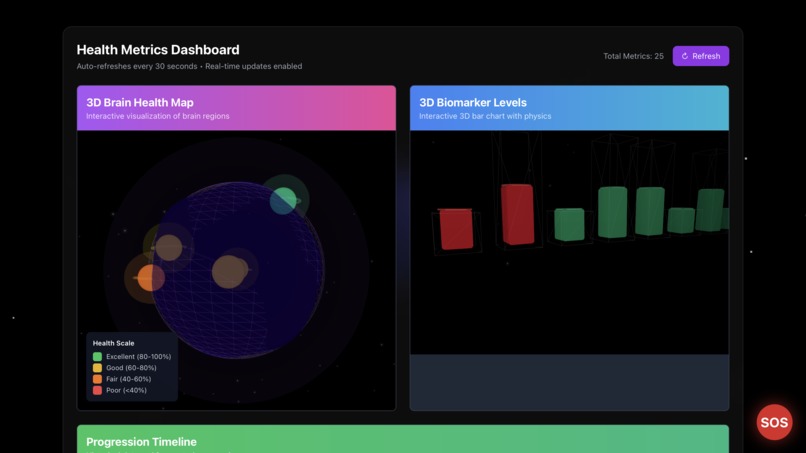
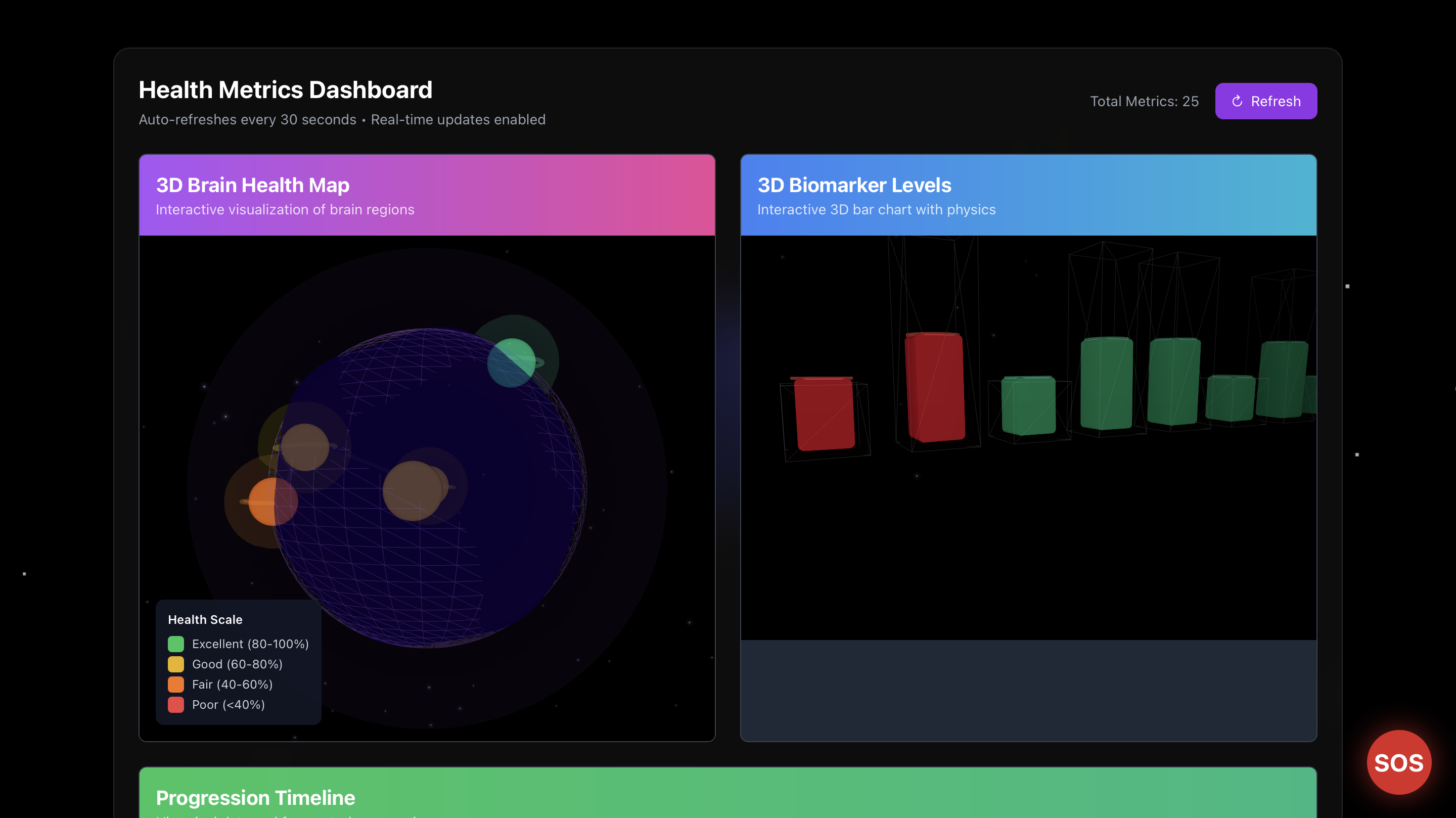
Health Metrics Tracker
Inspiration
People living with Alzheimer’s often struggle with memory loss that impacts not just routines but recognition of people they care about. Early detection and accessible daily support can make a significant difference in both independence and emotional well-being. With MemoryGuard, we wanted to explore how AI could assist in identifying early risks and provide meaningful cognitive support in everyday situations.
⸻
What it does
MemoryGuard is a web platform designed to assist individuals experiencing early cognitive decline. It combines proactive health insights with psychological support features: • ML-based early risk assessment using biomedical and lifestyle data • Face recognition to help identify family members if the patient forgets who they are • Cognitive and health monitoring, showing trends over time • Daily reminders, notes, schedules, and memory assistance tools • Optional caregiver and clinician visibility for collaborative support
The goal is not just detection — but preserving confidence and familiarity in daily life.
⸻
How we built it • Frontend: React 18, TypeScript, Tailwind CSS, React Three Fiber • Backend: FastAPI (Python 3.11) • PostgreSQL database for structured health data • ML models built using TensorFlow, XGBoost, and scikit-learn • Redis for caching and background operations • Computer vision and facial recognition models to identify familiar people • Containerized deployment using Docker for simplified development and running services
⸻
Challenges we ran into • Ensuring facial recognition performance stayed reliable under real-world conditions • Structuring health data in a way that supports long-term tracking and future scalability • Designing a UI that feels simple, comforting, and accessible for older adults • Limited hackathon time to validate ML results with broader datasets • Making sure ML predictions remain interpretable and useful, not just numbers
⸻
Accomplishments that we’re proud of • A working multi-model Alzheimer’s risk assessment system • Functional familiar-face recognition feature integrated into the platform • A polished, responsive, and scalable full-stack build delivered on deadline • Strong potential for real clinical and caregiver value beyond the hackathon
⸻
What we learned • How to align machine learning solutions with sensitive healthcare use cases • Architectural considerations for privacy-oriented health data applications • The importance of balancing advanced features with accessibility and clarity • The complexity of building technology that interacts with the emotions and identity of the user
⸻
What’s next for MemoryGuard • Improving dataset quality to enhance prediction accuracy and fairness • Expanding cognitive assessment tools (memory games, reaction tasks, speech analysis) • Adding caregiver collaboration workflows and alert systems • Developing a mobile app for real-time assistance • Exploring integrations with medical providers while advancing privacy compliance standards


Log in or sign up for Devpost to join the conversation.