-
-
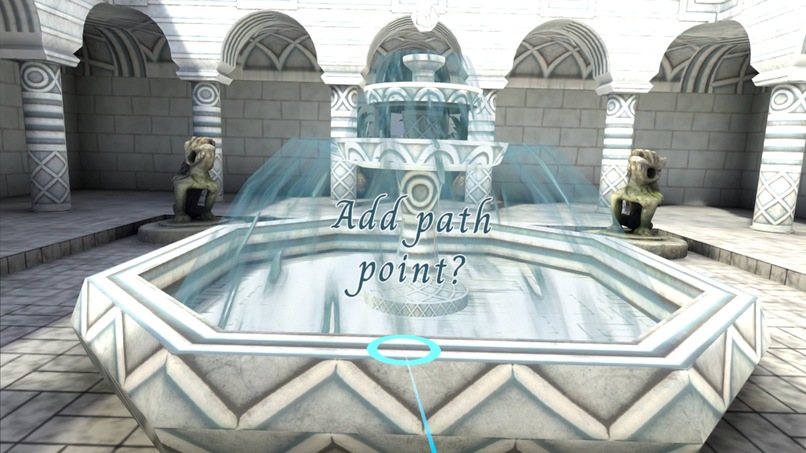
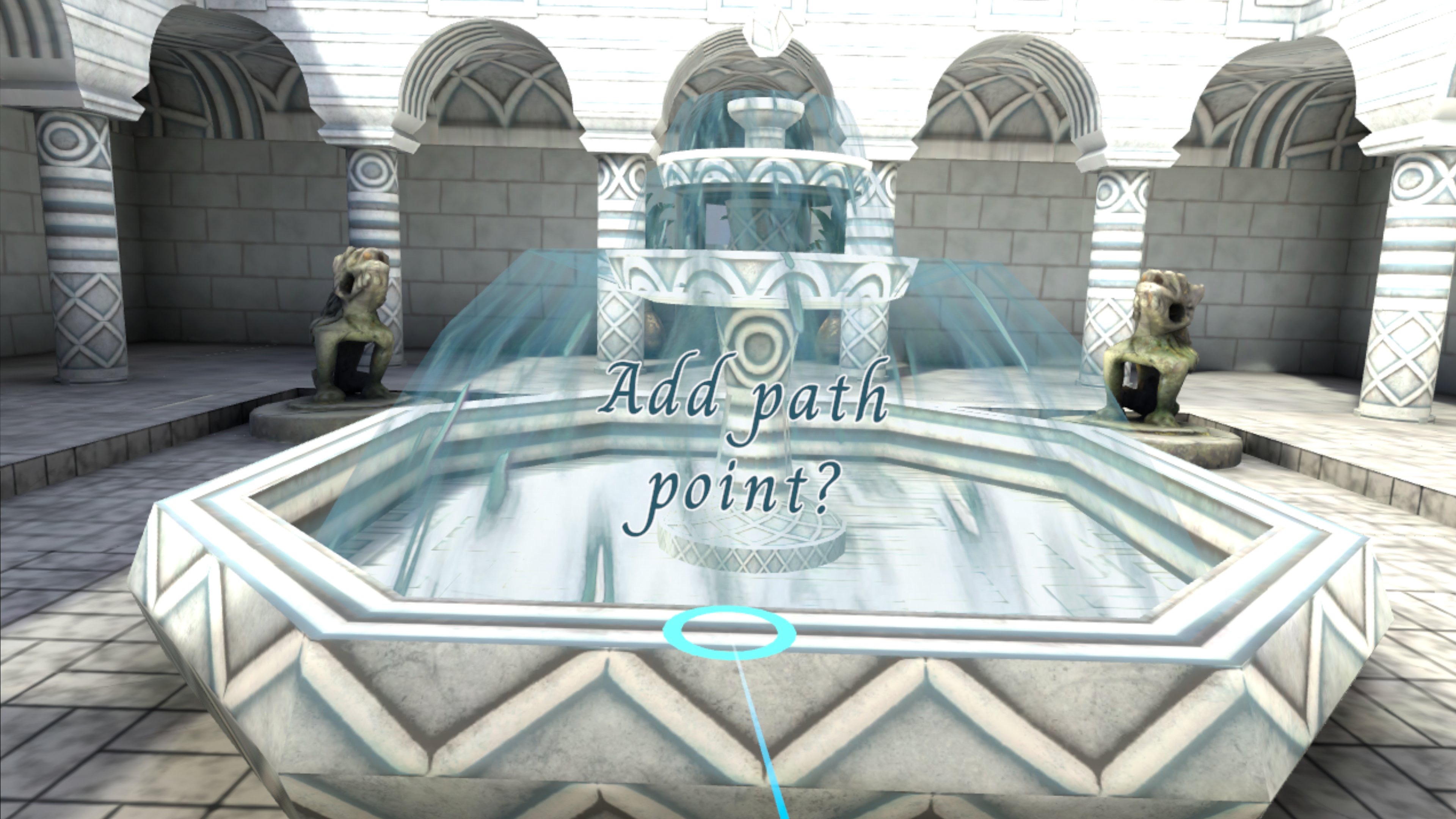
Set the location 1
-
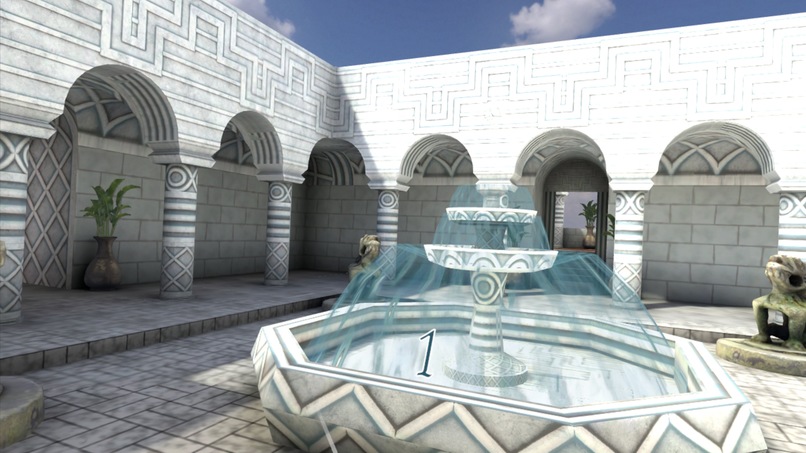
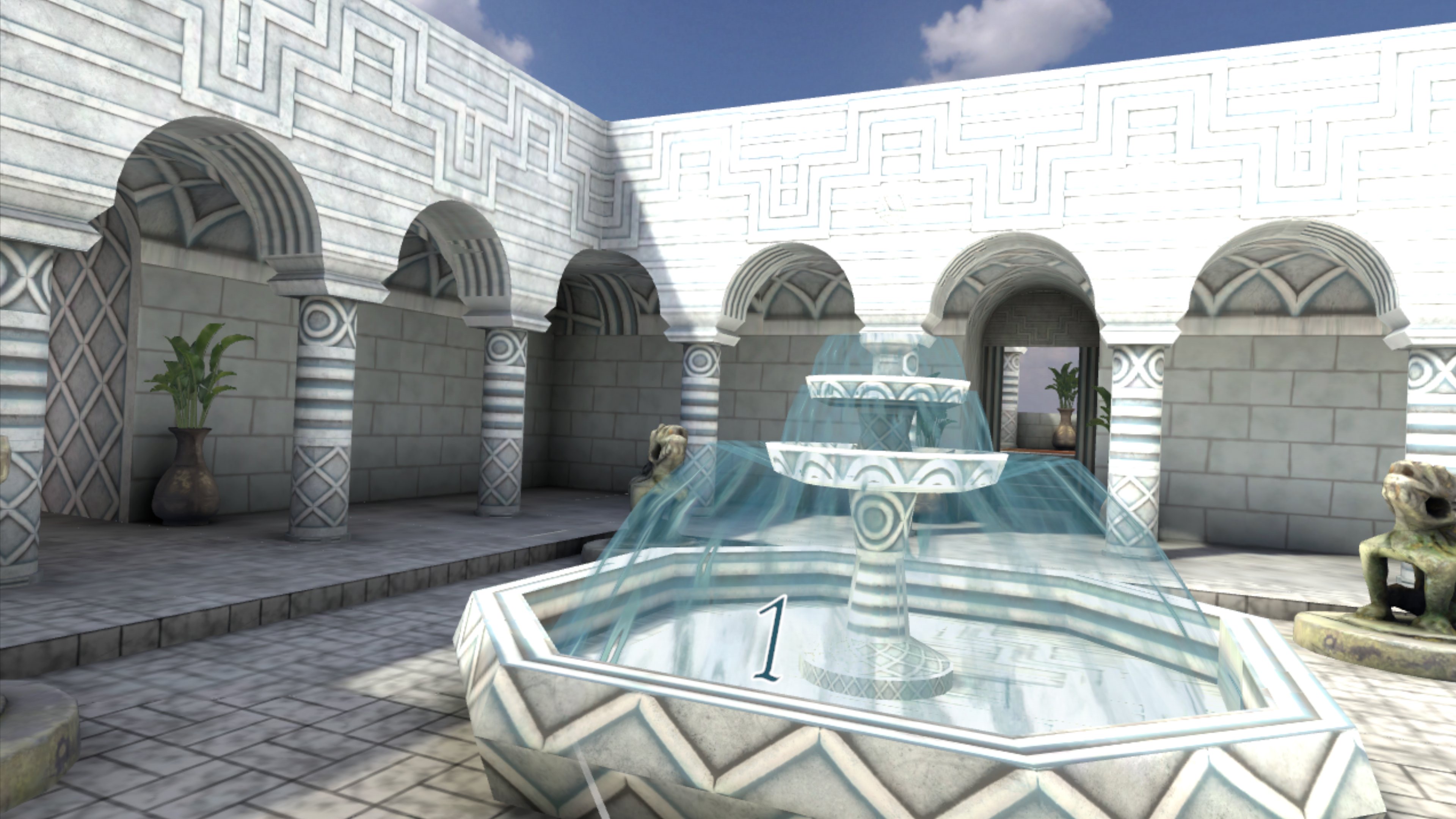
Set the location 2
-
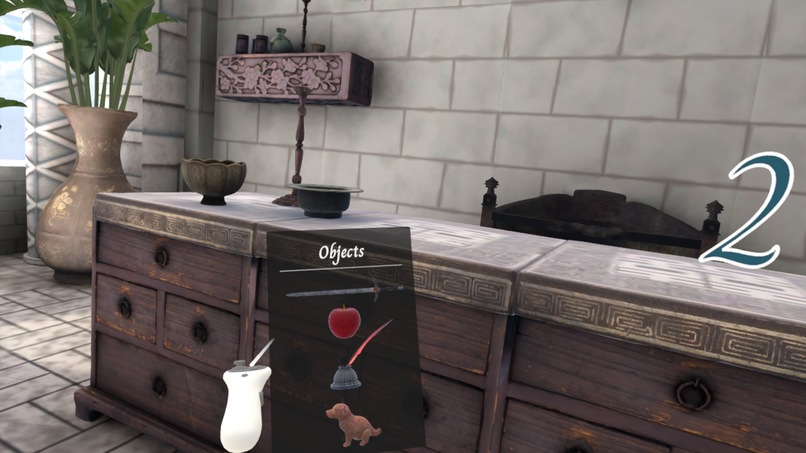
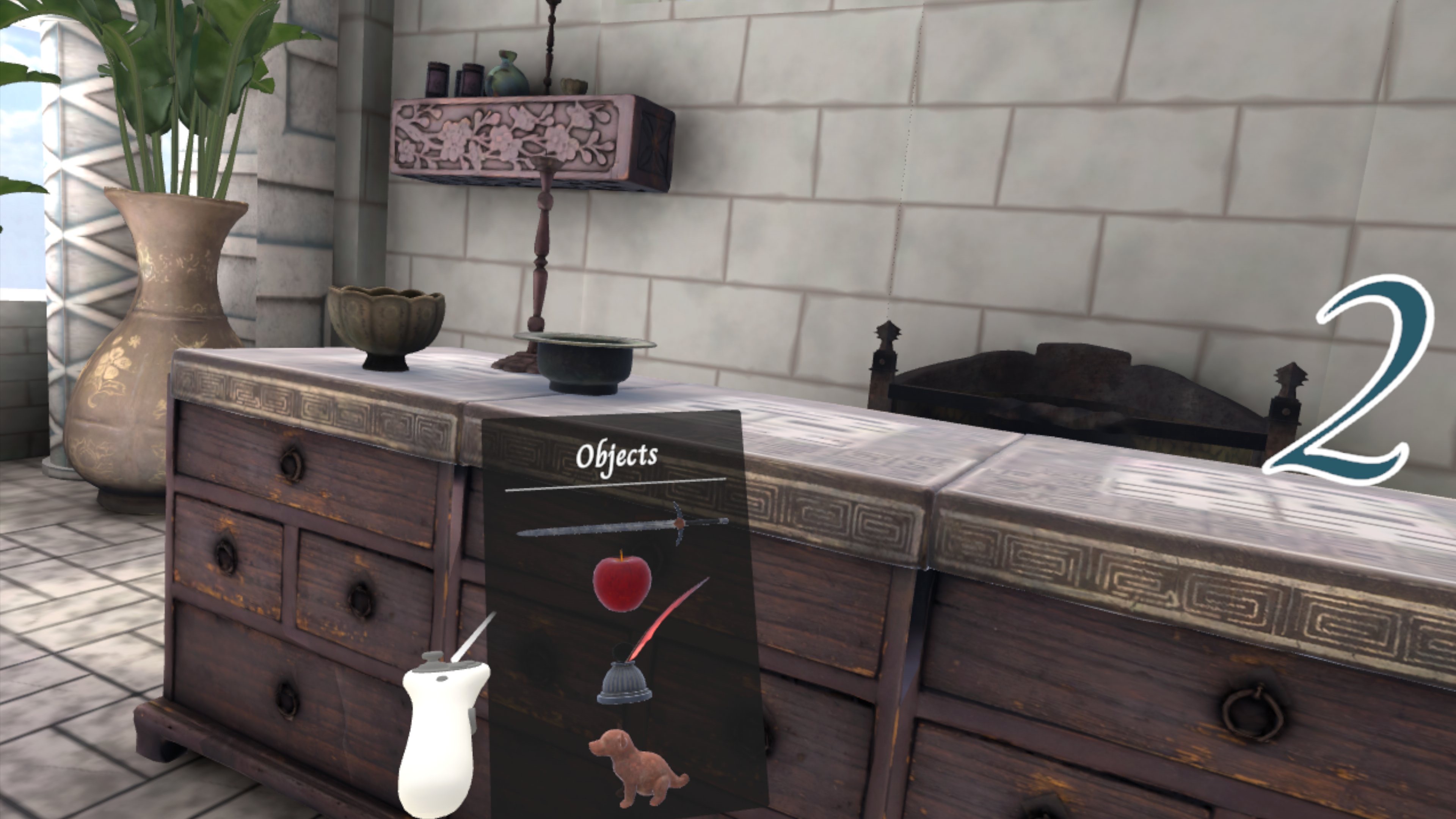
Place the object by drag it from the object panel
-
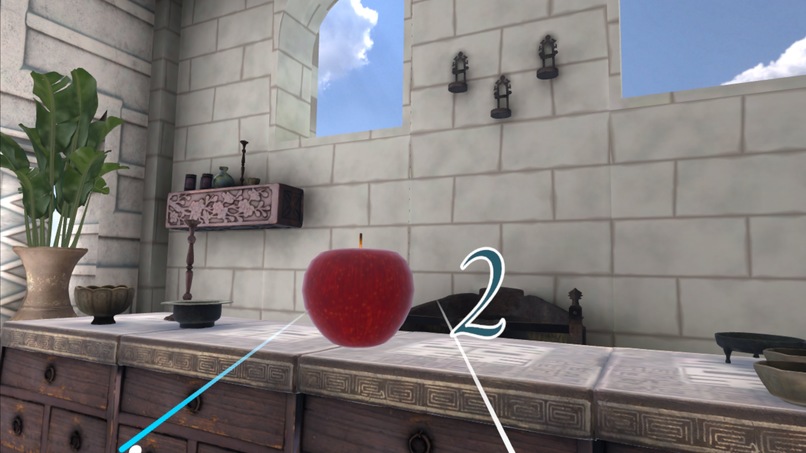
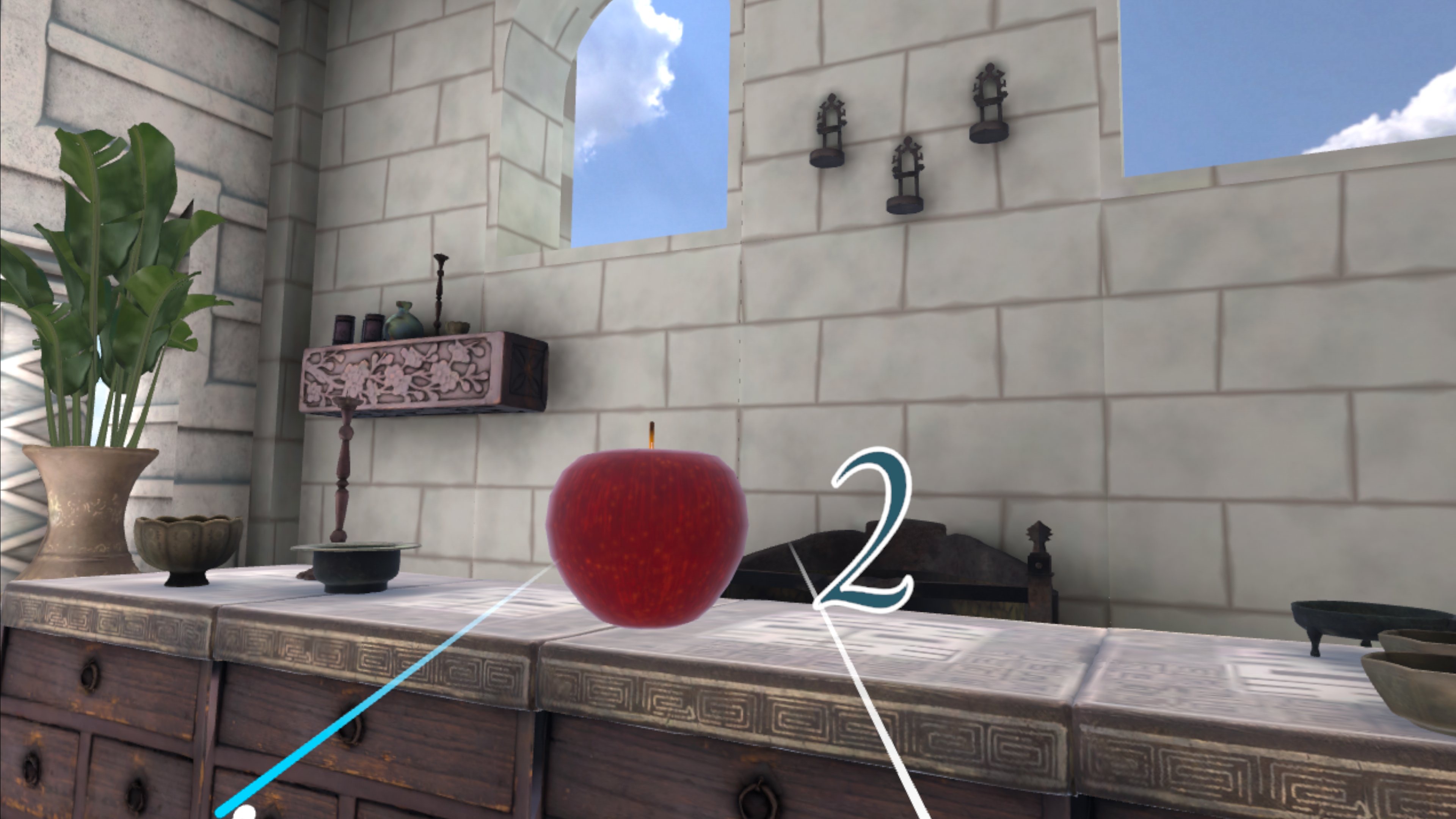
Scale the object
-
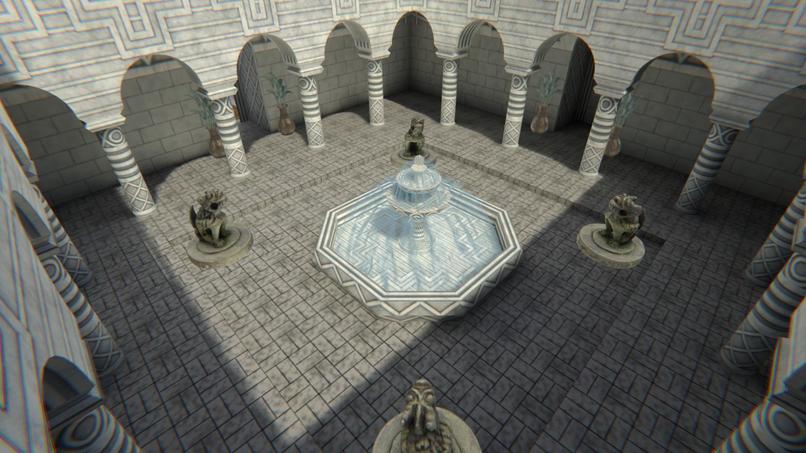
Environment Atrium
-
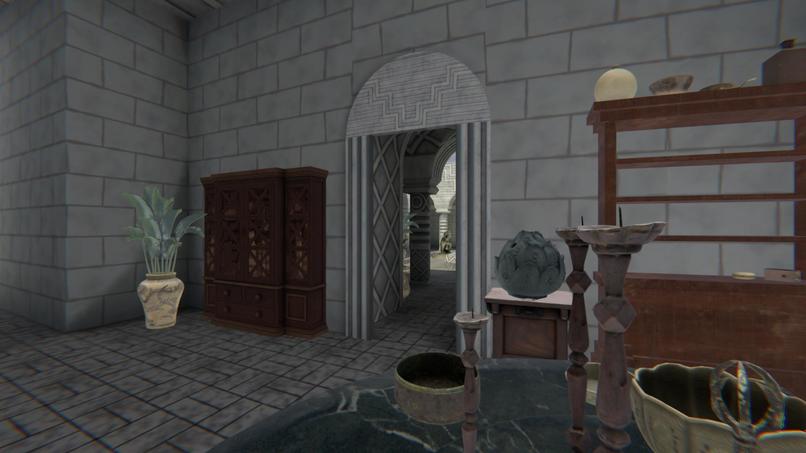
Environment Dining
-
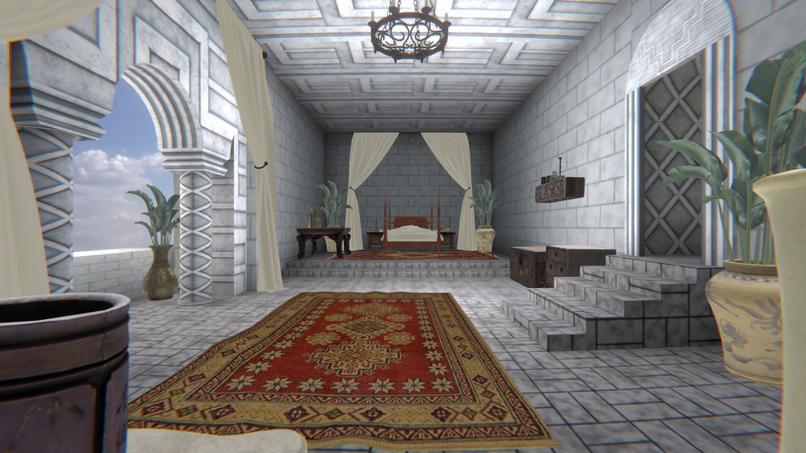
Environment Bedroom
-
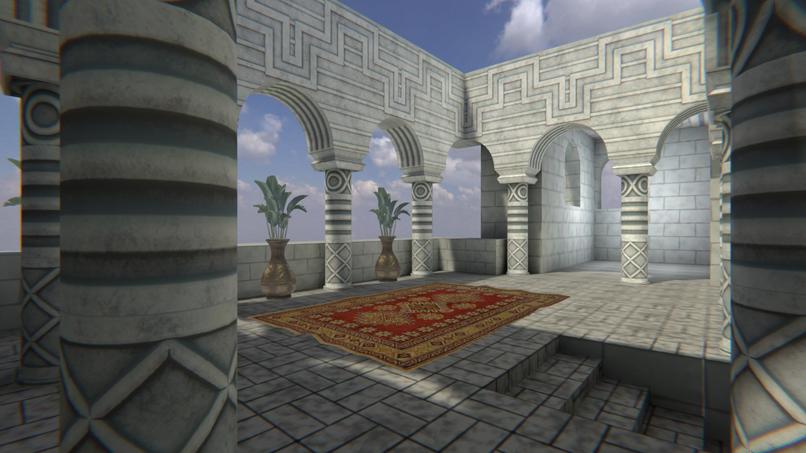
Environment Balcony
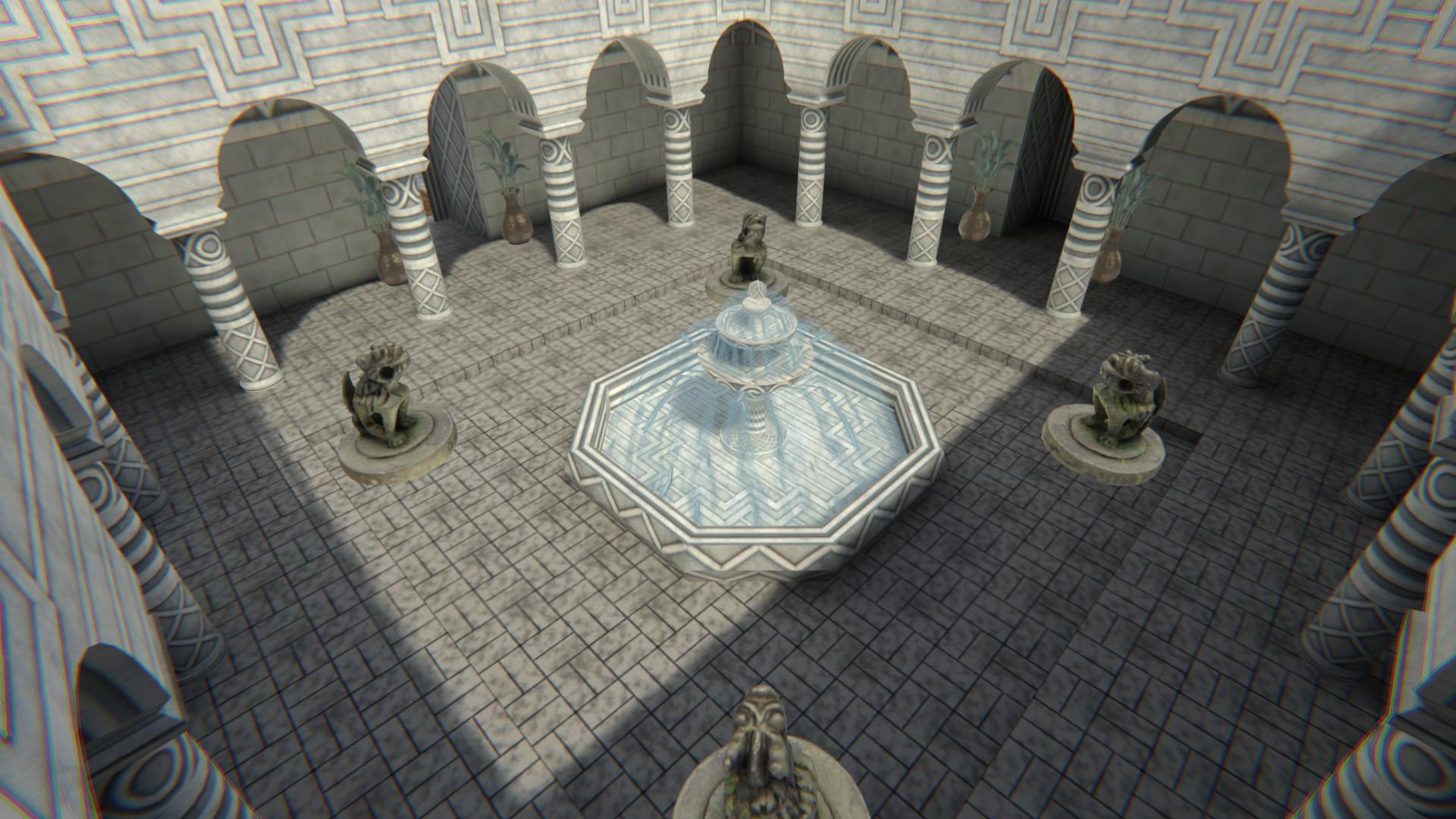
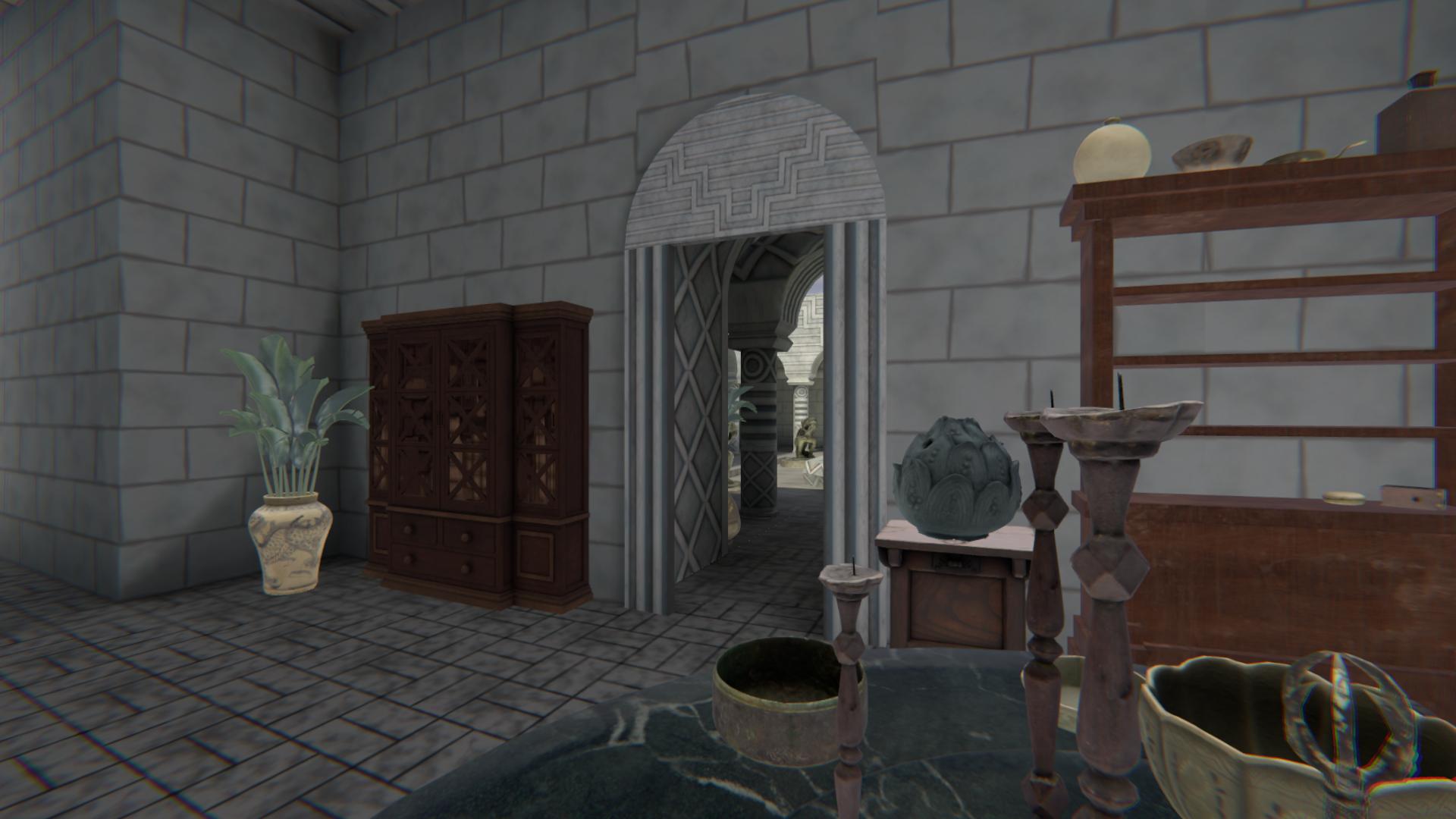
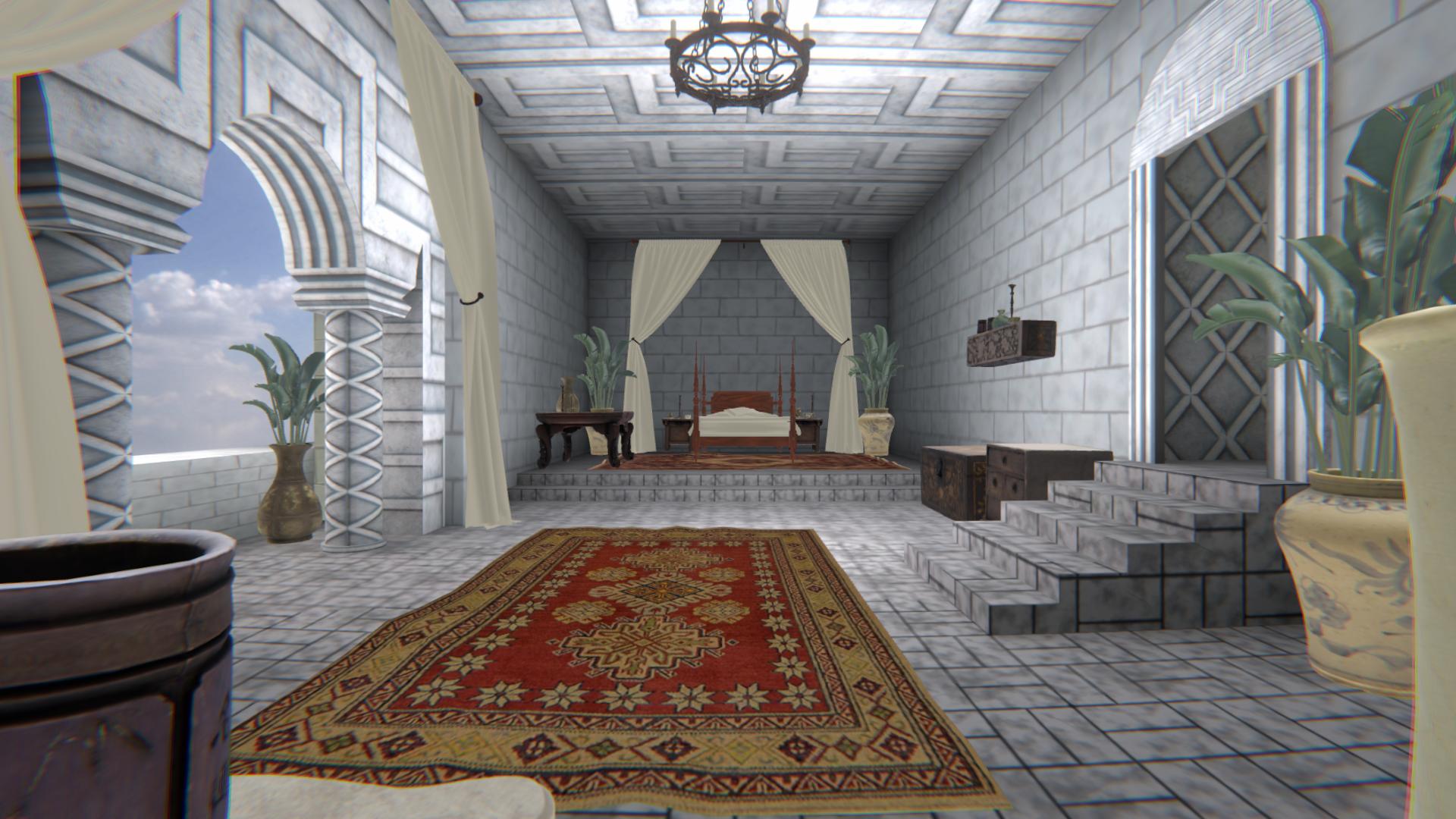
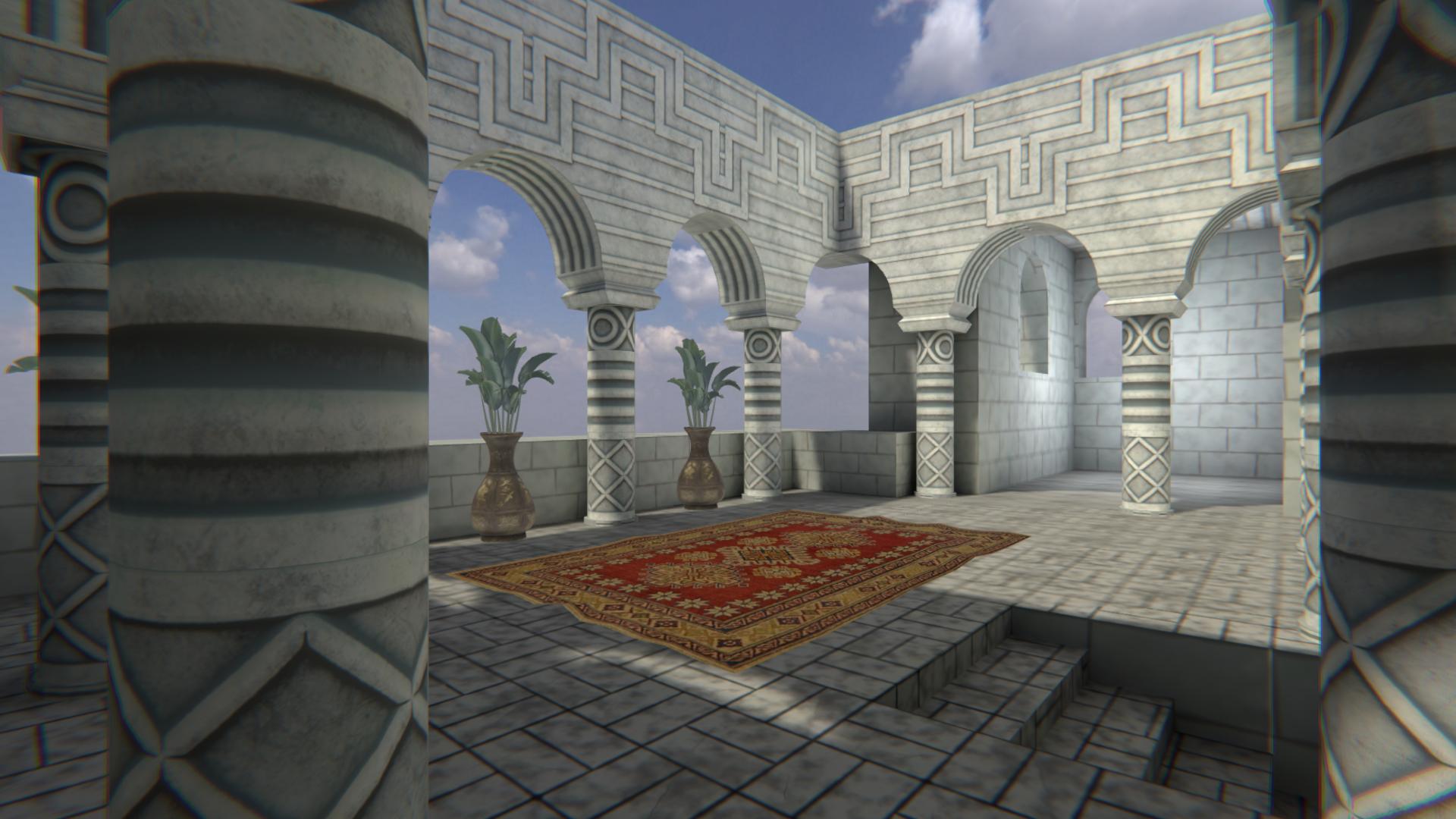
Inspiration
Our team drew inspiration from the Memory Palace, also known as the Method of Loci—an ancient mnemonic technique where information is associated with specific locations in a familiar place—to create a fun and engaging way to memorize and learn new things.
What it does
The VR environment allows the player to practice Memory Palace techniques in an interactive way, transforming what is traditionally a purely imagined process. By being fully immersed in the environment, players can effectively build a "memory map" in VR. This not only makes the Memory Palace method more understandable but also more fun and engaging.
In our Memory Palace VR experience the player can explore the core features of the concept of a Memory Palace:
- set the locations and thus having a location path
- place the objects in the locations
- recall the objects by remembering the location path
How we built it
Our team began by discussing the desired features and collaboratively outlining the project's vision. To establish a clear development roadmap, we created a gameplay wireframe using Figma, which helped us break down the necessary steps. Early concepts were tested using quick prototypes developed in ShapesXR and Unity.
For project management, we utilized Trello to organize tasks and track progress. To define the environment and theme, we created a mood board that guided the artistic direction. The environment itself was modeled in Blender, while the interior elements were built using pre-existing, free 3D assets.
The core experience was developed in Unity, leveraging the XR Interaction Toolkit. Our team used GitHub for version control and collaboration. Development and testing were conducted on Meta Quest devices (1, 2, and 3) and partially with Unity's XR Device Simulator.
The final deliverable was packaged as an APK for Meta Quest headsets.
Challenges we ran into
We faced the challenge that not all team members had access to a VR headset for development. This required us to carefully scope the project to ensure it could be developed using the equipment available. While we initially considered implementing features such as pass-through functionality and hand tracking, the lack of suitable hardware led us to focus on core VR features instead. This decision aligned well with the concept of a Memory Palace, which is particularly well-suited to the immersive nature of VR.
The use of pre-made free 3D models introduced performance challenges, particularly due to the scale and complexity of the environment. Given the time constraints, we were unable to optimize the models to help the experience to run on constant 72 fps.
Accomplishments that we're proud of
Main features that we have formulated in the concept phase are finished.
What we learned
- Collaboration in a global and remote team with different time zones.
- Learning XR Interaction Toolkit and hand tracking
- Rapid ideation to find a common ground for the team to start with
- Video editing (first trailer)
- Learning trello for managing task and roles
- Making release demo with Github
What's next for Memory Palace
- 3D Objects API: Access to a 3D objects library or 3D generative AI. This feature is important because the player should have the option to use any object that comes to mind to help with memory retention.
- Adding an SFX library to enhance the 3D objects.
- Drawing feature: This allows the player to create personalized objects that are more likely to stick in their memory.
- Adding a variety of Memory Palace environments, such as homes, nature, and historical buildings.
- XR Passthrough: Enables the player to use their familiar environment.
- Collaboration with Educational Institutions or Museums: The Memory Palace could offer a fun and engaging experience for visitors, allowing them to build upon the information they learned during or after their visit to an exhibition. Visitors can create their own memory palace by incorporating the exhibits they saw and reorganizing them in a way that makes sense to them.


Log in or sign up for Devpost to join the conversation.