About the Project
Inspiration:
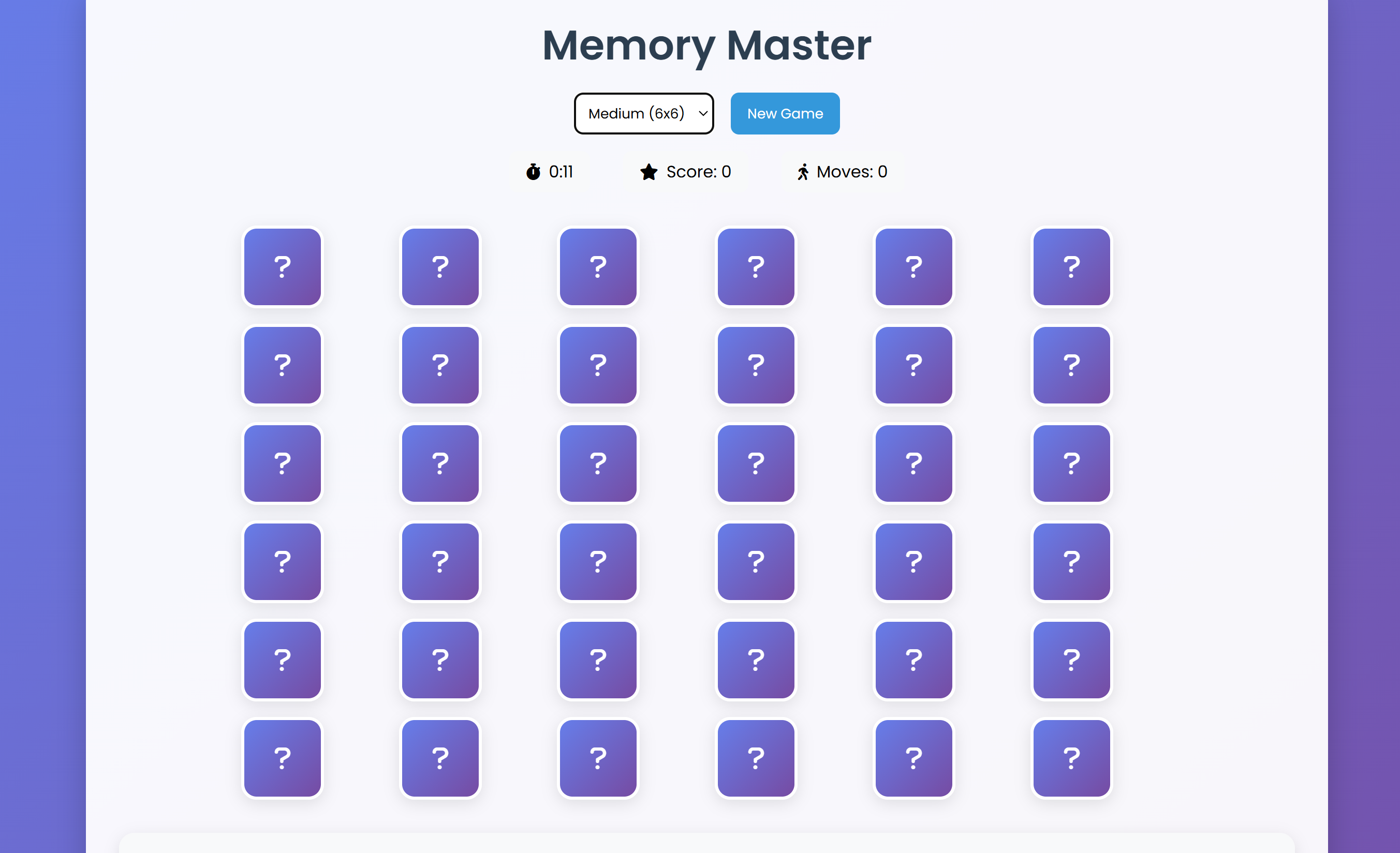
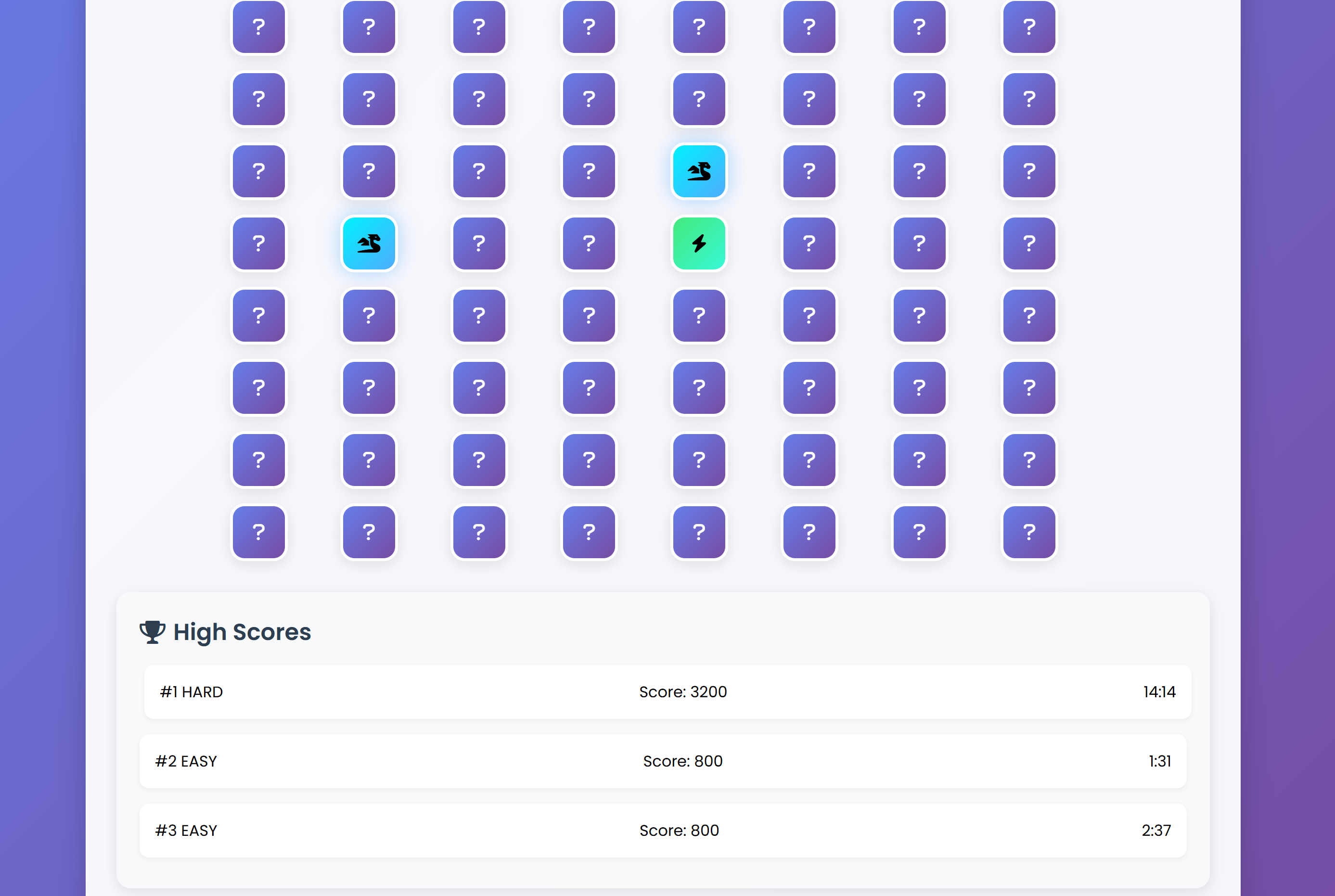
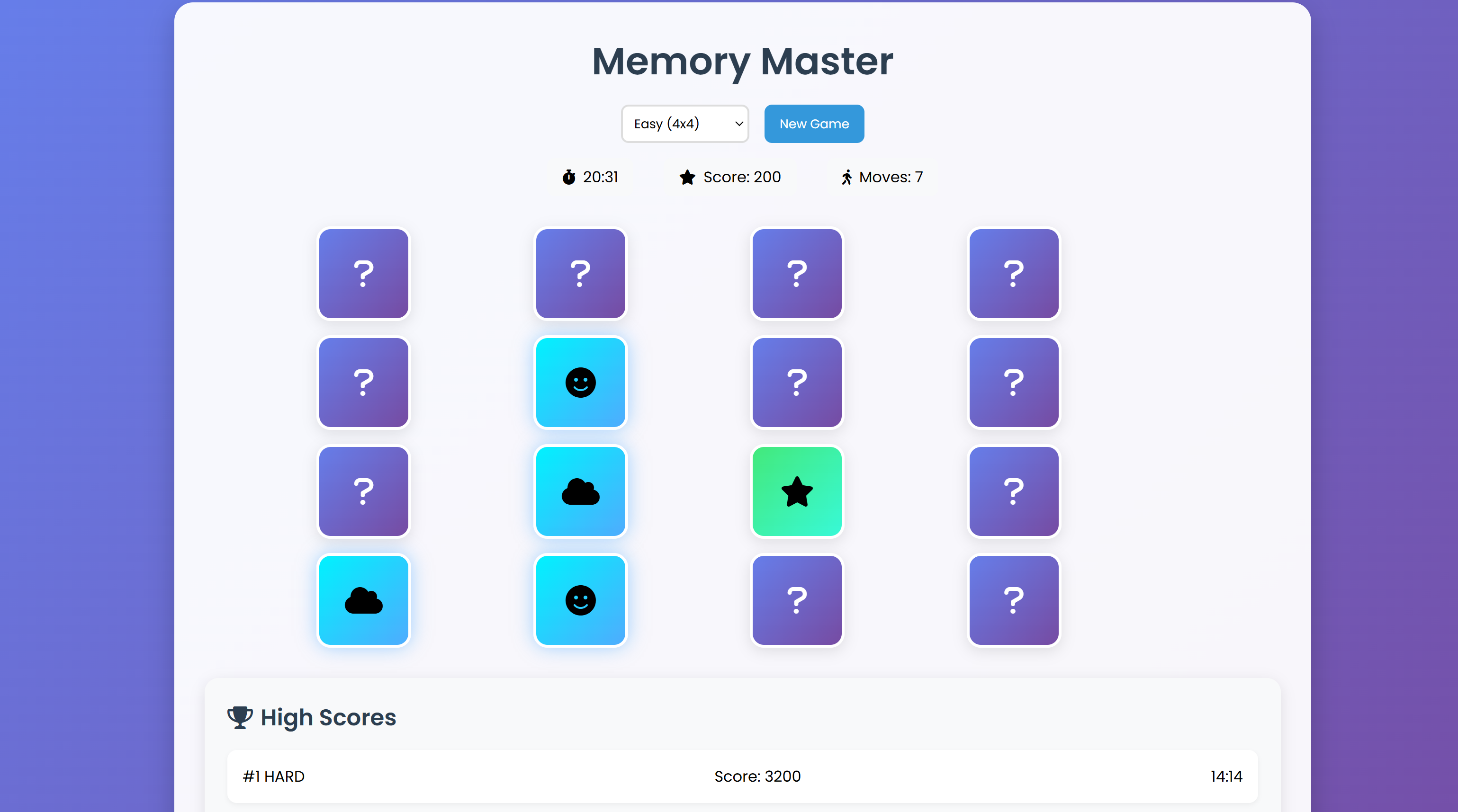
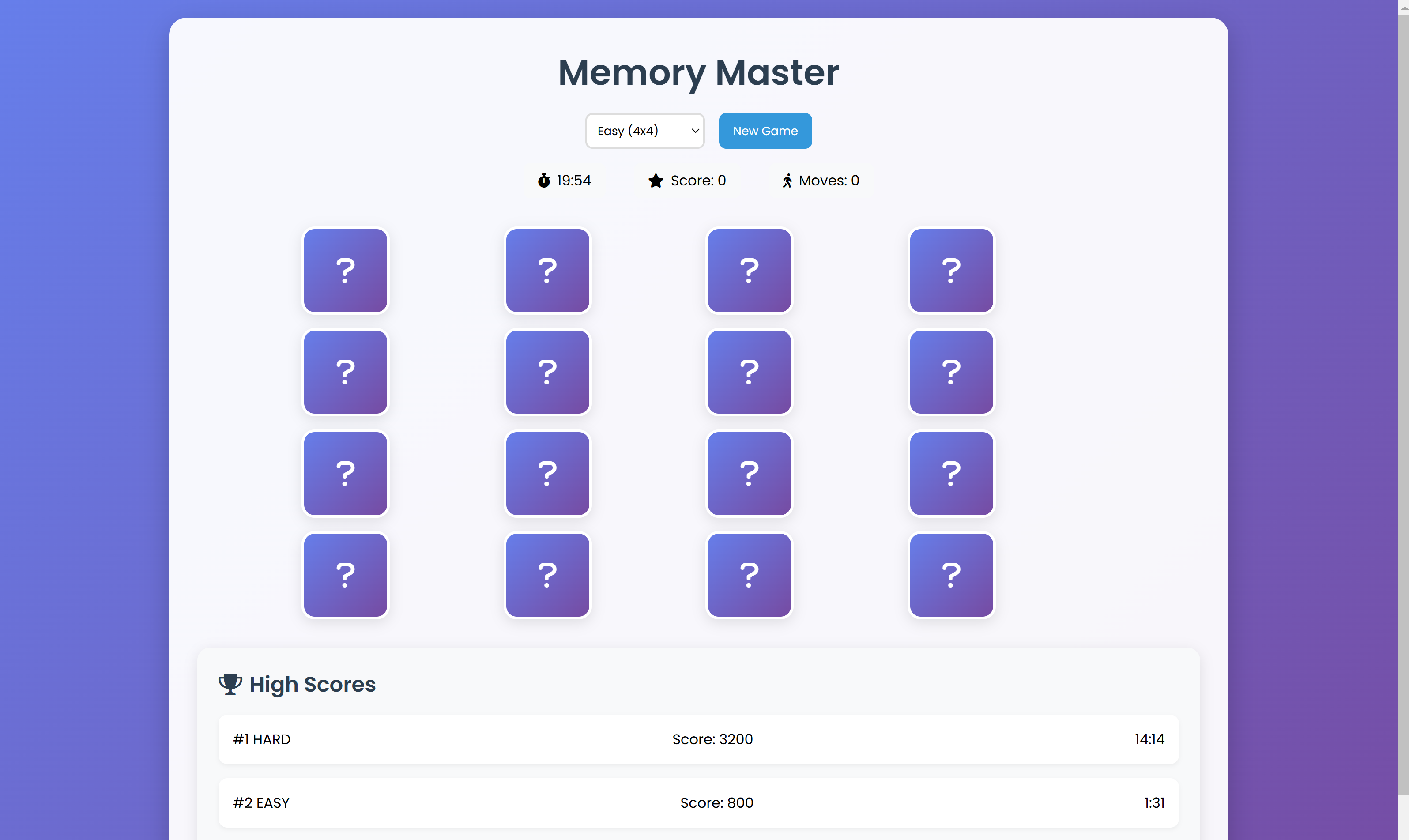
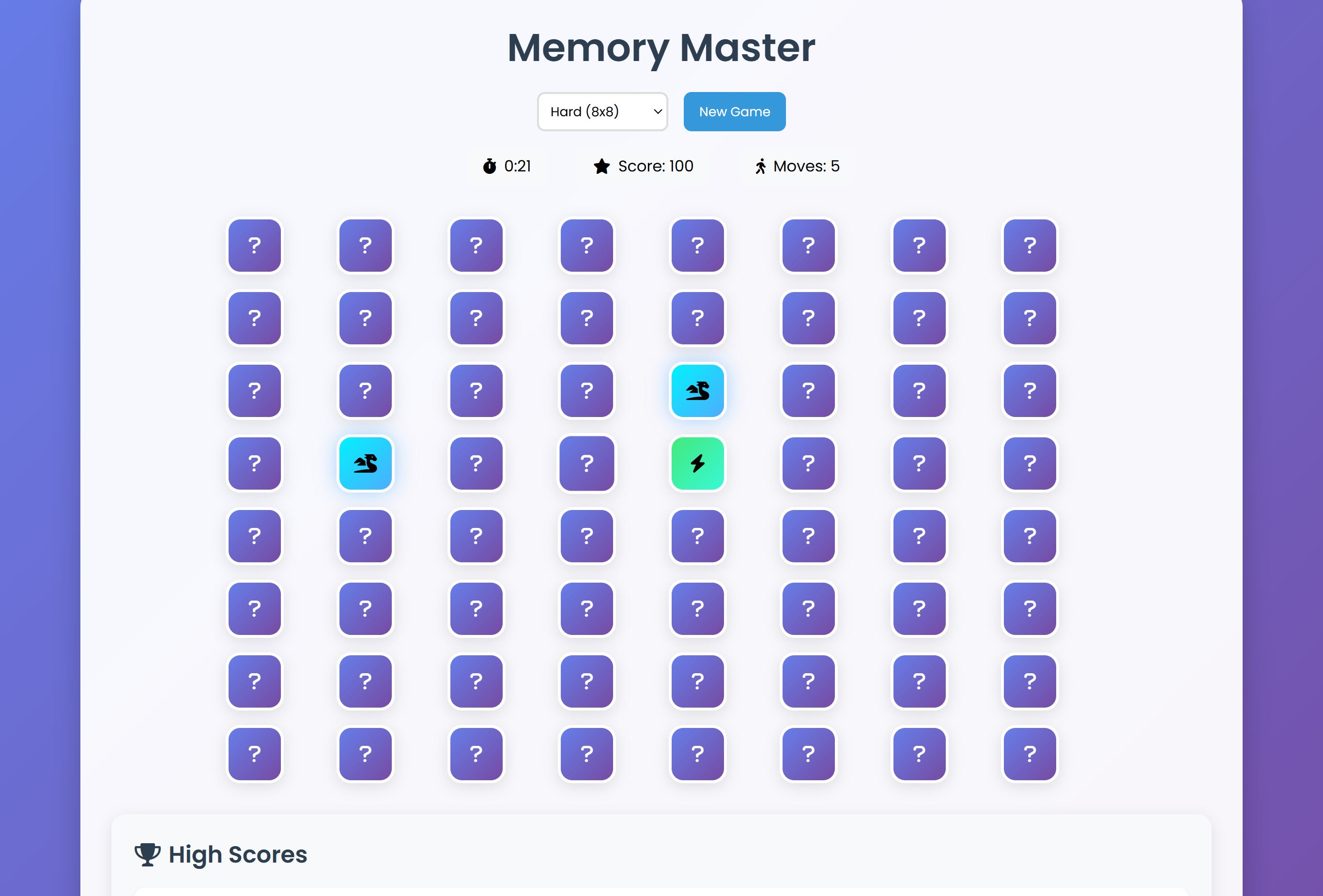
The idea for Memory Match Quest came from the classic memory games many of us played as children. These games test players' cognitive skills, attention to detail, and recall ability. The goal was to reimagine this nostalgic concept with a modern twist by incorporating cloud-based technology. The project was an opportunity to combine creativity with the powerful tools offered by AWS, creating a simple yet engaging game that demonstrates the potential of cloud services in gaming.
What I Learned:
Working on this project was an enriching learning experience. Key takeaways include:
- Amazon Q Developer: I explored its generative AI capabilities to streamline the game development process, from generating initial logic to debugging.
- AWS Services: Learned how to integrate AWS S3 for managing game assets, DynamoDB for data storage, and Amplify for deployment.
- Web Development: Improved my understanding of designing intuitive, responsive, and visually appealing user interfaces.
- Cloud Architecture: Gained hands-on experience in connecting different AWS services into a seamless workflow to create a cloud-powered application.
How I Built It:
Game Logic Development:
- Used Amazon Q Developer to design the main game mechanics, including flipping cards, matching pairs, and updating the score. It simplified tasks like coding logic loops and handling edge cases efficiently.
- Used Amazon Q Developer to design the main game mechanics, including flipping cards, matching pairs, and updating the score. It simplified tasks like coding logic loops and handling edge cases efficiently.
Asset Management with Amazon S3:
- All game assets, including card images and background music, were uploaded to Amazon S3. This ensured secure storage and fast access to assets during gameplay.
- All game assets, including card images and background music, were uploaded to Amazon S3. This ensured secure storage and fast access to assets during gameplay.
Leaderboard with DynamoDB:
- Implemented a persistent leaderboard using Amazon DynamoDB. The database stores player scores, game durations, and ranking information, enabling players to compare their performance.
- Implemented a persistent leaderboard using Amazon DynamoDB. The database stores player scores, game durations, and ranking information, enabling players to compare their performance.
Deployment with AWS Amplify Hosting:
- The game was deployed as a web-based application using AWS Amplify Hosting, making it accessible on any device with a browser. Amplify provided a simple setup and reliable performance.
- The game was deployed as a web-based application using AWS Amplify Hosting, making it accessible on any device with a browser. Amplify provided a simple setup and reliable performance.
Challenges:
Building this project presented some interesting challenges, including:
- Dynamic Asset Loading: Managing the preloading of card images from Amazon S3 to ensure smooth gameplay without delays.
- Asynchronous Data Handling: Syncing the game state updates (like scores) with the leaderboard stored in DynamoDB required careful implementation of asynchronous functions.
- UI/UX Design: Creating a user-friendly interface that appeals to all age groups while maintaining functionality and visual aesthetics.
- Debugging Complex Logic: While Amazon Q Developer accelerated coding, debugging game mechanics involving asynchronous operations and user inputs required extra effort.
Outcome:
The project successfully combines the nostalgia of memory games with modern technology. Memory Match Quest is a scalable, cloud-powered game that demonstrates how AWS services can be used creatively to build engaging applications. It highlights the efficiency of Amazon Q Developer in accelerating the development process and provides a fun, interactive way for players to test their memory while showcasing the potential of cloud computing in game development.


Log in or sign up for Devpost to join the conversation.