Inspiration
Individuals with Alzheimer's disease often have trouble remembering memories or their loved ones, and we want to improve those individuals' quality of life by providing opportunities to look over who someone's loved ones are and what their memories are, in turn allowing them to keep in touch with the things that matter most in their life.
What it does
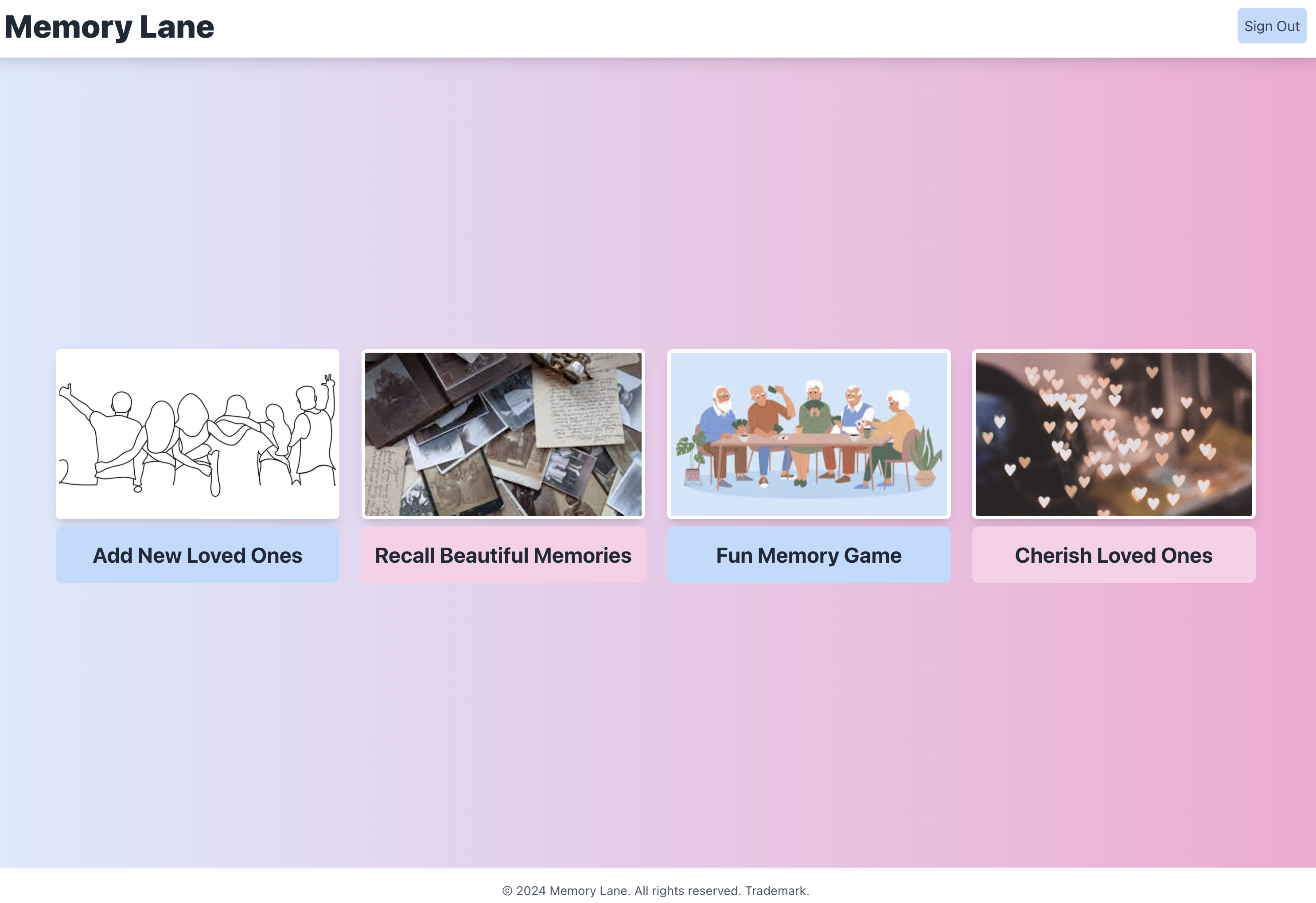
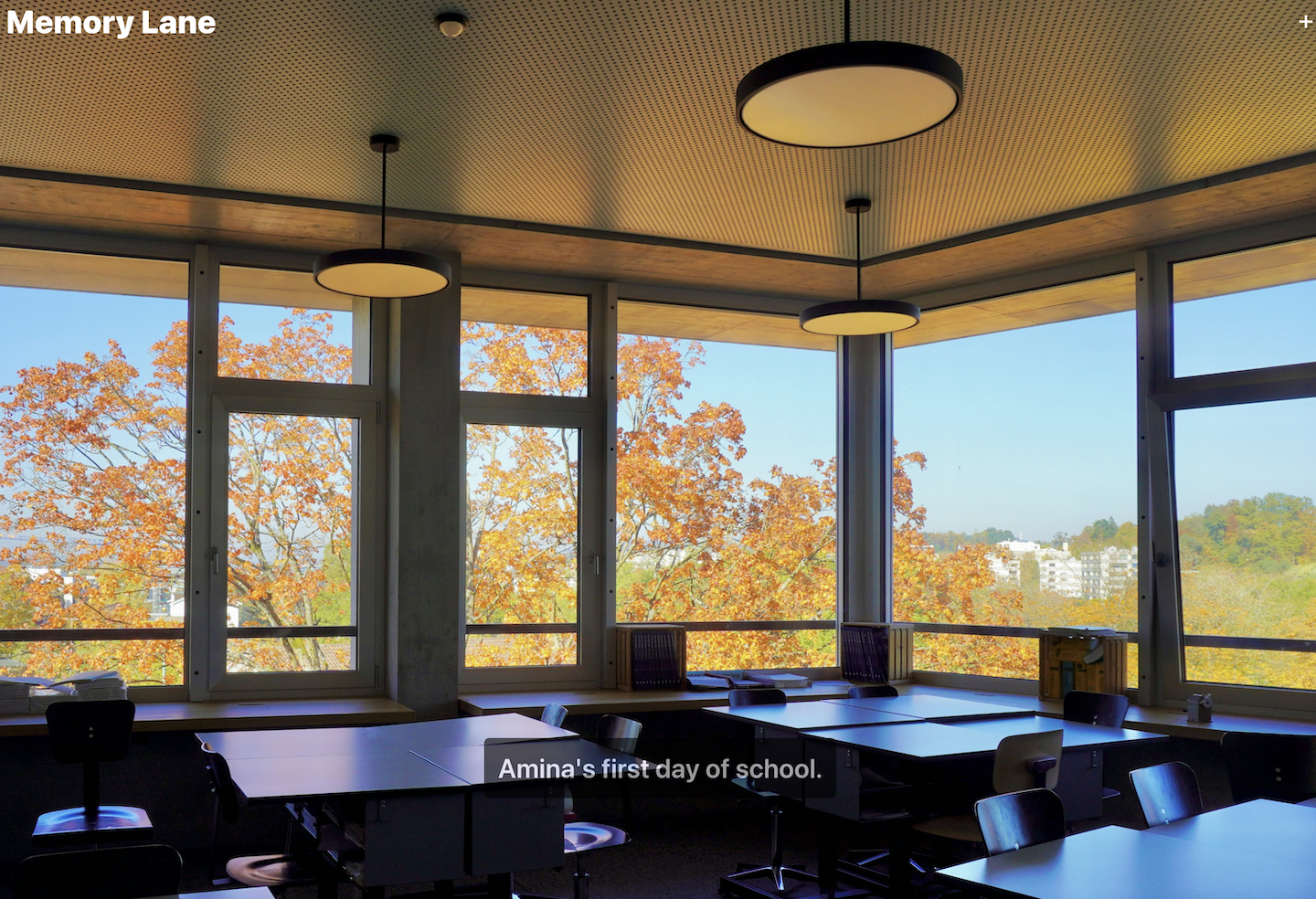
We provide short-form image viewing (similar to Instagram Reels) for people to view the memories that matter to them -- caregivers and patients will create memories together through an easy to use interface. We also provide fun games for patients to match people and images with their relationships, and practice their knowledge of the people around them. Additionally, we provide a memory game for patients to describe in words or by selecting an option what a memory is, as defined by an image.
The games are adaptive in difficulty and will provide feedback when answers are incorrect or correct, adjusting difficulty for multiple choice questions by switching to free response if many questions are correct.
How we built it
We leveraged React for the front-end interface (and Tailwind CSS for styling), Flask and Python for the backend, and MongoDB for the database. We created interactive components and tailored API endpoints to support our implementation.
We also leveraged ChatGPT to check the similarity of user responses compared to our recorded answers (for correct memories).
Challenges we ran into
We had issues testing our API and connecting it to our user interface -- we encountered CORS errors and we had to find workarounds in order to test on the Rutgers network. Additionally, we encountered bugs and edge cases pertaining to how items would be added or deleted -- namely how image URLs would be uploaded and processed.
Accomplishments that we're proud of
We are proud of the fact that we made an end-to-end, full stack solution that engages patients and invites them to think about the people and moments that matter to them. We created multiple features and ideated them all within the span of this hackathon -- we went in thinking we would a game in Unity, but ended up pivoting to a completely different solution.
What we learned
We learned how to create a full-stack application using Flask, React, and MongoDB for a healthcare situation, and we brainstormed how to empathize with patients and caregivers to create a solution that works for them.
What's next for Memory Lane
We're aiming to include audio and video as formats of media to be used in our application to further enhance our users' memory retention rate via the use of additional human senses (hearing).
We also want to test this application with caregivers and patients alike, to see how the application will be actually used. Also, we would like to build in reporting and analytics features as well as the ability for health systems or providers to create accounts on behalf of patients or incorporate it into appointments or sessions (namely, for inpatient visits).


Log in or sign up for Devpost to join the conversation.