-
-
Logo & Slogan
-
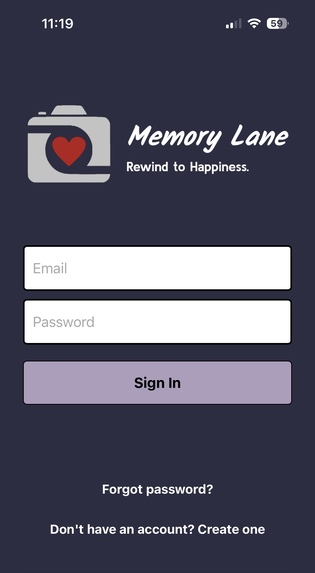
Login
-
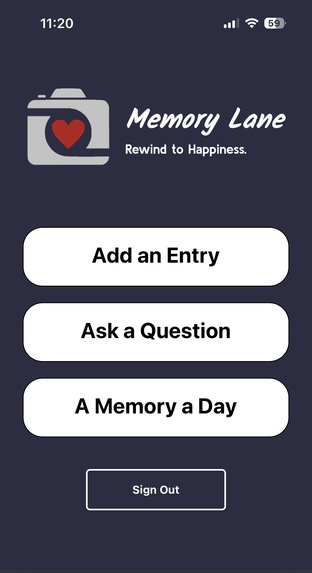
Home Screen
-
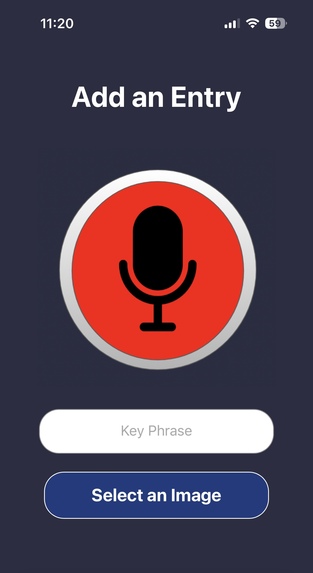
Add an Entry
-
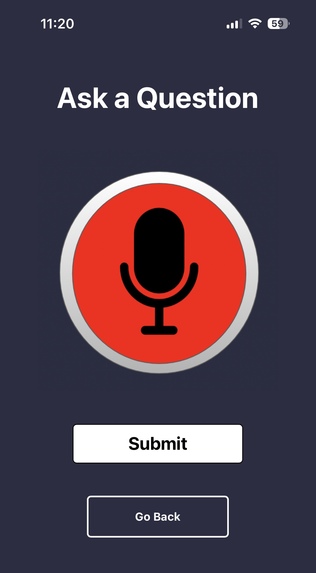
Ask a Question
-
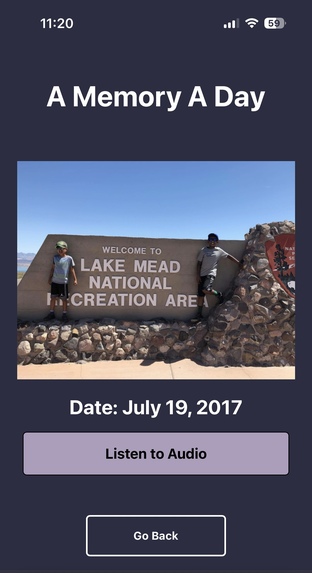
A Memory A Day

Inspiration
The inspiration for our app, Memory Lane, is rooted in the firsthand experience of one of our team members who volunteered at a senior living center last summer. During this time, they saw how Alzheimer's and other memory loss-related conditions can impair senior citizens' ability to recall significant and meaningful events from their lives. It was heartbreaking to see how these individuals struggled to remember their cherished moments, and we wanted to create something that could help them and enhance their lives. Currently, there are over 6 million people in the United States living with Alzheimer's Disease, and this number is projected to rise to nearly 13 million by 2050. Alzheimer's can negatively affect one's ability to recall even the most meaningful memories from their lives, leaving them with a sense of loss and confusion.
According to past research, mobile memory interventions can help older adults preserve detail-rich memories. They provide evidence of positive patterns of brain activity in the hippocampus associated with memory enhancement. With this knowledge, our team was motivated to create Memory Lane to help individuals with Alzheimer's and other memory loss-related conditions keep their cherished memories alive. By providing an easy-to-use platform for accessing memories, we hope to improve the quality of life for individuals affected by these conditions.
What it does
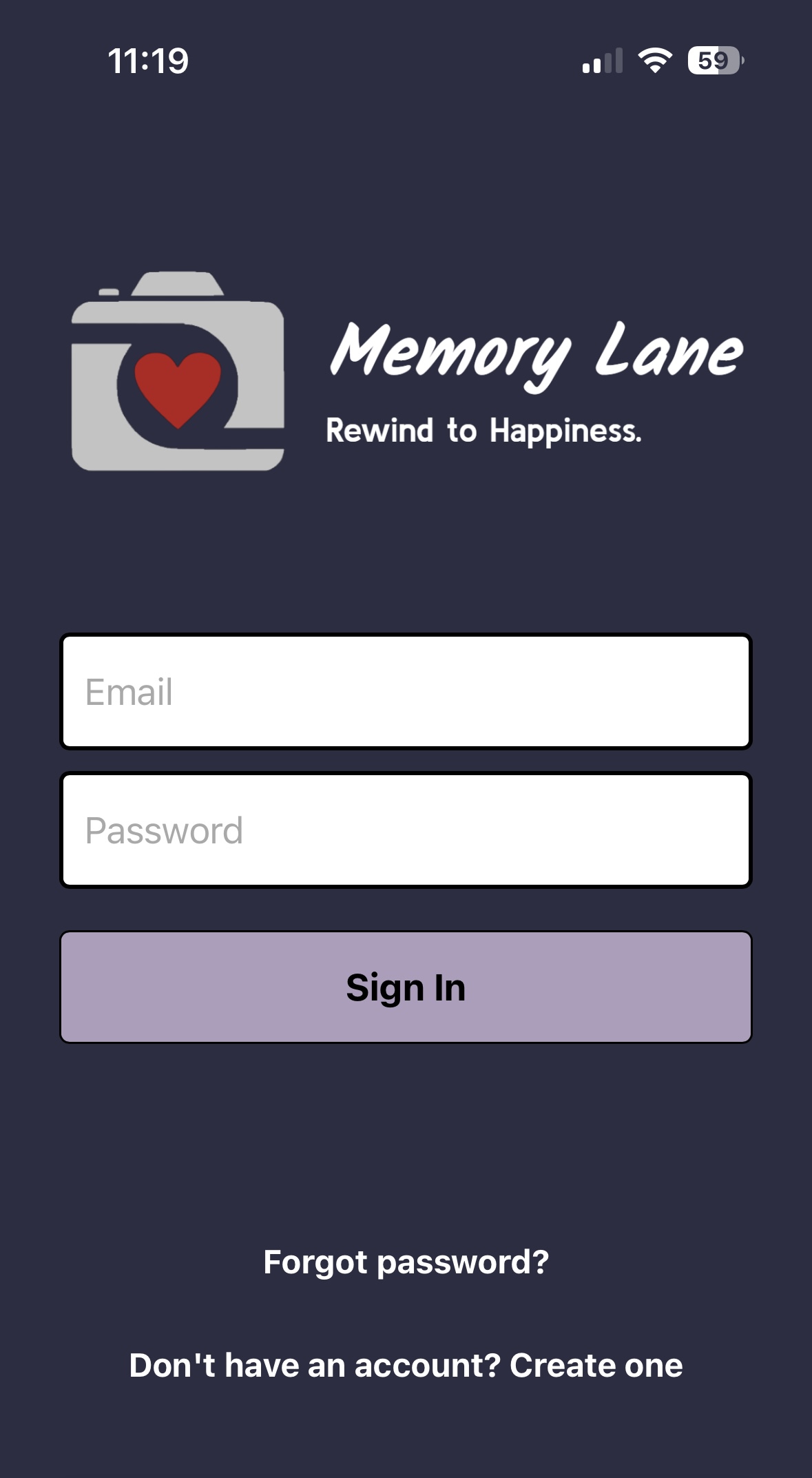
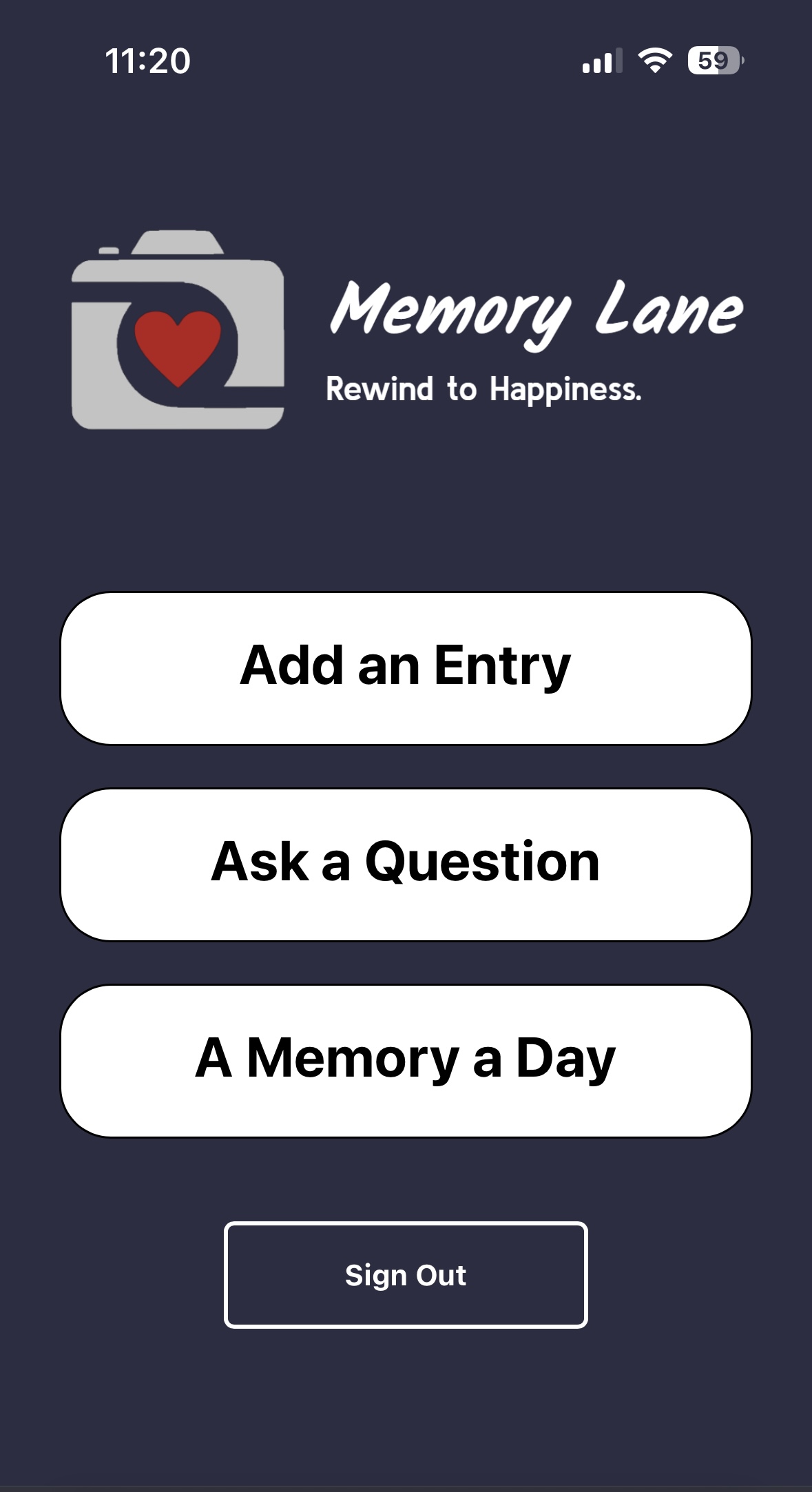
Memory Lane is a mobile app designed to provide people with Alzheimer's and other memory loss-related conditions with a platform to replay memories from their past. The app requires a login through email for each user, and upon logging in, the user is presented with three options: Add an entry, Ask a question, and a unique feature called "A Memory A Day".
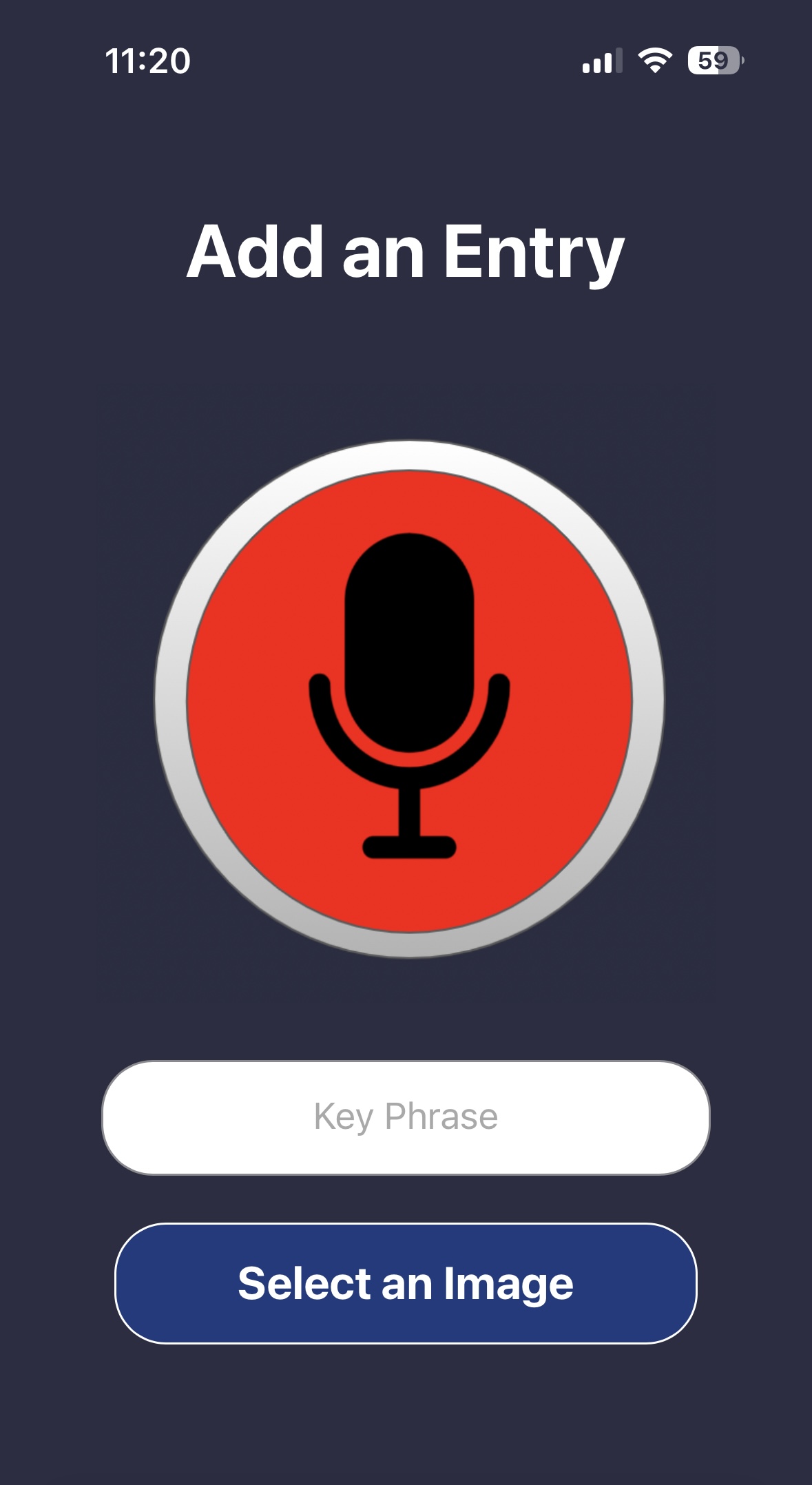
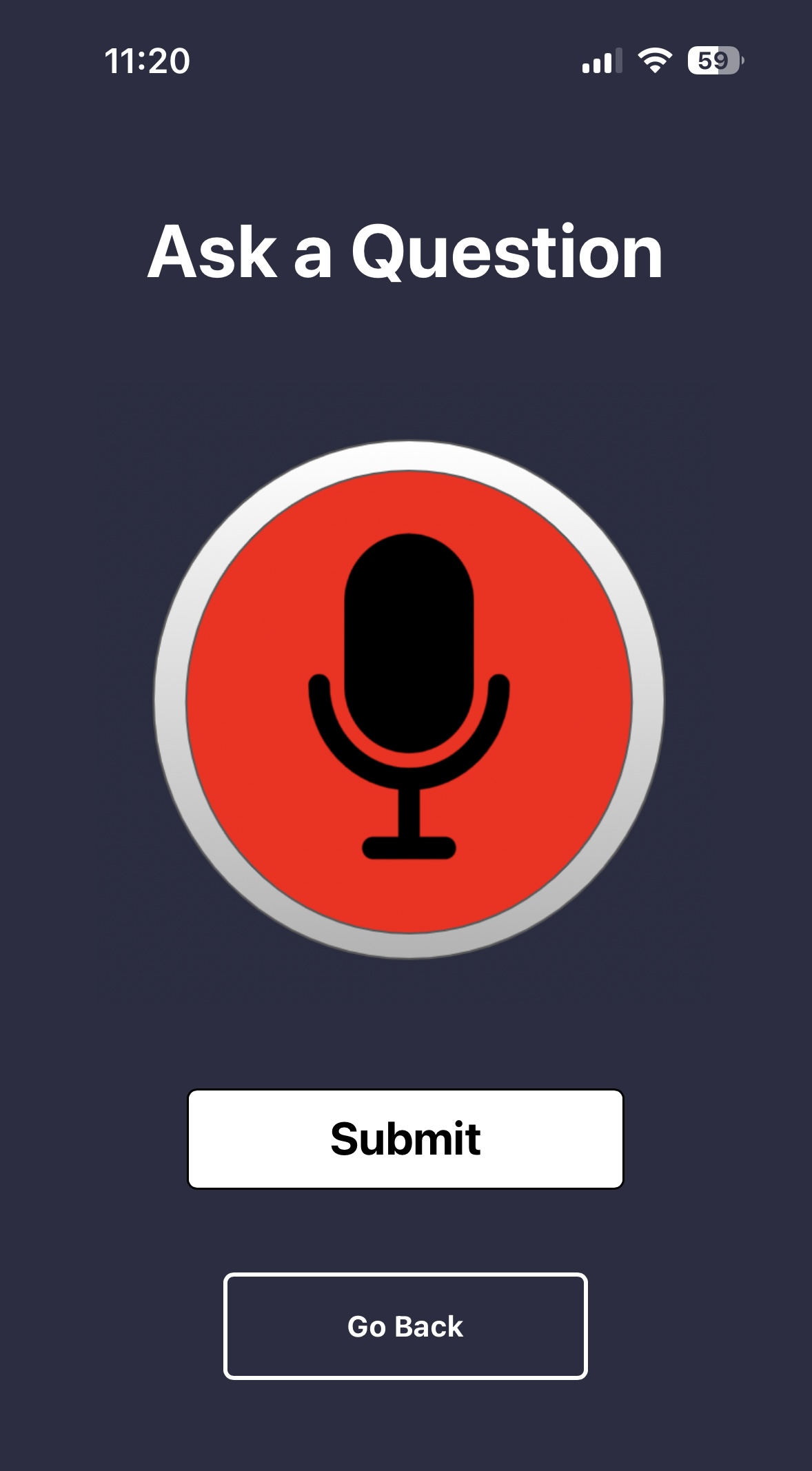
In the Add an entry section, users can record a significant event at the time of its occurrence, summarize it with a keyword or phrase, and attach an associated image. The recording is then saved, and the key phrase is used to identify the necessary output in the future when a question is asked. In the Ask a question section, users can ask the app a question about a specific event they have forgotten. Using an NLP model built on third-party libraries such as RASA and Tensorflow, the app will then search for a keyword match in the question asked and play the associated audio recording of the event. The app will also display the associated image, helping the user remember the event in greater detail. The "Memory A Day'' feature is designed to remind users of a random memory each day, helping them keep their minds active and engaged. This feature not only provides users with an opportunity to reminisce about their past but also helps them build and maintain social connections, which can have a positive impact on their overall well-being. Overall, Memory Lane's intuitive design and features enable users to maintain their connections to their past, promoting a sense of well-being and quality of life.
How we built it
Memory Lane is a novel mobile application that implements natural language processing and incorporates numerous components to enhance its functionality. From the front-end perspective, Memory Lane is built using React Native and Expo, an open-source framework to run the app natively on Android, iOS, and the web. These features are built upon using the programming languages Javascript and Typescript, which create responsive interfaces that improve the user experience and provide dynamic functionality. The back-end infrastructure is supported by the Google Firebase Cloud, a development platform that stores authentication information and secures user data to strengthen privacy. Python was the primary programming language we used to design the natural language processing model, which transfers speech to text and matches the audio to a memory from the past. In conjunction, these software components work in coherence to construct Memory Lane.
Challenges we ran into
We encountered many challenges while developing Memory Lane due to its front-end and back-end complexity. However, our team was able to overcome most of them through our journey at HackTJ. The first issue we faced was with natural language processing integration, as cross-platform compatibility was specifically challenging due to inconsistencies between React Native and Jupyter Notebook, the software which stored our machine learning model. Our team resolved this issue by customizing the app's user interface to match the design guidelines and conventions of each platform. Privacy and security concerns were another focus of our development process since we wanted to ensure that Memory Lane was HIPAA compliant and protected sensitive user information before expanding to iOS and Android. We accomplished this by storing authentication features in a secure Google Cloud and implementing robust security measures such as data encryption. Another issue we faced was integration with the camera roll, as Memory Lane needed to handle different file formats, sizes, and types. To achieve this, our team leveraged third-party libraries available on Expo such as "react-native-camera-roll-picker," which provides an easy-to-use interface for accessing and selecting images from the camera roll.
Accomplishments that we're proud of
Although we were somewhat unfamiliar with implementing natural language processing while hosting a mobile application, we were able to efficiently incorporate our user-friendly front end by researching the API and troubleshooting our code. Another accomplishment we are proud of is being able to create accurate models, given the time restraint. We received a maximum AUC of 0.962 with a minimal loss after running 20 epochs of the NLP model, which is significant due to the impact it will have on our target demographic of individuals with Alzheimer’s. Furthermore, we are especially proud of the impact that this project has on society, through matching image/audio memories with audio messages from the user.
What we learned
The creation of Memory Lane presented our team with numerous challenges; however, it manifested to be an enriching experience as we gained valuable knowledge and skills throughout the development process. Firstly, we realized that meticulous planning and organization were critical to the success of the project. This involved creating a clear development roadmap, defining milestones, and establishing effective communication channels within the team along with creating a figma for our app. We also learned about integrating the RASA library with an Expo and React Native project, which was the most challenging issue in the development of Memory Lane. Finally, we recognized that user feedback and testing were critical to improving the app's functionality and user experience. This involved receiving feedback from individuals in our target demographic and iterating on the app's design/features. Most importantly, the development of Memory Lane taught us the importance of collaboration, communication, and teamwork.
What's next for Memory Lane
One possible area of improvement could be the integration of machine learning algorithms to better identify keywords and phrases in user recordings, improving the accuracy of the app's matching and retrieval processes. Additionally, the app could incorporate geolocation capabilities, allowing users to attach memories to specific locations and enabling them to revisit those places virtually. Another possible next step could be to partner with organizations such as memory care facilities or support groups to provide Memory Lane as a tool for group reminiscing sessions. The app could be integrated into existing memory care programs to supplement therapy and improve engagement with residents. Finally, Memory Lane could be expanded to include more features that facilitate communication between users and their families and caregivers, such as a shared memory log that allows multiple users to contribute to and view memories, and a messaging feature to promote communication between users and their support networks.


Log in or sign up for Devpost to join the conversation.