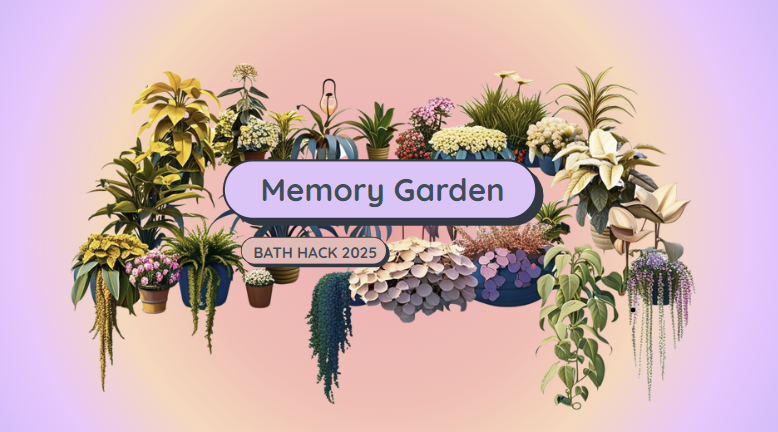
Memory Garden: Evidence-Based Memory Preservation
Inspiration
Our team was inspired by the profound impact of Alzheimer's and dementia on millions of families worldwide. We've personally witnessed how these conditions gradually erode cherished memories and create a sense of disconnection that affects both patients and their loved ones. When we learned about evidence-based approaches like reminiscence therapy and spaced retrieval training, we realized there was an opportunity to transform these clinical interventions into something more engaging and accessible.
The concept of a "memory garden" emerged as the perfect metaphor – a place where memories could be planted, nurtured, and revisited. Just as plants need regular care to flourish, memories benefit from regular engagement. This imagery resonated with our team and provided a framework for an application that's both scientifically grounded and emotionally compelling.
What it does
Memory Garden is an interactive digital application that transforms evidence-based memory therapy into an engaging experience:
Memory Upload Interface: Users can add personal memories with photos, details, people, and stories.
Interactive Garden Visualization: Each memory appears as a plant in a beautiful terraced garden landscape. Different plant types represent different memory categories (family, travel, achievements, everyday life).
Memory Exercise Module: Implements scientifically-validated memory exercises like spaced retrieval training through engaging activities that adapt to cognitive abilities.
Caregiver Tools: Provides caregivers with session planning, note-taking, and guided conversation prompts to facilitate meaningful reminiscence therapy.
As memories are successfully recalled, their plants grow and flourish – providing visual feedback that reinforces positive engagement with personal history.
How we built it
We developed Memory Garden as a React application with a strong focus on user experience and accessibility:
Research Phase: We studied clinical papers on memory interventions, focusing on techniques with demonstrated efficacy for patients with memory impairments.
Design Process: We created mood boards and wireframes to establish a soothing, accessible visual style with a purple gradient theme representing Alzheimer's awareness.
Technical Implementation:
- React component architecture with custom CSS for styling
- SVG and image-based visualizations for the garden and plants
- LocalStorage for data persistence
- Progressive enhancement approach for different device capabilities
Testing: We collected feedback from caregivers and memory care professionals to refine the interface and feature set.
Challenges we ran into
Building Memory Garden presented several interesting challenges:
Balancing Aesthetics with Accessibility: Creating a beautiful garden visualization while ensuring the interface remained accessible and usable for older adults required careful design decisions.
Memory Representation: Developing a system to visually encode memory attributes (category, significance, recall success) in a way that's both informative and visually appealing.
Data Structure Design: Creating a flexible memory data model that could accommodate various types of memories with different levels of detail and temporal precision.
Image Handling: Implementing reliable image handling with appropriate fallbacks for a smooth user experience even when images fail to load.
Responsive Design: Ensuring the garden visualization works well across different screen sizes, particularly for tablets which are commonly used by older adults.
Accomplishments that we're proud of
- Creating an application that transforms clinical memory interventions into an engaging, dignified experience
- Developing a visually beautiful garden metaphor that provides meaningful feedback on memory engagement
- Building tools that empower caregivers to facilitate more effective reminiscence sessions
- Implementing a flexible system that accommodates different types of memories and levels of detail
- We were able to work together to create the concept of such a meaningful product that many people need but don't have the tools for
What we learned
This project deepened our understanding of:
- Memory Care Approaches: Learning about the specific mechanisms that make interventions like spaced retrieval effective for memory preservation
- Accessible Design: Designing interfaces that work well for users with varying levels of technical comfort and cognitive abilities
- SVG and Animation Techniques: Using web graphics to create engaging, interactive visualizations
- User-Centered Design: Gathering and incorporating feedback from potential users throughout the development process
What's next for Memory Garden
We see several exciting opportunities to expand Memory Garden:
- Voice Input: Adding voice recording and transcription for easier memory capture
- Personalization: Implementing machine learning to better adapt memory exercises to individual cognitive patterns
- Social Features: Enabling family members to contribute memories remotely
- Integration: Connecting with digital photo collections and social media archives
- Mobile Apps: Developing native mobile applications for better offline support
- Expand: Increase capacity beyond local storage limitations and give the option for cloud storage
Our vision is to create a comprehensive memory preservation platform that supports individuals throughout their journey, from early cognitive changes to more advanced memory challenges.
Built With
- claude-ai
- javascript
- localstorage
- react


Log in or sign up for Devpost to join the conversation.