-
-
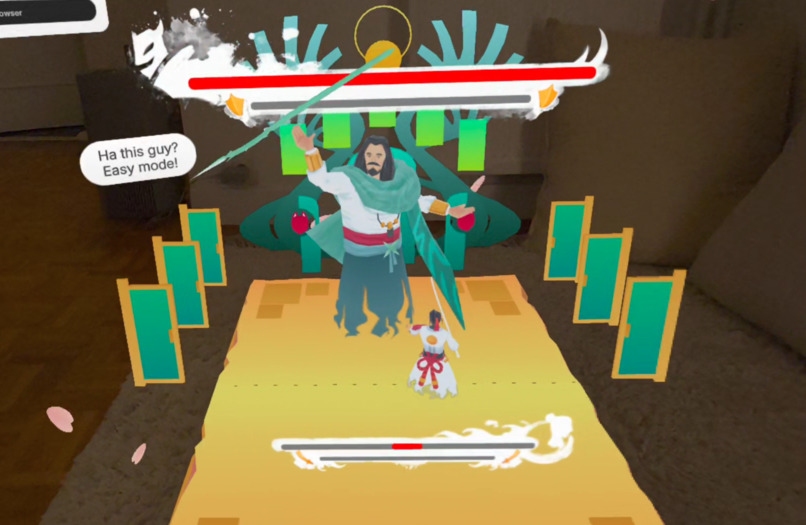
Boss fight
-
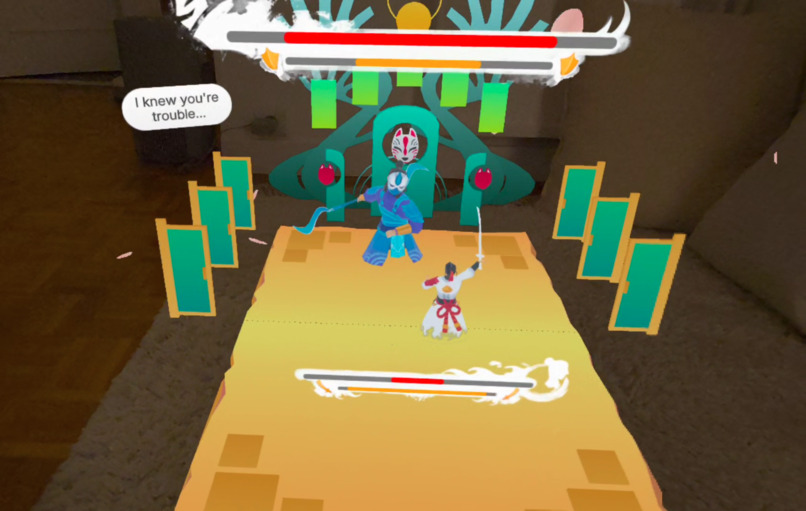
Enemies
-
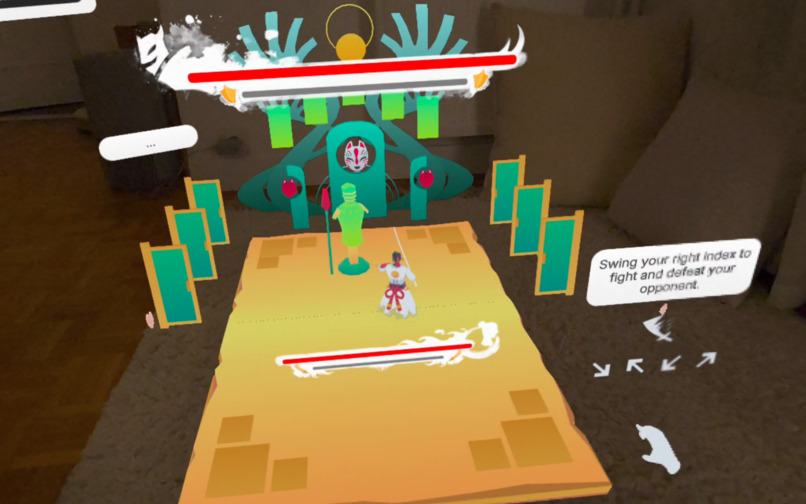
Onboarding
-
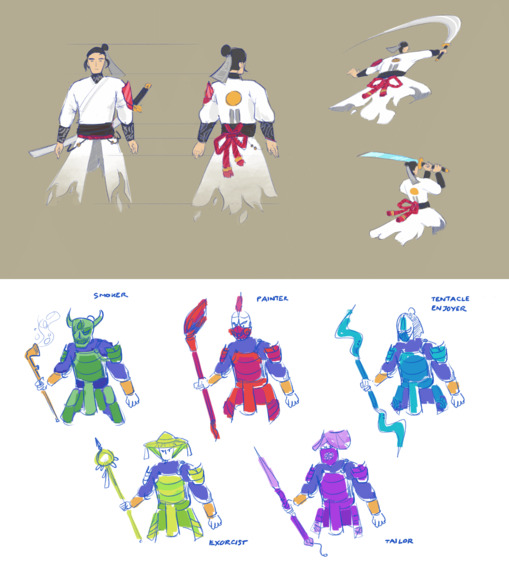
Character design
-
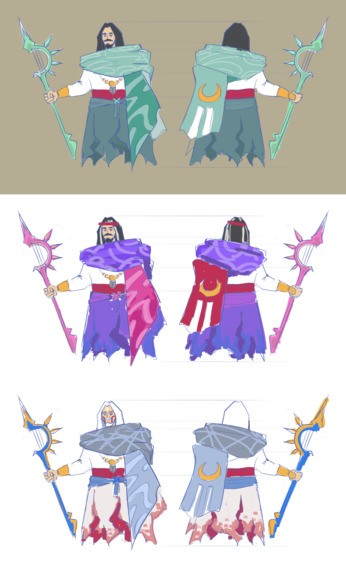
Boss design
-
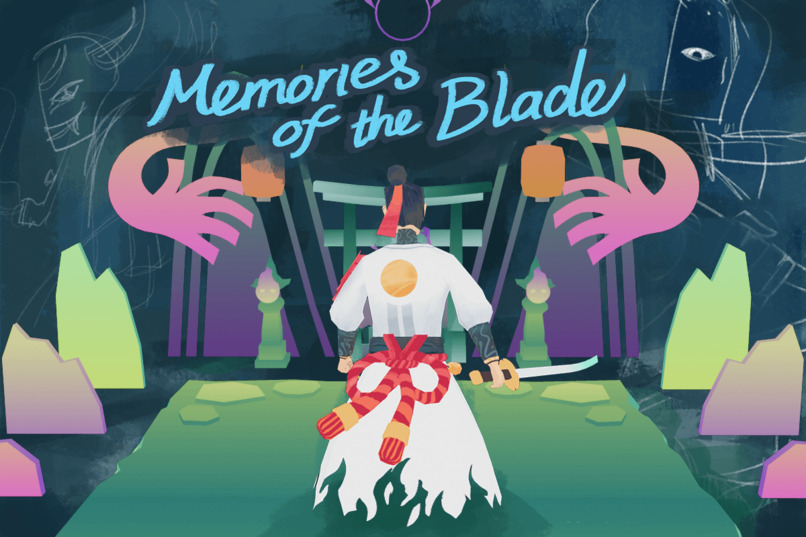
Every warrior has a story worth telling.
Inspiration
As technology makes our lives more comfortable, we believe no one should be left behind.
We wanted to create a VR game that people with limited mobility could enjoy, without taking away the fun or challenge of playing.
On a personal level, this game is also a love letter to my grandfather, who lived with Alzheimer's disease. It inspired us to tell the story of an old samurai revisiting his memories, whose body may have grown weaker, but whose spirit as a warrior remains.
For the gameplay, we took inspiration from Infinity Blade, especially its satisfying sword fights built around timing, parrying, and reading your opponent's movements.
Our idea was simple: what if we could bring that experience into VR, using just a simple interaction?
What It Does
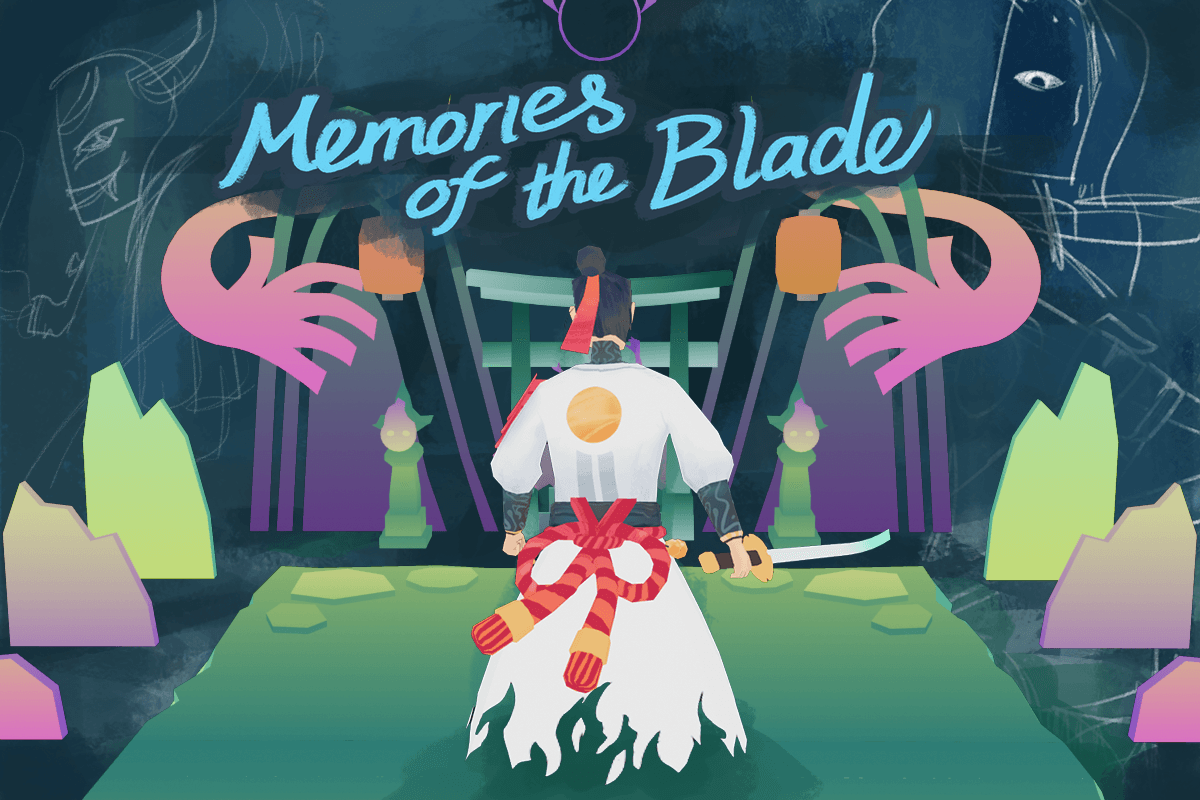
Memories of the Blade is a VR sword-fighting game set in the colorful, pop-up book memories of an old samurai.
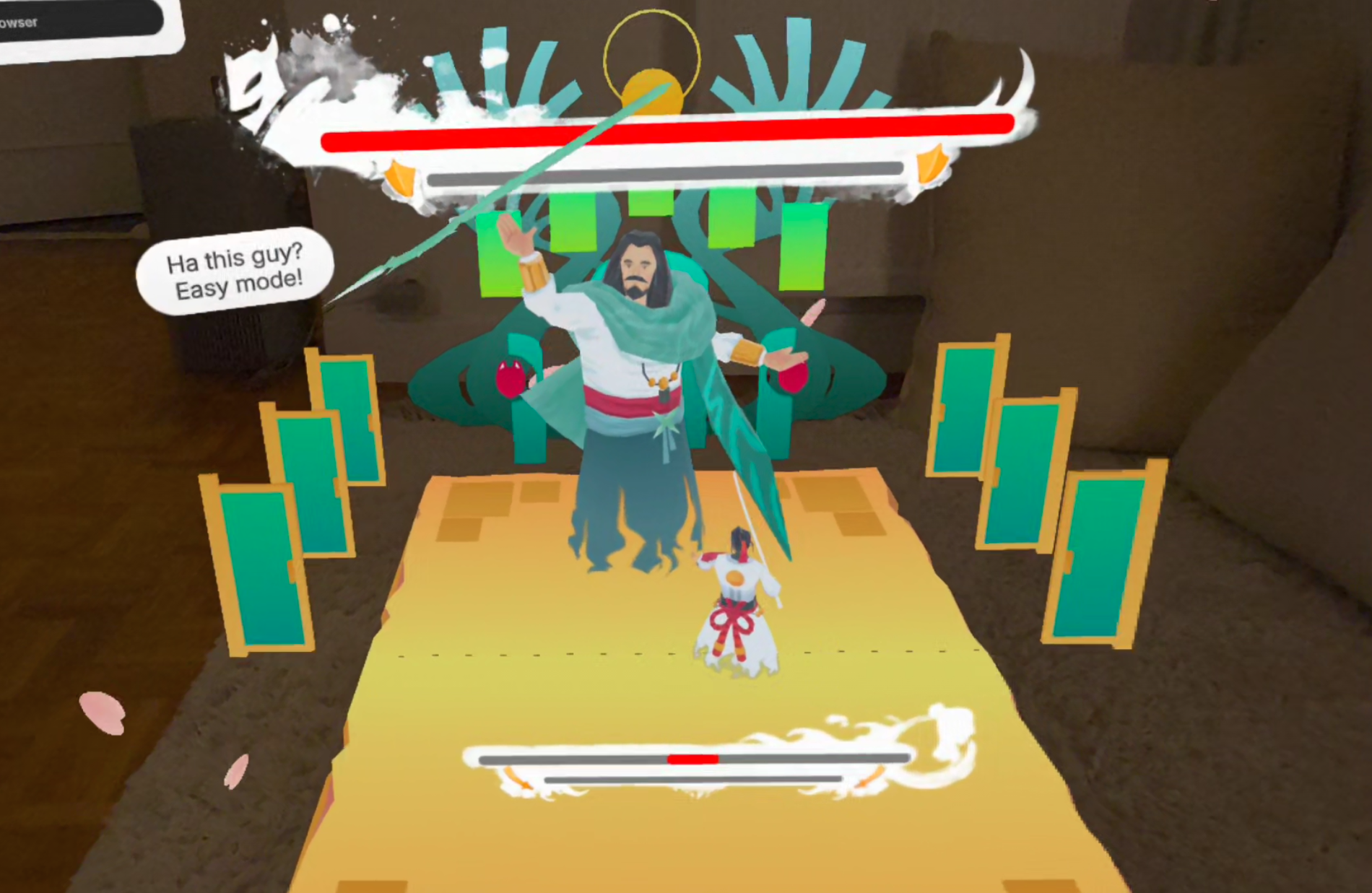
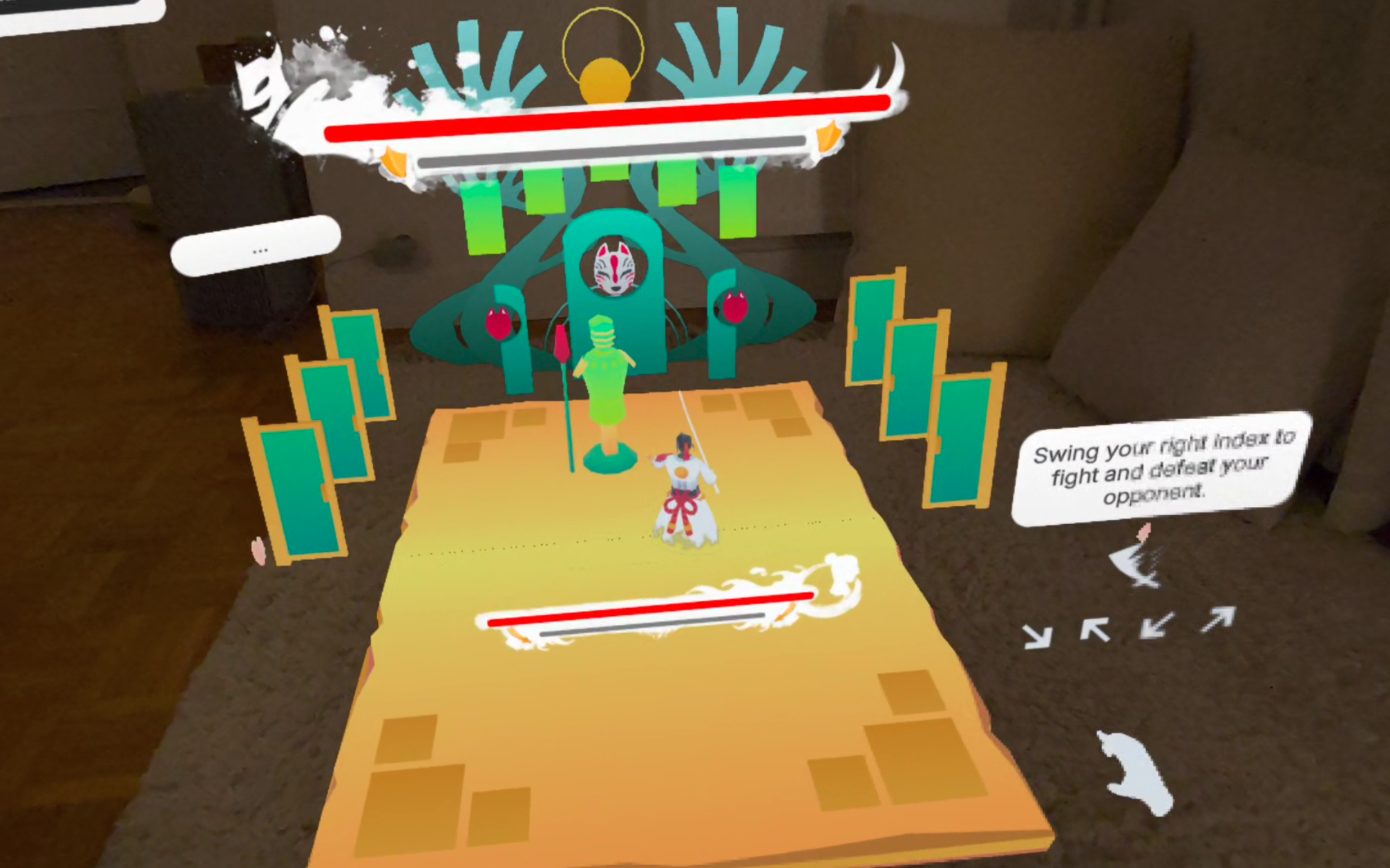
You play as the younger version of the warrior. Simply flick your index finger in one of four directions to swing your sword.
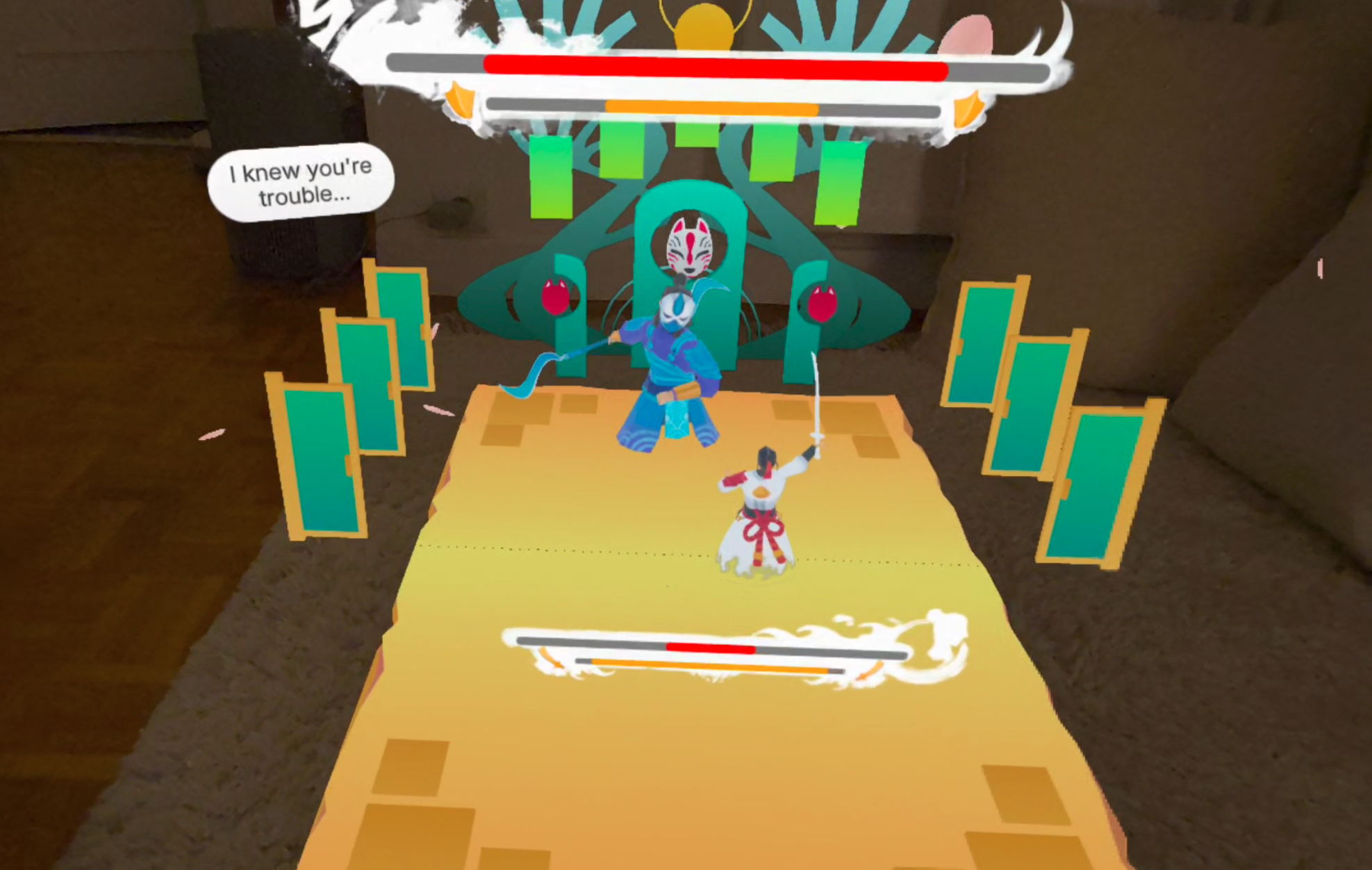
But don't get carried away! Spamming attacks leaves you vulnerable. Watch your opponent, read their movements, and slash in the opposite direction to parry. Land enough parries, and you'll get your chance to strike back.
Between battles, visit the shop to choose from randomized upgrades, experiment with different builds, and prepare for the final boss.
Easy to control, but challenging to master.
How We Built It
We built the game for Meta Quest using Meta's Immersive Web SDK (IWSDK), with Blender for the 3D art and animations.
Our work included:
- A finger-flick combat system with directional attacks and parries.
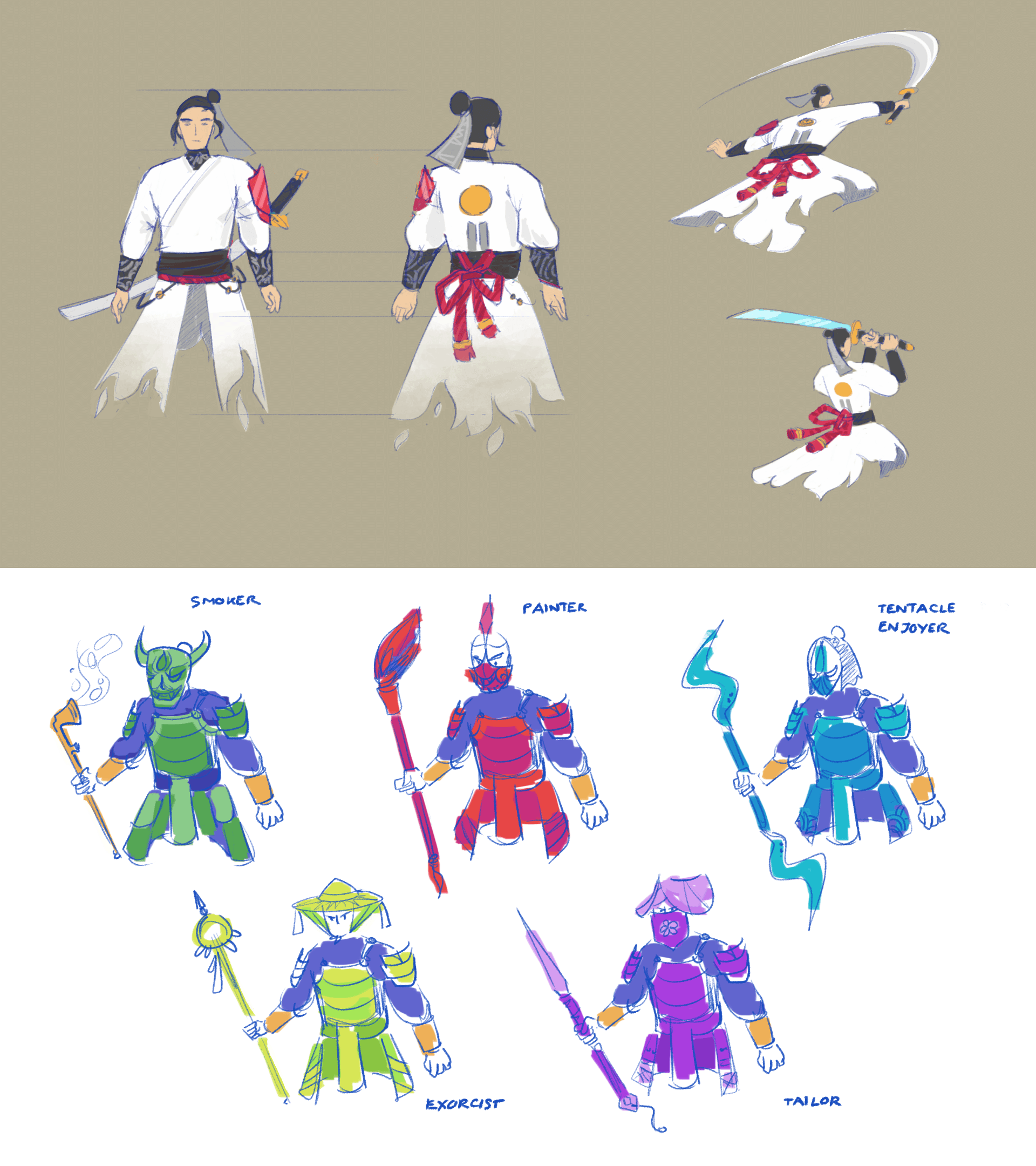
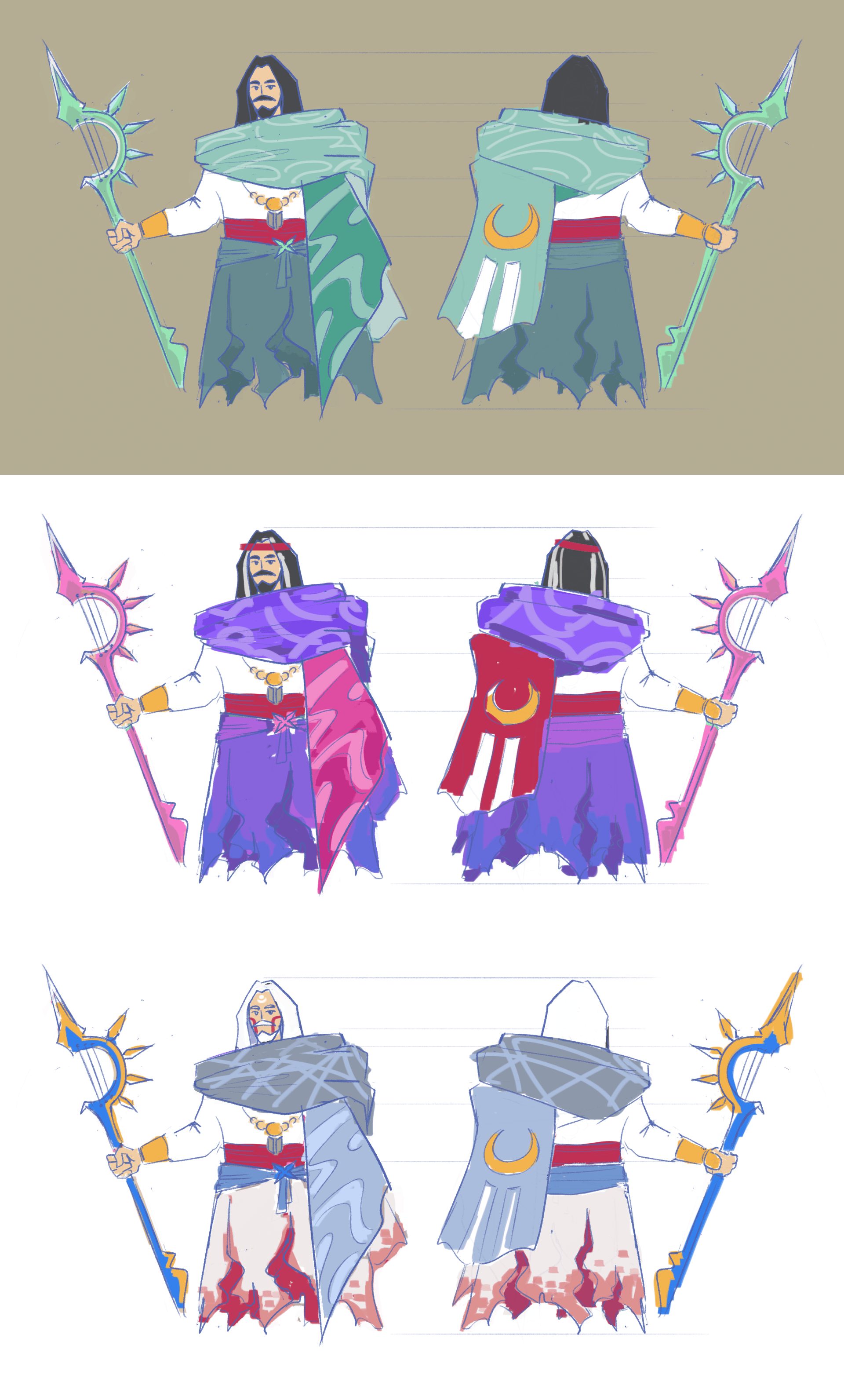
- Animated enemies, minibosses, and bosses with different attack patterns.
- A randomized upgrade shop to encourage different playstyles.
- A colorful, stylized world inspired by illustrated pop-up books.
We also created reusable components to make integrating art and visual effects into IWSDK easier.
Challenges We Faced
Time was definitely our biggest challenge! With such a short production schedule, we had to prioritize what mattered most and make quick decisions.
IWSDK was also quite a learning curve, especially from an artist's perspective. Getting our 3D assets, animations, and VFX working smoothly required a lot of experimentation.
The combat system needed plenty of tweaking, too. Finding the right balance for parry timing, stamina, and miniboss and boss difficulty was tricky. We also spent time working on animation blending to keep the fights smooth and responsive.
Accomplishments We're Proud Of
We're proud that we managed to turn something as simple as flicking a finger into a sword-fighting mechanic.
We also love how the pop-up book visuals, combat, and story came together in such a short time.
Most importantly, we wanted to show that making a game easier to physically interact with doesn't mean making it less challenging or exciting.
What We Learned
We learned a ton about IWSDK and WebXR development throughout this project!
Although IWSDK isn't always the most artist-friendly tool, we discovered some of its strengths and gained valuable experience building custom systems and integrating our creative work into an immersive web experience.
We also learned how much small adjustments to timing, animations, and feedback can change the feeling of combat.
What's Next
We'd love to keep improving the combat, adding more enemies, upgrades, and memories to explore.
One of our biggest goals is to introduce multiplayer, allowing players to challenge their friends in samurai duels or fight alongside each other. We think the finger-based combat system could make for some really fun interactions between players!
At its heart, Memories of the Blade is a little tribute to the people we love, the memories we carry, and the idea that everyone deserves a chance to feel like a warrior.


