-
-
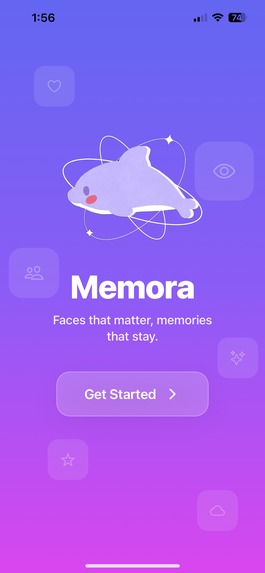
Launching Page
-
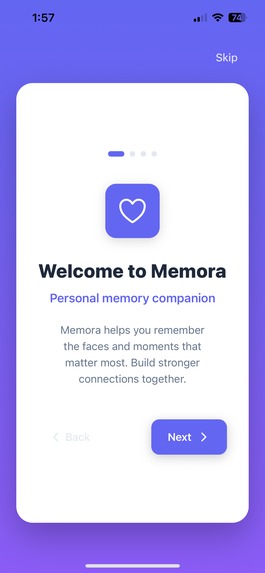
Policy Page: About
-
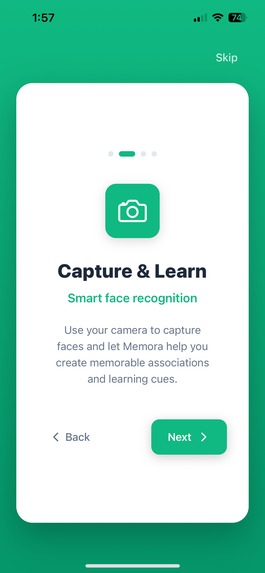
Policy Page: Scanning
-
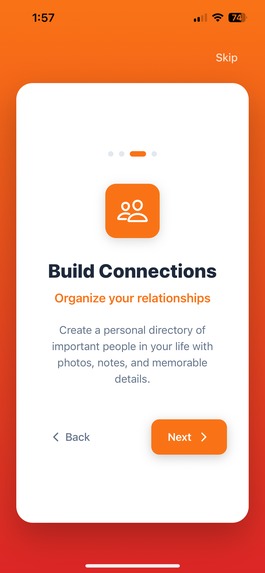
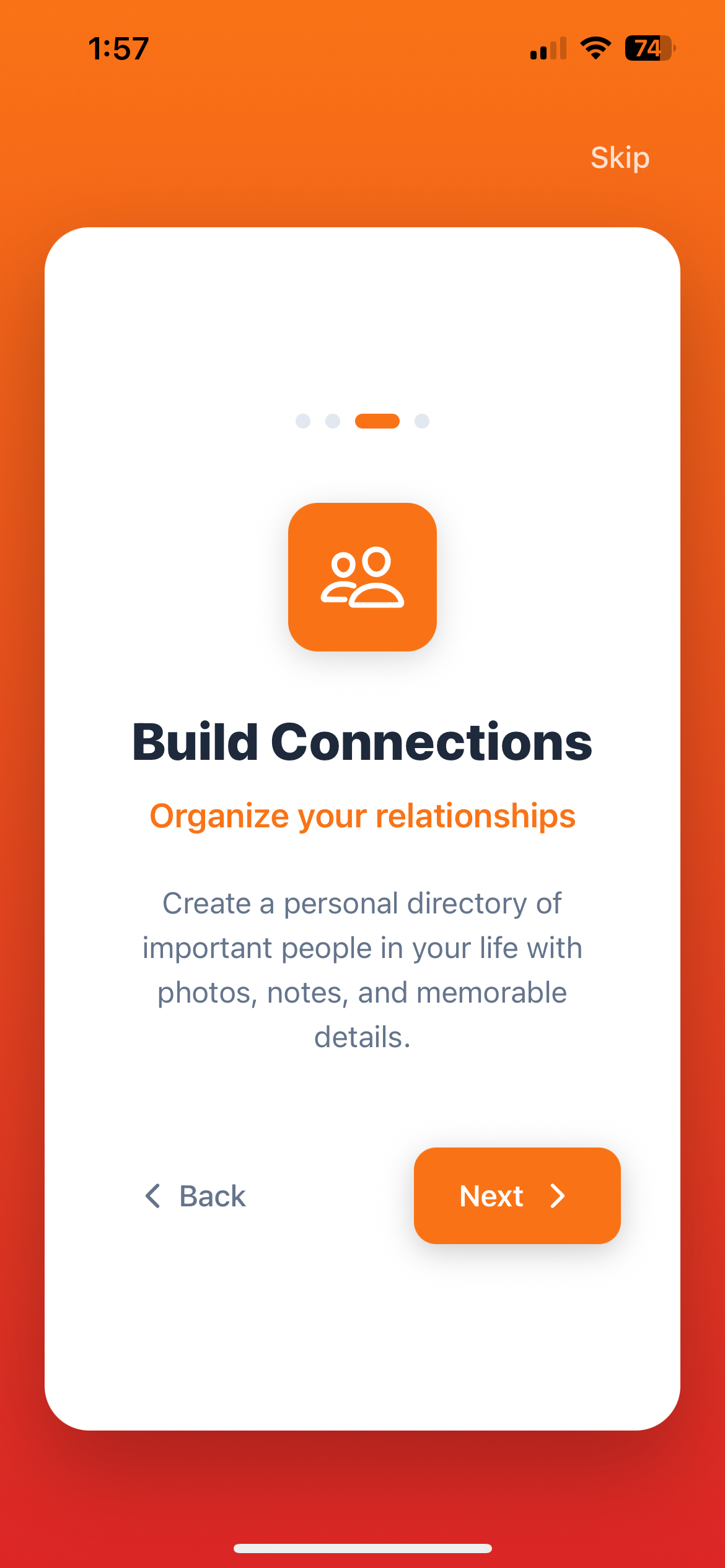
Policy Page: Connections
-
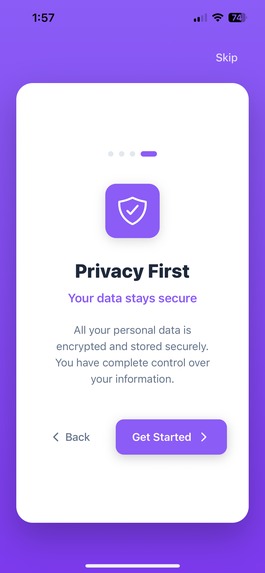
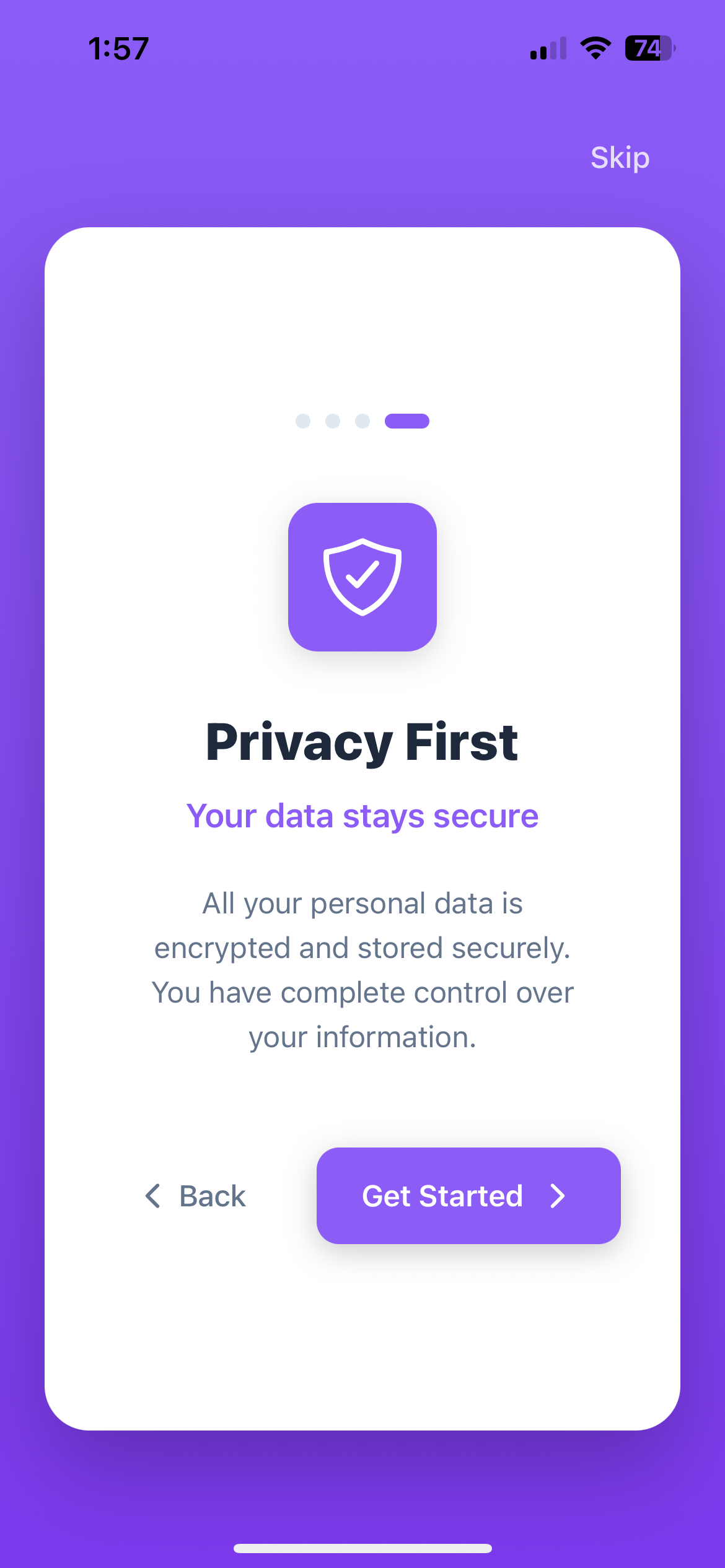
Policy Page: Secure
-

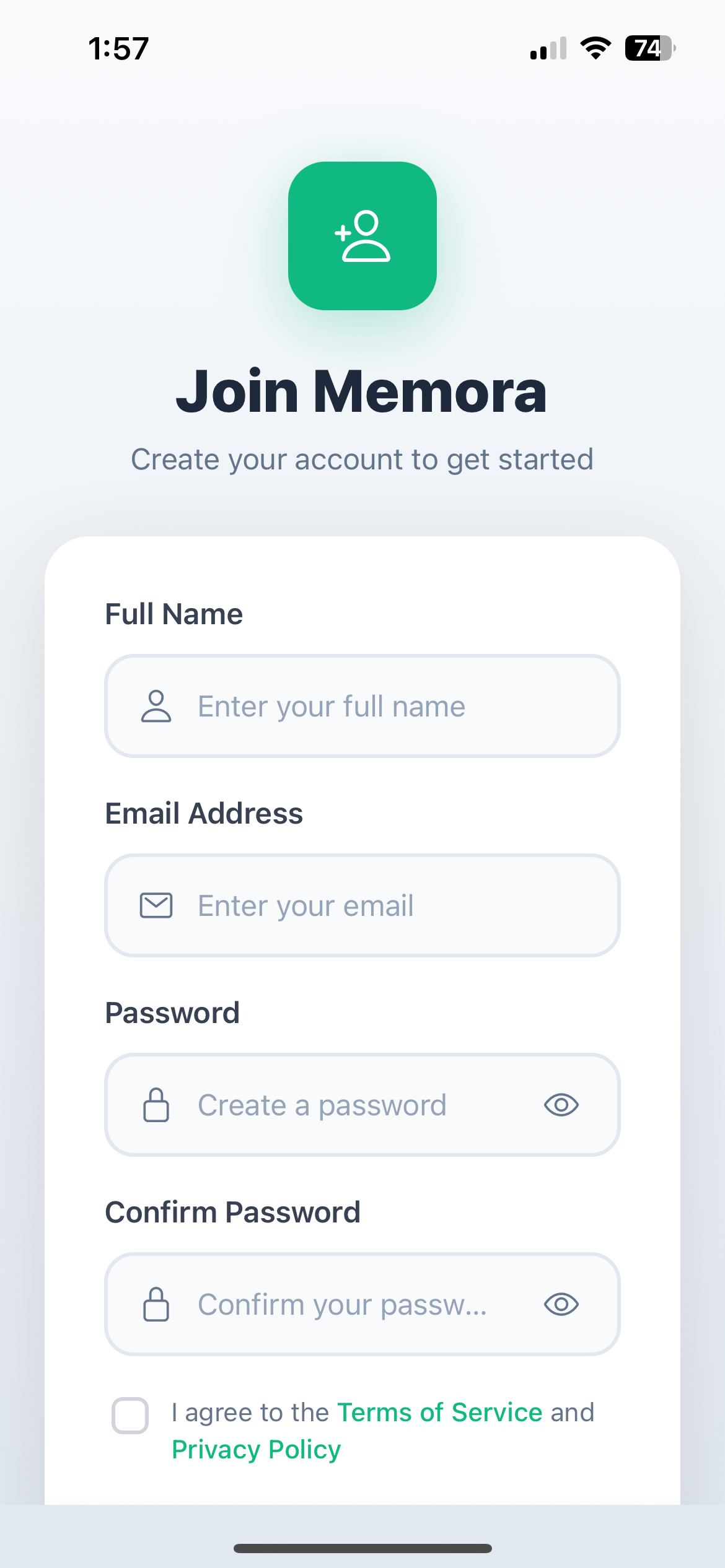
Signup Page
-
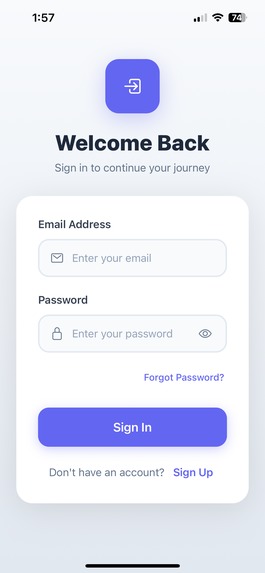
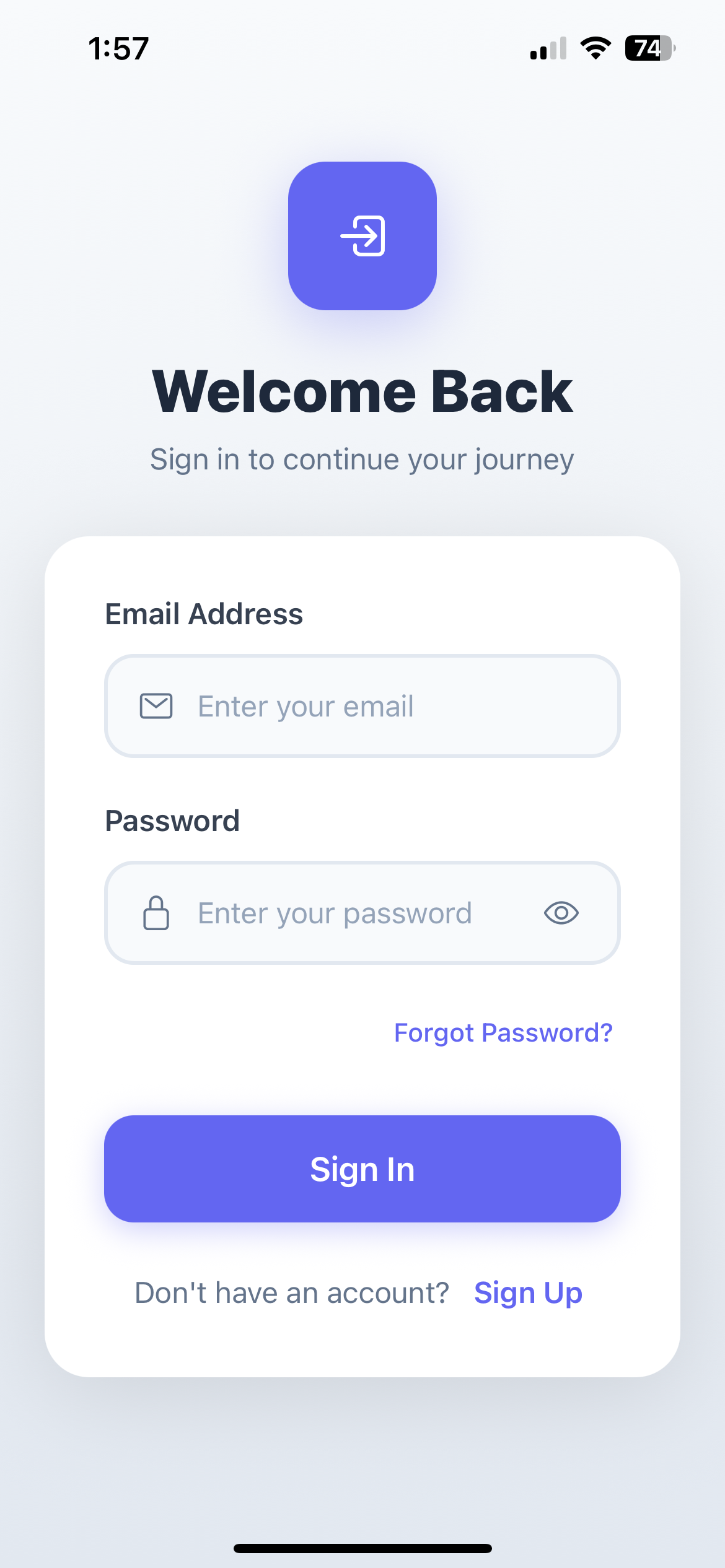
Signin Page
-
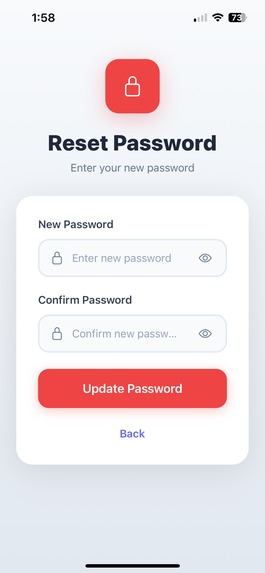
Reset Password Page
-
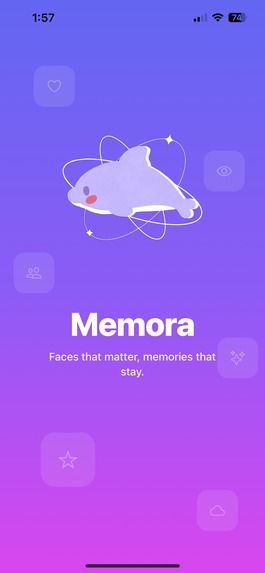
Title Page
-
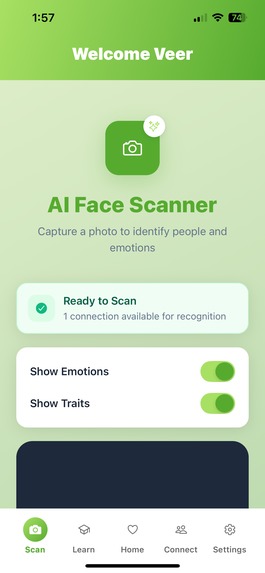
Scan
-
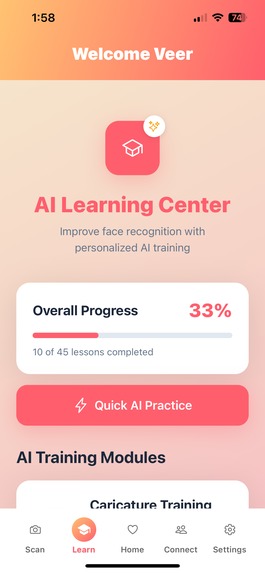
Learn
-
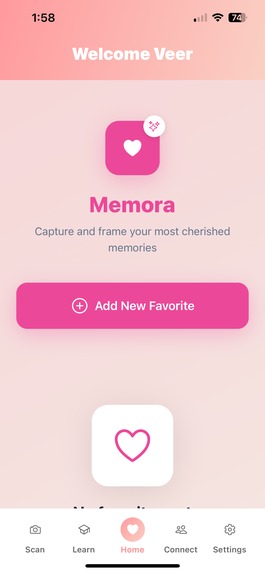
Home
-
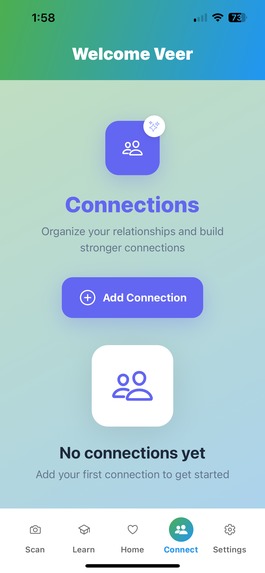
Contacts
-
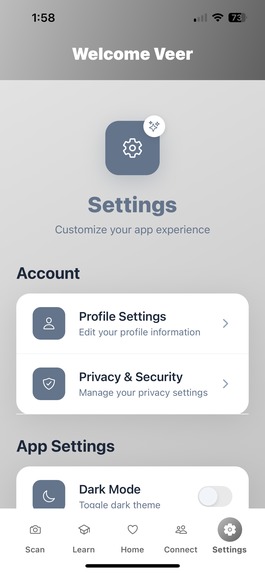
Settings
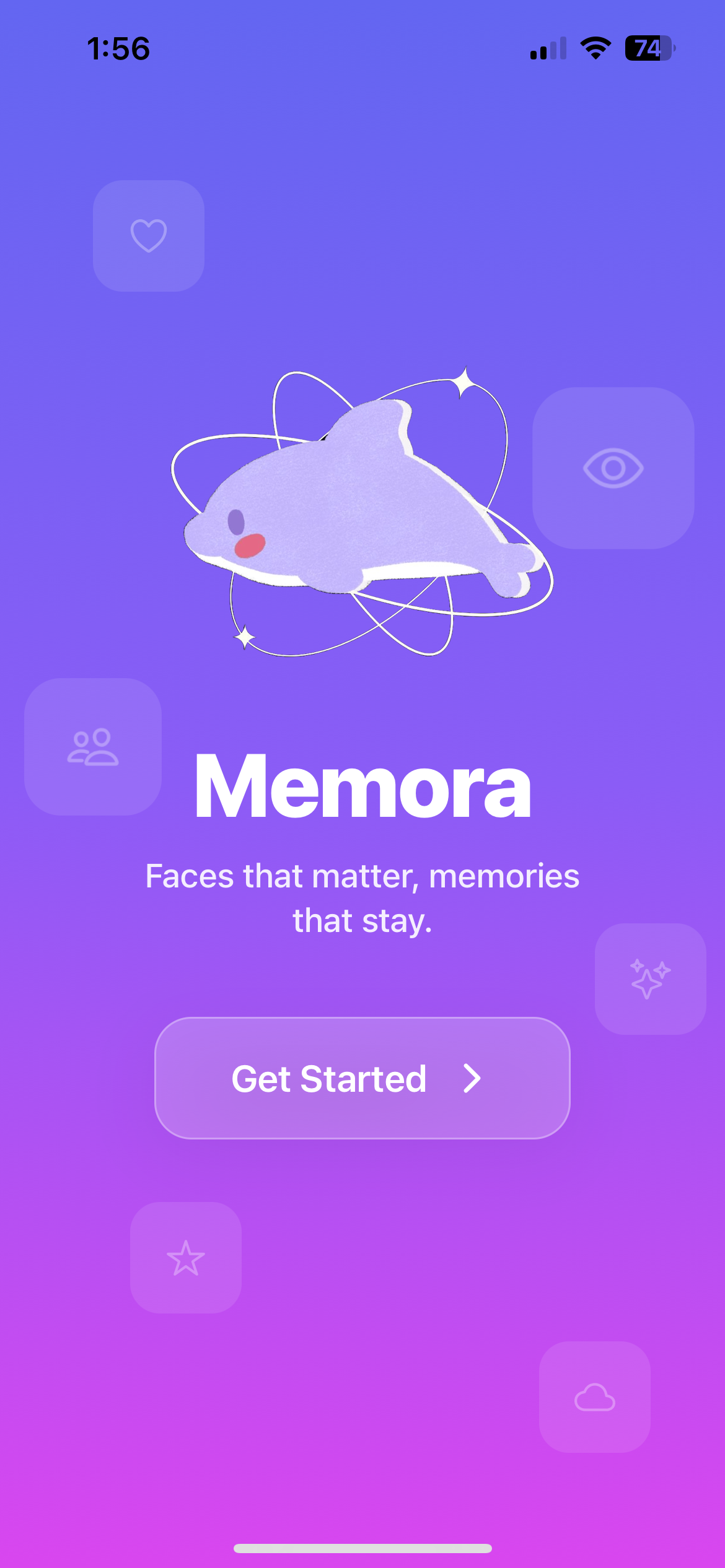
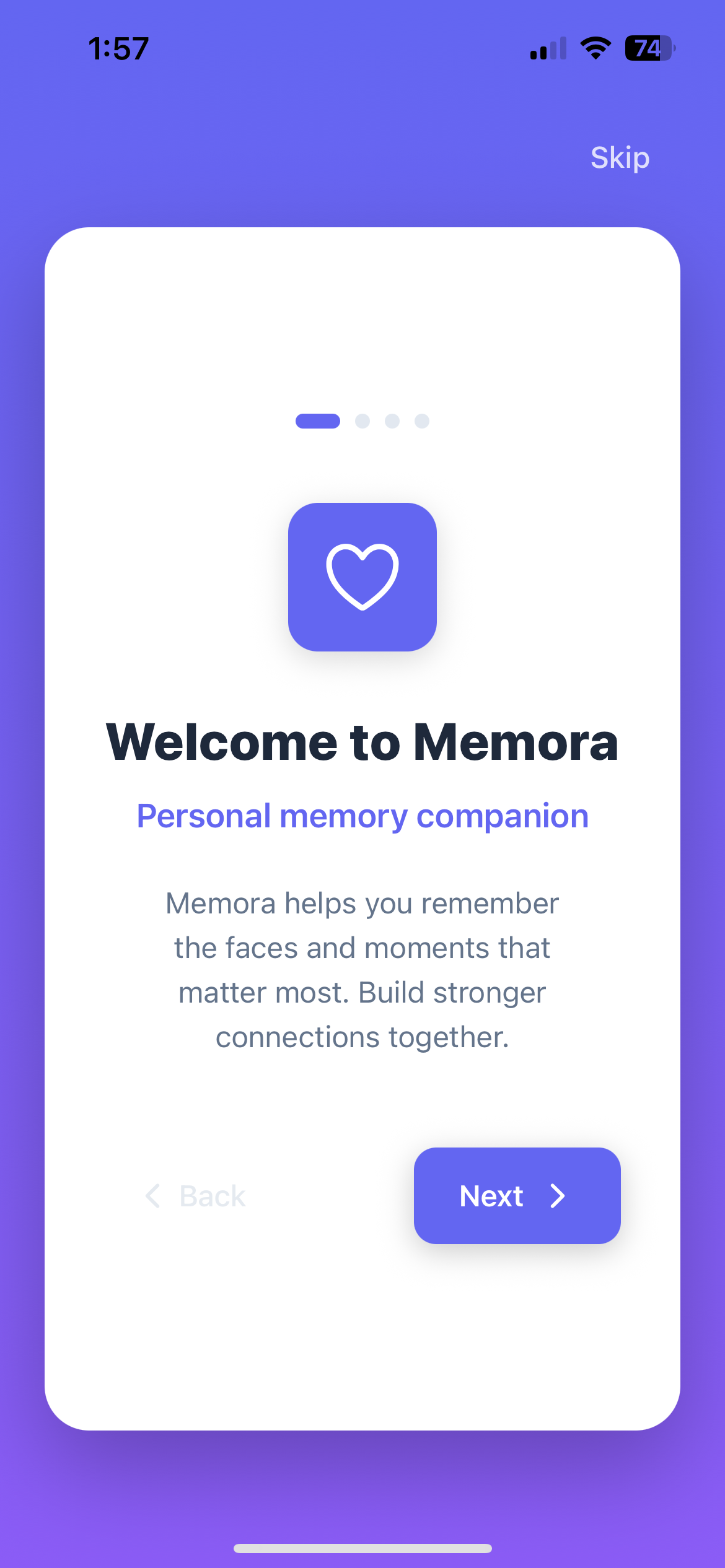
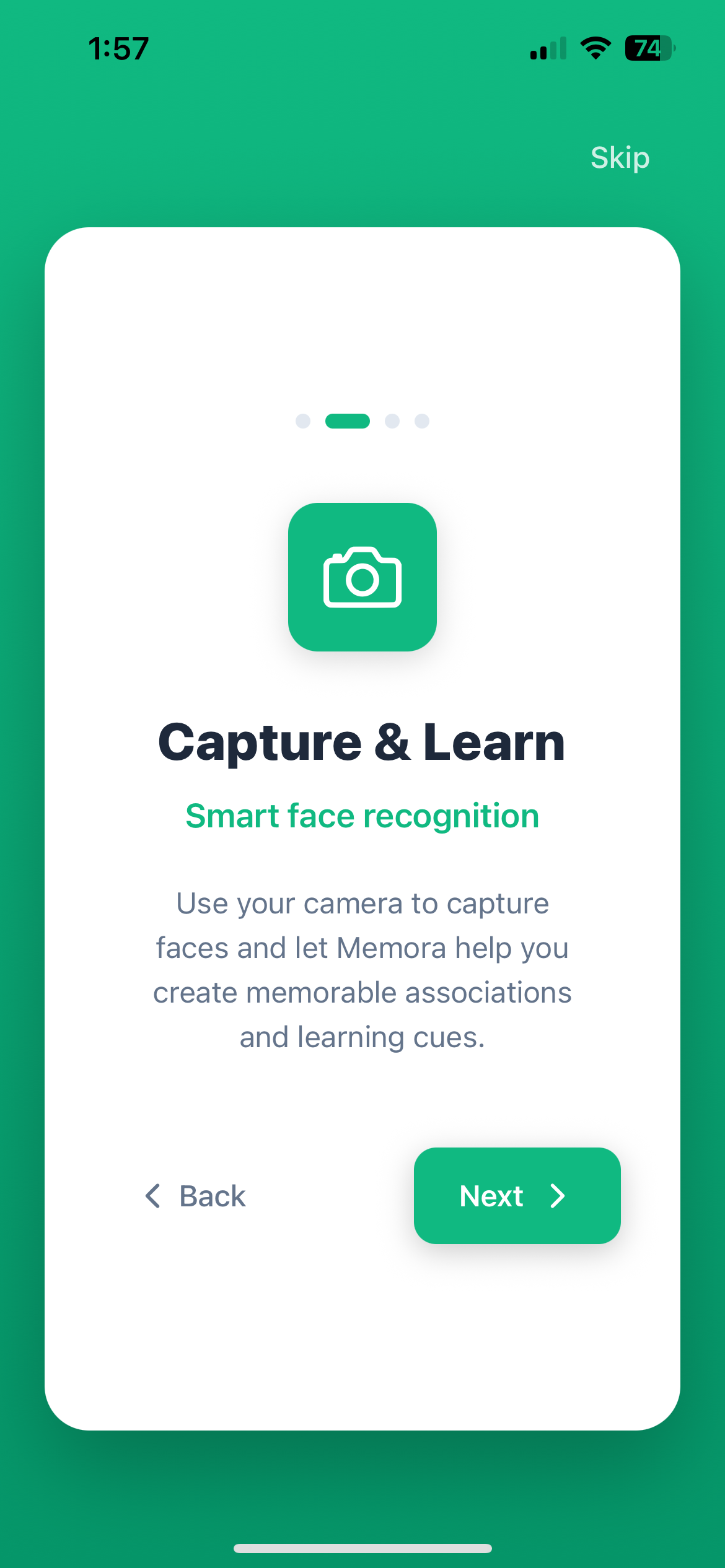
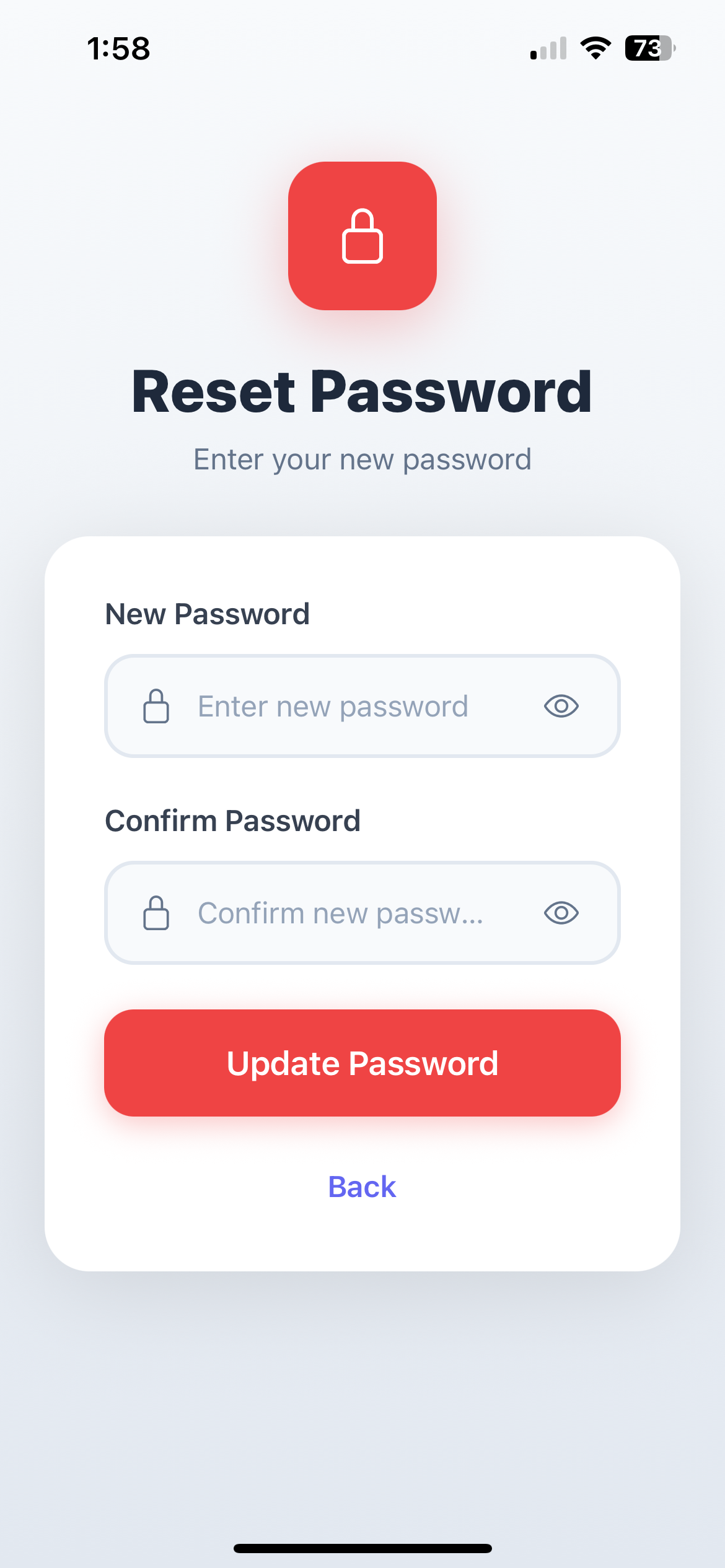
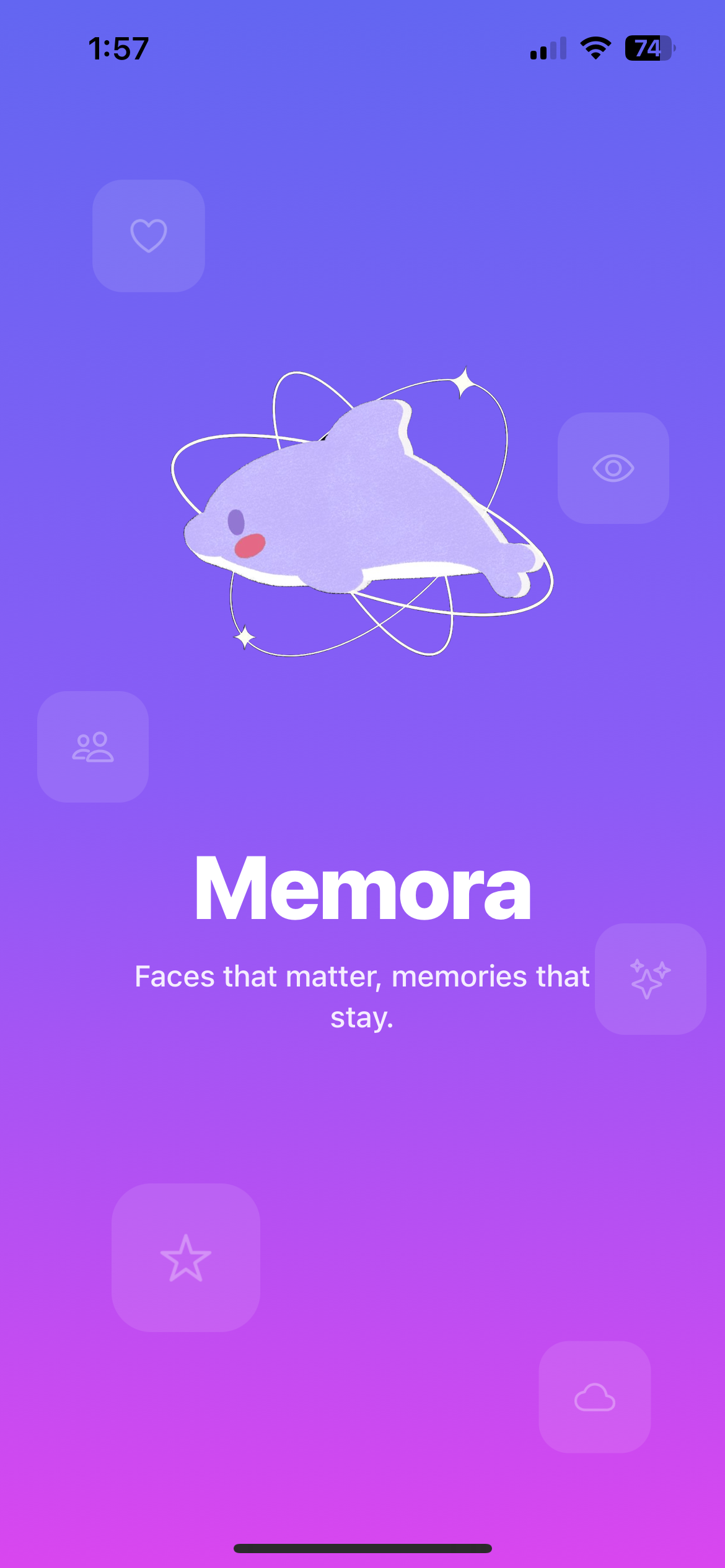
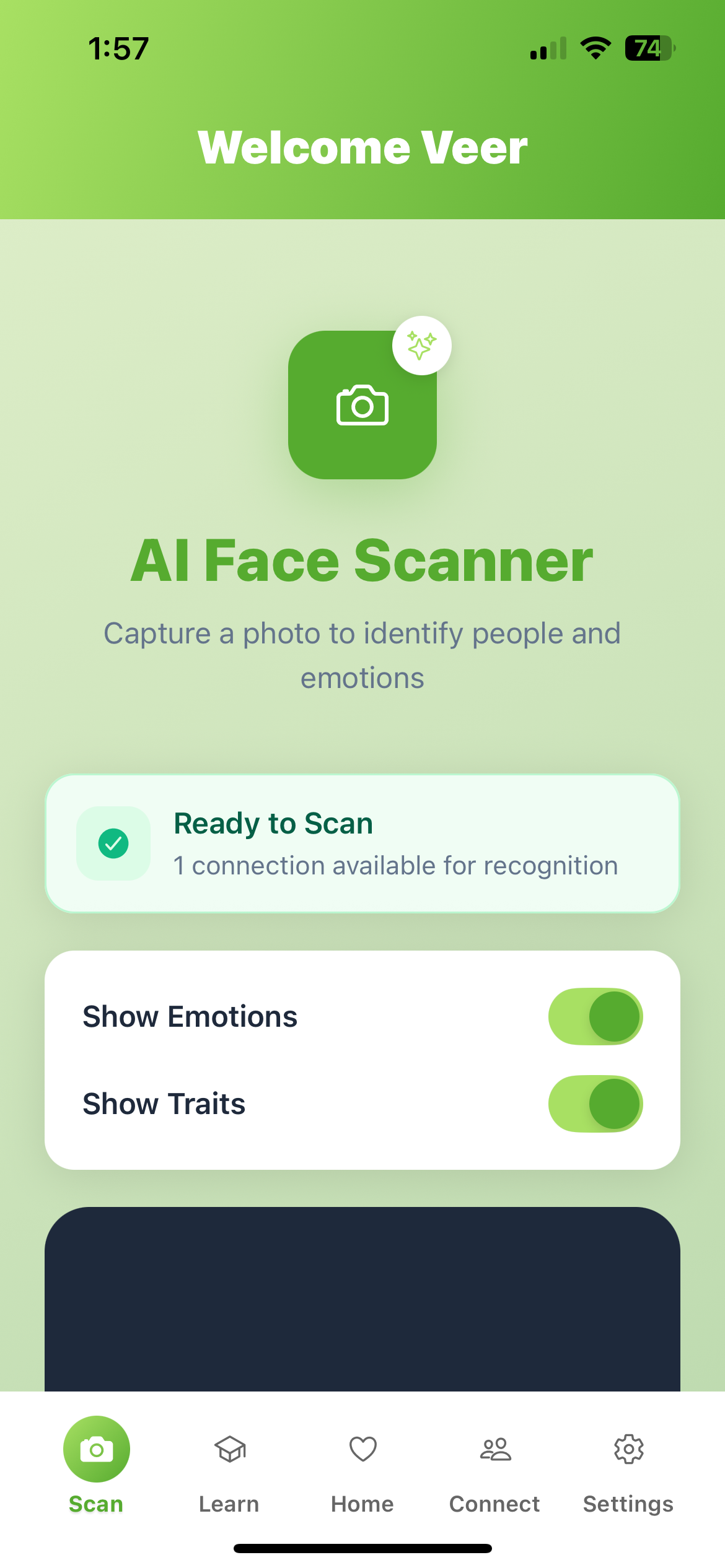
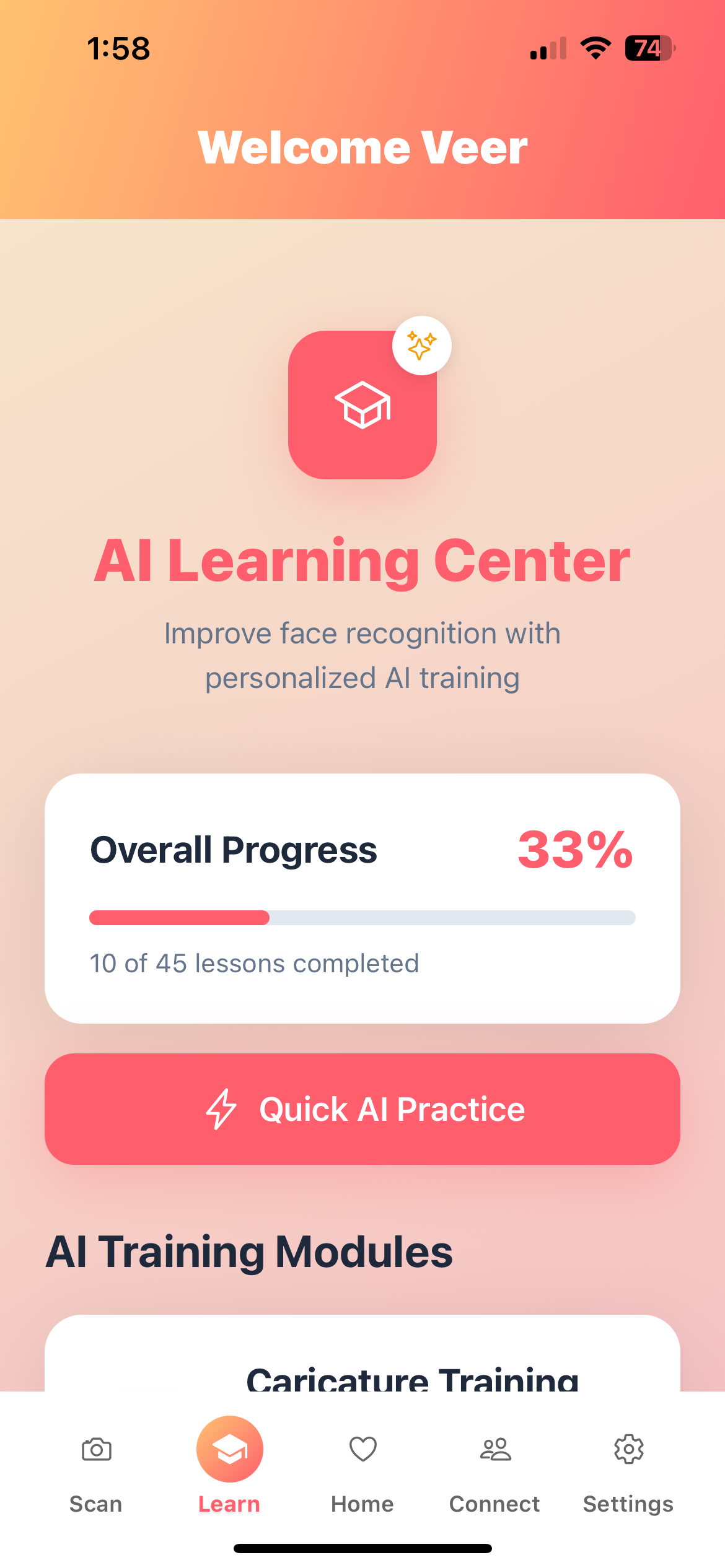
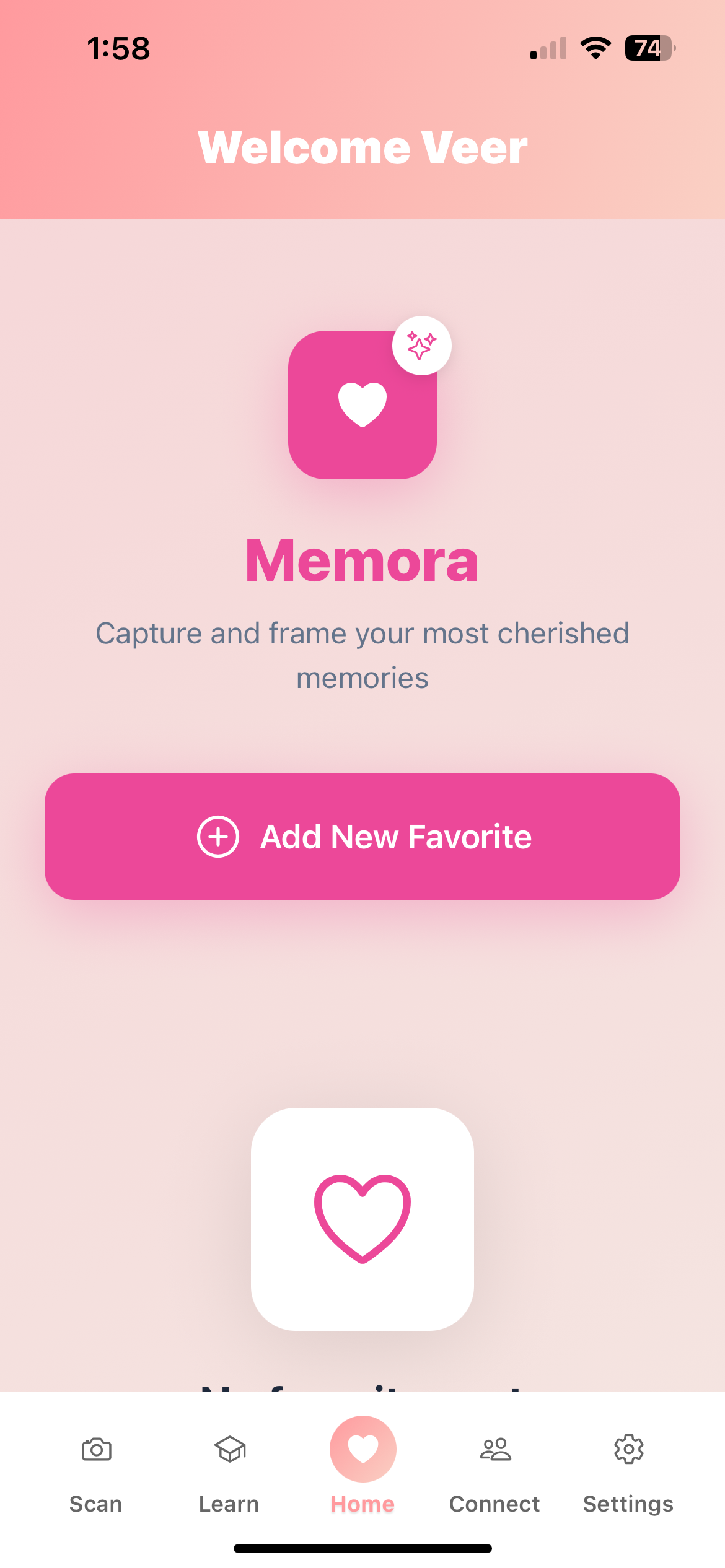
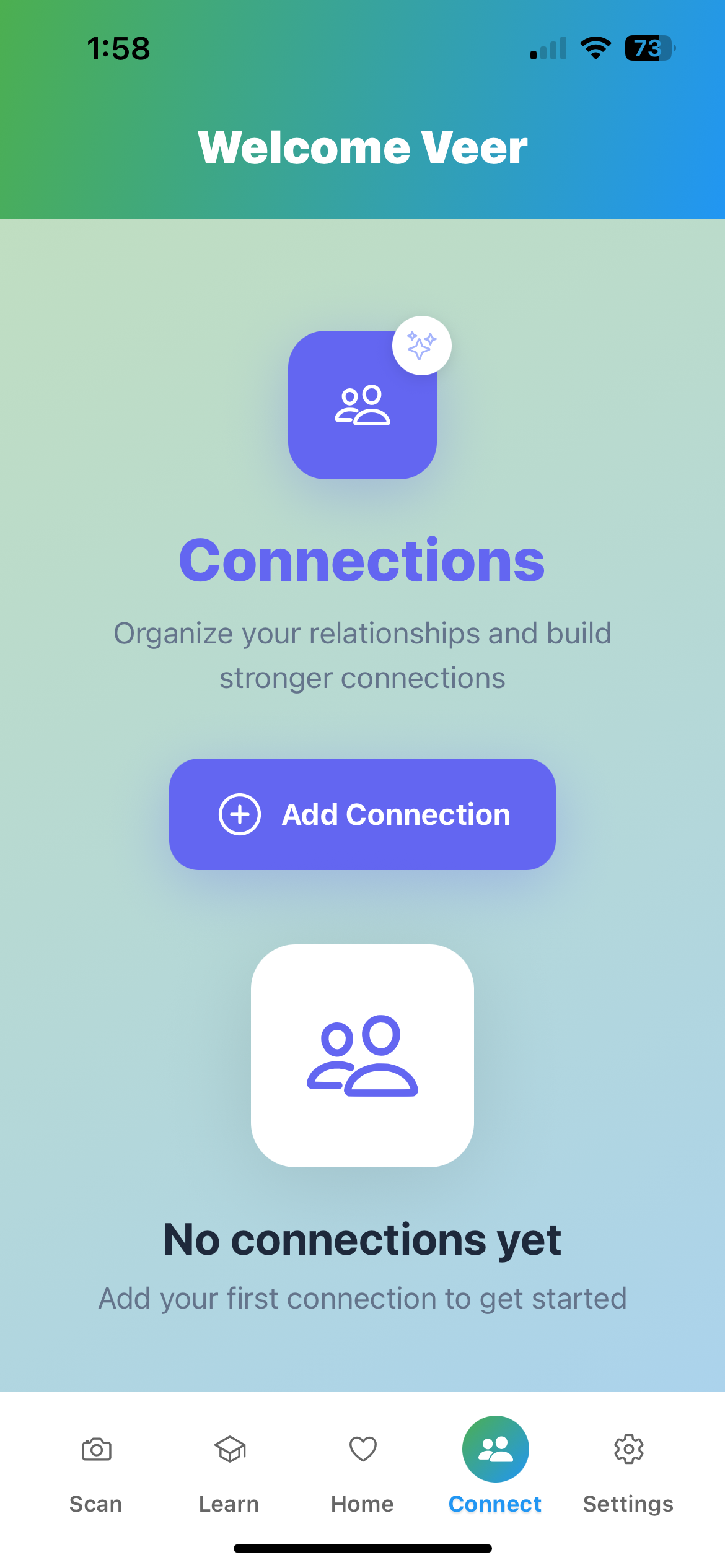
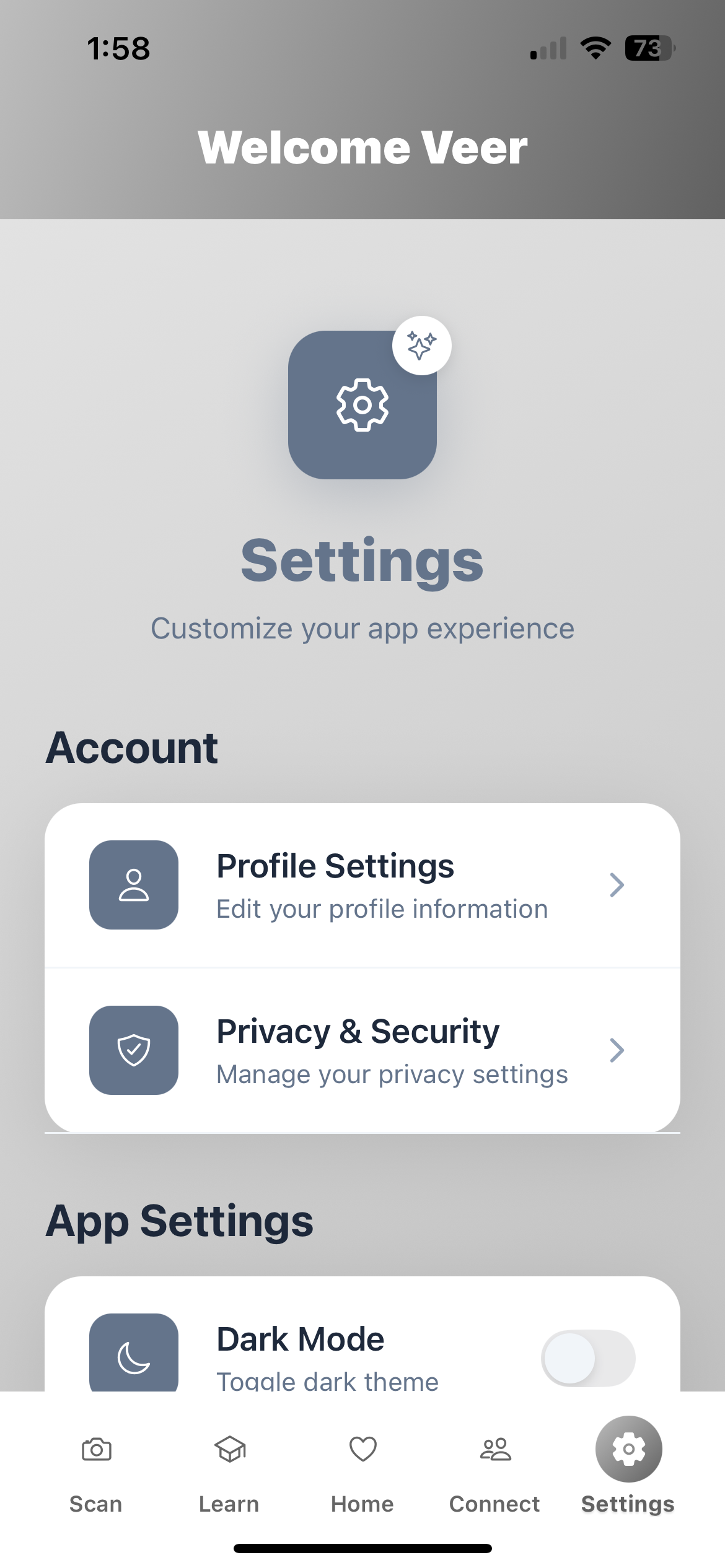
Memora: Faces that matter, memories that stay.
Inspiration
The inspiration behind Memora stems from a profound realization: despite affecting a significant portion of the population—estimated to be over 3%—face blindness, or prosopagnosia, remains a condition with surprisingly limited dedicated applications and research.
Individuals living with prosopagnosia often struggle silently, facing daily challenges in recognizing even close friends and family, leading to social anxiety and isolation. The ability to connect with others, to remember a familiar face and engage meaningfully, is fundamental to the human experience.
Losing this ability—or never fully developing it—can be a tremendous loss in enjoying life and forging deep connections. Memora was born from the desire to bridge this gap, offering a unique and much-needed solution to help those who are still struggling, allowing them to reclaim the joy of recognizing faces and building lasting memories.
What It Does
Memora is a comprehensive mobile application designed to assist individuals with prosopagnosia in various aspects of face recognition and social interaction. Its core functionalities include:
Real-time Face Scanning and Feature Highlighting: Users can scan faces with their camera. Memora’s AI overlays highlights to emphasize key facial features, aiding identification—even when masks are worn.
Structured Learning Modules: Inspired by Duolingo, Memora provides a roadmap of learning tasks including associations via voice, context, and visual traits. These include interactive games, quizzes, and flashcards.
Personalized Contact Database: Users can upload photos and assign names, features, and notes. This allows easy access to familiar faces with add/edit/remove capabilities.
Favorite Pictures Section: A gallery for important photos to provide emotional grounding and familiarity.
Intuitive User Experience: Memora includes a guided onboarding process, fast access to key features, and simple navigation.
How We Built It
We used a modern, full-stack tech stack to deliver Memora:
Frontend: Built using
ExpoandReact Nativefor a cross-platform mobile experience.Node.jswas used for development scripting.Backend: Written in
PythonusingFastAPI, deployed viaRailway.AI/ML:
TensorFlowpowers the facial recognition. We integratedGeminifor expression and emotion analysis.Database:
Supabaseprovides a PostgreSQL database with real-time capabilities and authentication.
Challenges We Ran Into
Expo Limitations: Integrating certain native functionalities with AI models required workarounds and performance optimizations.
Facial Recognition Model: Training and fine-tuning an AI that could detect subtle differences and perform real-time recognition was non-trivial.
Facial Landmarks: Highlighting facial features demanded precise computer vision logic and reliable model outputs.
Accomplishments We're Proud Of
Serving an Underserved Community: Addressing prosopagnosia directly with a dedicated, accessible tool.
Real-time AI Recognition: Integrating robust AI into a mobile context successfully.
Gamified Learning Modules: Making face recognition skill-building interactive and enjoyable.
Full-stack Integration: Building a seamless product across React Native, FastAPI, Supabase, and AI tools in a short timeframe.
What We Learned
User-Centric Accessibility Design: Empathy-driven design shaped our UI and features.
AI for Real-world Impact: Hands-on experience with TensorFlow and Gemini improved our machine learning skills.
Cross-platform Mobile Dev: Navigating Expo’s strengths and limitations taught us how to optimize effectively.
Tech Stack Selection Matters: Choosing FastAPI, Supabase, and Railway helped us build fast without compromising functionality.
Agile, Iterative Problem Solving: Challenges in AI and mobile integration taught us resilience and rapid iteration.
What's Next for Memora
Advanced Learning Modules: More real-world environments, lighting conditions, and expressions.
Wearable Integration: Compatibility with smart glasses for live face recognition in social contexts.
Community Features: Opt-in sharing of anonymized insights and progress with support networks.
Detailed Feedback and Analytics: Insights into personal learning patterns and improvements using data analysis.
Voice Association: Link voice recognition with visual identity for multi-sensory support.
Research Partnerships: Collaborate with researchers in neurology and cognitive science to improve features and understanding.
Monetization Strategy: Offer premium tiers to support development while keeping core features free for all users.
Built With
- expo.io
- fastapi
- frontend:-expo
- gemini
- javascript
- node.js
- nodejs-backend:-python
- python
- railway
- react-native
- reactnative
- supabase
- tensorflow
- typescript


Log in or sign up for Devpost to join the conversation.