-
-
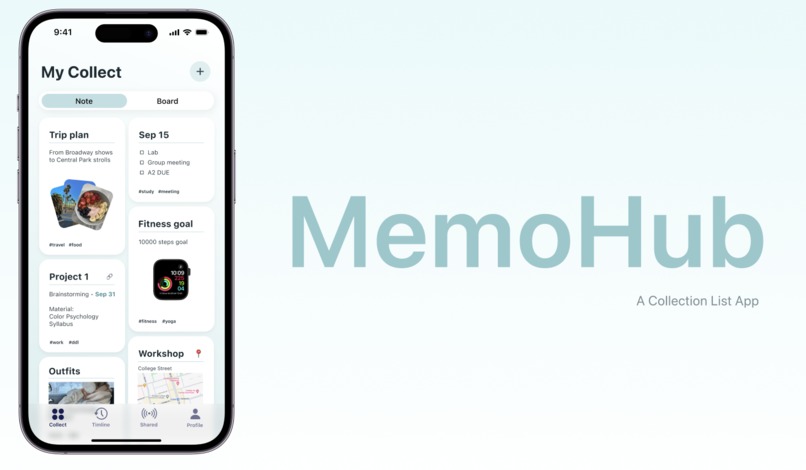
User Interface
-
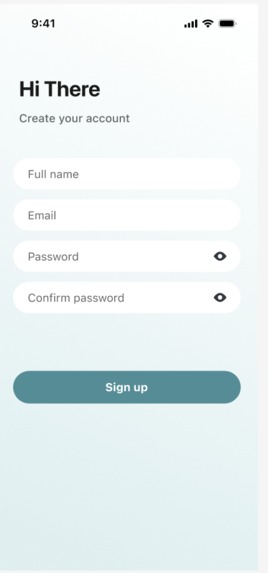
Login Page
-
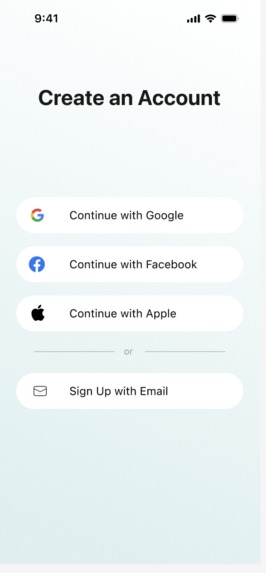
Login Page
-
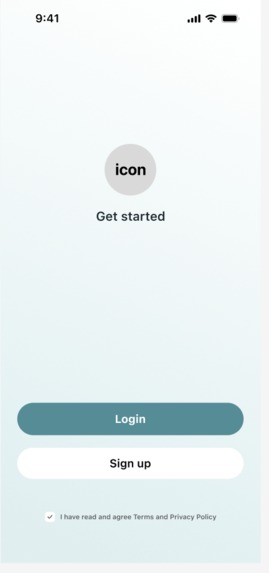
Login Page
-
Login Page
Inspiration
As applications like Instagram, X, Facebook, and TikTok flourish worldwide, we realize that people are becoming increasingly dependent on these digital platforms. Not only do they share their daily moments, but they also post their thoughts, life experiences, and more. Given the sheer volume of digital assets flowing online, we recognize the need for a way to keep track of one's internet memories. For example, users might want to save screenshots of someone's trip plans posted online for future reference.
What it does
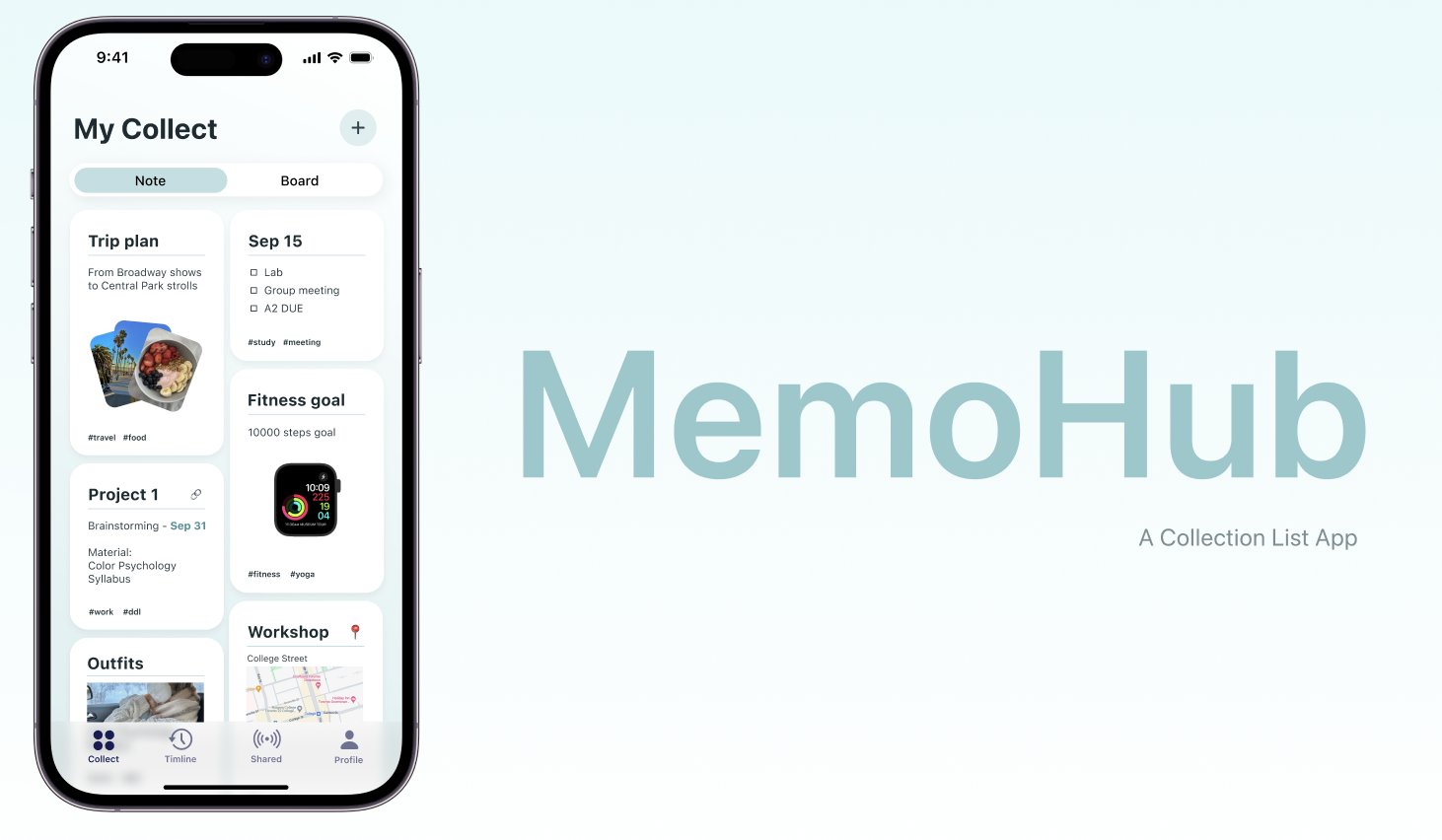
MemoHub allows users to save and organize their digital memories from various social media platforms. Users can take screenshots or save content they find interesting or valuable, and store these memories in the app. They can categorize, tag, and easily retrieve these memories whenever needed. Furthermore, MemoHub enables users to share their saved internet memories with friends, fostering a more connected and collaborative digital experience.
How we built it
We built MemoHub using Swift for the app development, with Firebase serving as the backup database to store user data securely. For UI/UX design, we used Figma to create an intuitive and user-friendly interface.
Challenges we ran into
One of the primary challenges we faced was understanding and catering to the diverse preferences of our users. Since people's needs and ways of interacting with digital memories vary widely, we had to ensure that MemoHub is flexible and user-friendly.
Accomplishments that we're proud of
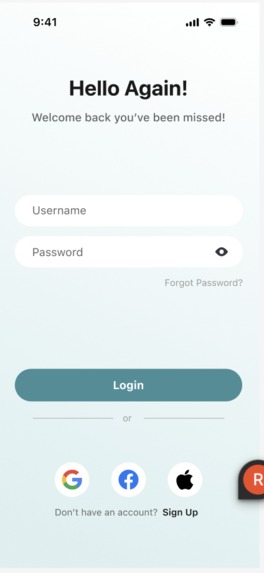
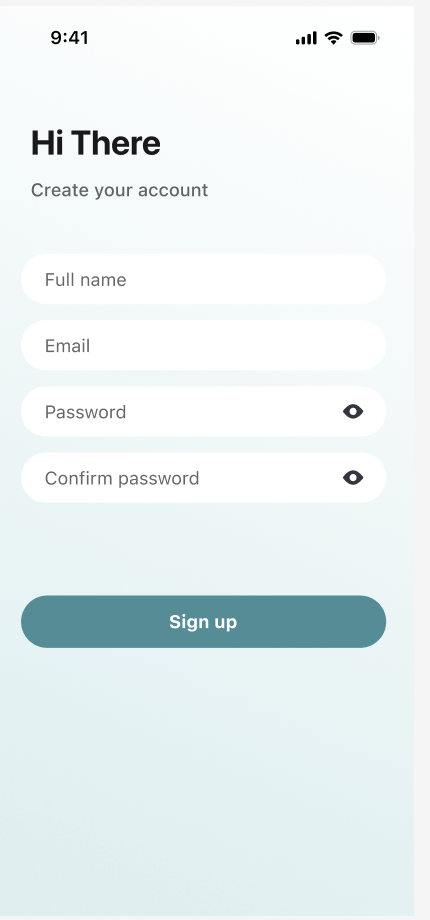
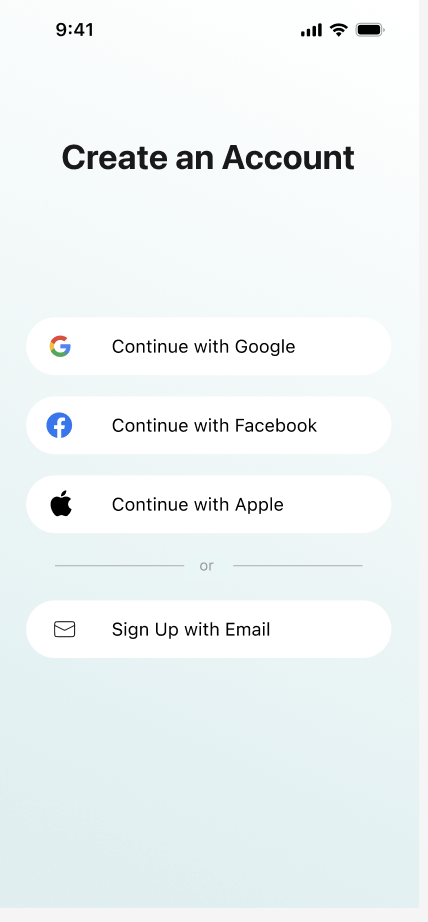
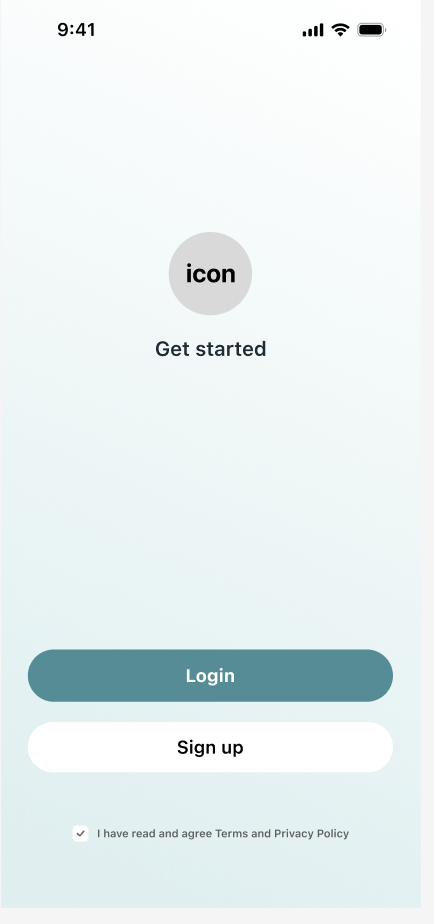
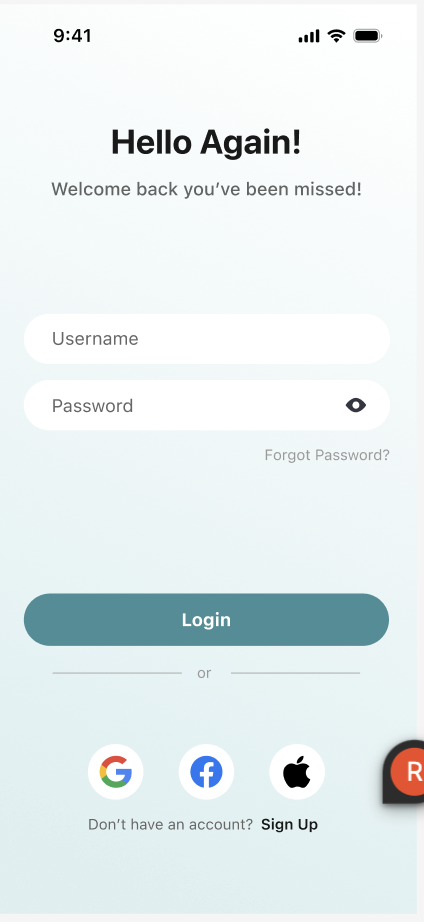
We are proud of successfully developing the initial version of MemoHub with core functionalities such as user authentication (sign-up and login) and the ability to add and organize internet memories. Completing the design and implementation of the home view page and ensuring seamless integration with Firebase are significant milestones for us. Moreover, creating a user-friendly and visually appealing interface using Figma is an achievement we are proud of.
What we learned
Throughout the development process, we learned a lot about user-centered design and the importance of understanding user needs and preferences. We also gained valuable experience in integrating third-party services like Firebase into our app and ensuring data security and synchronization. Additionally, working with Swift and Figma enhanced our technical and design skills, respectively.
What's next for MemoHub
The next steps for MemoHub include adding a friend system that allows users to connect and share their internet memories with each other. We also plan to enhance the app's features based on user feedback and continuously improve the user experience. Additionally, we aim to explore more advanced functionalities, such as automated categorization of saved content and personalized recommendations based on user preferences. Addressing the challenges related to understanding customer preferences will be a key focus for us moving forward.

Log in or sign up for Devpost to join the conversation.