-
-
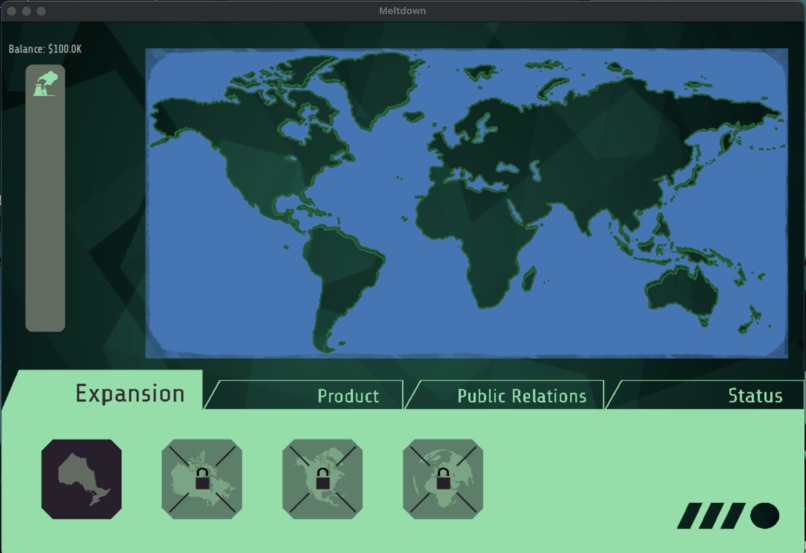
Game itself
-
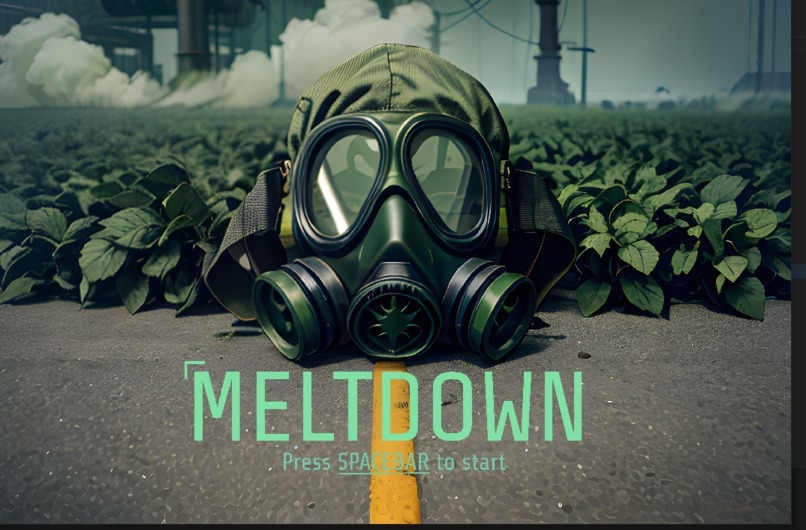
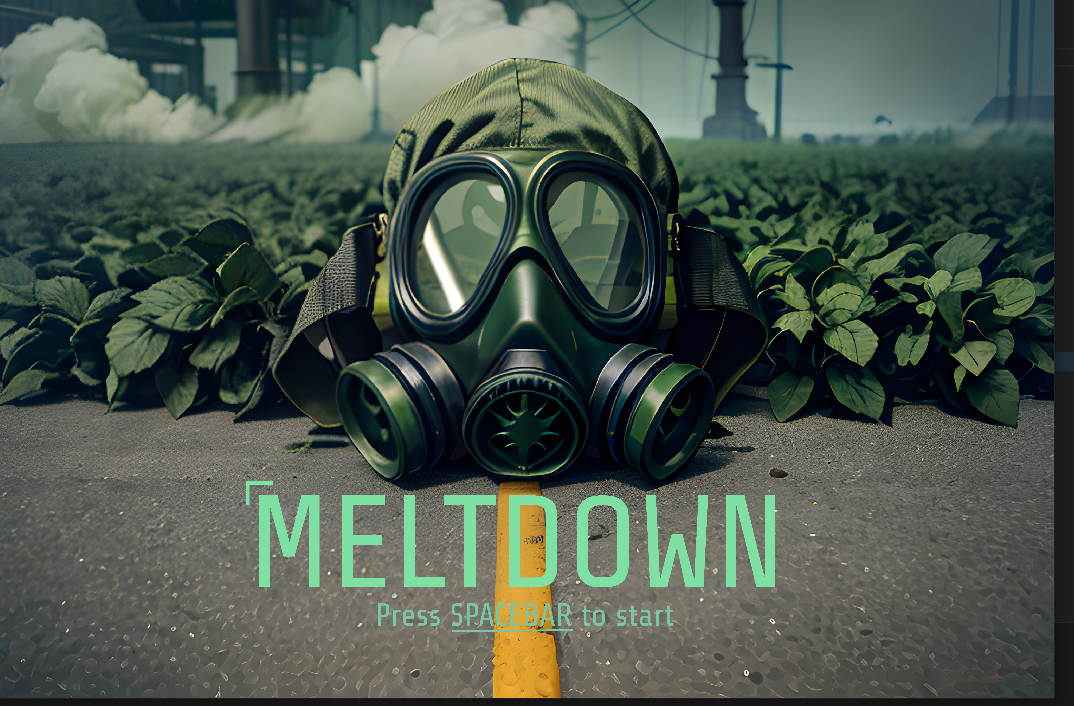
welcome menu
-
our icon
-
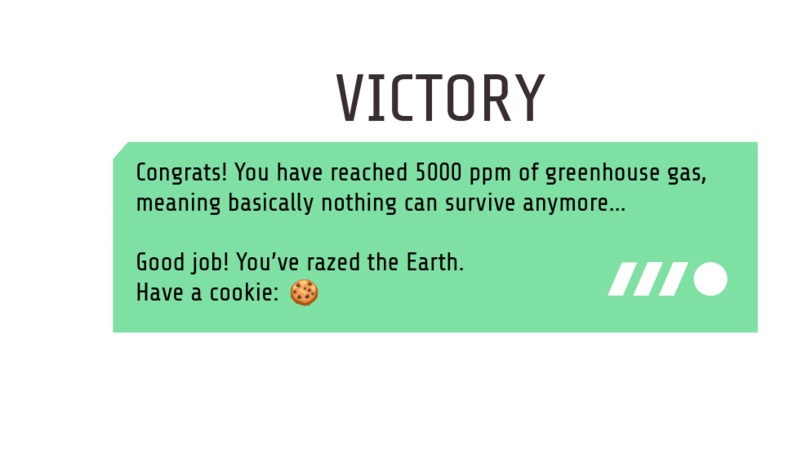
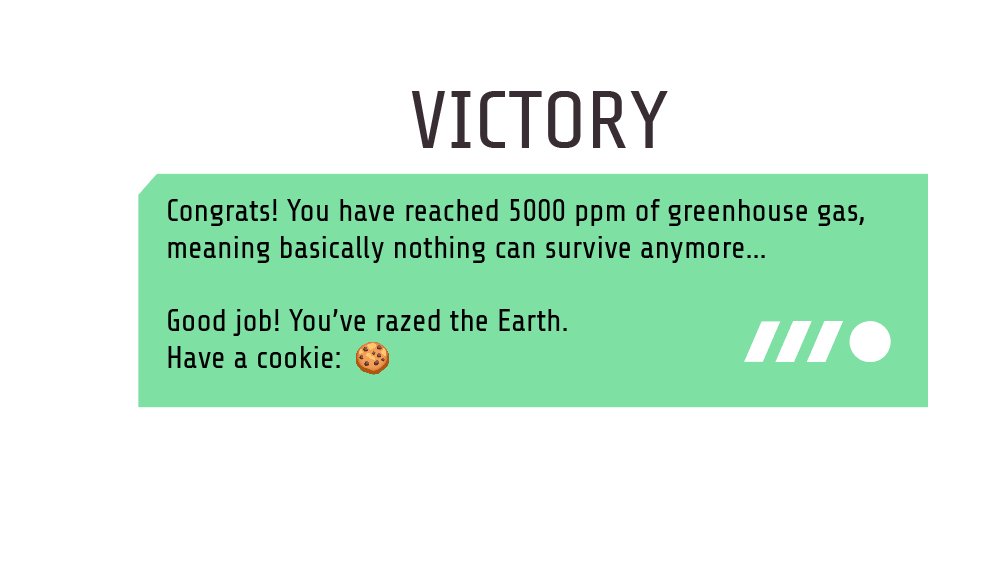
victory screen
-
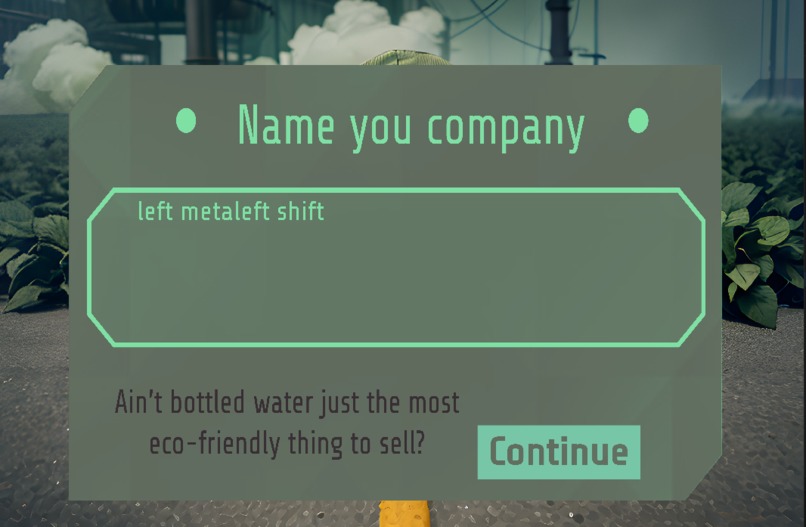
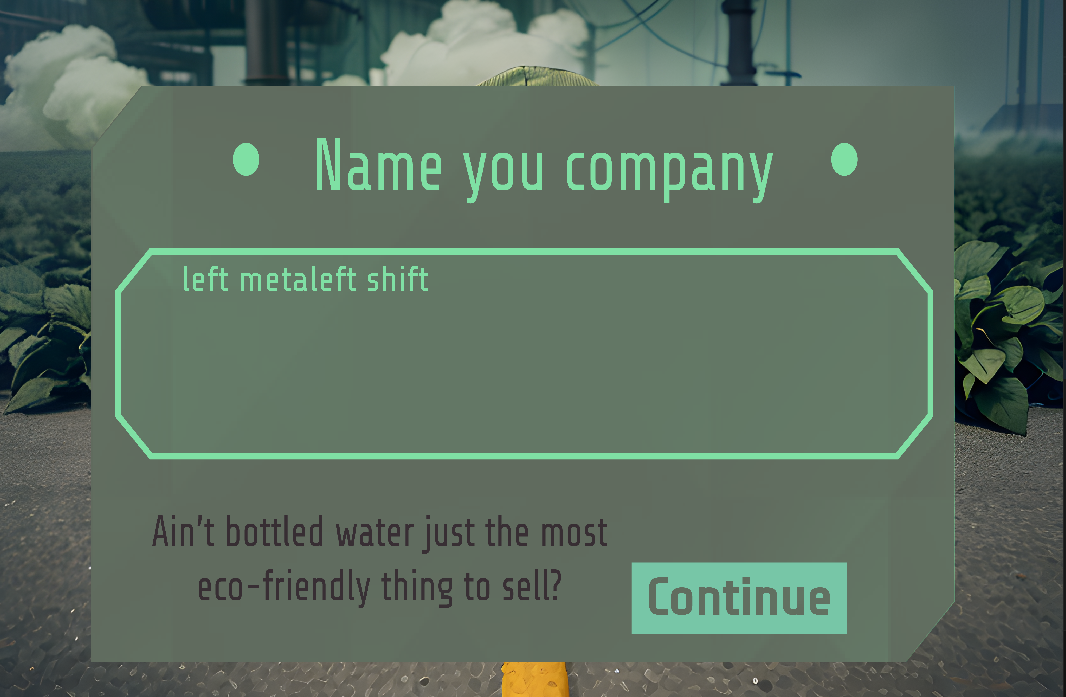
name your company
Inspiration
We wanted to make a project that called attention to the influence that heavy industry and megacorporations have on climate change. Since climate change is a prominent global issue which affects nearly every individual in some fashion, we chose to base our project on the acclaimed strategy/simulation game Plague Inc, another title in which the player makes decisions that impact the globe and is surprisingly applicable to the real world. Since we were creating a game, we decided to use pygame as several of us already knew how to use python and were curious with how it would translate to game development.
What it does
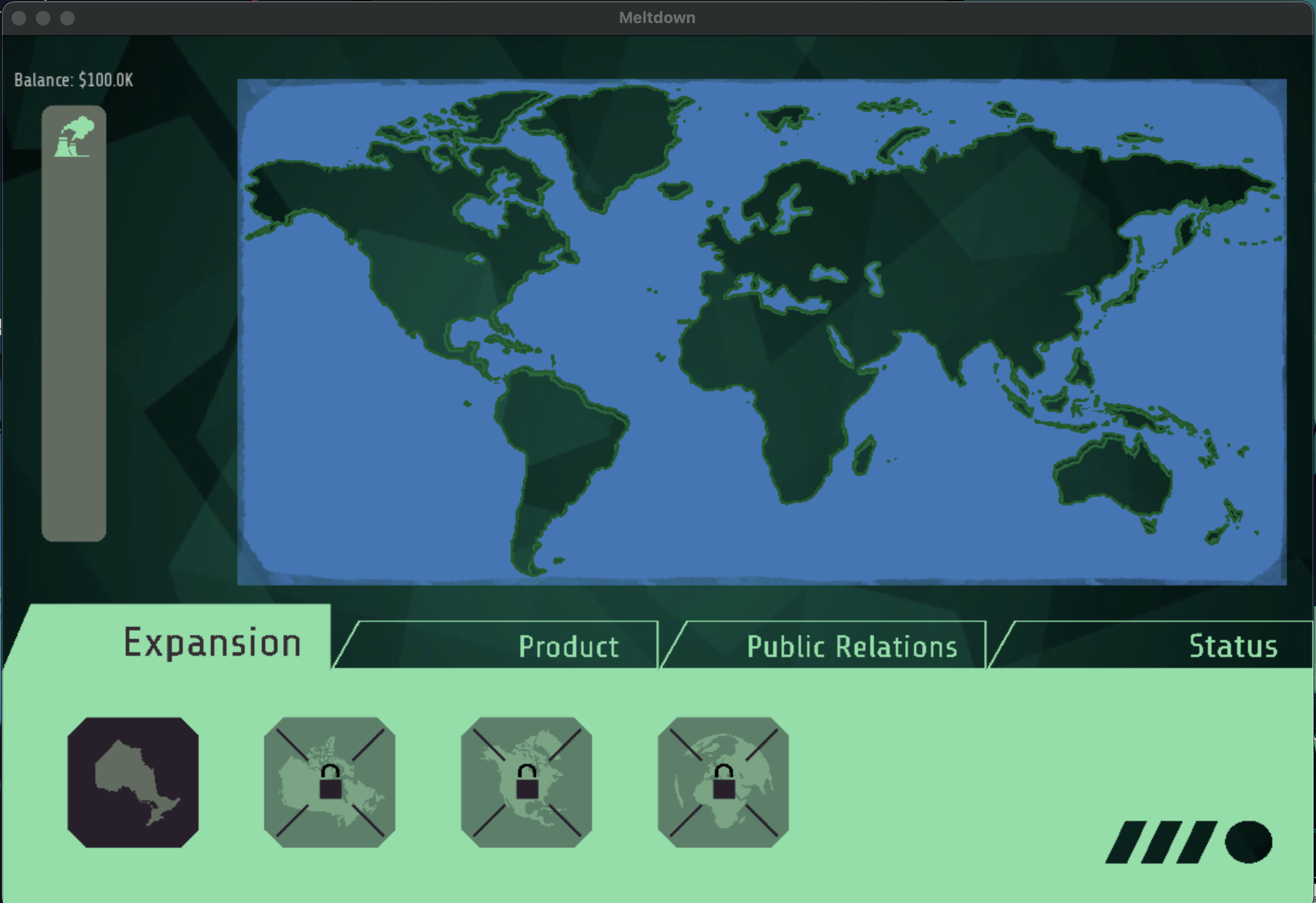
We created a game which simulates the progress of a corporate company, growing from a single branch to a global one in its edevour to pollute the world. You can use money to upgrade the rate at which you pollute, rate at which you earn income, and also use it to quel the public’s protests at your evil endevour. While you want to make money, the end goal is to pollute the world to 100% as demonstrated by the bar on the side of the game screen. It’s a simple but fun game to pass time.
How we built it
We used github to collaborate, a bunch of image editing tools to make the icons, and used python (pygame) as our programming language. In theory this game should work on any device, including those that don’t have python on them (although this is untested).
Challenges we ran into
Pushing, pulling, and synching are painful endevours as always. Other than that learning pygame in the short amount of time was difficult, as was finding a way to combine all of our code together into one cohesive main file (we all kept making copies of main and working on those in fear of messing something up). Getting all the visuals to work was difficult, as was making a number system for the game (how much to purchase? What rate should you earn money? How will we measure pollution?) that would make playing it fair and interesting, without making it too drawn out.
Accomplishments that we're proud of
As this was (mostly) our first experience creating a game, we were impressed with how polished the user interface turned out. Since we created the majority of our graphics ourselves, we were able to exhibit the theming of our game to a higher degree than if we plucked images from the internet, allowing for a more immersive experience closely aligned with our original goals. In addition, we were also proud of our use of pygame as a tool for game development as we persevered through learning a new language while dealing with the errors that came alongside that.
What we learned
We learned a lot more about how to use pygame. We got to do a lot of graphic design practice, and learned a few tricks on how to do it faster. We also learned a few tricks on how to show the visuals of the game with pygame efficiently, how to create buttons, how to change background colours on images, etc. (We also learned what amount of carbon dioxide needs to be in the air to make it deadly (haha)).
What's next for Meltdown
One of the main features that our game was originally set to have additional beneficial and detrimental events that triggered at certain intervals which would show up on the map, however, we eventually scrapped the majority of that idea in favour of a more centralized experience (also due to time constraints). Given more time, we would be able to integrate this feature to increase the overall enjoyment of the game as we found that the gameplay sometimes drags. We also considered implementing a more thorough upgrade system besides the ‘tiers’ present in this version, similar to the functions present in Plague Inc. This would drastically alter the pace of the game and make it a more dynamic experience. In short, our main plan for the future is to increase the points of interaction for the player.


Log in or sign up for Devpost to join the conversation.